

Picture this: you walk through the door after a long day, and your furry best friend unleashes a symphony of barks that could wake the neighbors. It’s heartwarming at first, right? That enthusiastic welcome feels like pure love.
Yet sometimes those barks drag on, turning joyous into exhausting. Could it be a simple plea for pets and playtime, or hides something deeper? Let’s uncover the real stories behind those woofs.[1]
Territorial Barks: Defending Their Kingdom

Ever notice your dog going full guard dog mode when a stranger nears the yard? Those sharp, repetitive barks signal they’re protecting their turf, home included.[1][2] It’s instinctual, like a feathered friend fluffing up against intruders.
This type often ramps up at fences or windows. Your pup sees threats everywhere, real or imagined. Honestly, blocking views with frosted film can dial it down fast. Still, rewarding quiet moments teaches them you’re the boss of security.
Alarm Barks: The Early Warning System
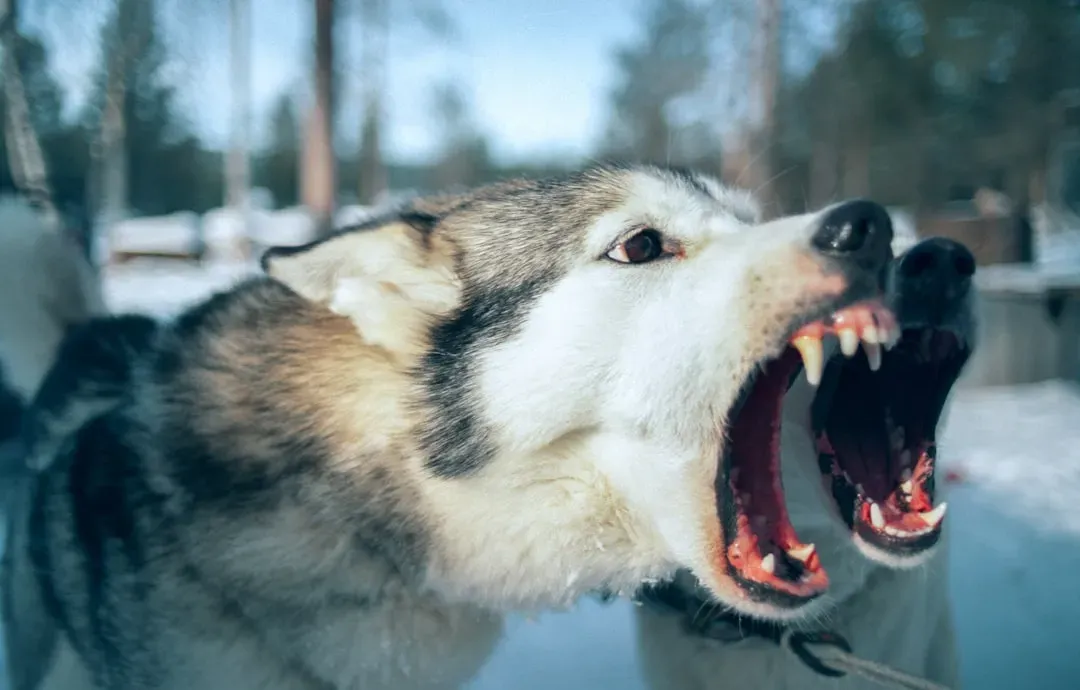
Did you know a dog’s bark can vary by pitch and speed to scream “danger”? Quick bursts mean they’ve spotted something suspicious, like a delivery truck rumbling by.[2] It’s their way of alerting you, the pack leader.
These differ from territorial ones by being more scattered, triggered by any odd noise or sight. I think it’s adorable how seriously they take the job. Train by acknowledging calmly, then cue “quiet” with treats. Over time, they learn not every squirrel merits a siren.
Frustrate the impulse, though, and barks intensify. Patience pays off here.
Attention-Seeking Woofs: “Pet Me Now!”

Here’s the classic cry for attention: that insistent, whiny bark when you’re on your phone or cooking dinner. Dogs quickly learn barking gets results, like tossed toys or scratches.[2] It’s manipulative genius, really.
Ignore it completely at first, no eye contact. Reward silence instead. Let’s be real, this works wonders if you’re consistent. My old lab pulled this trick until we flipped the script.
Soon, quiet becomes their new attention-grabber. Problem solved without drama.
Fearful Yelps: Anxiety in Disguise

High-pitched, frantic barks often hide fear, sparked by thunderstorms or loud bangs. Your dog cowers while vocalizing distress, body tense and tail tucked.[3] It’s not aggression, just panic.
Build confidence with gradual exposure and calming routines. Think cozy dens or thunder shirts. These barks tug at the heart, don’t they? Addressing the root calms everyone.
Sudden changes amplify this. Watch for patterns to help sooner.
Boredom Barks: The Understimulated Howl
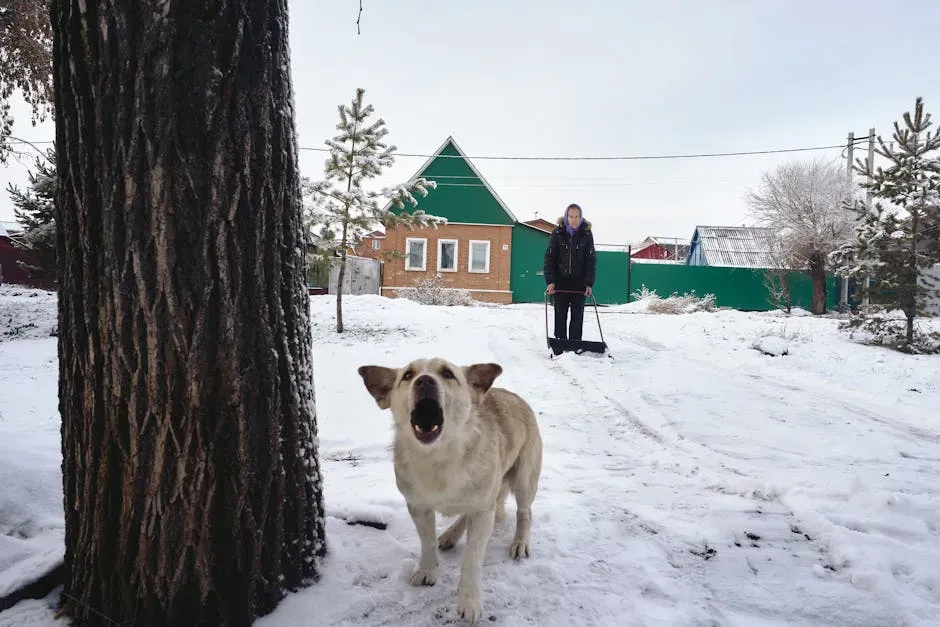
Imagine endless energy with nothing to do, that’s your bored dog barking at walls. Lack of exercise or toys leads to this repetitive racket, especially in high-drive breeds.[3] Puzzle feeders flip the switch.
Long walks and mental games tire them out mentally. I swear, a stuffed Kong buys hours of peace. Rotate toys to keep it fresh. Neglect this, and barks escalate to frustration.
It’s like a kid acting out for playtime. Simple fix, big rewards.
Greeting Barks: Pure Excitement Overload

Those joyful, wiggly barks when guests arrive? Classic greeting mode, tail wagging wildly.[1] Your dog just can’t contain the thrill.
Teach a sit for greetings to channel energy. It prevents jumping too. Sounds crazy, but practice turns chaos into charm. Everyone wins.
Overexcited pups need cooldowns post-visitors. Consistency shapes better habits.
Medical Barks: A Hidden Cry for Help

Sometimes barking spikes due to pain or illness, like ear infections or arthritis nagging away. Older dogs especially vocalize discomfort this way.[1][4] Vet check first, always.
Sudden changes scream “see a pro.” Cognitive issues in seniors mimic this too. Don’t dismiss as naughtiness. Early catch saves heartache.
Rule out health before behavior tweaks. Smart owners prioritize this.
Wrapping It Up: Listen Closer to Your Pup

Barking isn’t random noise, it’s your dog’s voice in a complex world. From guarding instincts to health woes, each type tells a story worth decoding. Tune in, act wisely, and those barks transform from nuisance to nudge.
Stronger bonds await when you respond right. What’s your dog’s go-to bark? Share in the comments and let’s chat.[2]


