
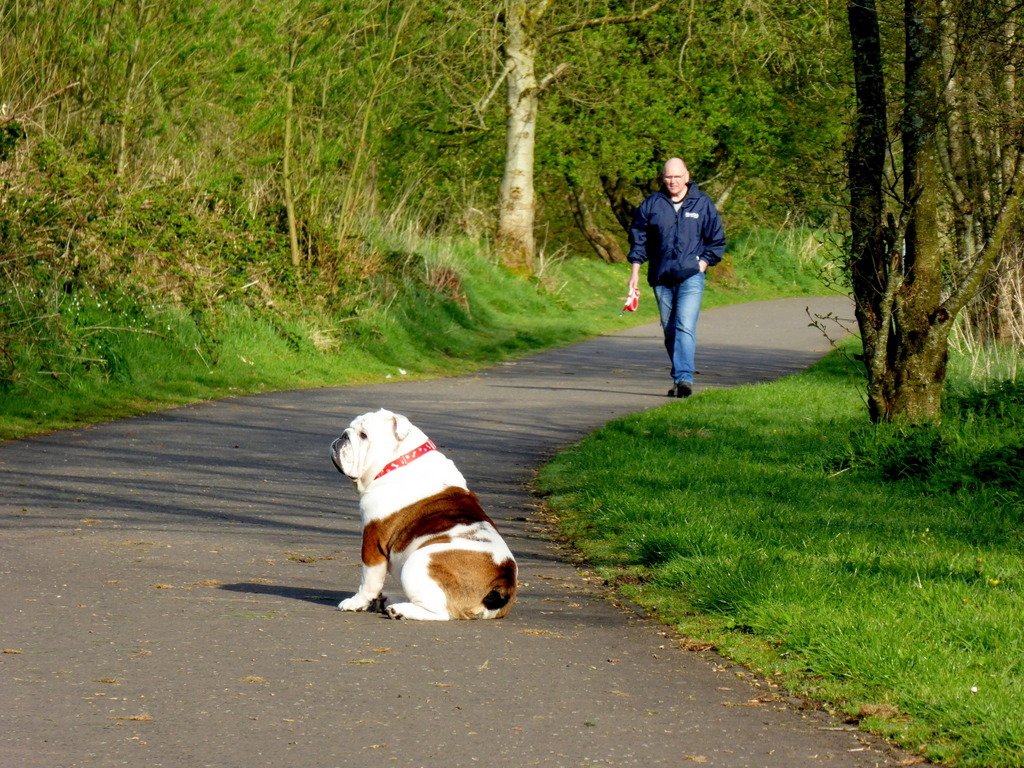
You call their name. They look right at you. Their ears perk up. Then, without a single twitch of guilt, they turn back around and go about their business like you don’t exist. Sound familiar? If you’ve ever lived with a dog who seems to have a very selective relationship with the word “come,” you’ve probably wondered whether you’re dealing with defiance, pure stubbornness, or maybe something else entirely.
Here’s the thing most dog owners never hear: that “stubborn” dog isn’t being difficult on purpose. More often than not, they’re being brilliantly, maddeningly logical. The science behind canine behavior is telling us a very different story than the one we’ve been telling ourselves, and honestly, once you understand it, everything changes. So let’s dive in.
Stubbornness Is a Human Word for a Dog Problem
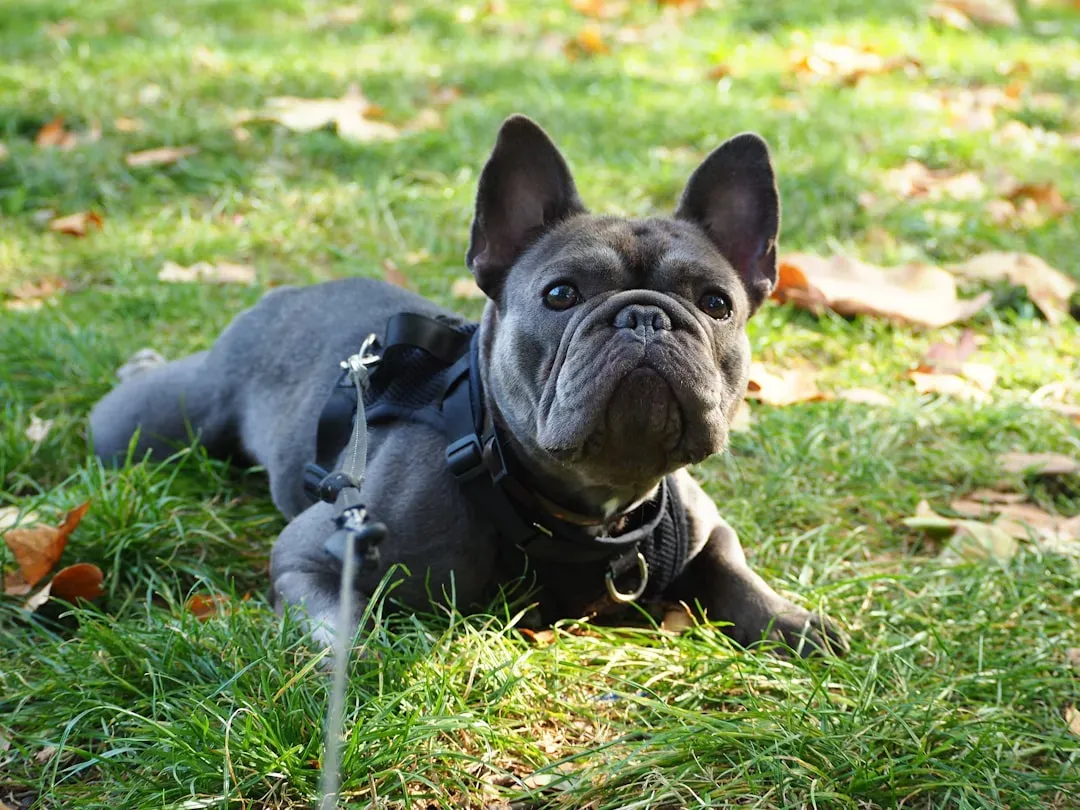
Let’s be real for a second. When we label a dog as stubborn, we’re projecting human motivation onto an animal whose brain works very differently from ours. Too often, people interpret their dog’s behavior through a human lens, and that’s most apparent when their dog doesn’t listen or obey cues. It feels like defiance. It feels personal. It rarely is.
What looks like stubbornness is almost always a motivation, emotional, or learning issue, not a refusal to comply. Think of it like this: imagine someone asking you to drop everything and do jumping jacks in the middle of your favorite TV show. You’d probably ignore them too, especially if the reward was a stale cracker.
Dogs are pragmatic creatures. Every second, they evaluate the benefit. On one side of the scale is your dry cookie and a “Good boy.” On the other is the scent of a female in heat, a squirrel on a tree, or a pile of trash that smells “divine.” If the stimulus is stronger than your reward, the dog will choose the stimulus. This isn’t rebellion; it’s simple math of benefit. Once you see it that way, frustration starts to soften into fascination.
Their Brain Was Built for Independence, Not Compliance
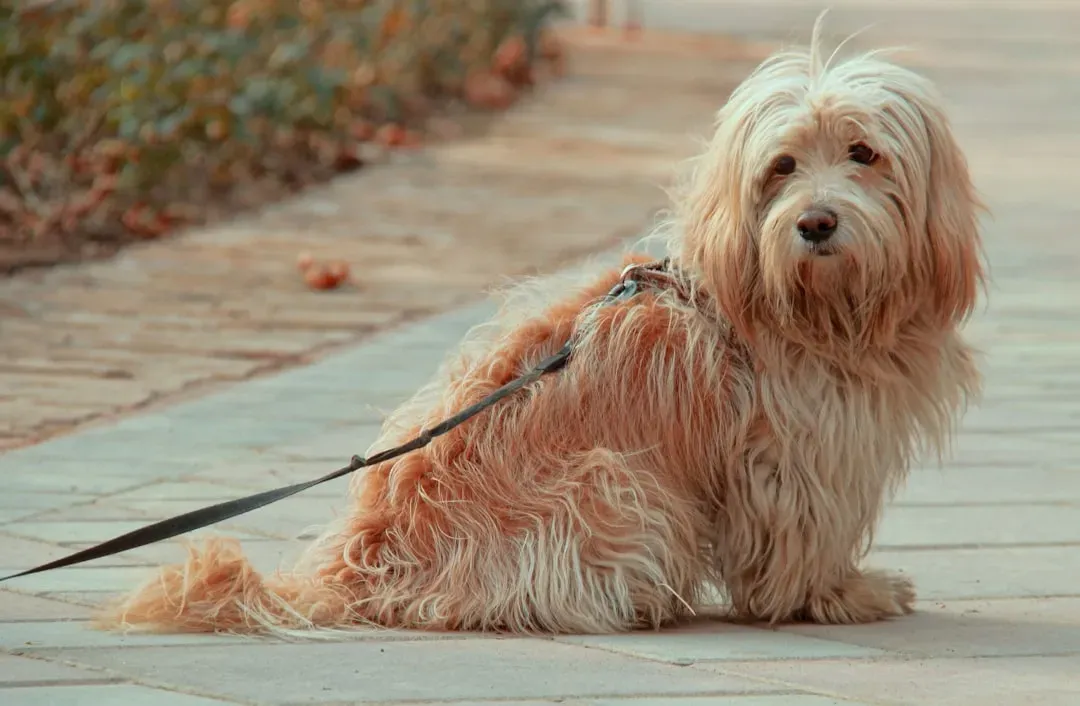
This is where things get genuinely fascinating. What we perceive as a stubborn streak in certain dog breeds is actually a complex interplay of genetics, evolutionary history, and breed-specific traits that have been deliberately selected for over generations. Science tells us that so-called stubborn breeds aren’t being deliberately difficult; rather, they’re often displaying exactly the traits they were bred to exhibit.
Many breeds labeled as stubborn aren’t actually stubborn. It’s because they’re generally absorbed by other things, such as Bloodhounds being ruled by their noses, or they’ve been developed to have an independent personality, like terriers. A Beagle ignoring your recall in the park isn’t being rude. It’s fulfilling a centuries-old biological calling that runs deeper than any treat you could offer.
There are some dog breeds that are independent thinkers. Instead of blindly obeying commands from the human master, the thinking dog might decide the best course of action for itself. This is often seen in working dogs, especially in livestock guardian breeds. These dogs are in charge of protecting other animals in their care from predators like wolves, coyotes, and foxes. In many cases, the flock guardian dogs are left on their own for several days. Asking these dogs to simply obey without question is like hiring a chess grandmaster to play only checkers.
Smart Dogs Learn Loopholes, Not Just Lessons

Here’s a truth that might sting a little: the smarter your dog is, the more creative their “non-compliance” tends to be. Smart dogs learn fast, but they also learn loopholes. They figure out which commands get reinforced and which ones they can blow off. They pick up on your energy, your hesitations, your inconsistencies. They learn how to manipulate the environment, and you, because they can.
Many smart dogs know exactly how to manipulate their owners. This isn’t malicious. It can be natural for a dog to try to push the boundaries and see how much they can get away with, similar to how a toddler might. For example, maybe they know which person in the household is most likely to cave into a request for people food. Or, maybe they know how to get fed twice, by going to someone else in the home and acting like no one’s fed them yet. I know it sounds crazy, but that’s genuinely impressive cognitive work.
A smart dog might refuse a command not because they don’t understand, but because they’ve assessed the reward isn’t worth the effort, or they’ve found a more efficient solution to the problem at hand. This selective responsiveness is sometimes misinterpreted as stubbornness when it’s actually a demonstration of sophisticated decision-making. The dog isn’t broken. Your negotiation strategy might just need an upgrade.
When ‘No’ Is Actually the Right Answer: Intelligent Disobedience
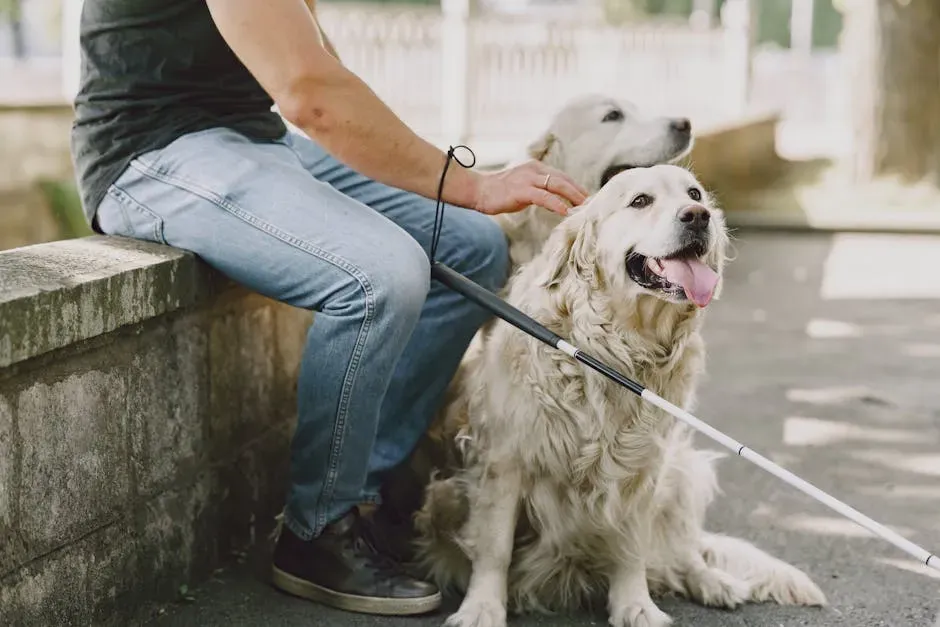
This might be the most mind-expanding concept in canine behavior, and most dog owners have never heard of it. Intelligent disobedience, also known as intelligent refusal, is a concept held dear by those who train service dogs, especially guide dogs for the visually impaired. These dogs are taught to use their own judgment and not respond to the cue of their blind human if it’s not safe to do so. Amazingly, guide-dog trainers report that this skill has no effect on the dogs’ willingness to respond reliably to the “go forward” cue when there’s not an obstacle. The dogs readily understand that the refusal response is expected and accepted only when there is a potential hazard in the path. That’s some impressive cognitive thinking!
So the next time your dog plants their feet on a walk and refuses to move forward, pause before you get frustrated. They might be picking up on something you’ve completely missed. A smell that signals danger. A surface that feels wrong under their paws. A situation that their instincts are flagging as unsafe. As recognition of canine cognition expands, there is growing acceptance of the non-service dog’s option to sometimes say, “No.”
Certain dogs don’t waste energy on commands they find unnecessary. They analyze before acting. This makes them seem aloof, but it’s actually a form of controlled intelligence. Their decisions often come after observing, not reacting on impulse. That pause before compliance isn’t laziness. It’s a thinking dog doing exactly what good thinking dogs do.
Training the Independent Thinker: What Actually Works
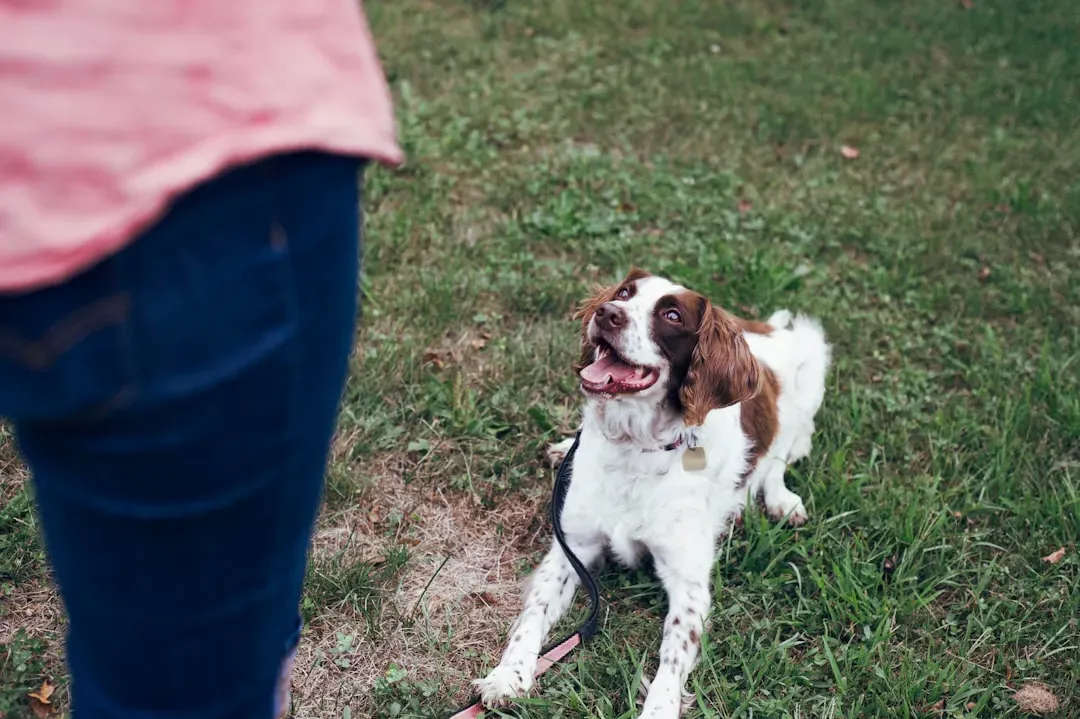
Okay, so your dog is smart, self-directed, and doing a cost-benefit analysis every time you open your mouth. What on earth do you do with that? The good news is that understanding this actually makes everything easier. Dogs trained with motivation choose behaviors because those behaviors work for them, not because they fear consequences. That shift in approach changes everything.
Despite their stubborn streak, these breeds are often incredibly clever dogs who can shine when approached with positive reinforcement techniques rather than harsh discipline. Even notoriously willful breeds like the Bull Terrier or exceptionally bright Border Collies can transform into well-behaved companions once their unique motivations are understood. Find what your dog actually loves. For some dogs, that’s food. For others, it’s play, praise, or the thrill of a new challenge.
Consistency is your most powerful tool. Inconsistency creates chaos. Yesterday jumping on the bed was allowed because you were in a good mood, but today it’s not allowed because you’re tired. For a dog, this is chaos. Rules must be clear: either allowed always, or never allowed. A confused dog isn’t a bad dog. They’re just a dog navigating a world where the rules keep shifting without warning. Give them clarity and watch the so-called stubbornness start to dissolve.
Conclusion: Rethink the Label, Deepen the Bond

If there’s one thing worth taking away from all of this, it’s that the word “stubborn” does your dog a serious disservice. When we understand the biological and evolutionary foundations of these behaviors, we can approach training and management with greater empathy and effectiveness. Your dog isn’t staging a rebellion. They’re being themselves, fully and honestly, in the only way they know how.
It is patently unfair to label a dog as stubborn. Dogs do what works for them, and when they aren’t doing what we ask, they have a good reason. The moment you start asking “What is my dog trying to tell me?” instead of “Why won’t my dog just listen?”, your whole relationship shifts. Suddenly you’re partners instead of opponents.
The most rewarding dogs to live with aren’t always the most compliant ones. They’re the ones who challenge you to be a better communicator, a more patient teacher, and a more curious observer. Your “stubborn” dog might just be waiting for you to catch up. What do you think, has your dog ever outsmarted you in a way that left you secretly impressed? Share your story in the comments!


