
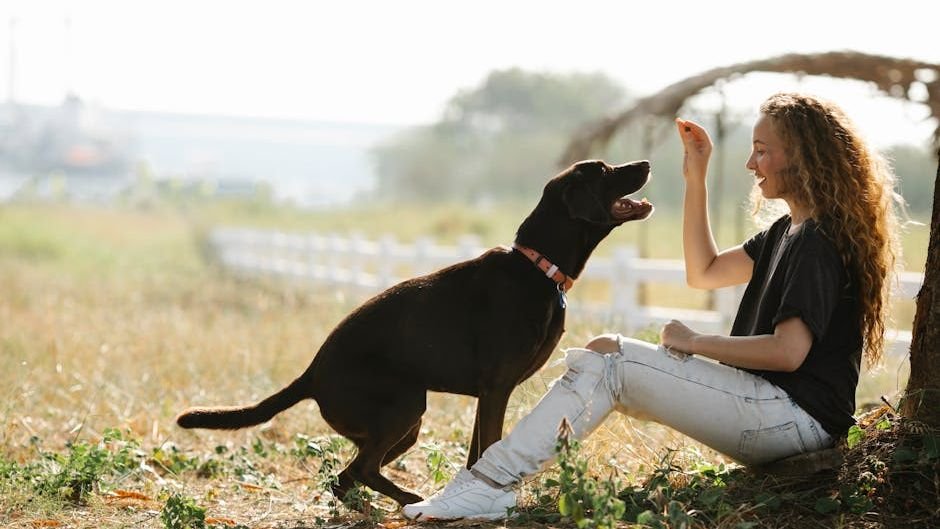
Most of us fell in love with our dogs long before we understood them. We saw that wagging tail and thought, “happy!” We saw the guilty face after a chewed shoe and thought, “busted!” We’ve been projecting, guessing, and honestly – getting it wrong more often than we’d like to admit. And here’s the thing: that’s not a personal failure. It’s just the gap between loving your dog and truly understanding your dog.
The good news is that gap is closable. Understanding what your dog is actually communicating – through their eyes, their ears, the way they hold their body – is not just a neat skill. It is the very foundation of a genuinely happy and thriving animal. Less barking, less anxiety, less destruction, and a whole lot more of those moments where you both just feel… in sync. Curious about where to start? Let’s dive in.
You’re Probably Misreading Your Dog More Than You Think
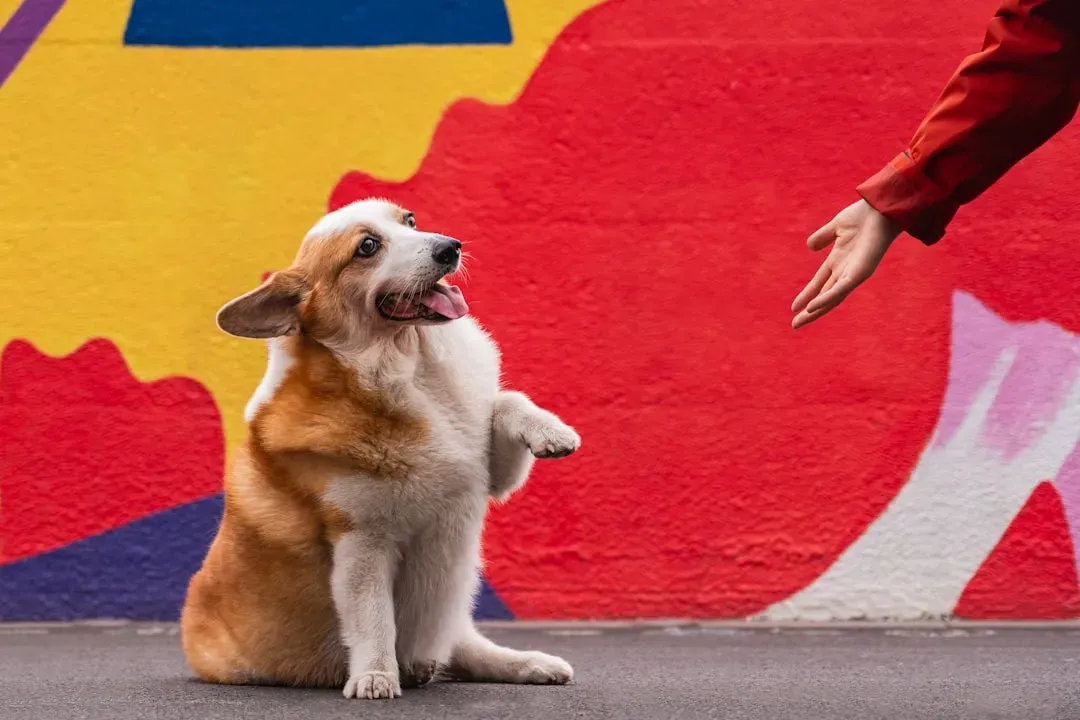
Here’s a slightly uncomfortable truth to kick things off. What researchers have found is that people’s perception of a dog’s mood is often based on everything in the environment besides the dog himself. People don’t look at what the dog is doing. Instead, they look at the situation surrounding the dog and base their emotional perception on that. That’s a big deal. Imagine judging your best friend’s feelings entirely based on the room they’re standing in, not their face or body language.
Researchers describe this perfectly: “You see a dog getting a treat, you assume he must be feeling good. You see a dog getting yelled at, you assume he’s feeling bad.” Those assumptions “have nothing to do with the dog’s behavior or emotional cues, which is very striking.”
Adding to the misunderstanding is a human tendency to project our own feelings onto dogs. This “anthropomorphizing” of the interaction clouds our ability to truly understand what a dog’s emotional state actually is and what they are trying to tell us. We treat dogs like small, furry people – and they are so much more interesting than that.
Learning to Read the Real Language of Dogs
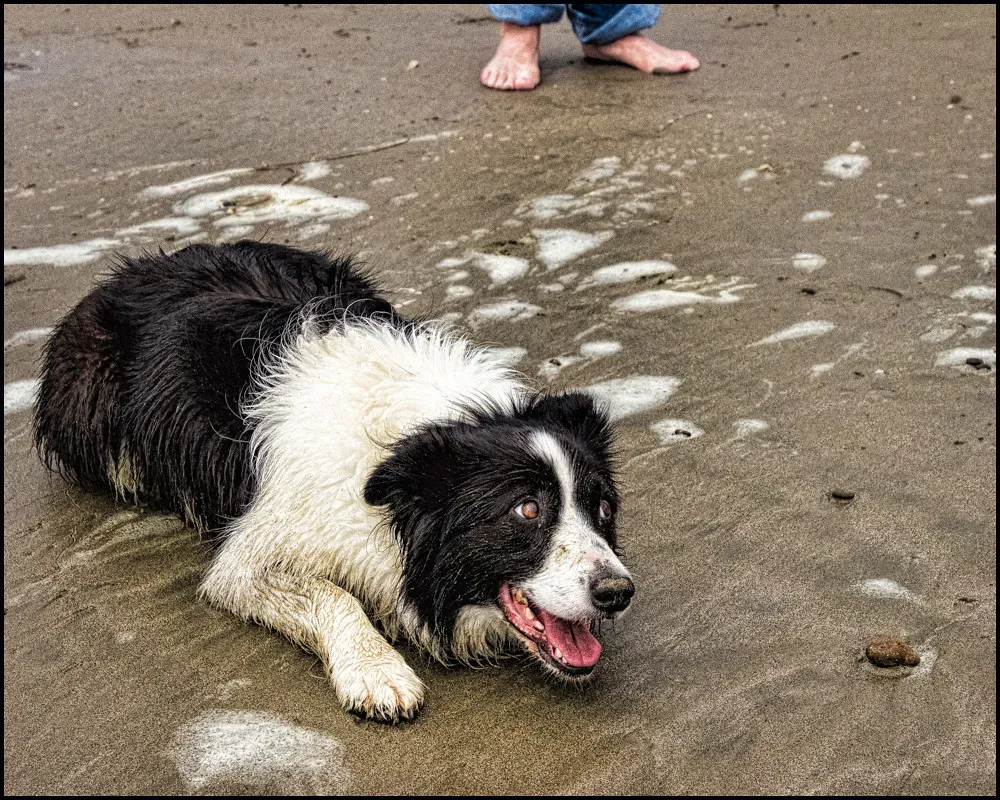
Your dog is always “talking” to you with their body. Yawns, tail wags, and ear position all tell a story. By watching closely and thinking about the situation, you can tell if your dog is tired, happy, or stressed. Think of it like learning a new language – at first it feels foreign, but with practice it becomes second nature.
Let’s get specific, because this is where it gets genuinely fascinating. Yawns can indicate stress. If your dog yawns repeatedly in the middle of a noisy waiting room, during a training session, or while being hugged by a stranger, it’s less about sleepiness and more about unease. The key is context. A yawn on the couch at night? Sleepy pup. A yawn at the vet’s office? That’s a dog trying to self-calm.
The way a tail looks is often misunderstood. A wag doesn’t always mean a dog is happy. A tail tucked tightly between the legs is a classic stress signal. A low tail with a stiff, quick wag can also mean worry, not joy. A relaxed wag tends to be looser, higher, and paired with a relaxed body posture. That’s the wag you want to see. That’s the one that means your dog is genuinely content.
There are entire books written on dog body language and “calming signals,” a term developed by Norwegian dog trainer Turid Rugaas. Rugaas realized that dogs have more than 30 ways to avoid stressful situations and try to calm themselves. Thirty. That’s not a quiet animal. That’s a deeply communicative one – and most of us miss the majority of those signals every single day.
The Subtle Stress Signals You Should Never Ignore

Stress in dogs rarely starts with growling or snapping. It starts quietly, with whispers that escalate when ignored. Stress signs to look for include whale eye (when dogs reveal the whites of their eyes), tucked ears or tail, raised hackles, lip-licking, yawning, and panting. Knowing these signals is not just useful – it could prevent a bite that no one saw coming.
The first stage of discomfort is called “appeasement and displacement behaviour,” which means a dog is trying to avoid conflict. The signals, sometimes called “whispers,” are subtle and often shown in response to a perceived threat. It’s important to recognise these signs so a dog’s behaviour does not escalate. Think of it as a dog quietly asking for help before they feel forced to shout.
A dog freezes if they’re scared or guarding something, such as food or a toy, or if they feel cornered. This is a low-level warning sign on the ladder of dog aggression. Not respecting this warning can lead to escalation of growling, snapping, and potentially biting. Honestly, so many bites in the world are preventable if people just learned to listen earlier.
Why Punishment Doesn’t Work – And What to Do Instead
Let’s be real: a lot of traditional dog training was built on the idea that you need to dominate your dog, show them who’s boss, and punish bad behaviour decisively. Science has largely dismantled that idea. Studies point to the fact that the welfare of companion dogs trained with aversive-based methods is at risk, especially if these are used in high proportions. That’s not opinion. That’s a comprehensive research finding.
Research showed that dogs trained with aversive methods displayed more stress-related behaviors, were more frequently in tense and low behavioral states and panted more during training, and exhibited higher post-training increases in cortisol levels. Additionally, those dogs were more “pessimistic” in a cognitive bias task compared to reward-trained dogs. A pessimistic dog is a stressed dog. A stressed dog does not learn well, bond well, or live well.
Studies have shown that positive reinforcement is generally more effective and leads to better long-term results. Dogs trained with positive methods tend to be more confident, happy, and eager to learn. On the other hand, dogs subjected to punishment may become fearful, anxious, and less willing to engage in training. There’s a beautiful analogy here: think about the best teacher you ever had. Did they yell at you, or did they encourage you? The answer is probably obvious.
Your Dog’s Brain Needs a Workout Too
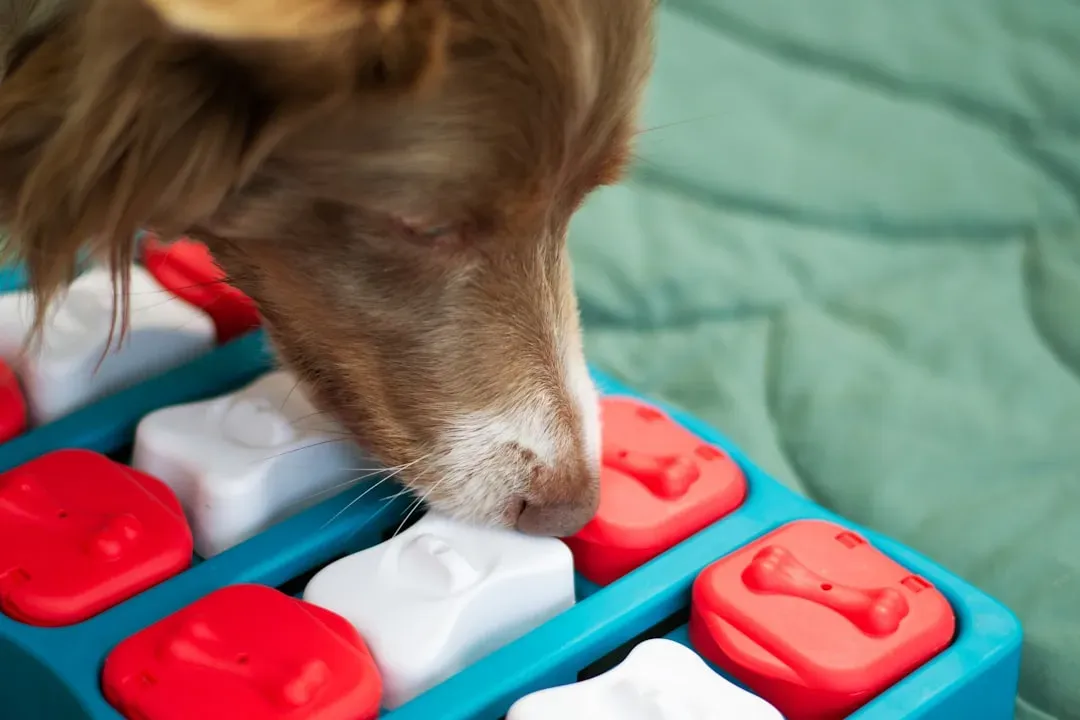
Here’s something many dog owners never think about until they’ve already dealt with the consequences. Mental stimulation is just as important for dogs as physical exercise. Signs that a dog is bored include tail-chasing, excessive barking, pacing, and digging. Sound familiar? Before you blame the dog, ask yourself: when did I last challenge their brain?
Mental enrichment stimulates the prefrontal cortex, the part of the brain involved in decision-making, impulse control, and focus. When dogs engage their minds regularly, they strengthen these neural pathways, just like muscle building through exercise. This is why mentally stimulated dogs tend to be calmer, more adaptable, and more capable of learning new behaviors. A fifteen-minute puzzle game before you leave for work could be the difference between a peaceful home and a destroyed couch.
Studies have shown that engaging in enrichment activities can lower cortisol (the stress hormone) in dogs. The act of sniffing, central to most enrichment tasks, has a particularly calming effect on the canine nervous system. In fact, “nose work” has been shown to regulate heart rate and promote relaxation. So the next time you let your dog sniff endlessly on a walk, know that you’re basically giving them a meditation session. Let them sniff.
A fifteen-minute brain game session can tire a dog similarly to a thirty-minute walk, but both types of stimulation are important for overall wellbeing. Enrichment needs to be suitable for the individual animal. Individual variation dealing with likes, dislikes, wants, and needs plays a role in what an animal will enjoy as enrichment. What thrills a Border Collie might bore a Basset Hound to tears, and that’s totally fine.
Understanding Is the Best Thing You Can Give Your Dog
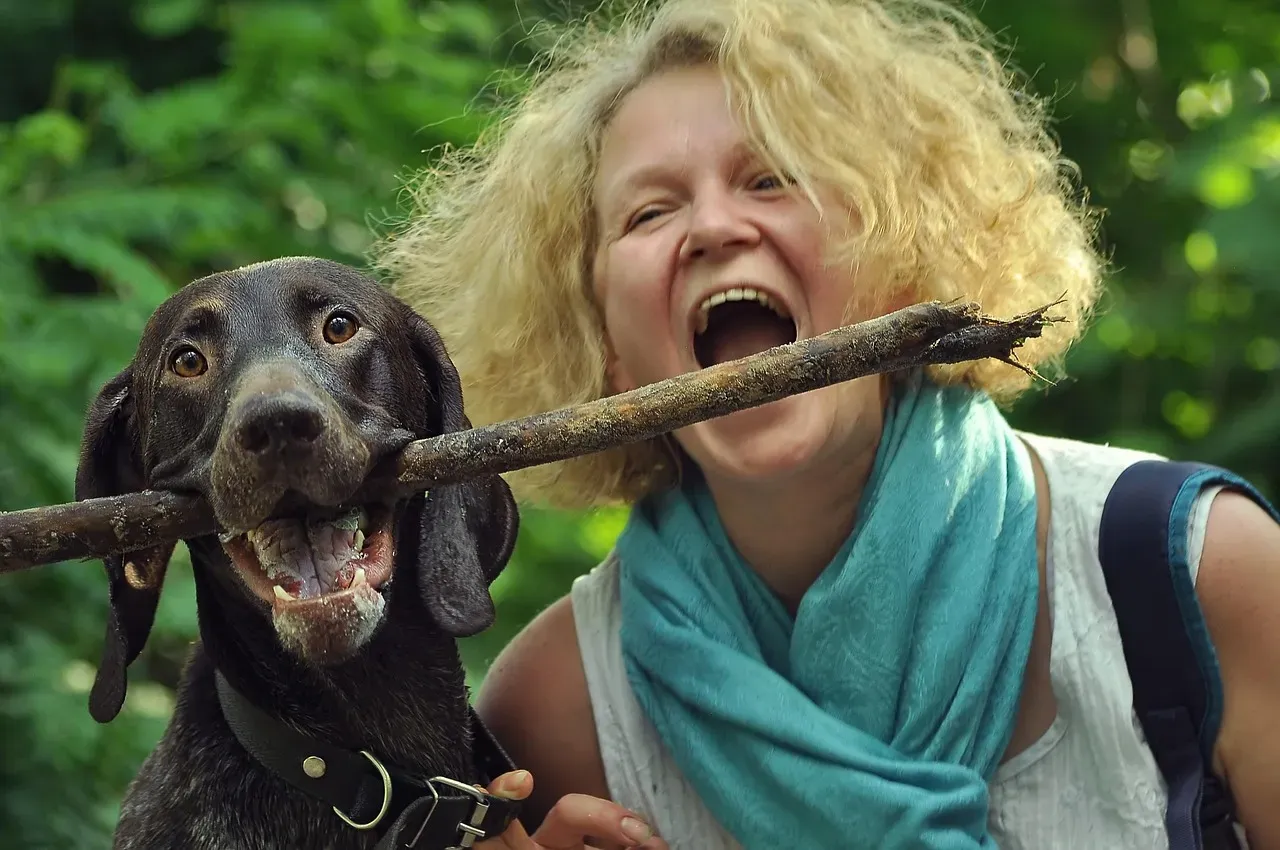
It’s tempting to chase perfect obedience. A dog that sits on command, heels perfectly, never jumps. That’s the dream, right? But I’d argue that a dog who trusts you, who communicates openly, who is calm and curious and genuinely content – that dog is worth so much more than a perfectly obedient one who is quietly suffering inside.
Reading, understanding and responding to your dog’s body language is a key part of the companion-to-owner relationship. By understanding their cues and appropriately advocating for your dog, owners can continue to ensure their dogs remain happy, comfortable and safe. Advocacy matters. It means speaking for the dog who cannot speak in words.
A simple checklist of canine needs is designed to help people spot the gaps in what they are doing and reflect on any changes they might like to make for the benefit of their dog. It’s written with the understanding that no one is perfect, but that sometimes making small changes can lead to a better relationship with our dog. No guilt, no shame. Just a willingness to keep learning.
New brain imaging and genetic tools are letting researchers explore how dogs think and feel in ways that weren’t possible before. “We have only begun to understand the complexity of the canine mind and the human-canine bond.” That sentence, right there, should fill every dog lover with excitement rather than overwhelm. We’re not at the end of learning about our dogs. We’re right at the beginning.
Conclusion: The Dog That Feels Understood Is the Dog That Thrives

You don’t need to be a certified animal behaviorist to make a profound difference in your dog’s life. You don’t need the most expensive enrichment toys, the fanciest training program, or a perfectly curated daily schedule. What you need – truly need – is to start paying attention to the dog in front of you. The actual dog. Their actual signals. Their actual needs, not the ones you’ve projected onto them.
When you understand your dog, something shifts. Arguments over “bad behavior” become clues to solve. Anxiety transforms into a problem you can address. And that quiet moment on the couch where your dog sighs and leans into you? That’s not just cute. That’s trust. That’s a well-understood dog telling you, in the only language they have, that they feel safe.
A happy dog is not a perfectly obedient dog. A happy dog is a dog who is heard. So take the time to listen. It might just be the best thing you ever do for the creature who already thinks you’re everything.
What small change will you make today to better understand your dog? Share it in the comments – you might just inspire another dog owner to do the same.


