
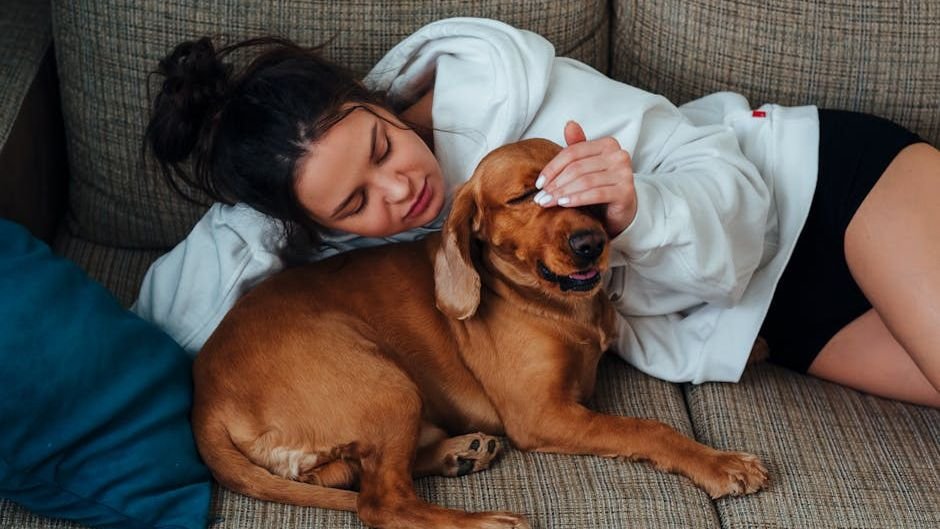
Most dog owners already know their pup loves them. You feel it in the way your dog rushes to the door when you come home, in those soulful eyes gazing up at you from across the room, in the warmth of a furry body pressed against your leg at night. But here’s what fewer people realize: that love is only part of the story.
Your dog doesn’t just love you. Your dog is looking to you, constantly and deeply, to make sense of the world. Every strange noise, every unfamiliar face, every scary trip to the vet – your pup processes all of it through the lens of what you project. You are not merely their owner. You are their emotional anchor. That’s a beautiful responsibility, and honestly, it changes everything about how we should show up for our dogs. Let’s dive in.
You Are Your Dog’s Emotional Mirror
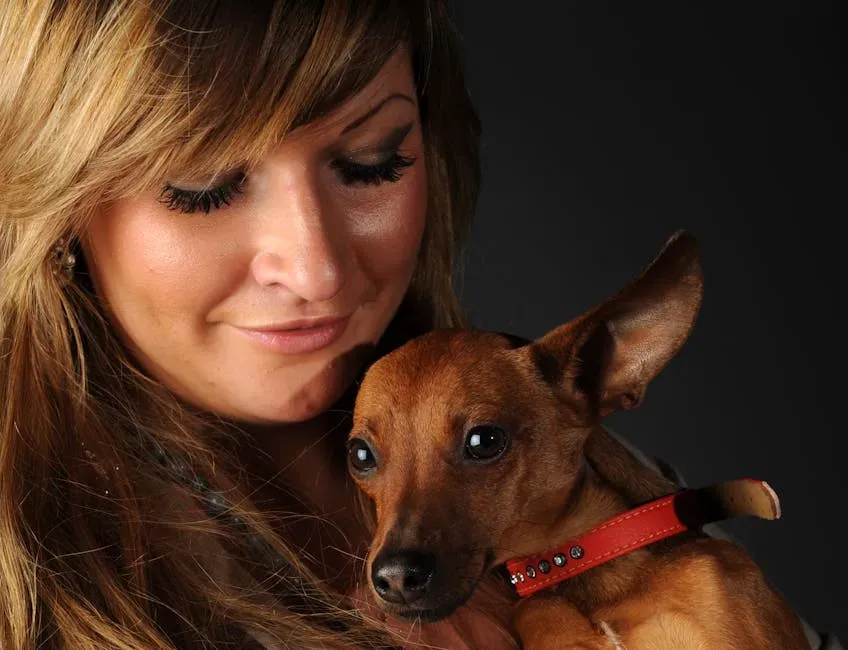
Think about the last time you were anxious about something. Maybe a stressful work call, a tense family situation, or even just rushing out the door running late. Did your dog seem unsettled, clingy, or unusually restless in those moments? That’s not a coincidence. When their people project feelings of calm and confidence, dogs tend to view their surroundings as safe and secure. The opposite is just as true.
Dogs are amazingly social beings, so they are easily infected with our warmth and joy – but their owner’s stress and anxiety can also become the dog’s stress and anxiety. This interspecies emotional contagion has a psychological, physiological, and behavioral basis. In simple terms, your dog is basically running an emotional scan of you all day long.
Studies have shown that dogs can catch our yawns, experience an increase in cortisol levels when they hear a baby crying, and respond to the emotional tone of our voices. I think that’s honestly remarkable. Your dog isn’t just reacting to what you do – they are absorbing who you are in any given moment. That’s a level of emotional attunement that most humans don’t even manage with each other.
The Science Behind Your Dog’s Emotional Dependence
This isn’t just feel-good intuition. The bond between dogs and their owners has deep biological roots. Multiple studies have shown that the transmission of emotions depends on the release of certain hormones such as oxytocin, body odor changes in humans, the firing of key neurons in both the dogs and their people, and other physiological factors. Your very chemistry talks to your dog.
The Emotional Closeness factor in dog-owner relationships was related to increased heart rate variability in dogs, suggesting this aspect is associated with a secure base effect. In plain language: dogs with emotionally close owners show calmer physiological responses. They feel safer. Their hearts literally beat more steadily.
Dogs of confident owners displayed more proximity-seeking behaviors and were more likely to interact with the owner when a stranger was present compared with dogs of owners lacking in confidence. Your energy isn’t invisible to your dog. It’s a physical, measurable force that directly shapes their willingness to engage with the world. That’s powerful stuff.
Reading the Signs: How Insecurity Looks in Real Life
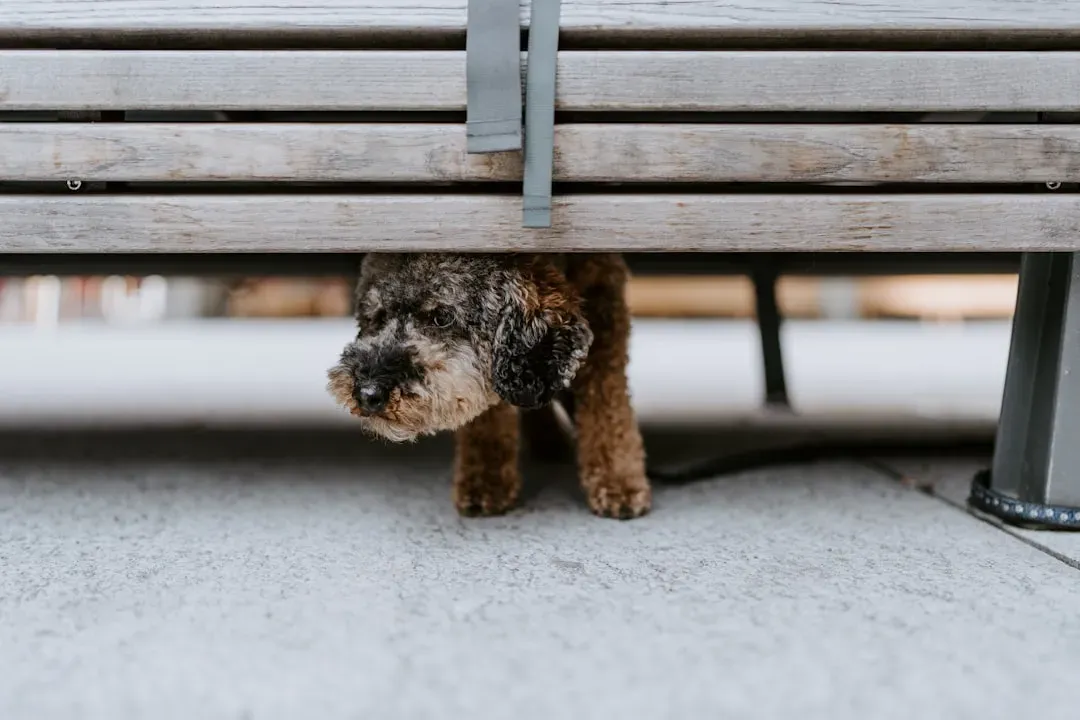
Here’s the thing – a lot of dog owners mistake fear-based behaviors for stubbornness, bad manners, or breed quirks. An insecure dog is one who shows chronic fear, low confidence, or uncertainty in everyday interactions. Recognizing what that actually looks like is the first step to helping.
Watch your dog closely. Tail positioning matters greatly: the higher the tail, the more confident the dog; the lower, the more insecure. Ear positioning works similarly – ears straight up generally indicate confidence, whereas lowered or pinned back ears often signal insecurity. These aren’t quirks. They’re your dog talking to you in the only language they have.
A dog who startles easily or overreacts to noises, guests, or sudden movements could be struggling with a lack of confidence. This hypersensitivity is rooted in insecurity – they feel unsure of how to handle new or unpredictable situations. Other red flags include excessive clinginess, hiding behind furniture, refusing food during stressful moments, and destructive chewing. If your dog seems “off,” they probably are. Trust your gut, and watch their body.
Early Socialization: The Window You Cannot Afford to Miss
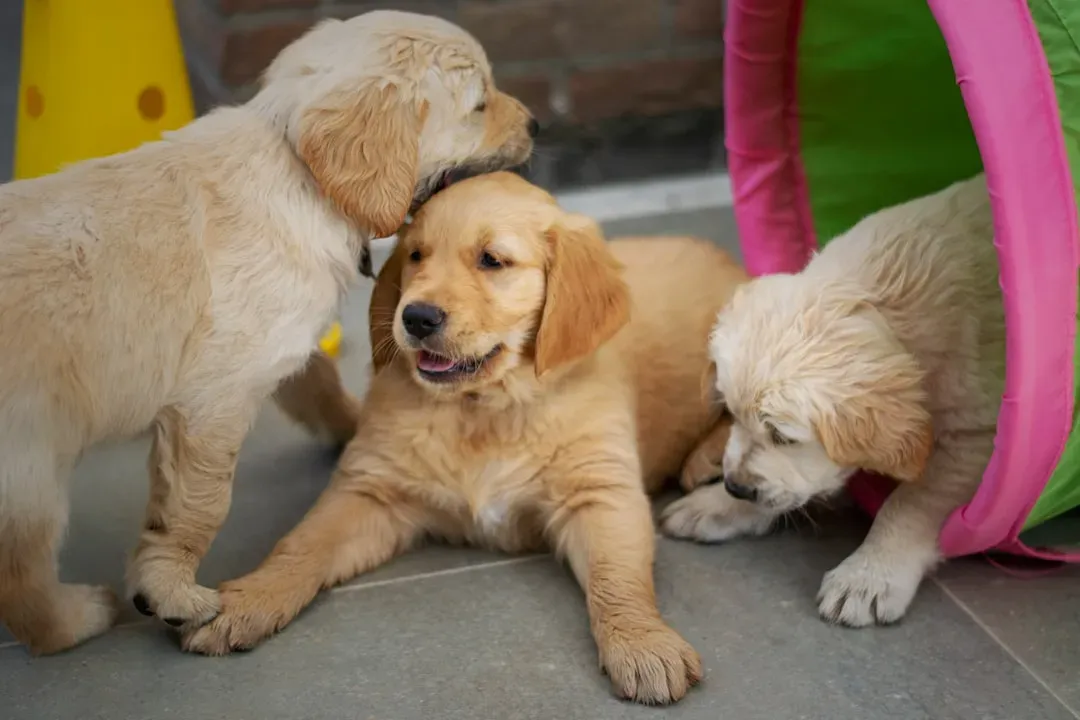
If you’ve recently brought home a puppy, or you’re planning to, this section matters more than almost anything else. The critical socialization period refers to a developmental stage when young animals are especially receptive to learning about their environment. During this time, the brain rapidly develops connections – positive exposure builds confidence, while negative or absent experiences can lead to fear.
What a puppy learns before they’re even three months of age will affect their behavior for the rest of their lives. It is your responsibility to take advantage of this critical socialization window to help them become a well-adjusted member of society. That’s not hyperbole. That’s developmental science. Miss that window and you may spend years trying to undo what a few focused weeks could have prevented.
Dogs that are appropriately socialized as puppies are less likely to exhibit behavioral problems as adults, including aggression and fearfulness. They are more likely to engage in positive social behaviors with humans and can learn how to play games with humans better than dogs without proper socialization. Practically speaking: expose your puppy to different people, sounds, surfaces, and environments in a calm, positive way. Make new experiences feel safe, not overwhelming.
The Transformative Power of Positive, Consistent Training
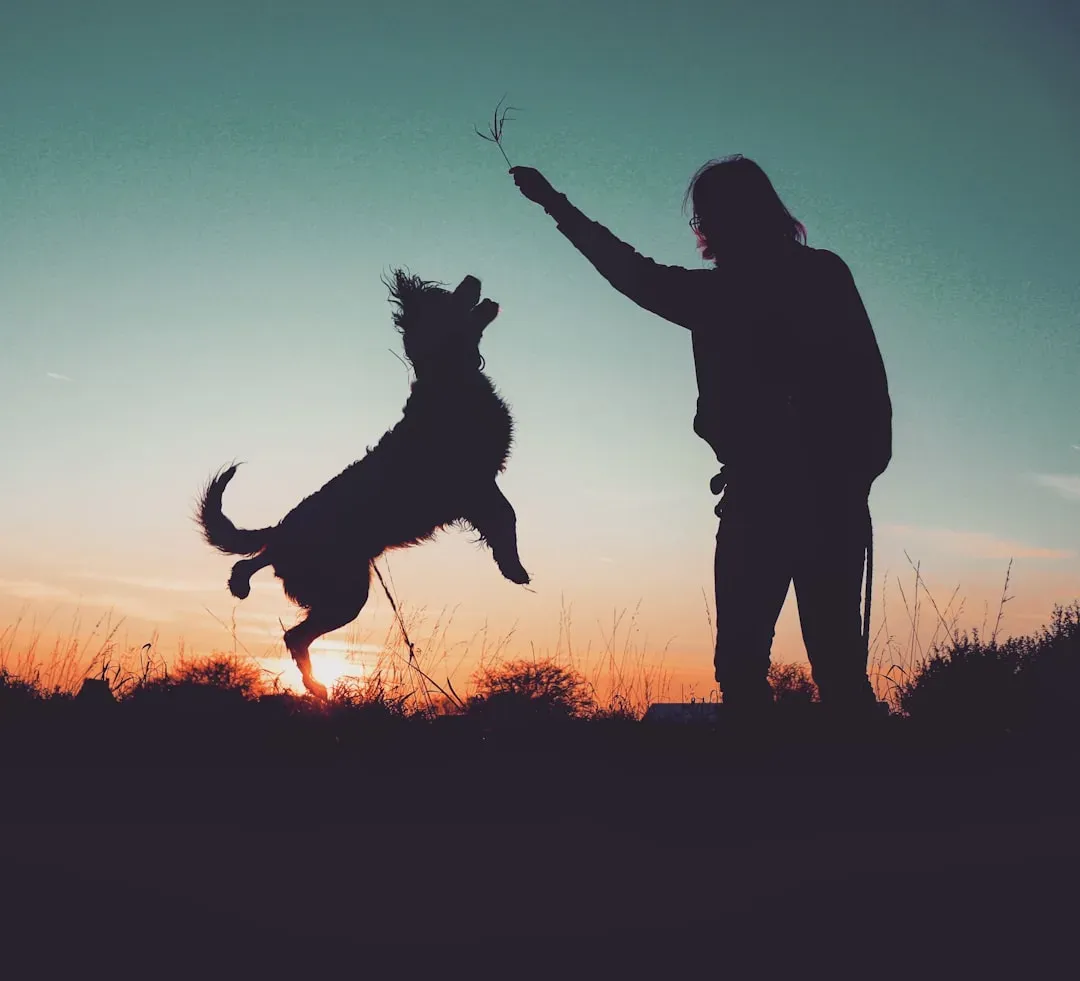
Let’s be real – training isn’t just about “sit” and “stay.” It’s one of the most powerful tools you have for building your dog’s confidence. Unlike punishment-based approaches that can create fear or anxiety, positive reinforcement builds confidence and stronger bonds between dogs and their owners. It reduces stress during training sessions and makes the experience enjoyable for both parties.
When dogs experience success through positive reinforcement, their confidence grows. They become more willing to try new behaviors and engage in different activities, making them well-rounded and happy companions. Think of it like building a child’s self-esteem with encouragement rather than criticism. The effect is cumulative. Every small win stacks up.
Dogs thrive on routine and repetition, so ensuring that commands, tone, and rewards remain consistent reinforces their learning. If a behavior is rewarded inconsistently, your dog may become confused. Consistency among all family members is crucial – everyone involved in training should use the same cues and reinforcement techniques to avoid mixed signals. Inconsistency, honestly, is one of the most underrated sources of dog anxiety. Be predictable. Your dog will thank you for it.
Creating a Secure Base: Routines, Calm Leadership, and Daily Connection
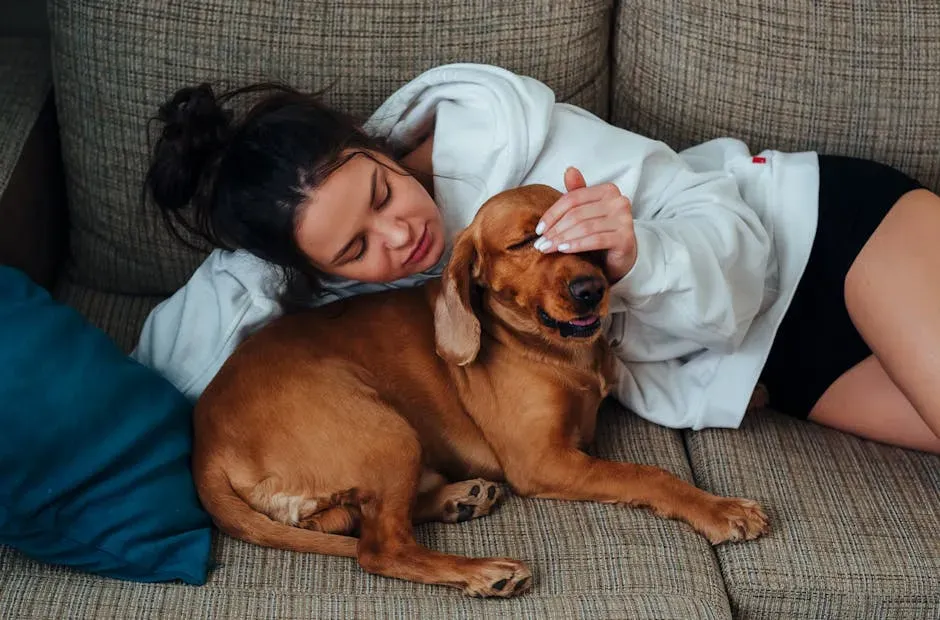
Dogs are not that different from children in one key way: they need structure to feel safe. Ensuring calm guidance, predictability, and a daily routine will build a stronger bond through emotional reassurance and stability, reinforcing trust, confidence, and attachment. A chaotic home environment is like a ship with no anchor for your dog. They have no idea what comes next, and that uncertainty breeds anxiety.
One of the first things you can do to help your dog feel secure is to create a predictable environment. Dogs thrive on routine, so setting up a regular schedule for feeding, walks, and playtime can make your dog feel more in control of their surroundings. It doesn’t need to be a military schedule. Even simple consistency, morning walk, afternoon play, evening snuggle time, signals to your dog that the world is orderly and safe.
Spending quality time with your dog helps establish a deeper bond and encourages trust. Gentle petting, interactive play, or simply sitting quietly together can reassure your dog that you are a source of safety. Sometimes the most powerful thing you can offer isn’t training or enrichment. It’s just your calm, present self. That alone is medicine for an anxious dog.
Conclusion: Your Dog Is Always Looking to You
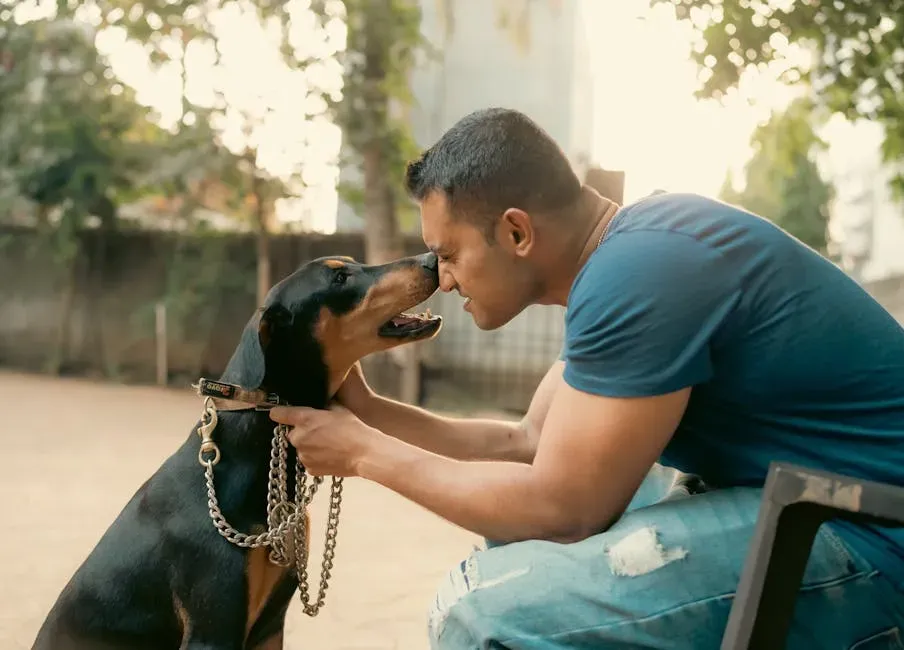
Owning a dog is one of the most profound acts of quiet responsibility a person can take on. Your pup isn’t just watching you out of curiosity or habit. They are genuinely relying on your emotional state, your consistency, and your willingness to be their guide in a world that can feel overwhelming to them.
The good news? You don’t need to be perfect. You don’t need a training certificate or a perfectly structured day. Confidence is one of the most beautiful side effects of consistent, kind care. Confidence grows with every success, no matter how small. By focusing on what your dog does right, you nurture both obedience and emotional security.
A dog who feels safe, seen, and supported by their owner is a dog who can truly thrive. That calm, tail-wagging, world-embracing dog you dream of? They’re already in there. They’re just waiting for you to show them it’s okay to come out. So – what kind of emotional anchor will you choose to be for your dog today?


