
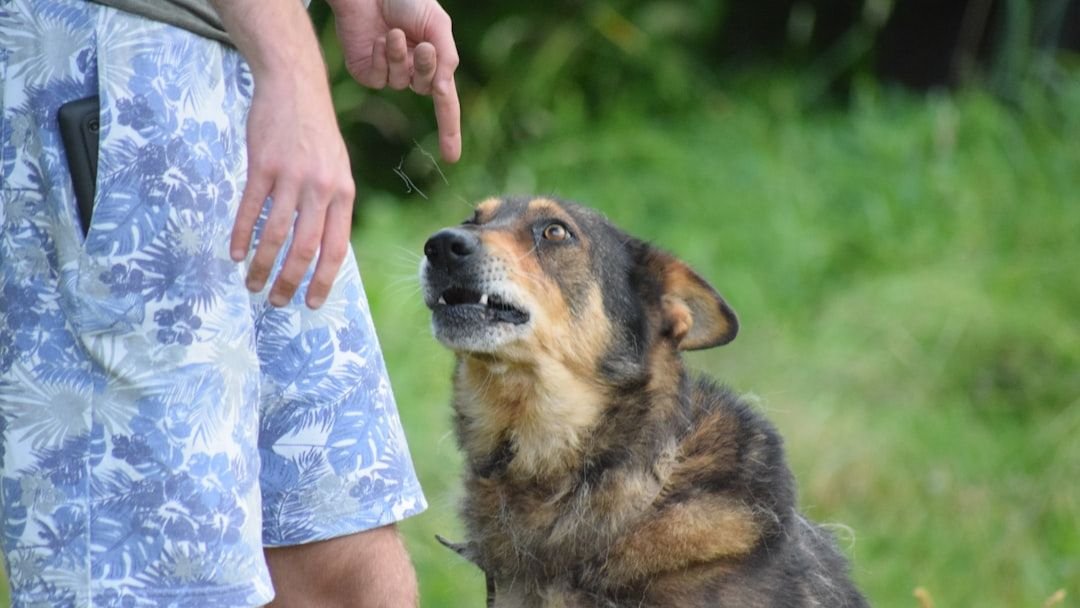
There’s something quietly heartbreaking about the moment you realize your dog is getting old. Maybe it’s the way they take a little longer to get up from their bed in the morning, or how they seem to drift past their favorite toy without much interest. You look at them and think, have I been doing enough? The good news is, you absolutely still can. Training your senior dog isn’t just possible. It’s one of the most loving things you can do for them right now.
Most people associate dog training with puppies. Young, bouncy, chew-everything-in-sight puppies. But here’s what often gets overlooked: keeping a senior dog mentally active and physically engaged is one of the best things you can do for their health and happiness. The golden years are not a finish line. They’re an invitation to connect differently, train smarter, and love your dog even more intentionally. Let’s dive in.
Secret #1: Ditch the “Old Dog, New Tricks” Myth – Their Brain Still Wants to Work
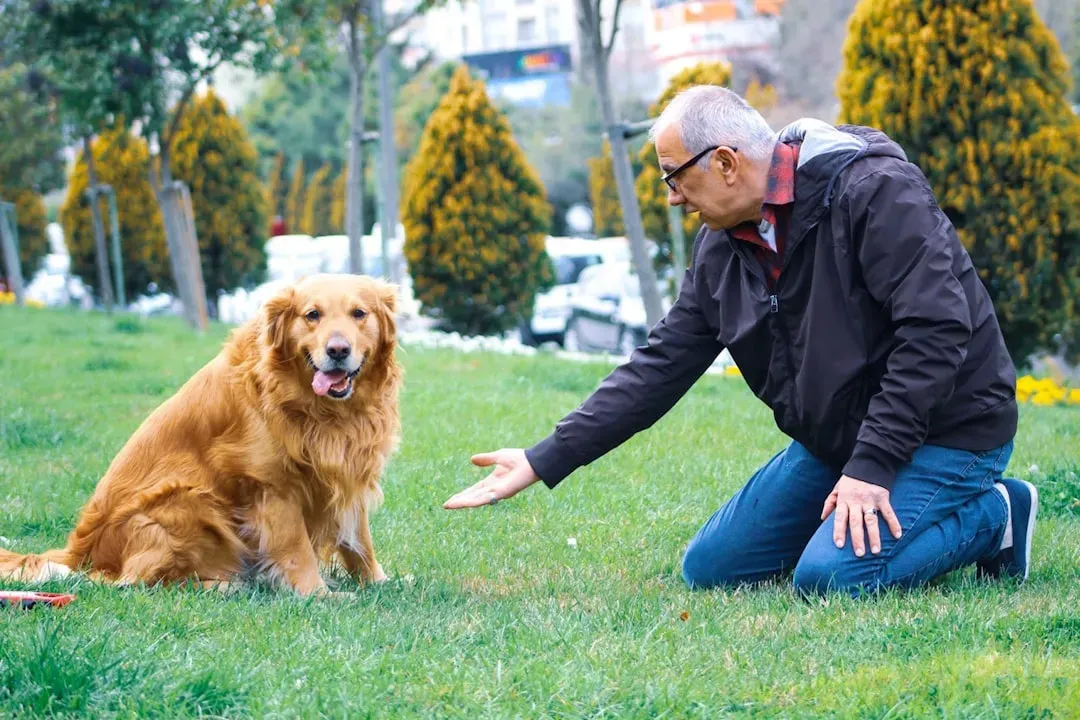
Let’s be real – most of us have heard someone say it. “Oh, he’s too old to learn anything new.” It’s one of the most persistent and, frankly, damaging myths in the dog world. The idea that you can’t teach an old dog new tricks is a myth. Senior dogs can and do learn new behaviors, and mental engagement through training is one of the best things you can do for an older dog’s cognitive health. Think of it like keeping an older person doing crossword puzzles. The brain, at any age, responds to challenge and stimulation.
Neurological research indicates that older dogs can continue learning, but their processing speed and attention span differ from younger dogs. This is key. It doesn’t mean stop teaching. It means teach differently. Slow down. Be patient. Celebrate small wins. At this life stage, training is less about teaching basic manners and more about keeping the canine brain active, so that means the pressure is off! That shift in mindset alone can transform your entire training dynamic with your older companion.
Secret #2: Keep Sessions Short, Sweet, and Scheduled
Imagine being asked to run a marathon when your body is quietly begging for a gentle walk. That’s what long, intense training sessions feel like to a senior dog. Their stamina, both physical and cognitive, has changed. Trainers recommend shorter, more frequent training sessions that accommodate potential hearing or vision limitations. Ten to fifteen minutes, done consistently, will always beat an exhausting hour-long session done once a week.
Schedule training sessions for brief periods at the same time each day. Try for ten to twenty minutes in the same training space each time, so your dog associates the location with training and understands what you expect. Routine is actually comforting to older dogs. It reduces anxiety, supports memory, and builds a sense of safety. While puppies need short training sessions due to their attention spans, senior dogs might also appreciate quick lessons. Working on new skills takes brainpower, so even if you’re training something simple, it’ll still tax your dog’s brain in the best possible way. A tired brain is a healthy brain, and that’s always worth celebrating.
Secret #3: Positive Reinforcement Is Not Optional – It’s Everything
Here’s the thing: force-based training was never ideal for any dog. For a senior dog, it can be outright harmful. Positive reinforcement becomes even more critical when working with special and senior dogs. According to expert dog training research, force-free methods that prioritize gentle guidance and clear communication are most effective. These techniques reduce stress, build confidence, and support the emotional well-being of dogs experiencing physical or cognitive challenges. Stress in older dogs isn’t just uncomfortable. It can worsen existing health conditions and accelerate cognitive decline.
When you reward your senior dog for doing something right, you’re not just teaching a behavior. You’re telling them they still matter, that they’re still capable, that they still belong. When selecting goodies for senior dog training, opt for treats that are tempting but not too calorie-dense. A great way to split the difference is making a trail mix of goodies that includes some of your dog’s daily meal ration combined with a variety of higher-value treats. A mix of kibble and small pieces of cheese or chicken will definitely keep your senior student interested and won’t contribute to unwanted weight gain. Honestly, watching an older dog perk up for a tiny piece of cheese is one of the most wholesome things you’ll ever see.
Secret #4: Read the Body – Pain and Behavior Are More Connected Than You Think
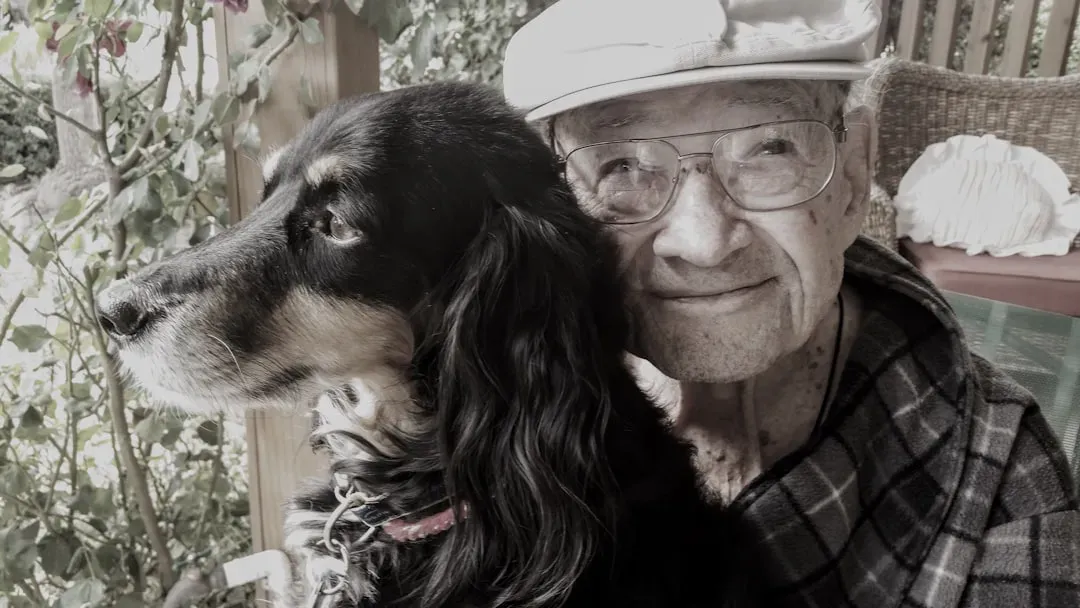
This is the secret most owners miss entirely, and it’s arguably the most important one on this list. When your senior dog suddenly refuses to sit, seems irritable during training, or stops responding to commands they once knew perfectly, your first thought might be confusion or stubbornness. But I’d ask you to pause and think again. A dog that stops responding to “sit” might not be confused, they might simply have hip pain that makes the movement agonizing. Pain changes behavior. Always.
Some changes associated with aging may seem insignificant, but even a minor change in behavior could indicate an underlying medical condition or a decline in cognitive function. Watch for signs like reluctance to lie down or stand up, flinching when touched in certain spots, changes in posture, excessive panting, or snapping when approached. A dog with arthritis may have trouble sitting comfortably, even if they understand what you want. The solution isn’t more repetition of the painful command. It’s a vet visit, a modified cue, and a compassionate pivot. When planning what to teach, remember that your senior might not be comfortable dancing on their hind legs or doing other energetic tricks. Try to focus on low-impact behaviors that aren’t physically demanding, like a slow spin, shake, or wave.
Secret #5: Mental Enrichment Is the Training Most People Forget About
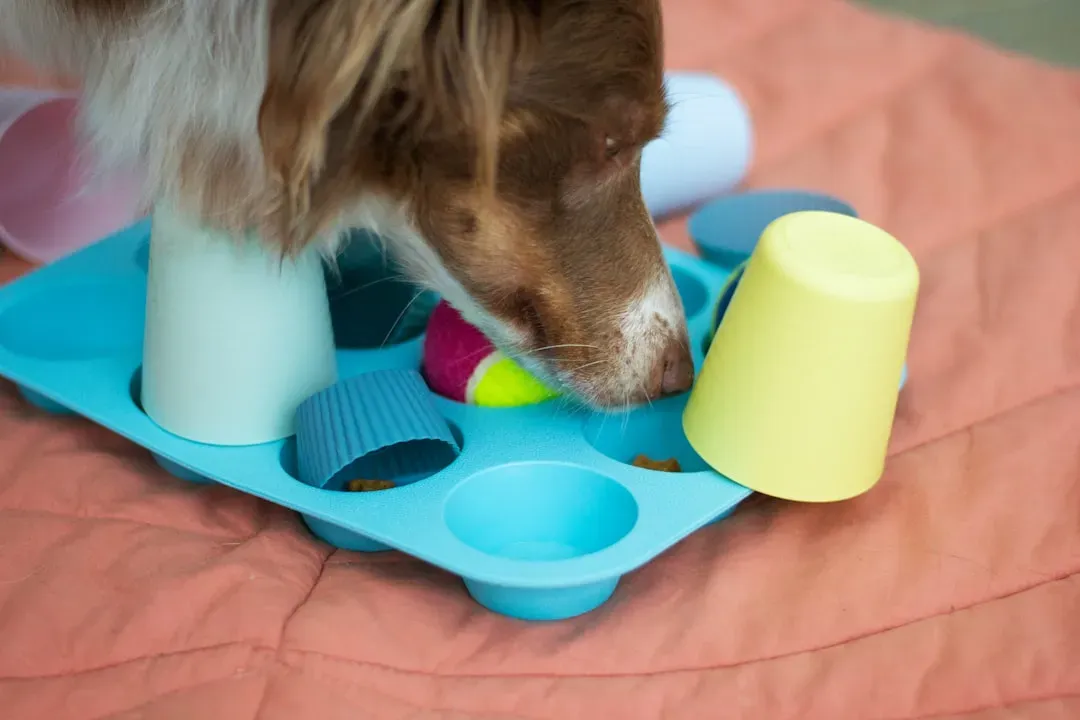
Training doesn’t always have to look like a formal session in the backyard. In fact, for senior dogs, some of the most powerful “training” happens during a slow sniff walk around the block or a quiet puzzle toy session on a rainy afternoon. Scent work, gentle puzzle toys, and simplified command practice can help maintain cognitive function and provide a sense of accomplishment. These are not extras. They are essentials.
Trainers are adopting games that stimulate a dog’s problem-solving skills, memory, and concentration. These games are designed to entertain and challenge the dog’s mind, promoting mental agility and delaying cognitive decline in older dogs. Think of it as giving your dog’s brain a gentle, daily workout. Allow your dog to stop and smell things on walks. A 20-minute “sniff walk” is often more enriching than a 45-minute power walk where your dog is kept moving the whole time. And if your older dog’s hearing has faded, don’t panic. Using clear visual signals, gentle touch cues, and consistent verbal commands can help compensate for sensory changes. Adapt, don’t abandon. That’s the whole secret, really.
Conclusion: Your Senior Dog Is Still Right There With You
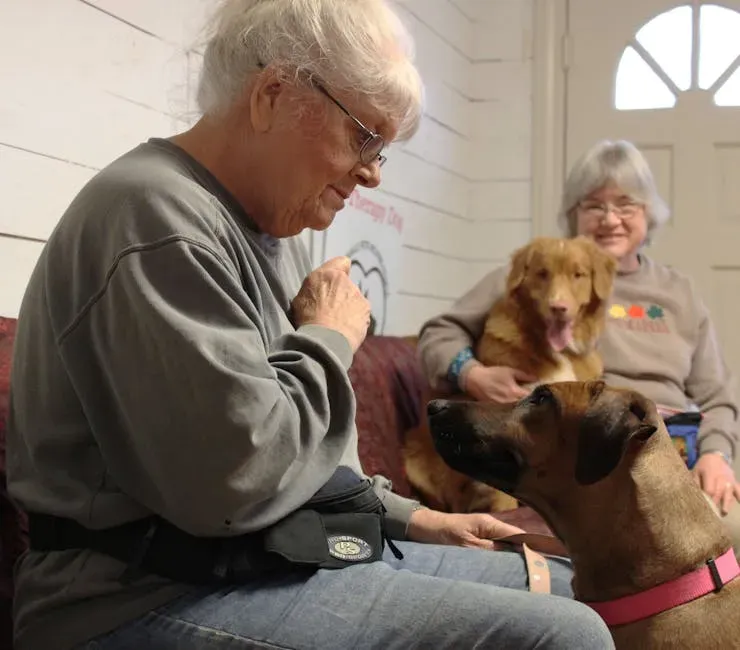
Caring for a senior dog is one of the most quietly profound experiences a person can have. It teaches you patience. It teaches you to notice small things. It teaches you that love, at its best, adapts. The goal is not perfection but maintaining engagement, dignity, and quality of life. By approaching training with empathy, scientific understanding, and personalized strategies, owners can help their special and senior dogs continue to learn, grow, and enjoy meaningful interactions throughout their golden years.
Your senior dog isn’t broken or “past it.” They are simply in a different chapter, and they need you to show up differently for them. Shorter sessions. Gentler cues. A keen eye for pain. Lots of sniff walks and treat rewards. Never think of your senior dogs as retired. It’s best to keep working with them as they age because there are so many advantages. They still want to please you. They still light up when you pay attention. And honestly, isn’t that the most beautiful thing about dogs? They never stop trying.
So, what small change will you make this week to show your senior dog they’re still your star student? Tell us in the comments – we’d love to hear your story.


