
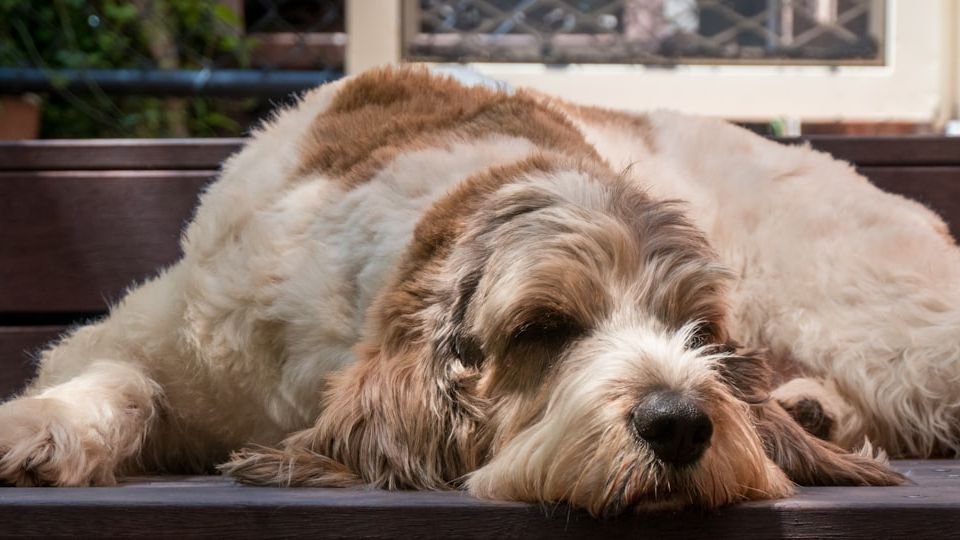
You’ve had a long day. You come home, toss your keys on the counter, and your dog greets you at the door. But something feels… off. The tail wag is slower than usual. They sniff your hand, then just walk away. You shrug it off – maybe they’re just tired. Here’s the thing though: that quiet, easy-to-dismiss moment might be your dog trying to tell you something important.
Dogs will instinctively hide how they feel in the early stages of an illness. It’s not that they’re being dramatic or secretive. It’s actually a deep survival instinct. Dogs, like many animals, are naturally inclined to hide signs of illness – this instinct stems from survival behaviors in the wild, where showing weakness could make an animal a target for predators or even cause them to be pushed aside by their own pack. The result? Many owners don’t catch the warning signs until things have already escalated. Let’s change that. Here are 9 genuinely , and what you can do right now to help them. Let’s dive in.
1. Subtle Shifts in Behavior That “Just Don’t Feel Right”
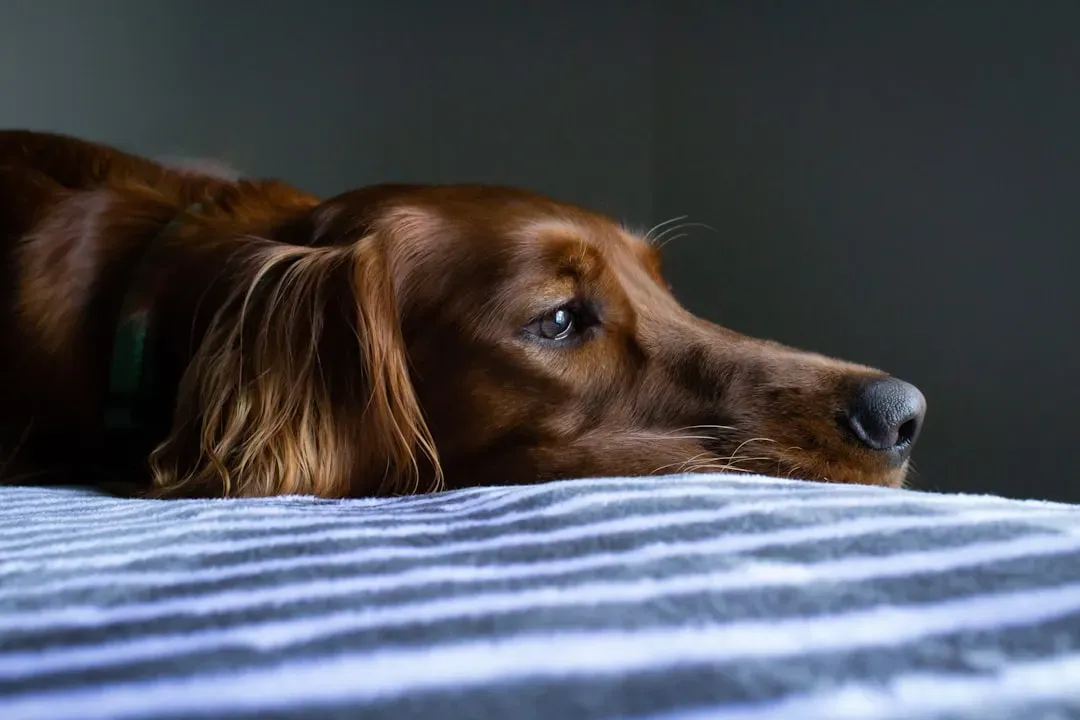
You know your dog better than anyone on this planet. So when something feels slightly off, trust that gut feeling. Behavioral shifts are one of the most overlooked signs of a sick dog, mostly because people assume it’s a training or mood issue when it’s often a sign of discomfort or illness. Think about it this way: if your usually boisterous Lab suddenly stops jumping on you after work, or your social Golden Retriever hides behind the sofa when guests arrive, that’s not a personality quirk. That’s a signal.
Pets may become more withdrawn or unusually aggressive – signals that something might be wrong. A once playful dog might lose interest in toys. On the flip side, not all sick dogs will display negative behavior when they are ill. Some dogs may become clingy or show signs of increased neediness. Whether your dog is pulling away or velcro-ing themselves to your side, both extremes deserve your attention. Keep a simple mental note of your dog’s daily “baseline” personality, and start paying close attention when it shifts.
2. A Suddenly Picky Eater (or Surprisingly Ravenous One)
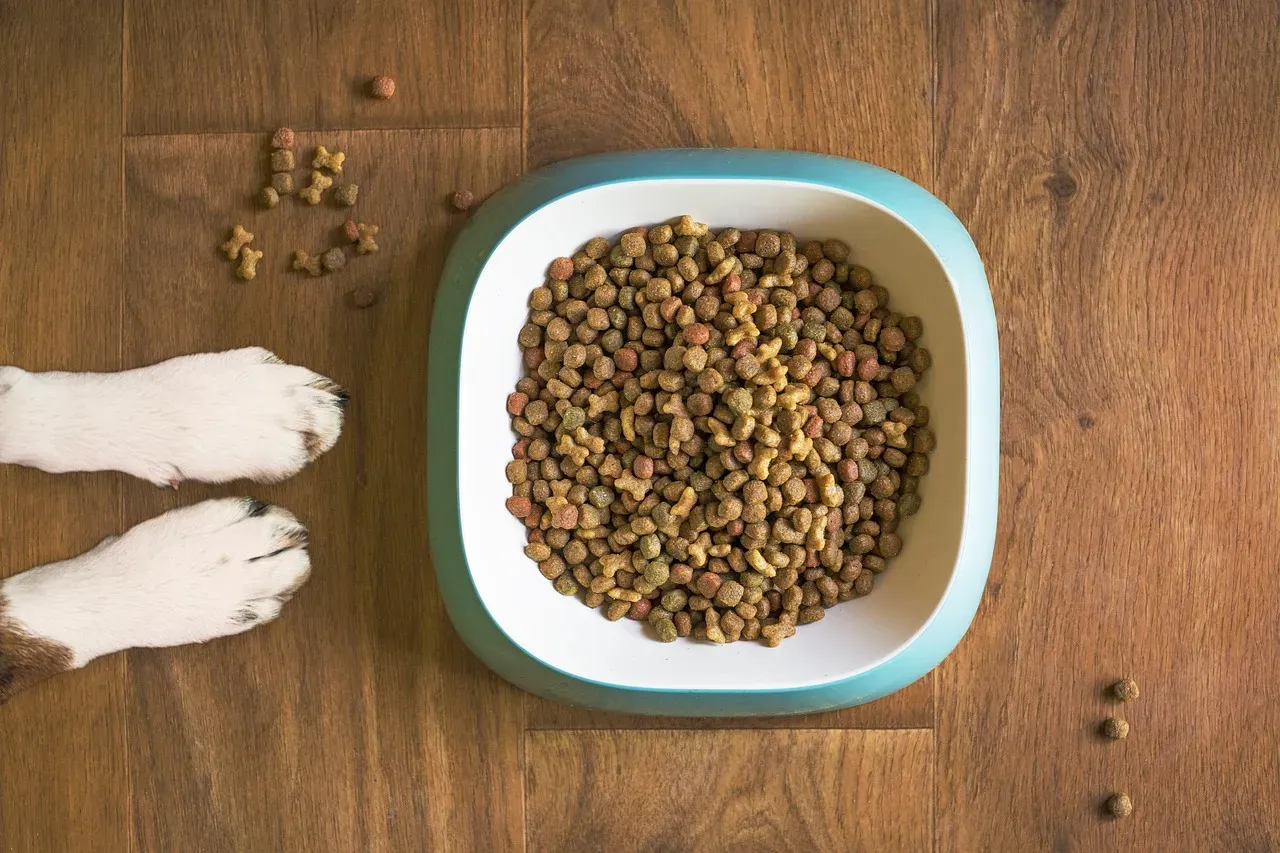
Most dogs treat every meal like it’s their last great feast. So when a food-obsessed dog starts turning their nose up at their bowl, something is worth investigating. A sudden increase or decrease in appetite can signal various health issues, from dental problems and gastrointestinal disorders to systemic diseases. Skipping one meal on a hot afternoon might be nothing. But refusing food for more than a day is a different story entirely.
It’s particularly important to consult your vet if your senior dog eats less than usual, or if their reduced appetite is accompanied by lethargy, vomiting, diarrhea, weight loss, or any other signs of illness. Here’s something fewer people think about, though: the opposite end of the spectrum matters too. A noticeable increase in appetite can also indicate conditions in dogs, such as diabetes or other hormonal problems. A dog suddenly eating everything in sight, begging constantly, or acting like they haven’t been fed in days – that’s worth a vet conversation. Prevention tip: weigh your dog monthly and log their eating habits in a simple notes app on your phone.
3. Drinking Way More (or Less) Water Than Usual
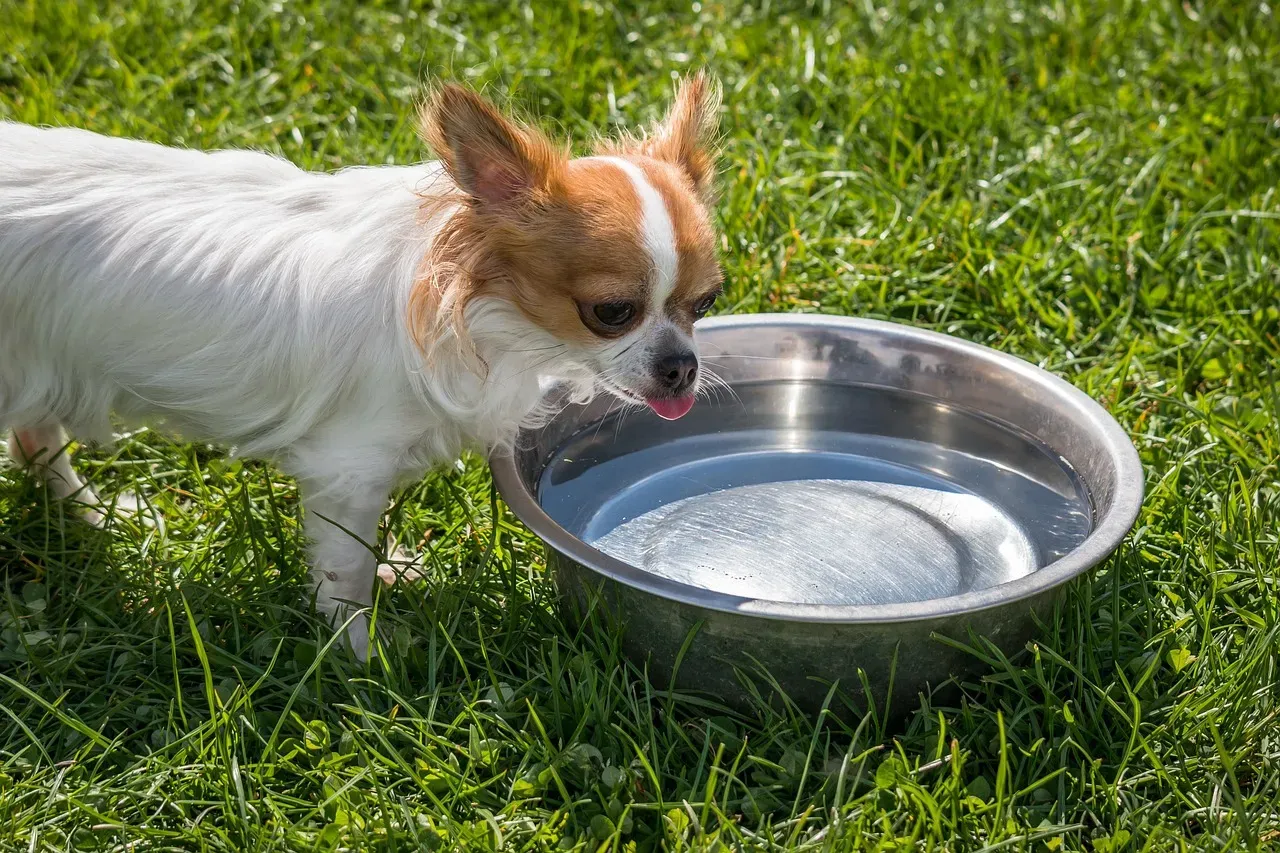
Here’s a sign that is shockingly easy to miss, especially if you’re not the only one filling up the water bowl. Drinking more water or less water than usual may be a sign that your dog is ill. Drinking too little can indicate not feeling well, and drinking too much water can indicate that your pet has a fever, hormone issues, diabetes, or kidney disease. Imagine a garden hose with a slow leak. You wouldn’t notice it right away, but over time it tells you there’s a pressure problem somewhere in the line. Sudden changes in water intake are very similar.
Increased thirst or frequent urination may point to conditions such as diabetes, kidney disease, or urinary tract infections. One practical way to keep track? Monitoring your dog’s water bowl daily can help you spot these changes early. It sounds almost too simple, but filling the bowl to the same level each morning and checking it at night is genuinely useful data. If your dog is drinking more, check to see if they are also urinating more. If the problem persists, see your vet and take a urine sample if possible. Small habits like this can make a huge difference.
4. Unexplained Weight Changes Nobody Notices at First
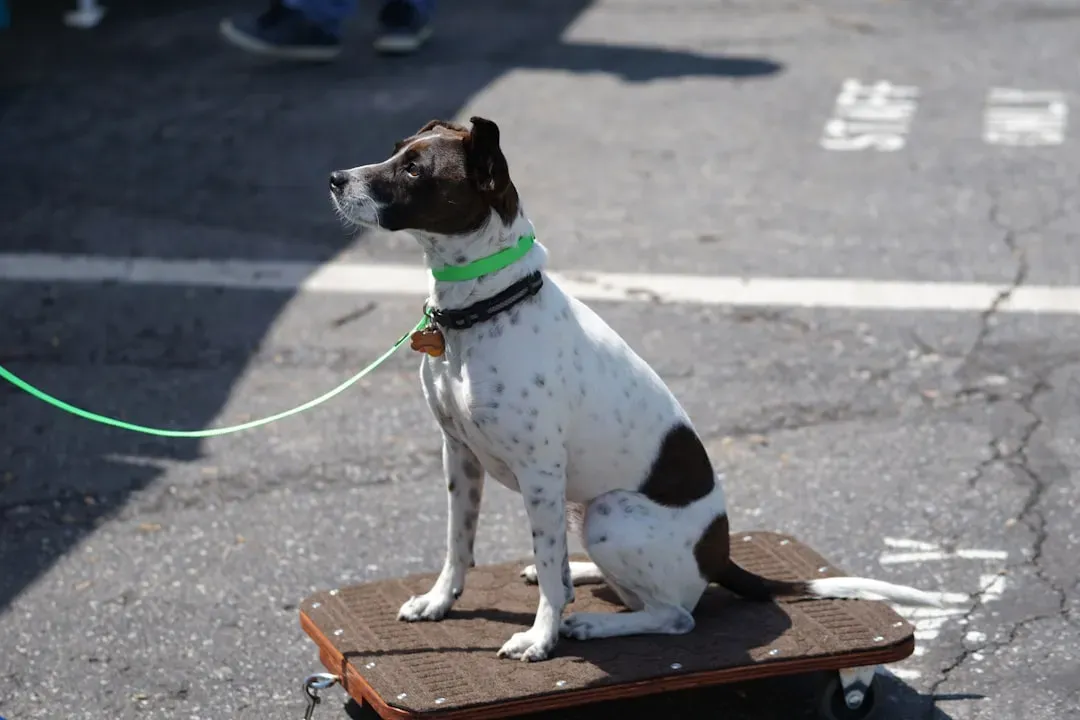
Weight changes in dogs are sneaky. Because we see them every single day, our eyes adjust gradually and we simply don’t notice. Unexpected changes in weight, even small amounts, can indicate metabolic or organ-related problems. Honestly, it’s kind of like noticing a child growing taller – you almost never see it happening in real time, but suddenly one day the pants are too short. Same thing with your dog’s waistline.
If your four-legged friend starts looking fluffier or thinner without a diet change, it could be a warning sign. Unexplained weight changes often point to medical issues such as diabetes or other chronic conditions. Weight loss gets most of the attention, and rightly so. But don’t underestimate weight gain either. While weight loss is concerning, unexpected weight gain without increased food intake can also signal health problems like thyroid disease. A simple prevention tip: monthly weight checks or monitoring body condition during grooming helps detect unexplained changes early. Your vet’s waiting scale works just fine for this.
5. Unusual Lethargy That Goes Beyond “Just a Lazy Day”

Every dog has off days. Even the most hyperactive Border Collie will occasionally flop down and refuse to do anything. That’s normal. What’s not normal is when it happens consistently, when the spark in their eyes seems dimmed, or when your dog can’t even muster the energy to greet you at the door. If your dog is unusually quiet, won’t get up for meals, or seems unmotivated to move, something may be wrong. Lethargy can signal infection, fever, or more serious internal issues.
If your dog seems unusually tired, sluggish, or unwilling to move around, this may be a sign of illness. Dogs typically rest a lot, but extreme lethargy differs from normal relaxation. Think about it like this: a tired athlete needs rest after a marathon. But if they can’t get off the couch three days later, you’d be worried. Same logic applies here. If your pet suddenly seems tired, refuses to play, or sleeps excessively, it may be a sign of an underlying illness. Reduced activity can indicate infections, anemia, heart problems, or other health concerns. If your dog has been low energy for more than 48 hours with no clear explanation, call your vet.
6. Changes in Their Coat, Skin, or That Weird Scratching You Keep Ignoring
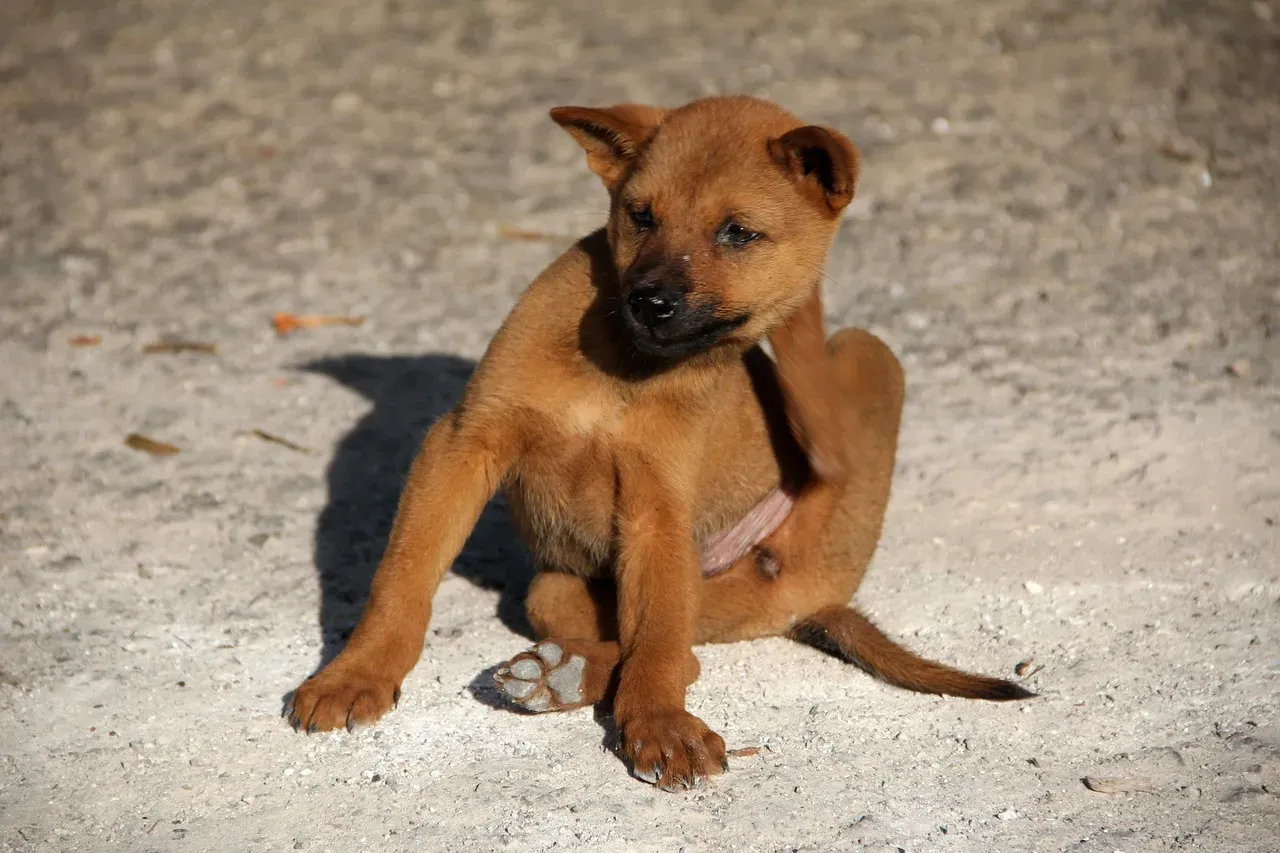
A dog’s coat is honestly one of the most reliable health barometers out there, yet so many owners overlook it. We chalk it up to seasonal shedding or dry weather. Sometimes that’s true. But persistent changes in coat quality deserve a closer look. A healthy coat is shiny and clean, while sudden hair loss, excessive scratching, redness, or flaky skin can signal allergies, parasites, or infections. Changes in fur texture or color may also indicate nutritional deficiencies or internal disease.
Hot spots, bald patches, or persistent itching can indicate allergies, parasites, or infections. Dogs with flaky or dull coats may also be dealing with nutritional deficiencies or underlying illness. Let’s be real – if your dog is scratching at 3 a.m. and keeping you both awake, that’s not “just allergies” to be dismissed with a shrug. If your dog is scratching or licking their coat excessively or losing hair in patches, it’s important to consult your vet, as this could be a reaction to parasites like fleas and ticks, or conditions like mange. Regular grooming sessions are your best opportunity to spot these skin changes before they spiral into something harder to treat.
7. Stiffness, Limping, or Moving Like They Ache All Over
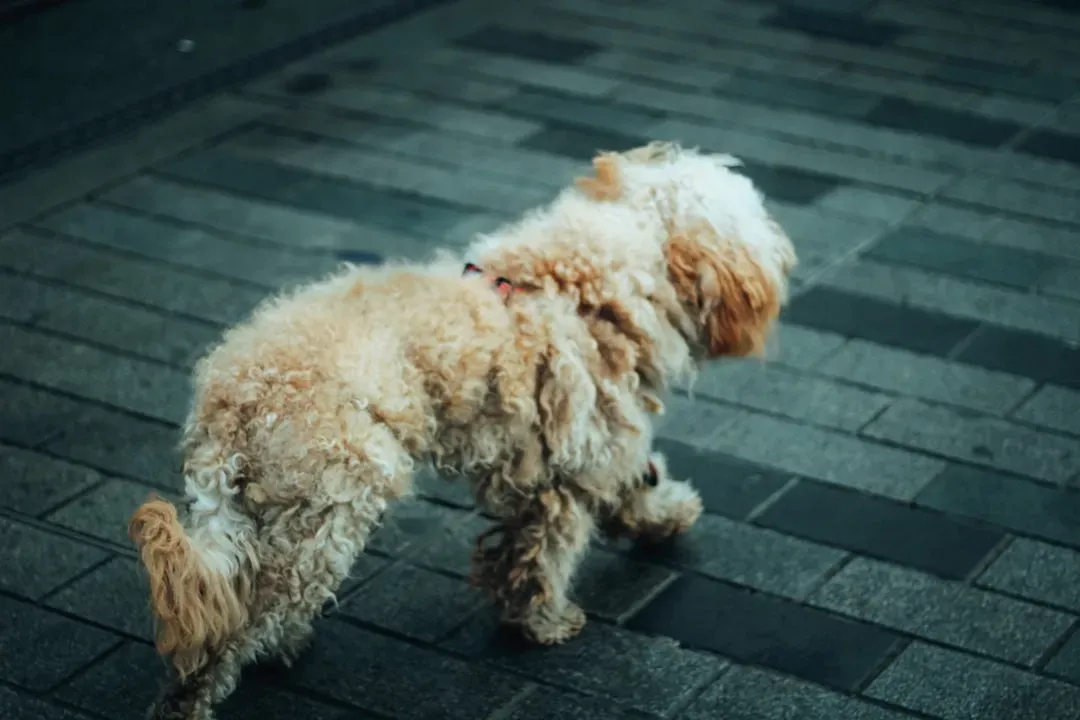
Picture your dog trotting happily to the backyard and then hesitating at the bottom of the porch steps. Or maybe they’re slower to get up from their nap spot in the morning, a little stiff in their back legs. These small mobility shifts are incredibly easy to write off as “just getting older.” But mobility changes are a red flag worth investigating at any age. Stiffness, limping, or difficulty rising could signal joint problems, arthritis, or injury.
Sudden limping, difficulty standing, or reluctance to climb stairs may point to joint pain, injury, or illness. Even younger dogs can experience orthopedic or neurological problems that affect movement. So don’t assume it’s just an “old dog thing.” Although stiffness in older dogs is not unusual, it still needs to be investigated by a vet to determine the cause. Arthritis is common in older dogs but it’s not always the cause of stiffness joint problems. You should also consult your vet right away if any joint-related symptoms are affecting a young dog. A proactive approach here can make the difference between manageable pain relief and a chronic condition that worsens silently for months.
8. Eye, Ear, and Nose Discharge That Seems “Minor”
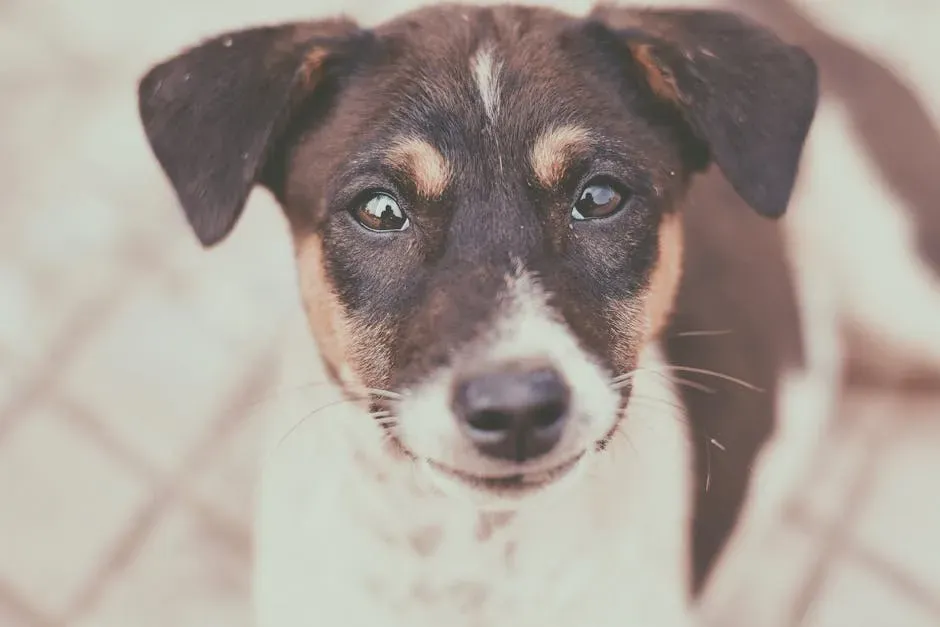
A little morning crust in your dog’s eyes? Probably fine. Thick, colored, or persistent discharge coming from the eyes, nose, or ears? That’s a completely different story, and one that dog owners routinely dismiss as “just a little goop.” Watery eyes or a wet nose are usually fine, but thick, yellow, or green discharge can be a sign of infection or illness. It’s like the difference between a minor morning snuffle and a full-blown sinus infection in humans. The look and consistency matter enormously.
Discharge, redness, cloudiness, or unusual smells from the eyes, ears, or nose can indicate infections or systemic health problems. Ear infections in particular are notorious for going unnoticed until they become painful and advanced. Foul smells from the mouth, ears, or skin are often signs of infection. Bad breath may also suggest dental disease or organ trouble. When detecting signs of illness in your pet, pay attention to changes in their eye appearance. Look out for redness, excessive tearing, squinting, cloudiness in the eyes, or any unusual discoloration. Additionally, monitor if your pet’s pupils appear differently sized or if there is a noticeable increase in eye discharge. A quick daily glance at these areas during your normal petting routine can catch problems way before they escalate.
9. Changes in Bathroom Habits That You’d Rather Not Think About
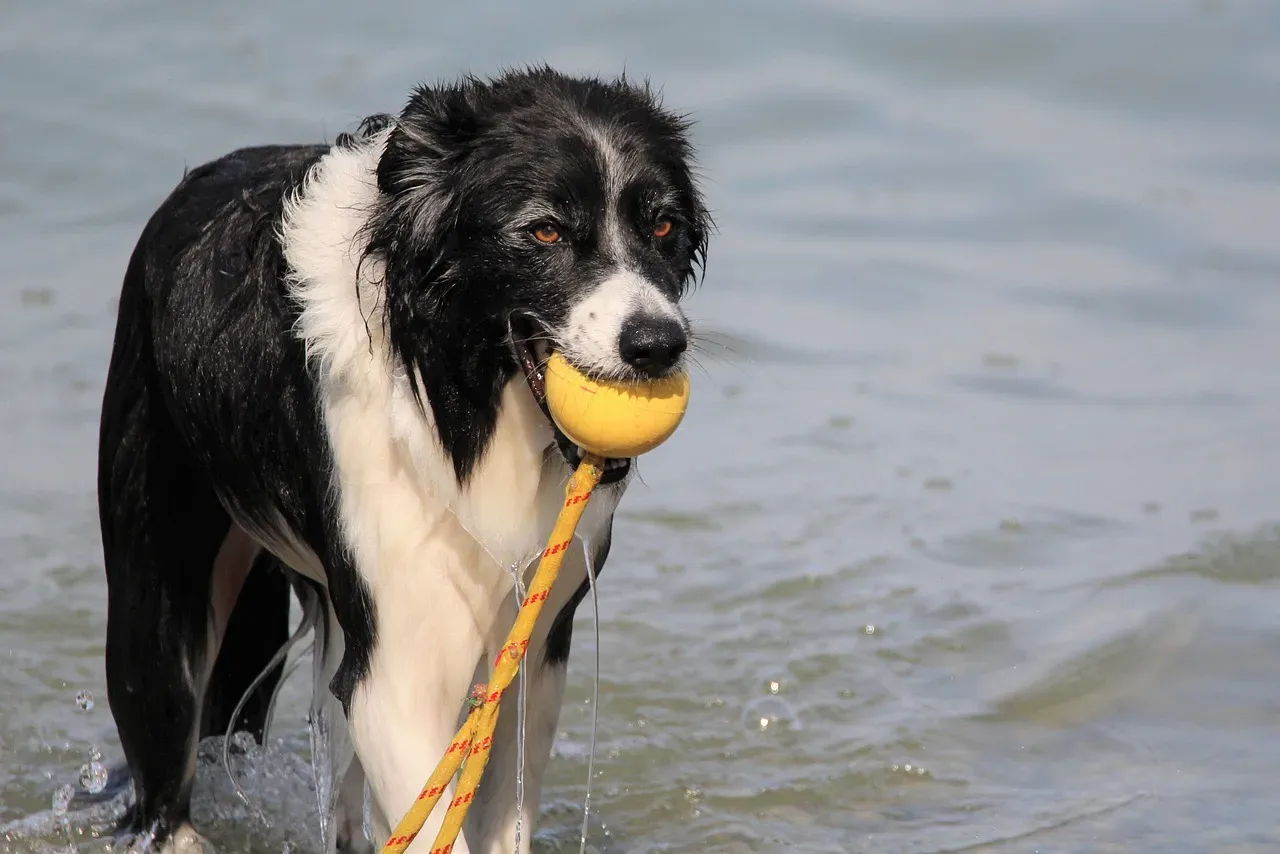
Nobody loves monitoring their dog’s bathroom habits. It’s not exactly a glamorous part of dog ownership. However, what comes out of your dog, how often, and what it looks like, is genuinely one of the most valuable health indicators you have access to. When it comes to observing changes in your pet’s bathroom habits, it is crucial to pay attention. Look for alterations in their urination and defecation patterns. Any sudden increase or decrease in frequency, difficulty or discomfort during elimination can be a sign of an underlying health issue. Also, keep an eye out for changes in the color, consistency, or presence of blood in your pet’s urine or stool as these may indicate a potential problem.
Dogs who are properly house-trained won’t suddenly start urinating around the home without a good reason. So if your reliably house-trained dog suddenly has an indoor accident, don’t scold them and move on. That’s your dog telling you something is wrong. If diarrhea is persistent, or if it is accompanied by vomiting, lethargy, loss of appetite or weight loss, or your dog’s poop is black in color or contains fresh blood or mucus, then visit your vet. Tracking bathroom habits sounds tedious, but just a brief mental note each day, maybe noting unusual smells, strain, or frequency, could help you catch a urinary infection, kidney issue, or gastrointestinal problem before it becomes serious.
The Bottom Line: You Are Your Dog’s First Line of Defense
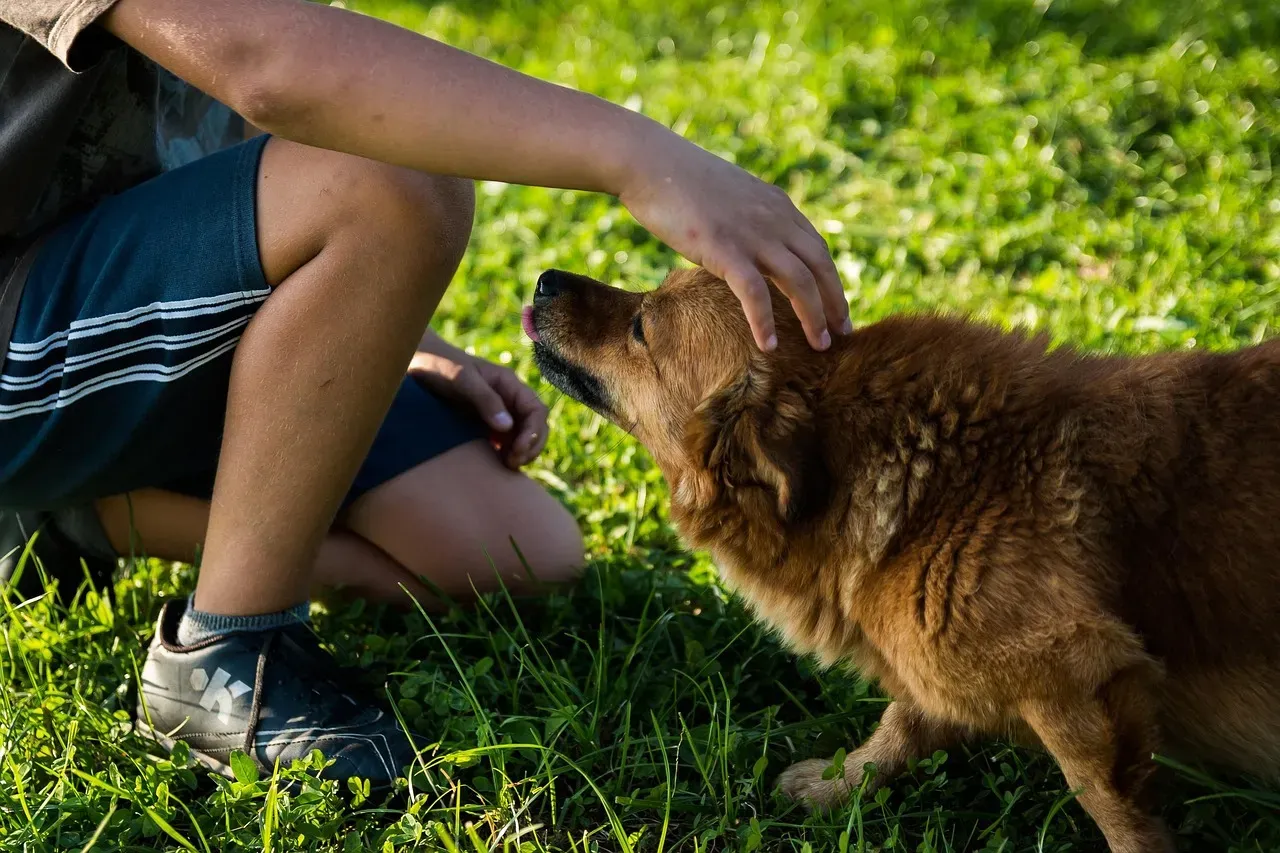
Here’s what all of this really comes down to. Nobody knows your dog better than you do. You notice when their ears perk up differently. You know which treat makes their eyes go wide. You feel when the tail wag just isn’t quite the same. That instinctive knowledge is genuinely powerful, but it only becomes useful when you act on it. Whether it’s a subtle behavioral change or a visible physical symptom, recognizing the early warning signs of illness in dogs is crucial for timely treatment. Early detection not only improves recovery but can also prevent minor issues from becoming serious health problems.
Early detection of dog illness not only improves treatment outcomes but often reduces the overall cost of care by preventing more serious complications. Think of it like catching a small crack in a wall before it splits the whole foundation. A few minutes of daily observation and a simple health log can genuinely save your dog’s life. Keep a health journal tracking appetite, activity, bathroom habits, and any unusual behavior. Routine check-ups, annual or semi-annual visits, can catch issues early. And when your gut says something is off? Trust it. It’s better to go in and be told it’s nothing than to wait too long.
Your dog can’t say “I don’t feel well today.” But they’re telling you in a hundred other ways. The question is – are you listening? Drop a comment below and let us know: has your dog ever shown one of these subtle signs that turned out to be something important?


