
Imagine watching your dog pace the hallway endlessly, bark at things that pose no real threat, or refuse to settle no matter how much you try to comfort them. It’s frustrating, heartbreaking even. But here’s the thing, in many of those moments, your dog is not being difficult. They’re quietly asking a very important question: “Is anyone in charge here?”
Dogs are wired to seek structure. They are social creatures built for a world with clear roles, predictable rhythms, and a leader they can trust. When that leader is confident, calm, and consistent, something almost magical happens. Your dog exhales. Literally. Their whole body softens. That is the power of clear leadership, and it’s something every dog owner can learn. Let’s dive in.
What Dogs Actually Mean When They Say “I Need a Leader”
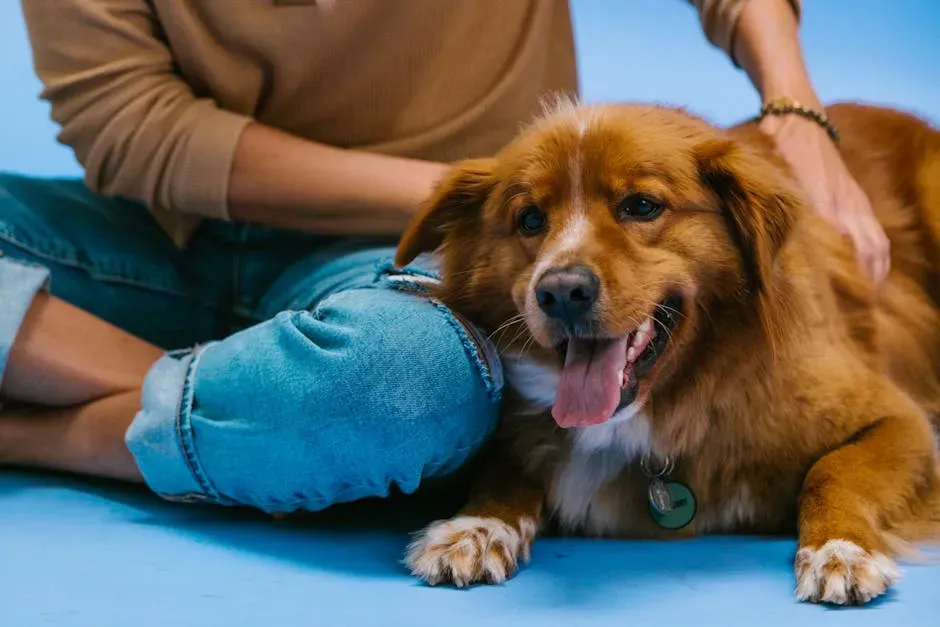
Most people hear the word “leadership” and picture a stern, domineering figure barking orders. Honestly, that couldn’t be further from the truth. Leadership is clarity. It is not dominance but a relationship. When you calmly lead with consistency, your dog relaxes, follows willingly, and becomes the steady companion you want them to be. Think of it the way a child thrives under a parent who is both warm and firm. The love and the structure go hand in hand.
Dogs are social animals, wired for structure, safety, and predictable cues. They are pack animals that thrive in a hierarchical structure where each member has a defined role. In the wild, this hierarchy is established through interactions and challenges. When dogs are domesticated, they still retain this innate desire for a pack structure, and it is up to their human caregivers to provide the necessary leadership. Skipping this part doesn’t make your dog more free. It actually makes them more anxious.
If you don’t lead, your dog will assume that role and carry a burden they were never meant to bear. Picture a nervous employee who shows up to a job with no manager, no direction, and no plan. That is exactly how an unleashed dog feels emotionally when leadership is absent. Exhausted, reactive, and on edge.
The Language Your Dog Is Already Trying to Speak to You
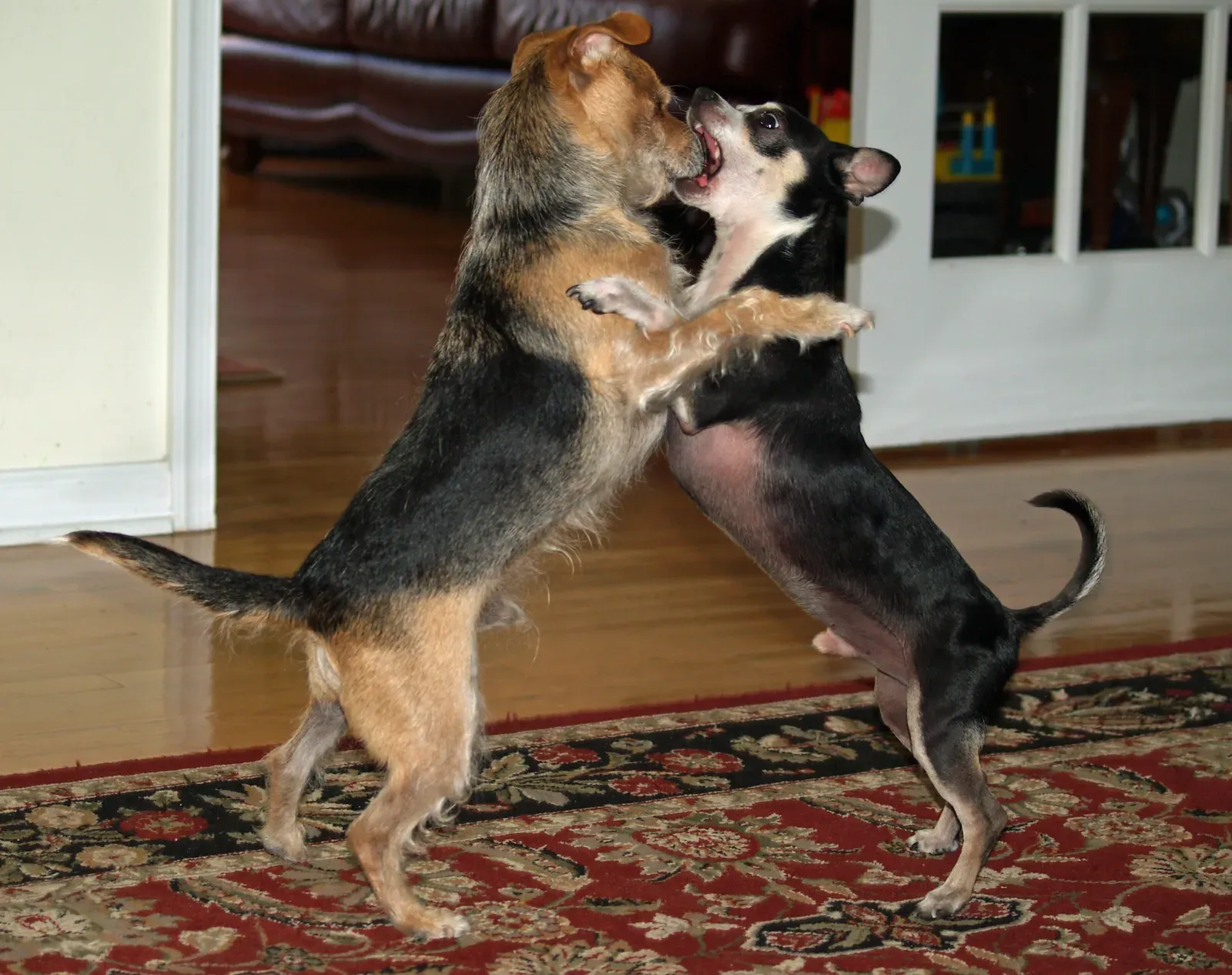
Without the gift of gab, dogs are left to rely on a bark, a tail wag, or sometimes even a snarl to communicate with their two-legged companions. Understanding the unspoken becomes immensely important in recognizing their wants and needs. Understanding a dog’s basic body language allows us to gain insight into their thoughts and feelings about the world around them. The good news? Once you learn the vocabulary, it becomes second nature.
A confident, happy dog has loose muscles, an open stance, and wagging movements. A fearful or defensive dog will crouch, stiffen, or avoid eye contact. Understanding these cues allows you to adjust your own behavior, giving your dog the space or comfort they need. Forward ears indicate alertness, while pinned-back ears often suggest fear or submission. Soft, blinking eyes reflect calmness, while wide “whale eyes” reveal fear or anxiety. A direct, unwavering stare can be a sign of a challenge. A relaxed mouth slightly open indicates comfort.
By identifying subtle cues such as lip licking, yawning, or turning away, owners can intervene early before anxiety escalates into barking, lunging, or biting. Early recognition helps reinforce calm behavior and prevent negative patterns. It’s a bit like learning to read the sky before a storm. The signs are always there. You just have to look.
Consistency Is Not Optional, It Is the Foundation
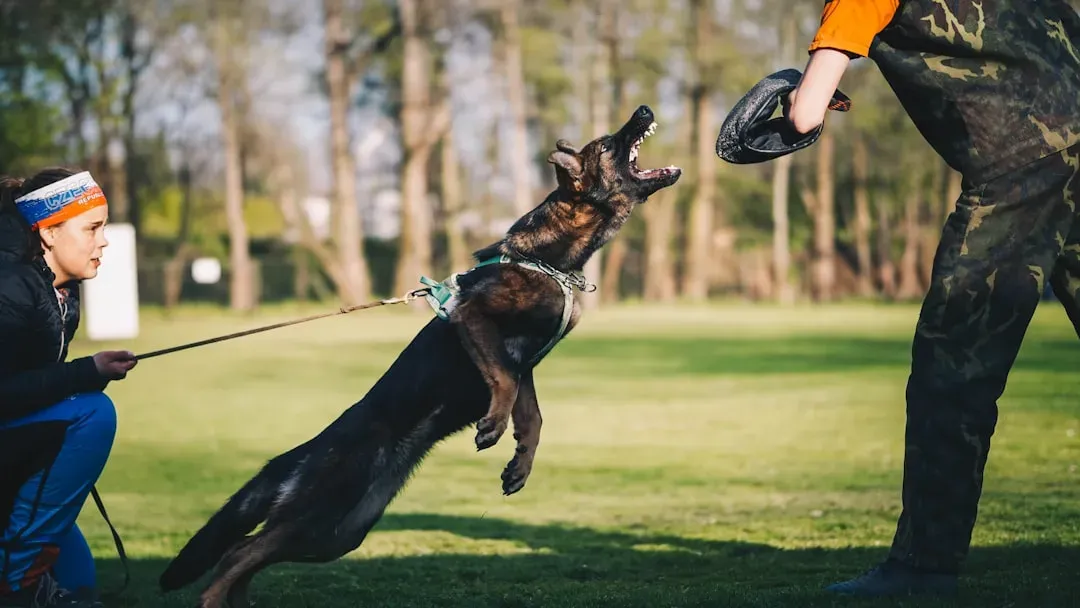
Here’s something I find fascinating and slightly humbling: your dog is studying you every single day. Every move you make, every tone of voice, every change in routine. Inconsistency confuses dogs deeply. Mixed messages create anxiety and frustration, while consistency creates clarity and trust, and eventually, obedience. In other words, if you allow jumping on the sofa Monday and scold it on Tuesday, you haven’t set a rule. You’ve created a mystery, and your dog has to live inside it.
If there’s one thing dogs love, it’s routine. Dogs know exactly when it’s time for a walk or a meal. If you’re ever late, they let you know. This consistency builds trust. They know they can count on you, and that reliability makes them feel secure. Consistency is key when it comes to communication, so it is essential to use the same commands, hand signals, and body language every time you interact with your dog. By doing so, you create a clear and effective communication system that helps build trust, respect, and understanding.
Timing is everything. Ignoring a behavior or responding too late, even just two seconds after, signals that the behavior is acceptable. So if your dog jumps at a guest and you laugh it off once, you’ve just approved the behavior. Small moments matter more than you think.
How Your Energy Shapes Your Dog’s Emotional World
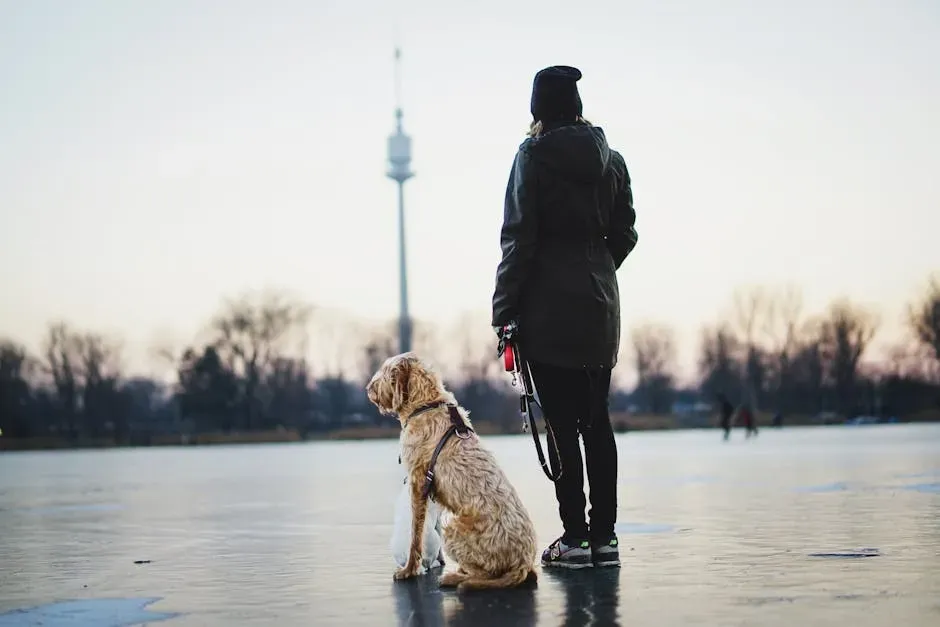
Let me be real here: your dog knows how you feel before you’ve even said a word. Dogs understand human emotions far better than we once imagined. They read our faces, listen to tone shifts, interpret body language, and even detect chemical changes in our scent. This emotional awareness strengthens the bond between humans and their dogs, but it also means our moods directly impact them. That’s both a beautiful thing and a huge responsibility.
A 2013 study showed that dogs with a strong bond with their owners behave similarly to the bond human children have with their parents. They look to their owners when uncertain. They are more likely to explore new places with their owners than alone. They even copy their owners’ emotions, showing anxiety when owners are anxious or being calm when owners are calm. Read that last part again. Your calm is literally contagious to your dog.
Dogs respond best to calm, confident energy. Yelling or frustration can create confusion rather than clarity. Dogs thrive on predictable emotional responses. A pup that feels their handler’s frustration experiences toxic stress and triggers more anxiety. This downward spiral makes training unenjoyable for all. With proper leadership, all this anxiety and stress could have been avoided.
Practical Steps to Become the Leader Your Dog Deserves
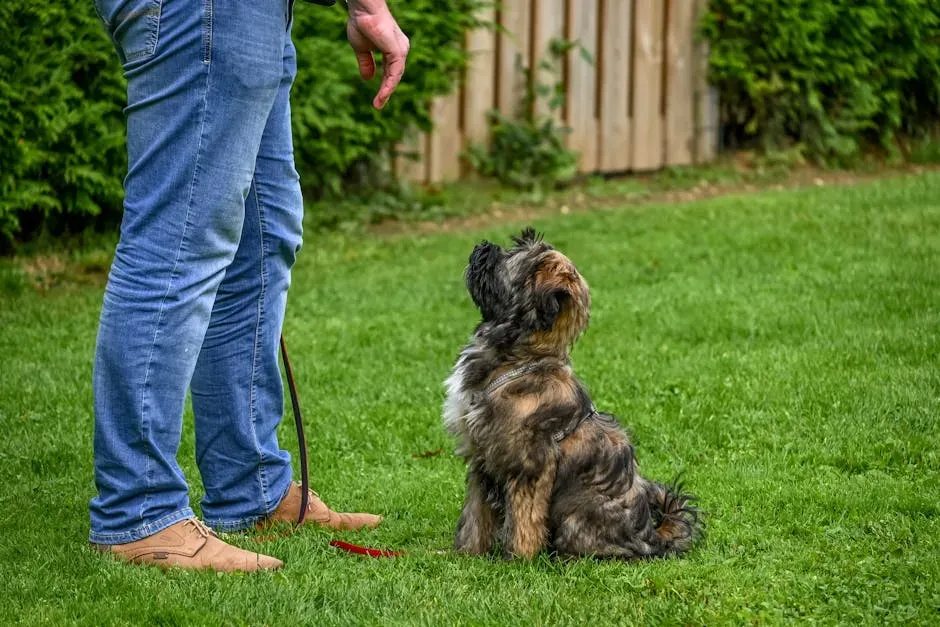
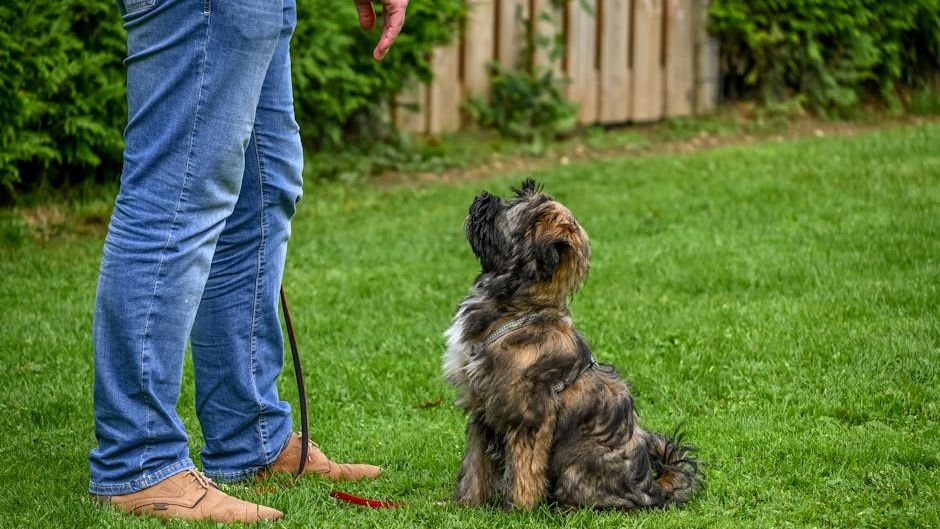
Leadership isn’t a single grand gesture. It’s a hundred small, daily choices that add up to a dog who trusts you completely. Establishing yourself as the pack leader requires a combination of confidence, consistency, and positive reinforcement. One of the most effective ways to start is by setting clear boundaries and rules, such as designating certain areas of the house as off-limits or establishing a daily routine for feeding, exercise, and playtime. You should also practice assertive body language, standing up straight, making eye contact, and using a firm but gentle tone of voice.
To build your dog’s confidence in a more general way, provide them with enrichment activities and relationship-based training. Simply feeding your dog via food puzzles and getting them involved in nose work can make them more confident. Training your dog using positive reinforcement teaches them that making decisions and engaging with you earns them good things like treats and praise. The more positive experiences your dog has, the more eager they will be for new fun adventures.
Leaders don’t send confusing mixed messages down the lead. Commands are delivered clearly, which allows the dog to relax because it understands exactly what you expect. The mind of a calm dog allows it to instantly learn things others find difficult to teach. Start small, a reliable “sit” before meals, a calm wait at the door, a consistent bedtime routine. These tiny anchors tell your dog: someone safe is in charge here.
Conclusion: Leadership Is the Greatest Gift You Can Give Your Dog
Somewhere in your dog’s eyes, beyond the tail wags and the excited zoomies, there is a creature asking for one thing above all else: to feel safe in their world. When a dog feels safe, they can be curious, inquisitive, and focused on a task. When they are anxious, they become distracted, less motivated, and sometimes even shut down. A safe dog is relaxed and generally confident around people and other dogs. A stressed dog can be destructive, hyperactive, and reactive.
The difference between those two versions of your dog? It often comes down to you. Not the expensive trainer, not the perfect breed, not the fanciest gear. You. Leaders who take the role of being their pup’s protector and provider create happier dogs. Gaining a dog’s trust is one of the most sacred aspects of dog ownership, and one that is not to be underestimated. With dogs being so eager to make lifelong emotional connections with their human companions, all dog owners have a duty of ensuring they provide the correct care for their trusting loved ones.
You don’t have to be perfect. You just have to be present, consistent, and willing to show up for your dog the way they show up for you every single day, without question, without condition, and with everything they’ve got. What kind of leader will you choose to be for your dog? That answer is entirely yours to write.


