
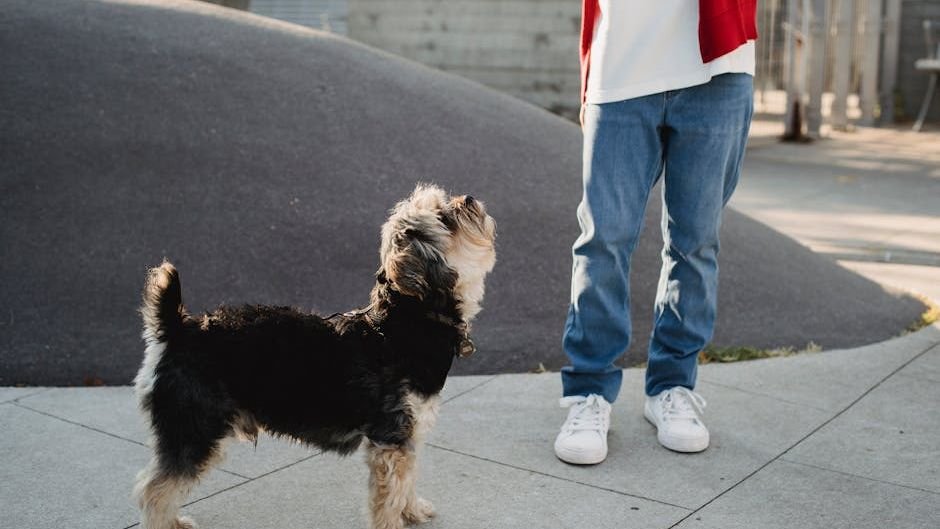
You walk to the kitchen. Your dog is there. You head to the bathroom. Your dog is there too. You stand up from the couch for literally five seconds, and somehow, your furry shadow has already beaten you to the hallway. Sound familiar? If you’ve ever lived with a dog, you know exactly what this feels like. It’s one of the most endearing, sometimes baffling, and occasionally overwhelming experiences of dog ownership.
Here’s the thing though – what’s driving your dog to follow your every move goes much deeper than simple clinginess or a need for attention. There’s real science behind it, there’s emotion behind it, and sometimes, there’s even a health signal hiding in plain sight. So let’s dive in and unpack what your loyal shadow is truly trying to tell you.
It’s Wired Into Their DNA: The Evolutionary Reason Dogs Follow Us
The story actually starts thousands of years ago. Dogs evolved as social animals living in cooperative groups, and maintaining proximity to social partners served crucial survival functions. Following ensured access to shared food resources, protection through numbers, and the coordination necessary for cooperative activities. Think of it like a GPS that never gets updated – the instinct is old, but it keeps running in the background every single day.
When dogs became domesticated, humans became their new social group, and the same following instincts that kept wild canids connected to their pack transferred to keeping dogs connected to their human families. Your dog following you everywhere represents this ancient social programming expressing itself in a modern context, with you serving as the focal point of your dog’s social world. That’s honestly kind of beautiful when you think about it.
Thanks to roughly 15,000 years of domestication, dogs’ attachment has shifted from other dogs to humans. That need for social contact can drive a dog’s desire to follow their owner wherever they go. Your dog isn’t being needy. They’re being exactly what evolution designed them to be – a loyal social companion bonded to their person.
Love, Trust, and Brain Chemistry: The Real Bond Behind the Behavior
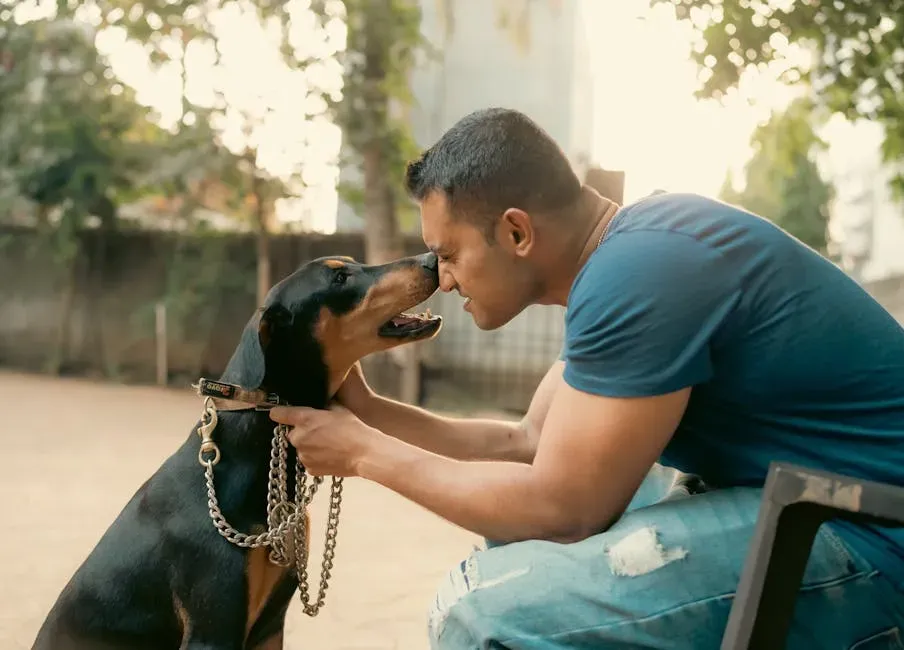
The science behind why dogs follow their owners draws on research in canine attachment, social cognition, and evolutionary biology. Studies have demonstrated that dogs form attachment bonds with their owners that parallel the attachment bonds human infants form with caregivers. This attachment serves emotional regulation functions, with the owner’s presence providing a sense of security that allows the dog to feel calm and confident. Let that sink in for a moment. To your dog, you are basically their safe place.
When a dog interacts with their owner, their brain releases oxytocin, often called the “love hormone.” This chemical creates a feeling of intense pleasure and reinforces the desire to stay close to the source of that happiness. So every time you make eye contact with your pup or give them a gentle scratch behind the ears, their brain is literally lighting up with joy. You are their happy place, their comfort zone, and their whole world wrapped into one.
A study in the journal Scientific Reports found that when dogs were shown photos of their caregivers, it activated parts of their brains that are the same as those associated with emotion and attachment in humans. I think that’s one of the most moving pieces of research in canine science. Your dog isn’t just following you out of habit. They are emotionally drawn to you in ways that mirror how we feel about the people we love most.
When Following Becomes Something More: Spotting the Signs of Anxiety
There’s a fine line between your dog following you around in a healthy, calm way, and separation anxiety. The latter means your pooch is distressed, and won’t let you out of their sight because they’re nervous and fearful of being alone without you. The tricky part is that both can look almost identical from the outside – until you start paying closer attention to the details.
Anxious dogs exhibit more attachment behaviors than dogs that are less anxious. In addition to performing unwanted behaviors in the owner’s absence, dogs with separation-related problems will often show signs of excessive attachment to their owners. For example, dogs may follow their owners around when they are home, and when their owners are preparing to leave the house. Some dogs will begin to whine, pace, pant, or freeze as their owner’s departure becomes imminent. Those pre-departure panic signals are a huge red flag worth watching for.
Many but not all of these dogs crave a great deal of physical contact and attention from their owners. During departures or separations, in addition to vocalization, destruction and elimination, they may be restless, shake, shiver, salivate, refuse to eat, or become quiet and withdrawn. If any of this sounds like your dog, please don’t brush it off. These are real signs of emotional distress, not just “drama.” A visit to your vet is always a smart first step.
Breed, Routine, and Reinforcement: Why Some Dogs Are Velcro Dogs
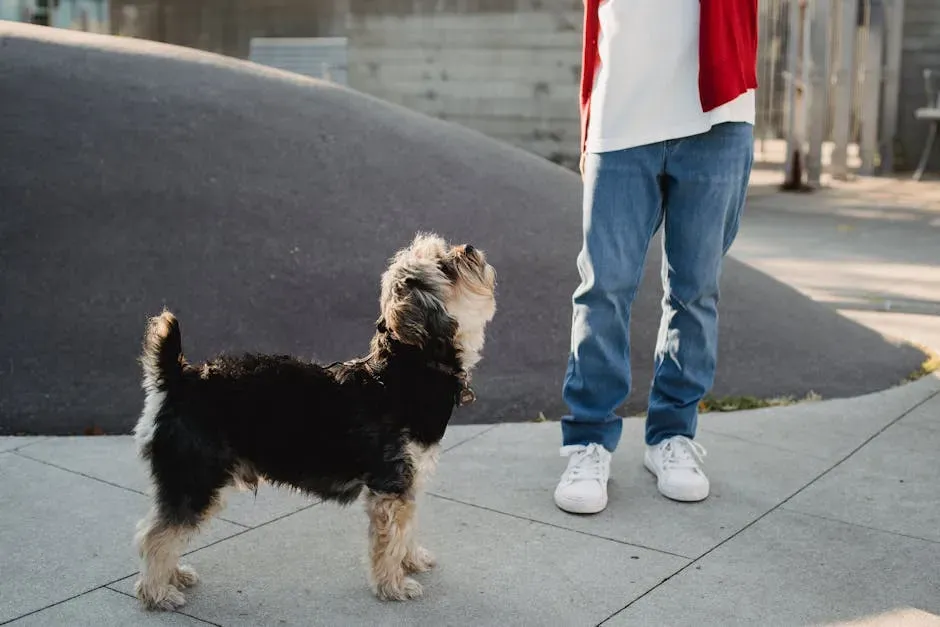
It’s not uncommon for certain breeds to over-attach to their owners. This includes dogs in the Working Group or Herding Group that are bred to work side-by-side with humans. Think Border Collies, German Shepherds, Labrador Retrievers – these are dogs whose entire genetic history is built around staying close to a human and doing a job together. For them, following you is almost like clocking in for work.
Though almost all dogs love to be near their owners, there are some dog breeds that are definitely known to be clingy. These include highly loyal dogs such as Vizslas, Golden Retrievers, Labradors and Border Collies, and stereotypical lap dogs like Chihuahuas, Shih Tzus, Maltese and Cavalier King Charles Spaniels. So if you’ve got one of these breeds, you signed up for a shadow whether you realized it or not.
Reinforcement of behavior also plays a significant role. If a dog receives positive reinforcement such as treats, praise, or attention for following their owner, they may learn to associate following their owner with receiving rewards. This can lead to them following their owner to get rewards. Honestly, we sometimes train our dogs to follow us without even realizing it. Every time you look down at those big eyes and give a little pet, you’ve just sent a very clear signal: “Yes, please keep doing this.”
When Your Senior Dog Suddenly Becomes a Shadow: A Health Warning You Shouldn’t Ignore
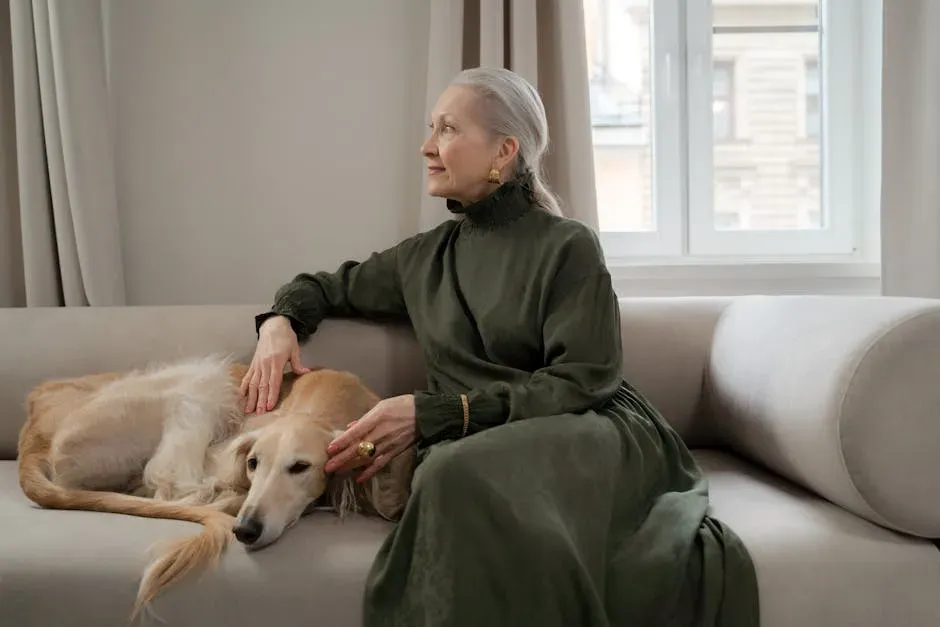
If your dog is overly attached, it’s important to figure out whether this behavior is part of their personality and breeding, or if something more serious is going on. For example, an older dog may be losing their sight or hearing. As a result, they may become more fearful of the environment and dependent on having you near. This one catches a lot of dog owners off guard. Sudden clinginess in an older dog isn’t always about love. Sometimes it’s a cry for help.
Older dogs may follow their owners more due to Canine Cognitive Dysfunction (CCD), similar to dementia in humans. They may feel confused and look to you for direction or comfort. Imagine waking up every morning feeling disoriented and unsure of where you are. You’d want your most trusted person nearby too. That’s exactly what’s happening for some senior dogs.
If the behavior started suddenly in an older dog, it could also be a sign of declining vision, hearing, or canine cognitive dysfunction. In these cases, the dog follows you because you are their “anchor” in a world that has become confusing or frightening. Sudden clinginess with no other behavioral explanation should prompt a vet visit, especially in older dogs. Don’t wait. Early detection genuinely makes a difference.
Building Healthy Independence Without Breaking the Bond
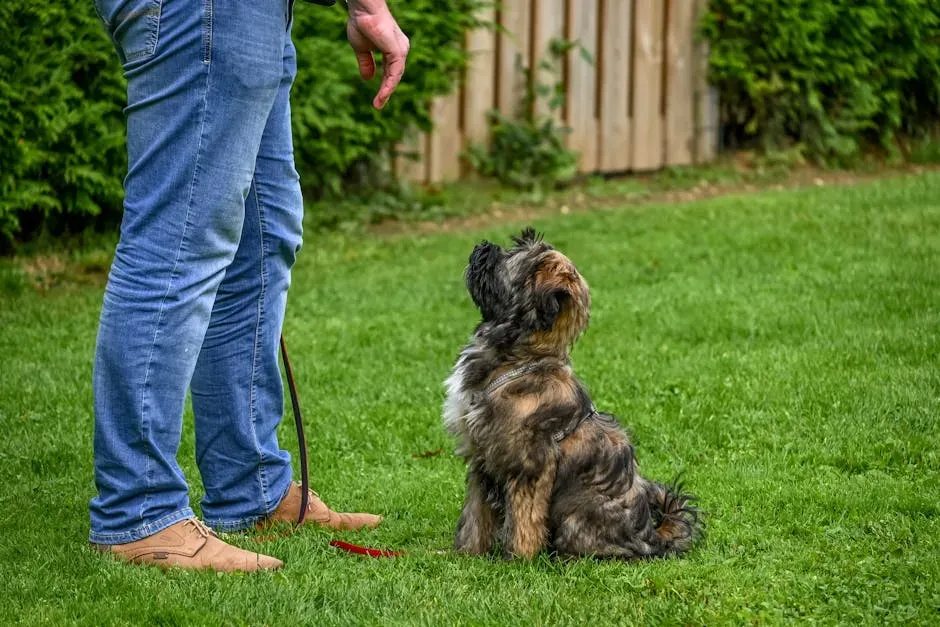
Velcro dogs may be more inclined to develop separation anxiety, but it doesn’t automatically mean they will. However, you might wish to address the behavior before it reaches the point where your dog can’t function without you in the picture. What is best is a dog who loves your attention and being close to you but is fine when you’re not around for a period of time. That’s the sweet spot every dog owner should aim for – deep love without emotional dependence.
Start by leaving your dog alone for short periods and gradually increase the time. Use calming toys or a shirt that smells like you to comfort them while you’re away. Small, consistent steps work far better than any dramatic overhaul. Think of it like teaching your dog that being alone is not a punishment – it’s just a normal, temporary part of life.
Encouraging alone time through gradual training and using toys or food puzzles to entertain them can help build their confidence. Make sure your dog gets enough exercise, as a tired dog is often more content to relax independently. Teaching simple dog commands and reinforcing independent behavior can also help strike a healthy balance. Consulting a professional dog trainer or behaviorist can also be helpful if you are struggling to manage your dog’s behavior. They can provide you with personalized advice and guidance to help you and your dog develop a happy and healthy relationship.
Conclusion: Your Dog Isn’t Just Following You – They’re Choosing You
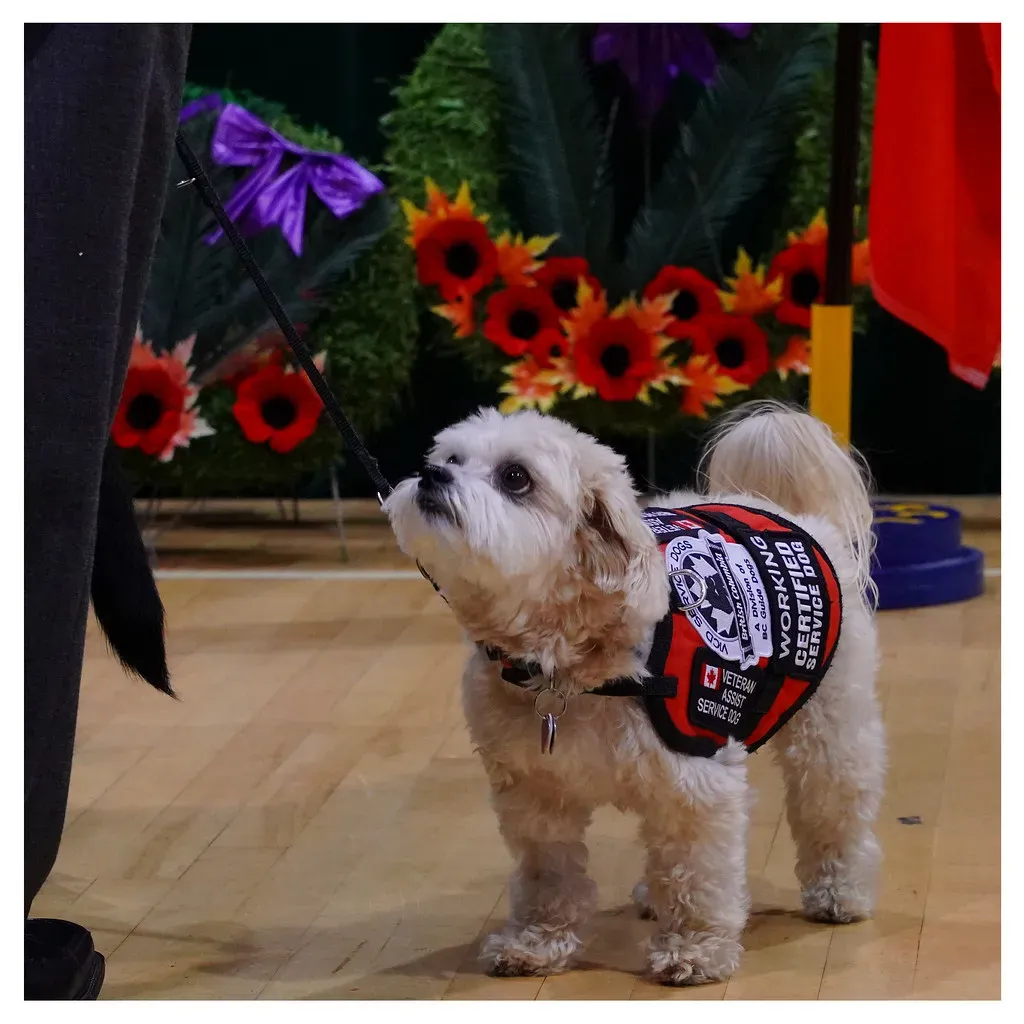
Every time your dog gets up off their cozy bed just to follow you three steps to the next room, they’re making a choice. It’s not always about anxiety or neediness. More often than not, it’s one of the purest forms of devotion any living creature can show another. You are their safe harbor, their leader, their best friend, and their entire social world bundled into one person.
That said, knowing the difference between healthy bonding and anxious dependence is one of the most important things you can do as a dog owner. Watch your dog’s body language. Notice the context. Pay attention to when and how the following happens. Your dog can’t tell you in words what they’re feeling, but their behavior is speaking volumes – all you have to do is learn the language.
The bond between a dog and their person is genuinely one of the most remarkable things in the animal kingdom. So the next time you look down and find those eyes staring up at you from two inches away, maybe smile a little. You earned that kind of love. Now, take care of it. What does your dog’s following behavior tell you about their emotional world? Think about it – you might be surprised by what you already know.


