
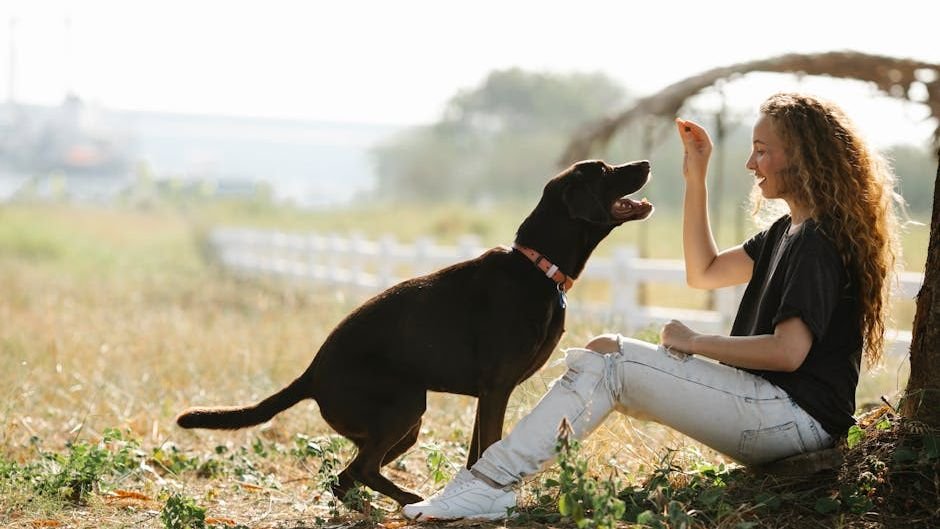
Have you ever wondered, in a quiet moment, whether your dog truly appreciates everything you do for them? The early morning walks in the cold, the belly rubs after a long day, the extra treat slipped under the table when no one was watching? It feels real. That wagging tail, those soulful eyes locked onto yours. But is it just instinct? Is it really love, or are we projecting?
Here’s the thing: science is starting to catch up with what dog owners have felt in their bones for centuries. The bond between a human and their dog is not a happy illusion. It is wired into the brain, encoded in scent, and reinforced through memory in ways that are only now being fully understood. So before you dismiss your pup’s devotion as simple conditioning, read on. What researchers are discovering might just bring a tear to your eye. Let’s dive in.
Your Dog Has a Memory More Powerful Than You Think
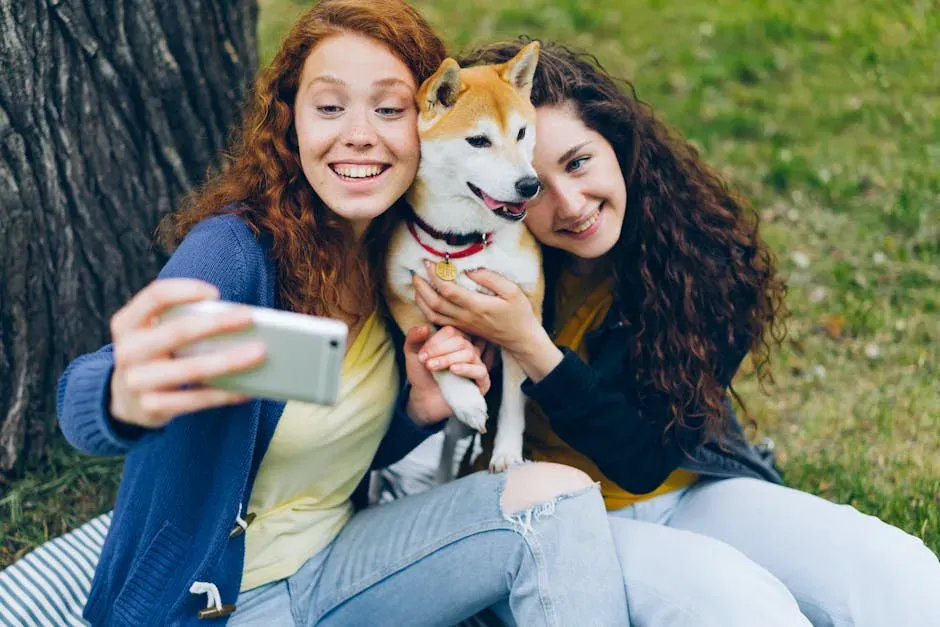
Most of us have been told, at some point, that dogs only remember the last few minutes of their experience. It’s one of those things people say with confidence, usually as a way to comfort a guilty owner who left their dog alone too long. Honestly, it turns out to be much more complicated and far more fascinating than that.
A landmark study published in Current Biology found that dogs can recall specific actions their owners performed, even if they weren’t told to remember them at the time. This mirrors aspects of human episodic memory. Think about that for a second. Your dog is not merely reacting in the moment. They are storing snapshots of your behavior, your actions, your patterns.
The dog had to recall what it had seen its owner do, even though it had no expectation that it needed to remember the action. The dogs were tested both 1 minute and 1 hour after watching their owners, and they succeeded in 33 of 35 trials. This suggests that dogs have something similar to episodic memory. It’s a little mind-blowing, right?
Another study found that dogs’ short-term memory is surprisingly brief for certain tasks, but their long-term associative memory can span months or even years. Dogs trained to respond to commands can retain them for years, even without regular practice. So while your dog may forget where they left their chew toy in five minutes, they will remember how you treated them for a very, very long time.
The Emotional Brain: Why Kindness Leaves a Lasting Imprint
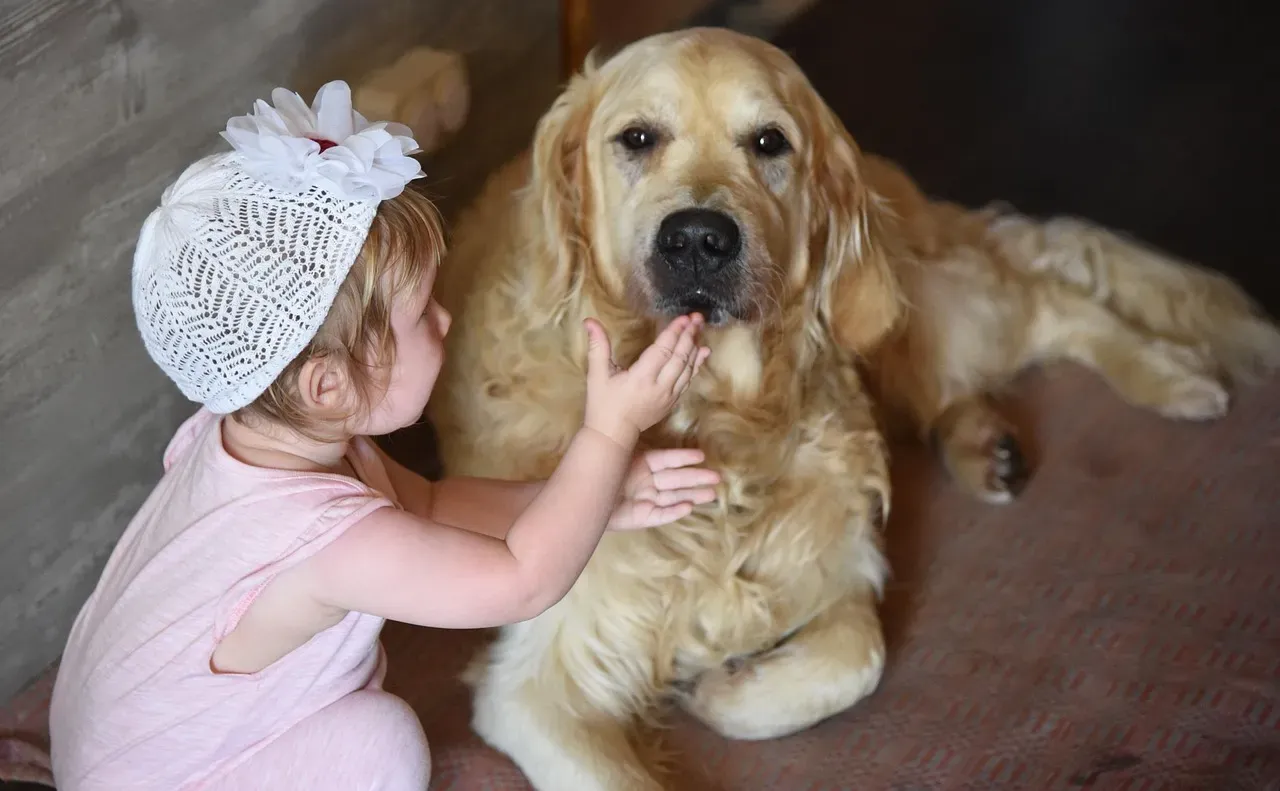
Here’s where things get truly moving. Dogs don’t just remember events as cold data files. They remember the feeling attached to those events. That’s a crucial difference, and one that should change the way every dog owner thinks about daily interactions.
Dogs are particularly adept at remembering emotional experiences. This is because their amygdala, the part of the brain that processes emotions, is highly active. Positive reinforcement during training can create strong, lasting memories. Unfortunately, negative experiences can have the same lasting effect, which is why gentle, reward-based training methods are essential.
There is cumulating evidence that dogs obtain social information from their experiences with humans, specifically from their facial expressions. They can recognize and remember individual humans. They understand to a significant degree what these humans attend to, what they are interested in, and what they intend to do next. They can discriminate, individually learn from, and categorize emotional expressions. So every time you smile at your dog, speak gently, or kneel down to their level, they are cataloging it. That kindness is becoming part of how they understand you as a person.
Your Scent Is Your Dog’s Love Language
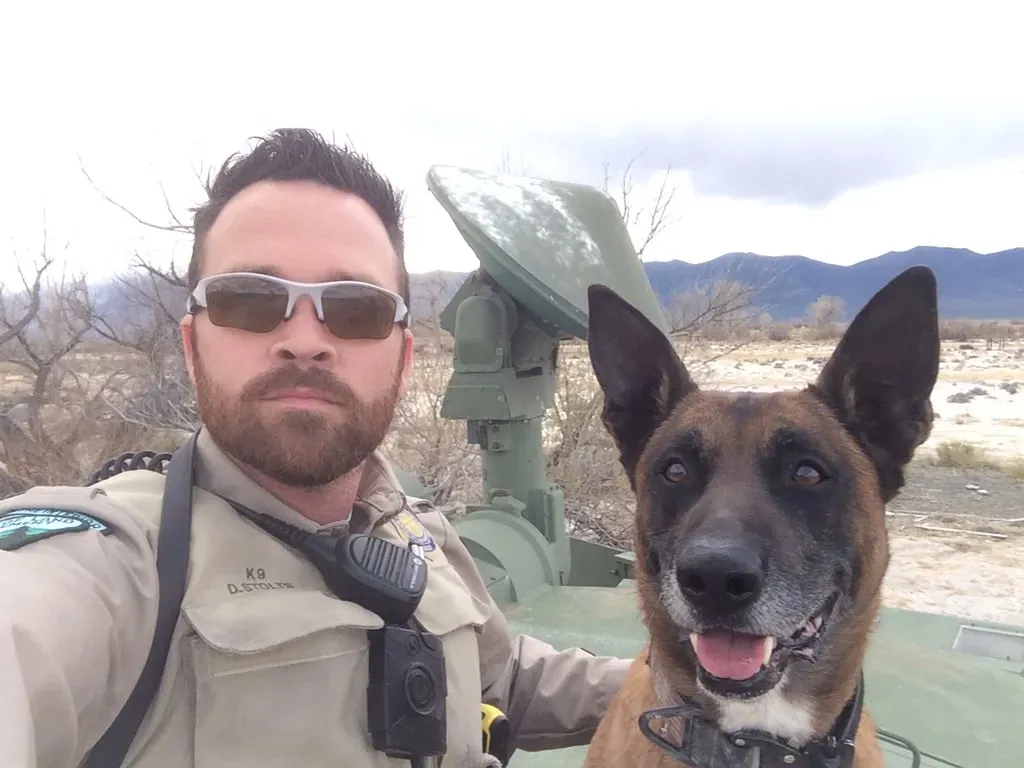
Imagine a world where you experience someone entirely through their smell. Not in a weird way, but in the most intimate, certain, undeniable way possible. That is, more or less, how your dog experiences you. Scent is their primary language of memory and love, and the science behind it is absolutely staggering.
Dogs have 300 million olfactory receptors in their noses, vastly outnumbering the 6 million in humans, which makes a dog’s sense of smell tens of thousands of times more sensitive than ours. The part of a dog’s brain that analyzes smells is proportionally 40 times larger than that in humans. To put that in perspective, it’s like the difference between a single candle flame and a bonfire the size of a building.
Research published in the journal Behavioural Processes found that the smell of a familiar human triggered a positive reward response in the dog’s brain, confirming that your dog not only knows your scent but associates it with love and affection. This is not just recognition. This is joy. When your dog buries their nose in your sleeve after you’ve been away all day, they are literally reliving the memory of you, and it feels good to them.
Neuroeconomist Gregory Berns from Emory University suggests that your scent activates a dog’s brain in a way similar to how humans respond to a loved one’s perfume or cologne. This implies that a human’s scent is stored in a dog’s brain, enabling them to remember you merely through your smell. Let that sink in. You are, in a very real neurological sense, unforgettable to your dog.
The Chemistry of Connection: Oxytocin and the Invisible Thread Between You
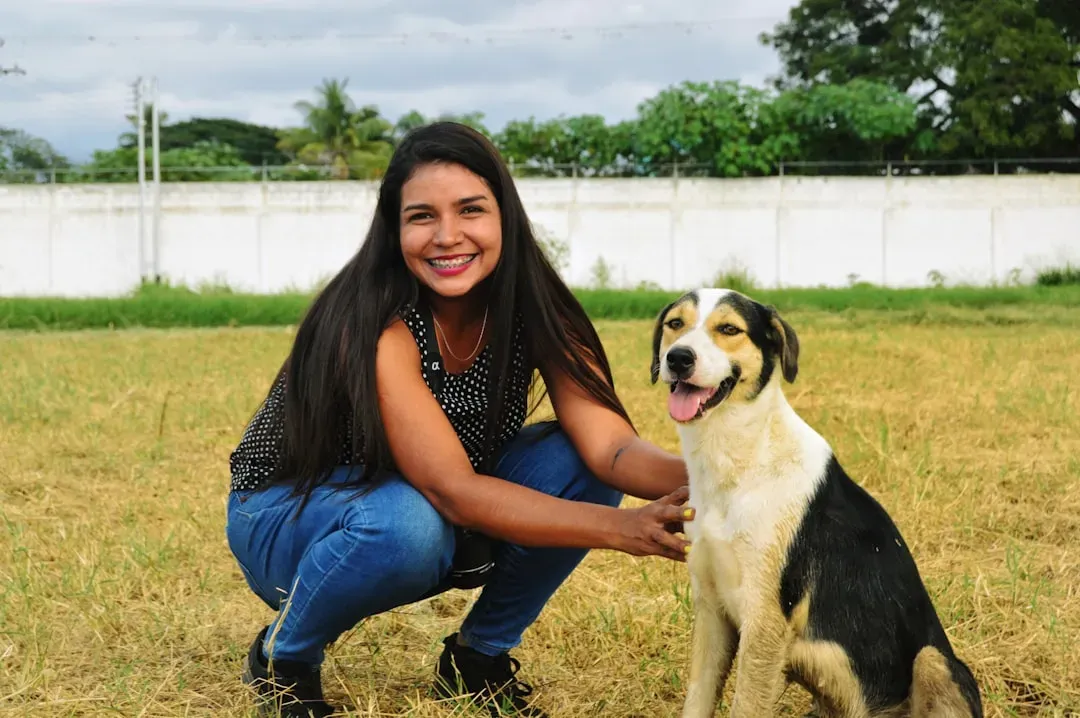
You’ve probably heard of oxytocin. It’s sometimes called the “love hormone,” the same chemical that floods a parent’s brain when they hold their newborn. It turns out this isn’t just a human thing. Not by a long shot.
Research suggests that human-dog interactions elicit the same type of oxytocin positive feedback loop as seen between mothers and their infants. Think about the scale of that comparison. The same neurochemical mechanism that cements the most powerful bond in human existence, the bond between a mother and her child, is also what happens between you and your dog when you share a quiet moment on the couch.
In studies measuring oxytocin levels in both dogs and their owners, dogs that spent longer gazing at their owners triggered an increase in the owner’s oxytocin concentration. This in turn reinforced owners’ affiliative interactions with the dogs, which also resulted in an increase in oxytocin levels in dogs. It’s a beautiful loop. You look at each other, you both feel more love, and that love deepens the memory of the interaction. Every kind glance literally strengthens the bond.
The simple act of petting a dog releases oxytocin, a hormone associated with relaxation and bonding, fostering emotional resilience in humans. So the kindness you show your dog isn’t a one-way street. It flows back to you in waves of calm, connection, and wellbeing. That daily walk, that gentle scratch behind the ears? You are both being healed by it.
How Your Dog Reads You Better Than Most Humans Do
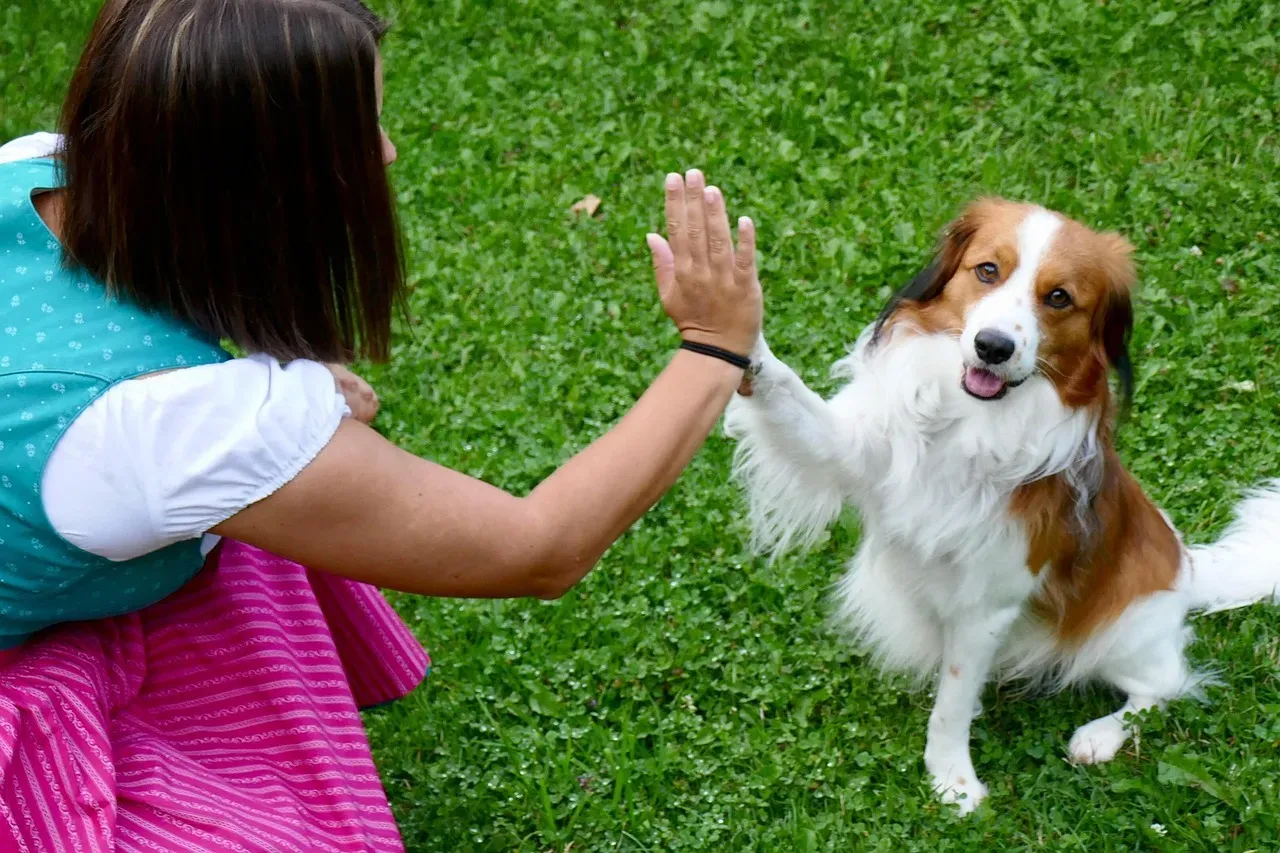
Let’s be real: we all have people in our lives who don’t notice when we’re having a rough day. Your dog is never one of them. There is a growing body of research showing just how extraordinarily tuned in dogs are to human emotional states, and it goes far deeper than reading your sad face.
Dogs are able to detect and interpret human emotions through the chemical changes that occur in our bodies. When we experience different emotions, our bodies release different chemicals, such as cortisol when we are stressed or dopamine when we are happy. Dogs are able to detect these changes in our body chemistry through their sense of smell, allowing them to identify our emotional state. In other words, you can try to act fine in front of your dog. They already know.
Dogs don’t just see people as one uniform group. They form opinions about individuals based on experience. Research shows dogs can judge human intentions and behavior. This social intelligence is remarkable. A dog who has been treated with consistent gentleness and patience builds a mental portrait of their owner as safe, loving, and trustworthy. That portrait, assembled from thousands of small kind acts, becomes the lens through which they see you forever.
Most researchers believe dogs can remember important people and significant events in their lives for years, perhaps until death. Your dog remembers your scent, your face (especially your eyes), and your voice, and associates them with happiness, love, snuggling, or maybe just with food. It’s hard to say for sure which one wins out, but either way, you are woven into their world completely.
Conclusion: Every Act of Kindness Is a Gift That Lasts
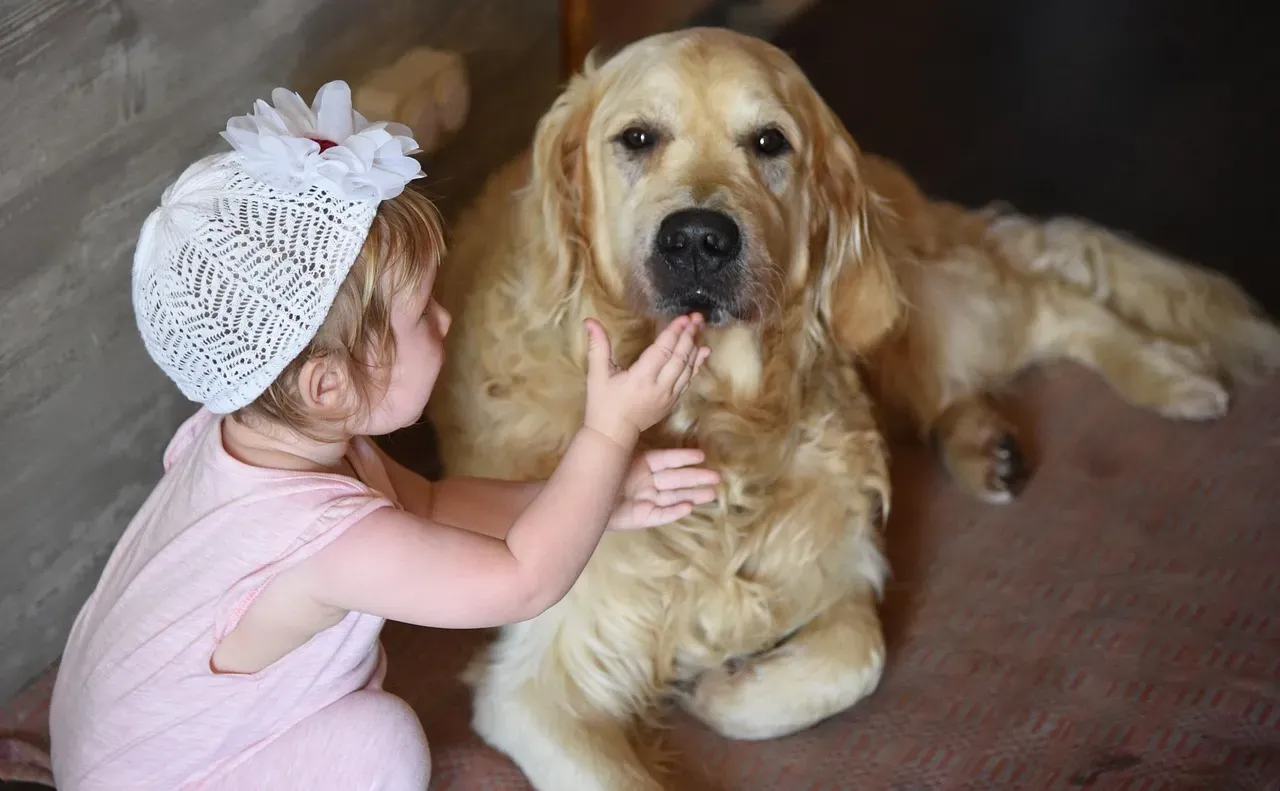
So here we are. Every treat you hand over with a smile, every time you speak softly instead of sharply, every extra five minutes on the walk because your dog found a particularly interesting patch of grass. None of it is wasted. None of it goes unnoticed or unfelt.
Your dog’s brain is a living archive of your love for them. Dogs thrive on praise, treats, and affection, and they form a deep emotional attachment to those who provide these rewards. This bond is further strengthened by shared experiences, such as adventures, training sessions, and everyday activities, which create lasting memories and a sense of camaraderie. The ordinary moments are the extraordinary ones. The morning routine, the evening cuddle, the way you say their name.
I think the most beautiful takeaway from all of this research is simple: your dog is not just reacting to you. They are remembering you. They are building a story about you with every interaction, and in their version of that story, you are the best thing that ever happened to them. That is a gift worth honoring every single day.
So the next time you wonder whether your kindness truly matters to your dog, remember the science. The answer, without question, is yes. What kind thing will you do for your dog today? Tell us in the comments, we’d genuinely love to know.


