
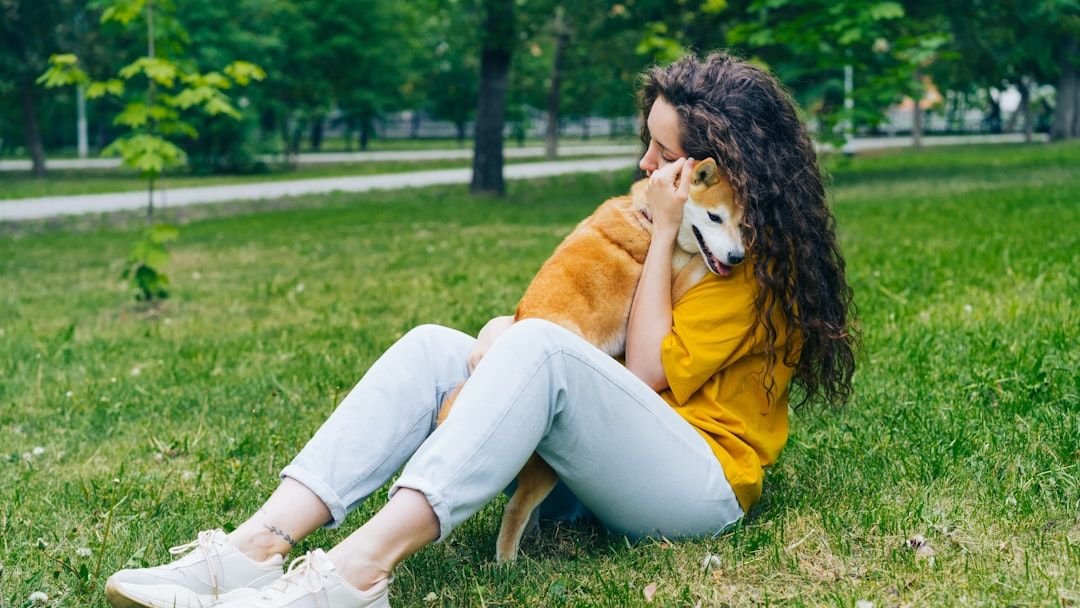
You know that moment when you come home after the worst day of your life, and your dog rushes over and presses their warm body into your legs like they just know? No fanfare, no questions, no judgment. Just presence. It’s one of those small, profound things that dog lovers talk about with a kind of quiet awe, and honestly, they’re onto something real.
What if your dog isn’t just being affectionate in those moments? What if they are actually reading you, decoding your emotional state with a level of sensitivity that rivals – and in some ways surpasses – most humans you know? The science is starting to confirm what dog owners have suspected for years. Your dog sees you, smells you, hears you, and feels you in ways that go far deeper than a tail wag or a lick on the face. Let’s dive in.
The Science of Sniffing Out Your Feelings
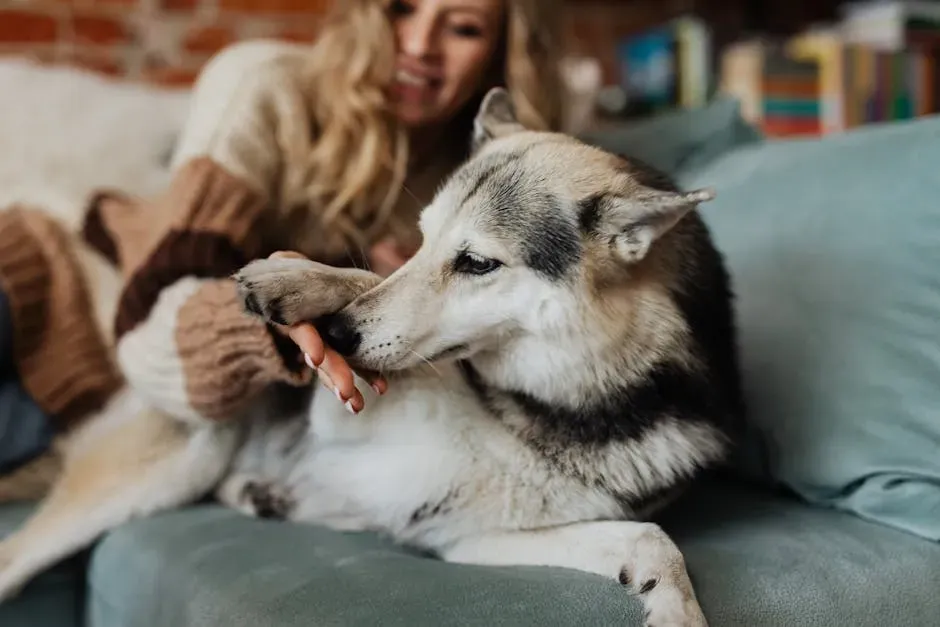
Here’s something that might genuinely blow your mind. New research out of the United Kingdom suggests that the smell of human stress affects dogs’ emotions as well as their decisions, leading them to make more pessimistic choices. Think about that for a second. Your anxiety isn’t just something your dog observes. It’s something they literally inhale and absorb into their own emotional state.
Dogs experience emotional contagion from the smell of human stress, leading them to make more “pessimistic” choices, according to research led by the University of Bristol, published in Scientific Reports. The study used sweat samples from stressed humans and exposed dogs to them during decision-making tasks. The results were striking. Researchers discovered that the stress smell made dogs slower to approach an ambiguous bowl location, an effect that was not seen with the relaxed smell.
When exposed to fear sweat samples, dogs’ heart rates went up and they sought comfort from their owners, ignoring strangers. When exposed to happy samples, the dogs were more relaxed and less wary of the stranger. It’s like your dog is running a constant emotional background scan on you, picking up chemical signals that even you aren’t consciously aware of. That nose of theirs isn’t just for sniffing out squirrels. It’s tuned to you, specifically.
Reading Your Face Better Than You Think

Let’s be real. Most of us underestimate just how visually sharp our dogs are when it comes to reading our expressions. Dogs can recognize emotions in humans by combining information from different senses, an ability that has never previously been observed outside of humans. Scientists confirmed this through carefully designed experiments, and the results were genuinely surprising.
In one study, dogs differentiated between happy and angry human faces, and dogs found angry faces to be aversive. But it goes even further than that. Dogs engaged in mouth-licking in response to angry expressions. They mouth-licked when they saw images of angry human faces, but not when they heard angry voices, emphasizing the importance of visual cues. Mouth-licking can be an appeasement signal, a way for a dog to respond to perceived negative emotion in a human companion.
Research suggests dogs do indeed have a dedicated region of the brain for processing human faces, which helps explain their exquisite sensitivity to human social cues. I think this is one of the most fascinating discoveries in canine science in recent years. Your dog isn’t just watching your face out of habit. Their brain is literally wired to process it. Dogs do not have to understand every spoken word to get the gist of a conversation, since only roughly one tenth of what humans communicate is verbal. Non-verbal posture, gestures, body carriage, and facial expressions communicate the vast majority of what we have to say, so our dogs have learned to monitor these physical actions very closely.
Your Stress Is Their Stress – Literally

Honestly, this one stopped me in my tracks when I first read the research. In a study from Sweden’s Linköping University, researchers found dogs’ stress levels were greatly influenced by their owners. Their findings suggest that dogs, to a great extent, mirror the stress levels of their owners. They didn’t just observe this through behavior. They measured it through cortisol levels in hair samples, both human and canine.
In both breeds studied, the level of cortisol found in the dog’s hair mirrored that in the human’s and reflected the results of the human personality survey. In other words, the way dogs feel over time tracks with the way their humans feel. This is not a momentary reaction to a raised voice or a slammed door. This is long-term, sustained emotional synchronization between two different species sharing a home. A study published in 2024 by Scientific Reports found that the heart rate variability of a dog and its owner often mirror each other during interactions.
A study in Scientific Reports revealed that dogs owned by individuals with higher anxiety levels were more likely to exhibit behavioral problems, including separation anxiety and fear-based aggression. This is a gentle but important reminder that caring for your own emotional wellbeing is, in a very direct way, caring for your dog’s wellbeing too. A dog living with a calm, emotionally stable owner is more likely to be relaxed, confident, and socially adaptable. Conversely, a dog cohabiting with high emotional tension may exhibit hyperactivity, reactivity, or withdrawal. Your nervous system and theirs are more connected than most people realize.
When You Grieve, They Feel It Too
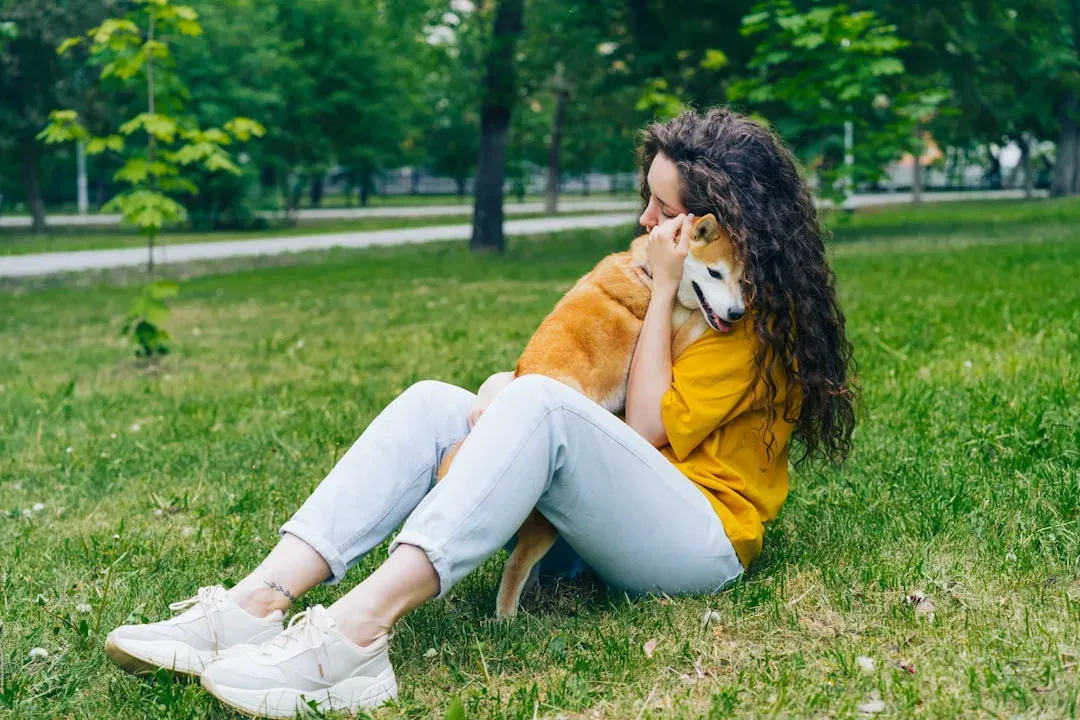
A study published in the Animal Cognition journal states that dogs are more apt to walk up to a person who is crying than when that person is exhibiting normal, happy behaviors. The researchers concluded that a human crying had more of an emotional pull for the dogs, as they seemed to empathize with the crying human not from curiosity, but from pure concern. That image alone is enough to make your heart swell. Your dog isn’t just wandering over when you cry. They are responding with something that looks remarkably like empathy.
Licking, nudging, resting their head on you, or bringing you a favorite toy are common ways dogs try to comfort their human companions. These are not random behaviors. They are intentional expressions of care. While dogs may not have the same complex understanding of emotions as humans, they are adept at recognizing subtle cues associated with different emotional states. They may not know the specific reason for your sadness, but they recognize the change in your behavior and respond accordingly.
Dogs also grieve themselves. One study concluded that roughly two thirds of dogs experienced four or more behavioral changes after the loss of a family pet, changes that indicated grief. Experts say the first thing to do for a grieving dog is keep a consistent schedule. Stick to regular feeding times, daily walk schedules, and usual bedtime routines. Consistency can provide a sense of security and create familiarity amidst loss. Routine is a lifeline for a dog navigating loss, much like it is for us.
How to Be the Emotionally Aware Owner Your Dog Deserves

Dogs don’t just observe your emotions; they can “catch” them too. Researchers call this emotional contagion, a basic form of empathy where one individual mirrors another’s emotional state. Understanding this changes everything about how you interact with your dog, especially during high-stress moments like vet visits, thunderstorms, or chaotic household days.
We already knew that positive training, heavy on the rewards, is good for owner-dog relationships. But research suggests that the reverse is also true: approaching training while stressed could have a negative effect on how a dog feels and learns. So if a training session isn’t going well, it may genuinely be worth stepping away, taking a breath, and returning in a calmer headspace. Your dog will thank you for it, even if they can’t say so. If you learn what your dog is saying, you will develop a deeper bond of trust and respect.
Prevention tip worth keeping in mind: the key is self-regulation. Practicing mindfulness, creating calm environments, and maintaining healthy routines can help soothe both of your nervous systems. Think of it less like being a perfect, emotionless robot and more like being a steady presence. Dogs don’t need you to be happy all the time. They just need you to be consistent and aware. They excel at picking up on what you’re projecting and respond accordingly. Dogs may not be able to read our minds, but by reading our behavior and feelings, they meet us emotionally in a way few other animals can.
Conclusion: A Bond Built on More Than Love

The relationship between humans and dogs has always been called special, but it runs deeper than affection or loyalty. It is a physiological, emotional, and neurological conversation happening constantly between two species who have spent thousands of years learning how to understand each other. “Being a species that we’ve lived and co-evolved with for thousands of years, it kind of makes sense that dogs would learn to read our emotions because it might be helpful to them to know if there’s something threatening in the environment.”
Your dog watches you more carefully than almost anyone else in your life. They pick up on the subtle shift in your breathing when you’re anxious, the heaviness in your posture when you’re sad, and the lightness in your step when something wonderful has happened. Thousands of years of co-evolution have given dogs special ways to tune in to our voices, faces and even brain chemistry. From brain regions devoted to processing our speech to the “love hormone” or oxytocin that surges when we lock eyes, your dog’s mind is hardwired to pick up on what you’re feeling.
That kind of attunement is rare. Honestly, it’s remarkable. So the next time your dog sidles up to you during a hard moment, remember, they’re not guessing. They know. Caring for them well means caring for yourself well too, and that’s a partnership worth leaning into fully. What do you think – has your dog ever surprised you with just how deeply they seemed to understand what you were going through? Share your story in the comments.


