
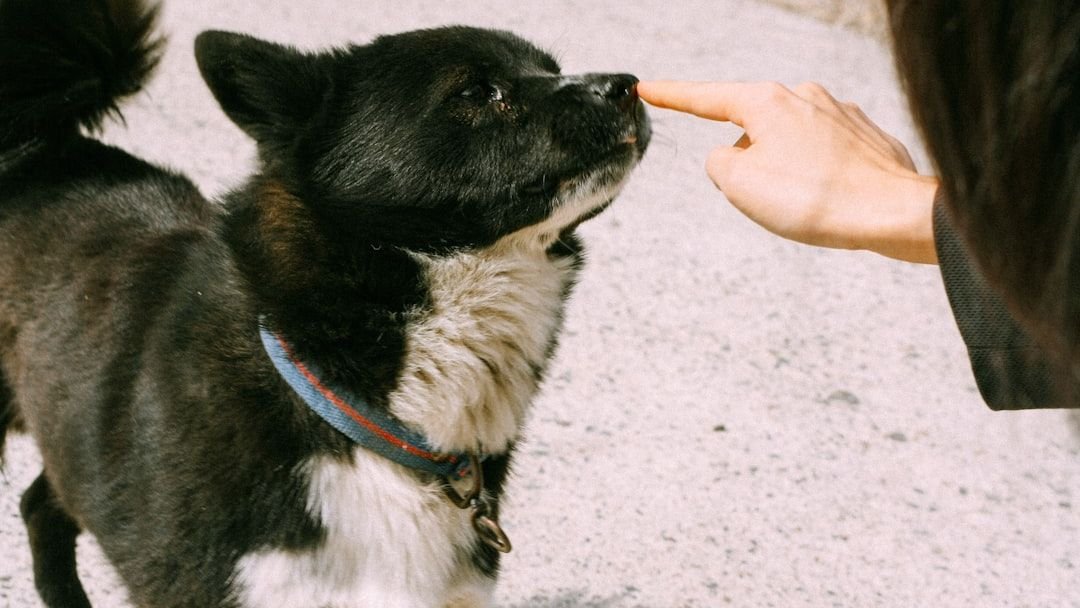
Picture this. You and your dog are on a morning walk. You see a patch of grass, a fire hydrant, maybe a parked car. Your dog, though? They’re reading an entire newspaper. Who was here. When. What kind of mood they were in. Whether they were healthy or stressed or searching for a mate. Every single sniff is a sentence in a story you simply cannot read.
It is honestly one of the most humbling things about living with a dog. We think we’re experiencing the same walk, but we’re not even close. While we rely on our eyes to make sense of the world, dogs do it almost entirely through their nose. Understanding this isn’t just fascinating trivia for dog lovers – it changes how you care for, communicate with, and connect with your dog. Let’s dive in.
A Superpower Built Into Every Sniff: The Science Behind the Canine Nose
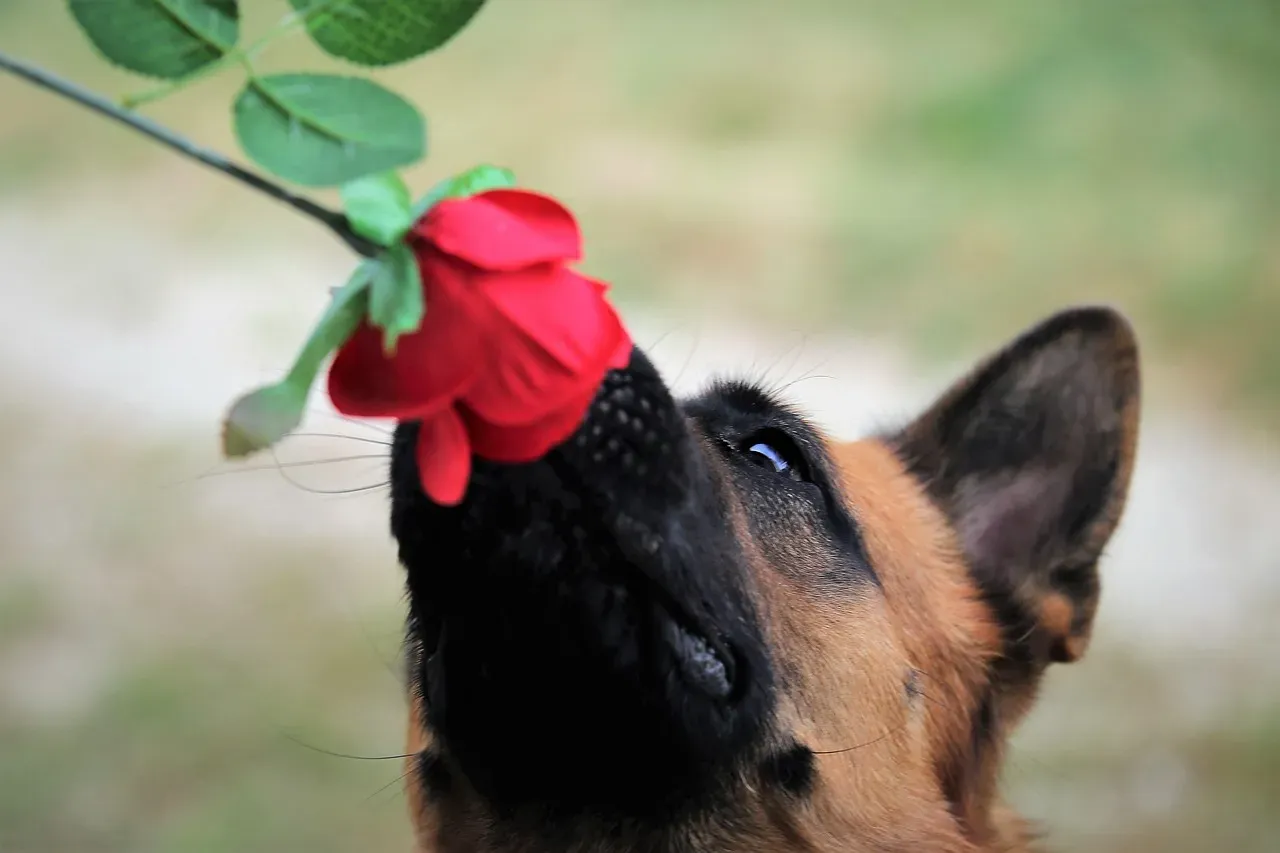
Let’s be real, the word “superpower” gets thrown around a lot. But when it comes to a dog’s nose, it actually fits. Dogs have a sense of smell between 10,000 and 100,000 times stronger than humans, depending on the breed. They carry between 100 million and 300 million olfactory receptors in their nose, while we humans walk around with a comparatively feeble 5 to 6 million. Think about that for a second. It’s the difference between reading a headline and reading an entire encyclopedia.
Dogs also have a much larger olfactory mucosa and a bigger portion of the brain dedicated to odors. While only about 5 percent of the human brain is devoted to processing smells, in dogs that figure is roughly a third of their entire brain. Imagine if your whole life experience was filtered through one extraordinary organ. That’s your dog’s daily reality.
A dog’s nose is a marvel of biological engineering. When they inhale, a fold of tissue separates the airflow into two paths – one for respiration, and one dedicated entirely to olfaction. This design enables dogs to breathe and smell at the same time, efficiently capturing and analyzing scents. It’s almost like having two separate devices running simultaneously. We breathe. They breathe AND decode the world.
Your Dog Is Reading a Scent Novel Every Time They Sniff Something
With a single sniff, a dog’s nose interprets an entire story without words. The chemical aromas communicate what another dog likes to eat, identify their gender and mood. By simply smelling, a dog can determine if a new friend is male or female, happy or aggressive, healthy or ill. Honestly, that is more information than most of us share in a first conversation with a stranger.
Some of the things dogs might learn from a sniff include who has been in an area recently, approximately how long ago they were there, and which direction they were traveling. They can also detect the gender of a person or another dog, as well as their mood and health status. Think of a lamppost as a community bulletin board. Your dog isn’t being stubborn when they stop to sniff it for two whole minutes. They’re catching up on local news.
Dogs also have a remarkable scent memory that can identify other dogs they haven’t seen for years, and even remember which of them was the dominant member of the pair. When dogs belonging to the same family are separated for a while, they use their sense of smell to catch up on things. Changes in odors convey where the other dog went, what they ate, and what they did. It’s a reunion and a debrief, all rolled into one good sniff.
Your Dog Can Smell Your Emotions (And They’re Not Fooled)
Here’s the thing that gets me every time I think about it. You can put on a brave face, control your breathing, even force a smile. Your dog still knows. Dogs sense fear and anxiety via their noses. When we are stressed or scared, we secrete adrenaline, the fight-or-flight hormone, which dogs can detect even though we cannot smell it ourselves. When we are anxious, we also have increased heart rate and blood flow, which carries body chemicals to the skin surface where dogs can detect them more easily.
Olfaction seems to be one of the most important senses for dogs because it provides information not only about the current status of the environment, but can also allow detection of signals from the past. This complex network of mixtures of smells creates a three-dimensional image of the surrounding world across time. Your dog isn’t just smelling the present moment – they’re building a layered, time-sensitive map of their entire world.
Research has found that the amygdala, a key brain region, assigns emotions to odor profiles, which could contribute to more efficient odor processing in dogs. So when your pup settles against you after a rough day you never talked about, there’s real science behind that gentle comfort. They sensed it in you before you even realized it yourself. That’s not magic. That’s biology doing something quietly beautiful.
Why Sniffing Is Not Just Fun – It’s a Mental Health Need
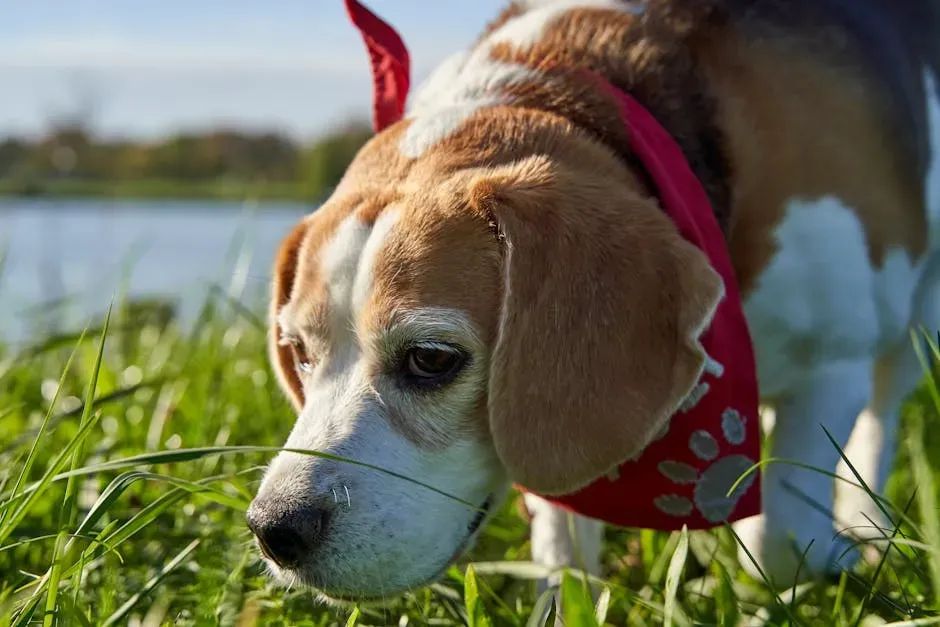
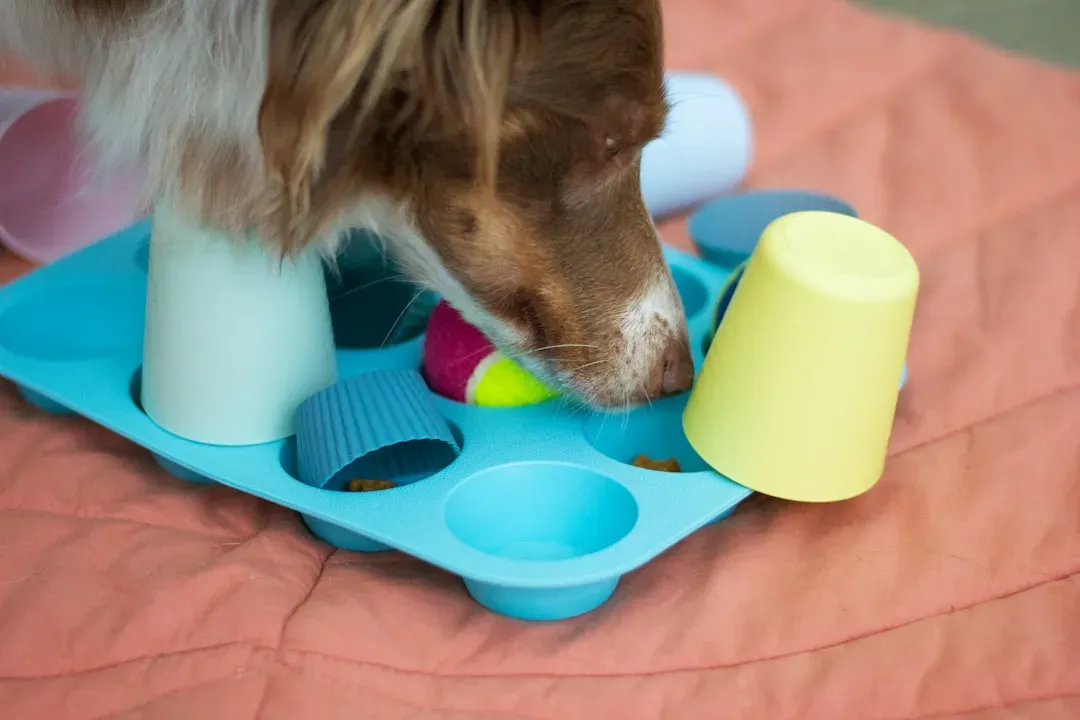
So many dog owners focus on physical exercise and forget that a dog’s brain needs a workout too. Allowing your dog to go on sniff walks is vital for their overall mental well-being. The act of sniffing provides mental stimulation and enrichment, activating their brain and engaging their senses. It’s like solving puzzles or reading a captivating book for them. A short sniff walk, honestly, can be more satisfying to a dog than a long, brisk march with no sniff breaks at all.
Sniffing activates many parts of a dog’s brain, releasing the pleasure hormone dopamine and promoting rest, thereby helping to reduce stress. Studies also show sniffing can decrease a dog’s heart rate, further lowering anxiety. This is a prevention tip worth writing on your refrigerator. If your dog seems restless, anxious, or destructive, ask yourself: when did they last get a proper sniff session?
A 2019 study published in Applied Animal Behaviour Science found that dogs who participated in two weeks of daily nosework tasks performed better on a cognitive bias test than those engaged in traditional obedience training. This means that sniffing isn’t just fun – it actively improves your dog’s emotional state. If that doesn’t convince you to slow down on your next walk, I’m not sure what will.
When the Nose Signals a Health Problem: What to Watch For
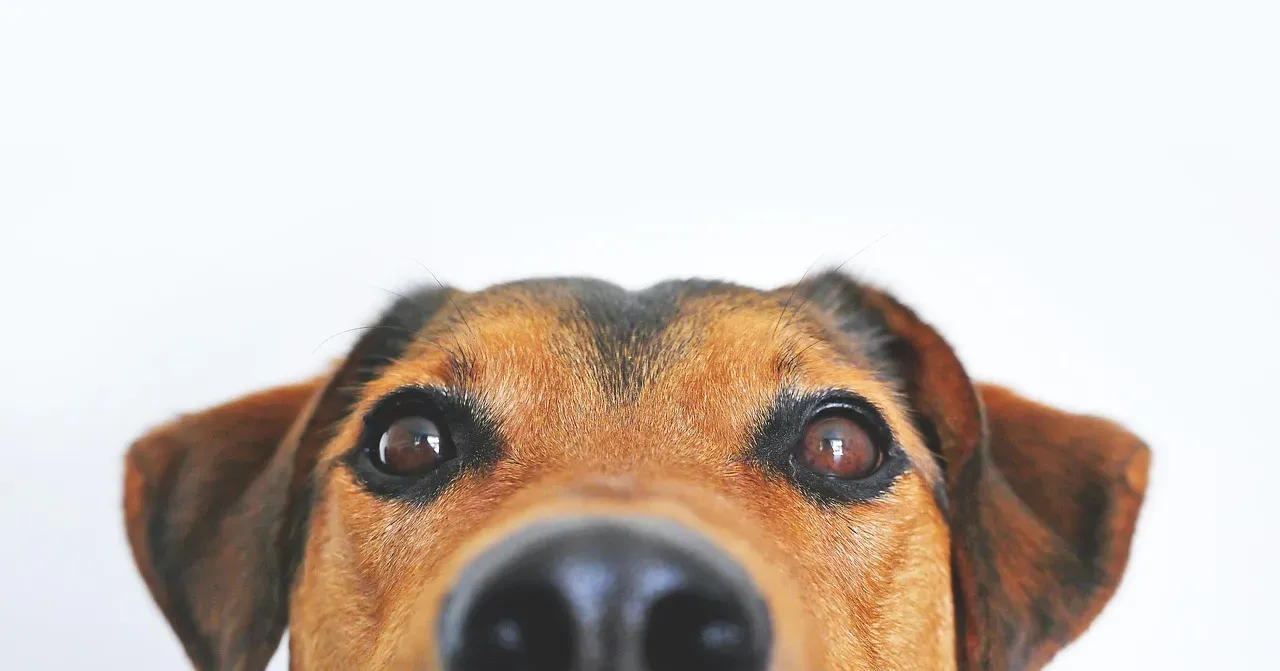
A dog’s nose is not just an emotional barometer – it’s a health indicator you can observe every single day. While a wet nose is normal, a drier-than-average nose can be normal for some pups. However, an overly wet nose with abnormal discharge, especially mucus or blood, can be a sign of a problem. It’s best to know what is normal for your individual dog so you can notice any changes right away. Think of it like knowing your dog’s baseline. Changes from that baseline are the real signal.
Health conditions affecting the nose can be uncomfortable, make it more difficult to smell food, and even impact breathing if severe. Loss of smell, for all the reasons we’ve explored, can make a dog feel genuinely less secure. A dog who suddenly shows less interest in sniffing during walks, or who seems less engaged with their environment, may be worth a vet visit. Don’t dismiss it as aging or laziness right away.
It’s hard to say for sure in every case, but sudden behavioral changes tied to sniffing deserve attention. Dogs with squat noses have brachycephalic facial features, which are caused by genetics and intentionally bred into certain dogs. Beyond other serious health problems, these features can also impede a dog’s ability to smell. Brachycephalic breeds include Boxers, Bulldogs, Pugs, Shih Tzus, French Bulldogs, and Boston Terriers. If you have one of these breeds, regular vet checkups that assess breathing and nasal health are especially important.
Conclusion: Honor the Nose, Enrich the Life
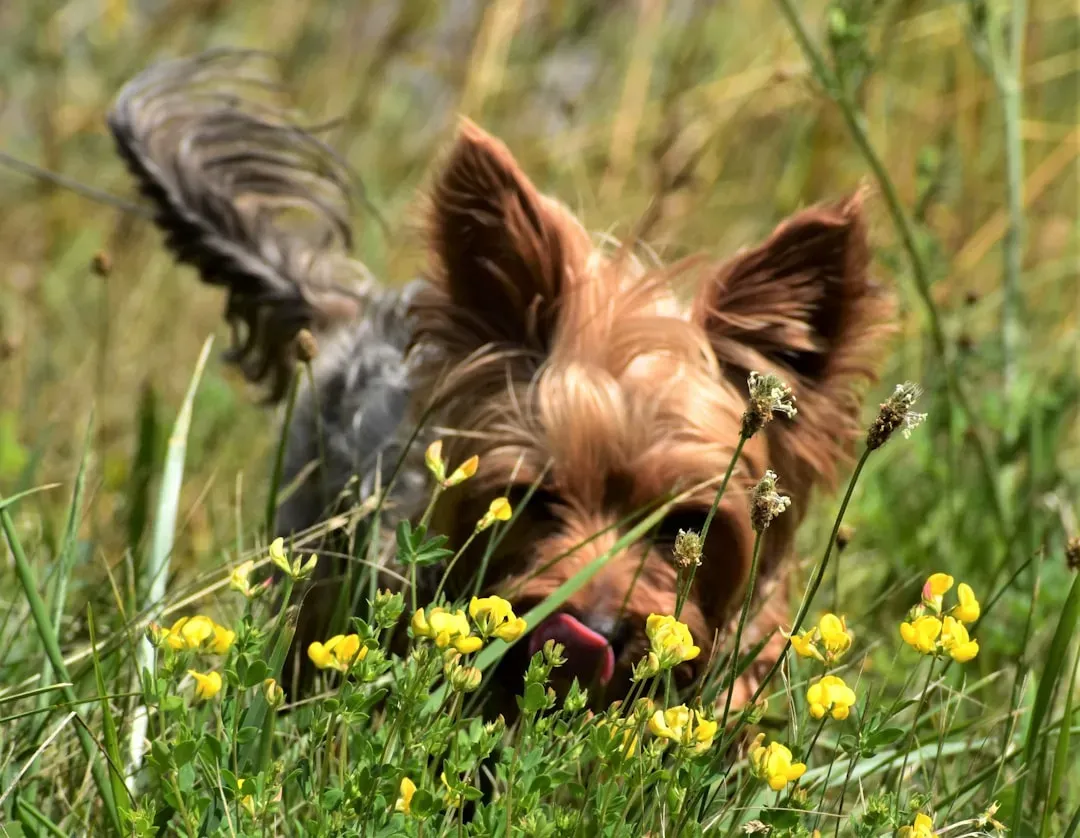
We’ve walked through a lot together in this article, and I hope one thing stands out above all else: your dog’s nose is not a side feature. It is the center of their universe. It tells them who they are, where they belong, how others feel, and what the world looked like before they arrived. The olfactory bulb is the center of your dog’s most important sense. It informs them, forewarns them, and connects them to a rich sensory world we can barely imagine. It is indispensable to who they are and how they navigate life.
The practical takeaway is simple. Slow down. Let them sniff. Sniffing is so critical to a dog’s mental health that not allowing your dog to do it is a welfare concern. That’s not an opinion from an overly dramatic dog lover. That’s the science speaking. Designate at least one walk a day as a true sniff walk. Let your dog lead. Watch their body relax, their tail soften, their entire energy shift into something calm and satisfied.
You share your home with a creature whose nose holds more wisdom about the world than we may ever fully understand. Scent is how dogs largely experience the world, much like how we humans rely on sight. We know little about how dogs fully interpret scent, but thanks to recent science, we are getting closer to understanding what a dog’s nose actually knows. The more we learn, the more we owe them the respect of letting them fully be what they are – glorious, sniffing, scent-reading animals who love us in ways we probably don’t deserve.
So next time your dog plants their nose on the ground and refuses to budge, don’t pull the leash. Take a breath. Let them read the world. What would you have guessed they were learning right now?


