

Most of us think of our dogs as warm, tail-wagging companions who steal our pillows and demand belly rubs at the worst possible moments. Honestly, fair enough. But here’s what too many dog owners overlook: that four-legged goofball curled up at your feet is also, in many quiet and profound ways, your most devoted protector. Not because someone trained them to be. Simply because it’s who they are.
The protection your dog offers goes far beyond a bark at the doorbell. It reaches into realms of biology, psychology, and instinct that science is only just beginning to fully unravel. Some of it is jaw-dropping. Some of it will make you look at your dog in a completely different light. So let’s dive in.
Your Dog’s Nose Knows What Your Doctor Might Miss

Let’s start with the most mind-bending truth about your dog. Dogs have a sense of smell reported to be up to 100,000 times more sensitive than that of the average human. That’s not a typo. Think of it this way: if you can smell a pot of soup on the stove, your dog could detect a single drop of that soup dissolved into a million gallons of water. It’s almost unfathomable.
What does this mean for your health? A lot, actually. Scent dogs have been trained to alert for seizures, hypoglycemia related to diabetes, and to screen for viruses, bacterial infections, and numerous cancers, including mammary, prostate, lung, ovarian, colorectal, and melanoma. The underlying reason is fascinating: when we’re sick, we produce compounds that waft around us. In infectious or disease states, volatile organic compounds, known as VOCs, are emitted in breath, blood, sweat and urine, creating an “aura” of molecules around the human body. These VOCs often result in changes in body odor which studies have found are detectable by dogs.
The ability of dogs to detect melanoma, a potentially fatal skin cancer, has been formally studied and confirmed. In case studies, dogs persistently sniffed, licked and nipped at melanoma lesions on their owners’ skin, even through clothing, prompting the owners to identify the cancerous sites and seek care from clinicians. In one remarkable real-world case, a woman’s Labrador persistently nudged at a mole on her leg, which was later diagnosed as melanoma. These aren’t fairy tales. They are documented, peer-reviewed, and increasingly accepted by the medical community.
Even without formal training, your dog may pick up on changes in your health. Signs include unusual sniffing or licking of a specific area of your body, sudden clinginess or protective behavior, alerting or whining when something seems wrong, and restlessness or pawing if you’re unwell. If your dog consistently focuses on one area of your body, it may be worth getting it checked by a healthcare professional. Your dog might not be able to write you a referral letter, but they’re telling you something. Learn to listen.
The Living Alarm System That Never Needs Batteries

Here’s the thing about home security: no camera, sensor, or smart lock has ever loved you. Your dog does. A dog is constantly employing their sharp sense of smell. Dogs are able to identify, with ease, the scent of someone they recognize over someone they have yet to meet. Even before an individual walks through the door, dogs have been alerted to who it is using their senses of smell and hearing. That’s your dog doing a background check before your visitor even rings the bell.
Most guard dog owners do not realize that the presence of a dog is usually security enough and that specialized training may be excessive. Dogs are sensitive to their surroundings and will usually alert their owners to a disturbance by barking, which may be enough to scare away potential intruders. The numbers back this up. In research surveying prison inmates, a large percentage reported that a large, unfriendly dog would scare them away. When reassessing the responses, the conclusion was that nearly all burglars would be deterred by a dog. A dog was second only to the presence of people in the house for scaring away burglars.
A small pilot study from the University of Lincoln found that most dogs react with subtle alarms, such as staring, stiff postures, and following you closely, in simulated break-in scenarios. That means while films show dogs going ballistic at every burglar, your pup might simply stick close to you, block an exit, or act oddly until you pay attention. Knowing your dog’s personal signals matters enormously here. Reading body language and knowing your dog’s different sorts of barks can be a life-saving skill, especially in instances of home invasion by an intruder. Invest time in understanding what your dog is telling you. That knowledge is worth more than any alarm system on the market.
They Will Try to Rescue You, Even When They Don’t Know How
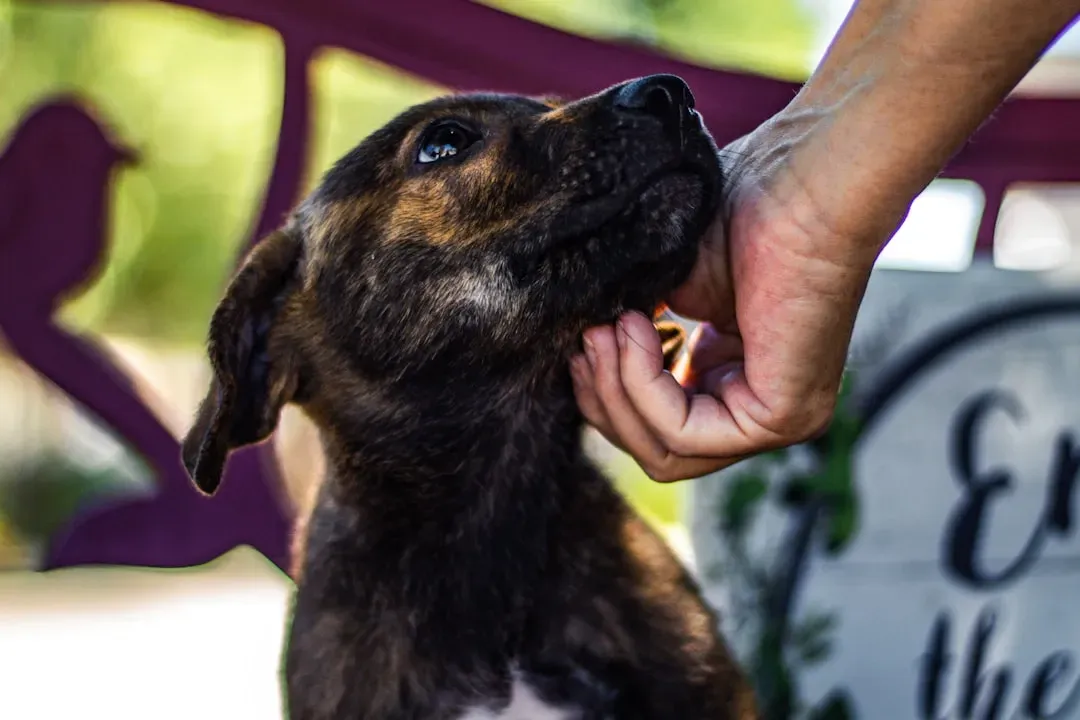
This one gave me genuine goosebumps the first time I read it. Researchers at Arizona State University set up an experiment assessing 60 pet dogs’ propensity to rescue their owners. None of the dogs had training in such an endeavor. Each owner was placed in a large box and called out for help. More dogs rescued their owners than retrieved food. Let that sink in. They chose their humans over a snack. For a dog, that’s practically heroic.
During the distress test, the dogs were much more stressed. When their owner was distressed, they barked more and whined more. In fact, there were eight dogs who whined, and they did so during the distress test. These weren’t trained rescue dogs. They were ordinary pets motivated purely by love and emotional distress over their owner’s well-being. Dogs are pack animals, which means they’re wired to protect pack members, especially when they are unwell or weak. A pack is stronger together, so healthy members will guard the others. Your family dog might be particularly watchful over babies, children, and pregnant women.
Protection dogs have this pack mentality because they see their family as their pack. The way a dog loves its owner is like how a wolf loves its pack leader. This isn’t just poetic language. It’s an evolutionary truth that goes back thousands of years. Since ancient times, dogs have guarded our livestock, watched over our property, warned us of danger and protected our families, often without the least bit of training. They didn’t need a course. They just needed to love you.
Invisible Shields: How Dogs Protect Your Mental Health

Physical safety is one thing. But dogs protect us from threats that don’t make a sound and don’t pick a lock. They protect us from the inside. Research has found that positive interactions with pets trigger the release of oxytocin, endorphins, and prolactin in humans, while stress hormones like cortisol go down. In practical terms, petting your dog is literally changing your body chemistry. It’s a mini therapy session happening every day on your couch.
A strong majority of pet owners say their pets have a mostly positive impact on their mental health. That’s not a small, fringe group of overly sentimental pet lovers. That’s the overwhelming majority of people polled in a wide-scale survey. A survey of over 4,100 dog owners found that more than half of respondents said their dogs were helping reduce feelings of depression and anxiety. These aren’t just warm feelings. These are measurable psychological outcomes.
Psychiatric service dogs have been shown to be beneficial for veterans with post-traumatic stress disorder. These specially trained companions provide environmental awareness, emotional calming, and intervention during panic attacks or nightmares. Studies show that veterans paired with service dogs experience improved sleep, stronger family connections, smoother reintegration into communities, and even higher employment rates. That’s astonishing. A dog can give someone their life back. A study by the Centers for Disease Control and Prevention found that children with pet dogs had lower anxiety scores. In fact, a notable percentage of children who did not have a pet dog tested positive on a screening test for anxiety. The protection your dog provides your mental health is real, measurable, and deeply meaningful.
Sensing Danger Before It Strikes: Your Dog’s Early Warning System
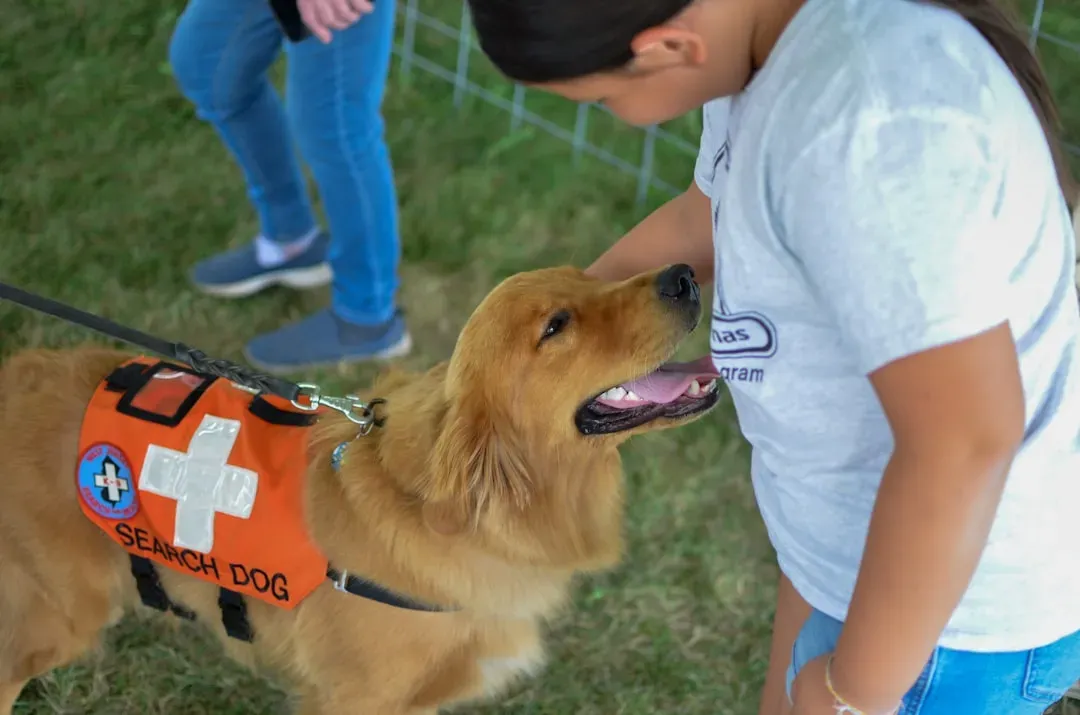
Think of your dog as a biological sensor wired with hardware that no tech company has managed to fully replicate. Their hearing is so sharp they can pick up the faintest footsteps or the quietest whisper from across the yard. Their noses, too, are thousands of times more sensitive than ours, detecting unfamiliar scents long before we notice anything is amiss. This super-sensory awareness means your dog often knows when something’s not right, sometimes before you even realize it yourself.
The early warning capability extends into medical territory that is nothing short of extraordinary. Seizure-alerting dogs are able to smell certain hormones traceable in the sweat of humans. During the phases of a seizure, there is an incredible increase in brain activity which results in an overwhelming response by the body. With so much going on at once, the body often breaks out in a sweat. In the best-case scenario, dogs are able to detect the very early onset of a seizure and are trained to alarm their owner so that they can prepare.
Dogs are also helping diabetics know when their blood sugar level is dropping or spiking. The dogs detect isoprene, a common natural chemical found in human breath that rises significantly during episodes of low blood sugar. People cannot detect the chemical, but researchers believe that the dogs are particularly sensitive to it and can be trained to alert their owner when their breath has high levels of it. Imagine having a living, breathing glucose monitor who also snuggles with you at night. That’s your dog. Evidence suggests that trained scent dogs can detect a variety of diseases in both humans and animals accurately and often earlier than many existing screening tools. Let that land: earlier than existing medical tests. Your dog might not carry a stethoscope, but don’t underestimate what that nose is telling you.
A Final Thought That Might Just Change How You See Your Dog
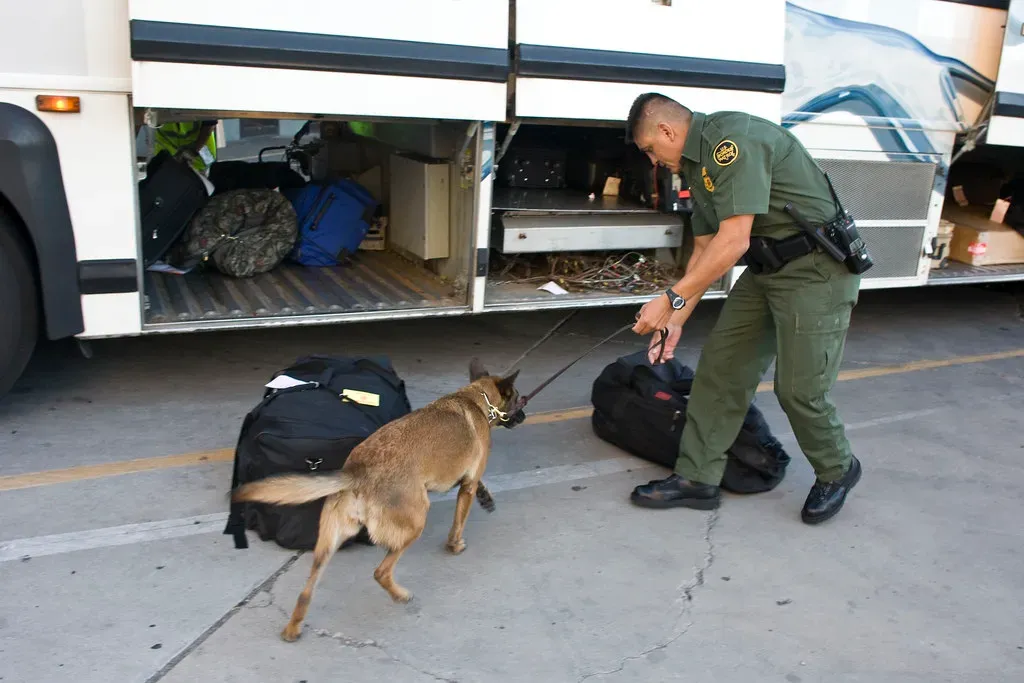
We spend so much time thinking about what we give our dogs: the food, the walks, the toys, the love. It’s worth pausing to consider what they give us in return. They stand between us and strangers without hesitation. They smell the illness we can’t yet feel. They feel our stress before we’ve named it. They try to dig us out of boxes. They guard us while we sleep.
Unlike security systems that might fail or alert systems that require a response from the security service, protection dogs offer an immediate defensive response. They’re always alert, providing round-the-clock protection just by being there. There’s something quietly extraordinary about that. No software update required. No subscription fee. Just a dog who loves you.
The next time your dog presses against your leg in a crowd, paws at a spot on your arm, or stares at the door with that focused intensity, pay attention. They may just be protecting you in ways you haven’t even begun to understand. What other quiet act of loyalty from your dog have you overlooked? Share your story in the comments. You might just inspire someone to look a little closer at their own silent protector.


