

You love your dog more than most people love their morning coffee. You buy the best treats, take walks every single day, and maybe even follow a dozen dog accounts on social media. Yet somehow, your pup still seems confused, anxious, or just plain bewildered by you sometimes. Sound familiar? Here’s the thing: most of the mistakes dog owners make have nothing to do with laziness or lack of love. They’re quiet, everyday habits that slowly erode your dog’s sense of security and understanding. The good news? Every single one of them is fixable. Let’s dive in.
Sending Mixed Signals With Inconsistent Commands
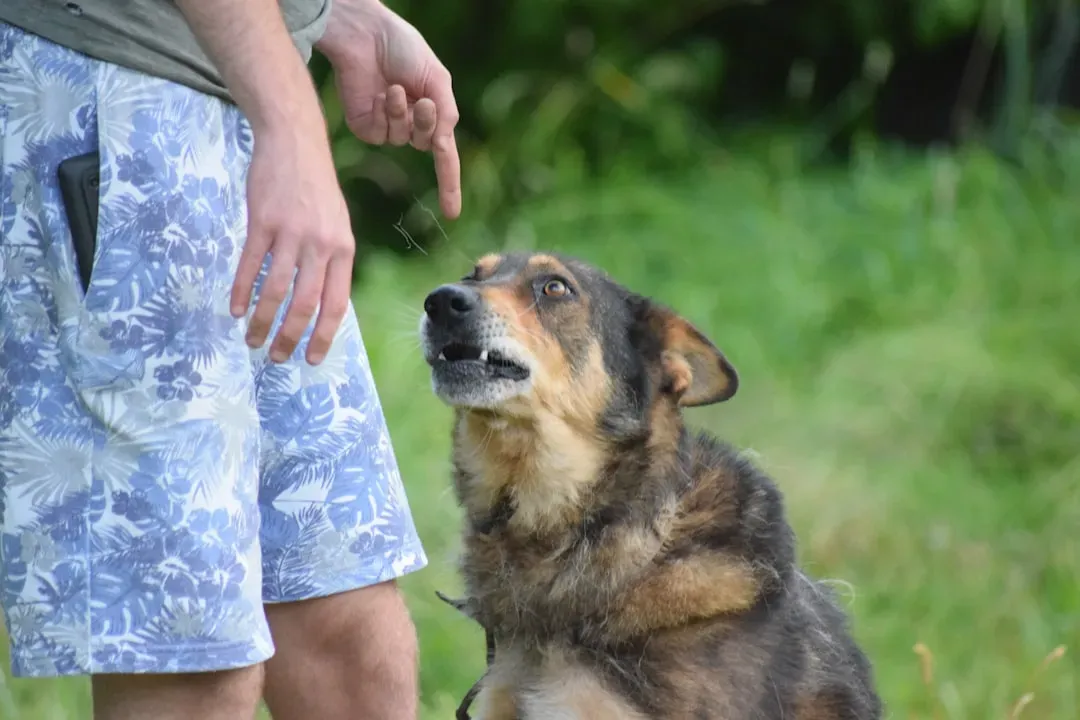
Imagine your coworker called a meeting “a huddle” on Monday, “a sync” on Tuesday, and “a stand-up” on Wednesday, for the exact same event. You’d be confused too, right? That’s exactly how your dog feels when you say “off” one day and “down” the next to mean the same thing. Inconsistent training methods, rules, and expectations can confuse your dog and hinder their progress, because dogs thrive on routine and clear boundaries.
Inconsistent commands and cues from different family members can lead to mixed signals. For instance, using “down” while someone else uses “off” to indicate the same action can result in uncertainty and slow down your dog’s learning process. To avoid this pitfall, establish a set of clear commands and cues that everyone in your household uses consistently. Write them down, stick them on the fridge, do whatever it takes. The whole household needs to be on the same page, every time.
Punishing Your Dog Long After the Fact
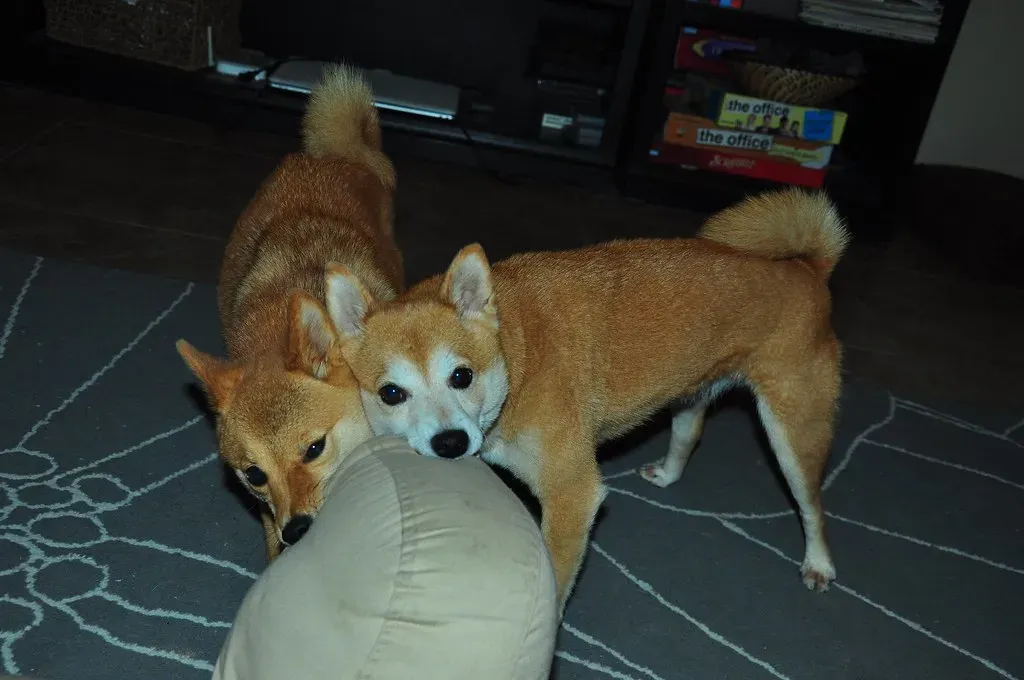
You walk through the front door after work, and there it is. A chewed-up pillow. A knocked-over plant. A crime scene. Your first instinct is to call your dog over and let them know, in no uncertain terms, that this was not okay. If you come home and your dog has had an accident, they will have already performed multiple behaviors since it happened, and punishing them hours later will only confuse them, as they won’t associate the telling off with their earlier action.
Coming home to a chewed-up shoe and scolding your pup hours later? It doesn’t work. They live in the moment. Punishment after the act only leads to confusion, not correction. Honestly, the most powerful thing you can do in that moment is take a breath and redirect. Prevention tips like keeping tempting items out of reach and offering appropriate chew toys go a much longer way than any delayed scolding ever will.
Repeating Commands Over and Over
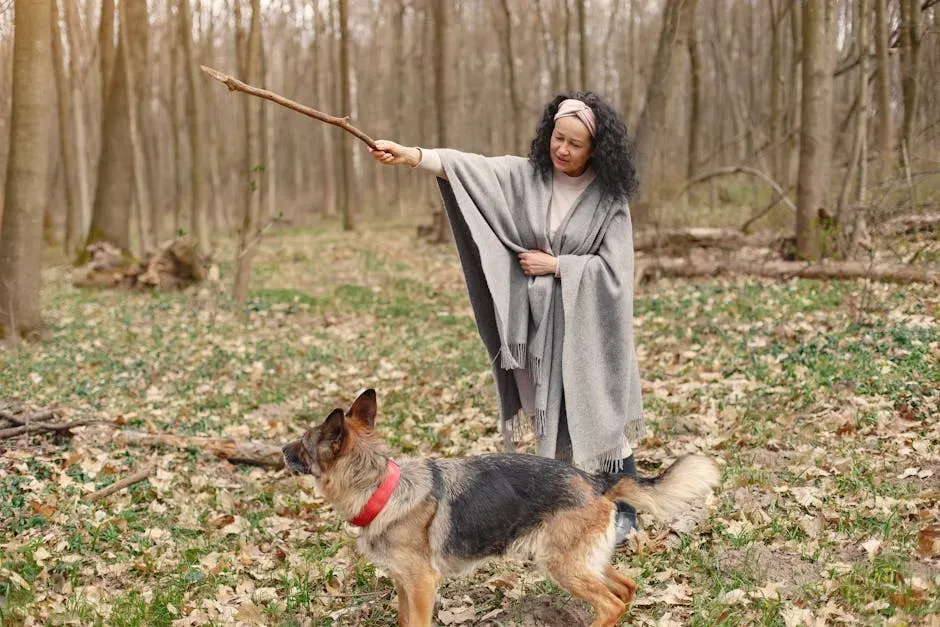
This one catches almost every dog owner off guard. You call your dog’s name, say “come,” and then wait. No movement. So you say it again. Then again. Then maybe louder. It’s tempting to repeat a cue if your dog doesn’t respond immediately. Pretty soon, “come” turns into “come, come, come,” but this cue nagging only teaches your dog they don’t have to listen the first time. Even worse, they’ll think the cue is actually “come, come, come” and won’t do anything if they hear the word said only once.
While being persistent and consistent in dog training is crucial, there’s a fine line between effective guidance and what can be referred to as “poisonous nagging.” This mistake occurs when dog owners excessively repeat commands without allowing the dog to respond, repeating orders incessantly can confuse your dog, making them less likely to react promptly in the future. The fix is refreshingly simple: say it once, wait patiently, and if they don’t respond, assess the environment before trying again.
Rewarding Bad Behavior Without Realizing It

Here’s one that trips up even experienced dog parents. Your dog jumps on you when you walk in the door. You pet them to calm them down. In your mind, you’re soothing them. In your dog’s mind, you just rewarded jumping. A brand-new dog owner might say “I don’t reward the jumping,” but is simultaneously petting the dog to calm it down, or they pull a barking dog closer while trying to soothe them. These kinds of things reinforce unwanted behaviors. Reinforcement isn’t about intention; it’s about what the dog perceives as rewarding.
If you pet or talk to your dog when they jump on you, they’ll think jumping is okay. Without realizing it, many owners encourage bad habits this way. Let’s be real, it takes genuine mindfulness to catch yourself in these moments. Watch your dog’s behavior patterns closely. If something keeps happening despite your best efforts to stop it, ask yourself honestly: is something in my response actually encouraging this?
Skipping Socialization or Leaving It Too Late

Socialization is one of those things that sounds optional until your dog loses its mind at the sight of a bicycle or refuses to walk past another dog without turning into a tiny four-legged alarm system. The American Veterinary Society of Animal Behavior emphasizes that the primary and most important time for puppy socialization is the first three months of life. During this period, puppies should be exposed to as many new people, animals, stimuli, and environments as can be achieved safely and without causing overstimulation.
Socialization is crucial, especially during puppyhood. Missing this window can result in fearful or aggressive adult dogs. Owners sometimes wait too long, thinking their pet will grow out of shyness or reactivity. Dogs need to meet new people, other animals, and experience a variety of sights and sounds positively. Controlled playdates, puppy classes, and walks in busy areas help build confidence. Socialization isn’t just about meeting other dogs, it’s about preparing your companion for the world. Think of it less like training and more like giving your dog a healthy childhood.
Expecting Too Much Too Fast

Dogs don’t generalize well. If you teach your dog to sit in the kitchen, they’ll think the cue for sit means “sit in the kitchen.” You need to train your dog in many different environments before they understand that their cues apply no matter where they are. Every time you move to a new location, go back to basics so your dog doesn’t become confused or frustrated. This surprises a lot of people. A dog that “knows” sit at home isn’t automatically a dog that knows sit at the park.
Similar to small children, puppies and dogs don’t always behave the way you’d like, especially when they’re just getting used to a new home. For that reason, it’s one of the mistakes dog owners make to expect too much from new pets when you first bring them home. Rushing your dog through commands or stacking multiple lessons into one session is a recipe for frustration on both sides. Most dogs learn best through short, frequent, and engaging sessions. Dog owners often make the mistake of trying to teach multiple commands in one sitting, which can confuse the dog and lead to boredom. Patience isn’t just a virtue here. It’s the actual training strategy.
Ignoring Your Dog’s Body Language and Mental Health
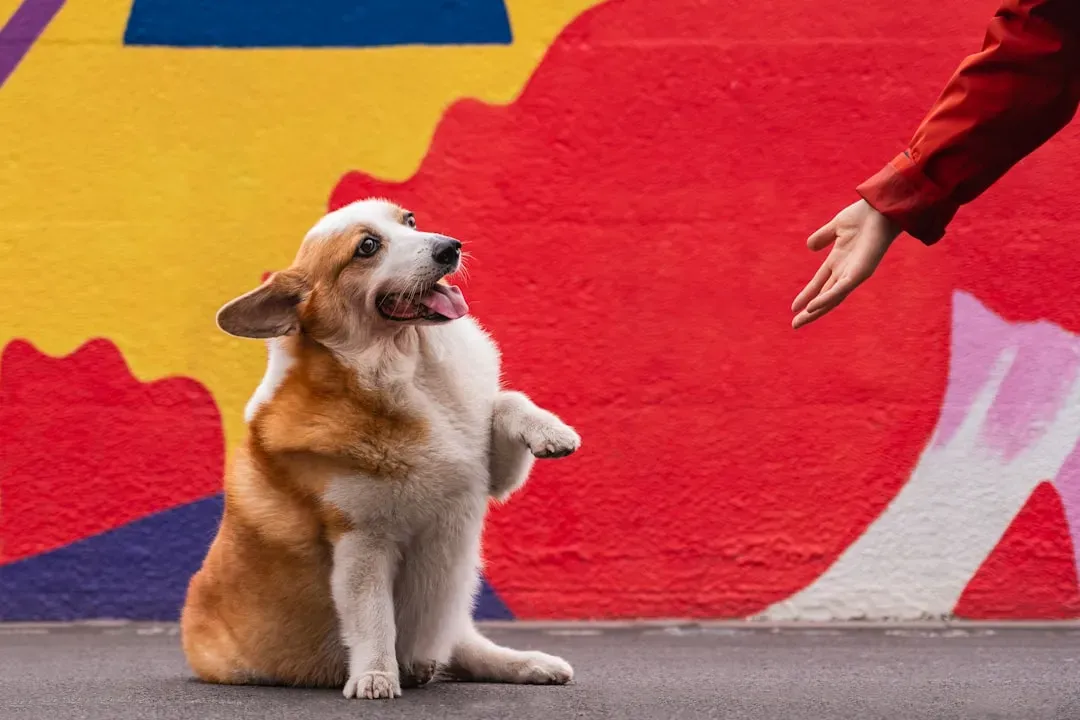
We pour so much energy into teaching our dogs to understand us. Yet we rarely stop to ask if we’re understanding them back. Dogs use body language, sounds, and even subtle facial expressions to communicate. Many owners misunderstand these signals, thinking their dog is “stubborn” or “naughty,” when in fact the dog might be anxious, afraid, or simply confused. For instance, a wagging tail doesn’t always mean a dog is happy, it can also signal nervousness. Learning to read your dog’s cues can prevent misunderstandings and strengthen your bond.
A dog’s physical wellbeing impacts their ability to learn. Dogs that are uncomfortable, in pain, or stressed may struggle with training. So before you assume your dog is being stubborn or defiant, look closer. Are their ears pinned back? Are they yawning excessively, licking their lips, or avoiding eye contact? These are all stress signals. Dogs require physical activity to maintain their health, prevent obesity, and release excess energy. A lack of exercise can lead to behavioral problems and health issues. Remember, mental stimulation is equally as important as physical exercise. A tired, enriched dog is a calm, responsive dog.
Conclusion: Your Dog Is Not Confused on Purpose
Every single mistake on this list comes from a place of love. Nobody deliberately confuses their dog. Many owners interpret unwanted behavior as intentional disobedience. In reality, dogs don’t operate from guilt, spite, or moral awareness. They operate from reinforcement history and habit. Once you shift your perspective from “my dog is misbehaving” to “my dog is misunderstanding,” everything changes.
The relationship between a dog and their human is one of the most beautifully simple and deeply rewarding bonds on earth. It just needs a little clarity to thrive. Small adjustments, like consistent commands, timely responses, reading body language, and proper socialization, can transform a confused dog into a confident, trusting companion. Once owners understand how dogs think and learn, things get easier fast. A little education up front can save months of frustration and create a smoother, happier relationship from day one.
Your dog isn’t asking for perfection. Just consistency, patience, and the willingness to keep learning alongside them. What’s one habit you’re going to change this week? Drop it in the comments and let’s talk about it.


