
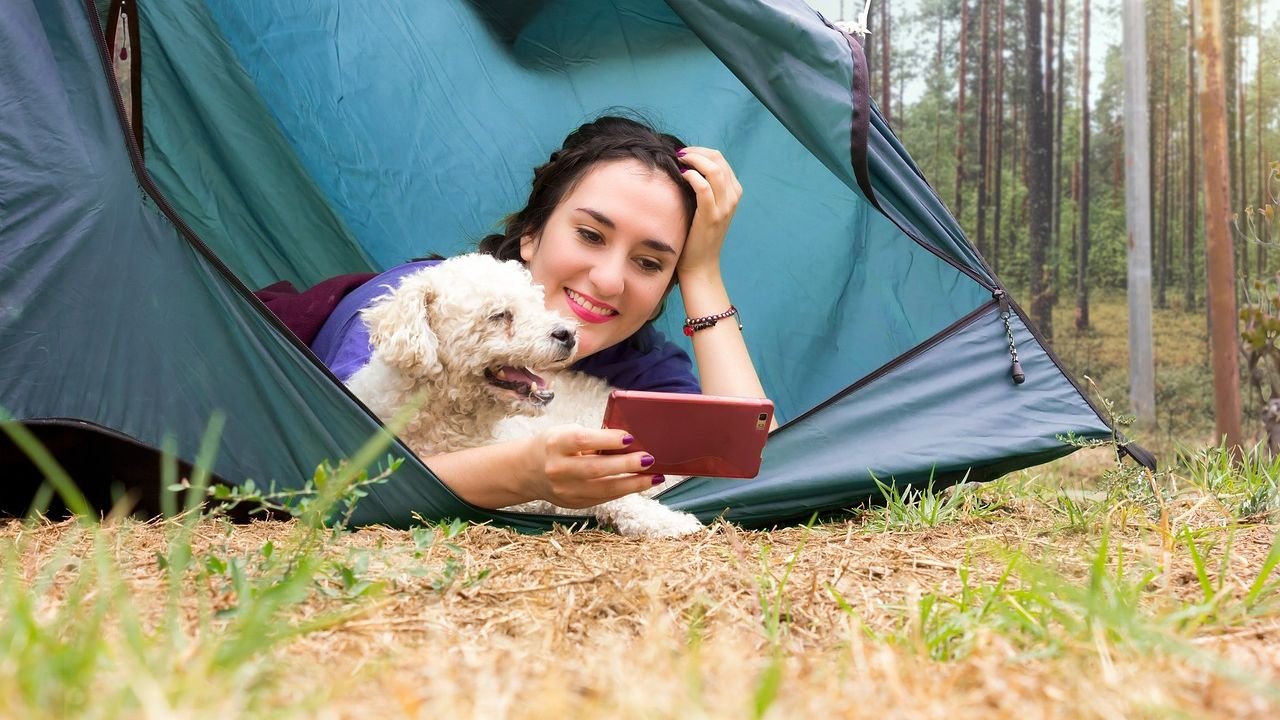
Picture this: you open the front door, and your dog is already spinning in circles, tail going a hundred miles an hour, nose pointed straight at the fresh air. That electric, barely contained joy your dog shows the moment they sense an outdoor adventure is coming? That energy is telling you something important. It’s not just excitement. It’s a need.
Dogs aren’t built for couch life. They’re wired to run, sniff, explore, and connect. And here’s the beautiful part – when you step outside with your dog, you’re not just giving them exercise. You’re giving them the kind of deep, sensory-rich experience that keeps them mentally balanced and emotionally fulfilled. That said, not all outdoor time is created equal.
This season is the perfect opportunity to shake things up, go beyond the same old walk around the block, and explore activities that light your dog up from the inside out. Whether you’ve got a tiny terrier or a massive malamute, there’s something on this list that’ll make both of you feel more alive. Let’s get into it.
1. Hiking Together: More Than Just a Walk in the Woods
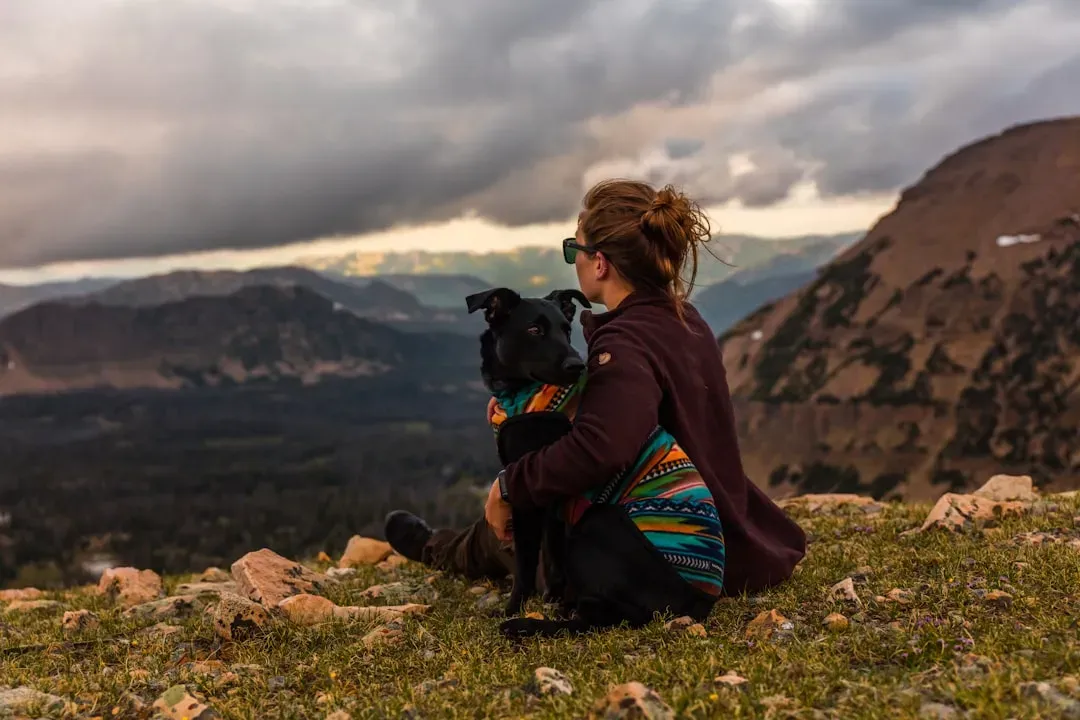
Hiking is one of the best outdoor activities for dogs, stimulating their senses through exposure to new scents, sounds, and terrains. Think about it from your dog’s perspective. Every fallen log, mossy rock, and breeze carrying the scent of a distant deer is basically a full sensory movie. It’s nothing short of a mental feast.
If hiking is a new activity, make sure to start off slowly and build up to longer hikes by adding about five minutes of activity weekly – this helps your dog build the strength and endurance needed for injury prevention. Before you hit the trail, check ahead to ensure the trails are dog-friendly and be aware of any harmful plants. Carry a portable water bowl and keep an eye out for signs of fatigue, especially if your dog is older or a breed sensitive to temperature changes.
Keeping dogs leashed is crucial, especially in areas with wildlife or other hikers, to prevent accidents and ensure their safety. A good rule of thumb: if your dog is panting excessively, lagging behind, or lying down and refusing to move, it’s time to call it. Respect those signals. They’re not being lazy – they’re communicating.
2. Fetch: The Classic Game That Never Gets Old
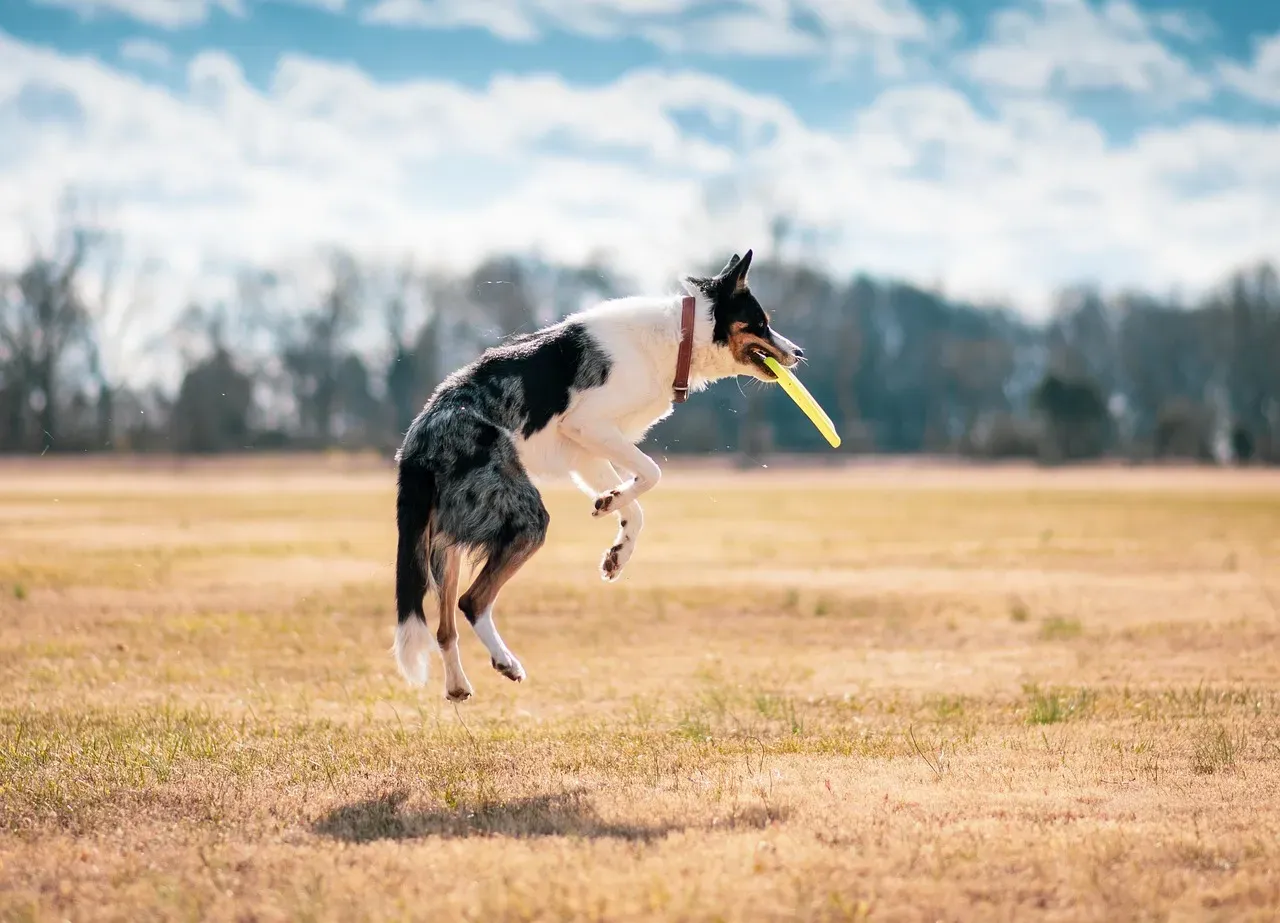
Playing fetch is a classic outdoor activity that reinforces training and recall while providing essential exercise, and it can be played in various settings, including parks, backyards, or even near water, making it a versatile choice for active dogs. Honestly, if there’s one game every dog owner should master, it’s this one. It’s free, it’s fast, and your dog absolutely loves it.
The game of fetch not only helps your pup get much-needed exercise, but you can also use it to practice important training habits. Throw your dog’s favorite fetch toy and encourage them to return it with a phrase like “come here.” Each time your furry friend succeeds, reward them with a treat or verbal praise – this helps reinforce command recall and is especially important if you play fetch in an open outdoor area.
Mix it up by varying the distance of your throws, using different toys, or switching to a frisbee for added challenge. Water-loving breeds like Labrador Retrievers will go absolutely wild if you toss a ball into a shallow lake. Watch their body language during play too. A loose, wiggly body means they’re having a blast. Stiff posture or avoidance signals you might want to switch gears or take a break.
3. Swimming and Water Play: The Ultimate Summer Cool-Down
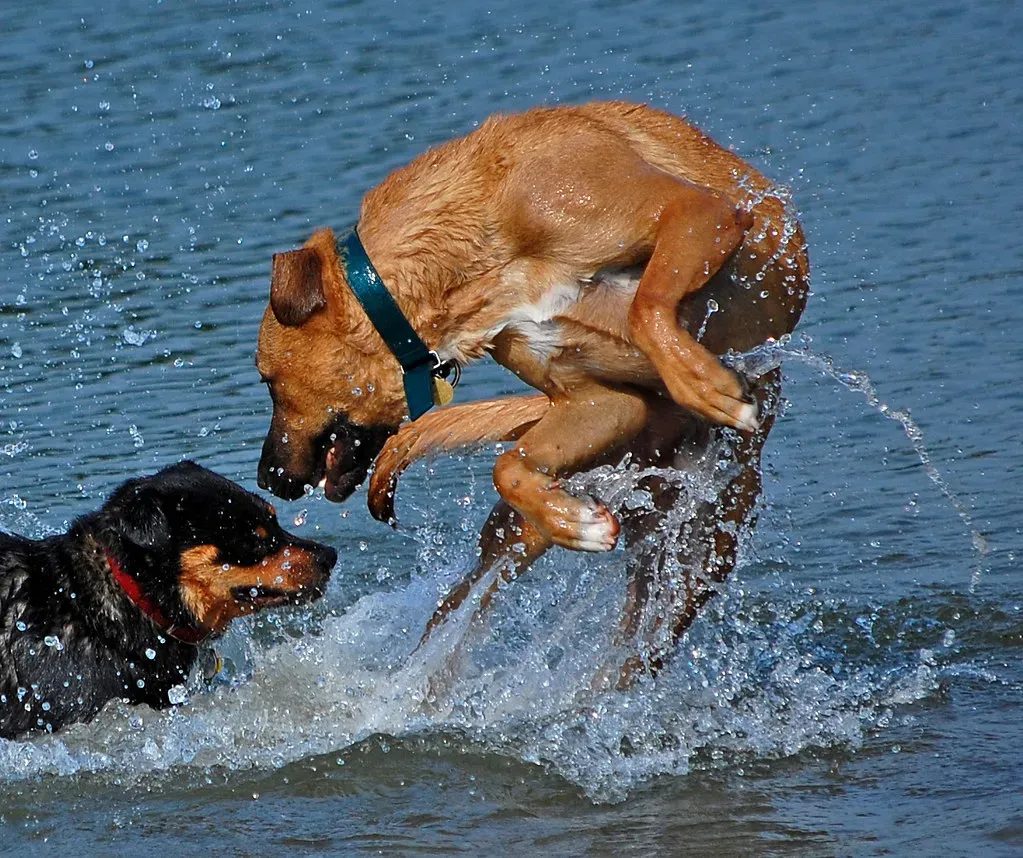
Playing in the water is a great way for your dog to keep cool. Many dogs instinctively enjoy swimming, which makes it an engaging and enjoyable activity for both pets and their owners. That said, not every dog is a natural swimmer – and that’s perfectly okay. Some dogs take to water like golden retrievers to a lake, while others, like bulldogs, can struggle to stay afloat due to their body structure.
To introduce your dog to swimming safely, start with shallow water and floating toys to help them acclimate. Positive reinforcement, such as treats or praise, can encourage them to venture further into the water. Supervision is essential, whether in a kiddie pool or a natural body of water, to ensure safety and prevent any mishaps. A doggie life jacket is a smart investment if you plan on heading to deeper water, lakes, or open ocean with your pup.
Prevention tip worth noting: to help prevent exposure to water hazards, avoid letting your dog splash around in or drink from outdoor sources, especially if the water looks brackish. Bring along plenty of fresh water to offer instead. After a swim session, dry your dog’s ears thoroughly to prevent painful ear infections, which are surprisingly common after water play.
4. Dog Park Visits: Socialization and Pure, Joyful Chaos
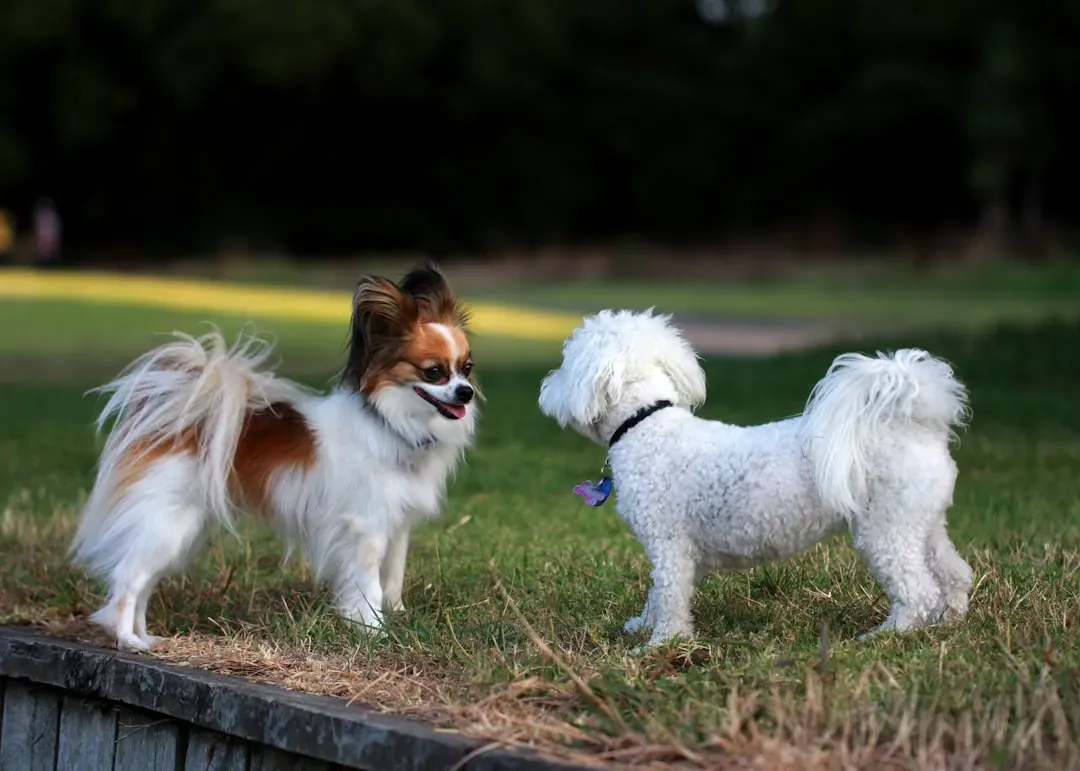
Whether you’re an urban dweller with limited access to open space or you just want to introduce your pooch to some new friends, a dog park is a great option for allowing your dog to safely roam and interact with other pups. The energy at a good dog park is contagious. Dogs running in packs, bodies flopped in the shade, water bowls getting splashed – there’s something deeply heartwarming about watching dogs just be dogs.
If you want to guarantee there are appropriate playmates for your pet, schedule dates with owners and dogs you already know. If you’re there on your own, watch the interactions between the other dogs before you let your dog off-leash. It’s important the experience is positive and not overwhelming. Watch for stress signals like yawning, whale eye (showing the whites of their eyes), or a tucked tail. These tell you your dog may need a break or a calmer setting.
Make sure your dog is healthy, current on all vaccinations, and has any required licenses before heading to the dog park. Activities with other dogs and people improve social skills and reduce fear or aggression. Think of the dog park less as a free-for-all and more like a playdate that requires your active, attentive presence throughout.
5. Running or Jogging Together: Built-In Workout Partner
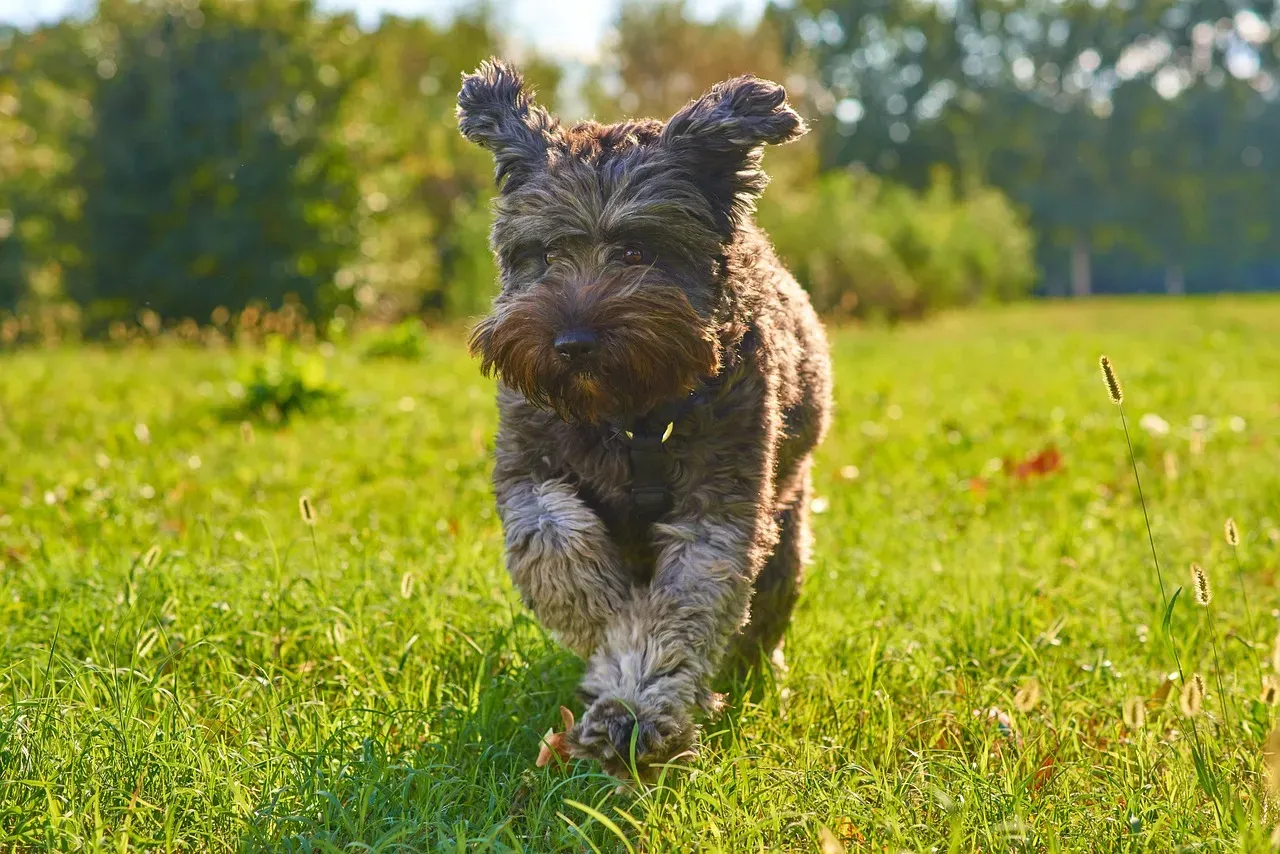
Here’s the thing – if you’ve been meaning to get back to running, your dog is literally the best accountability partner you’ll ever find. They never cancel on you, they never need coffee first, and they are always, unreservedly thrilled to go. Running together not only contributes to physical fitness but also strengthens the bond between owner and dog through shared experiences.
Leashing dogs during runs is vital to ensure safety, especially in busy areas where distractions may lead to accidents. Adjusting pace and distance based on the dog’s stamina can help create a positive running experience for both parties. Start with a brisk walk-to-jog interval approach, especially with younger dogs or breeds new to running. High-impact repetitive exercise on hard pavement can be tough on joints, so dirt trails or grass surfaces are always the better option.
Watch for signs your dog is pushing too hard: excessive panting, slowing down dramatically, or simply stopping. Those aren’t signs of stubbornness. Signs of overheating include excessive panting, drooling, lethargy, vomiting, and even collapse – and these can escalate quickly in warm weather. Keep water on you, always.
6. Backyard Agility Courses: Turn Your Yard into a Playground
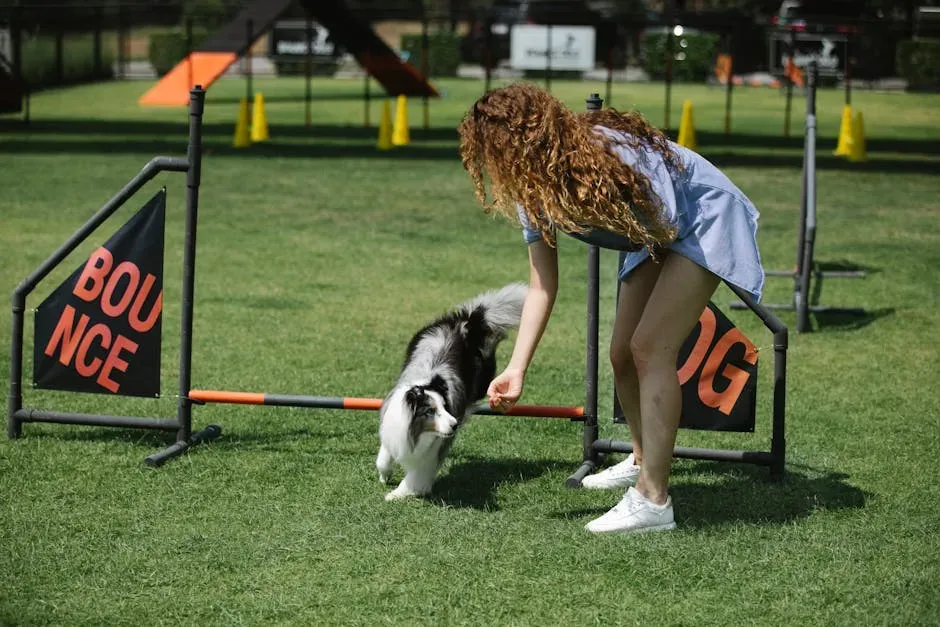
Build your own backyard obstacle course just for fun or to build agility skills at home. There are kits you can buy, or you can DIY simple obstacles with PVC pipe and some wood. Just be sure to keep the obstacles low for safety and let your dog go at their own pace. Think of it like building a mini obstacle theme park just for your pup. It sounds over the top but honestly? It’s one of the most enriching things you can do right in your own yard.
Activities like agility challenges help improve problem-solving skills and confidence. Start simple: a low bar to step over, a tunnel made from a blanket draped over two chairs, a weave pole using garden stakes. Guide your dog through the course using treats, stay positive, and celebrate every attempt. Dogs who are hesitant at first often become obsessed with agility work once they discover how rewarding it is.
This kind of structured play is especially valuable for high-energy breeds like Border Collies, Australian Shepherds, and Jack Russell Terriers who need their minds as stimulated as their bodies. Active dogs are less likely to develop destructive behaviors caused by boredom and excess energy. Goodbye chewed-up shoes. Hello focused, fulfilled pup.
7. Camping Adventures: The Overnight Bonding Experience
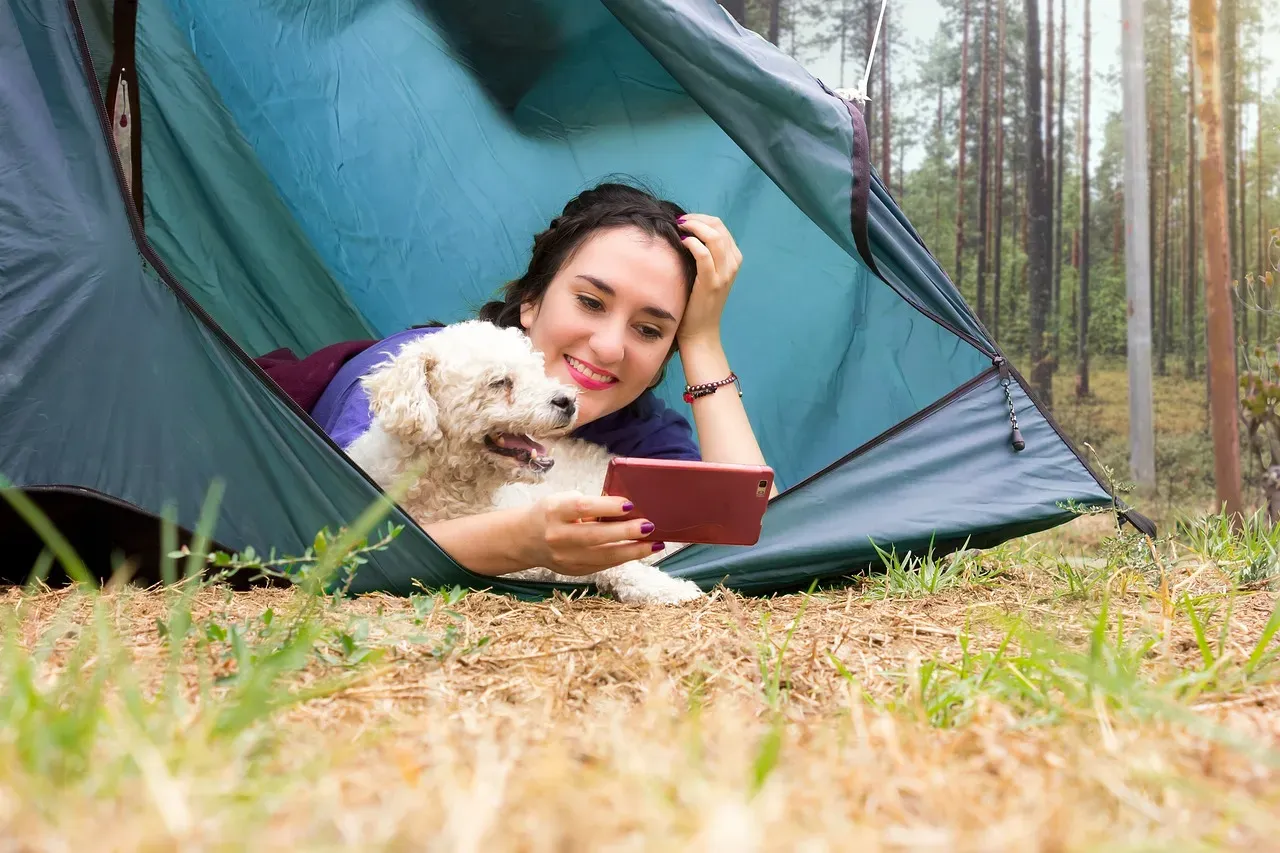
Taking your pooch on a camping trip is an excellent outdoor dog activity for those looking for some extra-special bonding time. There is something indescribably special about watching your dog discover the world of crickets at dusk, roll in grass beside a fire, and curl up next to you under a starlit sky. Camping doesn’t just exercise the body – it feeds the soul of a dog in ways a backyard simply cannot.
Choosing dog-friendly campsites allows for exploration and fun outdoor activities, such as hiking and swimming. A camping trip to a lakeside site, for example, can offer opportunities for your dog to swim while you set up camp. When planning, packing dog-friendly supplies including food, water, and safety gear is essential for a successful outing.
Explore the wilderness together and enjoy some quality bonding time, but remember to stay safe and keep up with flea and tick treatments. In the event of an emergency, have a strategic plan in place, such as knowing the location of the nearest veterinary hospital or emergency clinic. You should also carry basic first-aid equipment for both you and your dog on any hike or camping trip. Prep well, and this could become your most treasured seasonal tradition.
8. Scent Games and Nose Work Outdoors: Unleash the Detective Within
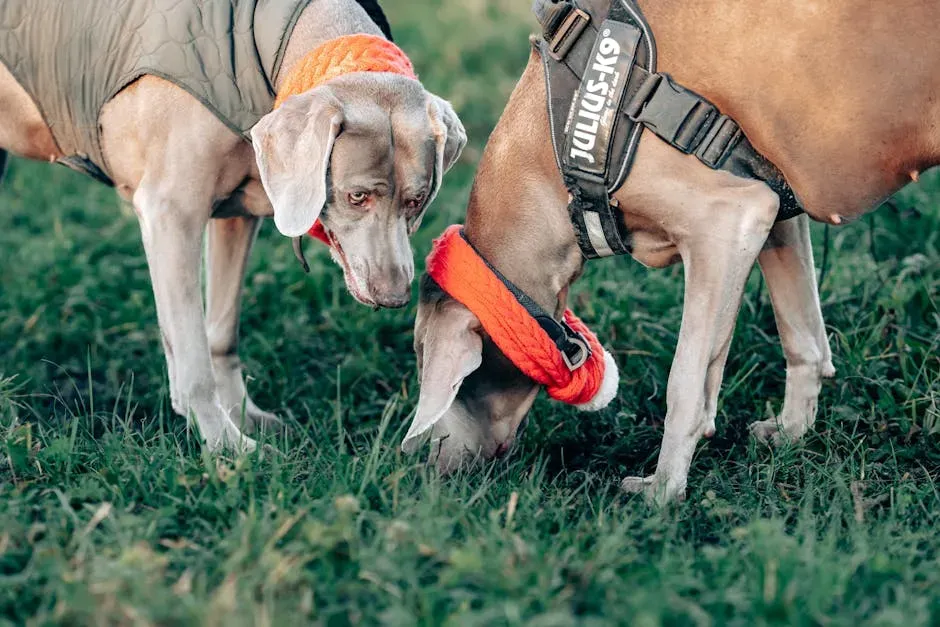
I know it sounds a little unconventional for an “outdoor activity” list, but hear me out. Your dog’s nose is roughly 10,000 to 100,000 times more sensitive than yours. When you take scent games outside, you unlock a whole new dimension of stimulation. Dogs naturally love to run, sniff, chase, and explore – and engaging them in outdoor games helps burn energy while strengthening your bond.
A simple version: hide treats or a favorite toy in patches of grass, behind garden pots, or under leaves and encourage your dog to find them using only their nose. You can graduate to hiding objects in bushes, along park benches, or across an entire trail. Engaging activities like these prevent boredom, reduce anxiety, and keep your dog’s mind sharp. The mental exertion from a solid nose work session can tire a dog out just as thoroughly as a physical run.
Watch for signs of engagement: a focused, lowered nose, excited tail movement, and concentrated searching. Disengagement or distraction means the challenge might be too hard or the environment too overwhelming. Keep it fun, keep it achievable, and layer difficulty gradually. Nose work is one of the few activities where every dog, regardless of age or physical ability, can shine.
9. Exploring Dog-Friendly Markets, Beaches, and Outdoor Events
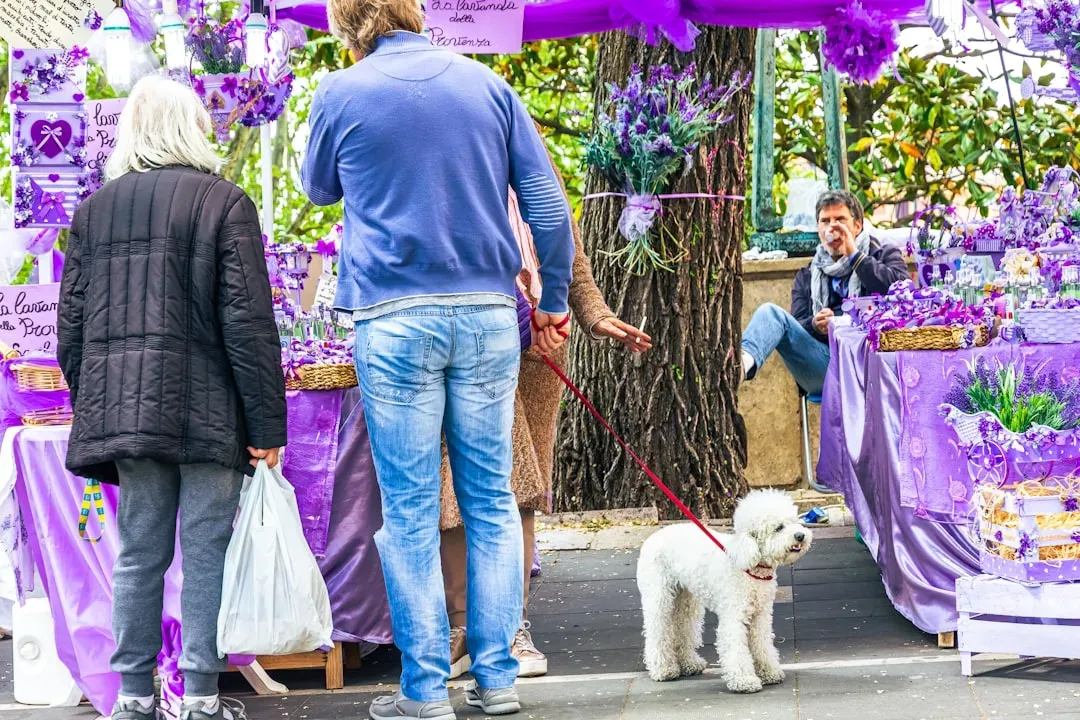
Strolling through a farmer’s market with your dog and enjoying fresh produce and the summer atmosphere is one of those low-key joys that hits differently than you’d expect. The sights, sounds, and smells of an outdoor market are a genuine sensory wonderland for a curious dog. New textures under their paws. Interesting humans crouching to say hello. The smell of fresh fruit and wood smoke. It’s enriching in the truest sense.
For a fun day trip, visit dog-friendly beaches where your dog can run on the sand and swim in the water. These beaches are perfect for letting your dog enjoy the sun and surf while staying cool. Just make sure the beach is dog-friendly, and know how to keep your dog safe around the water. Pair this with a stop at an outdoor pet-friendly café and you’ve got a perfect seasonal outing.
Changes in scene excite and mentally stimulate your dog in ways that routine walks simply can’t replicate. Think about your dog’s individual temperament before choosing. Shy or anxious dogs might feel overwhelmed by busy markets. Start with quieter, less crowded spots and build exposure gradually. The goal is always for your dog to feel safe, not just stimulated. A tail wagging freely and a relaxed, loose body posture? That’s your green light to explore more.
A Season Worth Sharing with Your Best Friend
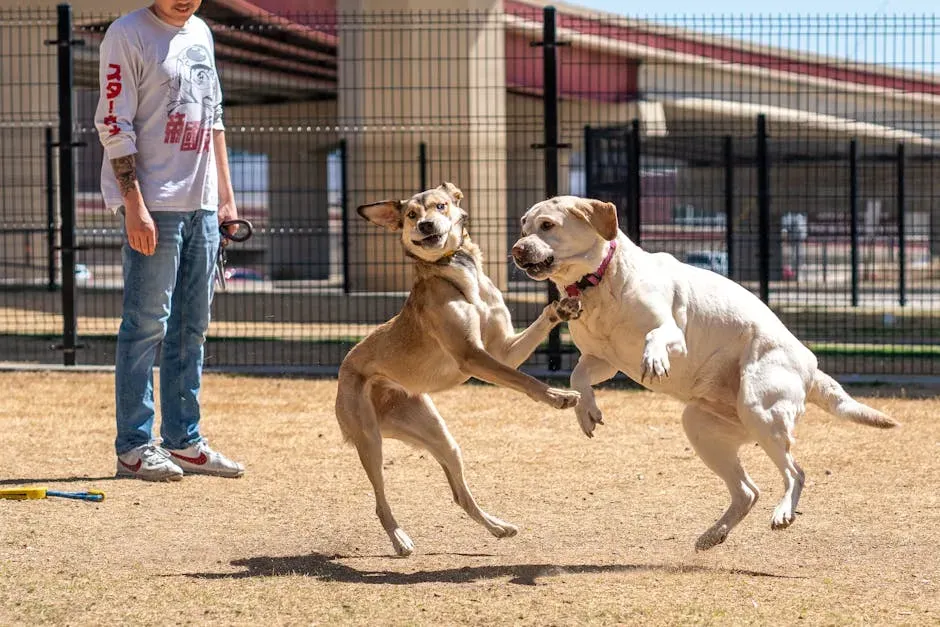
Here’s the bottom line. Regular outdoor activities are crucial for maintaining a dog’s physical and mental health, and creating a diverse outdoor activity schedule enhances the overall well-being of both dogs and their owners, allowing for a healthier lifestyle and stronger bond. Your dog doesn’t need a perfectly curated adventure every single day. Some days a long sniff-heavy walk is more than enough.
What matters most is showing up, being present, and paying attention to what your dog is telling you. Consider your dog’s personality, activity level, and interests to be certain you find the perfect match. That means meeting your dog where they are – not where you think they should be.
This season, pick two or three activities from this list you haven’t tried yet. Start small. Watch how your dog responds. Let their joy guide you. Because at the end of the day, the best outdoor activity isn’t the most extreme one – it’s the one that makes your dog look up at you like you’re their whole world. Which one are you most excited to try first? Share it in the comments – we’d love to hear from you.


