
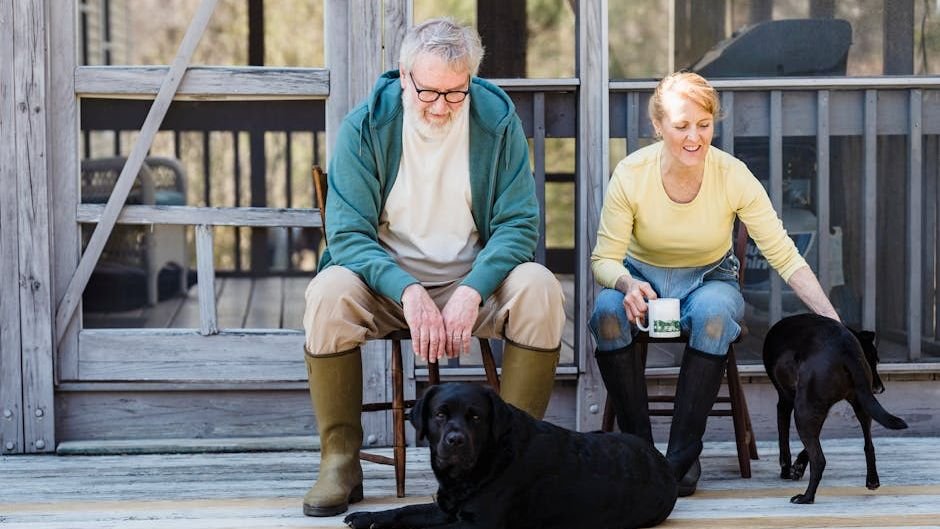
Everyone talks about Golden Retrievers and Labrador Retrievers when the conversation turns to dogs for older adults. Honestly, those breeds are wonderful. But there’s a whole world of quieter, gentler, and surprisingly brilliant dog breeds sitting right under our noses, waiting to be discovered by seniors who want a calm, devoted companion without the chaos of a high-energy pet.
Pet ownership is associated with reduced deterioration in physical health among older adults, and a growing body of research suggests it provides genuine social support, increasing chances of meaningful interaction and decreasing loneliness. Think about what that means in real, everyday terms. It’s a wagging tail to greet you in the morning. A warm little body pressed against your leg during a slow afternoon. A reason to take a short walk, even when motivation feels low.
The breeds we’re exploring today don’t always make the headlines. They’re not the celebrity dogs you see on every billboard. They’re the unsung heroes – patient, peaceful, and perfectly matched to the golden years. Let’s dive in.
The Cavalier King Charles Spaniel: Royal Comfort in a Small Package
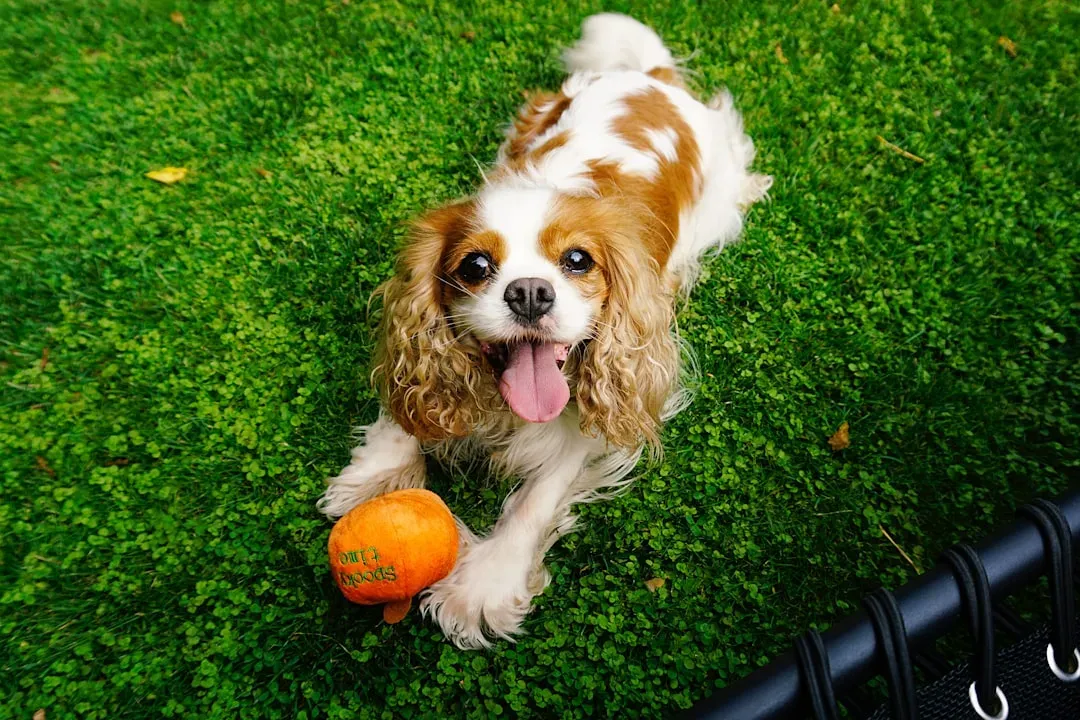
There’s something almost magical about the Cavalier King Charles Spaniel. Known for their sweet nature and affectionate personality, Cavalier King Charles Spaniels are perfect lap dogs who thrive on companionship and love being close to their owners. Picture this: you’re settling into your armchair with a cup of tea, and your Cavalier quietly hops up beside you, rests their silky head on your knee, and exhales with what can only be described as pure contentment. That’s this breed in a nutshell.
The Cavalier King Charles Spaniel is one of the best small dogs for older adults – gentle, affectionate, and loving of time with their owners. While they enjoy walks and playtime, they do not have high exercise requirements, making them suitable for individuals who cannot commit to long periods of activity. Health-wise, it’s worth noting that Cavaliers can be prone to heart issues as they age, so regular vet checkups are essential. Watch for any signs of fatigue during walks, labored breathing, or reduced appetite, as these may indicate cardiac concerns. Routine annual screenings with a veterinarian can catch problems early and keep your Cavalier thriving for years to come.
The Shih Tzu: The Little Lion With a Gentle Soul
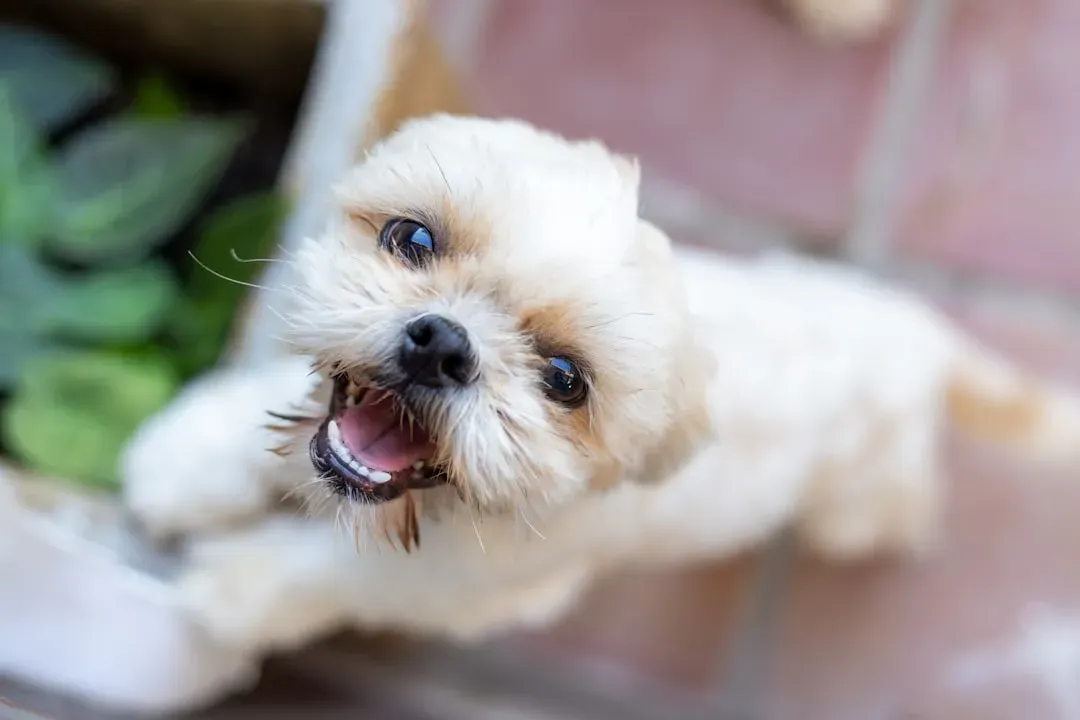
The Shih Tzu was bred specifically for indoor companionship, making it a natural fit for older adults in apartments or retirement communities. These dogs are friendly, affectionate, and content with short daily walks. They do not even need a yard. I think that’s one of the most underrated qualities in a senior dog – a breed that genuinely doesn’t need a lot of space to feel fulfilled. A cozy apartment is paradise for a Shih Tzu as long as you’re in it.
Shih Tzus are sweet-natured dogs with big personalities. They’re generally outgoing and make great companions for both leisurely and active seniors, and because they’re social, they adapt well to children and other pets in the house. On the grooming front, their flowing double coat needs regular brushing. Grooming can be simplified significantly by keeping the coat clipped short, which is a practical and popular choice among senior owners. Keep an eye out for skin issues and breathing sensitivity due to their flat muzzle – hot, humid days require extra caution and shade.
The Bolognese: Italy’s Best-Kept Secret

Let’s be real – most people have never even heard of the Bolognese. Yet this fluffy Italian treasure has been stealing hearts since the days of the Italian Renaissance. The Bolognese is considered a companion dog and is native to northern Italy. The breed is one of the oldest European companion dogs, dating back to the 12th century, and is very smart, quick to learn, and easily trained. There’s something special about owning a breed that once graced the courts of nobility and now happily naps beside you on the sofa.
Bolognese dogs have calm, easygoing natures. They’re affectionate and enjoy spending time with their owners, and the strong bond they form with their people makes them an excellent breed for retirees or people who stay home most of the time. One thing seniors should know: the Bolognese is not a high-energy breed and can adapt well to living in an apartment, but since they were bred to keep people company, they do not like being left alone and may suffer from separation anxiety. So if you’re mostly home during the day, this breed will absolutely thrive with you.
The Coton de Tulear: The Joyful Shadow From Madagascar
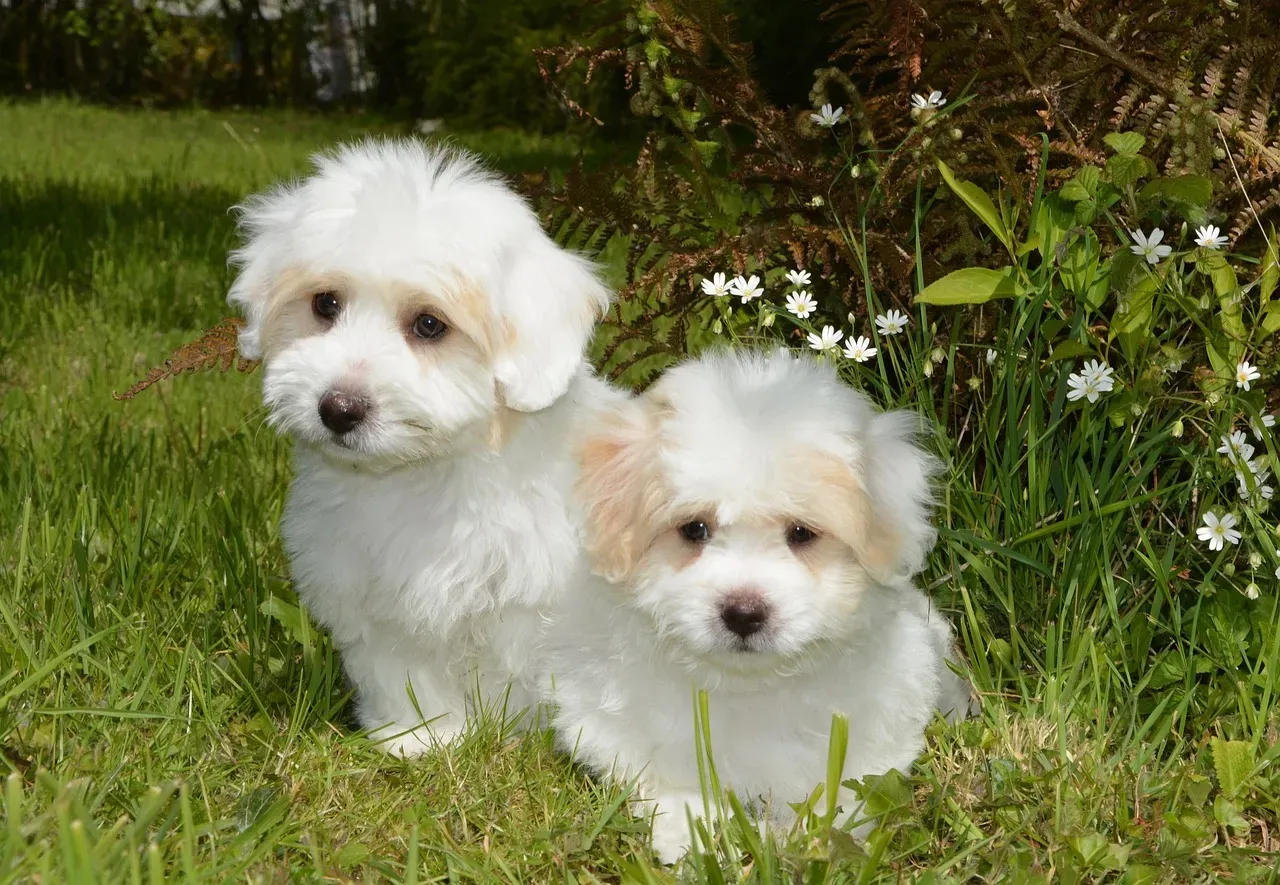
Here’s a fun one. The Coton de Tulear has only had one job in its long history: providing companionship and joy to its owners. This charming, outgoing, and happy-go-lucky breed excels in that work, making it a popular breed worldwide. Originally known as the “Royal Dog of Madagascar,” this little cotton-ball of a dog was once so prized by nobility that commoners were forbidden from owning one. Today, seniors can enjoy exclusive access to this royal companion without the crown.
Coton de Tulear dogs live long lifespans, typically 15 to 19 years, and are generally healthy and rarely get sick. That longevity matters enormously for seniors who want a lifelong companion. Coton de Tulears are known for their friendly, stable natures and ability to adapt to a variety of circumstances. These little dogs can handle apartment living, wide-open spaces, desert heat, or winter snow – as long as their families are near. Watch for patellar luxation (knee slippage), a common issue in small breeds. If you notice your Coton suddenly skipping steps or favoring a leg, consult your vet promptly.
The Pug: The Charming Couch Companion With Royal Roots
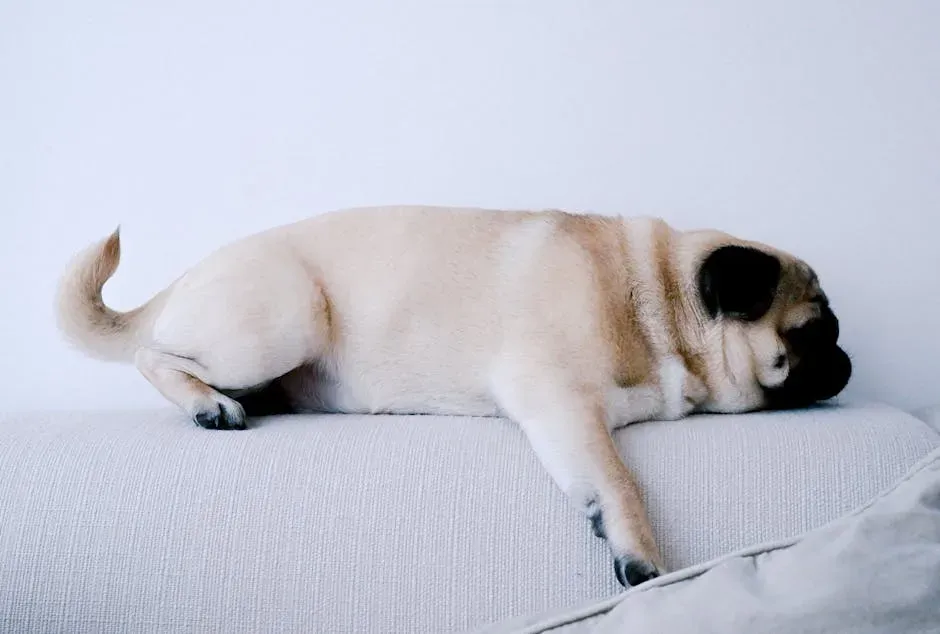
Once bred as the companion to Chinese royalty, the Pug is now admired by millions of dog lovers around the world. These dogs are very friendly and love to spend time with you anywhere, even if it’s just relaxing on the couch. There’s a reason Pugs are sometimes described as “little shadows” – Pugs adore their owners and are known for following them around everywhere. It’s endearing, it’s hilarious, and honestly, it never gets old.
Pugs are playful but never exhausting. They enjoy short bursts of activity followed by long, comfortable rest periods, and their small size makes them easy to handle, while they are naturally affectionate and entertaining. However, health awareness is key. One trade-off to know: Pugs can have breathing sensitivities due to their flat faces, so hot or very humid weather requires monitoring. Keep walks short on warm days, watch for excessive snorting or open-mouth breathing, and always have fresh water available. Regular vet visits to check their weight and respiratory health are a must.
The Miniature Schnauzer: The Spirited Little Gentleman
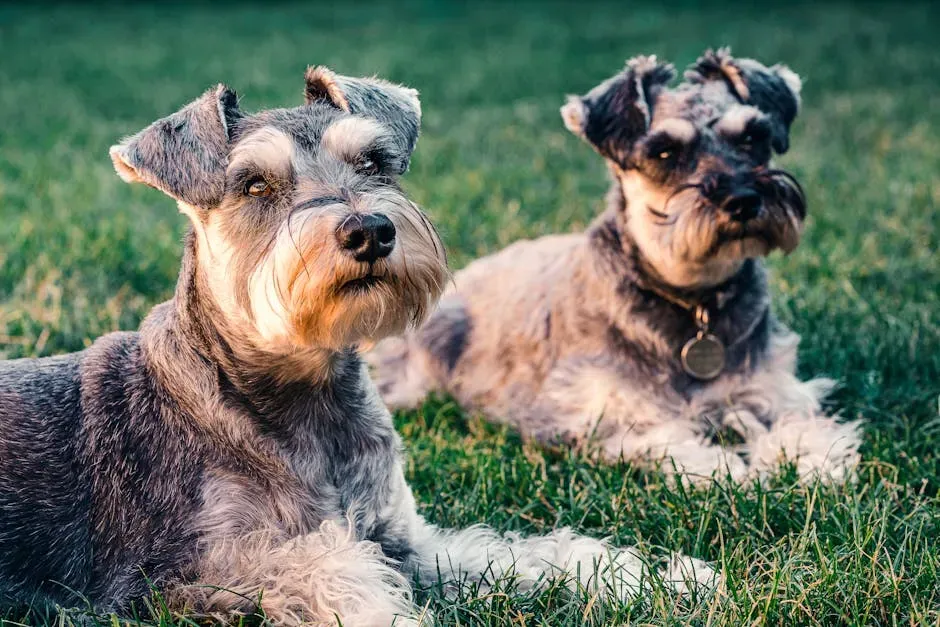
Don’t let those bushy eyebrows fool you. The Miniature Schnauzer has a personality that’s part dignity, part comedian. The smallest of the Schnauzers, this terrier breed is both smart and obedient. Miniature Schnauzers were bred as farm dogs in Germany, but now they’re beloved family companions. With their wiry hair and bushy eyebrows, they’re hard to ignore – and they’re perfect for elders, retirees, and older couples.
The Miniature Schnauzer has a low shedding rate and does not require excessive grooming, making them easier to care for compared to higher-maintenance breeds. Their compact stature also makes them easier to handle and transport, while allowing them to thrive in apartments without taking up too much space. From a health perspective, Schnauzers can be prone to pancreatitis, so a low-fat diet is genuinely important – skip those fatty table scraps, no matter how hard those expressive eyes beg. The AKC describes Mini-Schnauzers as “friendly, smart, and obedient,” making them a great hypoallergenic fit for seniors with allergy concerns.
The Greyhound: The World’s Fastest Couch Potato
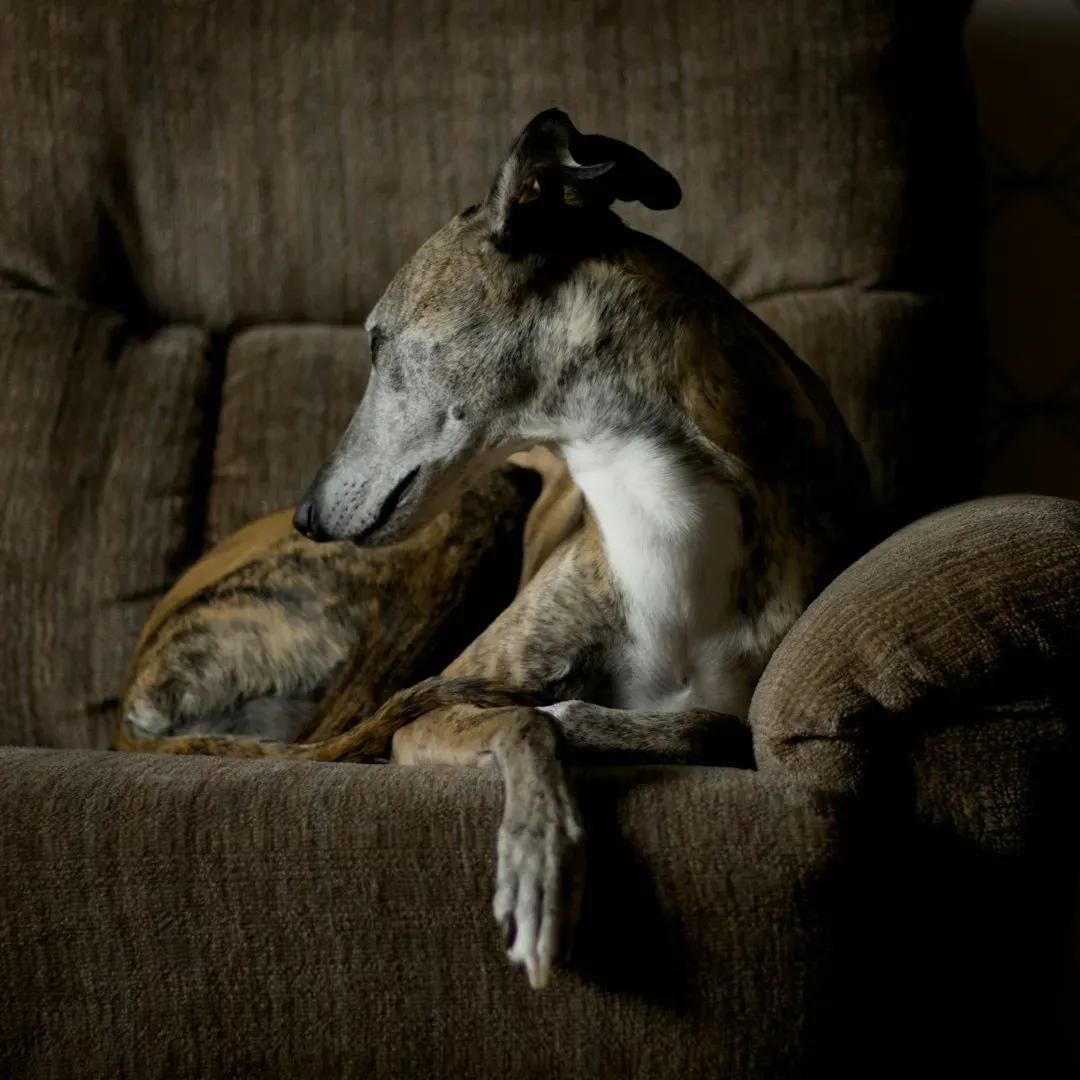
I know it sounds crazy, but stay with me here. The same dog that can sprint at over 40 miles per hour is also one of the most relaxed, low-maintenance breeds a senior could ever own. The Greyhound is one of the most relaxed large breeds in existence. Greyhounds are known as “45-mile-per-hour couch potatoes” because, despite their speed, they spend most of their time sleeping and lounging. It’s a bit like having a cheetah that prefers Netflix over running.
Greyhounds require only one or two short to moderate daily walks, but they are gentle, quiet, and low-maintenance indoors. Many Greyhounds available for adoption are retired racing dogs that are already calm, socialized adults. For seniors who want a larger but easygoing companion, the Greyhound is a genuinely underrated option. Their larger size can actually be an advantage for seniors, as they are less likely to be a trip hazard. Because a Greyhound stands at a noticeable height, you won’t accidentally stumble over them – this physical presence provides a safer environment. Watch for thin skin sensitivity and cold intolerance; Greyhounds have very little body fat and benefit from a warm dog coat during chilly seasons.
The Clumber Spaniel: The Retired Gentleman’s Best Friend
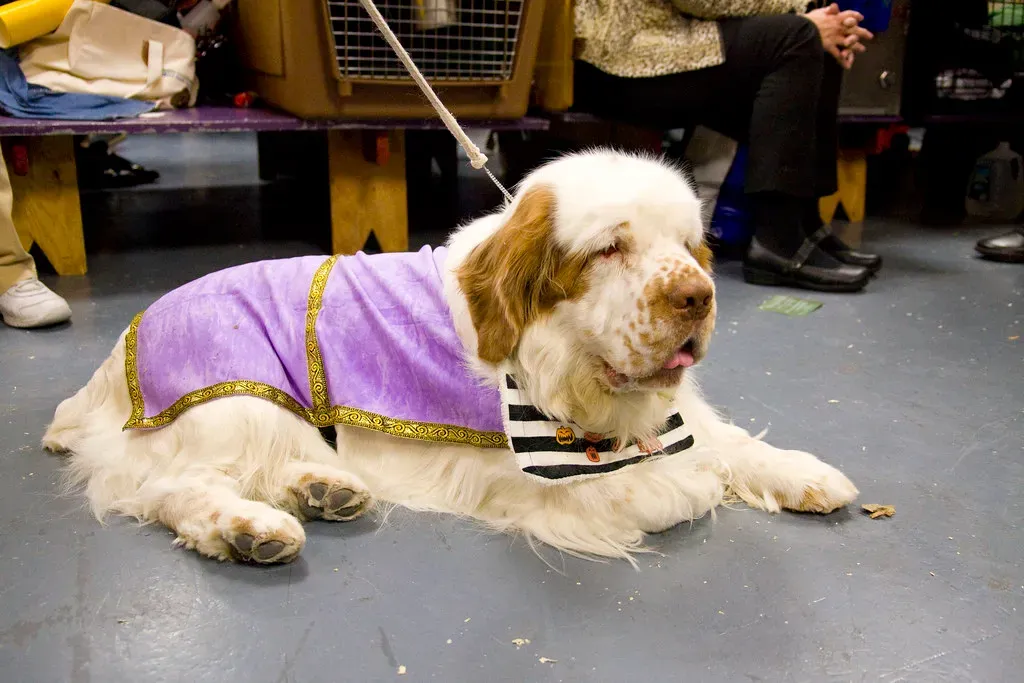
This breed even has a nickname that practically describes its ideal owner. Because of his slow, steady nature, the Clumber Spaniel was historically called the “retired gentleman’s shooting dog.” That charming moniker has stuck for good reason. The Clumber Spaniel is a gentle and intelligent breed that loves to please. Bred to flush birds from dense underbrush, they are determined workers – but when not hunting, they are mellow, affectionate, playful, and even humorous pets. Yes, humorous. Clumbers have a goofy side that senior owners absolutely adore.
These dogs are content indoors or out, although they usually prefer to be wherever you are. Clumbers are not prone to barking, and they are suited as companions in the home rather than watchdogs. That low-bark trait is a genuine gift for seniors living in quieter communities. Clumber Spaniels need daily exercise, which can be satisfied by one 20 to 30-minute walk, or two shorter walks of 15 to 20 minutes each. While they make excellent walking companions, they’re not suited to accompanying joggers. Keep their weight in check – obesity can be a significant health problem in Clumbers, and it may cause or worsen joint problems, metabolic disorders, back pain, and heart disease.
Why Choosing the Right Breed Changes Everything
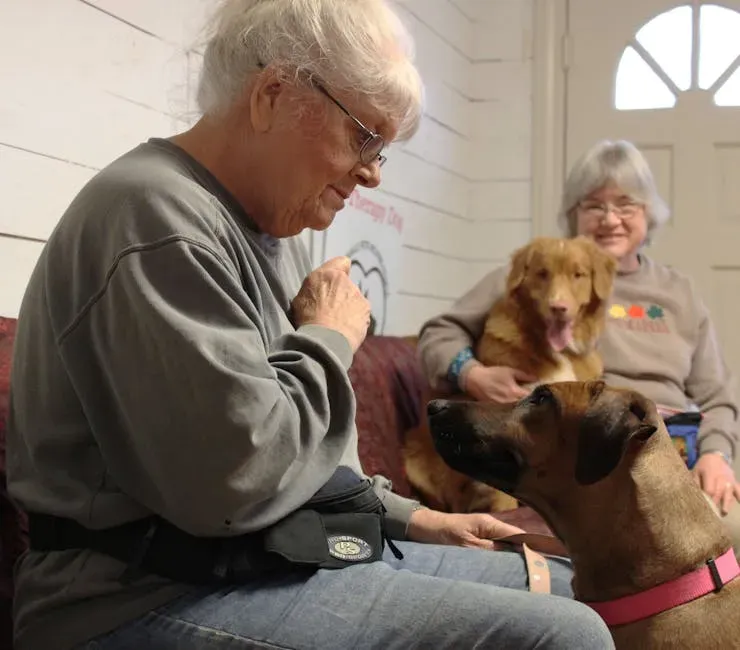
It’s hard to say for sure which breed will steal your heart, but here’s the thing: the match between a senior and their dog isn’t just about cuteness. Choosing the best dog for seniors is a meaningful decision – it’s about finding a loyal companion who brings daily joy, comfort, and companionship. A dog can gently add structure to life, encourage light activity, and offer emotional support. Think of it like choosing a chair. The right one fits you perfectly, supports you without strain, and you forget you’re even sitting down.
Dogs are drawn to calm, gentle, and consistent people. Seniors often provide affection, patience, and predictable routines, which dogs naturally respond to with trust and love. That’s the beautiful symmetry at the heart of senior dog ownership – the calm you offer is exactly what these breeds are looking for in return. When considering dog ownership, older adults should also look into adopting an adult dog rather than a puppy. Puppies require a lot of energy, training, and patience, which may not be ideal for older adults. Adult dogs are often calmer and already trained, making them far easier to manage.
Making It Work: Practical Tips for Senior Dog Owners
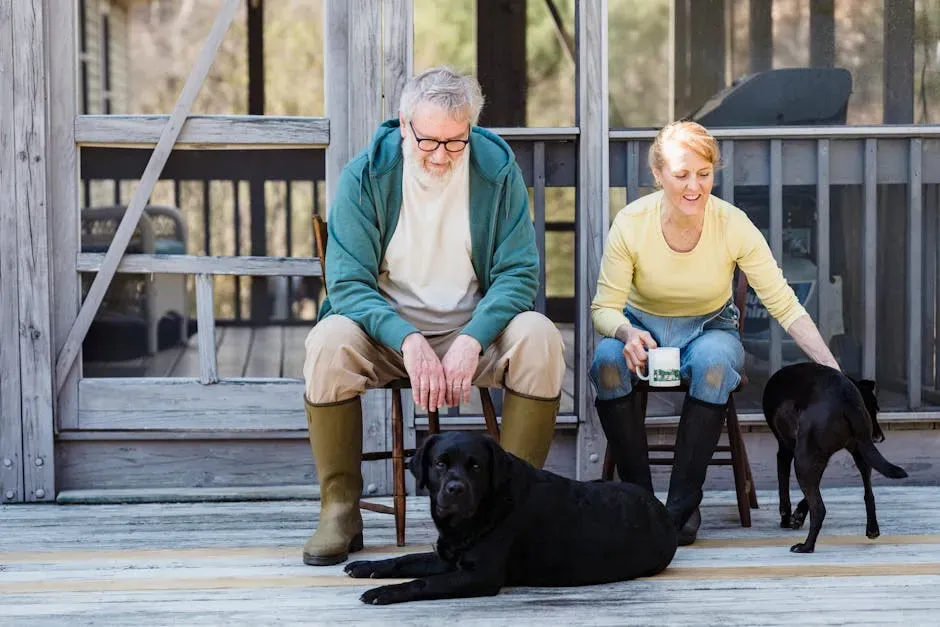
Getting a dog is one thing. Building a joyful, healthy life with that dog is another conversation entirely. No matter which breed you choose, regular veterinary care is essential to ensure your pet stays happy and healthy. Routine check-ups, vaccinations, and preventive care not only extend your dog’s lifespan but also enhance their quality of life. A trusted veterinarian can guide you on nutrition, exercise, and breed-specific health concerns. Think of your vet as a partner, not just someone you see when something goes wrong.
During the first three days with a new dog, focus on letting them settle in. Keep interactions calm and predictable, provide a safe space, and avoid overwhelming them with visitors or new experiences. Over the next three weeks, expect the dog to test boundaries or show signs of stress – stay patient, enforce consistent rules, and continue gentle training to build trust. It’s also smart to plan ahead. Family or caregiver support is an important factor to consider. Some older adults may require assistance for tasks such as grooming, vet visits, or long walks. Before getting a dog, make sure you have the support you need for any tasks you cannot do alone. That preparation isn’t a weakness – it’s wisdom.
A Final Thought Worth Sitting With
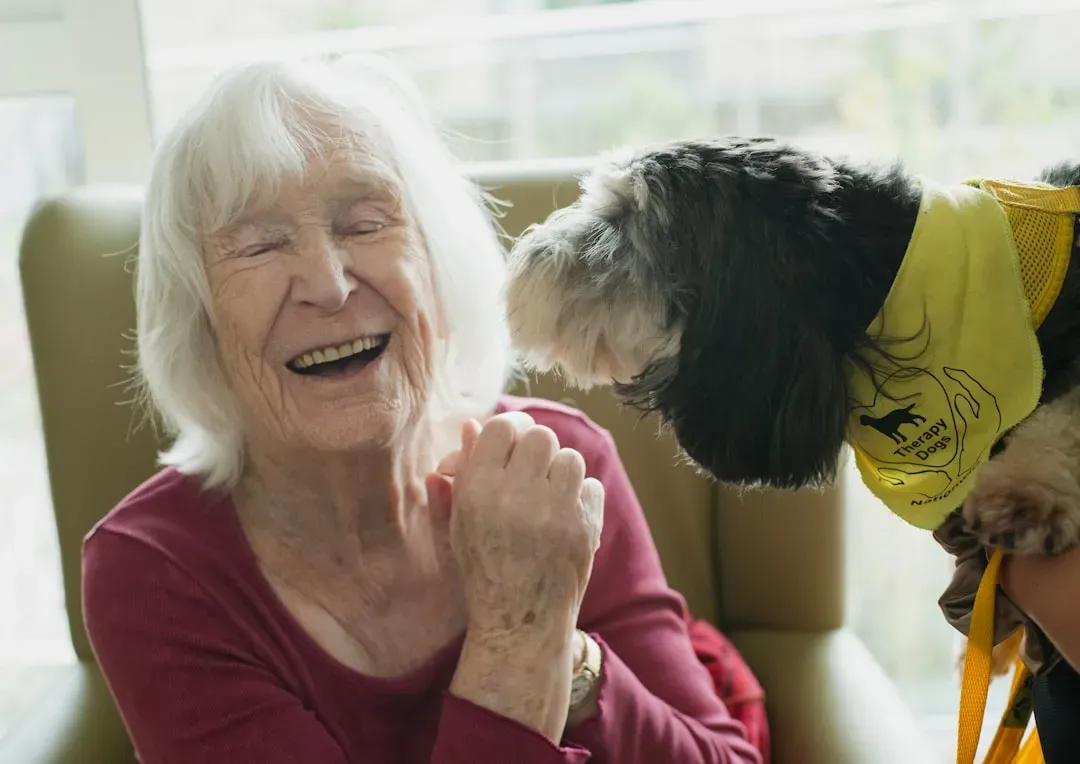
These eight breeds share something that no popularity contest can measure: a quiet, steadfast devotion that asks for very little and gives back enormously. The right dog for a senior can help an elderly person stay lightly active, ease loneliness, and uplift mood and cognitive health. Studies have shown that dog ownership can improve mental well-being, promote heart health, and contribute to a longer, more fulfilling life. That’s not a small thing. That’s everything.
Whether it’s the silky-eared Cavalier, the cotton-soft Coton, the dignified Clumber, or the surprisingly lazy Greyhound – each of these unsung heroes is waiting for exactly the kind of calm, loving home that a senior can offer. The bond between a peaceful person and the right dog isn’t just companionship. It’s a daily reminder that life, at any age, is richer when someone is always glad you’re home.
Which of these breeds surprised you the most? We’d love to know – drop your thoughts in the comments below!


