

Picture this: you’re going about your perfectly normal morning. You flick on the vacuum cleaner, throw something in the microwave, and your phone rings. All completely mundane to you. To your dog, though? That could be a full-blown emotional crisis unfolding in your living room.
It sounds dramatic, but the science backs it up. A study of 13,700 pet dogs showed that noise sensitivity was the most common trait to cause anxiety in dogs, showing up in almost one third of the dogs. That means countless dogs are quietly struggling every single day, in the one place they should feel safest: their home. Research also suggests that the majority of humans respond to their dogs’ fear behaviors with amusement, and welfare concerns are rarely expressed. We laugh at their reactions. We miss the signs entirely. This article is here to change that. Let’s dive in.
1. The Vacuum Cleaner: The Monster in the Closet

Honestly, we’ve all seen this one play out. Your dog was perfectly chilled out on the sofa, and the moment you reach for the vacuum, they vanish. The sound of a vacuum cleaner is one of the most stressful noises for dogs. This household appliance is not only loud but also creates vibrations that dogs can feel, and the sudden start and stop of the vacuum adds to their fear. Think of it from their perspective: it’s a large, roaring object that moves unpredictably and invades their space.
A vacuum cleaner doesn’t just sound different to a dog – it sounds louder, and it produces high-frequency harmonics that are inaudible to you but perfectly clear to your dog. That’s why many dogs panic around household appliances that seem only mildly loud to their owners. To help, try introducing your dog to the vacuum when it’s switched off first. Reward calm behavior near it before you ever turn it on, and consider using treats during vacuuming sessions to build positive associations.
2. Thunderstorms: Nature’s Terrifying Symphony

Dogs diagnosed with storm phobia can react with anxiety or fear to wind, rain, thunder, lightning, and other associated stimuli, including barometric pressure changes, the smell of rain, static electricity, and even time of day. Thunderstorms are truly multi-sensory events for dogs, and that’s precisely why they’re so overwhelming. It’s not just a loud noise. It’s a whole experience your dog has no framework to understand.
One study demonstrated a 207% increase in salivary cortisol levels after exposure to simulated sounds of a thunderstorm. That’s a very real biological stress response, not just a dog being “dramatic.” You can create a haven for your dog, such as a blanket-covered crate, or find a location that will reduce the noise level. Turning on soft music or the television can also help mask the sound. Getting ahead of the storm with a brisk walk beforehand can burn off excess anxious energy too.
3. Fireworks: Loud, Unpredictable, and Everywhere

Fireworks are, I think, the single most feared sound for dogs across the board. An estimated nearly half of dogs show a significant fear response to firework noise. That’s a staggering number. Pets who have had traumatic experiences with loud noises are more likely to develop noise aversion, and pets who are unaccustomed to loud noises may find fireworks particularly frightening.
Single, traumatic experiences or repeated exposure to frightening stimuli can cause reactions ranging from mild fear to extreme phobic reactions. Mild fear responses may include panting, pacing, and attempts to hide, whereas phobic responses may include panic, extreme agitation, attempts to escape, and even destructive behavior. Plan ahead on holidays when fireworks are expected. Bring your dog indoors early, close the blinds, and have their safe space already set up before the first bang hits.
4. The Microwave Beep: Small Sound, Big Problem
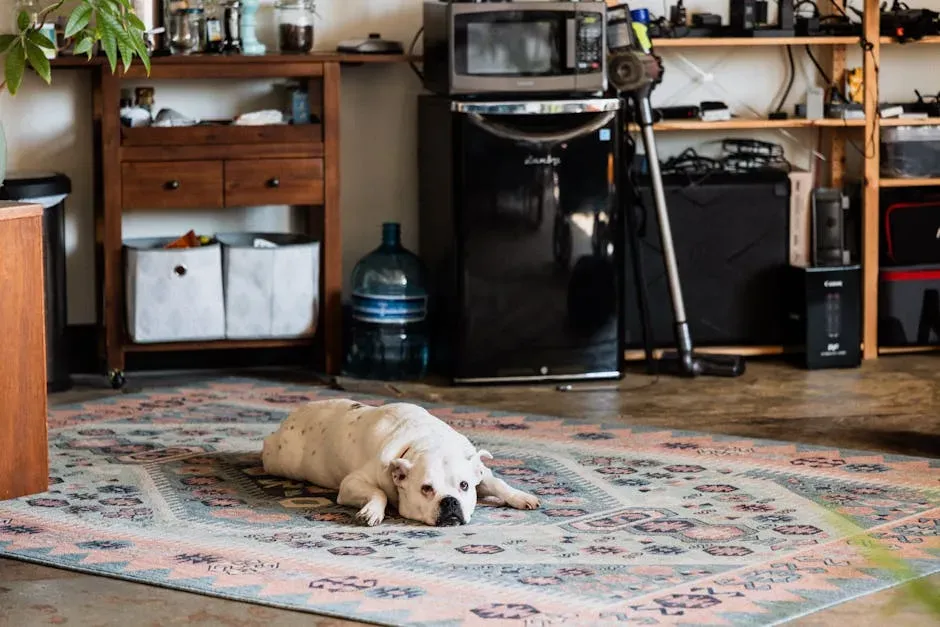
Microwave beeping noises might seem harmless to us, but they can be quite stressful for dogs. The beeps are sharp and sudden, catching them off guard. Over time, these repetitive sounds can increase anxiety, and because we use microwaves constantly, multiple times a day, the cumulative effect on a noise-sensitive dog is significant. It’s a bit like being startled by a car horn every time you sit down for a snack. Relentless.
The unpredictability is the real enemy here. Your dog has no way of knowing when those beeps are coming, which keeps them in a low-grade state of alertness all day long. A simple fix is to step outside with your dog briefly at mealtimes, or give them a stuffed chew toy in another room when you’re using the microwave. Over time, pairing beeps with high-value treats can help create a more positive association.
5. Smoke Detectors and Alarm Chirps: The Sneakiest Trigger

This one is genuinely sneaky and underappreciated. The low-battery chirp from a smoke detector, that single, sharp, intermittent beep, can send a dog into a quiet spiral of confusion and fear that lasts for hours. Research has shown that responses were significantly stronger to sounds characterized as high frequency intermittent than to sounds characterized as low frequency continuous. Intermittent beeps hit dogs in a deeply unsettling way.
If you notice your dog suddenly panting, pacing, or hiding for no obvious reason, check your smoke detectors. A dying battery might be the culprit. For example, one account describes a dog who, for weeks after a smoke detector beeped due to a kitchen incident, became anxious each time the oven was simply turned on. Dogs make associations quickly and powerfully. Replace batteries regularly, and keep your dog in a calm, separate room when testing your detectors.
6. The Doorbell: Anxiety Dressed Up as Excitement

Yes, your dog goes absolutely wild when the doorbell rings. Most owners assume this is pure, bouncy excitement. Sometimes it is. But the reaction often contains a heavy dose of anxiety mixed into that frenzy. The barking and spinning you think is your dog being thrilled might actually be your dog barely holding it together. The sound is sudden, it signals an unpredictable intrusion into their safe territory, and it often triggers a cascade of adrenaline that can take a long time to settle.
Watch for signs beyond the obvious barking: dilated pupils, inability to settle after guests arrive, tucked tail, or excessive lip licking. These all suggest anxiety rather than simple excitement. You can practice doorbell desensitization by playing a doorbell sound recording at low volume and rewarding your dog for staying calm, gradually building up the intensity over many sessions.
7. The Hair Dryer: Volume Plus Proximity

Morning routines can be surprisingly hard on dogs. The hair dryer deserves its own special mention, because it combines two things that dogs find deeply unsettling: volume and proximity. When you use a hair dryer in the same room as your dog, it’s loud, sustained, and aimed directly in their direction. That’s a triple threat. Dogs who already feel nervous about high-pitched sounds are especially vulnerable here.
Watch for your dog leaving the room as soon as they hear you pick it up, yawning excessively, or pressing their ears flat. Common signs of auditory discomfort include ears flattening against the head or rotating backward, and whining, barking, or howling in response to a sound. Try using the dryer in a separate room with the door closed, or ask your dog to wait in their safe space with a long-lasting chew while you finish up your routine.
8. Phone Ringtones: The Sudden Stranger Sound

Phone ringtones can be surprisingly stressful for dogs. The sudden, loud sound can catch them off guard and cause anxiety. This is especially true if the ringtone is high-pitched or has a sharp tone. Think about how many times your phone rings or buzzes in a day. Now imagine each one of those moments as a small jolt of stress for your dog. The math is not pretty for noise-sensitive pups.
Repeated ringing increases stress levels over time. A simple fix is choosing softer, more melodic tones, which can help. Many phones offer a variety of ringtone options, some of which are less jarring. Opting for a calm and quiet ringtone can significantly reduce your dog’s stress. Keep your volume at a moderate level and consider switching to vibrate mode when your dog is resting. Small changes like this can make a big difference over time.
9. Construction and Power Tools: The Neighborhood Assault

Construction noise is one of the most difficult triggers to control because it often comes from outside your home and hits without warning. Drills, jackhammers, and power saws combine high volume with unpredictable timing, which is exactly the combination that hits anxious dogs the hardest. Construction noise can trigger intense fear or anxiety in dogs, and for some pets, this response goes beyond temporary unease and develops into a condition that can worsen over time without intervention.
Making environmental changes to decrease the perception of noises can help a great deal. For example, using white noise or turning on a noisy bathroom exhaust fan to muffle the sounds is effective. Music therapy may also promote calm and reduce the salience of sounds that trigger anxiety. On heavy construction days, if possible, take your dog somewhere quieter for the bulk of the day. Your dog’s nervous system will thank you for it.
10. Television and Loud Media: The Invisible Offender

Here’s the thing most owners don’t realize: it’s not always the volume of the TV that bothers dogs. It’s specific sounds within the programming. Action movie explosions, TV show sirens, or even aggressive shouting in dramatic scenes can all register as genuine threats to a noise-sensitive dog. Dogs react fearfully to loud, high-pitched, or unusual sounds, and individual dogs may find different sounds scary, including the noise of objects falling, phones beeping, cars idling, and noisy traffic.
While most dogs might be startled by an unexpected sound and then move on, a sound-sensitive dog does not recover from that initial reaction, and they will continue to show signs of distress. Keep an eye on your dog’s body language during TV time. If they’re consistently unsettled during certain types of programs, try switching to something calmer or lower the volume considerably. Calming music designed specifically for dogs has also shown real promise as background audio in many homes.
11. Garbage Trucks and Sirens: The Street-Level Shock

Few sounds are quite as jarring as a garbage truck outside at 6am, or an ambulance siren blaring past your window. These sounds are loud, sudden, and often accompanied by vibrations that dogs can feel through the floor. Loud noises like fireworks, thunder, and sirens can send even the most confident dogs into a state of panic. Dogs who live near busy roads or urban environments deal with this particular stress regularly, and it compounds over time.
For dogs that are sensitive to household and street noises, the simplest fix is distance. Moving your dog’s bed away from windows, and providing a quiet retreat space during loud activities can make a significant difference. White noise machines set to a low, steady frequency can also help mask the sporadic high-pitched sounds that trigger anxiety. Placing your dog’s sleeping area in an interior room of your home, away from the street side, is one of the easiest and most underrated steps you can take.
12. Other Dogs Barking: When the Neighborhood Talks Too Loud

It might seem strange that a dog would become anxious at the sound of another dog barking. Yet it’s more common than you’d think. Studies report that dogs may react fearfully to noises they experience with trauma, noises they’ve seen other dogs react to fearfully, or sounds that generate a strong reaction from their owners. A dog that grew up near a continuously barking neighbor’s dog may develop a conditioned stress response to barking sounds in general.
Gradual desensitization to sounds can be effective in reducing noise aversion. This behavioral modification technique involves exposing your pet to recordings of frightening sounds at a low volume and gradually increasing the volume over time while rewarding calm behavior. Pair recordings of barking with something your dog loves, whether that’s a treat, a game, or a good belly rub, and do this consistently over weeks. Providing rewards such as food or play to create positive associations with noises is one of the most effective training methods and may change dogs’ emotional responses to noise.
What You Can Do: Building a Calmer, Safer Home

You don’t need to bubble-wrap your home or live in silence to help your dog. Small, intentional changes go a surprisingly long way. Whether it’s a crate, closet, or under the bed, make your dog’s go-to safe spot as insulated and welcoming as possible. Pair that space with positive experiences, like giving treats there when everything is calm, so your dog already associates it with safety before the scary sounds arrive.
Pets often pick up on their owner’s emotional state. If you remain calm and composed, your pet is more likely to feel secure. Your dog is watching you constantly, reading your energy like a book. Because noise-related anxiety can worsen over time, discussing behavior changes during routine veterinary visits is important for early intervention. If your dog’s anxiety feels beyond what you can manage at home, please don’t wait. A vet or certified animal behaviorist can open doors that treats and white noise simply can’t.
Conclusion: Your Dog Needs You to Listen

Dogs can’t walk up to us and say “hey, that beeping is really stressing me out.” Instead, they pace. They hide. They tremble. They pant when nothing is warm. Research supports that some owners are underestimating fearfulness in their dogs in response to household noises, and better education is required for dog owners to accurately interpret canine body language, to both safeguard dogs’ welfare and minimize development of anxiety-related behavior problems. The good news is that once you see it, you really can’t unsee it.
Being a thoughtful dog owner doesn’t mean eliminating every sound from your home. It means paying attention, making small adjustments, and advocating for your dog when they can’t advocate for themselves. Every dog deserves to feel safe in the place they call home. Noise fears can push dogs into extreme fear, but with consistent, compassionate intervention, your dog can learn to manage and even overcome these fears. A combination of behavior modification, environmental support, gentle comfort, and veterinary-approved treatments offers real hope. You have more power to help than you realize. So what sound on this list surprised you the most? Share your thoughts in the comments – your experience might be exactly what another dog parent needs to hear.


