
Picture this. You adopt a golden retriever because everyone tells you they’re easygoing, friendly, great with kids, and basically the canine version of a warm hug. Then you bring him home and discover he’s anxious around strangers, barks at the vacuum, and wants absolutely nothing to do with the family cat. Did you get a “defective” dog? Not even close. You just got a real one.
The truth is, so many of us walk into dog ownership with a mental blueprint built entirely on breed reputation, and then we’re caught off guard when our actual dog turns out to be his own complicated, beautiful, surprising self. The science now backs up what a lot of experienced dog lovers have quietly known for years: breed tells us far less about a dog than we once believed. So let’s dig into what that actually means for you and the dog sharing your home. Let’s dive in.
The Science Has Spoken: Breed Is Not Destiny
Here’s the thing that genuinely shocked me when I first read the research. Breed explains just 9% of behavioral variation in individual dogs. Nine percent. That means the remaining vast majority of what shapes who your dog is comes from somewhere else entirely. A team of researchers at the University of Massachusetts Medical School, working with a large dataset from a community science project called Darwin’s Ark, studied the issue definitively, gathering over 18,000 surveys from dog owners and sequencing more than 2,000 dog genomes.
What did they find? The researchers found that a dog’s breed does not predict its behavior. The study identified 11 unique genetic regions in the dog genome that are strongly associated with behavior, but none of these regions were specifically associated with any particular breed, suggesting that these personality traits predate modern canine breeding by humans.
Humans began selecting dogs for their cosmetic characteristics only within the last 160 years, and researchers concluded that this time period is simply too short for a species to develop truly distinct breed-specific behaviors. Think about that. The fluffy ears, the coat color, the stocky build, those are the things breeding actually locked in. The personality? That’s still largely up for grabs. Genetics plays a role in the personality of any individual dog, but a dog’s personality and behavior are shaped by many genes as well as their life experiences.
Two Dogs From the Same Litter Can Be Night and Day
I honestly think this is one of the most mind-opening realizations a dog owner can have. Anyone who has spent even a little time around dogs knows there are large individual differences among members of the same breed, same mixed breeds, and even among littermates and siblings. Many dog researchers focus on these individual differences because no two dogs are the same, and it’s common to hear from people who live with two dogs from the same litter who describe them as completely different.
Consider a real scenario that captured this beautifully in the research. One dog named Tod, a papillon registered with the American Kennel Club and described by breed standards as “curious” and “friendly,” turned out to be shy, scared of strangers, and developed separation anxiety as he aged. When the same family got another papillon a year later, she was entirely different: bold, outgoing, and adoring of all people. Same breed. Completely different souls. The bottom line is there is no “the dog.” Each dog is a unique individual, and it’s good for them and for us when we come to appreciate and understand each one as the individual they truly are.
All dogs are unique individuals and will have different reactions to the same things. Relying on breed to ensure your new dog has a specific skill or personality trait that is important to you is likely to lead you astray. That advice, honestly, could save a lot of families from heartbreak and a lot of dogs from being returned to shelters.
Reading Your Dog’s Individual Body Language Is a Superpower
Because every dog is wired differently, learning to read YOUR specific dog’s signals is one of the most valuable things you can do. Learning how to decode your dog’s signals is an important step in understanding issues surrounding their happiness, stress, and health, and understanding how dogs communicate can help owners recognize their pet’s emotions and needs.
Stress and fear signals often appear before growling or biting, and recognizing early signs of discomfort can prevent escalation. Let’s be real, most people miss these early whispers entirely. A distressed dog might perform exaggerated yawns, sneeze, or lick their lips frequently. They might also shake their bodies as if their coat is wet, focus on self-grooming, or scratch themselves excessively. These aren’t quirky habits. These are conversations.
The way a tail looks is often misunderstood. A wag doesn’t always mean a dog is happy. A tail tucked tightly between the legs is a classic stress signal, and a low tail with a stiff, quick wag can also mean worry, not joy. No dog body language signals act alone. They’re all part of a package. When you read a dog’s communication, look at every signal the dog is using, from the tail height to the eye shape. Think of it like reading a sentence instead of just a single word.
If your normally active and happy dog starts to isolate and show lethargy and decreased appetite, this is a sign that something has changed with their overall health, and seeking the care of a veterinarian is strongly recommended. Behavior is often the first alarm bell before any physical symptom appears.
Early Life Experiences Shape Who Your Dog Becomes

If breed only explains a tiny fraction of behavior, what fills in the rest? Life experience. Especially early life experience. During a puppy’s first three months of life, they experience a socialization period that will permanently shape their future personality and how they’ll react to their environment as an adult dog. Gently exposing them to a wide variety of people, places, and situations can make a huge, permanent difference in their temperament.
Research has revealed that adverse experiences in the first six months of life, such as abuse and relinquishment, were significantly associated with increased aggression and fearfulness in adulthood. This is sobering, especially when you think about the number of dogs in shelters with unknown or traumatic histories. Positive early experiences during the sensitive periods of development are crucial to creating well-adjusted adult dogs able to cope in their environment.
Research has shown that after structured socialization and training programs, ratings for relaxed behavior increased by over half, while distressed behavior dropped by half. That is remarkable. It means even dogs who missed out on ideal early experiences are not lost causes. A modest amount of human interaction with kennel-raised adult dogs, even after critical periods of development, has the potential to positively impact their behaviors within just 12 weeks. Hope is real, and it’s backed by data.
The Real Cost of Stereotypes: Stigma, Shelters, and Missed Connections
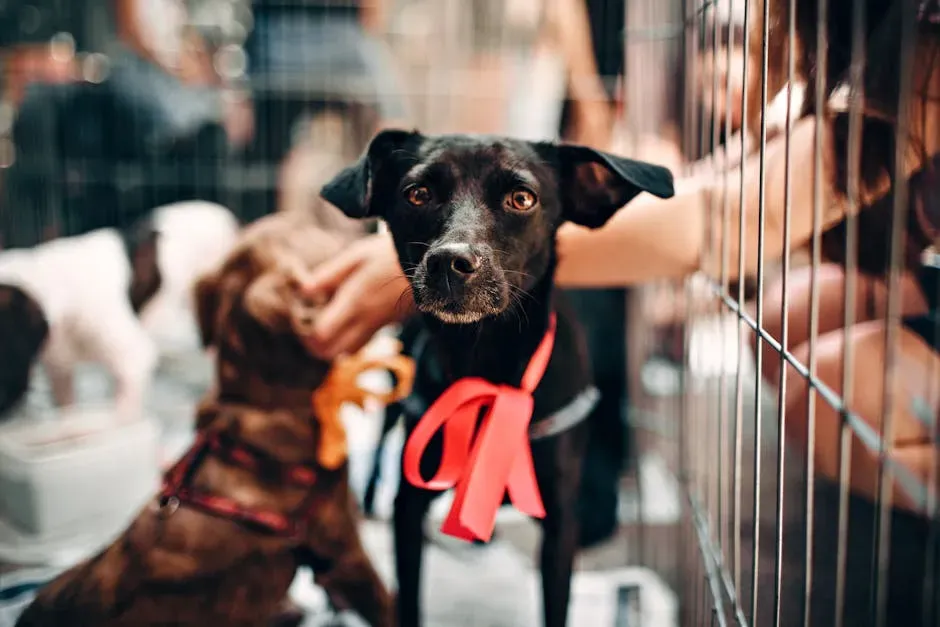
Breed stereotypes aren’t just intellectually messy. They have real, devastating consequences. Research has found that dogs labeled as pit bull types stay in shelters more than three times longer than similar-looking dogs labeled as another breed, and the negative perceptions of these breeds also make them more frequent candidates for euthanasia. Three times longer. That is not a minor inconvenience. That is a life-or-death difference.
Pit bulls actually rank much higher than many other breeds on the standardized temperament test developed by the American Temperament Test Society. The vast majority of pit bulls have passed the temperament test, compared with lower pass rates in many breeds considered “gentle.” The numbers quietly dismantle the fear narrative. Breed-specific legislation not only perpetuates these unfounded stereotypes but poses significant challenges for dog owners and their pets, restricting housing options for responsible pet owners and contributing to the stigmatization of certain breeds.
The stereotypes still hold consequence. Our own behavior toward certain dogs is heavily impacted by our perception of breeds. It’s a self-fulfilling loop in many ways. A dog treated with suspicion and distance doesn’t get the socialization, training, or love it needs, and then someone nods and says, “See? That’s just how that breed is.” It’s not. Advocacy, education, and a shift towards policies that evaluate dogs based on their behavior rather than breed are crucial steps. Promoting understanding and emphasizing the role of upbringing and environment in shaping behavior moves us toward a more inclusive and fair approach to dog ownership.
Conclusion: See the Dog in Front of You

At the end of the day, the most powerful thing you can offer your dog is genuine attention. Not attention filtered through a breed profile or a stereotype or what your neighbor’s dog was like. Real, present, curious attention to the individual creature living with you.
The interesting challenge is to understand each and every individual for who they are, to come to appreciate why there are differences in cognitive skills, emotional capacities, and personality, and to understand how these differences influence the bonds a dog can form. It’s not only important to become fluent in dog, but to come to know and respect each dog as a unique being, knowing what they want and need and how they react to different situations.
Much of these complex traits are strongly impacted by the lived experiences of each individual. Your dog’s quirks, fears, joys, and strange little rituals aren’t breed defaults. They are the story of a life. Your job, and honestly it’s a beautiful one, is to learn how to read that story.
Every dog that has ever been written off because of a label deserves better. Every dog in front of you right now deserves better. So next time someone tells you what your dog is “supposed” to be like based on their breed, smile politely and keep watching the real dog instead. What surprising thing has your own dog done that totally defied what the books said? Share it in the comments.


