
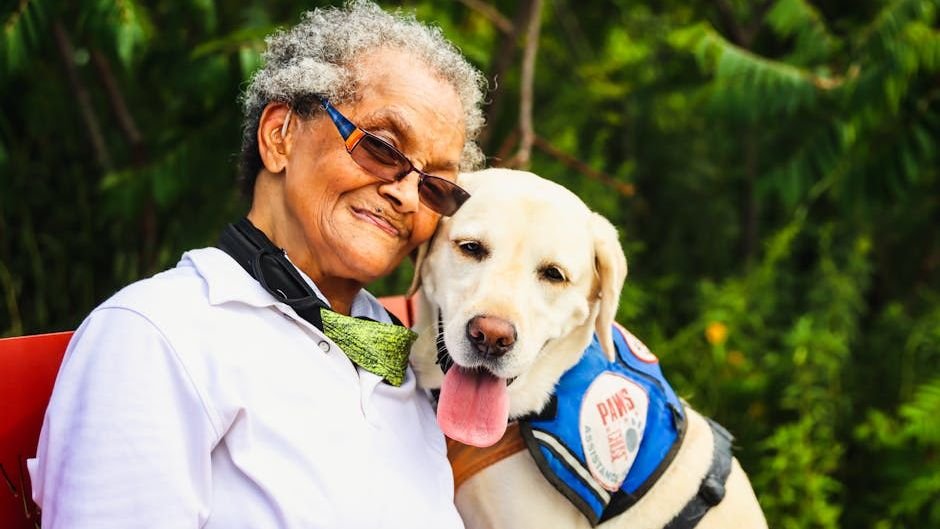
Picture this: your dog, who once zoomed around the yard like a furry tornado, now takes their sweet time sniffing every blade of grass on a morning walk. You watch and wonder, is something wrong? Are they in pain? Are they just bored? Or, honestly, have they simply become wiser about how they spend their energy?
Here’s the thing most dog owners don’t hear enough. That deliberate pace, that careful consideration before jumping, that preference for a sunny nap spot over a wild game of fetch, it isn’t laziness. It isn’t decline in the way we fear. It’s a shift. A profound, beautiful, often misunderstood shift into a new chapter that your dog needs you to understand deeply.
Senior dogs are not broken versions of who they used to be. They are the full, seasoned, layered version. They notice things we miss, they feel things they can’t always express, and they need a different kind of care from us now. So let’s get into it, because your dog’s golden years deserve more than guesswork.
What “Senior” Actually Means For Your Dog (It’s Not Just a Number)
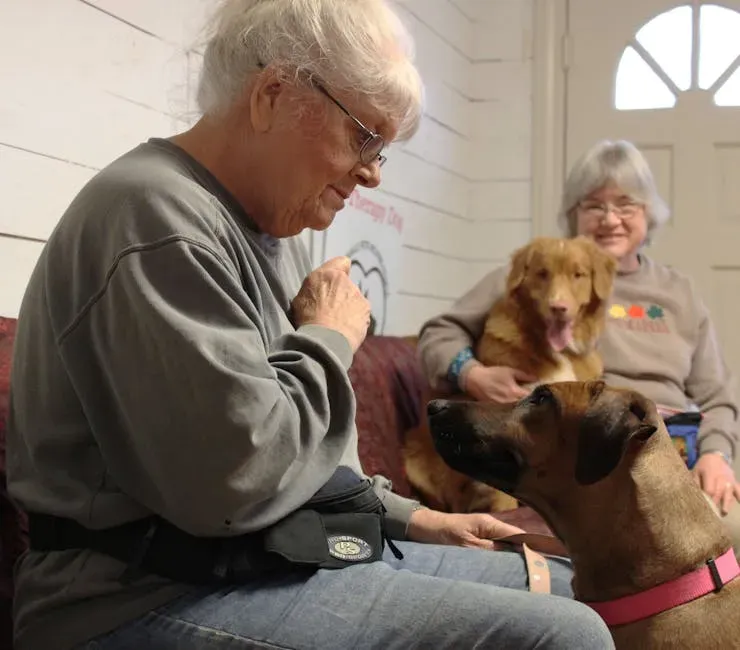
Most of us grew up hearing that one dog year equals seven human years. Simple, right? Actually, not quite. Contrary to popular belief, dogs don’t age at seven years per human year. How fast they age actually varies depending on their size, with large and giant dogs aging faster than smaller breeds. Think of it like this: a Great Dane at age six is already navigating senior territory, while your neighbor’s Chihuahua might not show those signs until well past ten.
Generally, smaller breeds tend to age slower and are considered seniors around 10 to 12 years old, while larger breeds may reach this stage around 6 to 7 years old. That’s a significant gap, and it matters enormously when you’re trying to recognize the right time to adjust your dog’s care. Dogs don’t become senior overnight. Aging is a slow and gradual process, and changes can be subtle, so it’s important to keep a close eye on your dog’s health and behavior.
Individual factors, such as genetics, health history, lifestyle, and breed, can all influence this transition. I think this is one of the most overlooked truths in dog care. Two dogs of the same breed can age at completely different rates. There are many natural changes that occur during the aging process, and it’s important to be mindful of changes you may need to make to accommodate your dog’s shifting abilities, senses, and preferences. Staying flexible and observant is the real skill here.
Reading the Signals: Behavior Changes That Deserve Your Full Attention
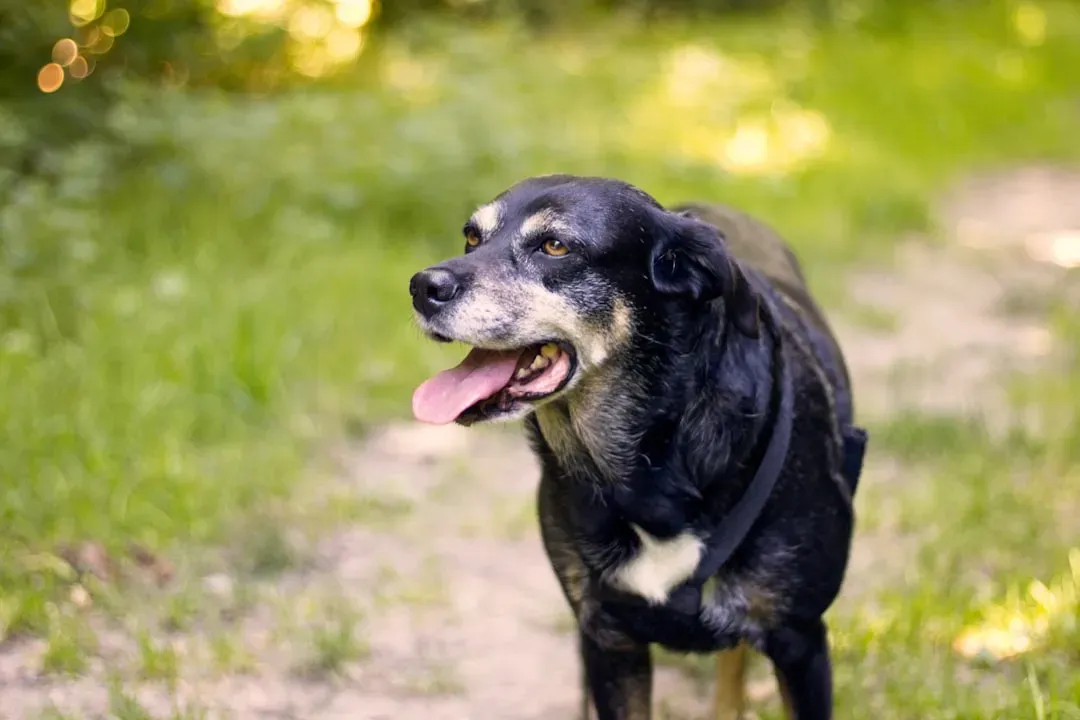
Let’s be real. When your senior dog starts acting differently, the first instinct is often to dismiss it as “just getting old.” That instinct can cost your dog comfort and even years. Senior dog behavior changes are often caused by aging-related physical, metabolic, cognitive, or sensory decline, not “just old age.” Pain, arthritis, and chronic medical conditions commonly drive behavior changes and may be subtle or hidden. Your dog isn’t dramatic. If something changed, something changed for a reason.
Behavioral changes may be one of the first signs of aging you notice. Dogs may become more irritable or reluctant to engage in their old favorite activities if they’re struggling with pain or discomfort due to arthritis or another condition. Imagine having a sore knee and someone keeps asking you to go jogging. That snappiness your dog now shows when the kids want to wrestle? It might be pain talking, not personality.
As animals age, we can observe a variety of changes occurring, not just physically but also mentally and emotionally. These changes can happen concurrently, or they can occur separately from each other and at different speeds. For example, an elderly dog may begin to lose their hearing over a few months, go blind very quickly in a week, and also experience cognitive decline over a period of years. Because there is no perfect or easy-to-follow timeline, it’s crucial to involve your trusted veterinarian immediately at the beginning of noticing any changes in your dog’s mental or physical state. Begin journaling anything you observe and note the timeline of the changes. That journal, even a quick note on your phone, can be genuinely life-saving information at the vet’s office.
The Brain Behind Those Cloudy Eyes: Understanding Canine Cognitive Decline
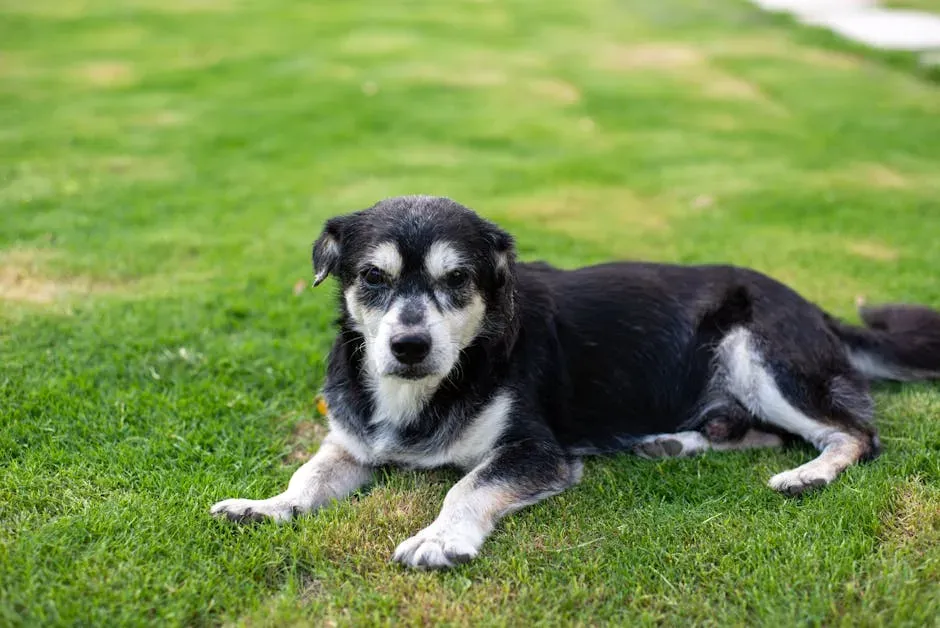
This is the part that breaks most dog owners’ hearts a little. Research shows that over 60% of dogs older than 11 years show at least one sign of cognitive decline. Yet many families assume these symptoms are just “old age,” when recognizing them early can help your dog stay comfortable longer. That’s a staggering number. More than half of senior dogs are experiencing something significant, and most owners never catch it in time to truly help.
Older dogs can develop canine cognitive dysfunction, sometimes called “doggie dementia.” It is linked to age-related changes in the brain, including the loss of nerve cells, reduced blood flow, and changes in how the brain functions overall. Dogs living with canine cognitive dysfunction may seem confused in familiar places or forget routines they once knew well. Some senior dogs may wander without a clear purpose, appear disoriented, or have trouble settling down and sleeping through the night.
A helpful framework vets use is the acronym DISHAA. It stands for: Disorientation, where the dog appears confused in familiar places or gets “stuck” in corners; Interaction Changes, where the dog withdraws from family or becomes unusually clingy; Sleep-Wake Cycle Changes, sleeping more during the day and becoming restless or vocal at night; House Soiling, having accidents indoors despite being previously housetrained; Altered Activity Levels, losing interest in toys or developing repetitive behaviors like pacing; and Anxiety, appearing fearful or agitated, especially in the evenings. If you recognize even two of those signs in your dog right now, it’s worth a vet conversation this week, not next month.
Just like with people, mental stimulation can help slow cognitive decline in an animal. It’s best to provide your dog with mental stimulation in the form of walks, games, puzzles, and playtime. Research has shown that adding antioxidants to a canine diet can help older dogs complete more difficult learning tasks, suggesting that consuming them can improve cognitive function. Small daily choices genuinely add up here.
Caring for the Body: Pain, Joints, Nutrition, and What Actually Helps
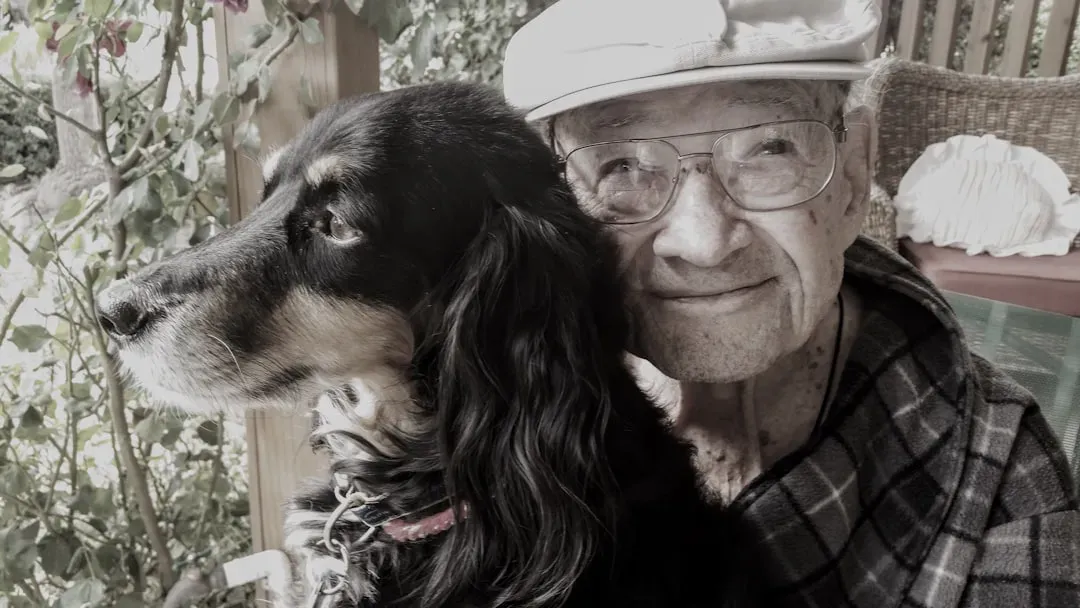
Honestly, this is where caring for a senior dog gets both more demanding and more rewarding. Their physical needs shift considerably, and the changes you make now determine how comfortable and mobile your dog stays for years. Osteoarthritis is very common in older dogs. Approximately 20 percent of dogs over the age of one in North America have arthritis, and the incidence is much higher in older and bigger dogs. That means joint care isn’t optional for seniors. It’s fundamental.
Senior dogs often need fewer calories but more nutrients to maintain muscle and support joint health. Senior dogs require nutrient-dense food that supports joint function, digestion, and immune health. Choose formulas rich in omega-3 fatty acids, antioxidants, and moderate protein. Think of omega-3s as the lubricant that keeps the machine running smoothly. They support both the joints and, interestingly, the brain.
When considering exercise options for senior dogs, prioritize activities that are gentle on their joints and encourage movement without overexertion. Short, frequent walks are an excellent choice, allowing your dog to enjoy the outdoors at a comfortable pace. Swimming is another low-impact exercise that helps maintain muscle strength and cardiovascular health while minimizing joint stress. Two short walks daily often works better than one long exhausting trek. Orthopedic beds, ramps for easier access to furniture, and joint supplements with glucosamine can also support joint health in meaningful, practical ways. These aren’t luxuries. For a senior dog, they’re necessities.
If your dog starts to avoid exercise and playtime, struggles with daily activities such as climbing stairs or jumping onto the couch, or you notice they are slower or stiff particularly after periods of rest, they may be suffering from a joint condition such as arthritis, which you should get checked out at the vet. Don’t wait. The sooner pain is addressed, the better the quality of life your dog maintains.
Building a Life They Love: Routine, Connection, and Enrichment in the Golden Years
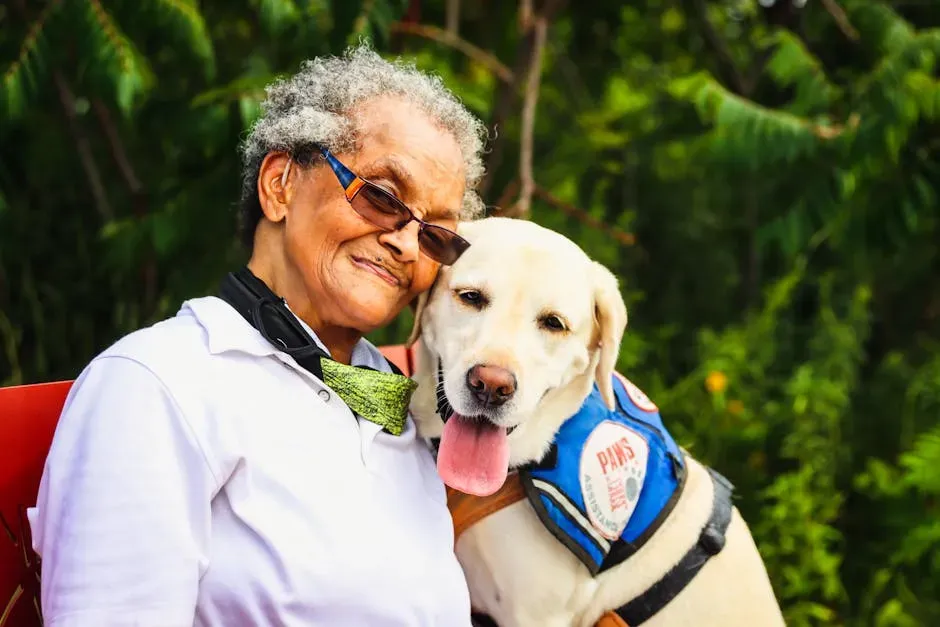
Here’s something that doesn’t get nearly enough airtime in senior dog conversations. Emotional wellbeing matters just as much as physical health. Aging can change your dog’s social relationships with you and with other pets in your home. Understanding the changes your dog is undergoing can help you compassionately and effectively deal with behavior problems that may arise in your dog’s senior years. Your bond is not something that fades with age. It deepens, if you let it.
Senior dogs thrive on routine. Set consistent feeding, walking, and bedtime schedules. Knowing what to expect helps your pet feel safe and secure. If you need to change routines, introduce the change slowly. Predictability is comforting and reduces anxiety in older dogs. This is so important and so simple to implement. Think of routine as your dog’s emotional anchor in a world that increasingly feels uncertain to them.
Keeping your dog’s brain active is just as important as physical exercise. Puzzle toys, scent games, and new tricks keep cognitive functions sharp and prevent boredom. Interactive play strengthens your bond and encourages curiosity. Even a daily change of scenery, like a new walking route, can offer fresh mental stimulation. Mental activity helps delay cognitive decline and enriches your senior dog’s golden years. I always love the idea of sniff walks, where you let your dog lead and explore at whatever pace they choose. To a senior dog, that unstructured sniffing time is deeply satisfying.
Regular checkups every six months for senior dogs are crucial. Catching issues early and creating a treatment plan can help your dog avoid unnecessary pain and suffering. Think of those biannual vet visits less like obligations and more like investments. Every early catch is a chance to extend comfort, mobility, and connection with your dog. With patience, structure, comfort adaptations, and veterinary support, you can help your senior dog navigate their golden years with dignity and well-being. That’s the real goal, isn’t it?
A Final Thought for Every Dog Lover Reading This
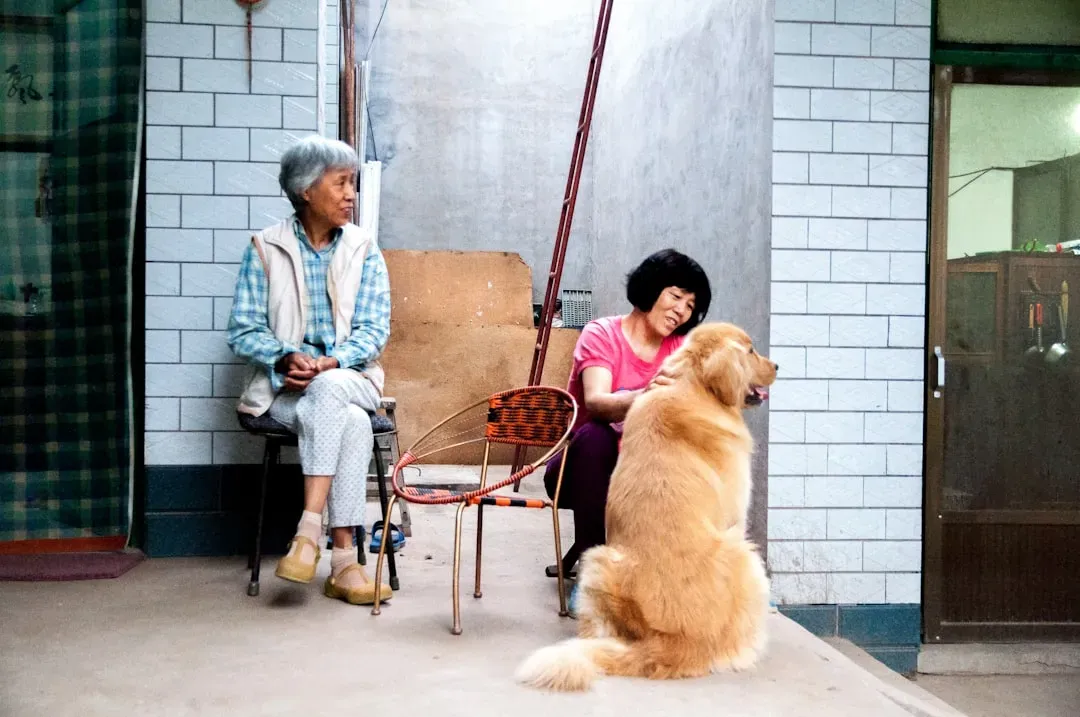
Senior dogs don’t ask for much. They ask to be understood. They ask for patience when they need a moment before rising from their bed. They ask for gentleness when the world feels louder and more confusing than it used to. They ask, in the only language they have, for you to notice. As veterinarians often say, “Old age isn’t a disease.” There are many things that can be done to manage medical conditions, eliminate or reduce pain, and help senior pets enjoy a great quality of life. That perspective shifts everything.
The grey muzzle is not a warning. It’s an invitation to love differently, more intentionally, more presently. There is something so gratifying about sharing a life with an aging dog. Grey muzzles have special gifts to offer their human friends, like wisdom, patience, tolerance, and unconditional love. With the privilege of sharing time with an aging dog comes the special task of caring for these furry angels, helping them live long and live well.
The dog who once sprinted ahead of you on every trail is now walking beside you, matching your pace, choosing your company. There’s something quietly perfect about that. Your senior dog isn’t slowing down to hold you back. They’re finally asking you to walk together. How will you show up for them?


