
Is Your Home Truly a Haven for Your Dog? A Pet-Friendly Checklist
Picture this: you’ve just come home after a long day, and your dog is spinning in excited circles at the door. You take it as a sign that everything is fine. But what if your home, the one place that should feel like a sanctuary to your dog, is quietly working against them? What if the hazards hiding in your living room, the absence of a real safe space, or the unpredictable chaos of daily life is making your dog more anxious than joyful?
Here’s the thing – most dog owners genuinely love their pets. But love, as wholesome as it is, isn’t always enough. A truly dog-friendly home takes a little more intentional thought. It asks you to look at your space through four paws and two curious eyes. Whether you’re a brand-new dog parent or a seasoned one, this checklist will help you see your home with fresh, honest eyes. Let’s dive in.
Hidden Hazards in Plain Sight: Is Your Home Secretly Dangerous?
Let’s be real – when we decorate our homes, we’re not exactly thinking like a dog. We choose beautiful plants, leave cleaning products under the sink, and coil electrical cords behind the couch. Completely normal. Potentially deadly for a curious pup with a nose for trouble.
Houseplants are one of the most overlooked dangers in any pet-friendly home. While they add undeniable beauty to a space, some of the most popular varieties are toxic to dogs. Plants like lilies, azaleas, and pothos can cause severe health issues if ingested. Honestly, I think this one surprises more dog owners than anything else on this list.
Many cleaning products are equally dangerous. They can cause skin irritation, poisoning, or respiratory issues if ingested or inhaled. Always read labels carefully and avoid cleaning hazards like bleach, ammonia, or phenols in products used around pets. Think of it this way: if you wouldn’t want a toddler putting it in their mouth, assume your dog already has a plan to do exactly that.
Electrical cords and outlets pose a significant risk to dogs who may chew on them out of curiosity. Taking proactive measures to manage these hazards can prevent serious injuries. Use cord protectors, cord organizers, or cable ties to bundle and cover loose electrical cords, making it harder for dogs to access and chew on them. A quick afternoon of cord management could genuinely save your dog’s life.
Secure hazardous items like cleaning products, medications, and foods toxic to dogs such as chocolate, grapes, and onions in cabinets or on high shelves. The prevention tip here is simple: go through every room as if you were a dog. Get low. Look around. You’ll be amazed what you find.
Reading the Room: Behavior Cues That Say Your Dog Is Not Okay
Your dog cannot call you out on what’s wrong. They have no words for it. What they do have is an incredibly expressive body and a full toolkit of behavioral signals that most of us walk right past without noticing.
Panting is one signal worth paying close attention to. Dogs pant when hot, excited, or stressed. If your dog is panting even though they have not exercised, they may be experiencing stress. It’s one of those easy-to-dismiss signs that can actually tell you so much.
Dogs show anxiety through trembling, excessive panting, pacing, spinning, destructive chewing, and excessive barking. Some lose bladder control during stressful events, while others become hypervigilant or refuse to settle. If you’ve ever come home to a chewed-up sofa and assumed your dog was “just bored,” this reframe might sting a little – but it’s important.
Avoidance or displacement behavior is another key signal. When faced with an unwelcome situation, dogs may escape by focusing on something else. They may sniff or dig the ground, lick their genitals, or simply turn away. These behaviors are not your dog being quirky. They’re a cry for help dressed up in fur and distraction.
Chronic stress weakens immune function, disrupts sleep patterns, and can lead to destructive or self-harming behaviors. So this isn’t a small thing. A stressed dog at home is a dog with a shorter, less joyful life. The sooner you learn to read the signals, the sooner you can do something about them.
The Safe Space Your Dog Desperately Needs (and Probably Doesn’t Have)
Think about the last time you just needed to disappear somewhere quiet. Maybe it was a bathroom break to scroll your phone in peace. Or a moment alone in the car after a hectic school run. Dogs need that too. Desperately. They just can’t tell you.
It is important to provide your dog with a safe place in the home where they can escape stimuli that trigger a stress response. Everybody enjoys a calm place to retreat. This isn’t a luxury. It is a fundamental need, as basic as food and water.
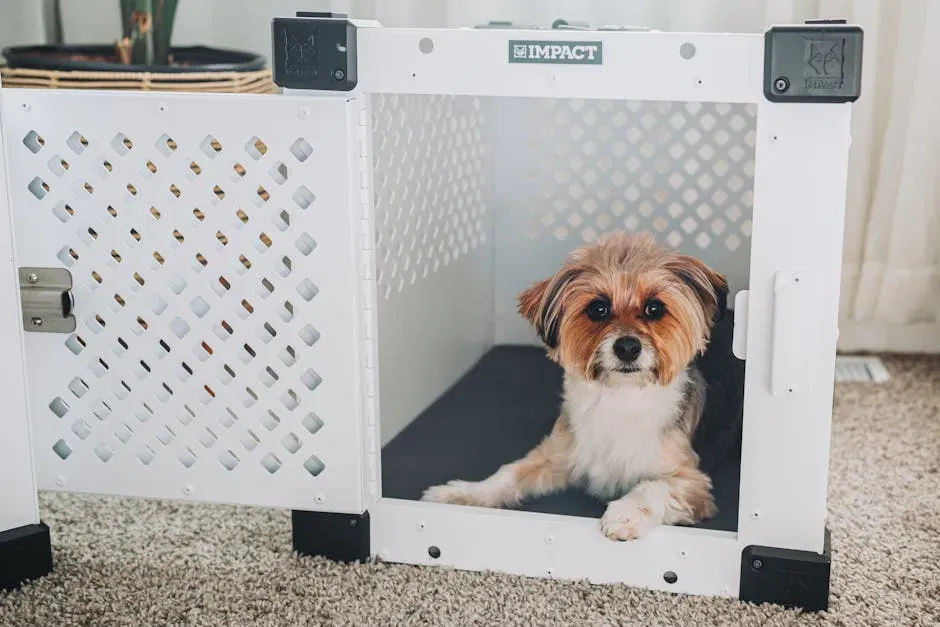
You could create a separate space away from excited children with a safety gate, or create a homely bed or crate for them to relax where they won’t get disturbed. A crate, done right, is not a punishment. It’s more like a dog’s version of a reading nook – cozy, familiar, and theirs.
Many dog owners opt for crate training, which creates a readily available safe space for your dog when he needs a calm place to escape to. The magic here is consistency. Put your dog in their crate routinely, and when company comes over for a meal or something disrupts the normal household flow, your dog will already be used to going to their crate. This creates a safe spot for them inside your home, especially if they are uncertain about new people. Think of it as giving your dog an exit strategy they can use whenever life gets too loud.
Routine and Enrichment: The Invisible Architecture of a Happy Dog Home
I think one of the most underrated things we can give our dogs is also one of the simplest: a predictable daily rhythm. No fancy toys required. No expensive supplements. Just structure. Dogs, much like small children, find enormous comfort in knowing what comes next.
Dogs thrive on routine. It can be stressful for your dog if you substantially change your routine, such as a new work schedule or a different walk or meal time. Something as minor as eating dinner two hours later than usual can genuinely throw a sensitive dog off balance. It sounds absurd, but it’s true.
Dogs need both physical and mental stimulation. A bored dog can often lead to a stressed, unfulfilled dog, especially in working breeds. A dog without a job or purpose can lead to them coming up with their own work, which often includes destructive habits or compulsive behaviors like excessive chewing or digging. That gnawed chair leg isn’t your dog being spiteful. It’s your dog creating their own enrichment program.
Puzzle toys are fantastic for engaging your dog’s brain, so pick a toy that hides treats or a puzzle feeder that makes mealtime more challenging. Chew toys will satisfy your dog’s natural chewing instincts, especially if you have a teething puppy. Rotate them regularly to keep things fresh – dogs, like us, get bored of the same thing every single day.
In general, keep your routine as consistent as possible with a predictable schedule. Your pup will feel a lot more at ease if he knows when to expect walks, meals, alone time, and quality time with you. This is honestly one of the most powerful and free tools in a dog owner’s arsenal.
Outdoor Safety and Emergency Preparedness: The Checklist Items Most People Skip
The inside of your home gets all the attention. The yard, the garage, the emergency plan? Usually an afterthought. Yet for many dogs, these are the spaces and scenarios where real harm happens fastest.
Gardens may contain hidden threats to pets’ health. Toxic plants and fertilizers like lilies, azaleas, and certain fertilizers can be dangerous if ingested. Sharp tools and equipment like lawn mowers, garden shears, and stakes should be stored safely. Uneven terrain including holes, rocks, or slippery slopes can cause sprains or fractures. The yard that looks perfectly harmless to you is, from a dog’s perspective, basically an obstacle course of potential disasters.
Water areas, while fun, can be hazardous for pets without precautions. Small or elderly pets may struggle in pools or ponds. Chemicals like chlorine and other pool treatments can irritate skin or cause poisoning. Safety barriers like fences, covers, or gates reduce accidental entry. If you have a pool, this section deserves immediate attention. No exceptions.
Prepare an emergency kit with three days worth of food and water, copies of vaccination records in waterproof storage, and recent photos of your dog for identification purposes. Research pet-friendly evacuation shelters and hotels in your area before you need them. Many emergency shelters don’t accept pets, making advance planning crucial for your family’s complete safety. This one most people skip entirely, until they need it. Don’t be that person.
Routine vet checkups help you catch potential health issues early. Make sure your dog is up-to-date on vaccinations, flea and tick preventatives, and heartworm medication. These aren’t just boxes to tick. They are the quiet, steady foundation of a long and healthy life for your dog.
A Final Thought: Your Home Tells Your Dog Who You Are
Here’s what I keep coming back to: your home is not just a building your dog lives in. It is the entire world your dog knows. Every corner, every smell, every routine – it all adds up to a message your dog receives, every single day. That message can say “you are safe here” or it can quietly, unintentionally say something very different.
The good news? You don’t have to overhaul your entire house or spend a fortune. Start with one room. Move one toxic plant. Secure one cabinet. Create one calm corner with a bed and a blanket. Small shifts, done with genuine love and intention, ripple outward in ways you’ll feel in your dog’s body language, their sleep, their wagging tail at the end of the day.
You already love your dog. Now it’s just about making sure your home loves them too. So, take a slow walk through your house today – not as yourself, but as your dog. What do you see? What would you change?