
10 Dog Breeds That Are Surprisingly Independent (And Still Love Cuddles!)
We’ve all heard the stereotype: dogs are clingy, needy, velcro-attached-to-your-leg creatures who will follow you to the bathroom just to make sure you haven’t disappeared forever. Honestly? For a lot of breeds, that’s totally true. But the dog world is gloriously complicated, and there exists a whole category of pups that break that mold entirely. These are the dogs that do their own thing, march to their own beat, and somehow still melt into a puddle of warmth the moment they decide you’ve earned a cuddle.
Dogs are often described as man’s best friend, but that doesn’t mean every dog prefers to constantly be at your side or in your lap. Some dogs are more reserved, seeking less attention from humans and preferring to spend some time by themselves. That’s not a flaw. It’s actually a fascinating trait that makes these breeds deeply unique and, if you understand them, incredibly rewarding companions. So let’s dive in, because what you’re about to discover might completely change how you think about “the independent dog.”
1. The Basenji: Africa’s Barkless, Cat-Like Wonder
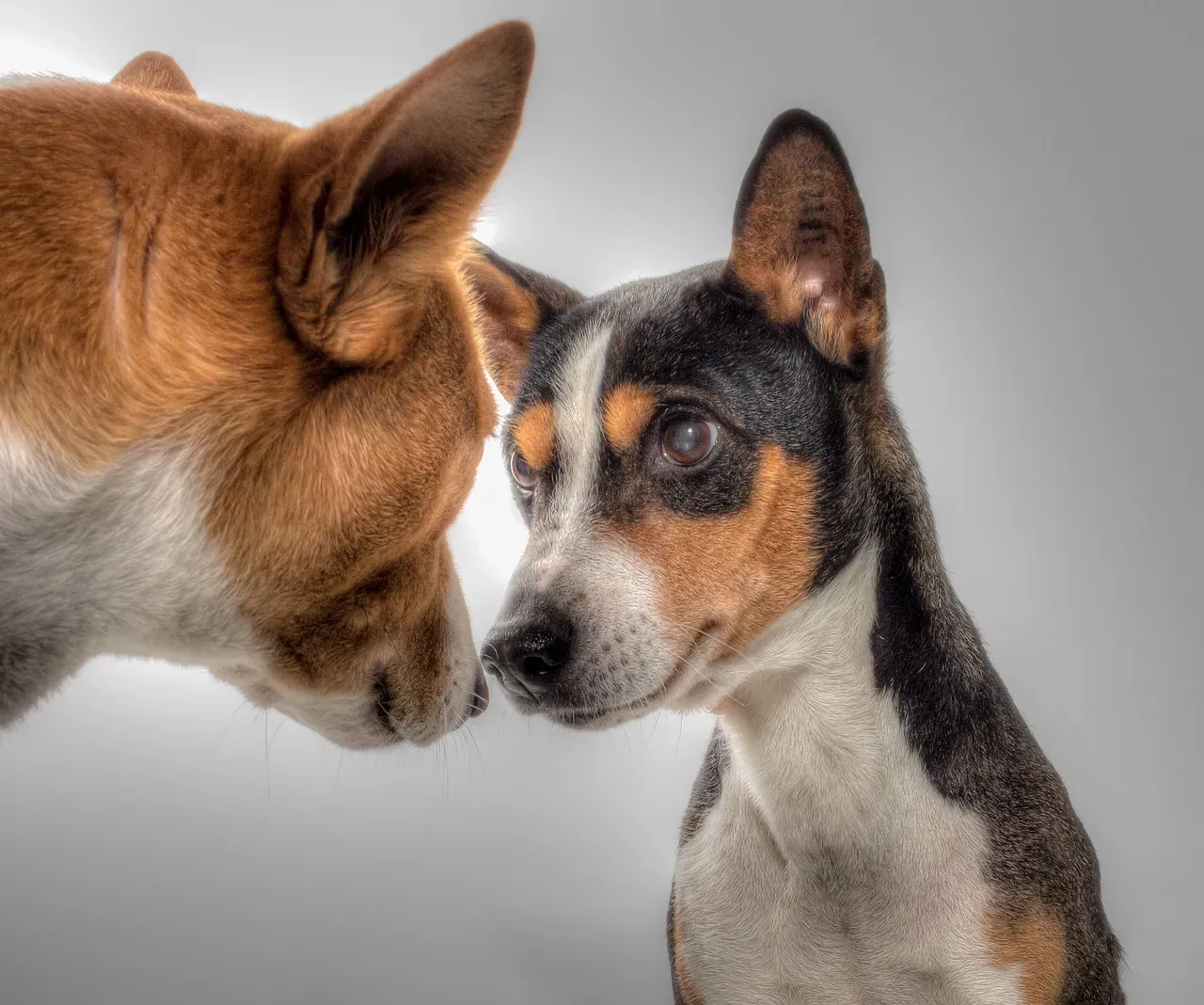
If you’ve never met a Basenji, prepare to have your dog expectations turned upside down. The independent Basenji is notorious for being quiet, and they’re often referred to as “the barkless dog.” These medium-sized pups are frequently described as having a catlike personality because of their aloof temperament, reserved nature, and tendency to groom themselves. Yes, they groom themselves. Like a cat. I know it sounds crazy, but it’s one hundred percent real.
The Basenji is known for being independent and sometimes stubborn, a trait that can be charming but also challenging when it comes to training. They are affectionate with their families, but they might not shower you with overt signs of love. Think of it this way: they’re like that friend who’s not big on hugs in public but will show up at your door with soup when you’re sick. The love is real. It’s just on their terms. Basenjis can make wonderful family dogs, especially for households with older children. These pups are affectionate and enjoy bonding with their humans, but their independent streak means they’re not overly clingy. Early socialization is key, and positive reinforcement works far better than repetitive commands with this brilliant, stubborn little soul.
2. The Shiba Inu: Japan’s Spirited, Foxy Free Spirit
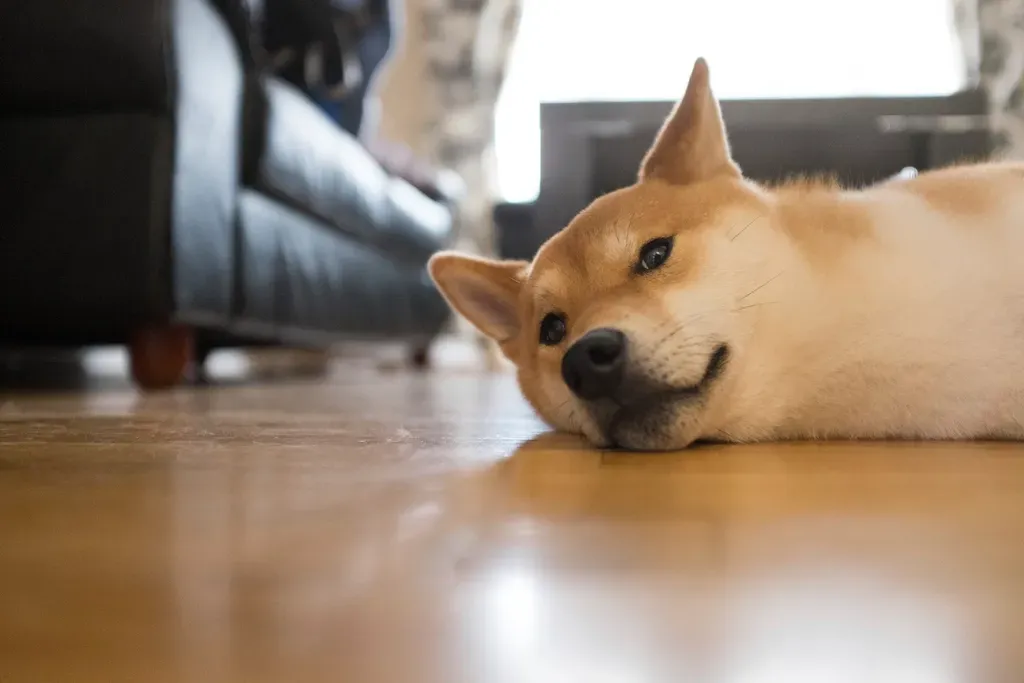
The Shiba Inu is considered an alert, affectionate, and independent breed with high intelligence but also somewhat stubborn and strong-willed. That combo, honestly, makes them one of the most captivating dogs you can own. They’re like a puzzle you never fully solve. One common trait Shibas share with cats is the love of personal space. Give them a sunny spot or a quiet corner, and they’ll happily spend hours there, just watching the world go by.
Shibas are independent and reserved with strangers, but with family, the breed is affectionate and loyal. These active, energetic dogs appreciate plenty of activity, and when they get it, they tend to be calm and well-mannered at home. Here’s the thing, though: a Shiba that isn’t getting enough mental stimulation can spiral into what owners affectionately call the “Shiba scream,” a truly ear-splitting sound of protest. Due to the high intelligence of the breed, it requires a lot of exercise and stimulation, and insufficient exercise may lead to anxiety and undesirable behaviours. Keep them busy, and you’ll earn their trust and their rare, precious cuddles.
3. The Akita: Japan’s Noble, Fiercely Loyal Guardian
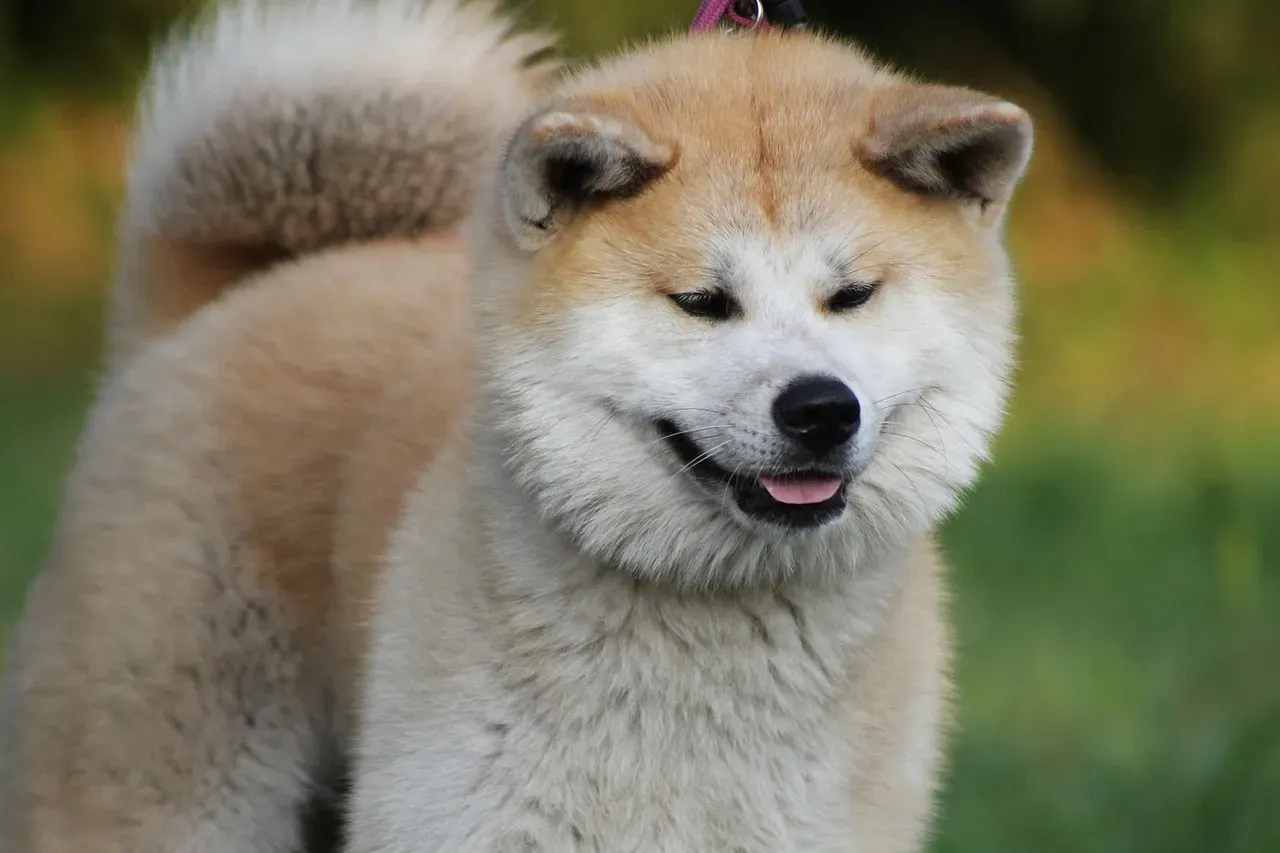
The Akita is a large and powerful breed known for its loyalty and independence. Originally bred in Japan for hunting and guarding, Akitas are incredibly self-sufficient. They carry themselves with a dignity that, let’s be real, puts most humans to shame. The Akita is both loyal and highly independent. It is very affectionate with its owner and forms a strong bond, but they are not your typical lap dog. They prefer to stay near you but do their own thing.
While Akitas form tight-knit bonds with their human family members, they are typically reserved or even uncomfortable around people they don’t know. Early and consistent socialization is important for this breed, which does best with experienced pet parents. Think of an Akita as a deeply loyal companion who just happens to have very high standards. Provide it with a firm but not stiff hand and you’ll get the most loyal dog imaginable. They need to bond with their human family, which they do through shared activities. You shouldn’t impose your will at all costs, but you shouldn’t be a pushover either. Find that balance, and an Akita will show you a warmth that feels genuinely earned.
4. The Afghan Hound: Regal, Elegant, and Gloriously Aloof
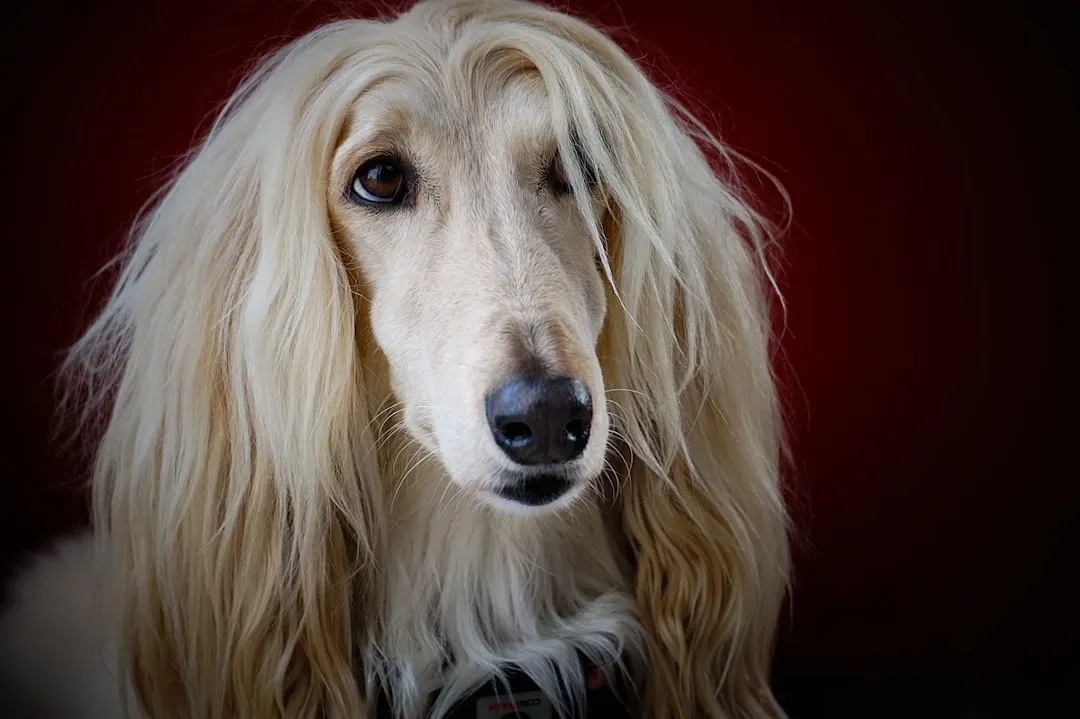
The Afghan Hound is, visually, one of the most breathtaking dogs on the planet. Flowing locks, dramatic bone structure, and a gaze that looks right through you. The Afghan Hound is a large, elegant sighthound originally used for hunting and coursing. They are one of the most ancient dog breeds still in existence, and they are aloof and dignified dogs that are relatively independent of their owners, but are known for being affectionate and clownish at times. Yes, clownish. That part surprises almost everyone.
The Afghan Hound is an elegant, quiet, and naturally reserved dog. The way they show affection to their owners is in a calm, understated way. They don’t constantly seek attention, but they are content being around their people in a peaceful, low-key way. Most of the time, they’re perfectly happy sitting nearby, observing rather than participating. It’s worth noting that their gorgeous coat needs serious grooming dedication. But for those who put in the work and patience, an Afghan Hound will reward you with a gentle, deep loyalty that is utterly unlike any other breed.
5. The Chow Chow: A Lion-Faced Dog With a Secret Soft Side
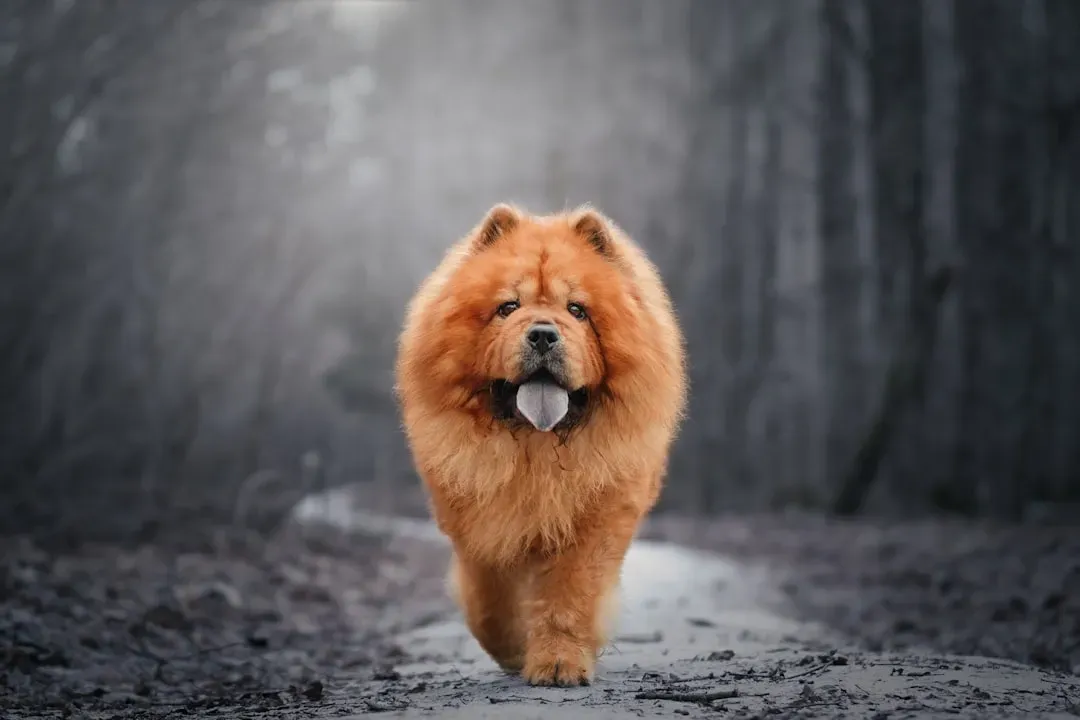
Chow Chows look like lion-bear hybrids, and they behave like emperors. Chow Chows are known for their distinctive lion-like appearance and aloof nature. This ancient breed, originating in China, was historically used for guarding and pulling carts, which required a degree of independence. Chow Chows are often described as cat-like in their behavior, preferring to do things on their own terms. That’s not rudeness. That’s just who they are.
Though independent, Chow Chows are loyal to their family and typically bond deeply to one person. Given their thick coat, Chow Chows may appreciate daily brushing sessions as a form of interaction. That’s a beautiful insight, actually. Brushing becomes bonding time. The Chow Chow has a slightly reserved personality. They bond well with one person and may stay distant with others. Unlike other social butterflies of the dog world, they don’t feel the need to constantly please people. They prefer peaceful environments and will happily sit and observe rather than join in. If you earn a Chow Chow’s trust, they will quietly, steadfastly love you for life.
6. The Greyhound: The World’s Fastest Couch Potato
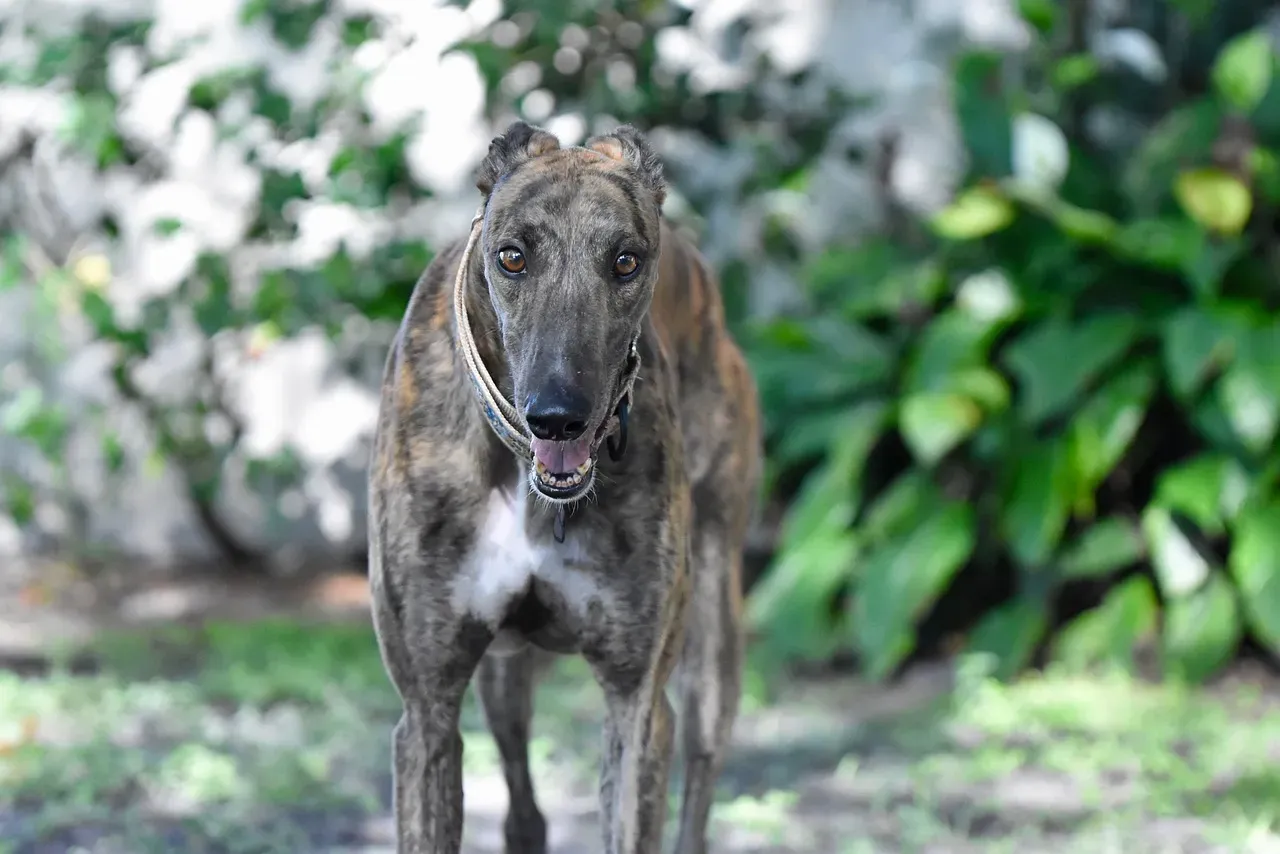
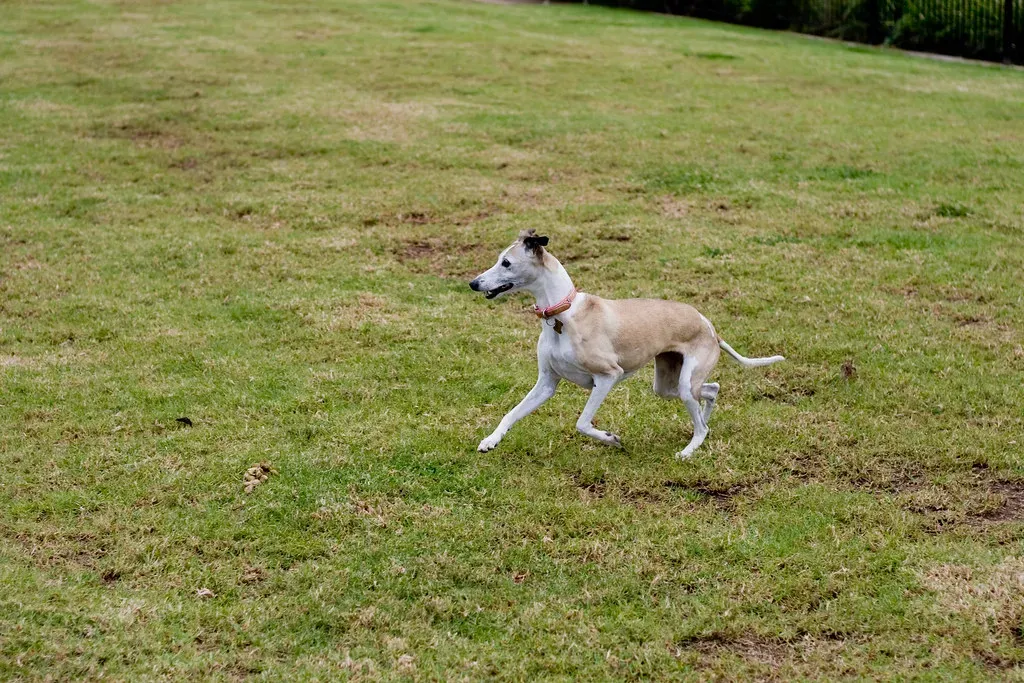
Here’s one that surprises nearly everyone. The Greyhound, the sleek racing machine built for blazing speed, is shockingly one of the most laid-back, independent, and cuddly dogs you can bring home. The Greyhound is probably the most well-known of the sighthounds and is an ancient breed originally used for hunting and racing. Despite their independent nature, they are very gentle dogs that are relatively lazy indoors, often considered couch-potatoes. A dog that runs at nearly 45 miles per hour but spends most of the day on the sofa. I love that for them.
Greyhounds may be built for speed, but they also enjoy plenty of relaxation time on the couch with their favorite humans. These sleek, graceful dogs are gentle, sweet-natured, and devoted to their families. Their independence shows up in a quietly dignified way. They enjoy affection but don’t constantly demand it, choosing to come to you when they want. Their laid-back nature and comfort-seeking make them comparable to cats. If you’re someone who appreciates a calm presence without constant demands, a retired racing Greyhound might honestly be your perfect match.
7. The Alaskan Malamute: Big, Bold, and Surprisingly Snuggly
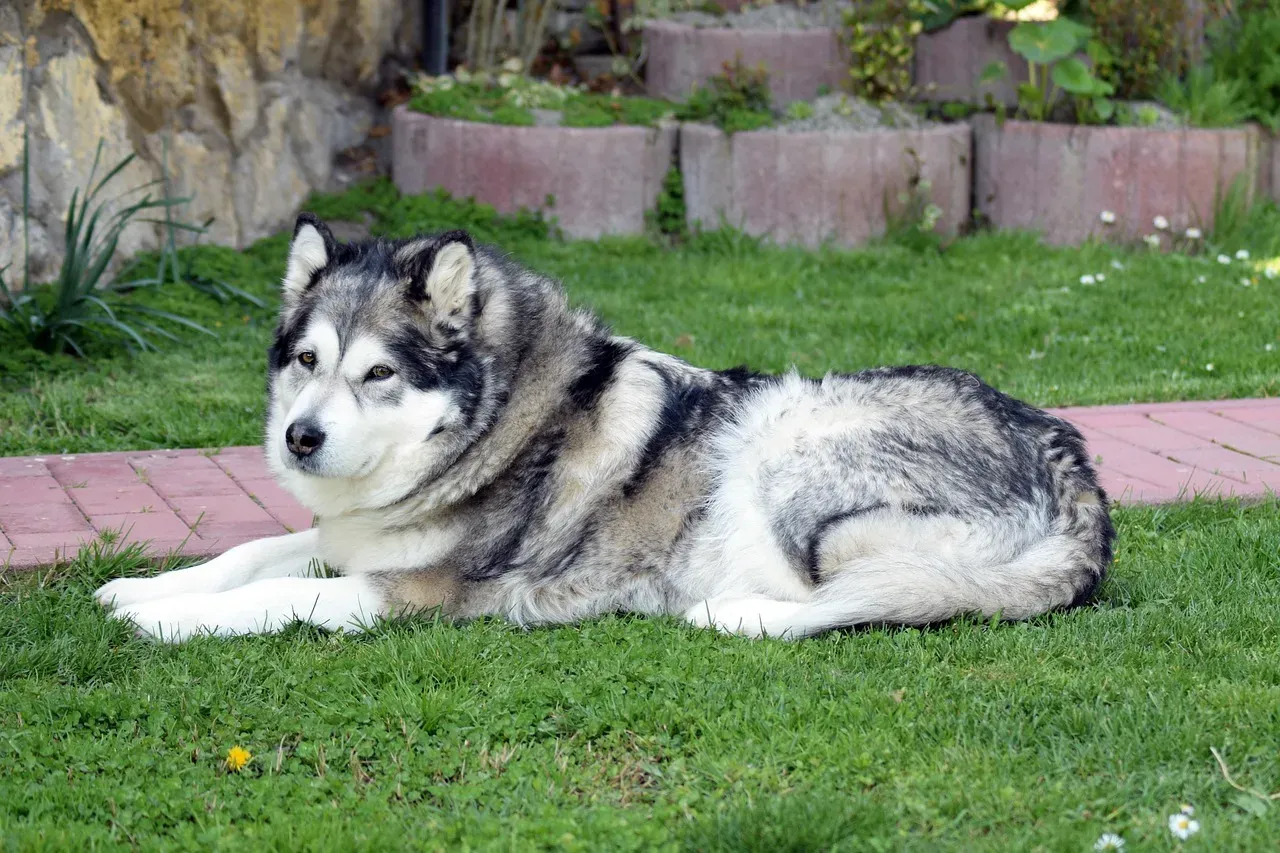
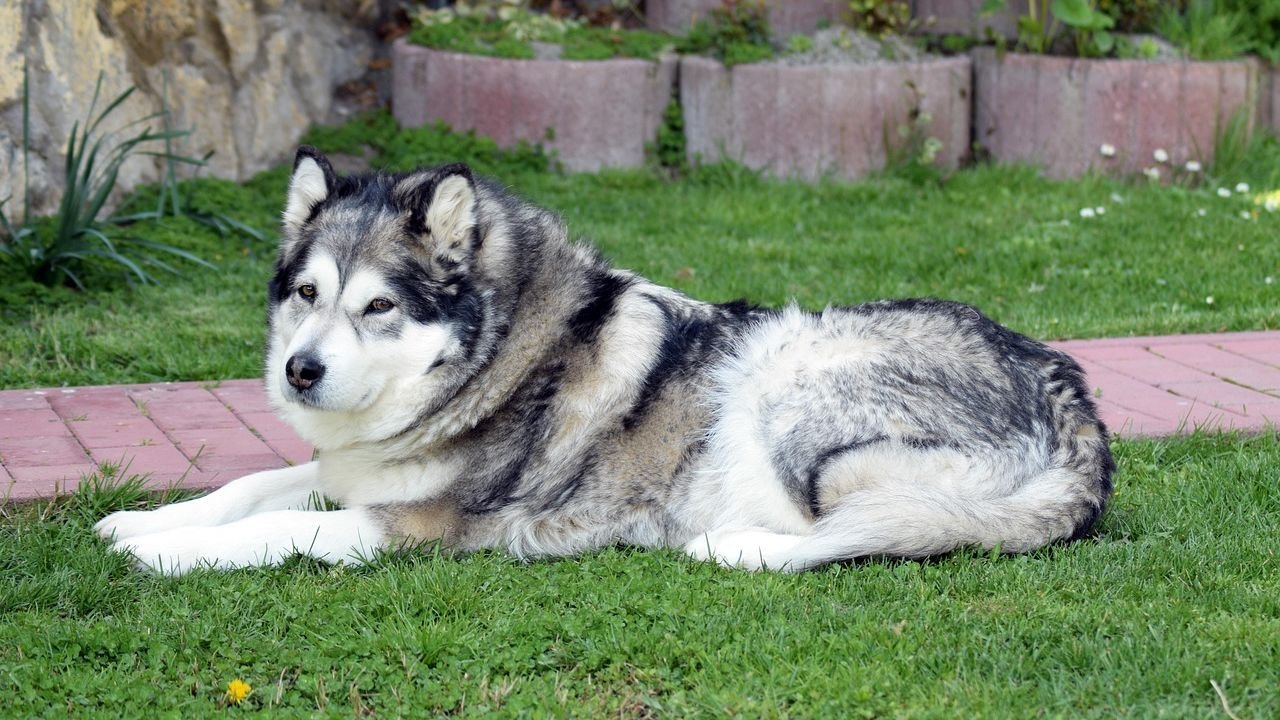
The Alaskan Malamute is the kind of dog that looks like it should be pulling a sled through a blizzard, not sitting on your lap. Yet, here we are. An immensely strong, heavy-duty worker of spitz type, the Alaskan Malamute is an affectionate, loyal, and playful but dignified dog. The key word there? Dignified. They have a distinct sense of self. Alaskan Malamutes are strong, hard-working dogs bred for pulling sleds in harsh Arctic conditions. Their history of working independently in teams has given them a self-reliant and confident temperament. While they are highly affectionate and loyal to their families, Malamutes also have an independent streak, often preferring to explore and think for themselves.
Malamutes are very loyal and friendly, and just love a good cuddle, but there can be times where they can be independent and want to go and do their own thing. Most of the time they want company, and can be prone to separation anxiety when left alone. So while they absolutely need space to be themselves, they genuinely crave your warmth too. Malamutes are super smart and respond well to training but need to have a confident handler. They will get easily bored, so training exercises need to be changed up regularly while still staying consistent with commands. Keep training fun and varied, and you’ll have a devoted gentle giant on your hands.
8. The Shar Pei: Wrinkles, Wisdom, and Quiet Devotion
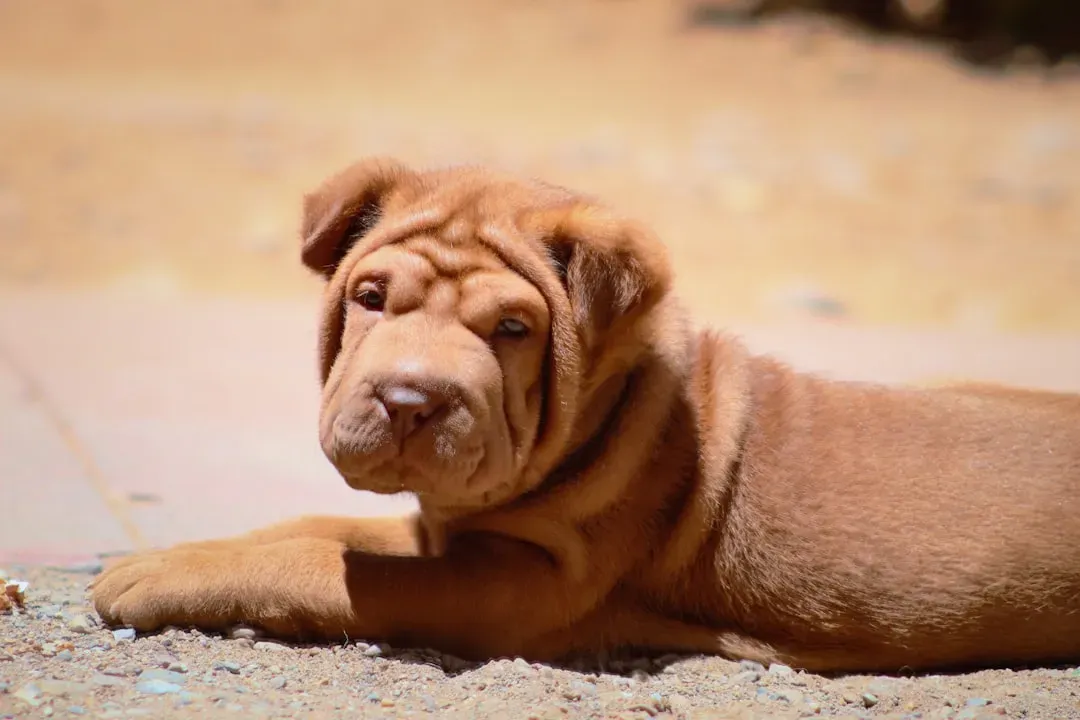
One look at a Shar Pei, with those magnificent rolling wrinkles and that deeply serious expression, and you immediately understand that this is a dog that does not do anything on anyone else’s schedule. Shar Peis are known for their wrinkly skin and unique blue-black tongue, but they’re also famous for their independent and sometimes standoffish personality. This breed originated in China, where they were used for guarding and hunting, which contributed to their self-sufficient temperament.
The Shar Pei is a Chinese dog notable for its excessive wrinkles and prickly fur. Originally used as guard dogs, they are suspicious of strangers and are loyal to but independent of their owners. Early training and socialization is especially important in this breed to avoid aggression problems later. That last part is critical. Start early, stay consistent, and the payoff is enormous. Shar Peis are known for being quite clean and low-maintenance when it comes to grooming habits. Their independent mindset and selective affection often remind people of cats. When a Shar Pei chooses to curl up next to you of their own free will, it’s one of the most genuinely touching moments in dog ownership.
9. The Scottish Terrier: Small Dog, Big Personality, Absolute Boss
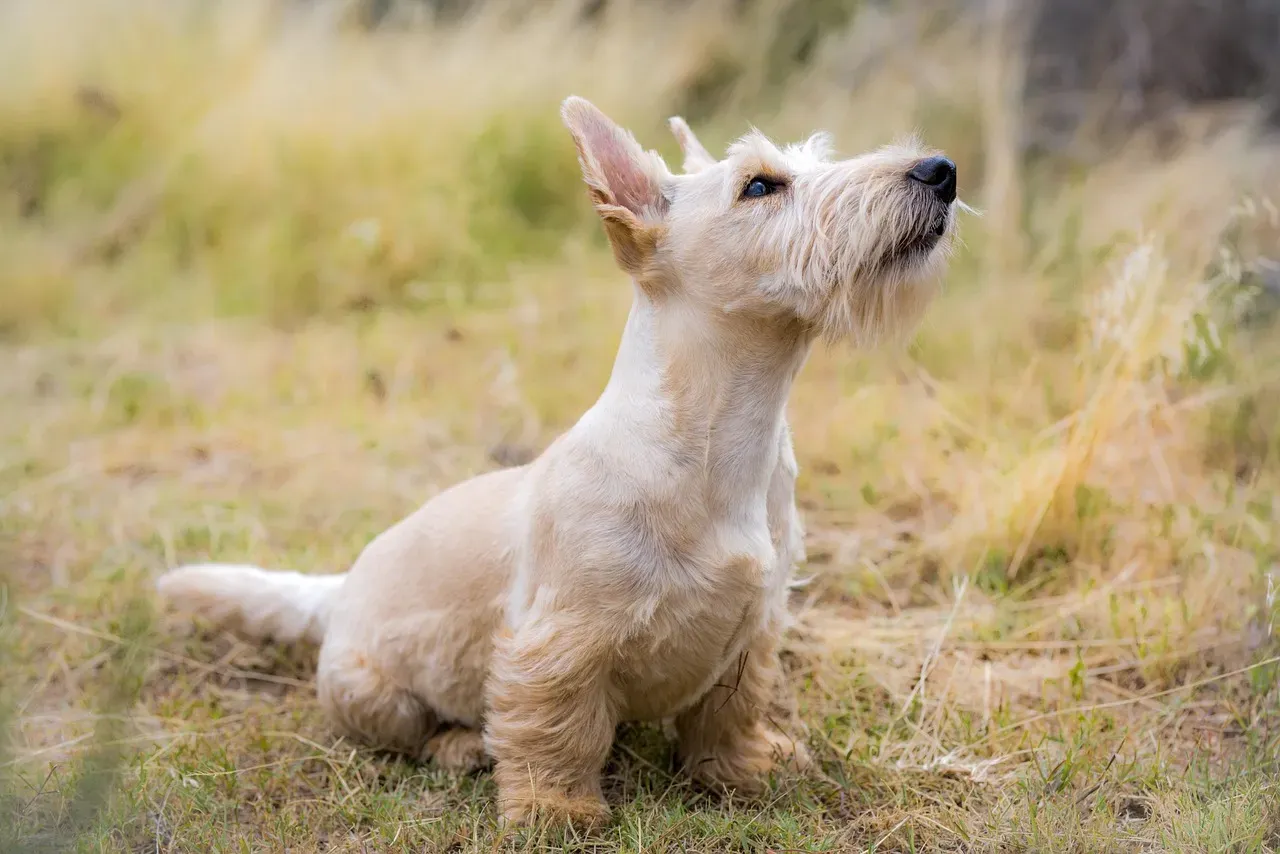
Don’t let the compact size fool you for even a second. The Scottish Terrier, or Scottie, has enough personality and independent spirit to fill a room ten times its size. The Scottish Terrier is a popular little dog that, true to its terrier heritage, is relatively independent and strong-willed. They are small but sturdy, territorial and energetic dogs that are not often the best choice for a novice handler. Honestly, they know what they want, and they’re going to get it.
Yet beneath that famously stubborn exterior lives a fiercely loyal and surprisingly affectionate dog. Scotties bond intensely with their family. An independent dog is comfortable and confident without constant interaction from a human companion. The Irish Wolfhound, for example, has a calm temperament that makes the dog adaptable to many situations. Like other independent breeds, Scotties show love on their own timeline. They may not beg for cuddles, but they will absolutely plant themselves beside you on the couch after a long day. Prevention tip worth noting: Scotties can be prone to a condition called Scottie Cramp, a hereditary muscle disorder, so regular vet checkups and awareness of their health history are genuinely important for this breed.
10. The Alaskan/Siberian Husky: Dramatic, Devoted, and Delightfully Stubborn
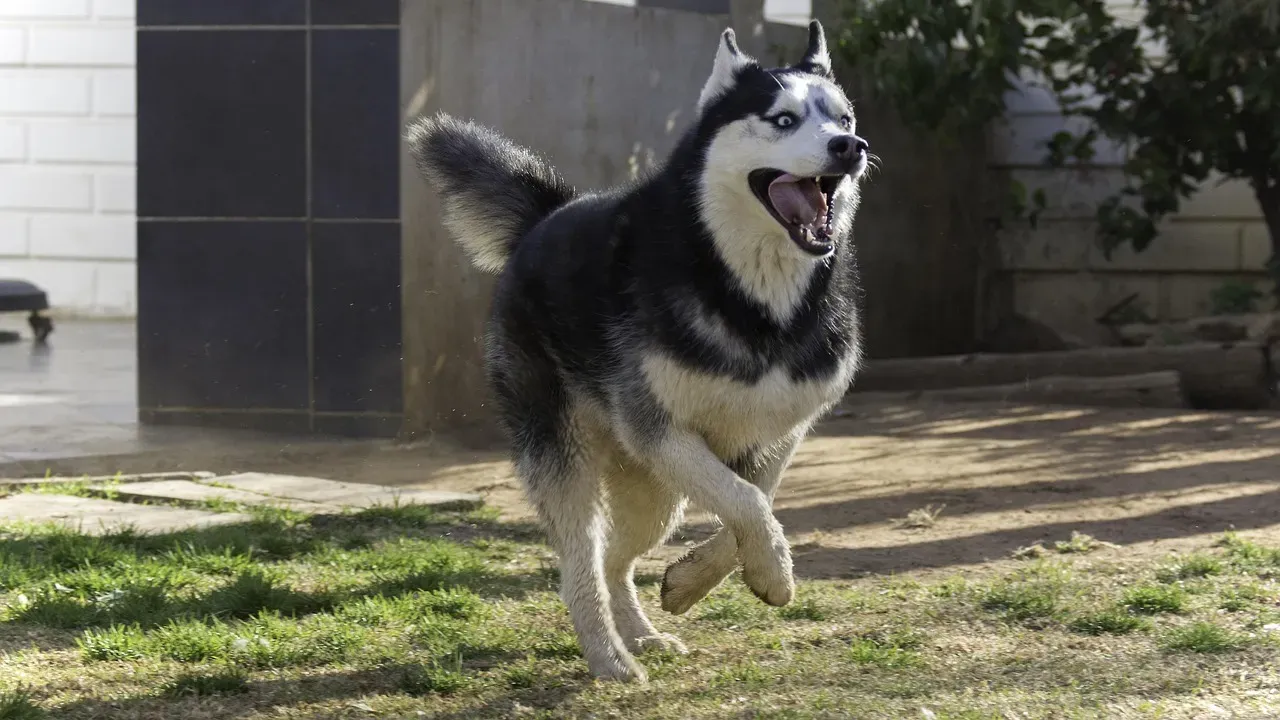
The Siberian Husky is possibly the most theatrical dog on earth. These dogs will look you dead in the eye and howl their displeasure with operatic commitment. Although bred to pull sleds in packs, the Siberian Husky is an independent and intelligent breed that has adapted well to life in the far north. They exhibit primitive behavior, are very active, and are known for being excellent escape artists. That last part, escape artist, is not a joke. A secure yard is non-negotiable with this breed.
Here’s what makes them wonderful despite all that independence: they are unbelievably pack-oriented and loving. Independent dogs have love and loyalty to give, they just might express it differently than other dog breeds. For example, they might prefer to lie in the corner while you’re watching TV on the couch instead of cuddling up next to you. That’s the Husky in a nutshell. They may not cuddle conventionally, but they will follow you from room to room, sleep near you, and show affection in their own hilariously dramatic ways. No dog, including independent dog breeds, should be left alone constantly, as this can lead to anxiety and behavior issues. Every pet relies on you to fulfill their needs, so be prepared to give your dog the daily time and attention necessary for a happy, healthy, and well-adjusted pet. Huskies especially need mental stimulation and vigorous daily exercise to thrive.
Understanding and Embracing Your Independent Dog: A Final Thought
If there’s one thing I hope this article leaves you with, it’s this: independence in a dog is not a sign of indifference. It’s a sign of a confident, self-assured personality. Independent dog breeds still need daily care, attention, and affection, and they shouldn’t be left alone for long periods. Remember that every dog is an individual with their own unique personality. The cuddles are there. They’re just earned, not given freely, and honestly? That makes them feel even more special.
Dogs who bond deeply with their humans tend to be sensitive, emotionally tuned in, and very connected to daily life with their people. That closeness is a gift, but it can also mean owners notice changes quickly when something feels off. Pay attention to behavioral shifts, drops in affection, or withdrawal in any of these breeds. These can be early health signals. While genetics and nature play an important role in a dog’s temperament, it is also how you raise a dog that determines how they turn out. So meet them where they are, love them on their terms, and they will give you everything they have.
Which of these independent breeds surprised you most? Drop your thoughts in the comments below – we’d love to know if you share your home with one of these wonderfully self-sufficient souls!