
7 Simple Yet Effective Ways to Build a Deeper Bond with Your Canine
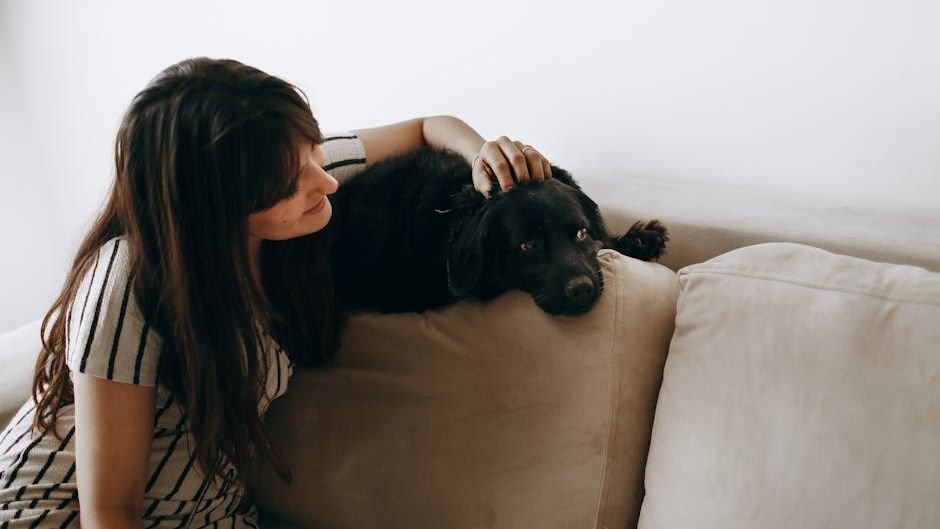
There’s something almost magical about the moment your dog looks up at you with those warm, trusting eyes and sighs contentedly. It’s not just adorable. It’s science. The bond between dogs and humans isn’t just emotional – it’s deeply rooted in biology and psychology, and recent scientific research reveals powerful insights into how dogs think, feel, and form bonds. Honestly, knowing that makes the whole relationship feel even more extraordinary.
The human-dog bond is the foundation of your entire relationship with your dog. It’s based on respect, care, trust, and love – and once formed, it usually exists for life. Yet so many dog owners wonder if they’re doing enough. Are they being present enough? Are they truly connecting? If any of those questions ring a bell, you’re in exactly the right place. Let’s dive in.
Learn to Speak Dog: Understanding Body Language First
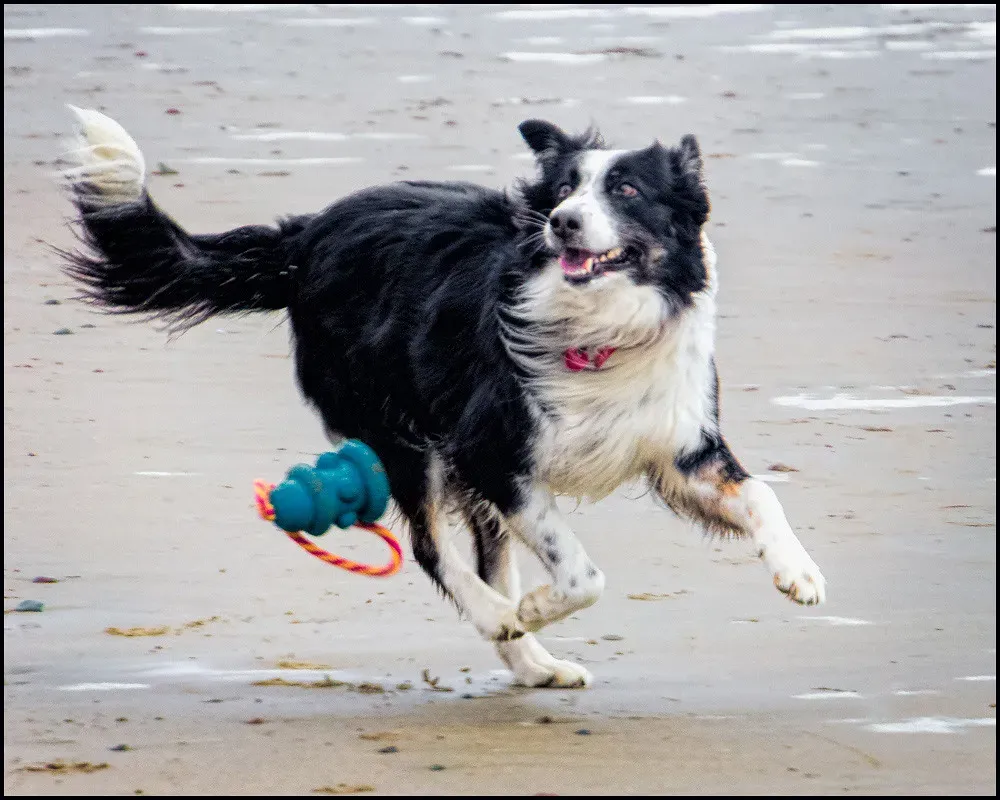
Here’s the thing – your dog is talking to you all the time. The problem is most of us weren’t taught how to listen. Understanding your dog’s body language is one of the most powerful ways to strengthen your bond. Dogs communicate how they feel through their posture, tail movements, ears, eyes, and overall behavior. Once you start tuning in, everything shifts.
Think about it like learning a new language. At first, it’s confusing. Then the meaning starts clicking, and suddenly conversations open up. A confident and alert dog holds their ears forward, head up, and tail up. When a dog has their ears turned to the side, head lowered, avoids eye contact, and has their tail lowered or tucked between their legs, they are conveying a message of fear, anxiety, and potentially stress. Catch these signals early and you can prevent a lot of discomfort for your pup.
Watch for signals like yawning, lip licking, or turning away – these often mean your dog is feeling overwhelmed. These are subtle cues that are easy to miss if you’re distracted. Vocalizations such as growling and barking shouldn’t immediately be considered aggressive behavior. They are behaviors on a continuum of communication. Dogs may bark in greeting, excitement, or caution. Growling should be interpreted as an indication of the dog’s discomfort, and the pet parent should stop what they are doing and give the dog more space. Respect those boundaries and your dog’s trust in you will grow enormously.
Make Touch Count: The Power of Mindful Physical Connection
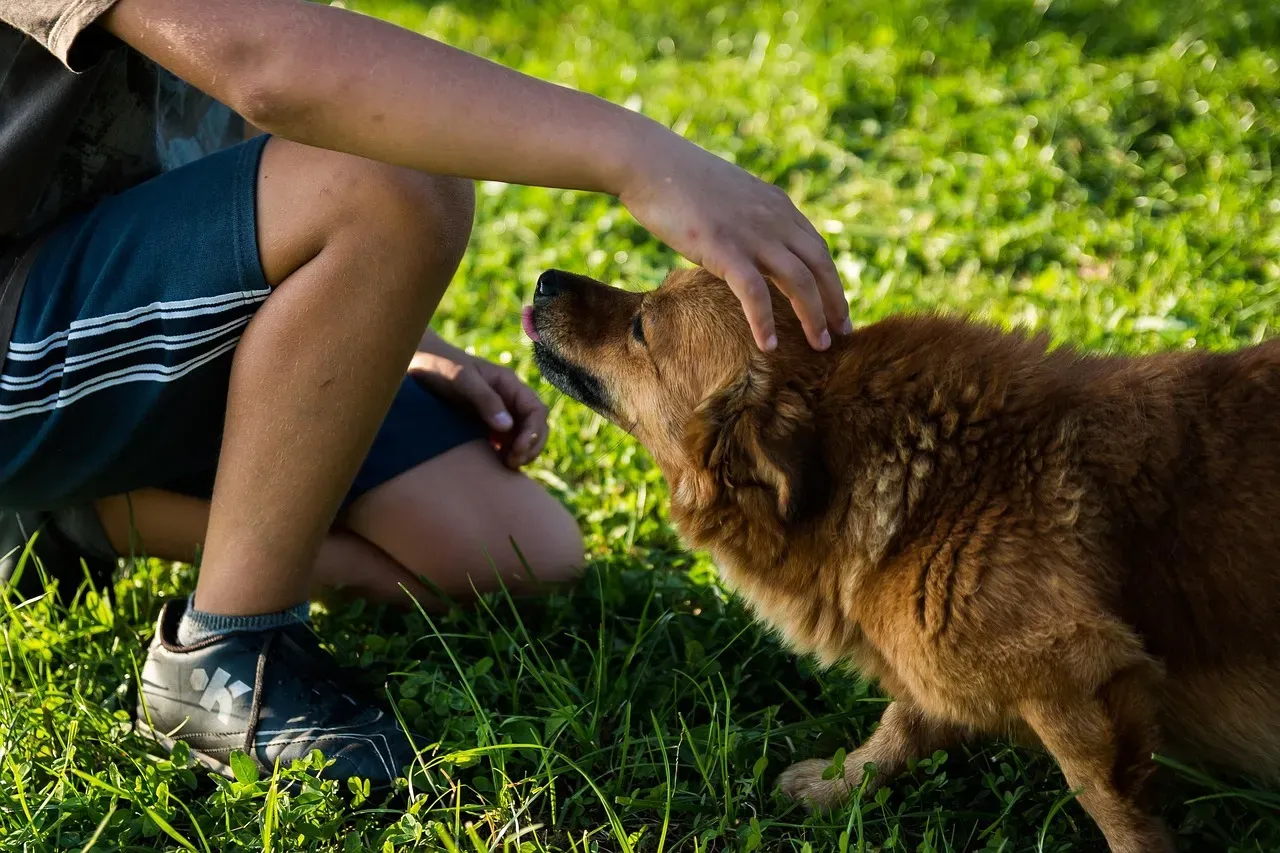
Not all petting is created equal. There’s a difference between an absent-minded head pat while scrolling your phone and a genuine, intentional moment of connection through touch. Touch plays a crucial role in strengthening bonds. Studies have shown that activities like brushing, petting, or cuddling your dog increase oxytocin levels (the “love hormone”) in both dogs and humans, fostering trust and emotional connection. That’s a real biochemical shift happening in both of you.
Take time to learn how your dog likes to be handled. Some love belly rubs, while others prefer ear scratches or just being near you. Respecting those individual preferences is a form of care in itself. Grooming a dog can strengthen the human-animal bond if it’s done right and makes your dog feel good. For example, brushing your dog’s coat two or three times a week removes dirt, debris, and loose fur, and it can be very soothing to many dogs.
Practicing cooperative care and touching with your dog from a young age will also set you up for success in the future for vet appointments, grooming, or emergencies. Think of it as an investment. Every gentle, positive touch experience is a deposit in the trust bank. Over time, that bank account gets rich.
Train Together, Grow Together: Positive Reinforcement as a Bonding Tool
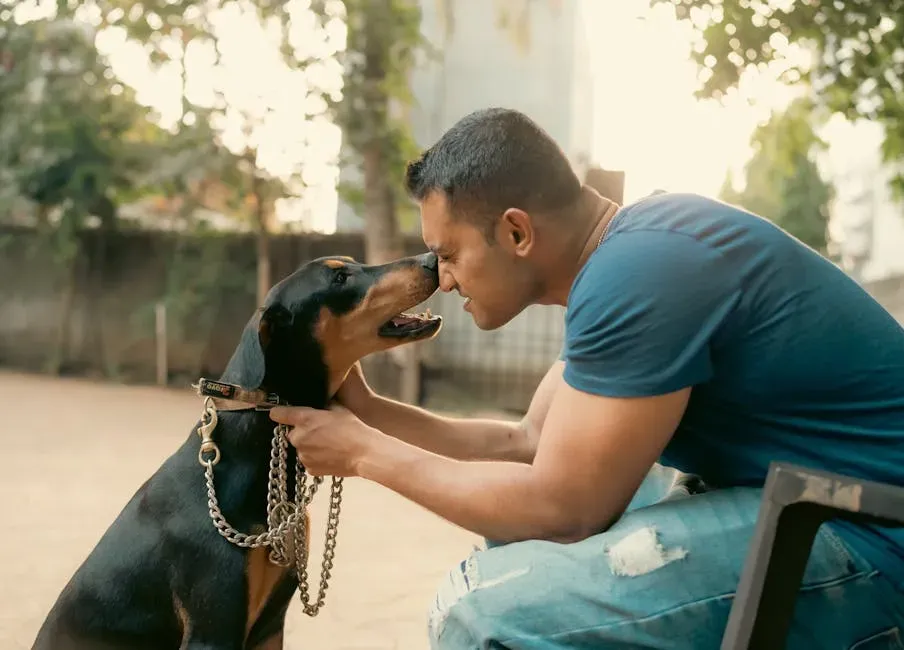
Training often gets treated like a chore – something you do to fix behavior problems. But I think that’s completely backwards. Training your dog using positive reinforcement is not only effective, but it’s also a relationship builder. Rewarding good behavior with treats, praise, or playtime reinforces your bond and creates a safe space for learning. It’s less about control and more about building a shared language.
The use of positive reinforcement training methods builds up a dog’s confidence and trust in their pet parents. Conversely, using punitive techniques and tools, such as spraying your dog with water when they bark, can increase a dog’s fear and anxiety and even lead to aggressive behavior toward the pet parent and family members. Fear is the opposite of connection. Always.
Behavioral experts widely agree that bond plays a vital role in training. Dogs that are well bonded to their owner learn faster and are overall much easier to train. Learning a new trick or activity stimulates your dog’s mind and enhances communication, and studies confirm that training is most effective when it’s fun, helping your dog associate learning with positive interactions with you. Keep sessions short, upbeat, and rewarding for both of you.
Play Like You Mean It: Why Playtime Is Serious Business
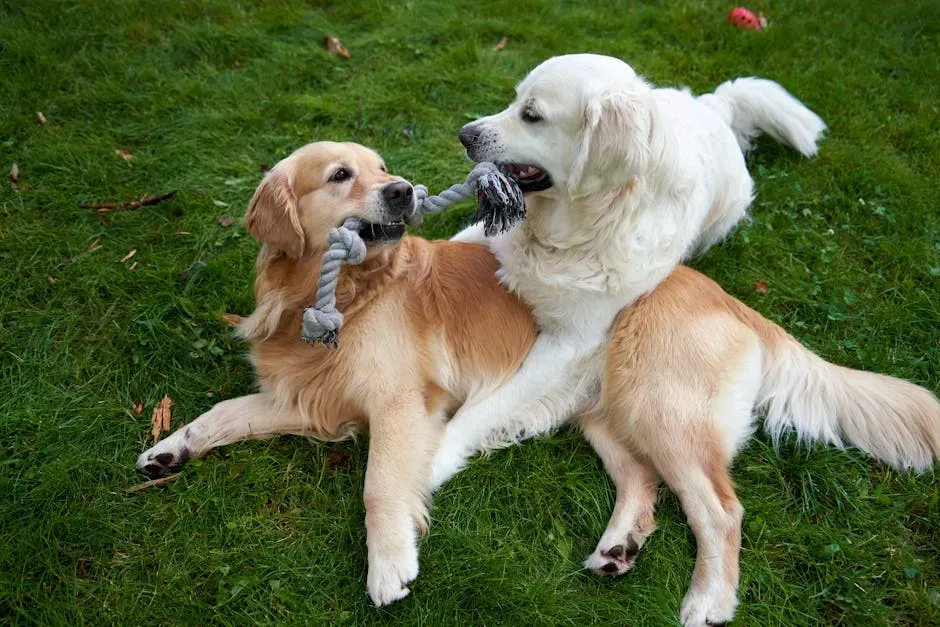
Okay, I know “serious playtime” sounds contradictory. Bear with me. Dogs naturally bond through play. Playtime isn’t just fun – it’s biologically vital for strengthening bonds and building trust. A study from the University of Bristol found that play significantly improved the quality of the dog-human relationship. So when you throw that tennis ball, you’re literally building your relationship.
Play is one of the most joyful bonding tools you have. It’s more than just exercise – it’s a chance for your dog to see you as a source of fun and safety. Interactive play also releases dopamine and oxytocin for both of you. These feel-good chemicals strengthen the emotional memory your dog builds with you. That’s not just a warm feeling. That’s neurochemistry at work.
Interactive games like fetch, tug-of-war, or hide-and-seek aren’t just fun – they’re scientifically proven to build trust and improve your dog’s confidence. Figure out what your dog’s favorite activity is and engage with them fully. Actively participate in fetch or tug-of-war and your dog will feed off your excitement. Your energy is contagious. Use it well.
Be Predictable: The Underrated Magic of Routine
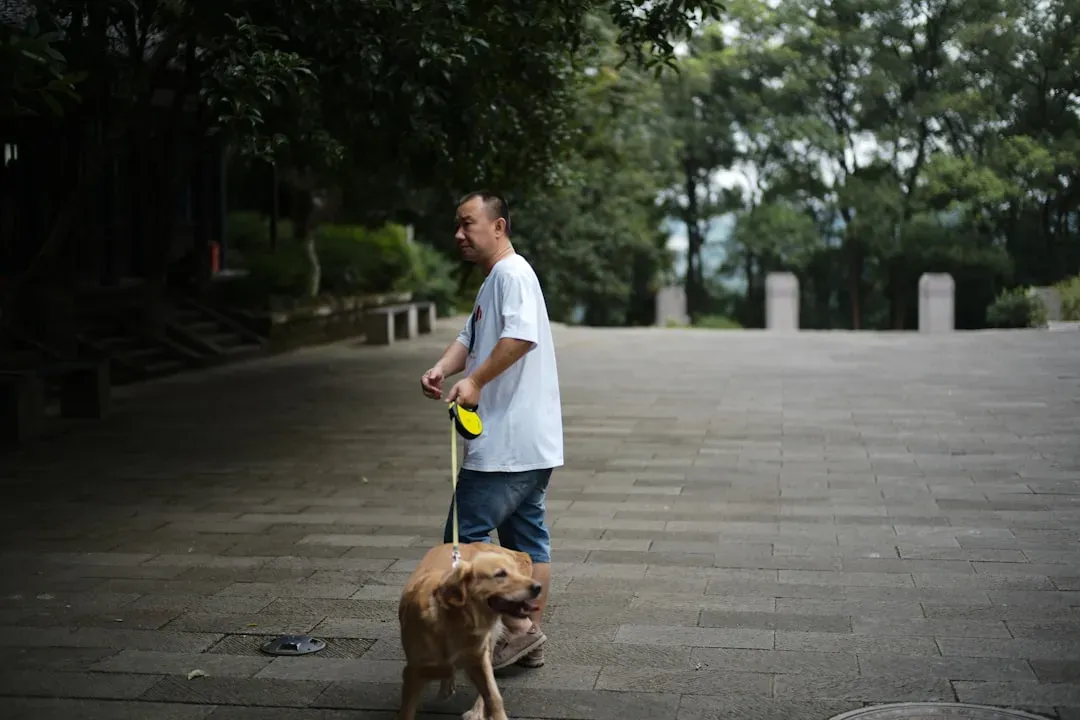
If there’s one bonding strategy that gets wildly underestimated, it’s consistency. Dogs aren’t just creatures of habit out of stubbornness – they’re wired for it emotionally. Dogs thrive on routines, which provide a sense of security and predictability. Research shows that dogs with consistent routines exhibit less anxiety and have better behavioral outcomes. Consistency in daily activities, including feeding, walking, playing, and bedtime, can dramatically enhance your dog’s emotional security.
Imagine this: a child who never knows when dinner is, when bedtime is, or when a parent will be home. That uncertainty creates anxiety. Dogs aren’t so different. Predictable mealtimes, walks, play, and rest help your dog feel safe and secure, especially if they’re new to your home. When your pup feels safe and like they can count on you to follow through with their routine, it’ll be easier for them to trust you. A consistent schedule also reduces anxiety and can make it easier to train your dog.
Dogs crave routine and predictability. Just like humans feel safer when life is steady, dogs depend on consistency to feel calm and confident. Whether it’s regular mealtimes or a predictable bedtime ritual, your steady presence and structured care tell your dog they can trust you – and that trust is the foundation of every lasting bond. It’s honestly one of the most loving things you can do.
Give Your Full Presence: Put the Phone Down and Just Be There
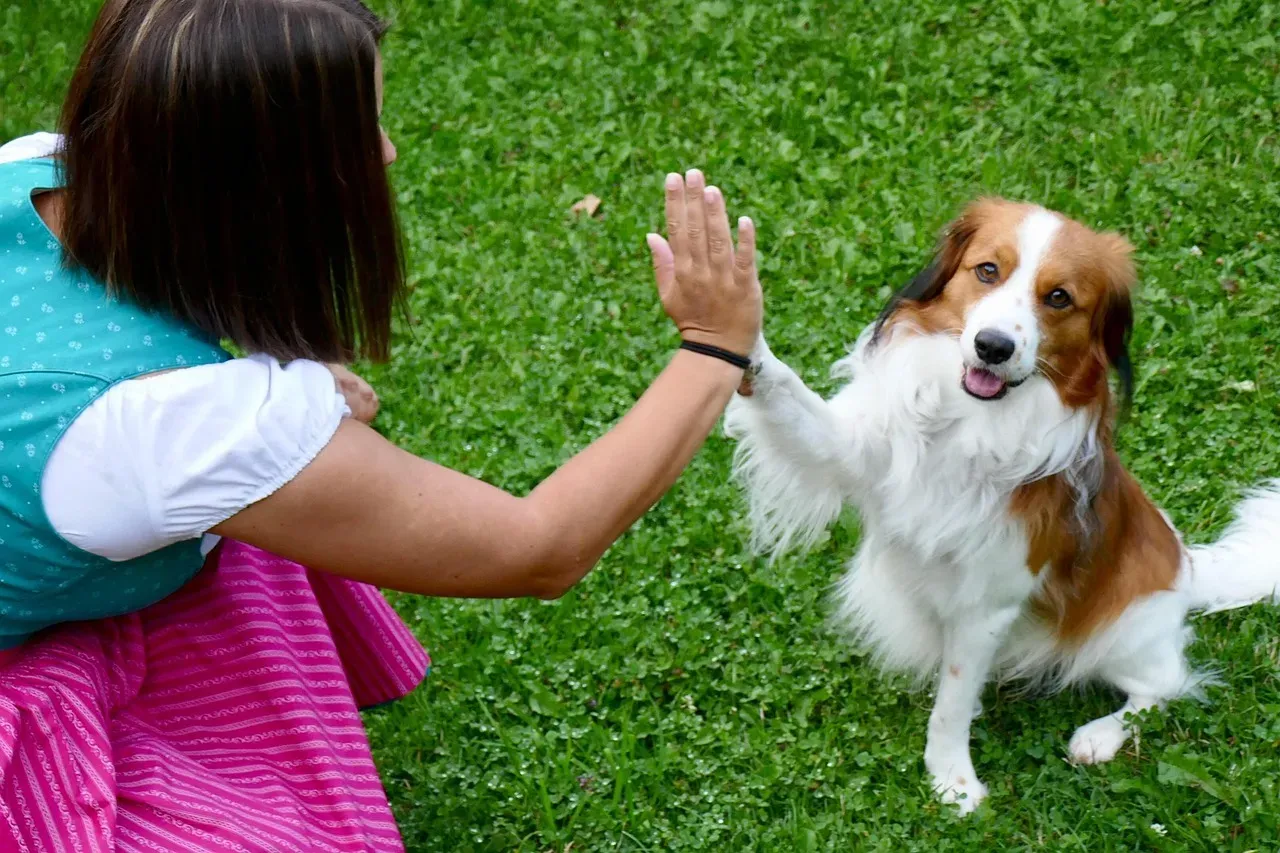
We live in the most distracted era in human history. Notifications pinging, screens glowing, minds racing. Your dog doesn’t care about any of that. They just want you. Really you. Giving your dog your undivided attention – that means not looking at your phone or watching TV – for just a few minutes a day can have a powerful positive impact on your bond.
Dogs live in the moment – and they notice when you do too. They don’t care if you’ve had a long day or if the house is messy. What they care about is your attention, your energy, and your willingness to share space with them fully. That’s why even a few undistracted minutes can mean the world to your pup – it’s not about how much time, but how meaningful it is.
Many pet parents underestimate how much their energy affects their dog. When you’re anxious, your dog can absorb that stress. So the next time you sit with your dog, breathe. Soften. Let yourself actually be there. You’ll both feel the difference. Spending time with your dog – beyond walks and feeding – is so important for growing your relationship. It sounds almost too simple. But it works.
Advocate for Your Dog: Be Their Safe Person in Every Situation
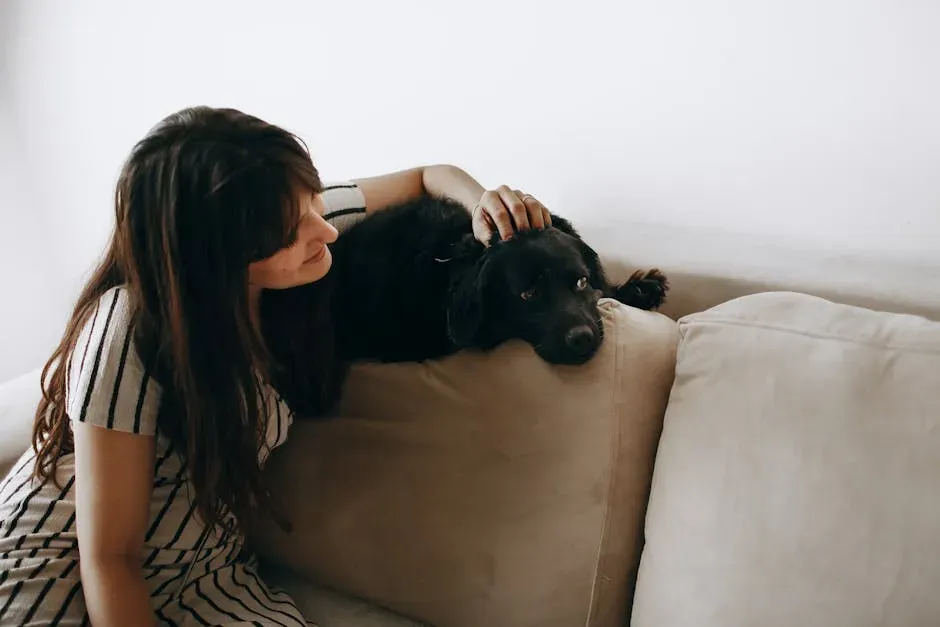
This one hits differently, honestly. Bonding isn’t just about fun moments. It’s about showing your dog they can rely on you when the world feels scary or overwhelming. Advocate for your dog in new or stressful situations, and don’t force them into uncomfortable interactions with people or other animals. Pay attention to what makes your dog uneasy, and step in to protect their emotional and physical wellbeing.
Picture walking your dog when a stranger rushes over to pet them uninvited. Your dog presses against your leg, tail low, eyes wide. Most owners say yes out of social politeness. If a stranger approaches you and your dog while on a walk and your pup appears uncomfortable, don’t be afraid to say no if they ask to pet your pup. That “no” is an act of love. It tells your dog: I see you. I’ve got you.
Dogs develop attachment bonds with humans that allow them to interact securely with their environment in the presence of the owner and show less distress in response to threatening events. For rescue dogs and dogs with a history of fear or abuse, bonding may take several months. They may need extra time, patience, and consistency to learn that people are safe. Be that person. Be their safe harbor, not just their owner.
Conclusion: The Bond You Build Is the Life You Share
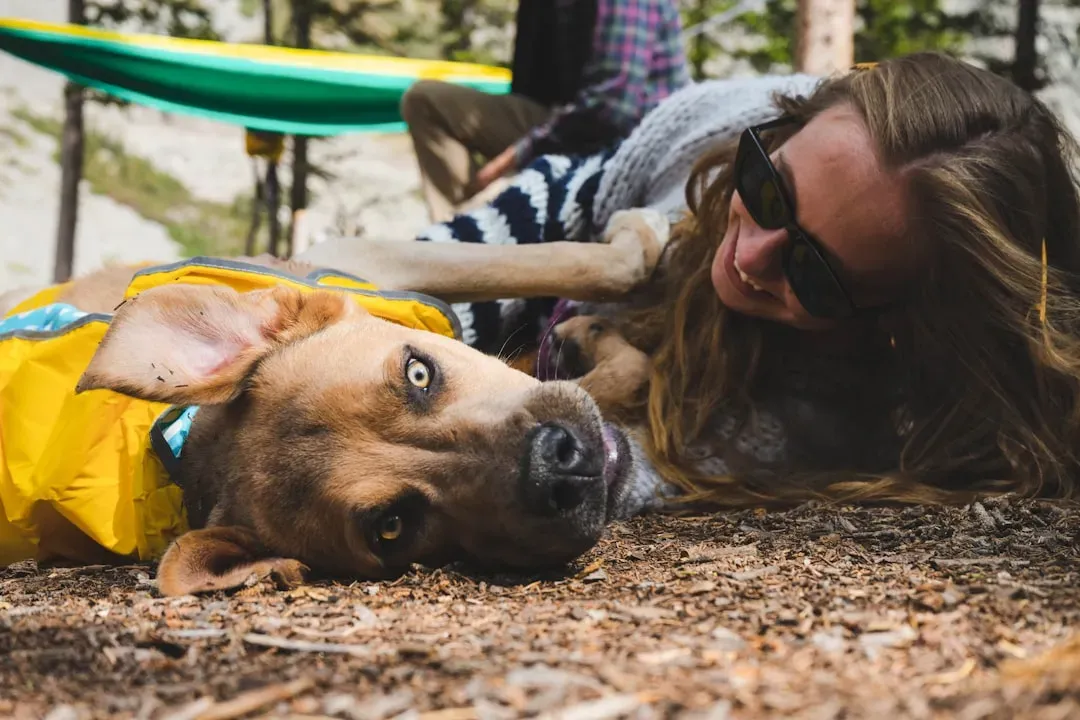
Here’s the real truth about bonding with your dog: it’s not one grand gesture. It’s not an expensive toy or an elaborate adventure trip. It’s the ten thousand small moments – the calm morning routine, the patient training session, the hand that reaches down during a thunderstorm. The strongest dog-human bonds aren’t formed in a single day. They emerge from repetition, attention, kindness, and being present even when life gets busy.
A well-bonded dog is happier, more confident, and often healthier overall. The bond between you and your dog is built on trust, communication, and love. By understanding their language, training with kindness, and showing up every day as their advocate and friend, you’ll create a connection that lasts a lifetime. That’s not just good pet ownership. That’s something beautiful.
Start with one thing today. Just one. Maybe it’s putting your phone away during the evening walk, or getting on the floor to play properly, or finally learning what that tucked tail really means. Your dog is already offering you their whole heart. The question is – how fully are you offering yours back? What do you think? Drop your experience in the comments and let’s talk about it.