
10 Quiet Activities to Keep Your Senior Dog Happy and Engaged Indoors
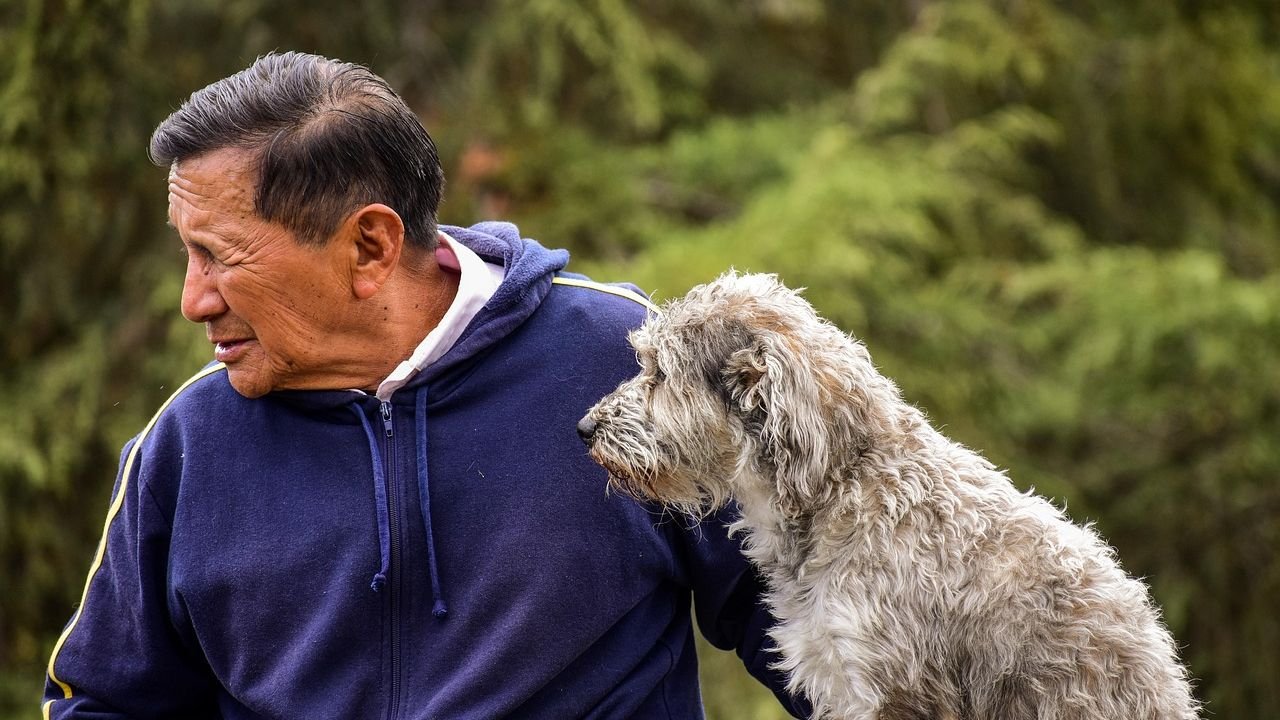
There’s a moment every dog owner dreads. You toss the ball across the yard, and your faithful companion just watches it roll. No sprint. No bark. Just a slow wag of the tail and a look that says, “I love you, but not today.” That moment, honestly, hits different. It’s not defeat. It’s the beginning of a whole new chapter, one that asks you to love your dog in a smarter, gentler, more intentional way.
As our beloved canine companions enter their golden years, they may sleep more or show less interest in activities they once loved. The good news? Your senior dog’s need for connection, stimulation, and joy has not gone anywhere. It’s simply shifted. The goal is finding the right balance that keeps your dog’s mind engaged while respecting their changing body. Let’s dive into ten quiet, vet-friendly, genuinely fun indoor activities that will make your senior dog’s tail wag with purpose again.
1. Puzzle Toys and Brain Games: The Indoor Mental Workout
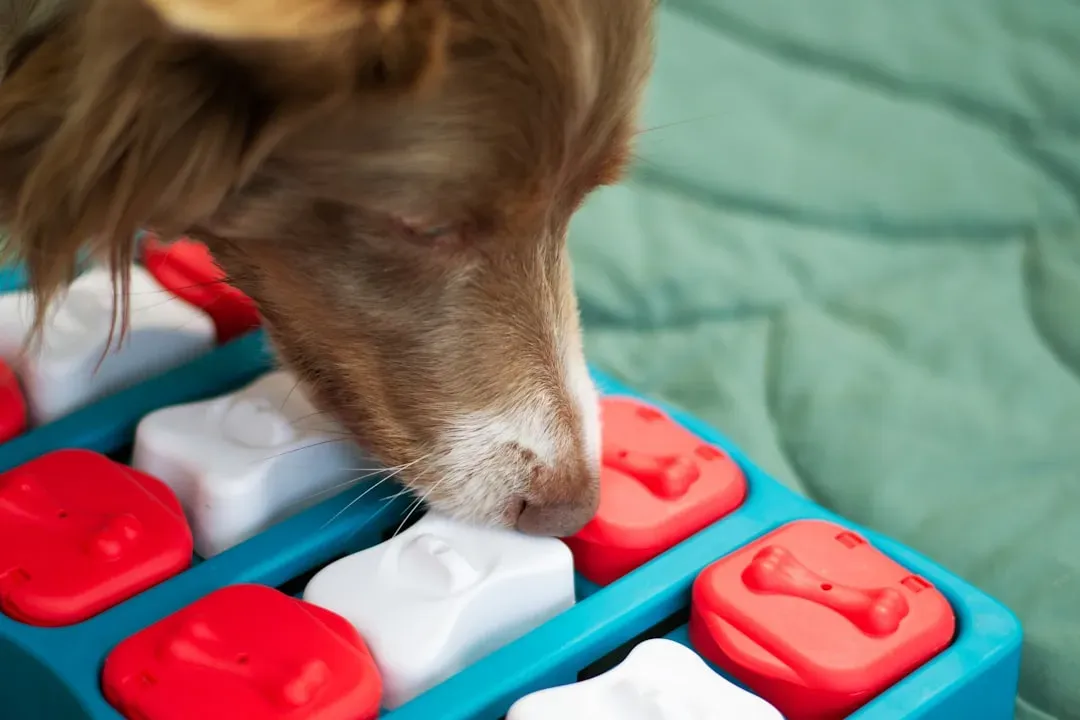
Think of puzzle toys as your dog’s version of a morning crossword. They sit still, they think, and they get rewarded. It’s brilliant, really. Puzzle toys and games help provide mental stimulation as dogs work to solve puzzles to find and earn treats hidden inside, and some of these puzzles also provide physical activity by encouraging movement. That’s a win on two fronts without a single sprint required.
Puzzle toys are especially great for senior dogs who can’t do much walking or must be confined to smaller areas due to issues like incontinence or blindness, and these toys provide mental stimulation that can be enjoyed while lying down. So if your pup has bad hips or tires easily, there is genuinely no barrier here. Start with the easiest puzzle level, and work up slowly to keep frustration low and satisfaction high.
Some dogs enjoy challenging toys, while others need simple ones involving only licking and chewing. Pay attention to your dog’s response. If they give up quickly or seem stressed, drop back a level. The point is joyful engagement, not frustration. A lick mat smeared with a small amount of peanut butter or plain yogurt works beautifully for dogs who need the gentlest form of mental focus.
2. Indoor Nose Work and Scent Games: Unleash the Superpower
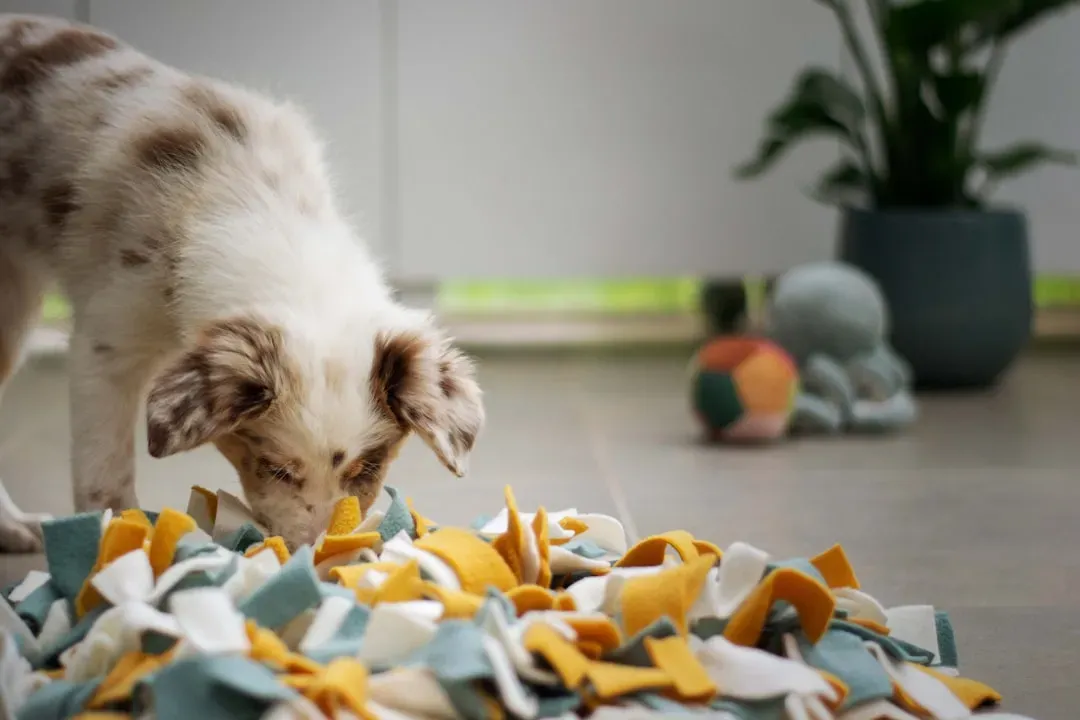
Here’s a fact that still amazes me: a dog’s sense of smell is estimated to be tens of thousands of times more powerful than a human’s. And yet, so many of us never tap into that extraordinary ability indoors. Nose work is essentially hide-and-seek for treats, and your senior dog will go absolutely wild for it. Even 16 and 17-year-old dogs compete in scent competitions. No running or jumping. They just use their marvelous nose.
You can hide treats inside a snuffle mat or around the house for your dog to find. Scent games are especially helpful for dogs with arthritis because they do not require running or jumping. Start simple. Place a treat under one of three cups and let your dog sniff out the right one. Gradually increase the hiding spots. Scent work is easy to train and practice at home, and scent sports can be mentally and physically exhausting, so your dog will often nap after these workouts. That post-game nap? That’s a sign of a deeply satisfied dog.
3. Gentle Trick Training: Yes, Old Dogs CAN Learn New Tricks
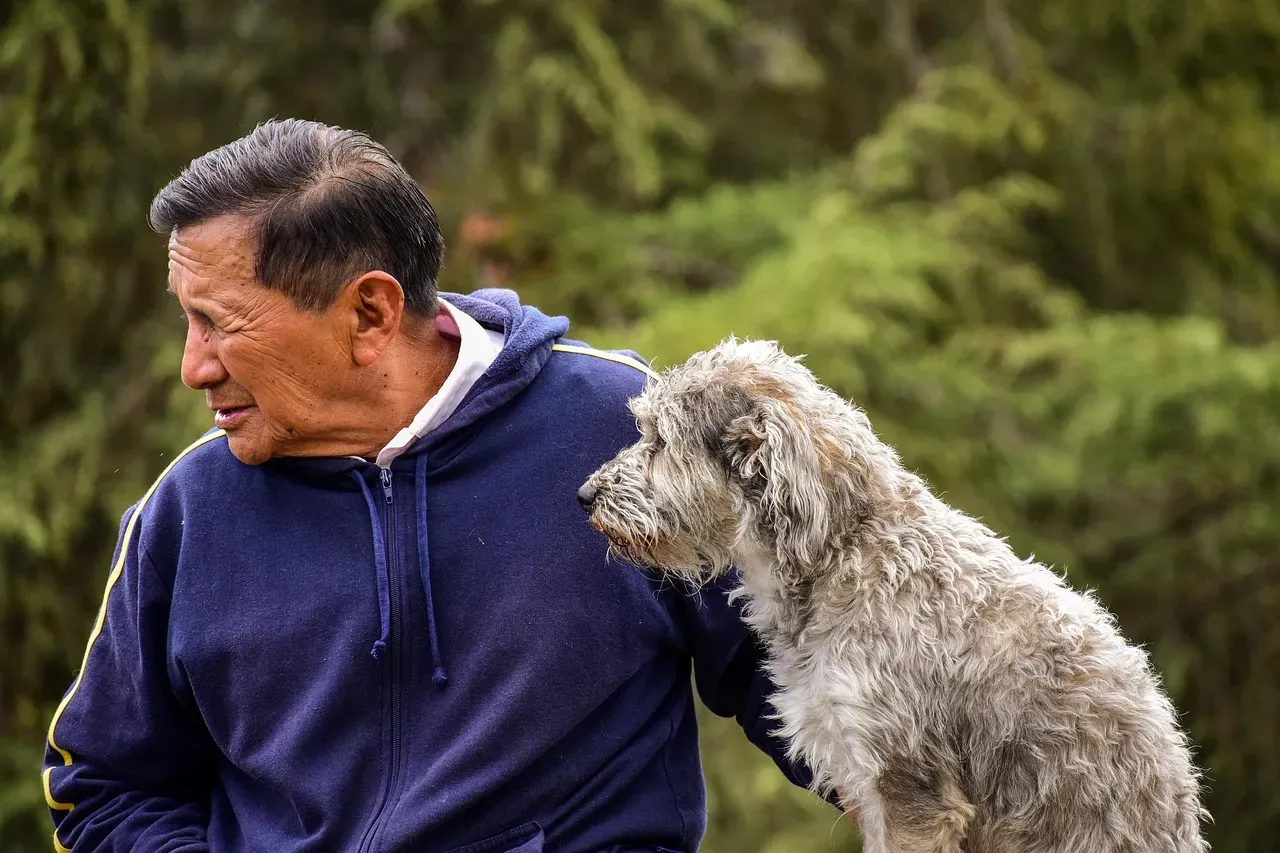
I know, I know. You’ve heard “you can’t teach an old dog new tricks” your entire life. It’s wrong. Contrary to common belief, older dogs can be ideal candidates for learning new tricks due to their heightened focus and attentiveness, attributes that often surpass those exhibited during their puppy years. Honestly, some senior dogs are more patient and tuned-in to their humans than ever before.
Practice old commands and slowly add in a few new ones to provide simple exercise and mental stimulation. Go at a slow pace and avoid tricks that may put excessive pressure on the joints or muscles. Offer plenty of positive reinforcement with praise and treats to make it an even better experience for your elderly pooch. Keep sessions short. Five to ten minutes is genuinely enough. The process of training aging dogs not only imparts new abilities but also instills a sense of accomplishment, fostering confidence in them. That confidence is priceless, especially as your dog navigates the uncertainty that comes with an aging body.
4. Snuffle Mats: Mealtime as Mental Enrichment
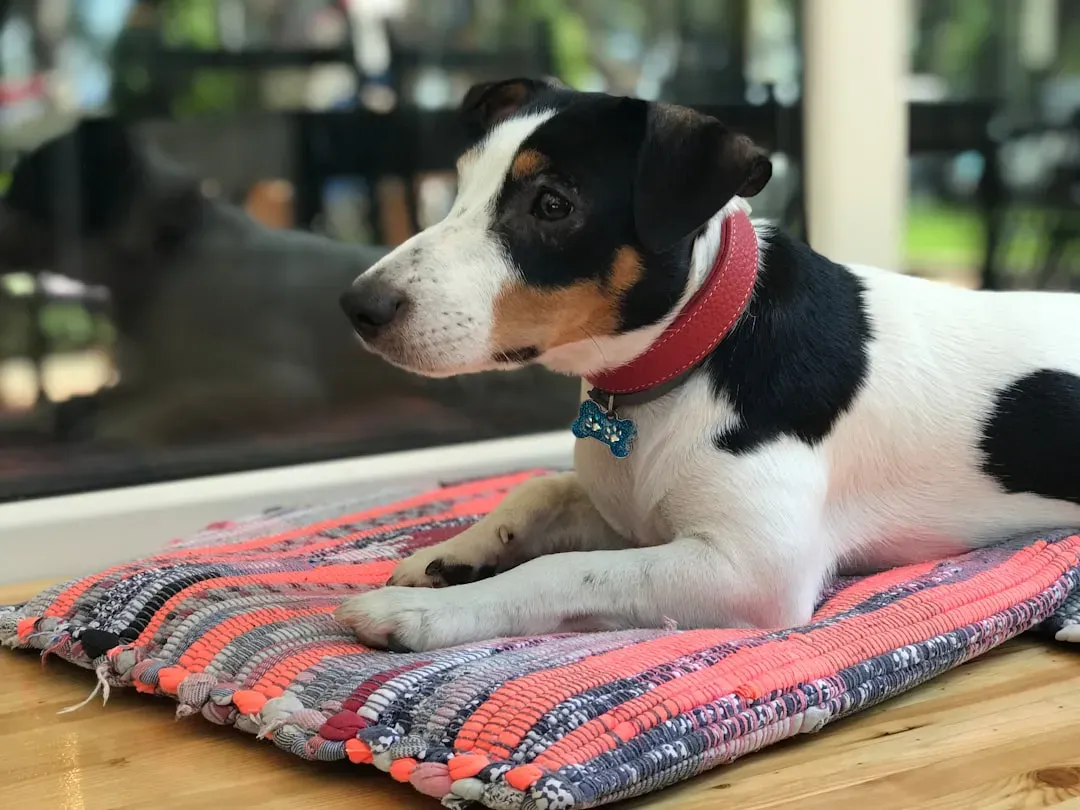
What if feeding time could double as brain training? Enter the snuffle mat, one of the simplest and most underrated tools for senior dog enrichment. Snuffle mats involve finding treats where dogs search through mats with various textures and types of fabric to find their tasty snacks. These mats provide mental stimulation as well as offer new sensory experiences. It’s low effort for you and high reward for them.
Instead of dropping a bowl of kibble on the floor and walking away, scatter the meal into the snuffle mat. Your senior dog will work through the fibers using their nose, slowing down eating and activating their brain at the same time. Instead of feeding from a regular bowl, use a slow feeder or treat-dispensing toy. This also helps dogs who gulp their food too quickly, which can become more of an issue in older dogs with sensitive digestive systems.
5. Gentle Massage and Bonding Touch: Healing Through Connection
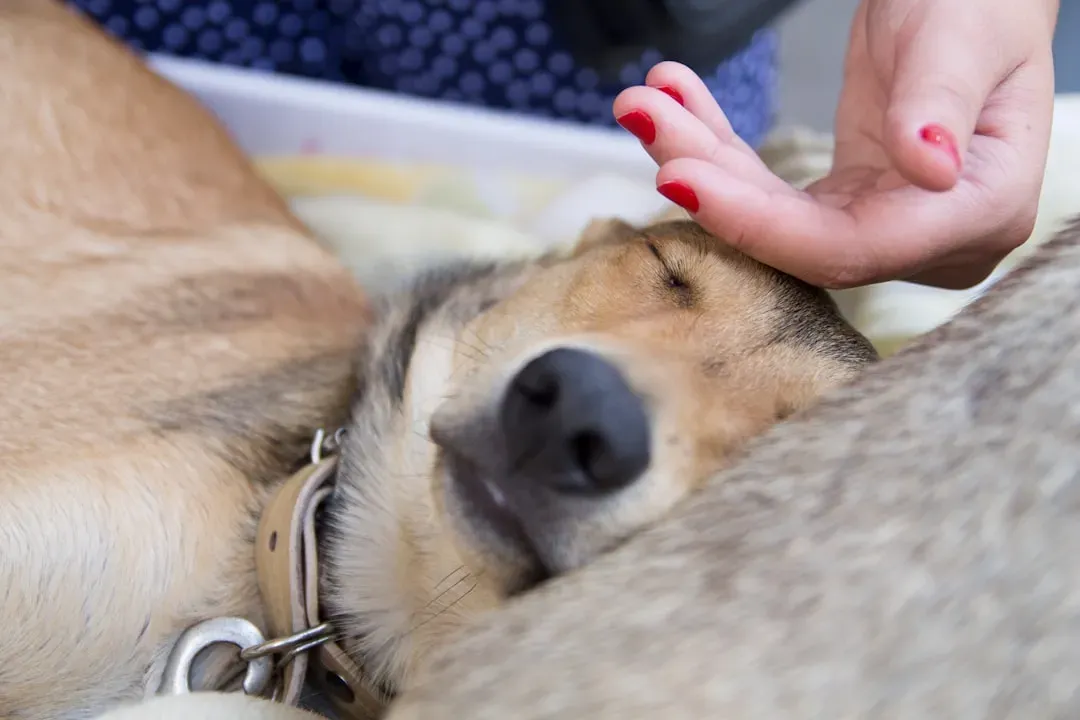
Sometimes the most powerful enrichment isn’t a toy or a game. Sometimes it’s your hands. Massage can ease tension, enhance circulation, and promote relaxation in an older dog. Gentle pressure applied along the back, shoulders, and legs stimulates blood flow, which can help reduce swelling around stiff joints. This hands-on approach also encourages the release of endorphins, naturally relieving discomfort while calming the nervous system.
Regular sessions may lead to improved flexibility and range of motion, making day-to-day activities more comfortable. Beyond the physical advantages, tactile contact can reinforce trust between dog and caretaker, building confidence and emotional well-being for a happier, healthier senior companion. Watch your dog’s body language closely. A relaxed jaw, soft eyes, and a heavy exhale signal that they are enjoying it. If they flinch or pull away from a particular spot, note it and mention it to your vet. Unexpected pain sensitivity can sometimes be an early sign of a developing condition.
6. Window Watching Stations: Enrichment for Free
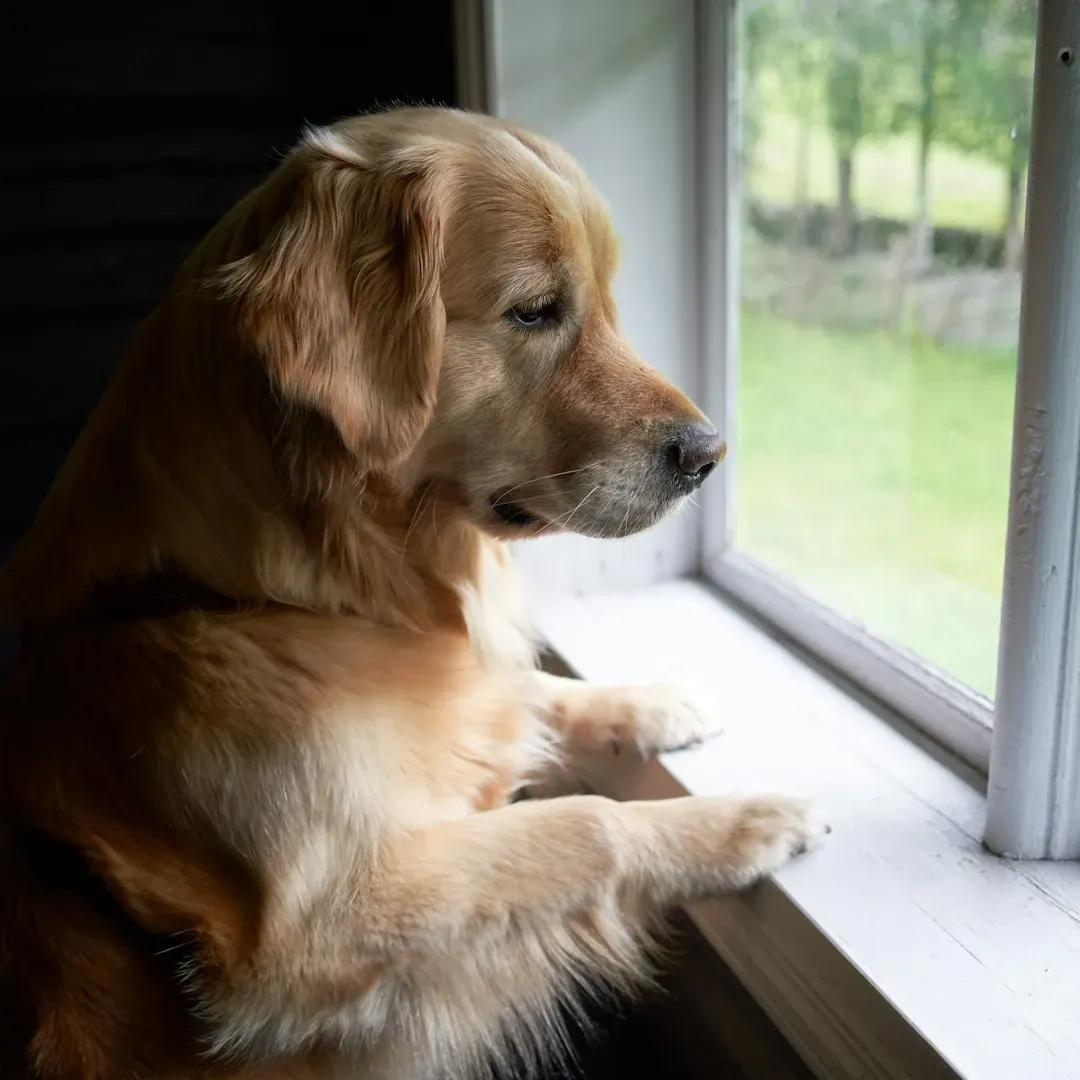
This one costs nothing and requires zero preparation. Set up a cozy spot near a window with a comfortable bed or blanket, positioned at just the right height for your dog to observe the world outside. Create comfortable perches near windows for your dogs to observe the outside world. This passive activity can be deeply engaging, especially if you set up bird feeders or other wildlife attractions within view. It’s a simple yet effective form of enrichment for dogs alike.
Think of it like live TV for dogs. Squirrels, birds, passing neighbors, blowing leaves. All of it registers as rich, dynamic sensory input. Whether it’s quiet companionship in a sunny spot or participating in gentle activities together, this connection provides emotional and mental enrichment that benefits their overall wellbeing. A senior dog who spends an afternoon watching birds at a feeder has had a genuinely stimulating, emotionally fulfilling experience. Never underestimate the simple stuff.
7. Calm Music and Sensory Relaxation: The Sounds of Comfort
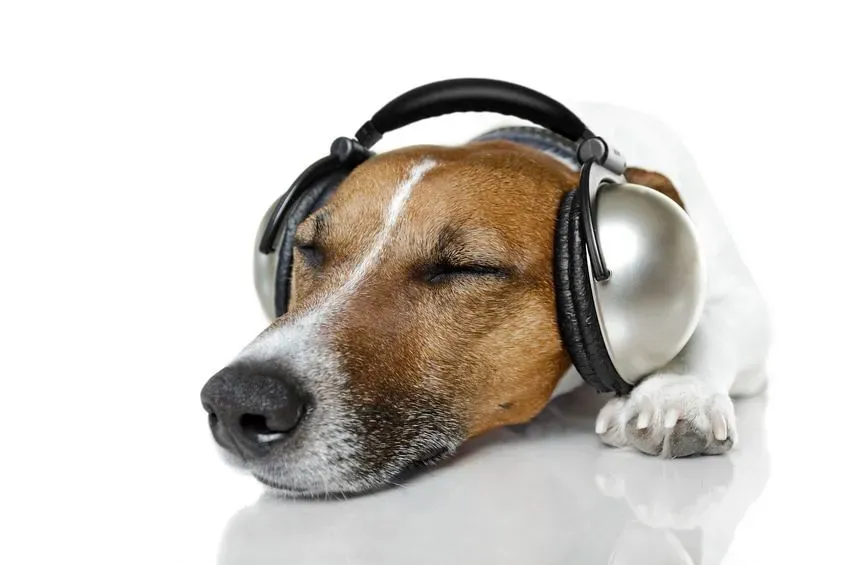
Sound is a form of enrichment we often overlook entirely. Both humans and dogs suffer cortical atrophy or brain shrinkage, but exposing your senior dog to new experiences, scents, sights, and sounds can alter the brain’s physiology. That’s a remarkable and somewhat humbling finding. What you expose your dog to on a daily basis actually shapes their brain. Turning on calming classical music or a nature soundtrack during rest time is not silly. It’s science-backed enrichment.
Research into canine auditory response has shown that slower tempos and consistent, simple melodies tend to reduce heart rate and anxious behavior in dogs. For senior dogs who may be experiencing the anxiety and restlessness that can accompany cognitive changes, a calm sound environment can genuinely help. Senior dogs may experience anxiety or restlessness, including pacing, whining, or separation anxiety. A soothing audio environment during rest time is a low-cost, high-compassion way to help manage these signs and support your dog’s nervous system throughout the day.
8. Gentle Indoor Fetch and Modified Play: Keeping the Joy Without the Strain
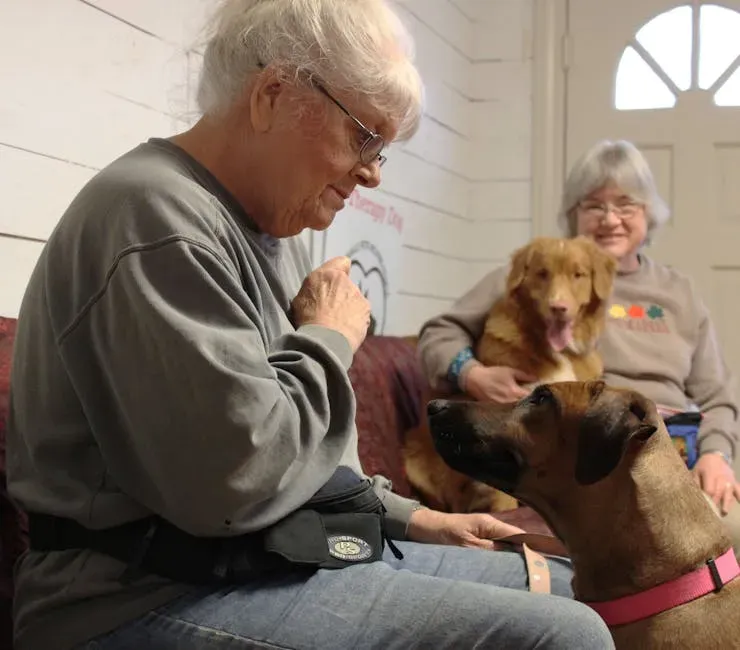
Here’s the thing. Your senior dog may not be sprinting after a ball anymore, but that doesn’t mean they’ve lost their love of play. They just need a softer version of it. Since senior dogs often have to deal with mobility issues or arthritis, you can opt for a gentler version of fetch by rolling a soft toy on the ground instead of throwing it. Roll it across the carpet, let them plod over, pick it up, and bring it back. Celebrate every single return like it’s the greatest thing you’ve ever seen.
For dogs, try squeaky toys or balls that make unusual sounds when touched. These dog enrichment toys can spark curiosity and encourage play, even in less active seniors. For dogs experiencing some hearing or vision loss, sensory toys that combine sound, texture, and movement are especially valuable. Osteoarthritis is diagnosed in about 20 percent of dogs, many of them in their senior years. Avoiding additional joint stress can help keep a dog comfortable and happy. Always keep play sessions short, watch for signs of fatigue, and let your dog set the pace.
9. Gentle Grooming Sessions: Bonding Disguised as Self-Care
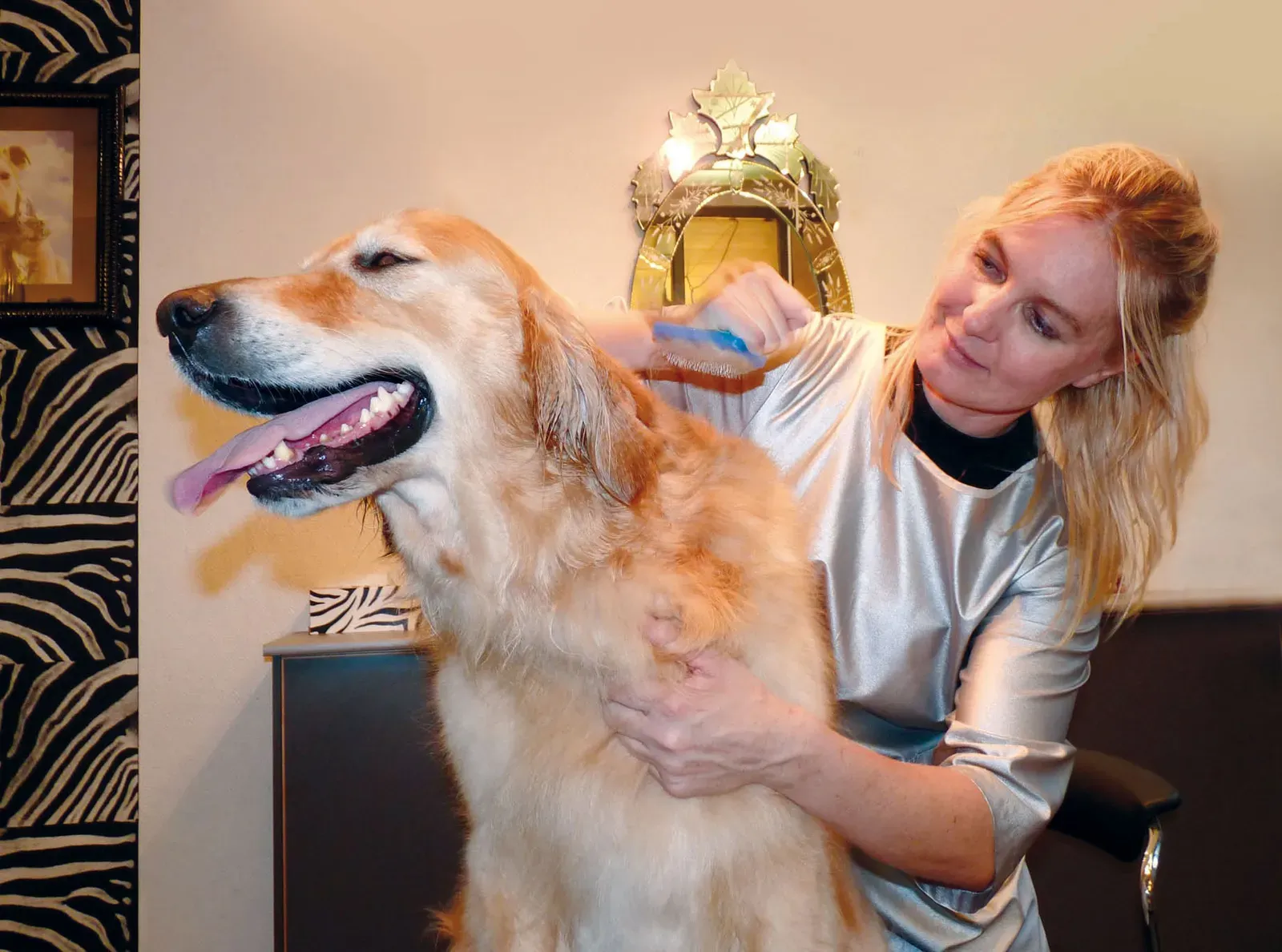
Grooming a senior dog is about so much more than a shiny coat. It’s a ritual of care that communicates love in a language your dog deeply understands. Regular grooming isn’t just for hygiene; it can also be a mentally soothing activity. Use this time to gently massage your pet, talking to them softly. That soft, one-sided conversation you have while brushing your dog? They’re listening. They feel the warmth of your voice even if their hearing has dimmed.
Grooming sessions also give you a vital health monitoring opportunity. Run your hands slowly over your dog’s body and check for any new lumps, tender spots, changes in skin condition, or unexpected weight loss. Multiple sets of eyes can catch subtle behavior changes early, giving you the opportunity to address concerns with your veterinarian and support your senior dog’s comfort and quality of life as they age. Think of each grooming session as a gentle wellness check wrapped in warmth. Keep it short, keep it positive, and always end with praise or a small treat.
10. Quality Quiet Time Together: The Most Underrated Activity of All
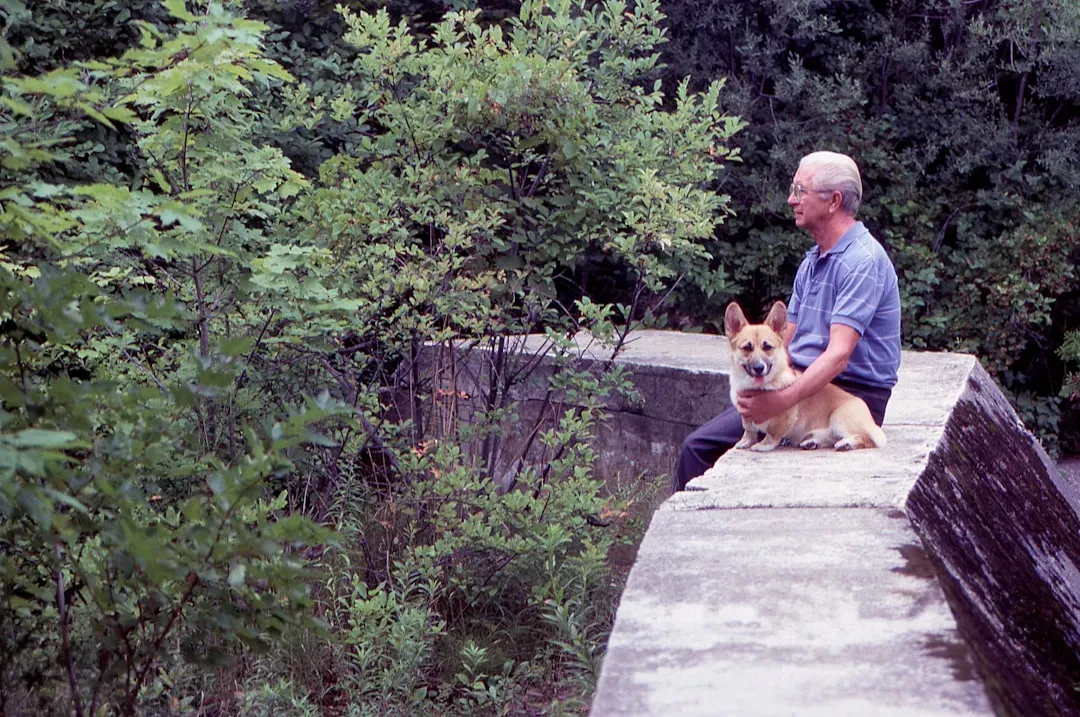
We live in a world that tells us more is better. More stimulation, more activity, more entertainment. With senior dogs, sometimes the most profound thing you can offer is simply your presence. Some senior dogs with a laid-back temperament or health problems simply want to lay in a sunny spot and watch the world go by. They are happy with two or three meals a day and some quiet time with you, just sitting together. That’s not giving up. That’s meeting your dog exactly where they are.
Depression and anxiety tend to form in older dogs that are bored and have a lack of purpose. Participating in activities together can be a great moment to bond and connect with your dog. Sometimes that “activity” is literally just sitting on the couch with your hand resting on your dog’s back. With the right support, senior dogs can stay active and enjoy their favorite things, whether that’s a daily walk, a cozy nap, or simply time with you. Don’t rush these moments. They are not small. For your dog, they may be everything.
Conclusion: Your Senior Dog Deserves a Golden Life, Not Just Golden Years
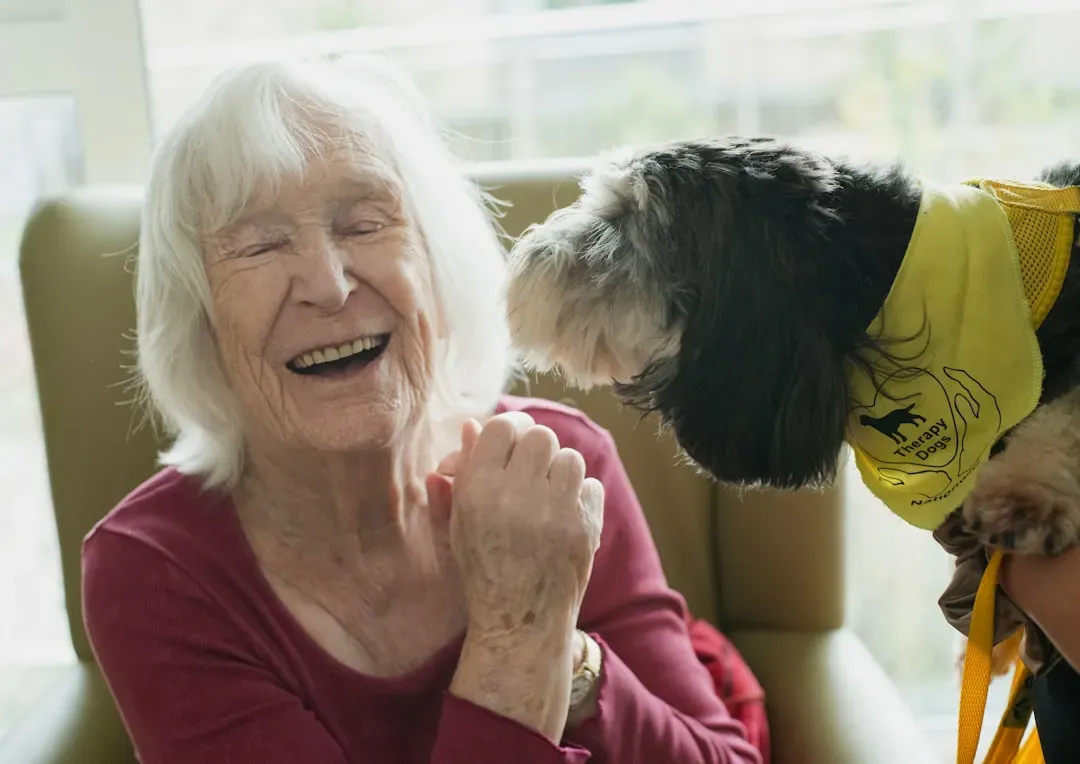
Caring for a senior dog asks something deeper of us. It asks us to slow down, to pay closer attention, and to love with more creativity and patience than we may have needed before. The key is to tailor activities to your dog’s mobility and attention span. Even ten-minute scent games at home, brief park loops, or one weekly supervised socialization session can accumulate substantial cognitive benefits over time. Small, consistent efforts genuinely add up.
Longitudinal canine studies indicate that sustained behavioral enrichment helps preserve executive function, memory, and adaptability. When researchers combine consistent enrichment with nutritional support tailored to brain health, improvements in learning capacity and reduced anxiety-like behaviors become even more pronounced. Your choices as a dog parent actively shape how your senior dog ages. That is empowering, not overwhelming.
So pick one activity from this list today. Just one. Roll a toy across the floor. Scatter treats in a snuffle mat. Sit in the sun together. Watch your dog’s tail. That wag is feedback enough. What quiet activity does your senior dog love most? Tell us in the comments below.