

Picture this: your dog trots to the door at the exact same time every evening, tail already spinning, eyes bright with expectation. You haven’t said a word. You haven’t touched the leash. They just know. That quiet, almost magical anticipation isn’t a coincidence. It’s the result of something beautifully simple: a consistent daily routine.
Most dog owners focus on food, toys, and training commands when thinking about what their dog truly needs. Routine rarely tops the list. Yet it might be the single most powerful, lowest-cost, and most overlooked tool in a dog owner’s kit. The evidence is surprisingly clear, and once you understand why structure matters so deeply to a dog’s brain and body, you’ll never look at your morning walk the same way again.
Why Dogs Are Hardwired to Crave Predictability

Dogs are, by nature, creatures of habit. They don’t share our understanding of time, but they are remarkably skilled at recognizing patterns. When meals, bathroom breaks, walks, and rest times happen around the same part of the day, your dog learns what to expect and when to expect it.
Routine actually affects the hypothalamus, a part of the brain that controls many of your dog’s instincts and emotional responses. A steady, predictable schedule helps regulate core biological functions, and uncertainty and inconsistency elevate cortisol, the stress hormone. In plain terms, an unpredictable day is a stressful day for your dog, even if nothing overtly scary happened.
While pets may not perceive time in the same manner humans do, they still utilize environmental cues and their biological clock to help them anticipate key events in their day, like mealtimes or a walk. That’s why your dog might start circling the kitchen at 5:58 p.m. before you’ve even thought about dinner. Their internal world is driven by patterns, not clocks.
The Science Behind Routine and Stress Reduction
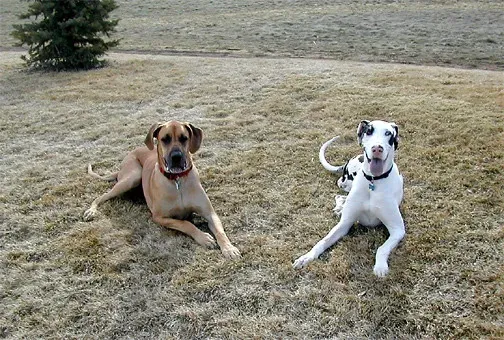
A 2021 study published in Animals found that shelter dogs on consistent schedules had significantly lower cortisol levels than those without a routine. For shelter dogs, whose lives are already marked by upheaval and uncertainty, this finding is particularly striking. Structure, it turns out, is a form of medicine.
Unpredictability isn’t just “annoying” for dogs. For many animals, it is interpreted as a potential threat. Studies across species show that when events are unpredictable, baseline stress hormones tend to be higher, and individuals are more reactive to surprises. This helps explain why a dog that seems fine during calm periods can suddenly become reactive or anxious when their schedule shifts.
Stable daily routines, including roughly consistent feeding, walking, and rest times, are associated with lower anxiety and fewer fear-based behaviors. Pattern games and predictable training sequences help dogs anticipate rewards, which reduces vigilance and supports a sense of safety. The takeaway is clear: predictability doesn’t just comfort your dog. It actively reshapes how their nervous system responds to the world.
How a Feeding Schedule Supports More Than Just Digestion
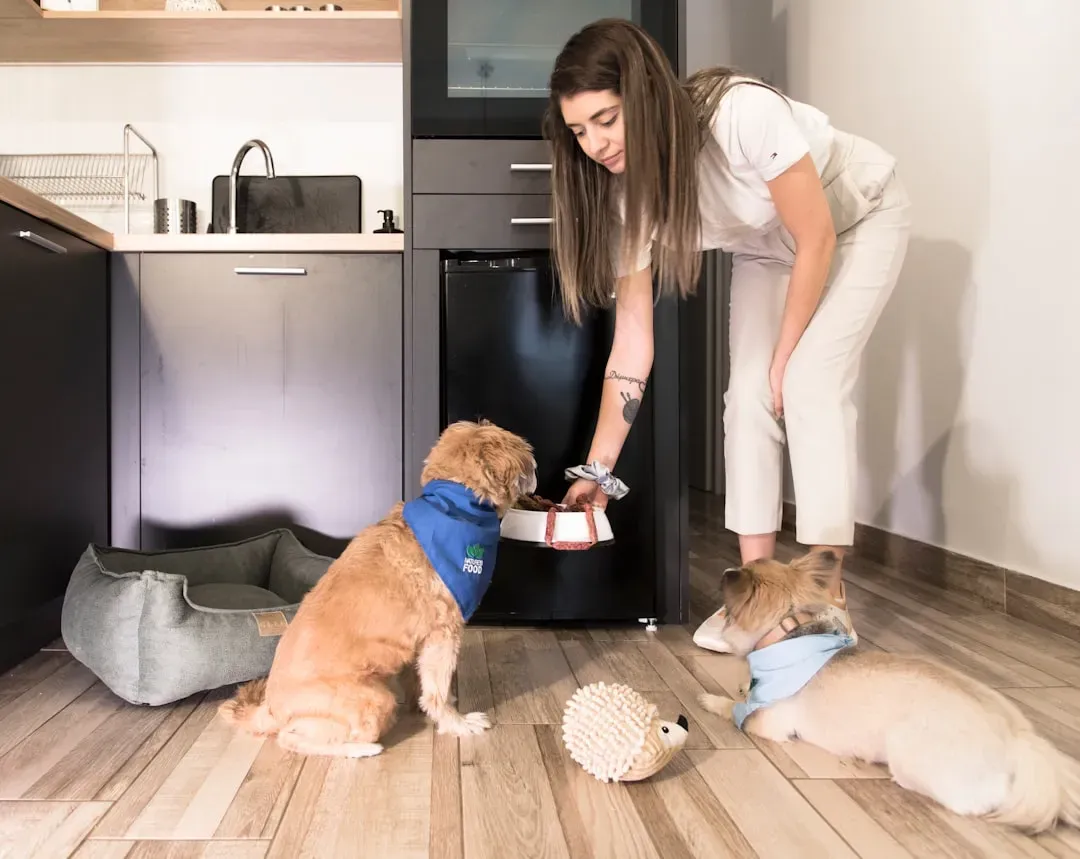
A regular feeding schedule is more than a convenience. It directly affects your dog’s health. When mealtimes are consistent, digestion improves, bathroom habits become more predictable, and weight management is easier to monitor. These aren’t small perks. Predictable bathroom habits alone can be a major relief for any household.
Dogs feel secure when they know when food is coming, and it helps regulate their metabolism, digestion, and bathroom habits. Whether you feed once or twice a day, keeping a consistent schedule makes a difference. Consistent feeding routines also make it easier to detect any changes in your dog’s appetite, which can be an early sign of illness. If your dog always eats at the same time and suddenly isn’t interested in food, you’ll notice the change right away.
Most adult dogs do well with two meals per day, spaced roughly eight to twelve hours apart. Stick to consistent times for breakfast and dinner, use measuring cups to ensure proper portion sizes, and allow at least thirty minutes of rest after meals before engaging in vigorous exercise to prevent issues like bloat. Small habits, practiced daily, add up to a healthier and more comfortable life for your dog.
Exercise Routines: Not Just About Burning Energy
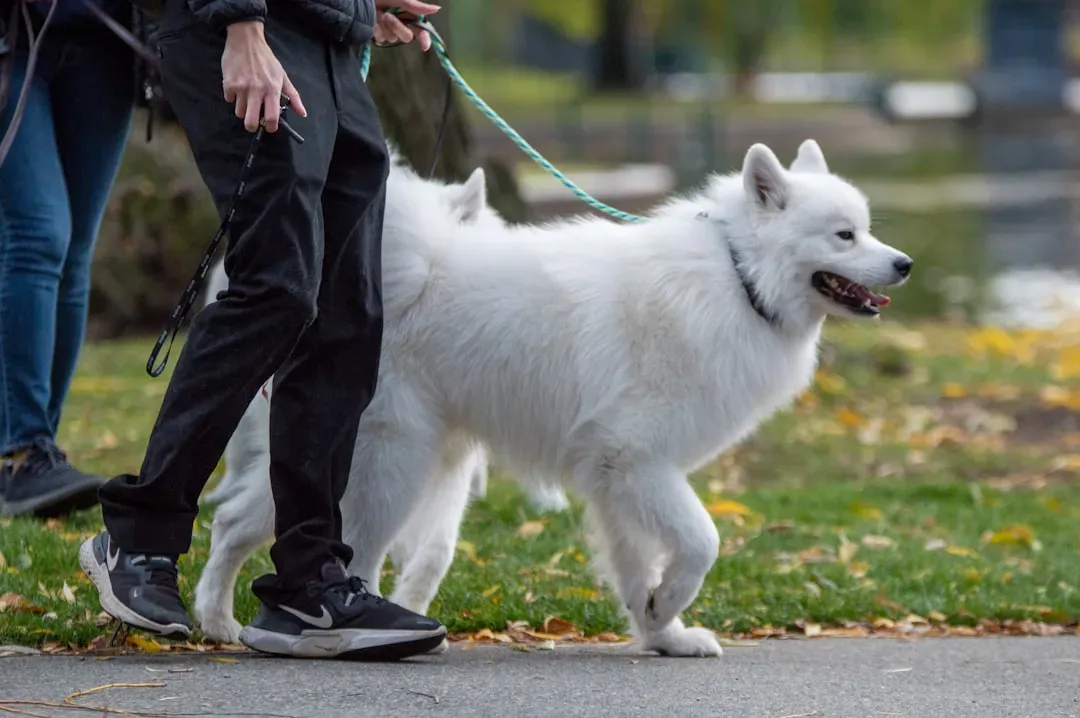
Dogs that don’t get regular, scheduled activity are more likely to show signs of frustration, restlessness, and destructive behavior. On the other hand, those who know when their next walk or play session is coming are generally more relaxed and focused for the rest of the day. The predictability of exercise matters just as much as the exercise itself.
In addition to physical activity, mental stimulation through puzzle feeders, training, and nose work is important to a dog’s overall wellbeing, as is socialization and quality time with their human companions. Most dogs benefit from at least thirty to sixty minutes of exercise per day, split between structured walks, play, and enrichment activities tailored to breed, age, and energy level.
Many dogs were bred for an active role or “job,” so without sufficient activity, pent-up energy can lead to restlessness and stress. Walks also provide opportunities for socialization and exposure to new sights, sounds, and smells, helping build confidence and reduce focus on anxiety. A regular walk is never just a walk. It’s a trust-building ritual that tells your dog the world is manageable.
Sleep, Rest, and the Routine Your Dog Needs at Night

Dogs need anywhere from twelve to eighteen hours of sleep per day depending on age, breed, and activity level. Without enough rest or without a consistent sleep routine, behavior often suffers. This surprises many owners who assume an overtired dog will simply crash. Often the opposite happens.
When dogs don’t get regular, quality sleep, they’re more likely to be irritable, reactive, and unable to focus during training. Overtired dogs can even act hyper, which may be mistaken for high energy rather than exhaustion. Sound familiar? That late-evening zoomies session might be less about excitement and more about an overstimulated, under-rested pup.
Ensuring a quiet, comfortable spot away from high-traffic areas in your home can improve your dog’s sleep quality. Avoid disturbing your dog during naps unless necessary, as fragmented sleep can lead to irritability and behavioral changes. Establishing consistent sleeping hours, ideally aligned with your own, and avoiding stimulating activities right before bedtime goes a long way.
Routine as a Foundation for Training and Long-Term Behavior
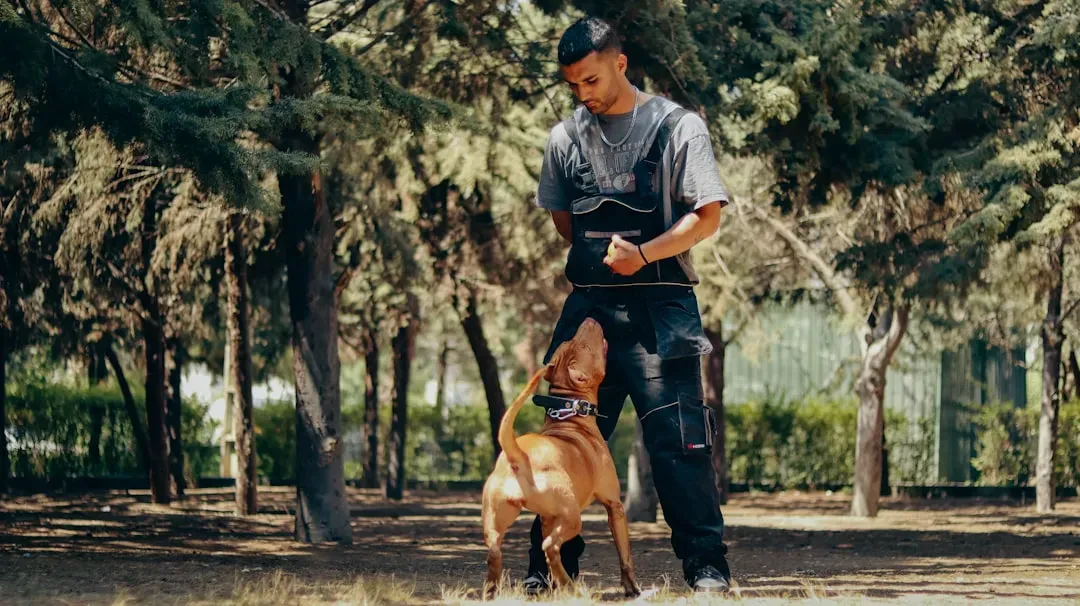
Dogs learn best with repetition, and a regular routine is an important element of any training regimen. Routine helps a dog learn things faster and retain the information they’re trying to learn. It is especially helpful for puppies learning important tasks such as potty training. Consistency isn’t just kindness. It’s the actual mechanism through which learning happens.
A core part of having a routine for your dog is creating clear expectations and avoiding contradicting rules. If you do not want your dog on the furniture, always enforce that. Pets get confused when one member of the household lets the dog sleep on the bed and then someone else gets frustrated about the dog being on furniture. When creating a routine for your dog, make sure it is consistent with all members of the family.
The goal isn’t perfection. It’s predictability. Even small, consistent efforts make a big difference in your dog’s confidence, behavior, and responsiveness. You don’t need a clipboard or a color-coded schedule. You just need to show up, day after day, in roughly the same way. Your dog will do the rest.
When Life Disrupts the Routine: How to Help Your Dog Adapt
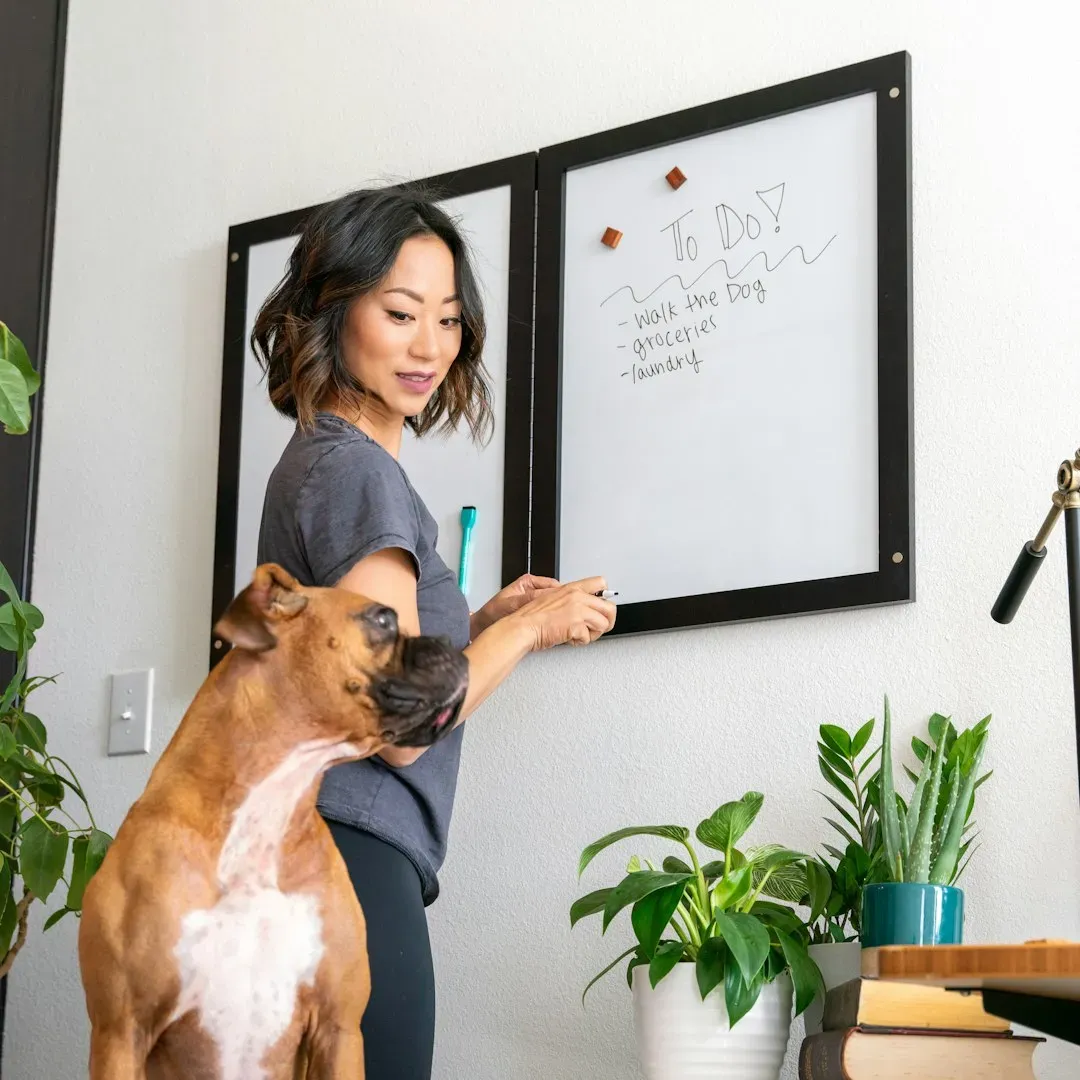
When dogs know what to expect, they react more calmly to new events and are less likely to develop behavioral issues. In times of change, such as a move or a new family member, the comfort of routine can prevent fear-based responses or negative habits from taking root. Routine, ironically, is also your best tool for managing the moments when routine breaks down.
Try to change just one thing at a time. For example, if you are moving to a new home, keep the same daily routine at your new location. If your dog suffers from separation anxiety or another behavioral issue, seek help from a veterinarian or veterinary behaviorist to assist your pup during times of transition. An anchor in a shifting sea of new smells and sounds can mean everything to a dog trying to make sense of the world.
While structure brings real benefits, some flexibility is key for holidays and special circumstances to keep your plan sustainable and stress-free for everyone involved. As your dog ages or their needs change, stay flexible and make adjustments that continue to support their health and happiness. Routine is a living, breathing thing. It should grow with your dog, not confine them.
Conclusion: The Quiet Gift of Showing Up Every Day
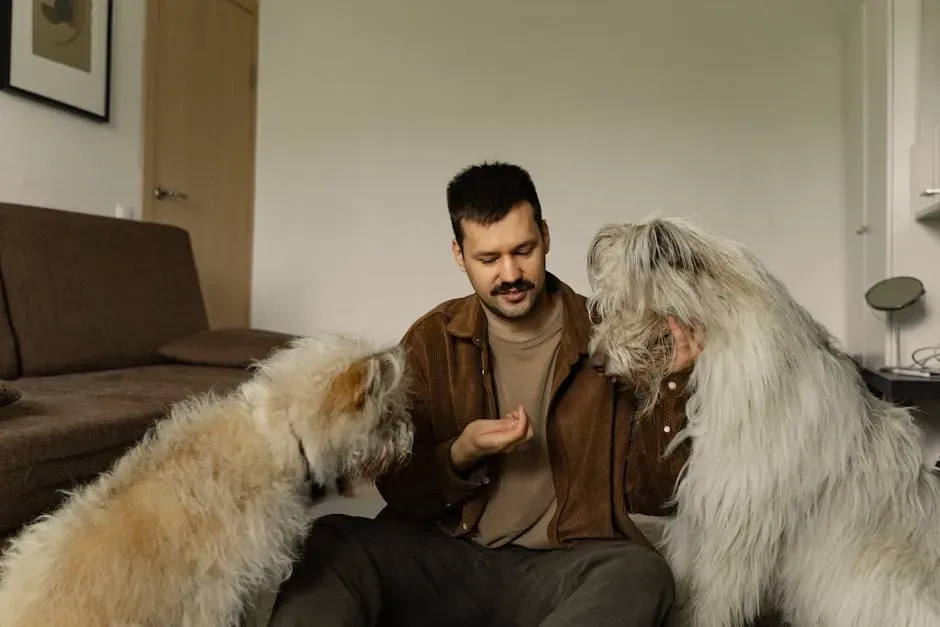
There’s something quietly profound about what a routine gives a dog. It’s not just meals on time or walks at the same corner every morning. It’s the steady, repeated message that they are seen, cared for, and safe. That message lands deeper than any training command ever could.
You don’t have to be perfect to give your dog a good routine. You just have to be consistent enough. The walk you take every morning, the dinner you serve at the same hour, the calm you offer at bedtime. These moments stack up, day after day, into something your dog genuinely relies on. And that reliability, more than any fancy toy or treat, is what shapes a truly happy and well-adjusted dog.
The most loving thing you can offer your dog isn’t always dramatic. Sometimes it’s just showing up, on time, doing the same thing you did yesterday. They’re counting on it more than you know.


