

Picture this: your gray-muzzled best friend perks up at the sight of a tennis ball, tail thumping like it’s their first birthday. Yet too many of us assume age dims that spark forever. Senior dogs, often hitting that label around seven to ten years depending on breed, still carry the playful pup inside.[1][2]
These myths hold us back from giving them the vibrant lives they deserve. Let’s bust them open with real insights from vets and rescuers. Your old pal might just need a nudge to shine again.
Myth 1: You Can’t Teach an Old Dog New Tricks
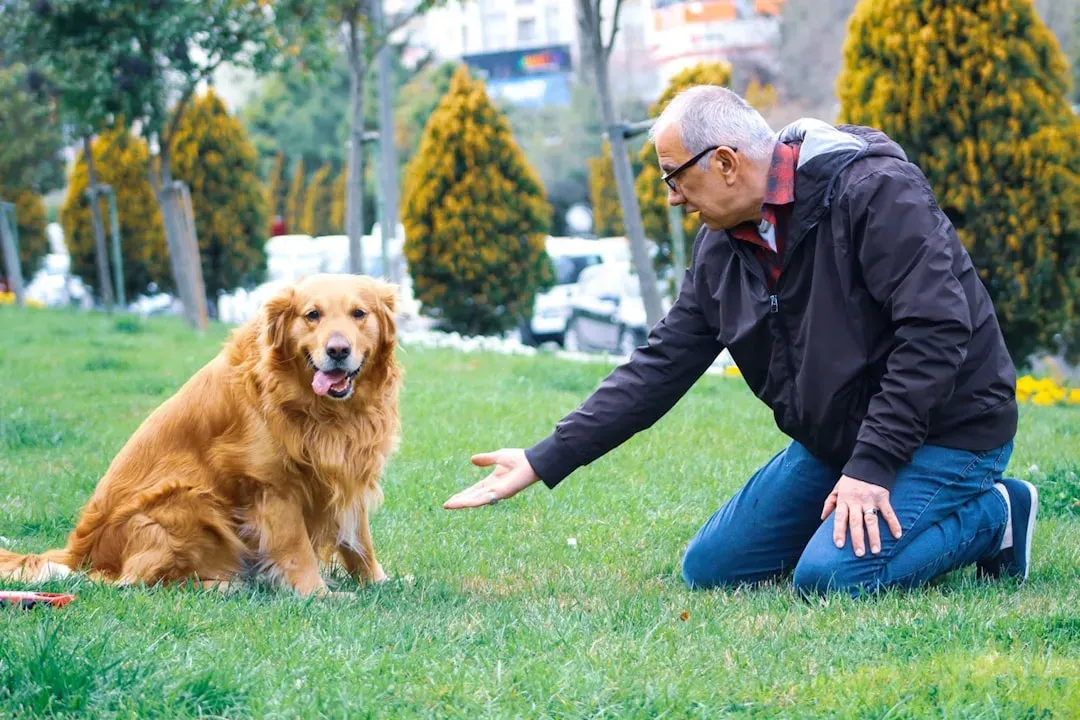
Senior dogs pick up commands faster than puppies sometimes. Their calmer focus helps them absorb training without the puppy distractions. Think of a 12-year-old lab mastering a new sit-stay after just a few sessions with treats and praise.[3][4]
Start simple with short daily sessions. Use high-value rewards like soft cheese to keep them engaged. Watch for eager ears or a wagging tail as signs they’re loving it. This mental workout sharpens their mind and strengthens your bond.
Myth 2: Senior Dogs Sleep All Day and Have No Energy
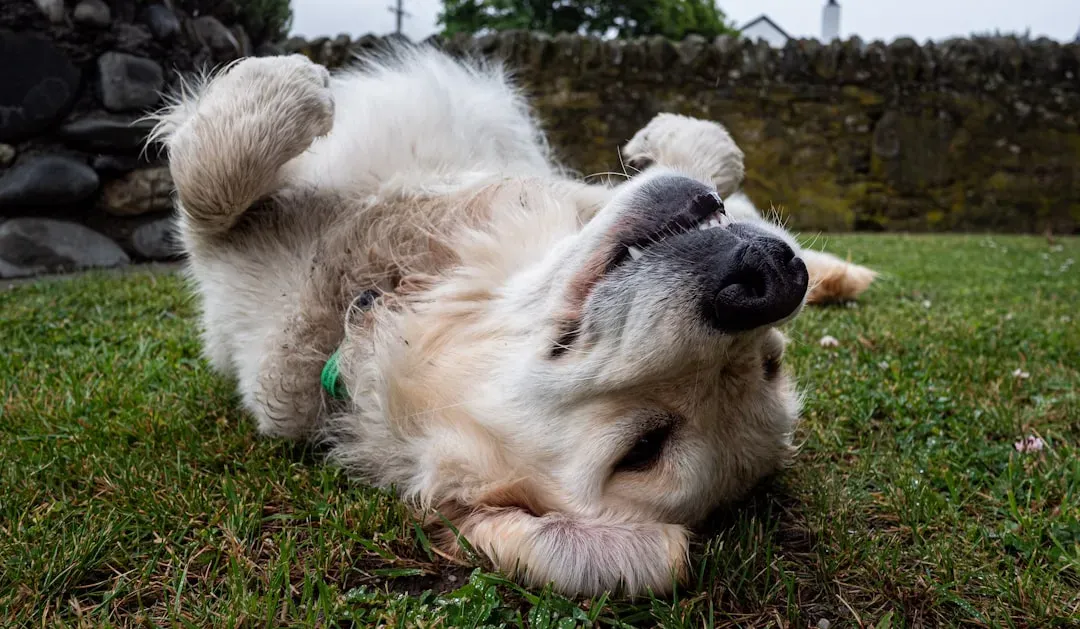
Many seniors stay playful if health issues aren’t dragging them down. A quick vet check can reveal if low energy stems from thyroid problems or just boredom. I’ve seen 10-year-olds chase squirrels with the zeal of their younger days after a diet tweak.[5][6]
Encourage gentle play with soft toys or puzzle feeders. Notice bright eyes or bouncy steps as cues they’re ready for fun. Regular short walks prevent stiffness and keep that pup heart beating strong. They thrive on your enthusiasm.
Myth 3: Any Slowing Down Is Just Normal Old Age
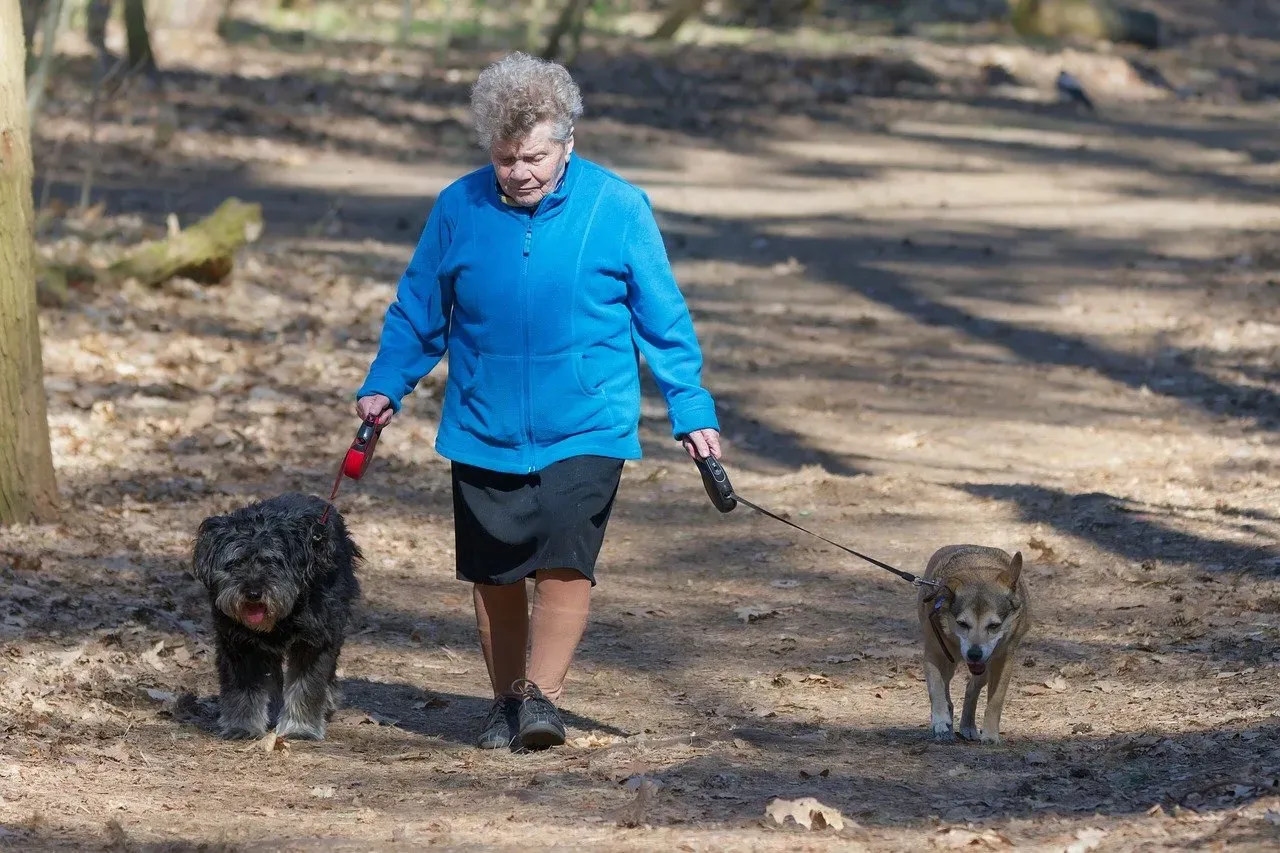
Slow steps or stiffness often signal arthritis or joint issues, not inevitable decline. Vets note up to eight in ten dogs over eight show arthritis signs, treatable with meds and ramps.[7][8]
Look for limping after rest or reluctance to jump. Prevention starts with weight control and joint supplements early. A comfy orthopedic bed makes rising easier. Address it promptly, and watch them trot again.
Real-world example: a senior shepherd perks up on glucosamine, hiking short trails pain-free.
Myth 4: Senior Dogs Are Always Sick or Frail

Not every gray face hides illness; many seniors live robustly with routine care. Myths overlook proactive checkups catching issues early. Healthy ones play fetch and snuggle without drama.[5][4]
Spot subtle signs like increased thirst or coat dullness for timely vet visits. Annual bloodwork spots kidney or heart tweaks. Feed senior formulas for easier digestion. Your vigilance keeps them spry.
Myth 5: They Don’t Need Exercise or Vet Care Anymore

Seniors crave moderate movement to stay limber and happy. Skipping walks leads to muscle loss faster than age alone. Tailored exercise like slow leashed strolls fits their pace perfectly.[7][6]
Bi-annual vet exams catch silent problems like dental disease. Behavior shifts, like house soiling, often tie to cognition, fixable with meds or routines. Hydration bowls everywhere prevent UTIs. Keep them active, and that youthful glint returns.
Conclusion
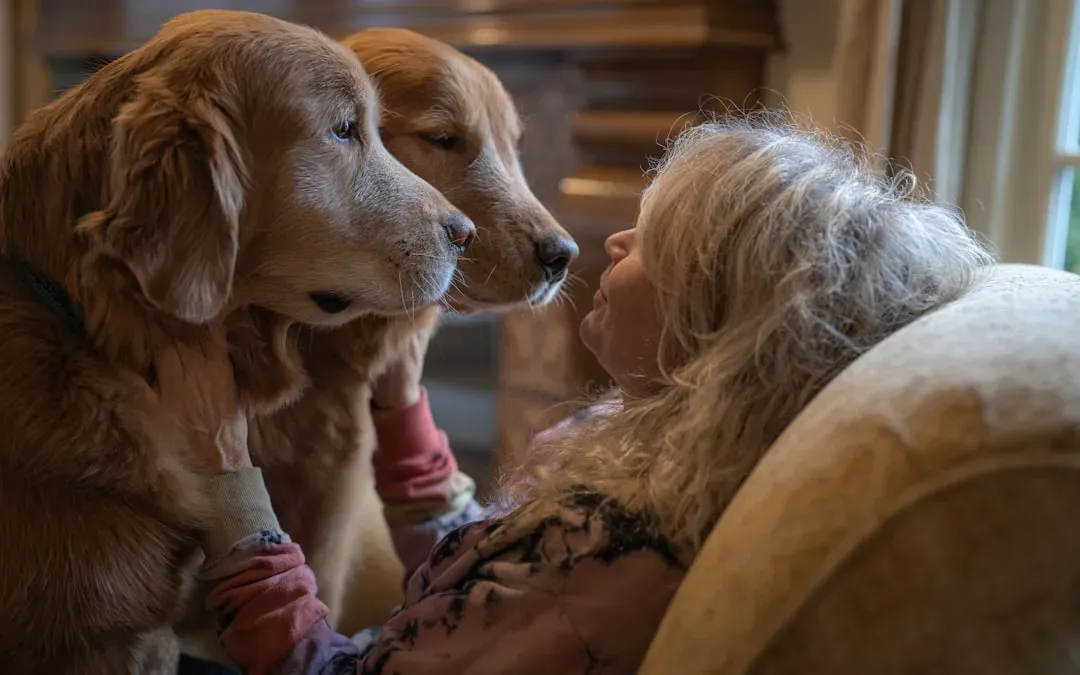
Senior dogs hold endless joy if we ditch these myths. Tune into their cues, team up with your vet, and embrace their golden years. They’re pups at heart, ready for more tail-wags and adventures with you.
Give them that chance today. Your bond only deepens.


