

You already know your dog loves you. That dopey grin when you walk through the door, the way they press their warm weight against your legs at the end of a long day – it’s clear the bond is real. What’s less obvious is that some of the simplest things you do (or don’t do) each day have a quietly powerful effect on how healthy, calm, and genuinely happy your dog is.
We’re not talking about expensive supplements or elaborate training programs. We’re talking about small, repeatable habits. The kind that take minutes but pay off over a lifetime. Here are eight of them.
Stick to a Consistent Daily Routine
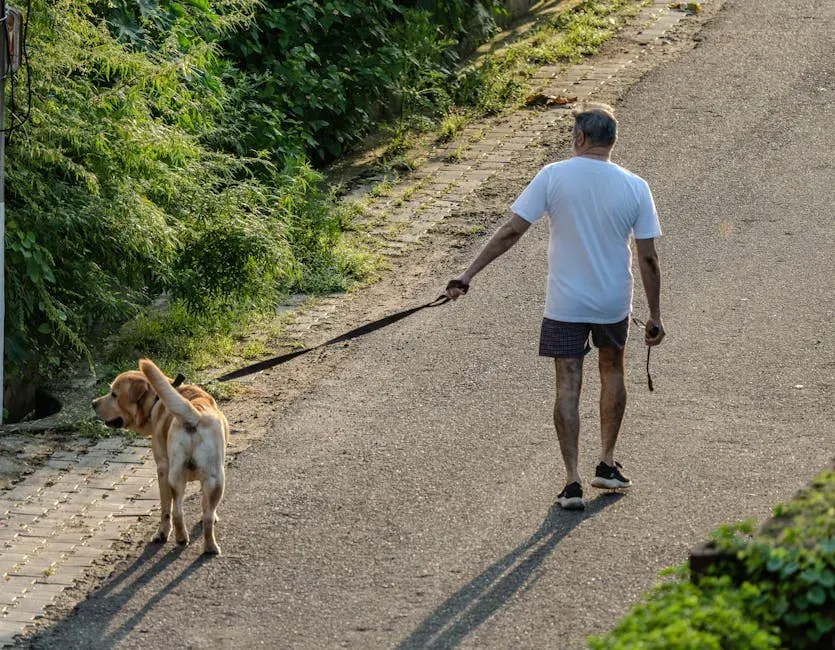
Dogs don’t just prefer predictability – they thrive on it. Predictable schedules help regulate your dog’s internal clock, promote consistent behavior, and reduce stress and anxiety. Think of it from your dog’s perspective: when they know exactly when the walk is coming, when dinner arrives, and when it’s time to settle down for the night, there’s nothing to be anxious about.
When routines are irregular, a dog will show more stress-related behaviors like whining, pacing, or even gastrointestinal issues. Those “random” bouts of destructive chewing or excessive barking often aren’t random at all. They’re a sign your dog is trying to cope with uncertainty. Much like humans, dogs feel more comfortable when they know what to expect, and a consistent routine helps to reduce anxiety, improve behavior, and build trust between you and your pet.
Start simple. Aim for meals, walks, and bedtime to happen within the same hour each day. You don’t need a military schedule – just enough consistency that your dog can sense the rhythm of the day. Over time, that rhythm becomes a quiet source of security they carry with them everywhere.
Make Daily Walks More Than Just a Bathroom Break

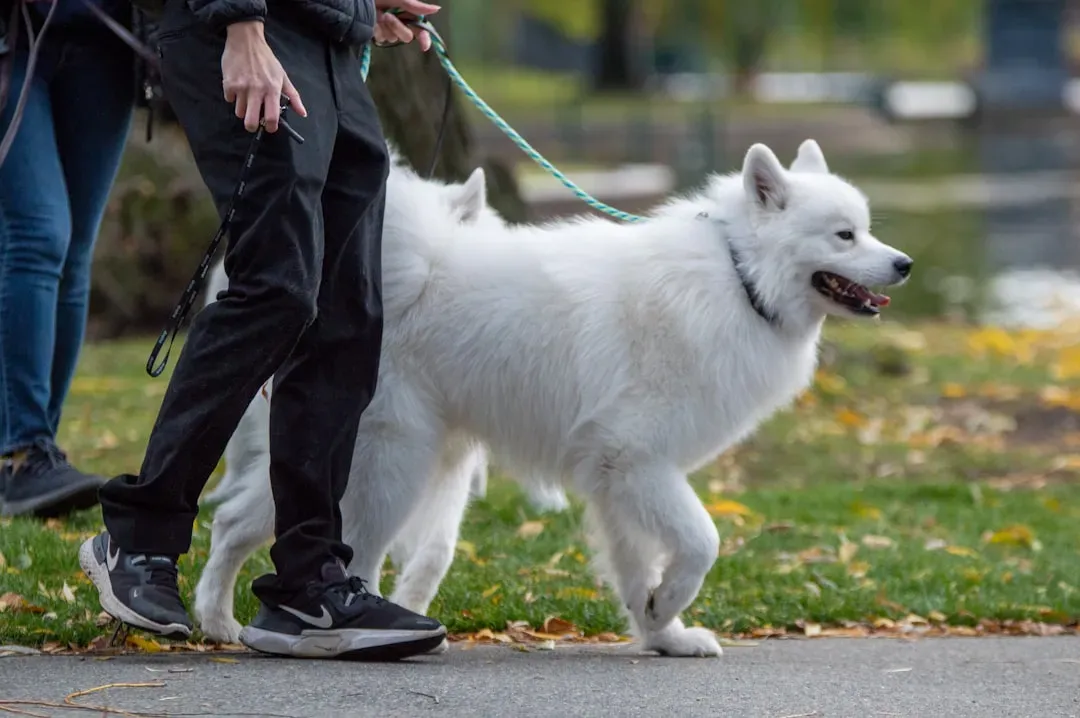
A walk is one of the best ways to keep your dog healthy. It boosts cardiovascular health, releases pent-up energy, and supports mental stimulation. But here’s where most people undersell the walk: your dog’s nose is doing most of the work. Sniffing a single patch of grass is, for a dog, the equivalent of reading a full news feed. It’s genuinely enriching.
Sniffari walks are popular for the reason that they bring real joy to your dog. Sniffing is mental enrichment. Instead of rushing your dog past every interesting smell, try slowing down and letting them lead occasionally. Switching up your route occasionally keeps your dog’s brain active, supporting overall wellbeing. A 20-minute walk with genuine sniff time can do more for your dog’s mood than a hurried 45-minute march around the same block.
Watch for behavioral cues, too. A dog that pulls frantically, whines, or seems restless indoors is often under-walked and under-stimulated. More purposeful walking, not necessarily longer, is usually the fix.
Feed at Set Times and Watch What Goes in the Bowl

Feeding your dog at the same time each day is fundamental for proper digestion, metabolism, and weight control. It also reduces food-related anxiety. Dogs that are fed inconsistently can become guarded or frantic around mealtimes, which isn’t about greed – it’s about not knowing when food is coming next. Dogs look forward to mealtimes, and having a set schedule helps regulate their digestive system. It also prevents them from becoming anxious or overly excited when food is inconsistent.
A well-rounded diet enhances their coat, boosts energy, and supports a robust immune system. What goes into their bowl reflects on their health. Beyond the schedule itself, it’s worth paying attention to quality and portions. Obesity is one of the leading preventable health issues in pets. Treats should make up no more than ten percent of daily calories. If your dog is gaining weight, seems lethargic after meals, or has irregular digestion, a conversation with your vet about portions and food type is well worth having.
Stimulate Their Mind Every Single Day
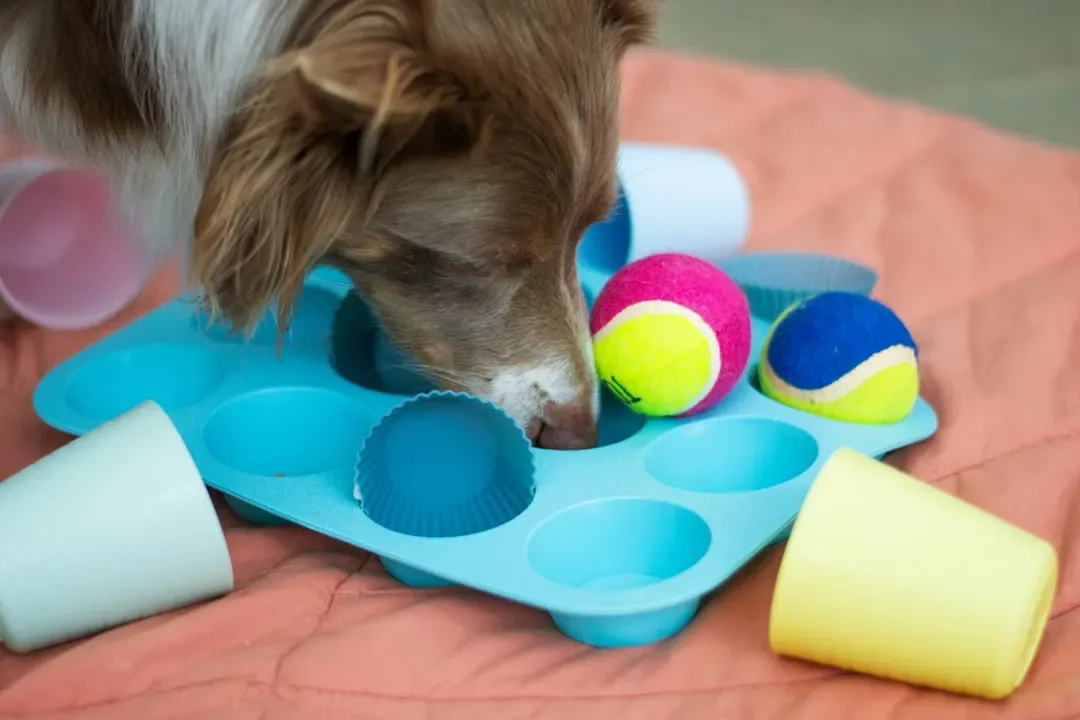
Dogs are intelligent animals who need mental exercise just as much as physical activity. Without enough mental stimulation, dogs can become bored, anxious, or destructive. This is one of those facts that gets nodded at and then ignored. A dog left alone with nothing to think about is not resting peacefully – they’re often just waiting to act out. Dogs need mental stimulation to keep their minds sharp and help keep cognitive dysfunction syndrome at bay. Food puzzles, interaction with other dogs, and play time are a few ways to keep dogs mentally fit.
Activities such as puzzle feeders, scent games, and training sessions work to prevent boredom and destructive behaviors. You don’t need to spend a lot of money here. Hide a few pieces of their kibble around the living room and watch them go to work. Regularly teaching your dog new commands or tricks stimulates their brain and builds their confidence. It also strengthens your communication and bond. Even five to ten focused minutes of mental engagement a day makes a measurable difference in their overall calm and behavior.
Play Every Day Without Skipping

Playtime is easy to skip when life gets busy, but it’s harder to overstate how important it is. Play time allows your pet to unwind and just be a dog. Play time forms a healthy part of the life of a pet and provides an avenue for the pet to express itself and have fun. It’s not a luxury – it’s a need. Games like fetch or tug-of-war burn calories, sharpen reflexes, and release feel-good endorphins.
Dogs that play regularly tend to be more relaxed and less prone to boredom-related issues. Pay attention to how your dog plays: does a normally enthusiastic dog seem reluctant or low-energy? That can be an early health signal worth tracking. Playtime also strengthens your bond and prevents destructive behavior caused by boredom. The type of play matters less than the consistency of it. Whether it’s a game of tug, a rousing session of fetch, or simply chasing each other around the yard, showing up for play every day tells your dog they matter to you.
Make Grooming a Daily Ritual, Not a Chore
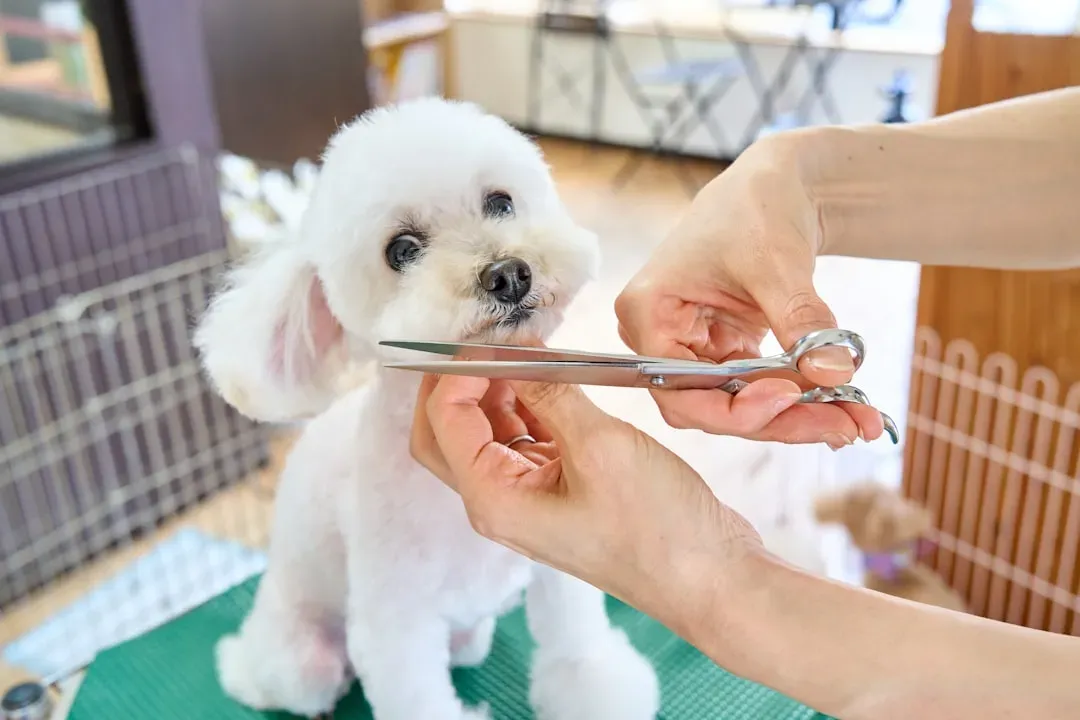
Daily grooming and hygiene habits help prevent skin problems, matting, dental issues, and ear infections. Grooming is not only about appearance but also about health monitoring. Many owners underestimate how much a daily brushing session communicates to a dog. Done gently and consistently, it becomes a bonding ritual that lowers their heart rate and deepens trust. Brushing reduces shedding, prevents matting, and supports circulation. Nail trims, dental care, and ear cleaning protect against painful infections.
Periodontal disease has the same negative health effects in dogs as in people, and good dental health is an important part of a dog’s health regimen. With a little training, brushing your dog’s teeth every day not only helps their health but makes their breath much sweeter. Use grooming sessions to quietly scan for anything unusual: lumps, redness, sensitivity in a specific spot, or changes in coat texture. This time also allows you to check for any unusual lumps, bumps, or discomfort. Catching something small early is almost always better than waiting until a vet visit.
Give Them Meaningful Social Time
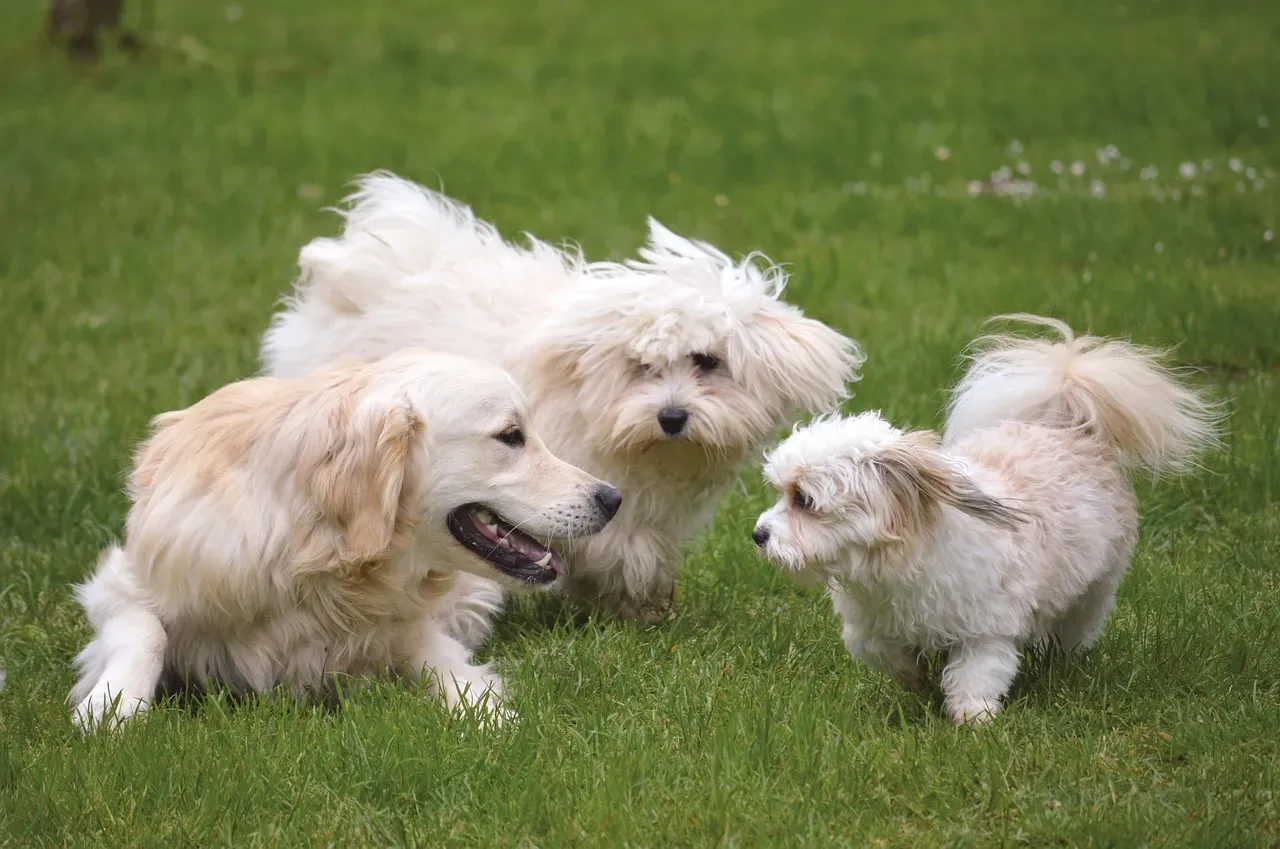
Dogs are social creatures – they thrive on interaction with other dogs, people, and new environments. Social connection isn’t just pleasant for dogs; it actively shapes their emotional resilience. A well-socialized dog is generally calmer, more adaptable, and less reactive to new situations. Exposure to new sights, smells, and sounds builds confidence and improves adaptability.
Socializing your dog helps them develop good manners and reduces anxiety in new situations. It also makes outings and visits more pleasant for both you and your dog. This doesn’t mean forcing your dog into overwhelming situations. Start with short, low-pressure outings and reward calm, positive behavior. If your dog is nervous, let them set the pace – there’s no rush. Slow and steady socialization, built into the weekly routine, produces far more confident dogs than occasional bursts of social exposure.
Prioritize Quality Rest and a Safe Sleep Space
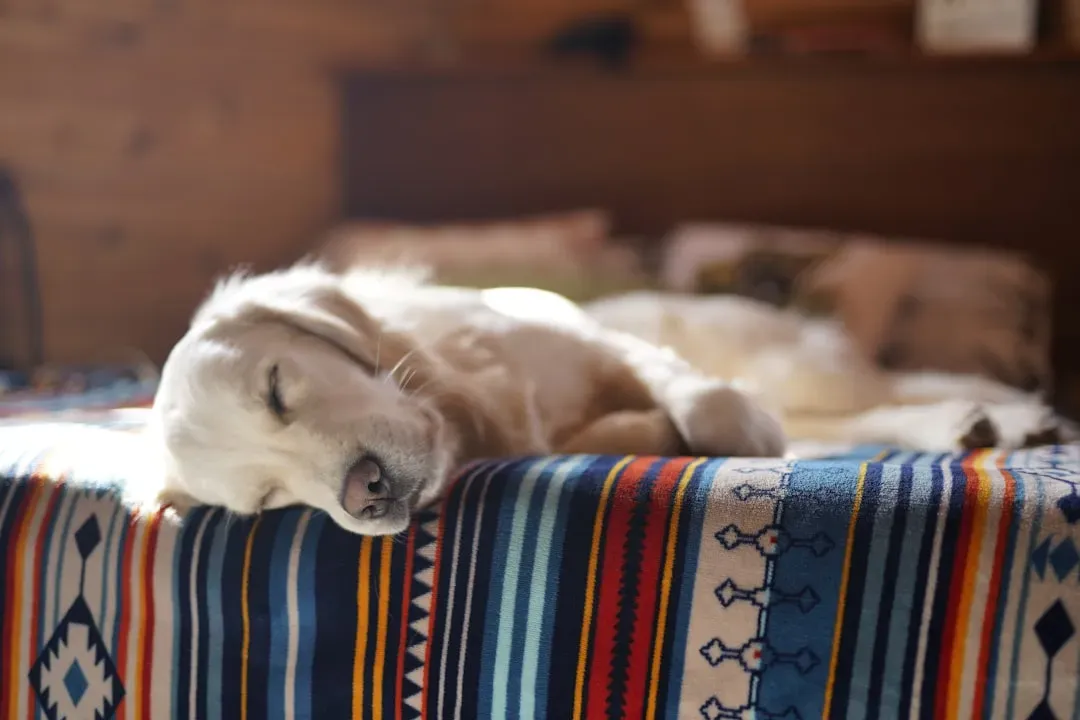
Sleep is essential for dogs to recharge and maintain health. On average, adult dogs sleep between 12 and 14 hours per day. That’s not laziness – that’s biology. Deep, uninterrupted sleep supports immune function, emotional regulation, and physical recovery. Ensuring a quiet, comfortable spot away from high-traffic areas in your home can improve sleep quality. Avoid disturbing your dog during naps unless necessary, as fragmented sleep can lead to irritability and behavioral changes.
A regular bedtime routine, such as dimming the lights or playing soothing music, can signal the end of the day and aid a more restful sleep. Watch for signs that your dog isn’t sleeping well: unusual restlessness at night, increased irritability during the day, or sleeping far more than their normal baseline. These can be signs of pain, anxiety, or an underlying health issue. Dogs also follow circadian rhythms, which are internal biological clocks that help regulate sleep and activity levels. Aligning your dog’s routine with natural patterns, such as walking in the morning and evening, can improve sleep quality and reduce restlessness. A dog that sleeps well simply functions better – in behavior, energy, and mood.
Small Habits, Big Life
None of these habits require a complete lifestyle overhaul. A more intentional walk here, a consistent mealtime there, a few minutes of play that you actually show up for every single day. That’s essentially it. Building a daily routine isn’t about rigid schedules – it’s about consistency, care, and communication. Pets are creatures of habit, and when they know what to expect, they feel safer and happier. In return, you’ll notice better behavior, improved health, and a deeper connection.
Dogs don’t ask for much. They ask for predictability, engagement, and your presence. The beautiful thing about these eight habits is that they’re not just good for your dog – most of them are quietly good for you, too. More walks, more play, more moments of genuine attention. That’s not a burden. That’s a pretty good life for both of you.


