
8 Simple Ways to Help Your Dog Feel Safe and Secure in Their Home
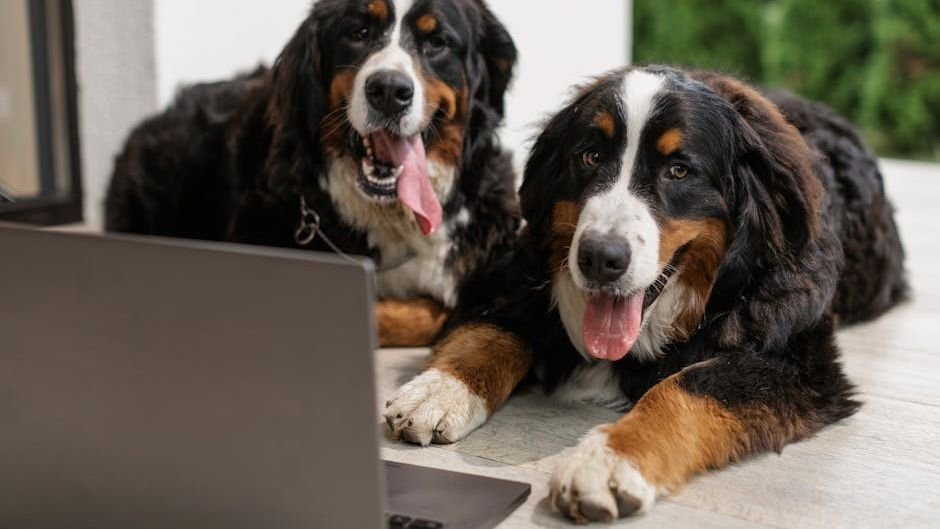
Most dog owners believe that providing a warm bed, good food, and plenty of love is all it takes for a dog to feel safe. And while those things absolutely matter, they don’t always tell the whole story. Just because a dog is granted the luxury of living in a home doesn’t automatically mean that dog feels at home. Despite soft beds, overflowing toy bins, and carefully chosen meals, many dogs still tremble during thunderstorms, bark frantically when left alone, and perceive the front door as a source of dread. In other words, they don’t feel safe.
Domestication made dogs capable of forming deep social bonds with humans, but it didn’t make them immune to fear, anxiety, or uncertainty. A dog’s sense of safety isn’t something that comes built-in. The good news? It can be built, thoughtfully and consistently, starting right inside your own home. Here are eight practical, research-backed ways to make that happen.
1. Learn to Read Your Dog’s Stress Signals Before They Escalate

You can’t help a dog feel safer if you don’t know when they’re struggling in the first place. A dog’s body language speaks volumes about their emotional state. Stressed or anxious dogs often display subtle changes: a tail tucked between the legs, ears flattened against the head, the whites of their eyes showing, a stiff posture, or a lowered body stance as if trying to appear smaller.
More subtle stress signals can include lip licking, yawning when not tired, lowered posture, pinned-back ears, and dilated pupils. These are your dog’s earliest warnings. To differentiate stress signs from normal behavior, you need to be familiar with your dog’s regular demeanor and pay attention to the context. That way, you can tell if they’re licking their lips because they’re anxious or simply because they want a treat.
Your dog is communicating all the time. Understanding canine body language is the first and most critical step to listening and responding to what your dog is really saying. Educating yourself about it helps you make more informed decisions about when and how to interact with your dog, and when to simply give them more space.
2. Create a Dedicated Safe Space Just for Them
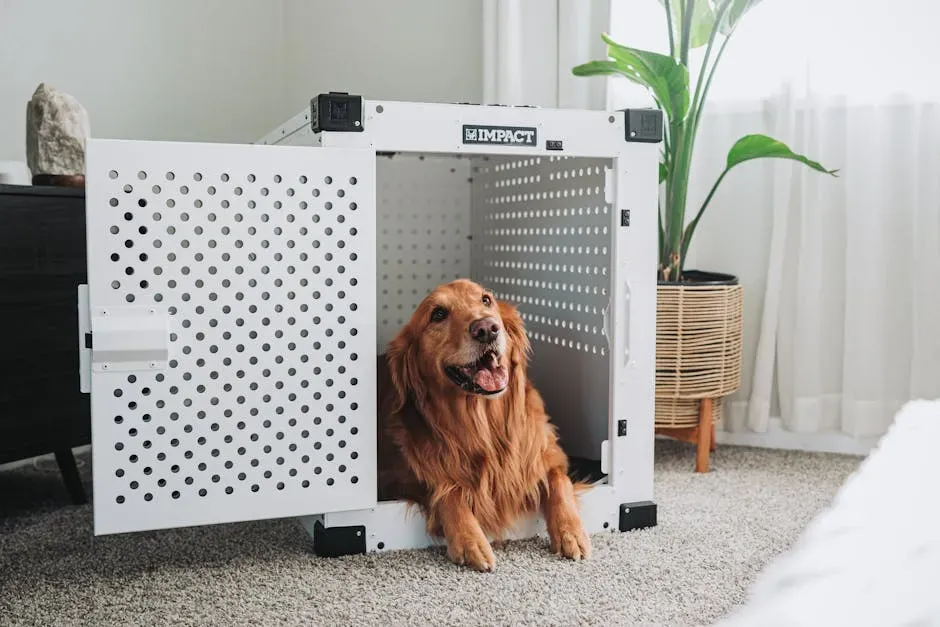
A designated, cozy space for your dog is essential for their sense of security and well-being. Much like humans, dogs appreciate having a place in the house they can call their own, somewhere to retreat and relax when needed. Whether it’s a corner of a room, a cozy crate, or a soft bed, having a designated area gives your dog a sense of belonging.
When you first bring a dog into your home, it’s essential to provide them with a quiet, safe space where they can settle in without feeling overwhelmed. Many dogs, especially those who have experienced trauma, can feel anxious in unfamiliar surroundings. A designated space gives them the opportunity to explore at their own pace and feel secure.
This safe space should be quiet, comfortable, and stocked with their favorite items such as blankets and toys. It also helps to respect the space. Give your dog hiding places in your home or yard and allow them to move behind furniture or out of the room when they want to get away. Forcing them out of their retreat defeats the purpose entirely.
3. Establish a Consistent Daily Routine

Dogs thrive on predictability, and a consistent daily routine helps them feel secure. Establishing a routine for meals, walks, bathroom breaks, and playtime helps your dog know what to expect each day. That sense of “knowing what comes next” is genuinely calming for a dog’s nervous system.
Feeding your dog at the same time every day not only ensures they’re well-nourished but also helps regulate their digestion. Regular walks scheduled around the same time give your dog something to look forward to, which can reduce restlessness or boredom. Consistency in these activities helps your dog understand what to expect, which ultimately makes them feel more secure.
Simple things like teaching your dog to sit before they get petted or asking them to offer a paw to be wiped off after a walk can give your dog a sense of control, because they know what comes next. Scheduling meals, walks, play time, and training time so they know when to expect these activities throughout the day makes a meaningful difference. You can even make rest time part of your regular routine.
4. Use Positive Reinforcement to Build Confidence
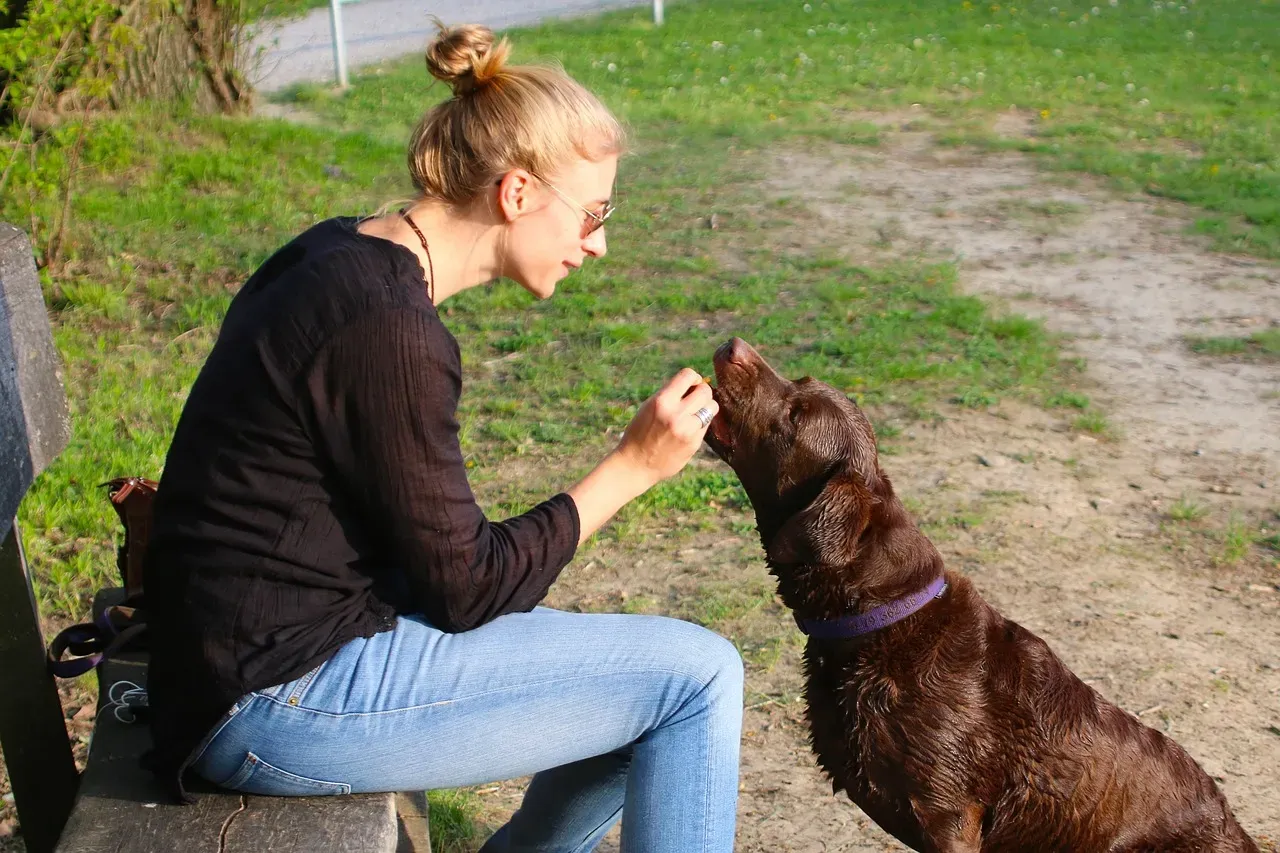
Positive reinforcement training is one of the most effective methods for teaching your dog good behavior. When your dog follows a command or displays desirable behavior, reward them with treats, praise, or affection. Over time, this exchange does something more profound than just teach manners. It builds real trust.
Rewarding good behavior makes your dog feel confident, loved, and secure in their environment. Be consistent with your reinforcement, and avoid punishment-based training methods, as they can cause fear and anxiety. Training your dog using positive reinforcement teaches them that making decisions and engaging with you earns good things like treats and praise. The more positive experiences your dog has, the more eager they will be for new adventures.
Throughout the process of making your dog feel safe, avoid punishment for bad behavior. No shock or prong collars, physical harm, or screaming at your pet. This will only exacerbate their fears. Patience here is not optional. It’s the whole foundation.
5. Provide Enough Exercise and Mental Stimulation
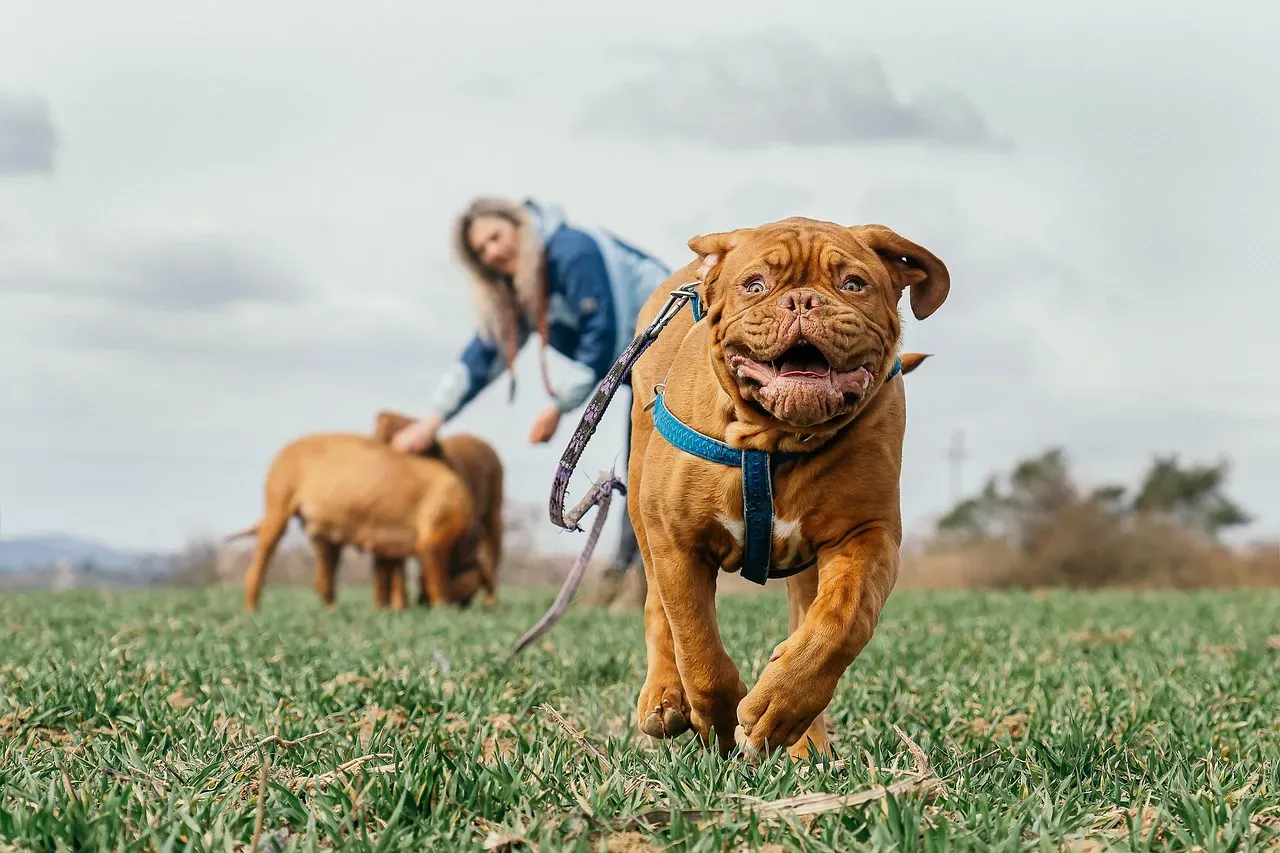
Whether it’s a brisk walk, a game of fetch, or a run in the park, exercise is crucial for your dog’s physical health and mental balance. Exercise is also a powerful tool for reducing anxiety and preventing behavioral problems. A well-exercised dog is more likely to remain calm, stress-free, and content when at home.
In addition to physical exercise, dogs need mental stimulation to stay sharp and happy. Puzzle toys, treat-dispensing gadgets, and interactive games like hide-and-seek are great ways to engage your dog’s mind. Simple training exercises or introducing new tricks keep their brain active. Mental challenges not only help prevent boredom but also reinforce your bond as your dog learns to rely on you for entertainment and guidance.
The best thing you can do before leaving your dog home alone is to give them some exercise first. When you take your dog for their morning walk, they’ll likely fall asleep afterwards. A tired, satisfied dog is a far calmer dog. You should also make sure there are constructive ways for your dog to spend their time when you’re not around. Using a food-dispensing toy rather than their regular food bowl will occupy and challenge them. Some toys offer various difficulty levels, so you can keep your dog active and engaged while you’re away.
6. Manage Noise and Environmental Triggers at Home

Many dogs react fearfully to loud, high-pitched, or unusual sounds. Individual dogs may find different sounds scary, including objects falling, phones beeping, cars idling, or noisy traffic. While most dogs might be startled by an unexpected sound and move on, a sound-sensitive dog does not recover from that initial reaction and will continue to show signs of distress.
If your dog is afraid of noises heard outside your home, keep them in an inner room away from windows with white noise playing. At predictable times when you know there will be louder noises, talk to your vet about whether short-term medication can help. If your dog reacts to sights outside a window, you can block access to the window or use an inexpensive cling to cover it.
If you live in a chaotic home with young children, vocal family members, or people constantly coming and going, there’s a good chance your dog will take on that stress and begin to exhibit insecure behaviors. Good mental health reduces anxiety and boosts immunity, so a calm, predictable household environment is genuinely good medicine for an anxious dog.
7. Address Separation Anxiety with Gradual Desensitization
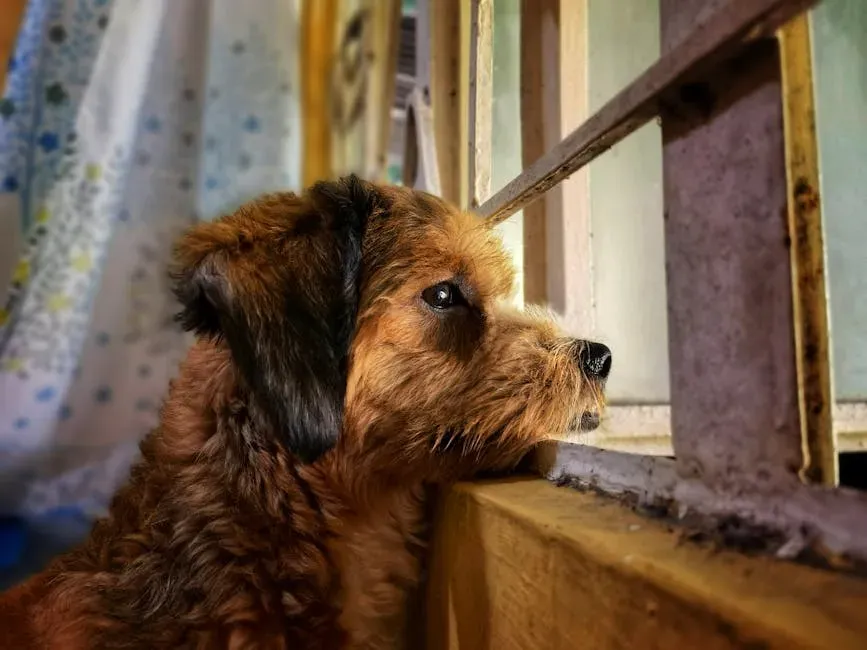
It is estimated that roughly one in seven to one in five dogs has separation anxiety. Dogs can exhibit anxiety through a wide range of behavior problems. Those with separation anxiety often show signs of distress such as whining, howling, barking, pacing, house soiling, or destroying household items after their owner leaves. While at home, they frequently prefer to be in the same room as their owners and start becoming stressed when they see their owner preparing to go out.
Desensitization is an effective way to treat separation anxiety. Step outside your door for a moment and let your dog sit with the discomfort. After just a few seconds, come back in and reward your dog for calm, quiet behavior. Keep adding time gradually until they’re staying quiet for the full duration. After some practice, your dog will feel better about you leaving and ultimately feel safer.
When it’s time to leave, don’t turn it into a big event. All that’s needed is a simple cue to help your dog understand that you’re going and that you will come back. You can work with your dog to establish a leaving cue during training. Staying quiet and unemotional during your comings and goings helps your dog remain calm, and this is particularly effective for dogs with separation anxiety.
8. Be Your Dog’s Calm, Trustworthy Anchor
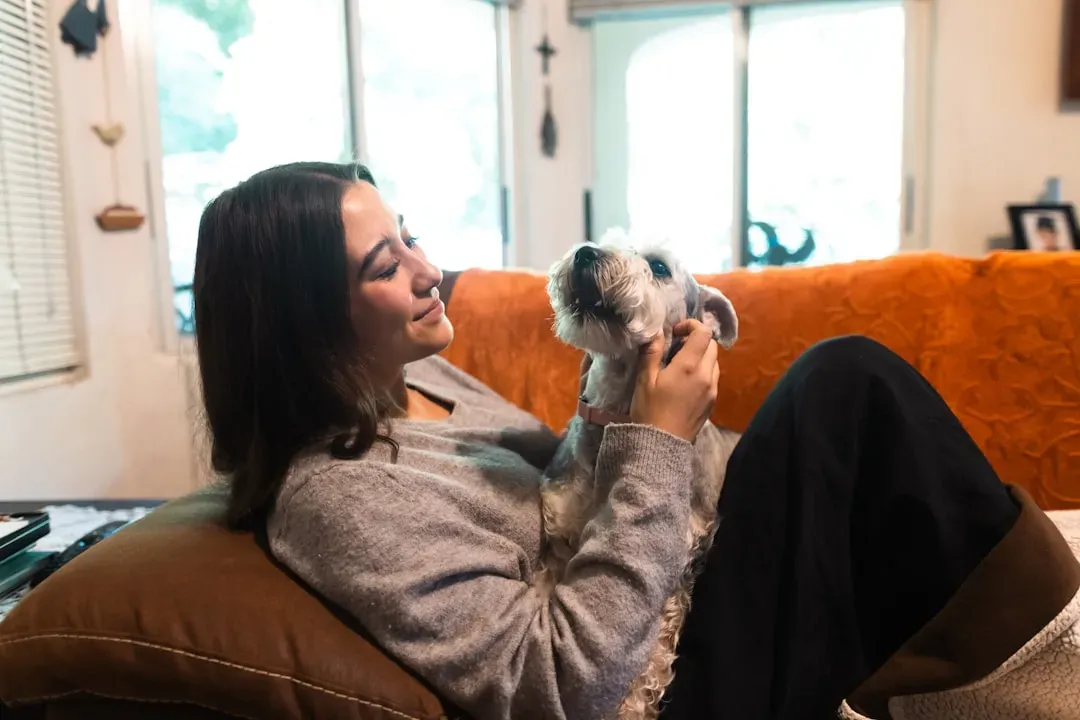
Research has found that dogs’ attachment to their human caregivers functions similarly to how a child forms attachments to a parent. This makes perfect sense, considering how dogs rely on us to meet their basic needs. When dogs form a healthy bond with their caregivers, they feel confident enough to explore the world, knowing they have a trustworthy base to return to when things get overwhelming or scary.
One of the most important aspects of helping a dog feel at home is to build trust and form a bond. Spending quality time with your dog each day, whether through gentle play, walks, or simply sitting with them, lets them see that you are a safe and dependable presence. As you form a bond, your dog will begin to feel more confident and comfortable, knowing they can rely on you for love, protection, and care. The trust you build together will last a lifetime.
A dog who feels safe doesn’t just behave better, they live better. Secure dogs explore more, learn faster, and bounce back from stress more readily. Dogs are remarkably resilient and forgiving. They can bounce back, and their secure attachment can be rebuilt with patience and empathy. That is a genuinely hopeful truth for any dog owner to hold onto.
Final Thoughts
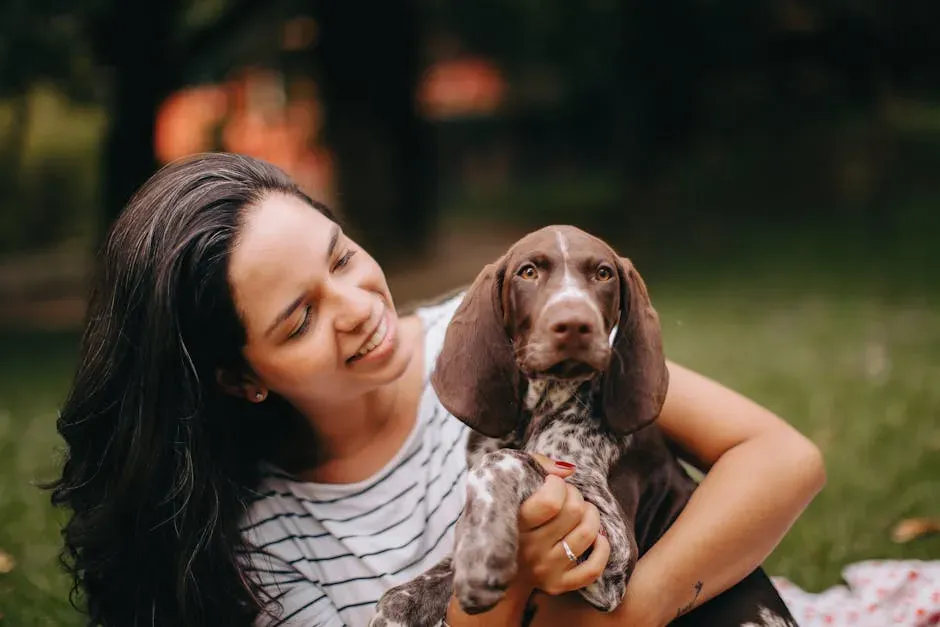
Making your dog feel safe isn’t about buying the fanciest bed or signing up for every training class in town. It’s about consistency, attentiveness, and the kind of quiet, daily care that builds trust over time. Predictability and control help anxious dogs feel safer, and mental stimulation alongside appropriate physical exercise supports emotional balance.
Your dog isn’t asking for perfection. They’re asking for reliability. A routine they can count on, a space they can call their own, and a person they can look to when the world feels uncertain. Have patience and understanding for your pet. Ultimately, that is what will make them feel the safest and most secure. Pet learning takes time, so give them the time they deserve.
The relationship you’re building goes both ways. The more you invest in understanding your dog’s emotional world, the richer and more rewarding the bond becomes for both of you. That’s not just good pet ownership. It’s a genuinely good life shared.