
Florida – Manatees’ Leisurely Pace Clashes with Boating Speeds in Deadly Encounters
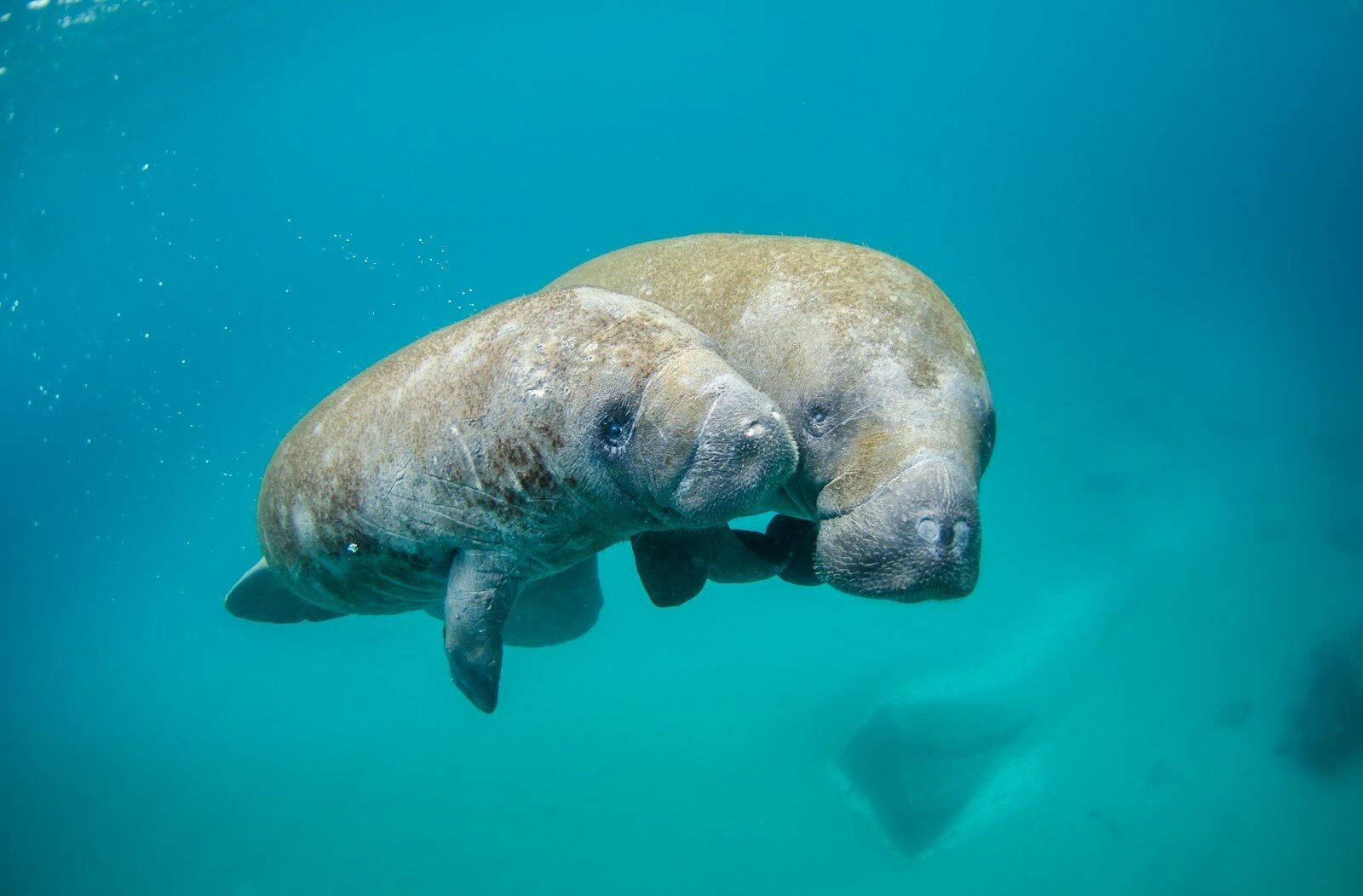
Florida – Manatees navigate the state’s warm, shallow waters with a deliberate slowness, relying on powerful tails and flippers for propulsion. This gentle cruising speed leaves them exposed to fast-moving boats that slice through their habitats. Collisions have inflicted severe injuries and claimed numerous lives, prompting ongoing calls for heightened boater awareness.[1][2]
Boat Strikes Claim a Significant Toll
Watercraft collisions ranked among the primary human-induced causes of manatee mortality for years. Reports indicated that 20 to 25 percent of documented deaths stemmed from these incidents.[1] In 2024, boat strikes accounted for 17 percent of all fatalities, falling below the decade-long average yet highlighting persistent risks.[3]
Necropsy examinations from 2007 to 2016 revealed stark evidence of repeated trauma. Nearly every adult manatee carcass showed watercraft scars, with one in four bearing marks from 10 or more strikes. Such injuries compromised mobility, heightened stress, and potentially reduced reproductive success, marking manatees as the most affected marine mammal from sublethal boat encounters.[2]
Factors Behind the Frequent Collisions
Manatees’ sluggish travel through rivers, estuaries, and coastal zones amplified their vulnerability. They often surfaced to breathe or foraged in shallows, paths frequented by recreational vessels cruising at 15 to 30 miles per hour. Propellers inflicted propeller scars on up to two-thirds of the population, while blunt impacts ruptured lungs protected only by thin ribs.[1]
Detection proved challenging amid noisy environments. Low-frequency engine sounds masked approaching boats, especially slower ones with quieter motors. Manatees reacted later to these vessels but benefited from the extra time slower speeds afforded for evasion. Limited neck mobility hindered rearward threat assessment, further elevating risks in busy waterways.[1]
Protection Zones Offer Critical Safeguards
The Florida Fish and Wildlife Conservation Commission established manatee protection zones under the Manatee Sanctuary Act to curb collision dangers. These regulated vessel speeds in high-risk areas, considering manatee concentrations, boating traffic, and waterway features like depth and visibility. Slower operations demonstrably lowered strike rates, as confirmed in peer-reviewed analyses.[4]
Zones varied by restriction level: idle speeds kept vessels settled in water, slow speeds limited wakes, and some capped channels at 25 miles per hour. Local ordinances supplemented state rules, though they avoided primary Intracoastal Waterway channels. Signage enforced compliance, with permits available for essential activities like research or fishing.[4] Seasonal activations aligned with warmer months when manatees dispersed into feeding grounds.
Recent Mortality Trends Signal Caution
Preliminary figures for 2025 recorded 632 manatee deaths statewide, below the five-year average of 731 but exceeding the prior two years. Watercraft remained a key factor, though cold stress and perinatal losses also contributed significantly. Counties like Brevard and Lee reported elevated numbers, with boat-related cases persisting above historical norms in some regions.[5][6]
Early 2026 data echoed concerns, as frigid weather claimed dozens early in the year. Rescue teams necropsied carcasses to pinpoint causes, underscoring the multifaceted threats beyond boats. Population recovery hinged on addressing all pressures, including habitat loss and pollution.[7]
Practical Steps for Boaters to Protect Manatees
Operators played a pivotal role by adhering to zones and maintaining vigilance. Polarized sunglasses enhanced visibility of dark shapes in murky waters, while scanning 360 degrees prevented blind-spot oversights.
- Obey all posted speed limits, especially slow and no-wake areas.
- Steer clear of seagrass beds and springs where manatees congregate.
- Report injured animals or violations to authorities immediately.
- Install propeller guards if feasible, though they complemented – not replaced – speed reductions.
- Reduce engine noise and wakes to minimize disturbance.