
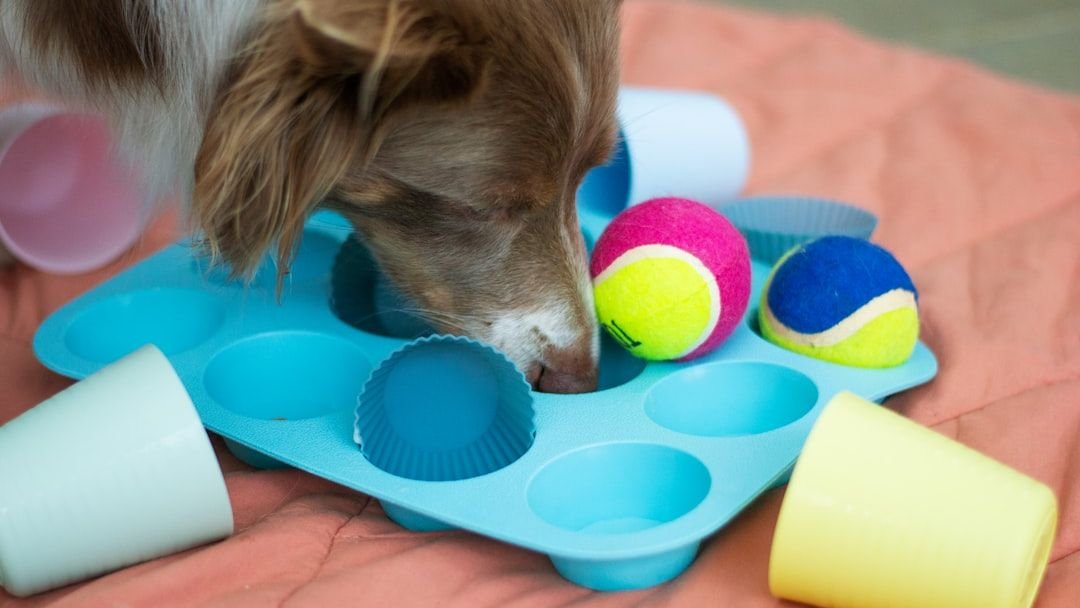
There’s something quietly profound about watching a dog grow old. The snout turns silver, the pace slows, and nap time stretches just a little longer each year. Yet despite those visible changes, your older dog still wakes up every morning ready to connect with you, hoping for a walk, a scratch behind the ears, or a reason to wag their tail.
The good news is that keeping a senior dog active and genuinely happy doesn’t require an expensive plan or major overhaul. It takes consistency, a willingness to adapt, and the ability to truly pay attention to what your dog is telling you. These five practical approaches can make a real difference in your dog’s quality of life right now.
Embrace Shorter, Smarter Daily Walks
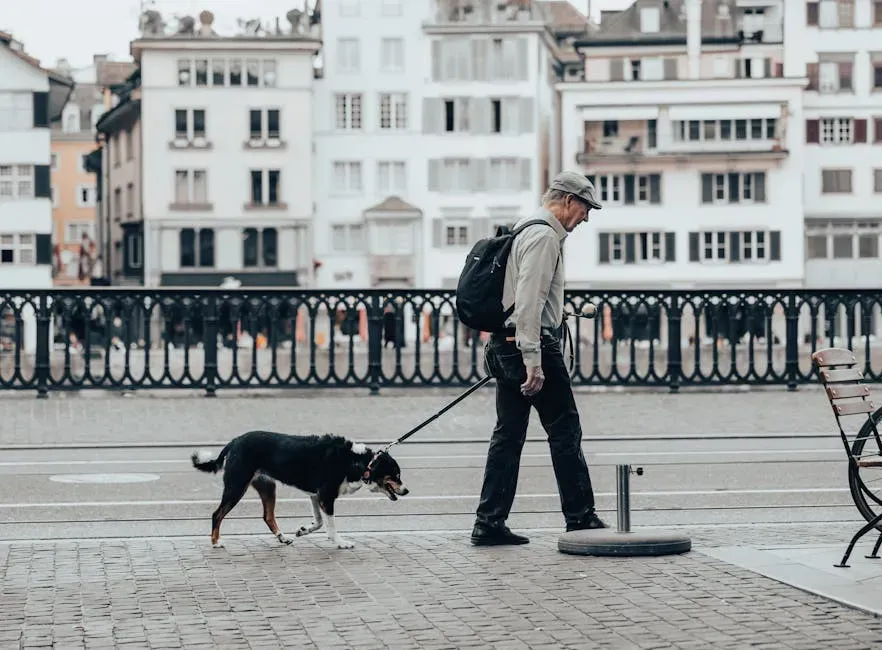
Exercise keeps your dog fit, strengthens muscles, and supports joint health, but the intensity needs to match their age and condition. Opting for shorter, more frequent walks rather than one long outing is often far more effective for older bodies. Think of it as spreading out the good stuff rather than forcing it all into one session.
When possible, choose a low-impact walking surface such as grass, dirt, or sand. Walking helps control weight, promotes healthy joint motion, aids digestion, and provides both physical and mental stimulation. Your dog gets more out of a gentle 15-minute stroll on soft ground than a forced march on hot pavement.
Take cues from your pet and watch for signs of shortened breath, panting, stiffness, and tiring. These are all signals that you need to shorten the walk. Stop if your dog limps, pants excessively, seems painful, or refuses to continue, and contact your veterinarian. Your dog is always communicating with you; the key is learning to listen.
Keeping a routine by walking around the same time of day and for the same duration can help your senior dog look forward to your walks together. Senior dogs thrive on routine, and setting consistent walking and feeding schedules helps them feel safe and secure. That predictability matters more to an older dog than most people realize.
Add Low-Impact Activities Like Swimming and Gentle Play
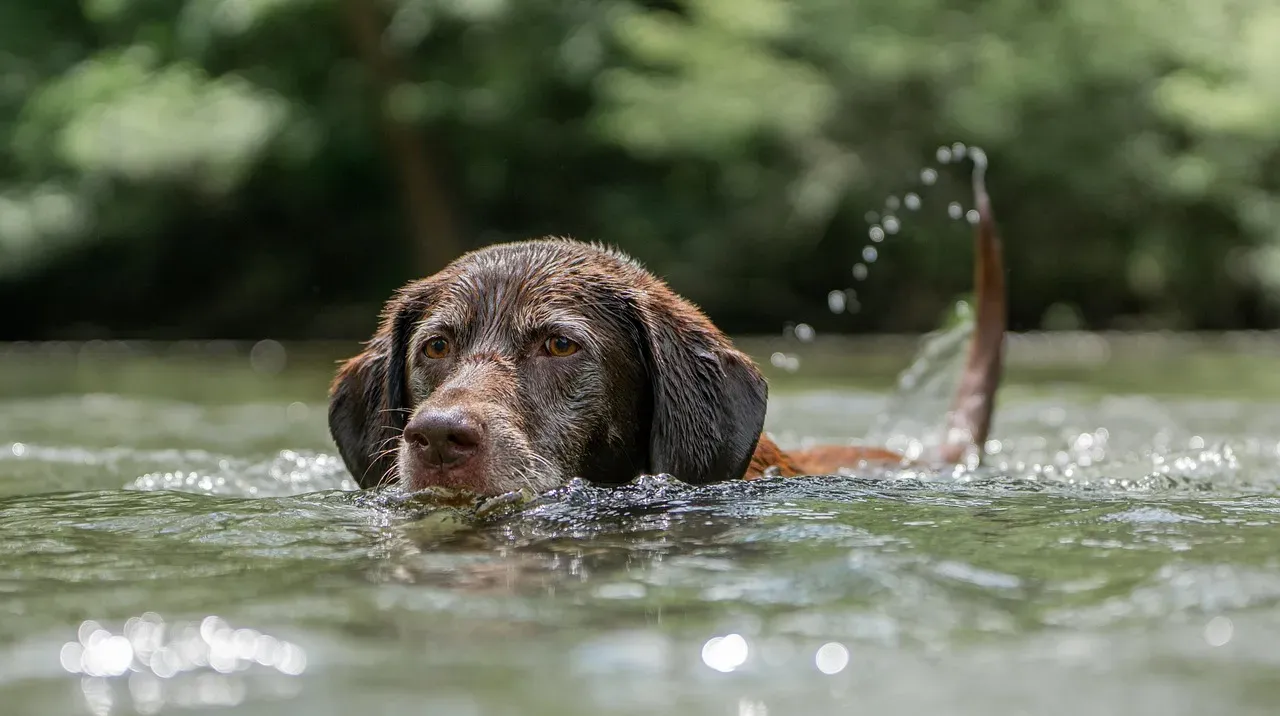
Swimming is a low-impact exercise that helps maintain muscle strength and cardiovascular health while minimizing joint stress. Water supports weight and reduces joint stress while providing a full-body workout. Many dogs enjoy swimming, and hydrotherapy can relieve arthritis discomfort. If your dog has never tried it, a calm, shallow introduction goes a long way.
Swimming and water exercises are often prescribed for dogs recovering from surgery or accidents. Senior dogs should always wear a life vest to be safe, and if you have a bulldog, pug, or brachycephalic breed, swimming is not recommended as they are at higher risk of aspiration pneumonia. Always check with your vet before starting any water-based routine.
Modifying favorite activities to lower-impact versions often allows continued enjoyment. Shortened fetch sessions, slower walks, or gentle swimming can replace more demanding previous routines. Using soft toys and low-intensity games engages your dog without high-impact jumps, and keeping sessions brief with rest breaks makes all the difference.
Keep That Aging Brain Sharp With Mental Stimulation
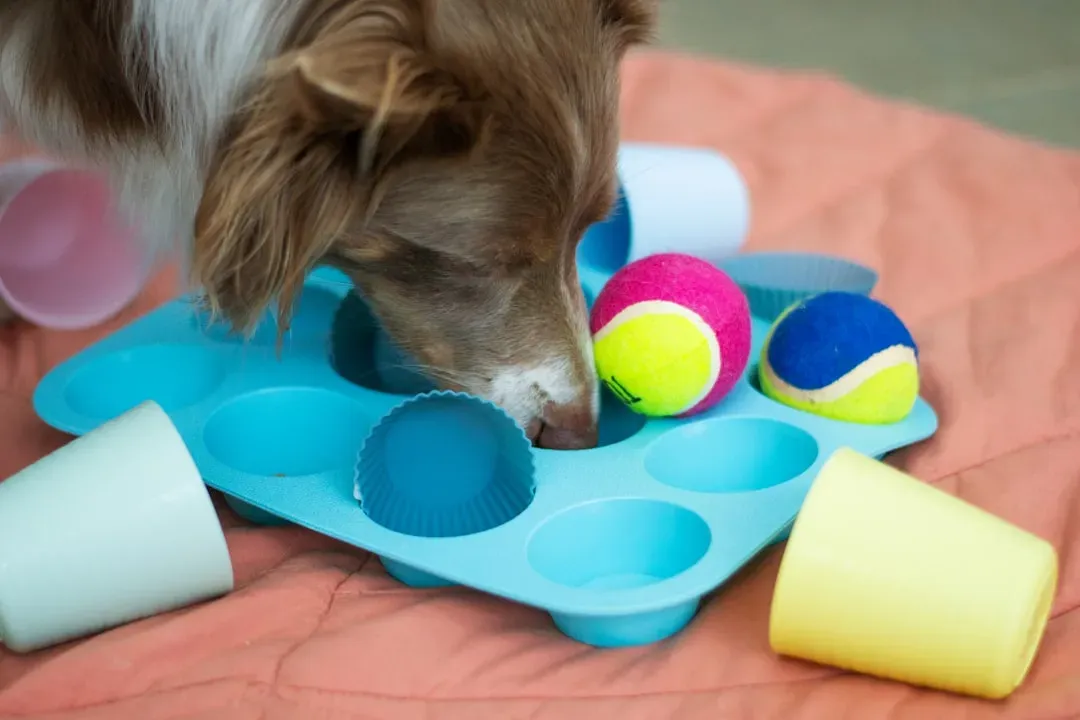
Research shows that low-impact exercises like leisurely walks, gentle fetch sessions, and puzzle toys can help maintain mobility, reduce stress, and support overall brain health in older pups. Providing an enriching environment not only prevents boredom but can also slow cognitive decline, keeping your beloved companion bright-eyed for as long as possible. Mental engagement is every bit as important as physical movement.
Mental stimulation is just as important as physical activity. Older dogs benefit greatly from games and puzzles that keep their minds engaged. Try treat-dispensing toys, scent tracking games, or even basic trick training tailored to their pace. This not only fights off boredom and cognitive decline but also strengthens your bond with your pet.
Mental challenges such as puzzle toys, treat-dispensing devices, and refreshing basic commands help maintain cognitive health. Teaching new tricks at a relaxed pace can also spark engagement and confidence. Rewards-based strategies, patient practice, and regular positive reinforcement ensure a pleasant experience and strengthen bonding.
As dogs age, their behavior and cognition can change. Watch your dog for signs of distress, confusion, or disorientation, such as pacing, excessive barking, house accidents, or altered sleep patterns. If you notice signs of canine cognitive dysfunction, speak with your vet about dietary changes, enrichment games, calming supplements, or medications.
Feed a Senior-Appropriate Diet and Watch Their Weight
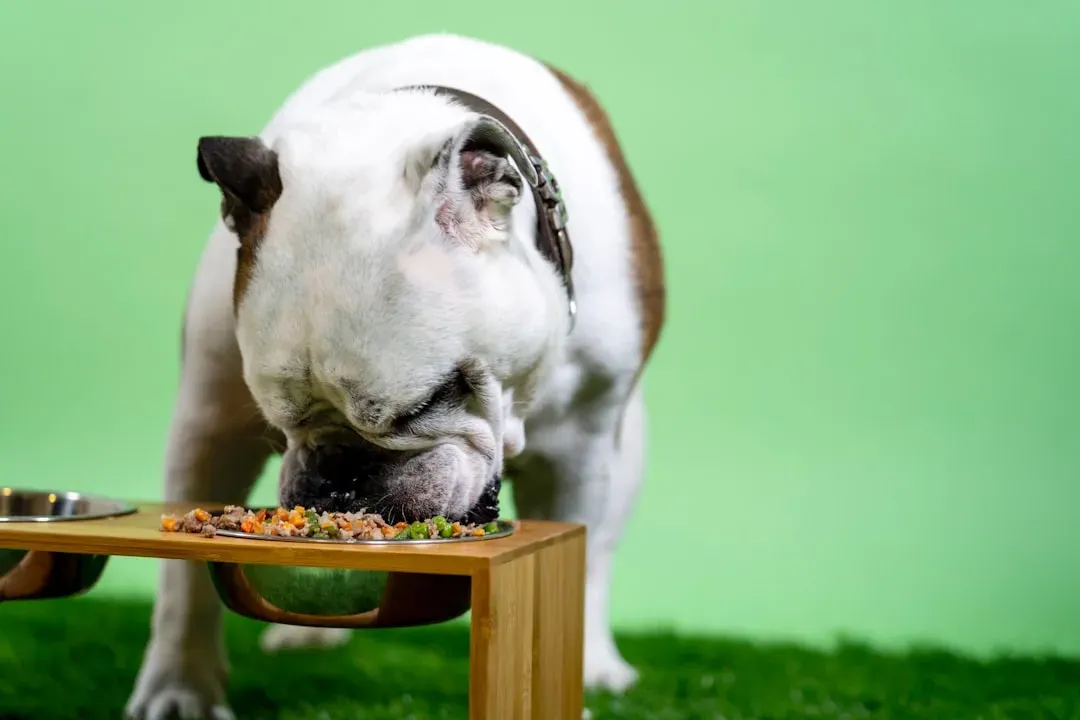
Senior dogs have different nutritional requirements than other life stages. Older dogs are less active and need fewer calories. Overfeeding leads to obesity, which burdens aging joints and can lead to other health concerns. A dog carrying extra weight is essentially working against themselves with every step they take.
Choosing a high-quality senior dog food that’s lower in calories but rich in nutrients like fiber, antioxidants, and omega-3 fatty acids supports joint function, heart health, and digestion. Feeding measured portions helps avoid unwanted weight gain, which can lead to arthritis and other health issues.
Your senior pet might benefit from easier-to-digest ingredients. Consider switching to wet food, as the higher water content is good for the kidneys and its softer texture is easier on aging teeth. Excess weight exacerbates age-related conditions such as arthritis by placing additional stress on joints, and maintaining a healthy weight minimizes the risk of diabetes and other metabolic disorders, which become more prevalent with age.
Create a Comfortable, Safe Home Environment and Schedule Regular Vet Visits
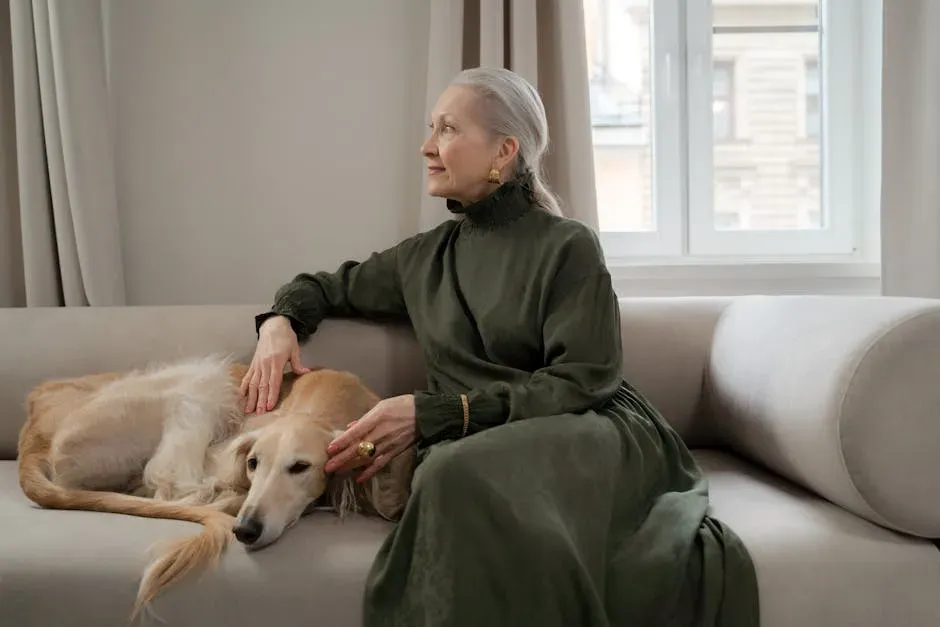
Your older dog would truly appreciate it if you made your home more accessible. Adding carpets for better grip or providing traction with a yoga mat or anti-slip rug pad on slippery floors helps significantly. Pet stairs will help your dog get on and off furniture safely, and a ramp is wonderful for getting in and out of the car.
Older dogs need extra rest, so provide a quiet, cozy space where they can relax without disturbances. Orthopedic or memory foam beds help cushion joints and regulate body temperature. Keep their sleeping area clean, warm, and easily accessible, especially if they struggle with stairs. A well-rested dog is a more active dog.
Your dog’s annual vet visit should now become a biannual routine. Senior dogs are more prone to age-related conditions such as arthritis, diabetes, heart disease, and dental problems. Frequent wellness exams allow your veterinarian to detect changes early, update vaccinations, and recommend lifestyle adjustments.
A dog can have up to 75 percent loss of kidney function and still appear just fine on the surface. Scheduling lab tests twice a year for older dogs helps keep tabs on their internal functioning and catch problems early, when they are more manageable. Prevention is always more effective than crisis management.
A Final Thought Worth Carrying With You
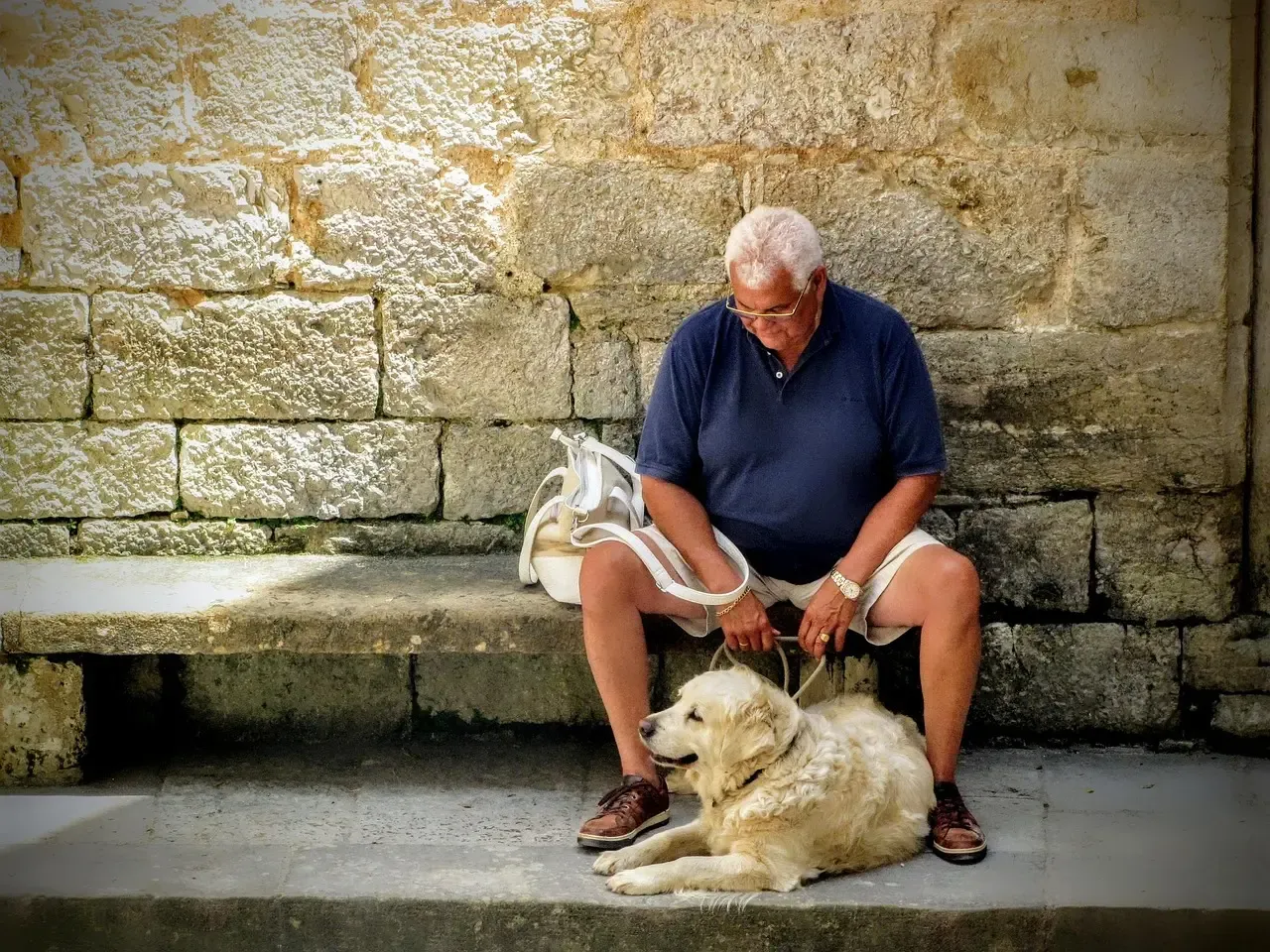
Caring for an older dog isn’t about reversing time or chasing the energy of their puppy years. It’s about meeting them exactly where they are right now, with patience, creativity, and a whole lot of love.
Accepting that your senior dog cannot perform at youthful levels allows you to focus on what they can do rather than mourning what they cannot. That shift in perspective changes everything. Think about the unconditional love your older dog has shown you over the years you’ve spent together, and do your best to return it tenfold. Your love is free and can be given in abundance, but it’s priceless to your pup. Special time together, even if it’s just cuddling on the couch, is what senior dogs cherish most.
The gray muzzle, the slower walks, the extra nap in the afternoon sun. These aren’t signs of a life winding down. They’re signs of a life well-lived, and your dog is still here, still grateful, still yours. Make the most of every ordinary day you share together.


