

Your dog just shredded their third toy this month. You’re standing there holding what’s left of a $20 squeaky plush, wondering if you need to open a separate bank account just for canine entertainment. Sound familiar? You’re not alone. Dogs who can rip up a stuffed toy in 20 seconds flat make it feel like toy funerals are happening far too frequently and money is being thrown out the window.
Here’s the good news: your home is already full of toy-making potential. Old T-shirts in the donation pile, a mismatched sock, an empty water bottle, a cardboard box gathering dust – all of it has a second life waiting. Dogs are incredibly smart, and they need mental exercise just like they need physical exercise. Boredom leads to frustration and destructive behavior, but giving your dog a cognitive workout burns off excess energy, provides entertainment, and prevents problem behavior. These six DIY toys tap into exactly that need, and you won’t have to spend a single dollar to make any of them.
1. The Braided T-Shirt Tug Rope
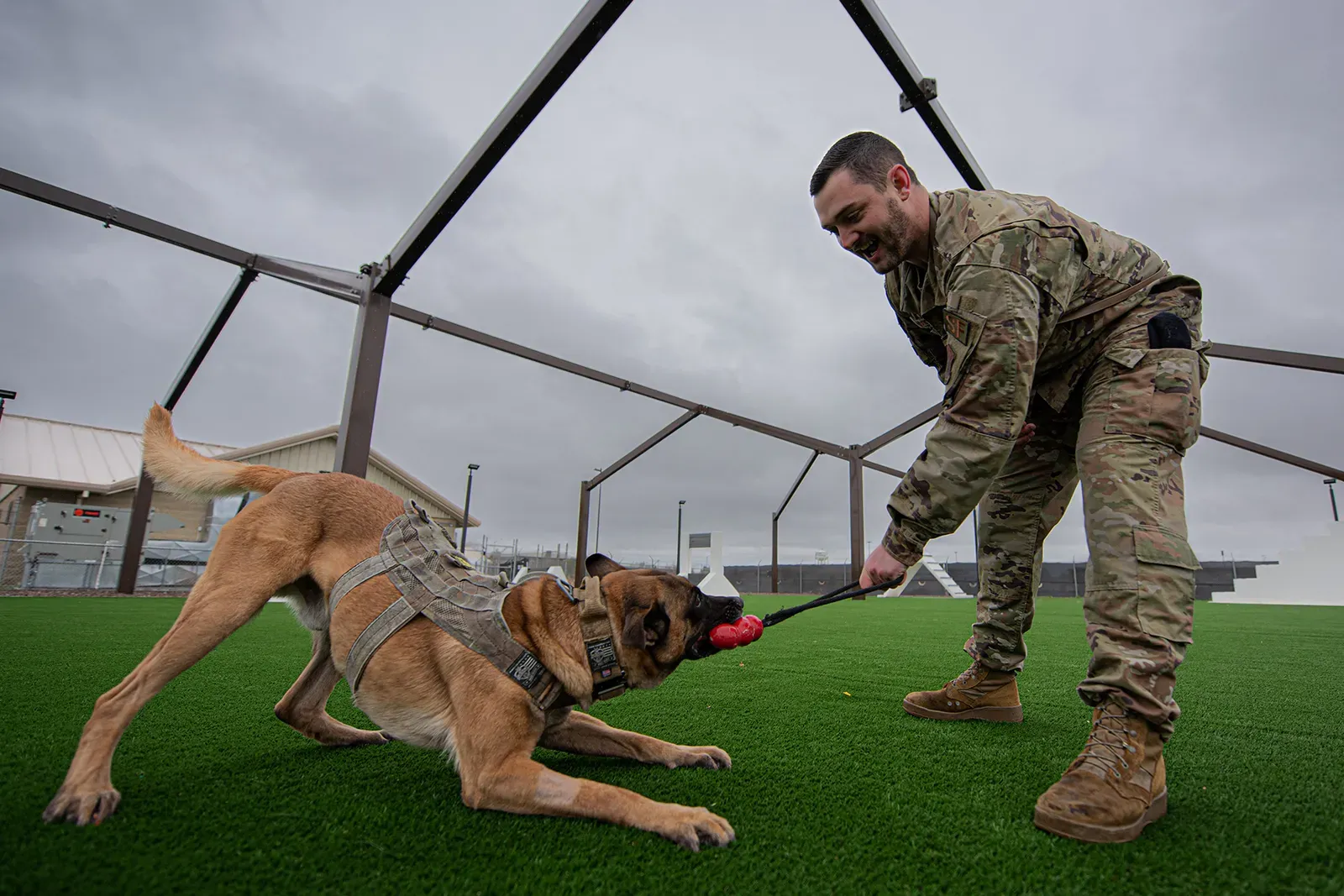
This is the classic starting point for a reason. Dozens of potential DIY dog toys are just waiting to be made from unused things that have been lying around for ages, such as old T-shirts or jeans, towels, or bed sheets. Grab two or three old cotton shirts, cut them into long strips about two inches wide, knot one end together, braid tightly, and knot the other end. That’s it. The whole process takes about ten minutes.
Dogs love this toy because it’s durable, soft on teeth, and perfect for tug-of-war. For safety, replace it once the fabric starts to fray to prevent swallowing threads. Keep an eye on the knots after each play session. A frayed end is your cue to retire it and braid a fresh one.
Soft fabric toys like the braided t-shirt rope are ideal for teething puppies. Just make sure the toy is the right size for your puppy’s mouth and avoid hard materials that could damage developing teeth. For adult power chewers, try doubling the number of strips so the braid ends up thicker and more resilient. The bigger the dog, the chunkier the braid needs to be.
2. The Sock-and-Tennis-Ball Tug Toy
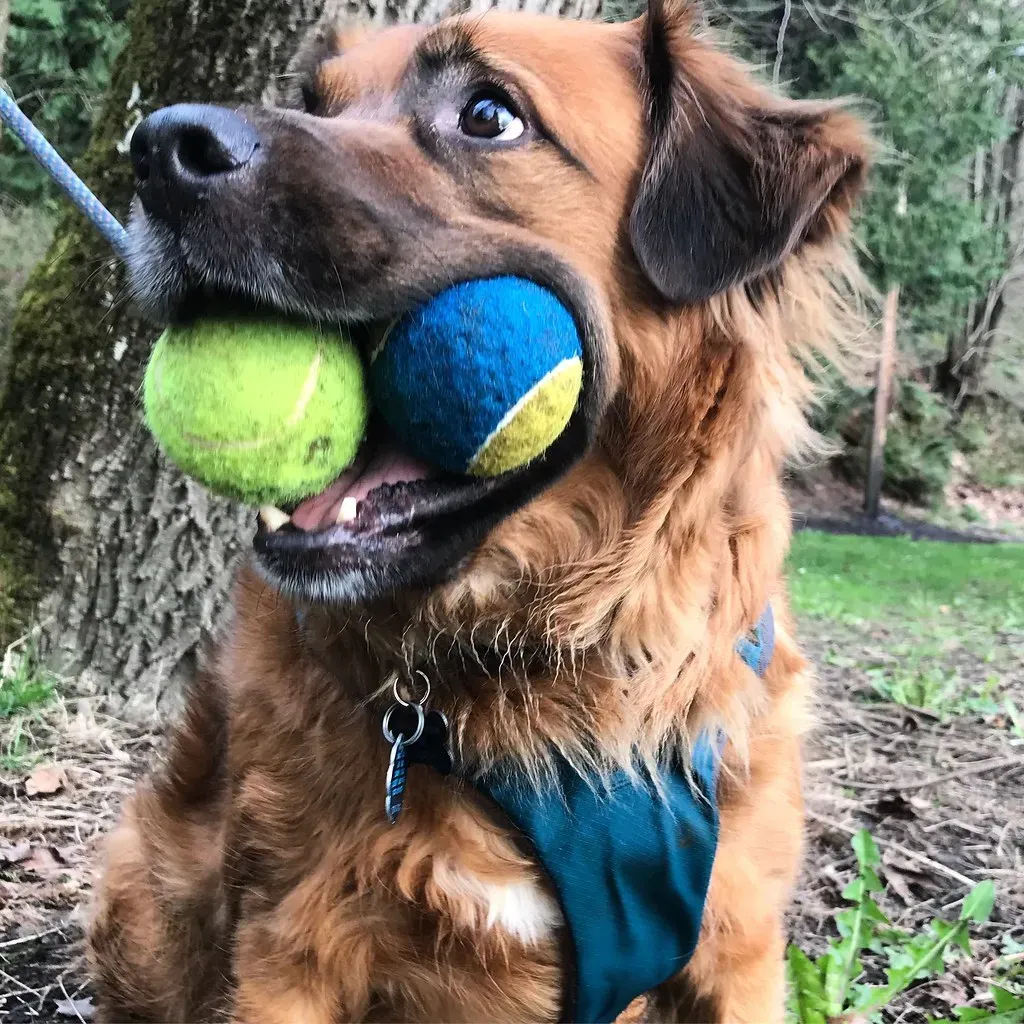
This simple toy requires only two things: a tennis ball and a sock. Check your garage for an old tennis ball, and look in the back of your closet for a sock that’s seen better days. Simply place the tennis ball in the middle of the sock, then tie a knot on both ends close to the ball so it’s held securely. Now you and your dog will both have an end to hold onto when you play tug-of-war.
The sock adds grip and softness while the ball inside gives the toy that satisfying bounciness dogs go crazy for. It’s also a great fetch object – the extra length makes it easier to throw, and the irregular bounce keeps your dog guessing. Always choose a size appropriate to your dog’s mouth and chewing strength – a sock toy sized for a Labrador won’t work the same way for a Chihuahua, and a too-small version becomes a choking risk fast.
3. The Crinkle Bottle Toy
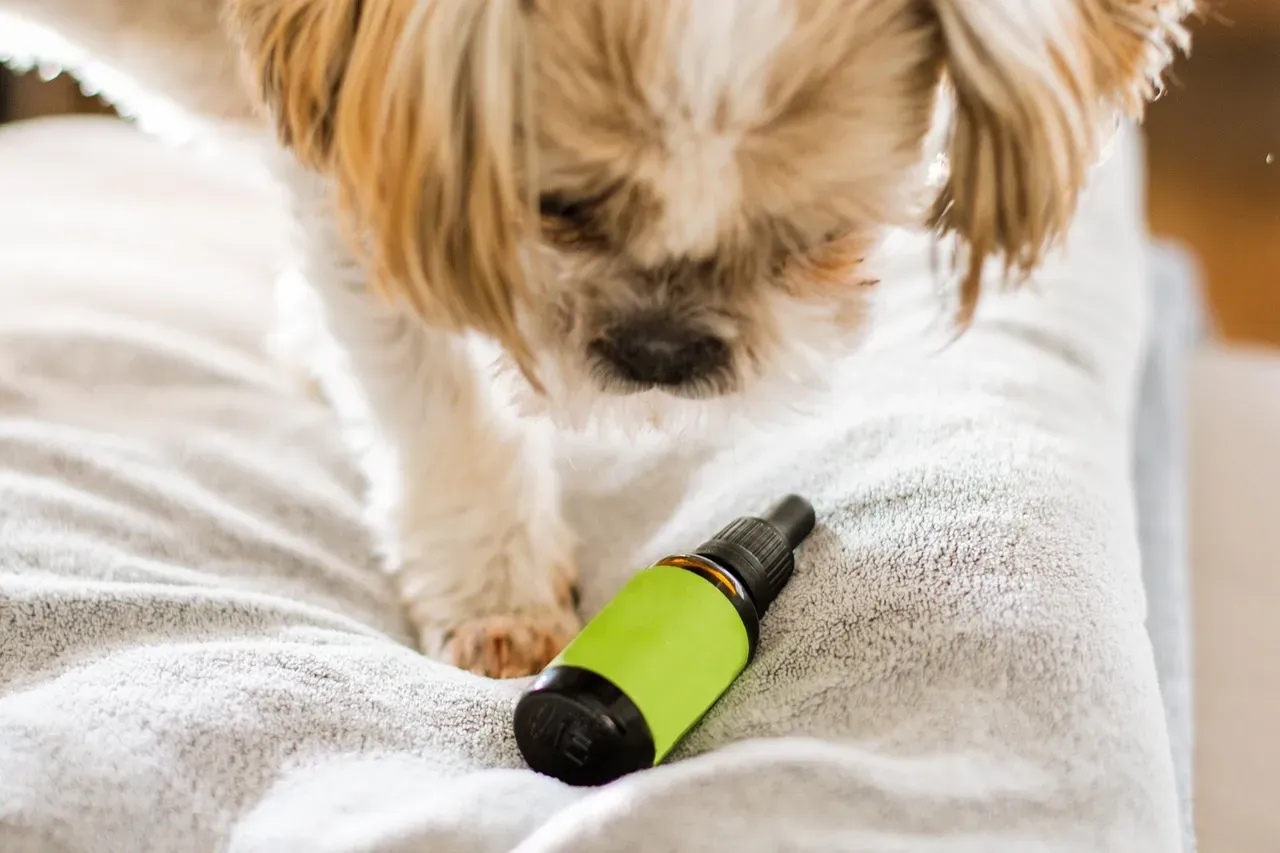
Place an empty plastic water bottle inside an old sock, tie a knot at the open end, and watch your pup go crazy for the satisfying crunch sound. Dogs are drawn to that crinkle noise in a way that’s hard to explain but impossible to ignore if you’ve ever watched a dog lose its mind over a plastic bag. The sock wrapping keeps the bottle contained, adds a bit of texture for chewing, and prevents your dog from accessing the bottle directly.
Before you assemble this one, always remove the bottle cap and label. For added safety, it’s recommended that the label be removed. Bottle caps are small, easy to swallow, and worth removing every single time. Inspect toys after every use. If you notice fraying, rips, or loose knots, it’s time for a replacement. Most fabric-based toys last one to two weeks with regular use, depending on your dog’s chewing strength.
4. The Tennis Ball Treat Puzzle
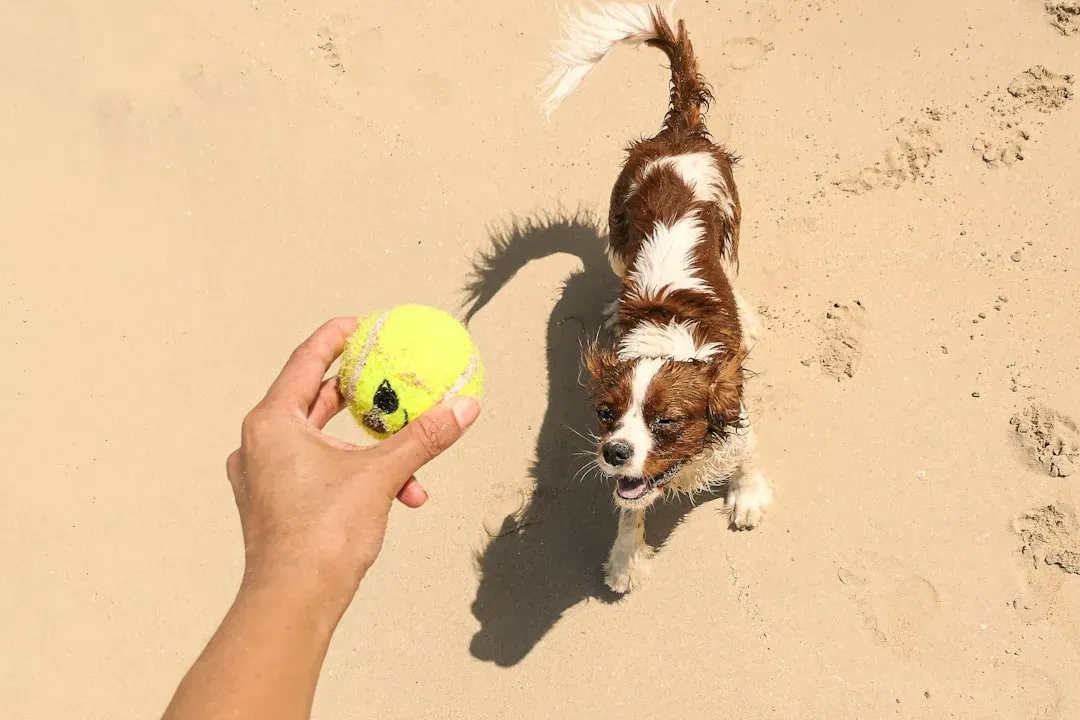
Tennis balls come in handy for many DIY dog toys, and this one is a great alternative to expensive food puzzles. Just cut a small hole in the tennis ball and fill it with dry dog treats. Your dog will need to use their problem-solving skills to get each treat out of the hole. It takes less than two minutes to set up and delivers a surprisingly long stretch of focused, calm engagement.
This turns snack time into a game, encouraging problem-solving and physical activity. If your dog figures it out quickly, make it harder by using slightly larger treats that require more pressure to pop out. Watch for frustration cues like excessive pawing, whining, or abandoning the toy – those are signs the challenge level might need adjusting. Most dogs benefit from ten to twenty minutes of puzzle toy play once or twice daily. This provides adequate mental stimulation without causing frustration or exhaustion.
5. The Muffin Tin Shell Game
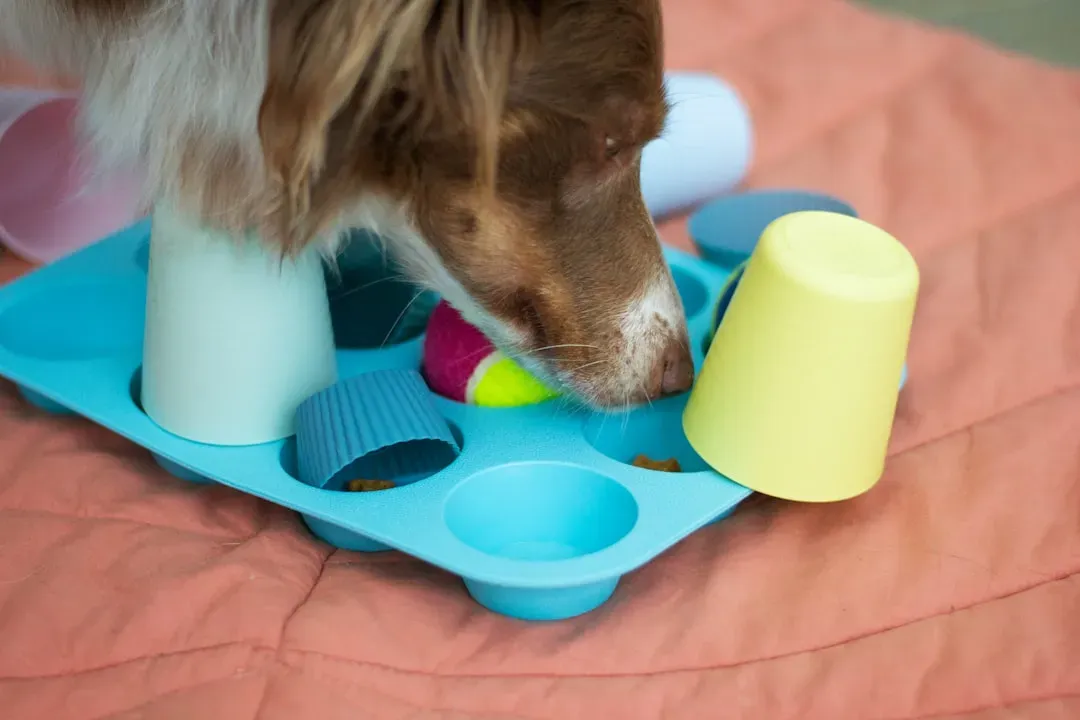
This version of the shell game requires a muffin tin and a ball for each cup in the tin. Tennis balls are a great size for a standard muffin tin, but any appropriately sized ball will do. If your dog is a toy breed, simply use a mini muffin pan and miniature tennis balls. But don’t ever use balls too small for your dog’s size, as they can pose a choking hazard.
To help your dog get the hang of the game, leave the cups uncovered at first. Fill each muffin cup with treats or kibble and let your dog lick or paw the goodies out. Now that your dog knows good things can be found in the cups, it’s time to cover them with the balls. This nose-driven game is brilliant for rainy days when your dog has energy to spare but the weather disagrees. The key to a happy and healthy dog is regular enrichment and allowing them to engage in their innate behaviors, such as playing, chasing, smelling, chewing, and scavenging. By allowing your dog to engage in these behaviors, you allow them to be physically, emotionally, and mentally satisfied.
6. The Cardboard Box Treasure Hunt
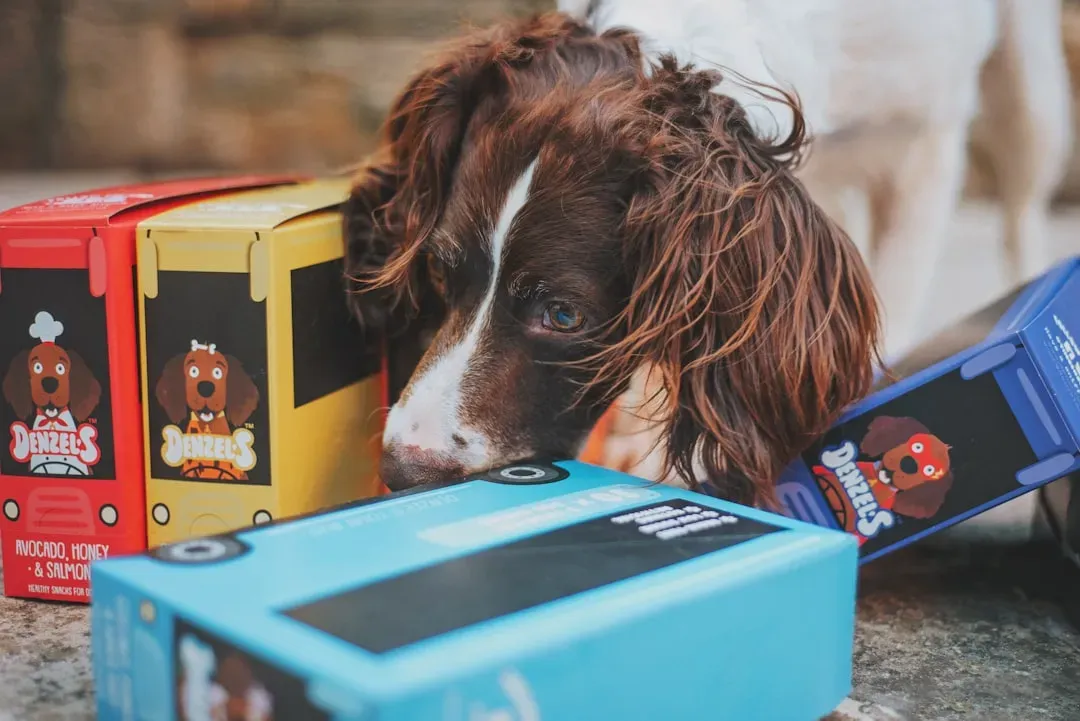
For dogs that need some mental stimulation, an interactive puzzle box is a great way to challenge your dog’s sniffing skills. Making one is very easy, too. All you need is an empty shoebox, cardboard scraps or old socks, scissors, and treats. Fill the interior with crumpled paper and old socks to create a maze-like structure, then hide treats throughout so your dog has to dig and sniff to find every last one.
Be sure not to make it too challenging, especially if your dog is new to puzzle toys. You can also make it extra interesting by adding crinkly paper inside the box. This adds an auditory element and can make the treats harder to find. One practical tip: you can adjust the challenge level. For example, use a bigger box with more layers of crumpled paper for a tougher puzzle, or leave the box open for beginners. The best part? These toys were destined for your recycling bin anyway, so there’s always a fresh box or tube waiting to be filled.
A Quick Word on Safety Before You Start Crafting
Every toy on this list is genuinely easy to make, but a few ground rules apply to all of them. Avoid toxic fabrics or dyes and choose natural cotton, fleece, or unbleached rope. Skip sharp or breakable items like metal parts, staples, or thin plastics. Double-knot securely since loose strings can be swallowed. Size it right – too small and it’s a choking hazard; too big and it’s awkward to play with.
Supervise your dog during play. DIY toys won’t have the same rigorous testing for safety and destructibility as commercial ones, and you’ll want to make sure your dog isn’t swallowing chewed-up bits. This isn’t about hovering – it’s about being present enough to step in if something breaks apart unexpectedly. Rotating toys every week or two keeps playtime exciting and prevents boredom. Tuck a few toys away for a while and reintroduce them later – your dog will greet them like old friends.
Conclusion: The Best Toy Is One Made with Intention
There’s something genuinely satisfying about watching your dog light up over something you made from a worn-out sock and an old tennis ball. DIY toys are not just about saving money – they’re a way to bond with your dog, unleash your creativity, and ensure playtime is both fun and safe. The time you invest in making a toy is time your dog actually feels, even if they can’t say it.
Keeping the inside of your home stimulating and fun will help decrease boredom and decrease potential behavioral issues. That restless, mouthy behavior you see in the evenings? It’s often just a dog asking for more mental engagement. These six toys are a direct, practical answer to that ask. No special skills required, no trip to the store needed. Just a little creativity and whatever’s already around you.
Your dog doesn’t need the fanciest toy in the pet store aisle. They need you to show up and play. These toys are just the tools that make it happen.


