
Picture this: you grab your keys, slide on your shoes, and glance back at your dog. Their eyes are wide. Their tail has gone still. And somewhere between the door and your car, you spend the next few minutes worrying whether they’re okay. You’re not alone in feeling this way. Caring about how your dog handles time by themselves is one of the most honest signs of a thoughtful dog owner.
The good news is that preparation makes a real difference. Whether you have a new puppy, a rescue with a complicated past, or a dog who has recently started showing signs of distress, there are practical, research-backed ways to help your dog feel more settled when you can’t be there. Here’s what actually works.
Understand What Your Dog Is Really Feeling When You Leave
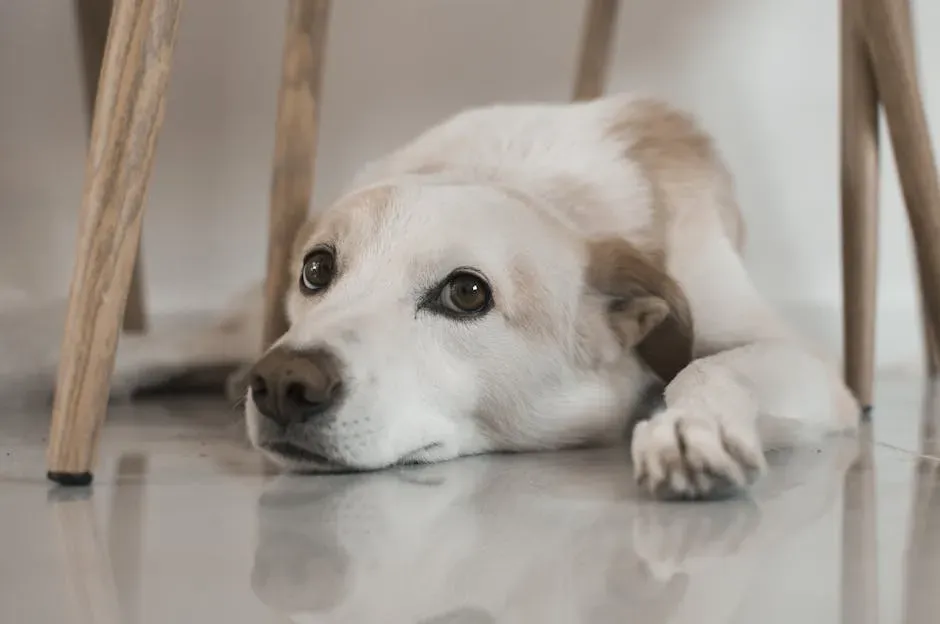
Separation anxiety is triggered when dogs become upset because of separation from their guardians, the people they’re attached to. It’s easy to misread this as stubbornness or spite, but that framing does dogs a real disservice. It’s common to mistake separation anxiety behaviors for your dog being upset with you for leaving them, but this is not the case. Puppy separation anxiety arises when they haven’t learned the right coping strategies to deal with alone time. Their behavior results from fear of being alone, which is somewhat like the puppy equivalent of a human panic attack.
Research suggests that eight out of ten dogs find it hard to cope when left alone, yet half won’t show any obvious signs, so it can be easy for owners to miss. That’s a striking figure, and it means many dogs are silently struggling while their owners assume everything is fine. One of the most common complaints of pet parents is that their dogs are disruptive or destructive when left alone. Their dogs might urinate, defecate, bark, howl, chew, dig, or try to escape. Although these problems often indicate that a dog needs to be taught polite house manners, they can also be symptoms of distress.
Dogs, like us, are very social animals. They would naturally live in family groups and have evolved alongside humans over thousands of years to work with us and live as our companions. Most dogs would choose to spend the majority of their time in our company. Understanding this deeply social nature is the first step toward helping your dog genuinely adjust, rather than just coping.
Train Your Dog to Be Comfortable Alone Before It Becomes Urgent
It’s a good idea to teach a puppy or new dog to get used to your absence for short periods of time, even if you don’t intend to leave them alone for long. At some point, you will have to leave your dog at home, and if they aren’t used to it, they may become very distressed. The idea is to teach them that being alone isn’t scary at all; it’s actually a time to relax and feel comfortable.
The best way to help a dog with separation anxiety is to permanently change their perception of what being alone means, one second at a time. A dog trainer or a veterinary behaviorist will be your best resource in creating a behavior modification program that suits your dog’s needs. You don’t need to jump straight to a long absence. Set up baby gates and make a habit of going off into a different room and leaving your puppy on their own for a few minutes with something enjoyable to occupy them. When it’s time to leave, walk away and return without any fuss. Make your coming and going a part of daily life from the start to allow your puppy to get used to it. Do short, small tasks alone, like showering or putting clothes in the wash, to help them learn it’s okay to be alone and that you’ll come back.
Decode Your Dog’s Pre-Departure and Stress Signals
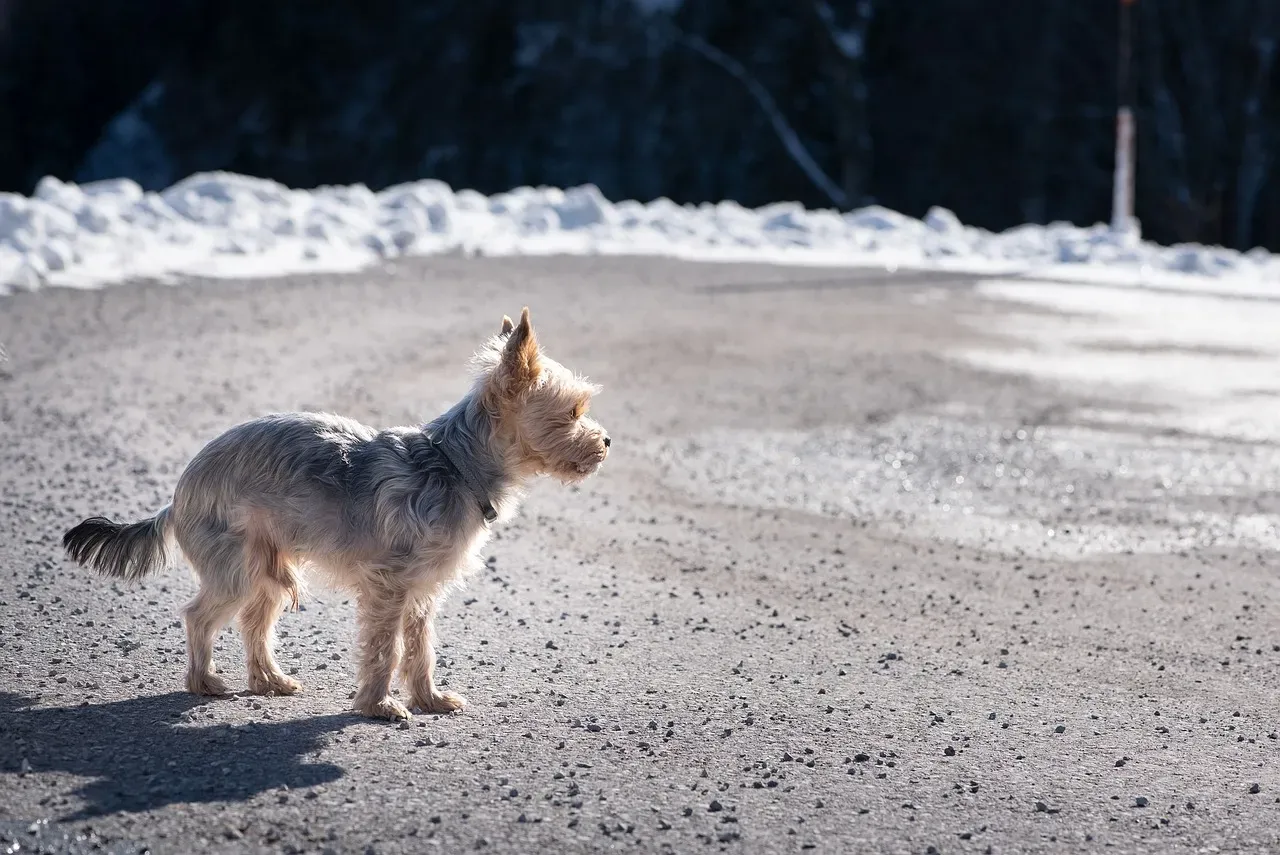
Some dogs begin to feel anxious while their guardians get ready to leave. For example, a dog might start to pace, pant, and whine when they notice their guardian applying makeup, putting on shoes and a coat, and then picking up a bag or car keys. These behavioral cues are easy to overlook because they look like ordinary excitement. The difference lies in what happens next. Usually, right after a guardian leaves a dog with separation anxiety, the dog will begin barking and displaying other distress behaviors within a short time of being left alone, often within minutes.
It’s recommended that all owners try to video their dog when they are left alone from time to time, just to make sure that they’re not showing a hidden sign of distress, such as trembling, pacing about, or whining. A simple phone or pet camera can reveal things you’d never see at the door. One treatment approach to predeparture anxiety is to teach your dog that when you pick up your keys or put on your coat, it doesn’t always mean that you’re leaving. Practicing these rituals at random times, without actually leaving, can quietly dismantle the trigger over time.
If you notice a behavior change in your pet due to being alone too long, it could be a sign to take some action. Examples of behavior changes include increased lethargy, depression or disinterest in once-beloved activities, and destructive tendencies. With any behavior changes, see your veterinarian to rule out medical issues. Catching these signs early matters more than most owners realize.
Create an Enriching, Calming Environment That Works While You’re Gone
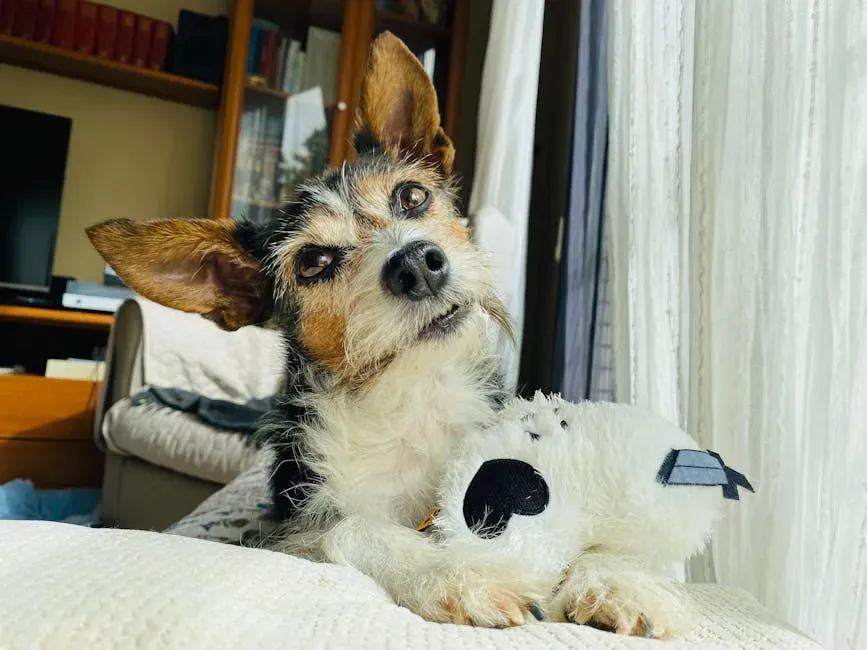
A stimulating, comfortable space can do a lot of the heavy lifting when you can’t be there in person. Toys can serve two purposes in helping treat mild to moderate separation anxiety. They can be a distraction that helps your dog focus on something else so that they don’t feel stressed. They can also help your dog learn to associate time alone with something they enjoy, especially when the toy is combined with a food treat. An effective way to use a dog toy is to stuff a hollow rubber chew toy with something tasty like cream cheese, peanut butter, banana, or canned dog food.
Audio-visual stimulation provides a significant environmental enrichment component for dogs home alone, helping to reduce stress and prevent boredom. Research from the Scottish SPCA and University of Glasgow demonstrates that certain music genres significantly impact canine behaviour, with classical music, particularly pieces with 50 to 60 beats per minute, shown to reduce stress hormones in dogs. Leaving calm background sound on isn’t just thoughtful, it’s genuinely supported by science. A consistent daily routine can help your dog establish expectations for when they will receive attention and when they will be alone. Teaching your dog calming behaviors, such as “settle,” by rewarding them for relaxing in a specific location such as a mat or crate and gradually increasing the amount of time they spend there, also helps.
When you’re leaving your dog home with a toy or treat, it’s best to only use that treat when you’re away. If they have the toy every day, it won’t seem special, and they may become bored with it and not be motivated to play with it while home alone. Keeping certain enrichment items exclusive to alone time preserves their novelty and their usefulness.
Know When to Ask for Extra Help and What Support Looks Like
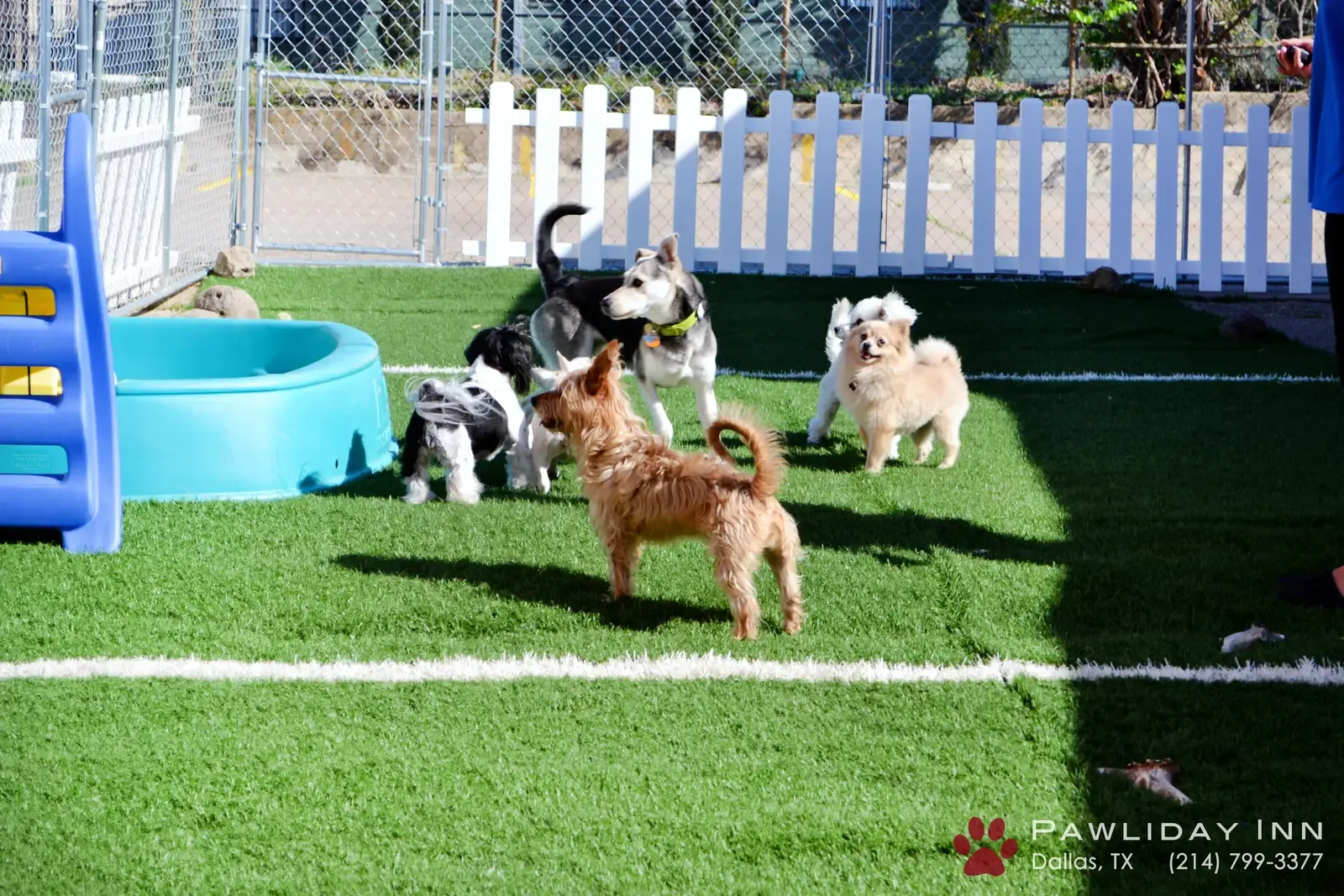
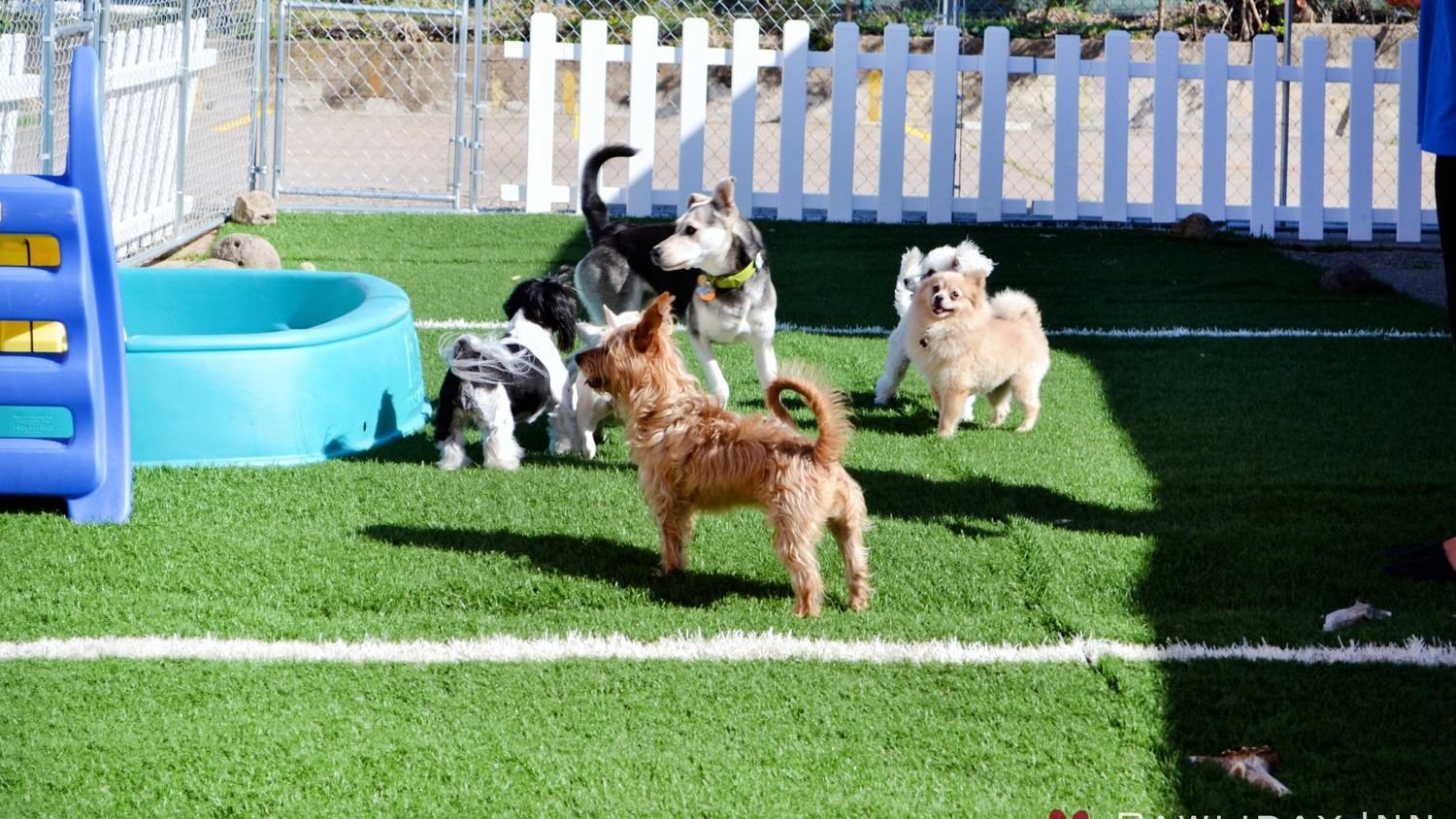
If a sudden schedule change is necessary, such as having to go back into the office after working from home, or you anticipate a major lifestyle change, you may see a shift in your dog’s behavior. If possible, gradually acclimate them to the change instead of expecting them to adapt suddenly. Life transitions catch dogs off guard just as they can catch us off guard. If your dog struggles with being alone for long periods, consider enrolling them in a doggy daycare a few days a week. Doggy daycare offers socialization with other dogs and plenty of exercise, which can help alleviate boredom and anxiety. Many facilities even offer half-day options if a full day seems too overwhelming.
One of the primary challenges in dealing with separation anxiety is that once the training process begins, your dog should never be left alone. Even if you can’t be home with your dog, you must enlist a neighbor, friend, family member, dog walker, or daycare to help during the training process. This is a significant commitment, but it protects the work you’ve already done. If behavior modification techniques don’t ease your dog’s anxiety, your vet may add medication to their treatment. Especially for dogs with severe separation anxiety, medication can be an important part of treatment. It can lower their stress, giving behavior modification a better chance to work. There’s no shame in that route. Sometimes the most caring thing you can do is remove the biological barrier that’s making everything harder for your dog.
As a general rule, your dog should never be left alone for more than four hours at a time. However, this will greatly depend on your dog, their age, breed, and how they cope with being on their own in the house. Some may struggle being away from their owners for this long and others will be unfazed. Knowing your dog as an individual, not just as a species, is the real foundation of everything.
Conclusion
Preparing your dog for alone time isn’t a one-time task. It’s an ongoing conversation between you and your dog, built through small moments of trust, consistent routines, and genuine observation. Some dogs settle easily. Others need months of patient, gradual work. Both experiences are normal.
What matters most is that you noticed. You asked the question. That kind of attentiveness is exactly what dogs need from the people they love. With the right approach, alone time doesn’t have to be something your dog endures. With time and care, it can become something they simply accept, and maybe even rest well through.


