
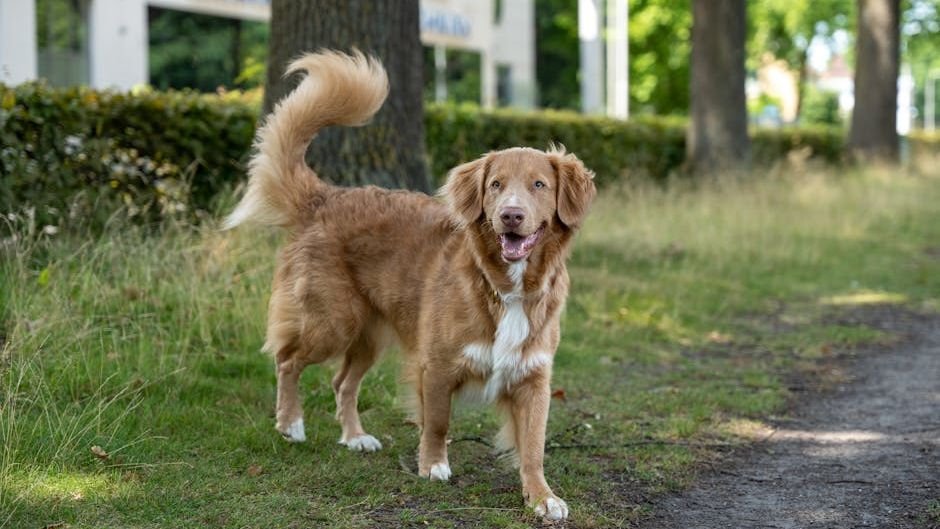
Most dog owners have a ritual they probably don’t even notice anymore. The door swings open, a tail starts wagging, and the assumption kicks in automatically: happy dog. It’s one of the most universally understood images in the animal world, so familiar it’s practically carved into our understanding of pets. The only problem? It’s not always true.
The tail wagging behavior of a dog may not always be an indication of its friendliness or happiness, as is commonly believed. Though indeed tail wagging can express positive emotions, it is also an indication of fear, insecurity, challenging of dominance, or even a warning that the dog may bite. That’s a lot of emotional territory packed into one motion.
Understanding what your dog’s tail is actually saying is one of the most practical skills you can develop as a dog owner. It can prevent misunderstandings, protect both you and your dog in social situations, and deepen the connection between you two in ways that go far beyond the surface. So let’s break it down, one wag at a time.
The Science Behind the Wag: Why Dogs Do It at All
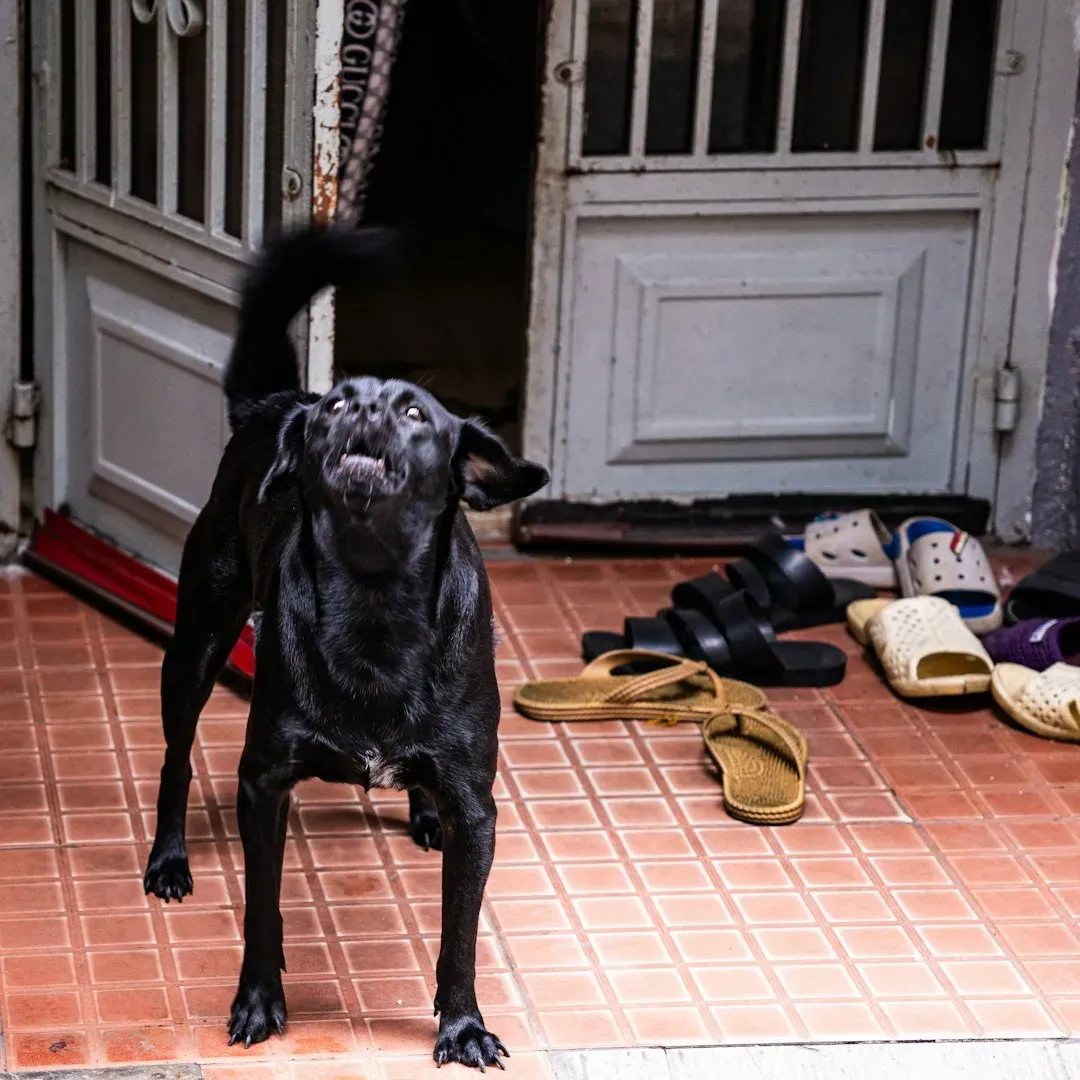
Dogs are remarkably expressive animals, and their tails are among their most powerful tools for communication. Dogs use their tails as part of their natural communication system, which is deeply rooted in their evolutionary history. Unlike humans, who rely heavily on verbal communication, dogs express themselves through body language, facial expressions, and vocalizations. A dog’s tail wag is controlled by the brain’s limbic system, which regulates emotions, and when a dog experiences a particular feeling, the brain sends signals to the muscles at the base of the tail, causing it to move in a specific way.
One study that looked at more than 40 species over a four-year time span found that the domestic dog was the species that wags its tail most. Another group of researchers found that dogs wag their tails at a younger age and more often than wolves. That’s a striking fact worth sitting with. Dogs didn’t just inherit this behavior; they amplified it.
Like human infants, dogs must learn their language. Puppies aren’t born knowing what a wagging tail means any more than newborn babies understand words. When puppies are about a month old, they recognize the need to communicate with their mother and siblings, so they pick up the lingo. A pup wags his tail to tell his littermates that he’s tired of playing or to tell his mother that he’s hungry. Right from the start, it’s all about communication, not just cuteness.
The Direction of the Wag Actually Matters
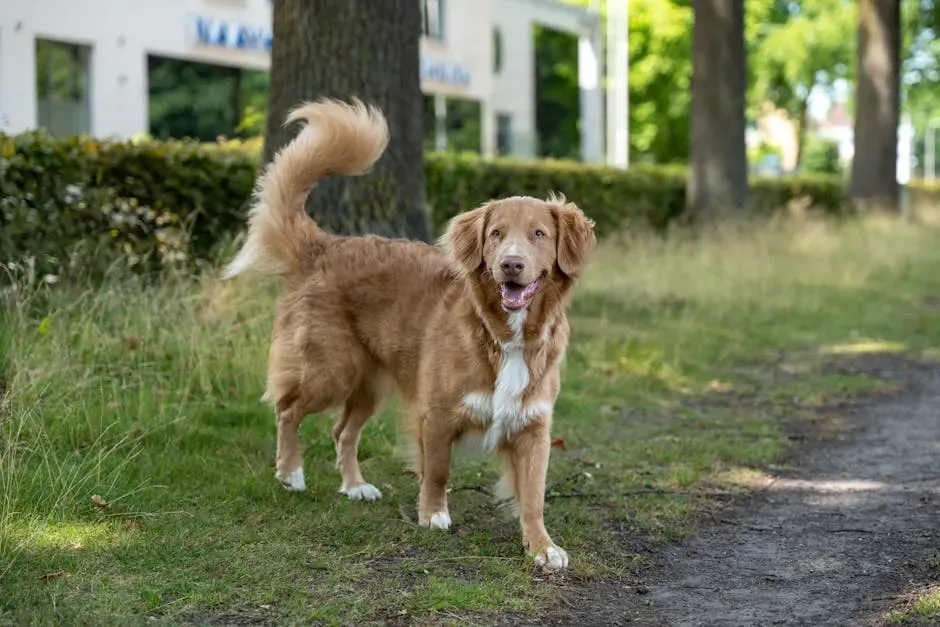
Here’s a detail most owners miss entirely, even those who’ve had dogs for years. Studies show that dogs wag their tails to the right when they are happy or confident, and to the left when they are frightened. It sounds almost too precise to be real, but the science is solid and has been replicated across multiple studies.
Wagging is an asymmetric behaviour, with dogs showing side biases depending on the stimuli they encounter. This suggests brain lateralization in dogs. Dogs exhibit a right-side wagging bias, determined by left hemisphere activation, for stimuli that have a positive emotional valence, such as when shown their owner or a familiar person. On the contrary, they show left-biased wagging, hence right hemisphere activation, for stimuli that elicit withdrawal.
Chinese researchers found that “tail wagging shifts from left side to right side as dogs familiarize with humans,” suggesting the shift as a “time-sensitive indicator of social familiarity.” So if your dog’s tail leans a little more to the right every time you walk in, that’s not random. That’s a measurable expression of trust growing over time. Worth noticing.
Speed and Height: The Two Variables That Change Everything
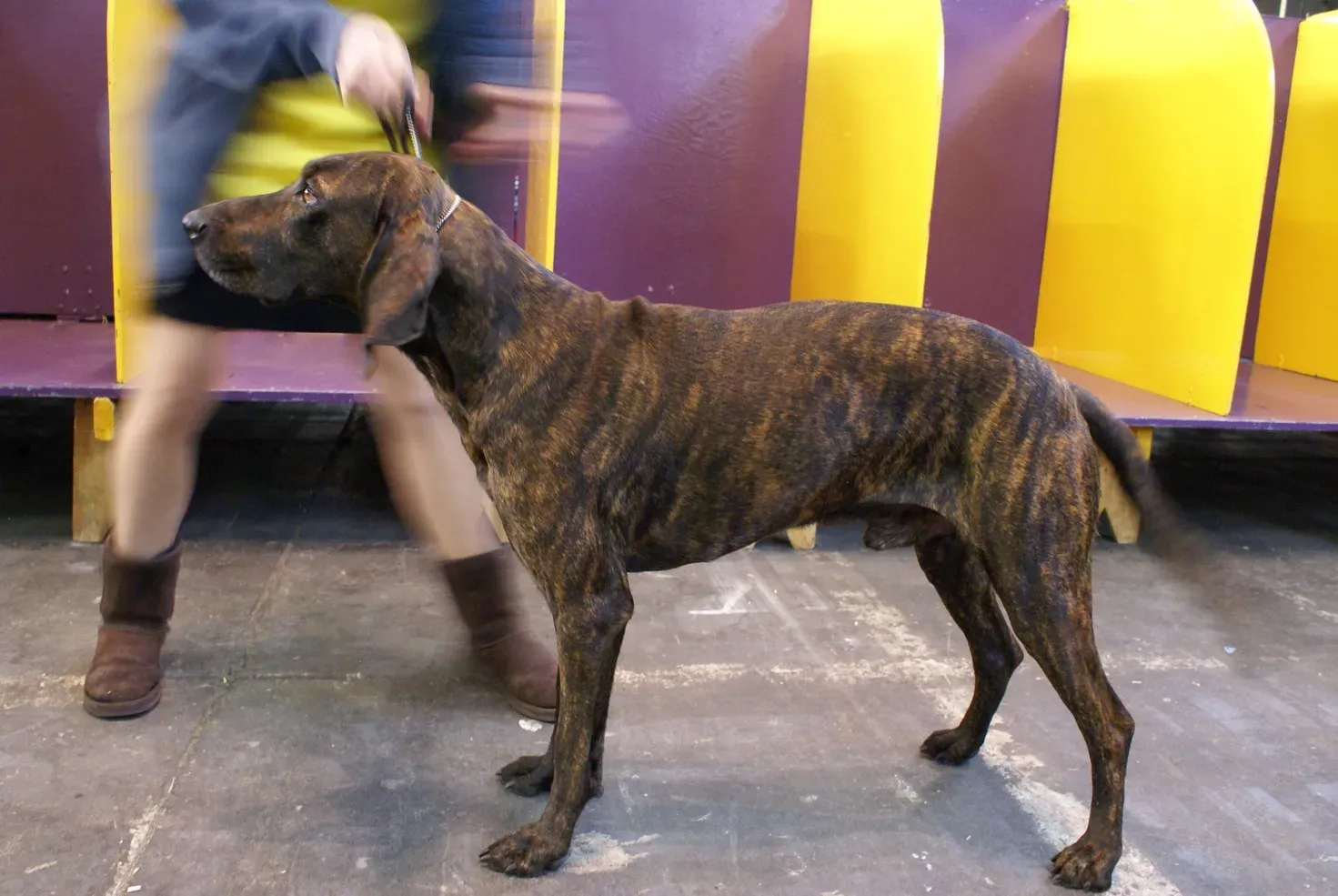
Tail wags are complicated and complex; not all tail wags are alike. The rate at which a tail moves contributes to the dog’s communication, as does the position of the tail while wagging. As a dog’s arousal increases, his tail may wag more quickly regardless of the nature of arousal. That last part is key: fast doesn’t automatically mean happy. It means aroused, and arousal can tip in any emotional direction.
When dogs are eager for an interaction, they may wag their tails quickly, typically in a neutral or high position. When dogs are fearful, they may also wag their tails rapidly, typically in a low position. When dogs are tentative about a pending interaction, their tails often wag more slowly, typically in a neutral or slightly low position. Three different emotional states, three very different tail profiles.
An upright tail can imply dominance, a horizontal tail can hint at neutrality, and a low tail can mean submission. Frantic wagging implies excitement, whereas slow wagging suggests ambivalence. Dogs can also have a “helicopter tail,” or “circle wag,” which is when their tail goes around like a helicopter blade, a sign of extreme joy. So a circular, sweeping wag? That’s the real deal. That’s a dog who genuinely can’t contain themselves.
When a Wagging Tail Is Actually a Warning Sign
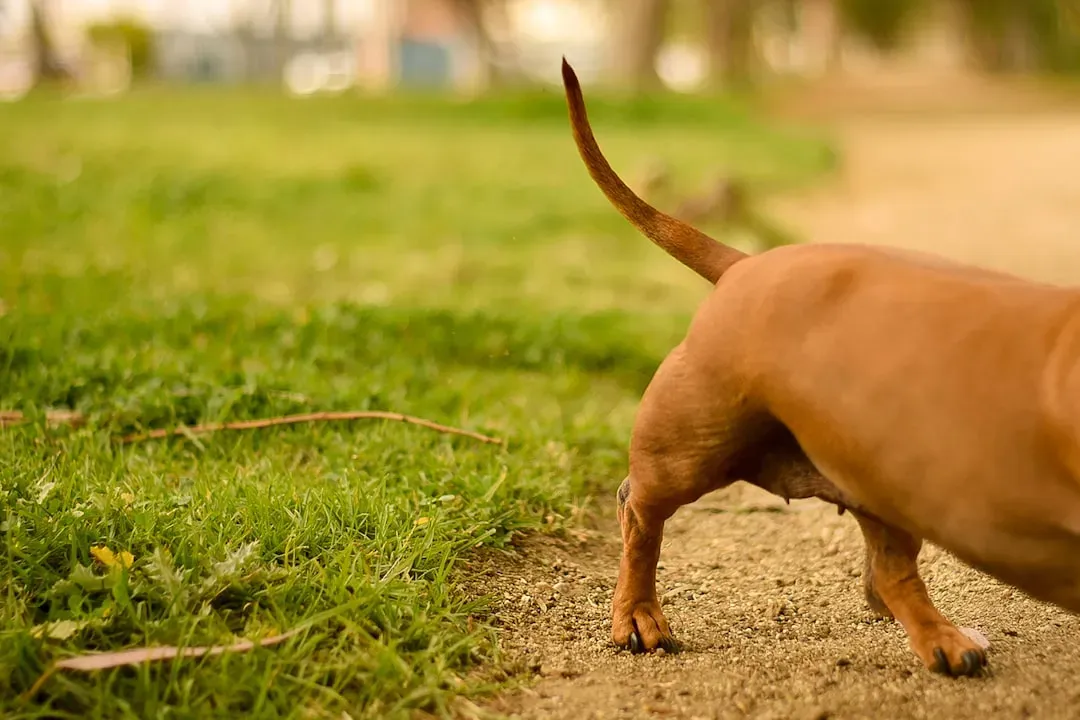
This is where things get genuinely important, especially for families with children or people who interact with unfamiliar dogs. We may have all grown up thinking a wagging tail means a happy dog, but that is not always true. Misinterpreting a wagging tail has gotten countless well-intentioned dog-lovers bitten, sometimes quite badly. That’s a sobering reality, and it’s worth taking seriously.
When a tail moves from neutral, to taut vertical, to a tight arch over the back, it indicates increased arousal. This tail position is an assertive posture that can progress to an intense aggressive display. An upright, high tail position may also aid in the release of pheromones from the anal sacs, further strengthening the communication. A stiff, high-arched tail paired with a rigid body is not an invitation. It’s a signal to give the dog space.
It is important to recognize that a dog with a wagging tail does not necessarily mean they want to interact or continue an interaction. A tail may begin to wag tentatively during an interaction, with the message here being “pause.” Dogs experiencing emotional conflict may begin to wag their tails rapidly as a reflection of their discomfort. When in doubt, always read the whole dog, not just the tail.
Reading the Full Picture: Tail Plus Body Language Together
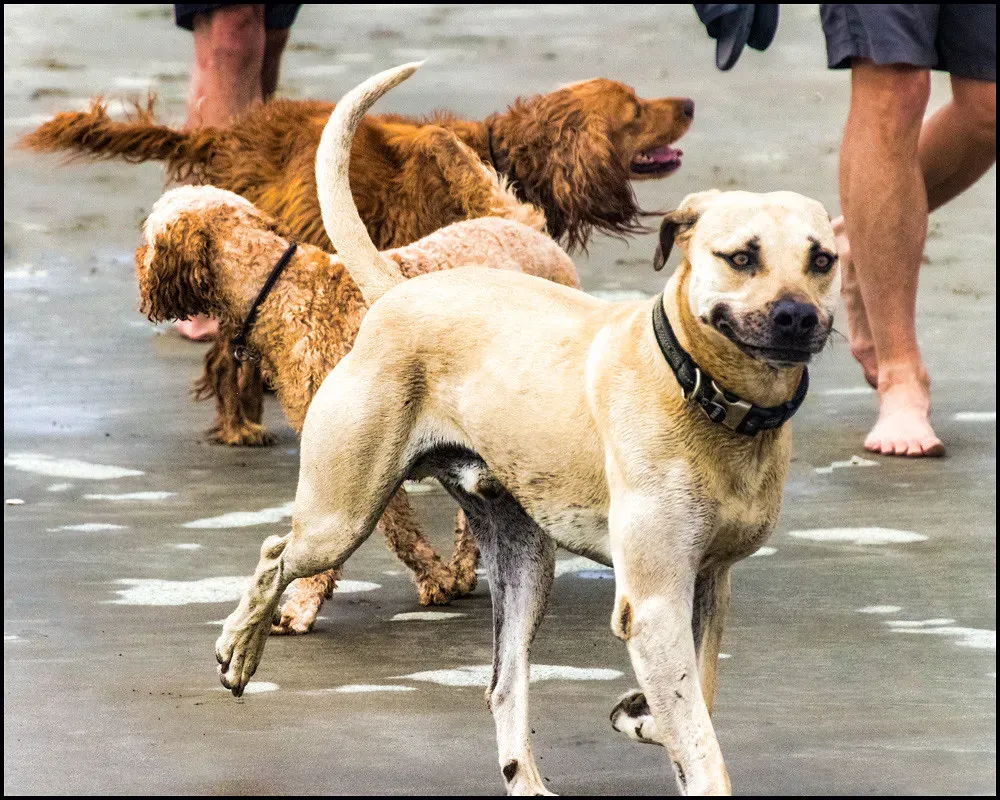
The tail never tells the whole story on its own. Experienced dog handlers know to treat it as one piece of a larger puzzle. Dogs don’t just communicate with one body part; they use their entire body as a communication system. A wagging tail combined with stiff body posture sends a completely different message than the same tail wag with loose, bouncy movement.
Confident dogs tend to stand tall with raised tails. Fearful dogs crouch or pull back with their tails low or tucked. Relaxed dogs typically have soft eyes and an open mouth. Tense dogs may squint, lick their lips, or show the whites of their eyes, a cue sometimes called “whale eye.” Training yourself to notice these additional cues takes a little practice, but it becomes second nature surprisingly quickly.
Tail posture and movement patterns can differ slightly between breeds, so it’s important to be aware of breed-specific tendencies. Breeds with naturally high-carried tails like Akitas or Huskies may appear more confident or alert than they actually are. Dogs with short or docked tails may be harder to read, making it even more essential to look at the entire body language. Know your dog’s baseline, and measure every signal from there.
How This Knowledge Makes You a Better Dog Owner
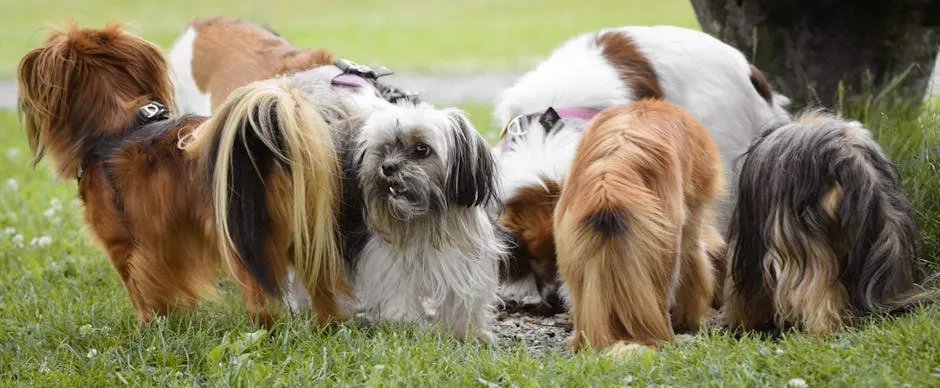
Understanding your dog’s tail language isn’t just an intellectual exercise. It has real, everyday consequences for your dog’s wellbeing. When a dog is incorrectly labelled as reactive or aggressive in friendly situations, the owner may start to over-manage their interactions by limiting exposure to other people and dogs. This isolation can hinder the dog’s ability to develop positive social skills and learn how to cope with various stimuli in their environment. Over time, the dog may become confused and might even develop the exact reactivity the owner was trying to avoid.
Observe overall body language: tail wagging is just one part of a dog’s communication. Pay attention to ear position, facial expressions, and posture. Consider the context: the same wag may mean different things in different situations. Assess your dog’s environment before making assumptions. These aren’t complicated rules. They’re small habits that compound into real understanding over time.
Understanding why dogs wag their tails is important partly from an animal welfare perspective, as it could help dog owners read their pups’ cues better. When you can accurately decode what your dog is feeling, you become a more responsive, more empathetic owner. Your dog, in turn, feels genuinely seen. That’s the foundation of a bond that lasts.
Conclusion

A wagging tail is one of the most familiar sights in the world of dog ownership, and yet it’s one of the most misread. Speed, height, direction, body posture, breed tendencies: they all shape what that moving tail is actually communicating. Contrary to the popular belief that a wagging tail always signals happiness, tail movement is a sophisticated form of canine communication. The speed, direction, and position of the wag can express everything from excitement to unease.
The good news is that learning to read your dog better doesn’t require a degree in animal behavior. It just requires attention, consistency, and a genuine curiosity about what your dog is trying to tell you. Close observations of your dog’s tail talk along with all their other body language will make what they are thinking and feeling more clear and your bond stronger.
Dogs have been communicating with us for thousands of years. The least we can do is start actually listening, one wag at a time.


