
There’s something almost magical about a dog who greets you at the door with the same wild, tail-spinning enthusiasm on year seven as they did on day one. Most pet owners expect their dogs to eventually mellow out, to trade zoomies for long naps and swap playful chaos for dignified calm. For some breeds, though, that day never really arrives.
Some dogs mellow out as they get older, trading toys and zoomies for long naps and a quieter routine. Others never quite make that shift, holding onto the same playful, curious energy they had as puppies. These are the dogs that make you laugh on your worst days, drag you outside when you’d rather stay in, and somehow make even a mundane Tuesday feel like an adventure. If you’ve ever wondered why your “adult” dog still acts like a total goofball, science and breed history both have a lot to say about that.
Significant breed differences in personality traits indicate that personality is influenced by an individual’s genetic background, and different behavioral characteristics are preferred and selected for in different dog breeds. In other words, some dogs were quite literally bred to stay spirited. Here’s a look at the breeds most likely to keep you on your toes for the long haul.
The Labrador Retriever: The Eternal Golden Child of Playfulness
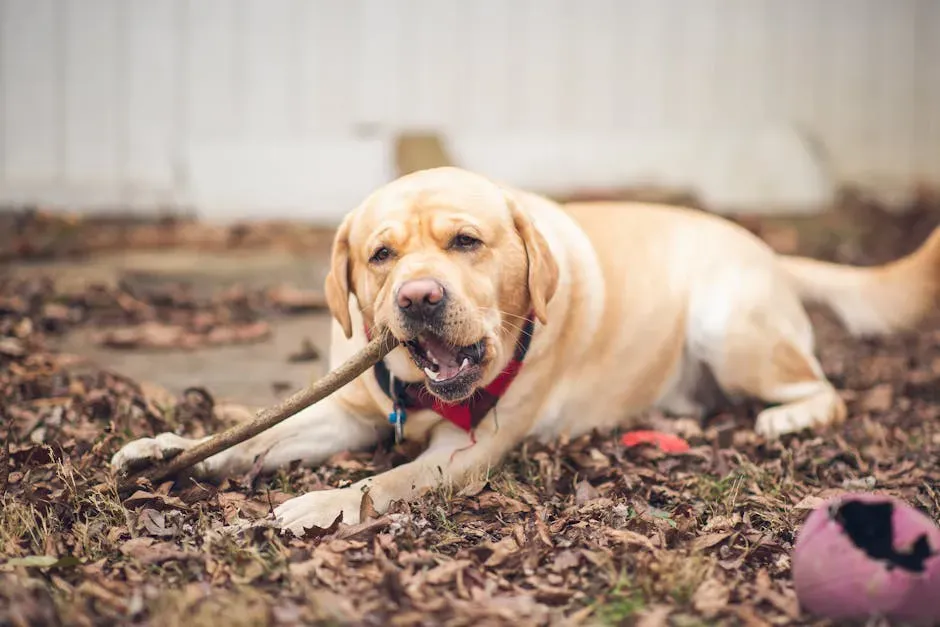
The Labrador Retriever is famous for its boundless energy and never-ending love for playtime. Labs remain goofy and playful throughout their lives, always eager for a game of fetch or a splash in the nearest body of water. If you’ve ever watched a seven-year-old Lab zoom across a yard like it just discovered grass for the first time, you already know exactly what this means.
Labradors are eternally youthful in their hearts, always up for a game of fetch, a swim, or chasing butterflies like it’s their very first walk in the park. Their joyful nature, goofy expressions, and exuberant love for life are trademarks of puppies. Yet Labs often maintain these traits for years, earning them a reputation for being the Peter Pans of the dog world. That reputation is well earned and comes with both joy and a healthy need for daily exercise to keep them balanced and out of mischief.
Labs thrive on interaction, whether it’s playing with their owners, socializing with other dogs, or engaging in any activity that keeps them moving. As an owner, the best way to honor that energy is through consistent physical activity, mental stimulation like puzzle feeders, and positive training. An under-stimulated Lab will redecorate your house in ways you didn’t ask for.
The Beagle: A Nose That Never Stops, a Spirit That Never Quits
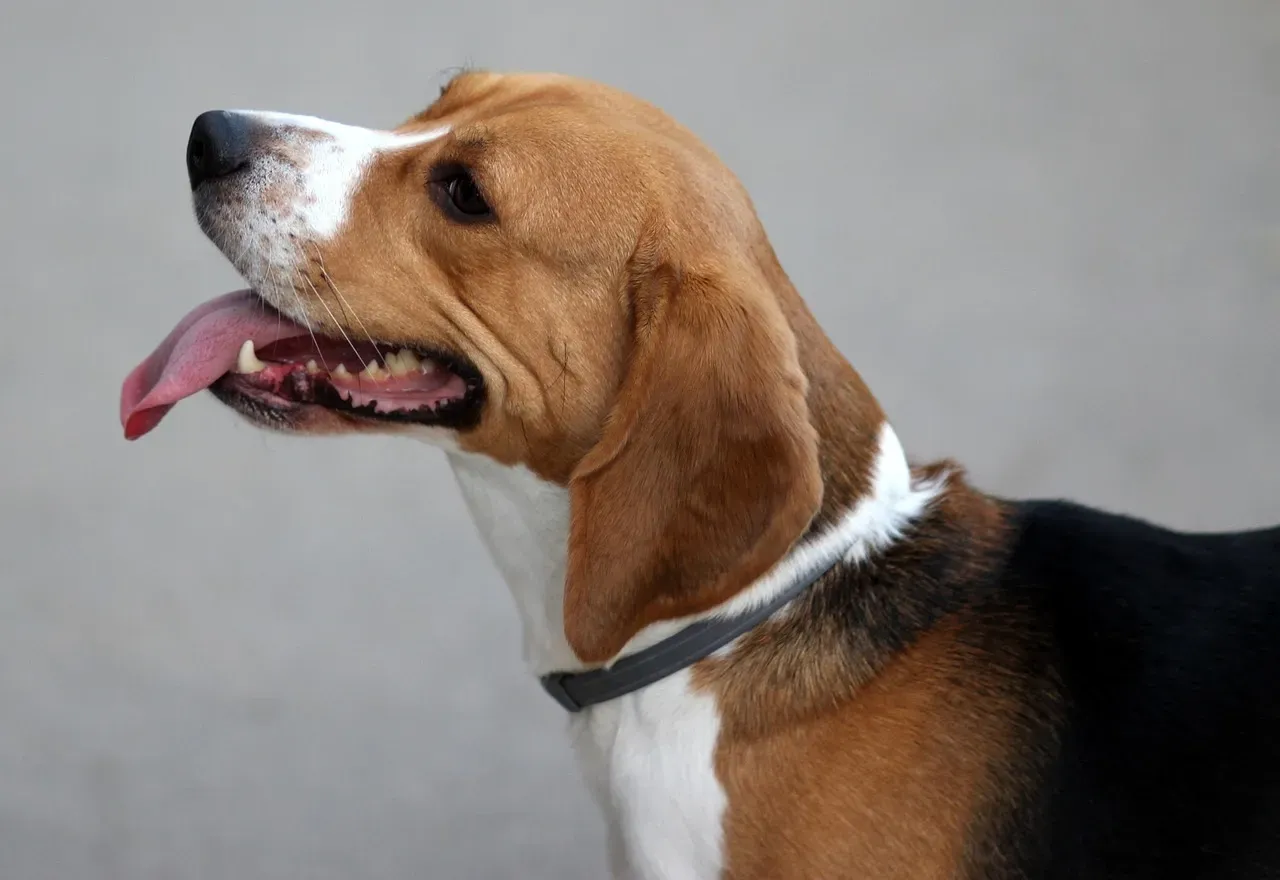
Beagles age, but their mindset rarely does. That same curiosity that drives them as puppies sticks around for life, especially when a scent is involved. They stay playful, vocal, and slightly mischievous, even with gray around their muzzle, often acting like they’ve just discovered the world all over again. Living with a Beagle is genuinely never boring.
Beagles, known for their compact size, floppy ears, and expressive faces, are the adventurers of the canine world, retaining their puppy-like curiosity and zest for exploration throughout their lives. Typically weighing 20 to 30 pounds, Beagles are energetic, playful, and incredibly social. They have a unique blend of independence and loyalty, often following their noses to explore the world around them yet always returning to their human companions for affection and play.
Because their nose leads the way, Beagles are natural escape artists. A securely fenced yard is genuinely non-negotiable with this breed. Keep their minds busy with scent games and nose work activities. These are not dogs who do well with a quick ten-minute walk and then solo time in a small apartment all day.
The Boxer: The Big Baby in a Muscular Suit

Boxers are often described as puppies trapped in adult bodies, and that reputation exists for good reason. Their physical strength may grow with time, but their mindset stays playful, bouncy, and occasionally ridiculous. They continue to initiate games, seek attention, and approach everyday life with excitement. Living with a Boxer means accepting that maturity never fully replaces their inner puppy.
Their wiggly butts, zoomie-filled days, and tendency to make hilarious expressions keep their owners entertained well past the puppy phase. Boxers are known to mature slowly, with many acting like mischievous toddlers until well into their middle years. Think of it this way: you’re essentially getting a decade-long subscription to a comedy show, and the dog is both the writer and the lead actor.
A Boxer will bounce after you, roll around, play tug, and then flop happily beside you, clearly satisfied with both the romp and the rest. Their high energy makes daily vigorous exercise a real priority, and their sensitive, people-oriented nature means they genuinely don’t thrive with prolonged isolation. Channel their enthusiasm through structured play, agility training, or even simple backyard games.
The Golden Retriever: Sunshine in Dog Form, Every Single Year
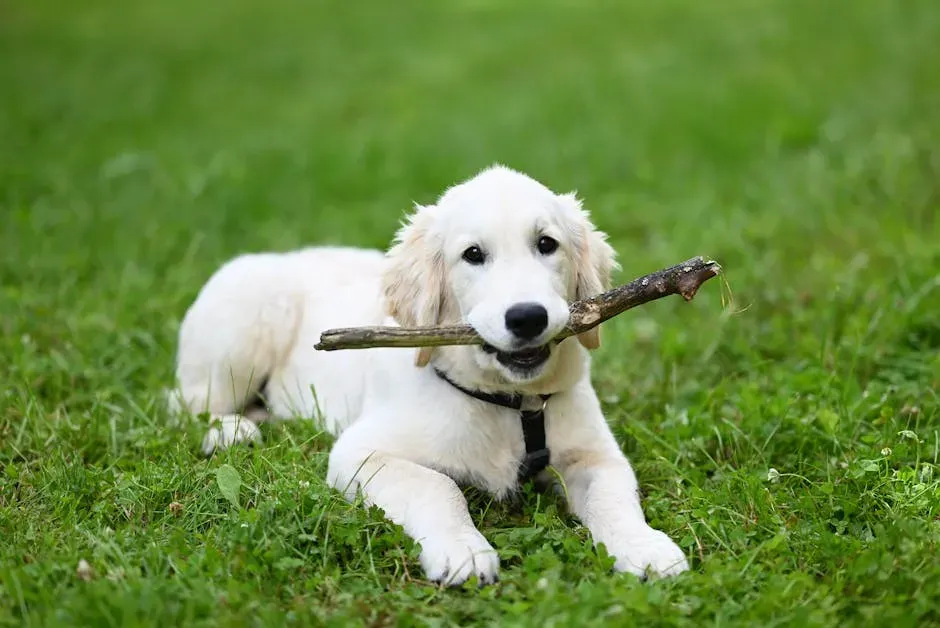
Golden Retrievers are famous for carrying their puppy joy straight through adulthood. They keep that friendly, goofy outlook long after their bodies mature, greeting people and situations with the same enthusiasm they had as youngsters. Playtime remains important to them in their older years, and many Goldens never lose their love of toys, water, or simple games.
Golden Retrievers embody the spirit of play in all seasons. Their friendly nature, energetic outlook, and eagerness to engage make them stand out as forever youngsters in adult dog bodies. They will run, roll, fetch, and cuddle with equal enthusiasm, reminding you that fun and affection go hand in hand. With a Golden by your side, everyday activities become opportunities for play, joy, and connection, and the puppy heart inside them never really fades.
One thing worth knowing: Goldens are deeply social and prone to separation anxiety if left alone frequently for long stretches. Their playful spirit stays vibrant when they’re well-socialized, mentally engaged, and given consistent companionship. Regular vet checkups are also wise, as their breed is prone to certain joint and health issues that can dampen that joyful spirit if left unaddressed.
The Cavalier King Charles Spaniel: Gentle, Playful, and Forever Young at Heart
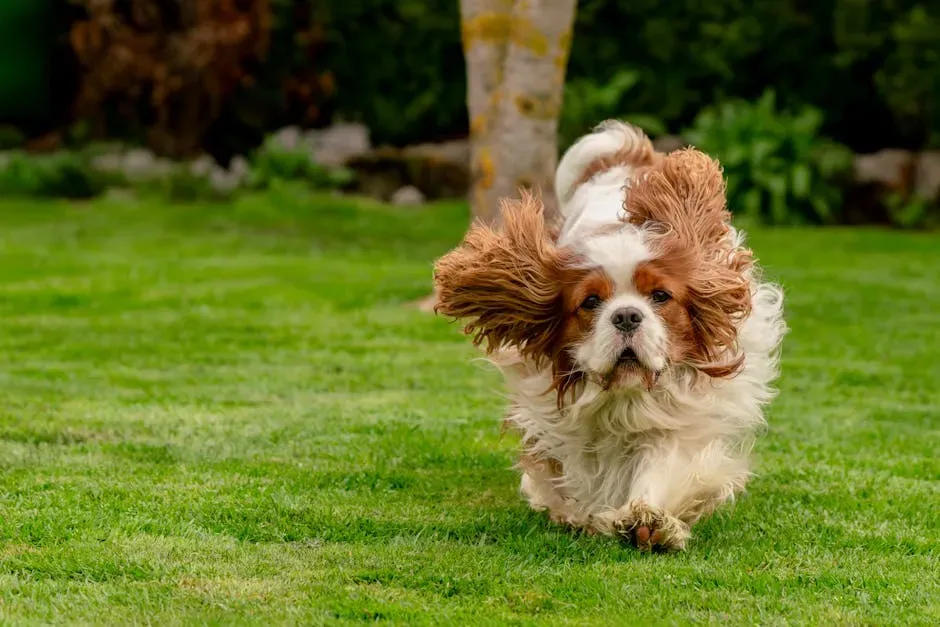
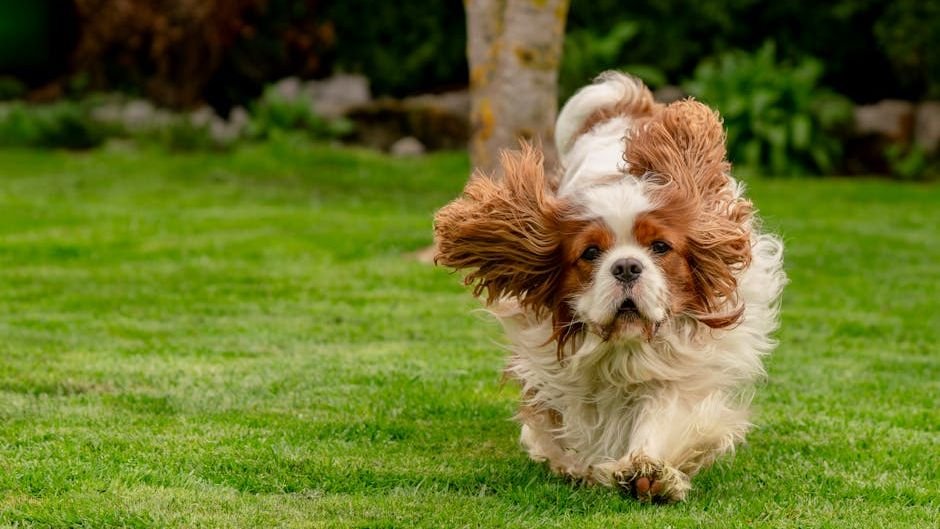
With their soulful eyes and ever-wagging tails, Cavalier King Charles Spaniels are the definition of forever young. These little dogs remain playful and affectionate into old age, never losing their love for snuggling on the couch or chasing after a favorite toy. Their small size and gentle demeanor make them ideal companions for both children and adults. Cavaliers adore being the center of attention and will do anything to keep their families smiling.
When it comes to adult dogs who may still act like a puppy, Cavaliers are definitely one of them. Most Cavaliers are mature adults at around age two and a half to three years old, sometimes up to four years old. They go through their puppy stage slowly, and a healthy dog will remain frisky and active well into their senior years. That’s a long stretch of delightful, tail-wagging companionship.
Cavaliers hold onto their puppy personality without becoming overwhelming. They’re playful and affectionate well into adulthood, always eager to engage whether that means a short game, a walk, or curling up beside you. Their curiosity never really fades, but it softens into a gentle, steady enthusiasm that makes them feel forever young. They do have known predispositions to heart conditions, so regular cardiac screenings from a trusted vet are a genuinely important part of responsible ownership for this breed.
The Shih Tzu and the Pomeranian: Small Dogs, Enormous Puppy Energy
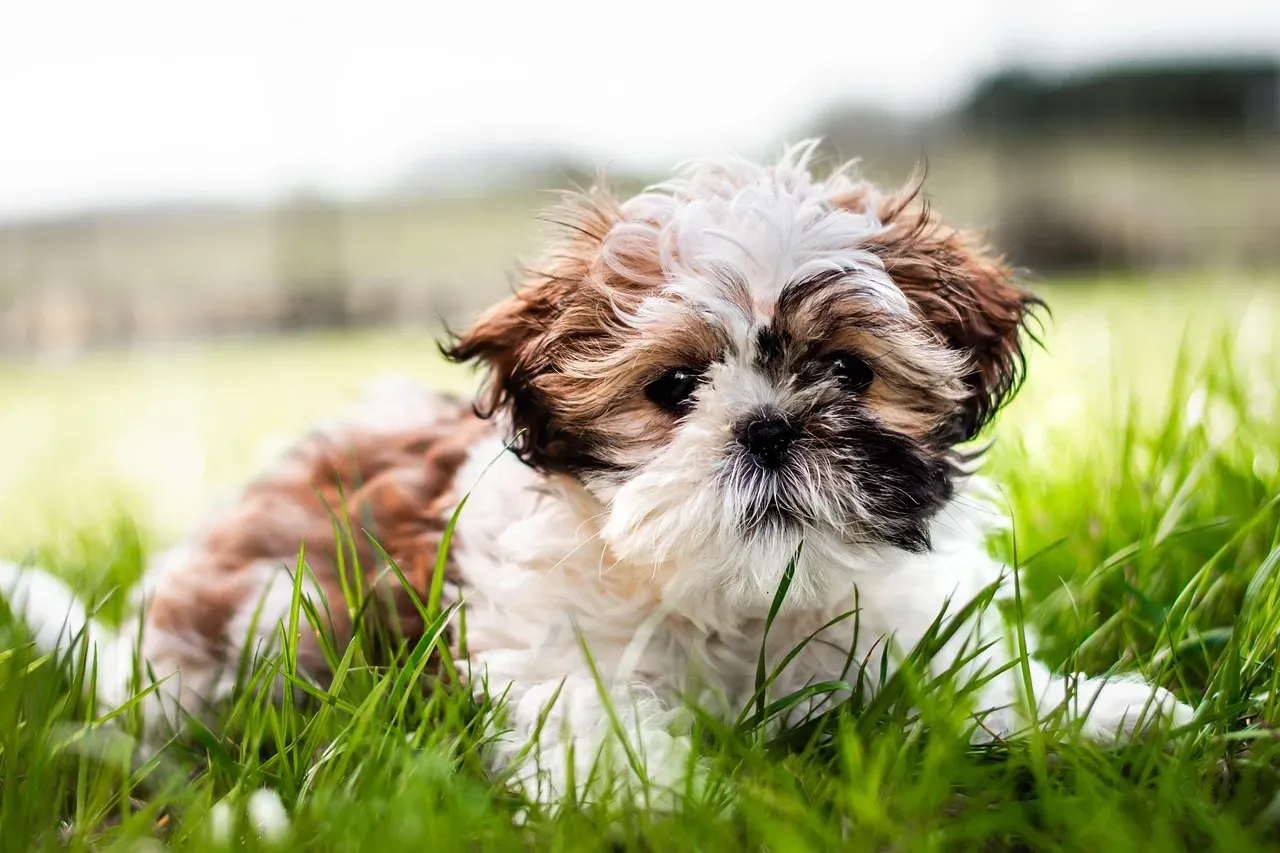
Shih Tzus tend to keep a playful spark that doesn’t really dim with age. They remain expressive, curious, and eager for attention, often acting like the center of the household no matter how old they are. Their puppy-like behavior shows up in short bursts of play, sudden zoomies, and a constant desire to be involved. Even in their senior years, many Shih Tzus still behave like small dogs who believe the world exists to entertain them.
Shih Tzus thrive on human companionship and love to be pampered, often curling up in laps or nuzzling close for a nap. Their curious nature means they’re always finding new ways to entertain themselves and their families. These dogs are fiercely loyal, following their favorite humans from room to room. They’re also well-suited to apartment living, which makes them a practical option for owners with limited space who still want big personality.
Pomeranians bring an equally relentless brand of puppy energy to the table. Their small stature, foxy face, and thick double coat give them the perma-puppy look, but it’s their lively antics and curiosity that really seal the deal. Poms remain high-energy and full of personality well into old age, often forgetting that they’re technically adults. They are intelligent and quick learners, making them great at tricks and obedience training. Despite their small size, Pomeranians are confident and outgoing, often acting like much larger dogs. Early training matters enormously with both breeds. Their charm can make it tempting to let boundary-setting slide, which usually results in a bossy, over-dependent dog rather than a well-adjusted one.
Caring for a Forever Puppy: What You Actually Need to Know
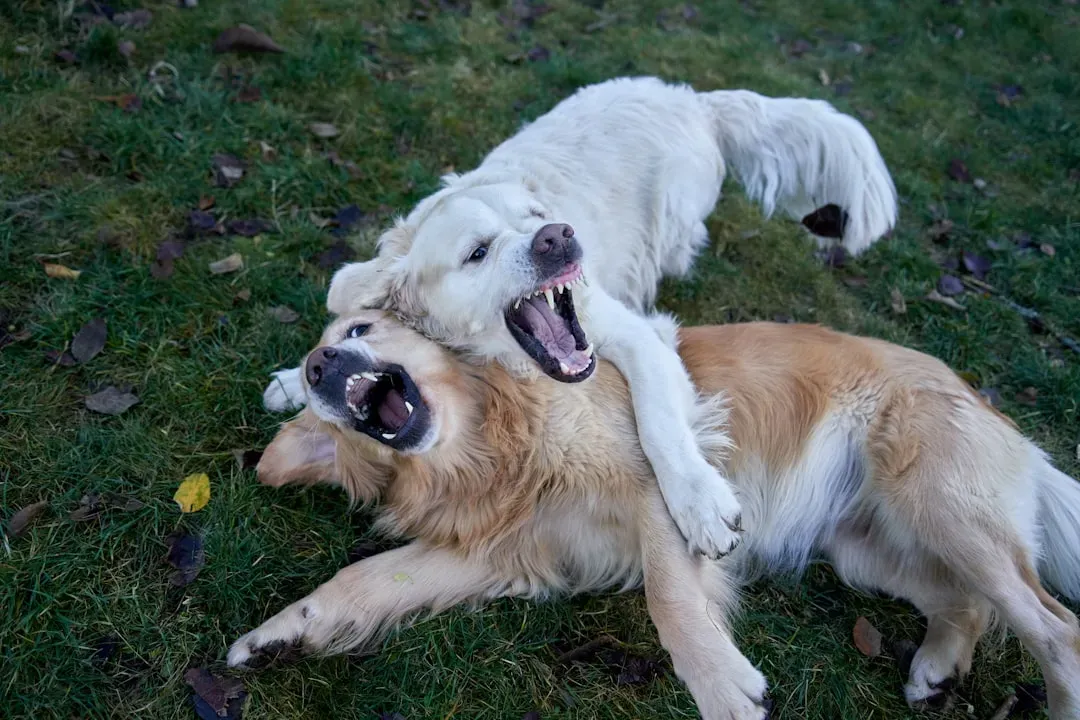
These energetic breeds keep their puppy-like enthusiasm well into their senior years, making them perfect for those who love an active, fun-loving companion. Whether chasing a ball, romping in the yard, or zooming around the house, they never seem to slow down. Their endless energy, excitement, and occasional mischief bring constant joy to their owners. That said, joy comes with responsibility, and these breeds have specific needs that deserve attention.
All dogs need exercise, some more than others. Achieving good health and sound temperament demands that dogs be given the opportunity for regular stimulating exercise. For perpetually puppy-like breeds, this isn’t a recommendation, it’s a baseline requirement. A dog with unmet energy needs will redirect that energy somewhere, usually somewhere you won’t appreciate.
The level of socialization experiences in puppyhood was the most important environmental variable for personality development. Poorly socialized dogs had higher mean scores in insecurity and aggressiveness and lower scores in training focus, dog sociability, and human sociability than well-socialized dogs. In short, the playful, confident personality that makes these breeds so lovable doesn’t happen entirely by accident. Good early socialization, consistent positive training, and an enriched environment all play a meaningful role in shaping a dog that’s genuinely a joy to live with for life.
Conclusion: Life With a Perpetual Puppy
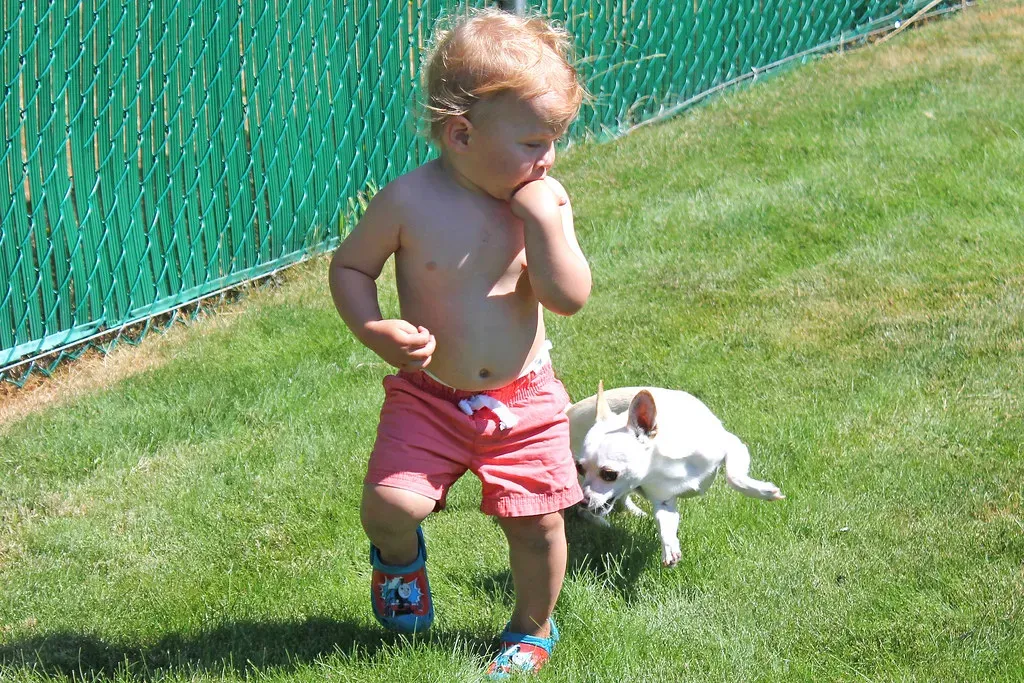
Sharing your home with a breed that never quite grows up is a specific kind of experience. It means chewed socks at age nine, spontaneous sprints through the house at age eleven, and a dog who still greets you like you’ve been gone for three years when you’ve only checked the mailbox. It can be exhausting, wonderfully so.
Living with a dog who treats life as a never-ending play session keeps your home vibrant and your days full of joy. These breeds prove that growing up does not mean losing spirit, showing that youthful energy can last a lifetime. The trade-off is real, though. These dogs need your time, your engagement, and your commitment to their wellbeing.
The best thing you can offer a forever-puppy breed isn’t just love. It’s structure, stimulation, and the understanding that their exuberance is a feature, not a flaw. Meet them where they are, and they’ll give you something no amount of money can buy: a daily reminder that enthusiasm for life is worth holding onto at every age.


