
Not every dog wants to live in a high-decibel household full of slamming doors, boisterous kids, and a television that’s always too loud. Some dogs are wired for stillness, for cozy corners and unhurried afternoons. They thrive not in spite of the quiet, but because of it.
Understanding which breeds genuinely prefer calm environments isn’t just an interesting fact to file away. It’s actually one of the most important compatibility questions a dog owner can ask. The right match between a dog’s temperament and a home’s energy level can make the difference between a dog that flourishes and one that quietly suffers. This guide walks you through six essential areas every peace-loving dog owner should know.
Why Some Dogs Are Wired for Calm: The Science Behind Temperament
The term “noise sensitivities” encompasses fear, anxiety, and phobia-based responses to a range of sound-related stimuli, such as loudness, pitch, and suddenness. For dogs who are neurologically more reactive, a busy or noisy home isn’t simply uncomfortable. It can be genuinely distressing on a daily basis.
A dog which is fearful to loud noises turns out to be three times more likely to show separation anxiety. When comparing dogs with noise sensitivity to those who are resistant to noise effects, the sensitive dogs are eighteen times more likely to show signs of being fearful in novel situations, and four times more likely to take a longer time to calm down after stressful situations.
Every dog is an individual. Genetics, early experiences, and personality all play a role. Even within mellow breeds, you may find dogs with more energy than expected. That said, certain breeds have been shaped over generations specifically for calm companionship, and that heritage runs deep.
The Breeds That Belong in a Quieter Home

Greyhounds are famous for their speed on the racetrack, but many people are surprised to learn how calm and relaxed they are at home. Often described as “40-mile-per-hour couch potatoes,” Greyhounds love short bursts of activity followed by long naps. Their quiet and gentle temperament makes them excellent companions for peaceful households.
Whippets are fast, but that energy doesn’t last long. If you give them space to expend short bursts of energy exercising, they’re content to lounge around the rest of the time. These sensitive pups love a calm, quiet home, so they’re the perfect match for a low-key family without younger children or lots of noise.
The Japanese Chin is a small companion breed known for its gentle personality and calm demeanor. Originally bred as a lap dog for Japanese nobility, this charming breed enjoys quiet environments and close companionship with its owners. Japanese Chins are affectionate and intelligent, often forming strong bonds with their families. While they enjoy short play sessions, they are generally relaxed dogs that thrive in peaceful households.
The Cavalier King Charles Spaniel offers a calm, affectionate presence that suits relaxed households. This small, elegant breed is known for its gentle temperament and strong desire to stay close to its owner, making it an ideal devoted companion for quiet living. Cavaliers are typically friendly with strangers, children, and other pets, allowing them to adapt smoothly to different home environments without demanding constant supervision.
Behavior Cues That Tell You a Dog Is Struggling With Household Stress

Stressed dogs could pant, lick their lips, turn their head away, or even stiffen their body. Sometimes their ears will turn back, and their head will lower below their shoulders. These are subtle signals, and many owners miss them entirely, interpreting the behavior as quirky rather than distressed.
Loud noises can provoke a variety of apprehensive and fearful behaviors in dogs, ranging from evidence of minor discomfort such as restlessness, shaking, panting, drooling, freezing, yawning, and seeking comfort, to fairly marked behaviors like hiding, defecation, urination, self-mutilation, or vomiting. In some dogs the anxiety related effects can persist for hours and can be quite disruptive.
Researchers note that “dogs use body language much more than vocalizing,” and owners need to be more aware of that. If your dog is consistently seeking the farthest corner of the house, flattening against the floor, or yawning repeatedly during animated family gatherings, it’s worth pausing to consider what your dog is actually telling you.
Health Considerations Specific to Calm-Preferring Breeds
Cavalier King Charles Spaniel owners should know that heart failure due to a weakened valve is a leading cause of death in older Cavaliers. The condition is often known as Mitral Valve Disease and manifests as a heart murmur. Frequent check-ups, especially in a dog’s golden years, can help catch this early.
Care should be taken not to overexert brachycephalic breeds or expose them to high temperatures. Their flat snout makes it harder to breathe and makes them susceptible to overheating. This applies to English Bulldogs, Pugs, and Pekingese, all breeds commonly recommended for quieter homes but carrying specific physical vulnerabilities that owners must monitor.
A lower-energy breed with major health problems may not be easier in the long run. Many lower-energy breeds need more careful food management because they do not burn as much energy naturally. Weight gain in low-activity dogs is a real and underrated concern that connects directly to long-term joint health and cardiovascular function.
Creating the Right Environment: Practical Tips for Calm-Dog Owners

A sensitive dog needs reassurance and routine. You can nurture these feelings by setting up a daily schedule you stick to. You can add scheduled elements such as walking or playtime. A routine relieves stress by teaching your pet what to expect and when to expect it, helping build confidence and trust.
Providing a dog with a safe place to go, whether it’s a crate, closet, or a cozy corner, and making their go-to spot as insulated and welcoming as possible is genuinely helpful. Offering a calm space and training the dog to relax and retreat there builds emotional resilience over time.
Engaging in natural behaviors like sniffing, chewing, and licking can be incredibly calming for dogs. These activities tap into their innate instincts and provide a sense of comfort and control. For calm-preferring breeds specifically, low-arousal enrichment tools like lick mats, snuffle mats, and frozen food puzzles often work far better than high-energy play sessions.
Pets often pick up on their owner’s emotional state. If you remain calm and composed, your pet is more likely to feel secure. Offering gentle reassurance with petting, praise, and treats, while avoiding high-pitched baby talk and fast-paced pats, helps prevent triggering further anxiety.
Even Calm Dogs Still Have Real Needs: The Balance Every Owner Must Strike
I’d appreciate if you could mail me (Kolforn@gmail.com) if you want to use this picture out of the Wikimedia project scope.
This file is licensed under the Creative Commons Attribution-Share Alike 4.0 International license.
You are free:
to share – to copy, distribute and transmit the work
to remix – to adapt the work
Under the following conditions:
attribution – You must give appropriate credit, provide a link to the license, and indicate if changes were made. You may do so in any reasonable manner, but not in any way that suggests the licensor endorses you or your use.
share alike – If you remix, transform, or build upon the material, you must distribute your contributions under the same or compatible license as the original.https://creativecommons.org/licenses/by-sa/4.0CC BY-SA 4.0 Creative Commons Attribution-Share Alike 4.0 truetrue, CC BY-SA 4.0)
Even calm dogs still need walks, mental stimulation, training, and healthy routines. This is worth repeating clearly, because there’s a risk in labeling a breed as low-energy and then translating that into neglect. Quiet temperament does not mean no needs.
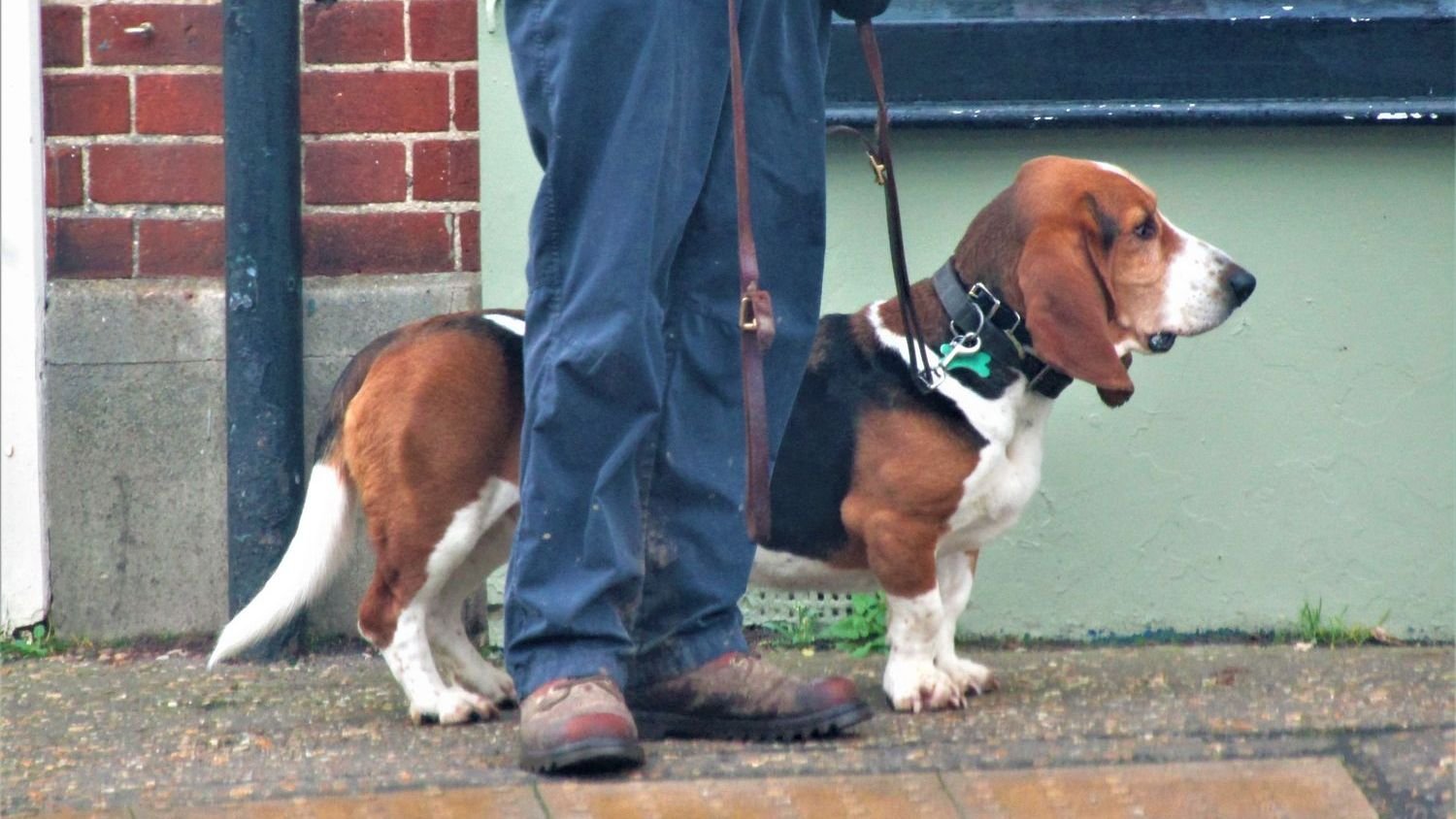
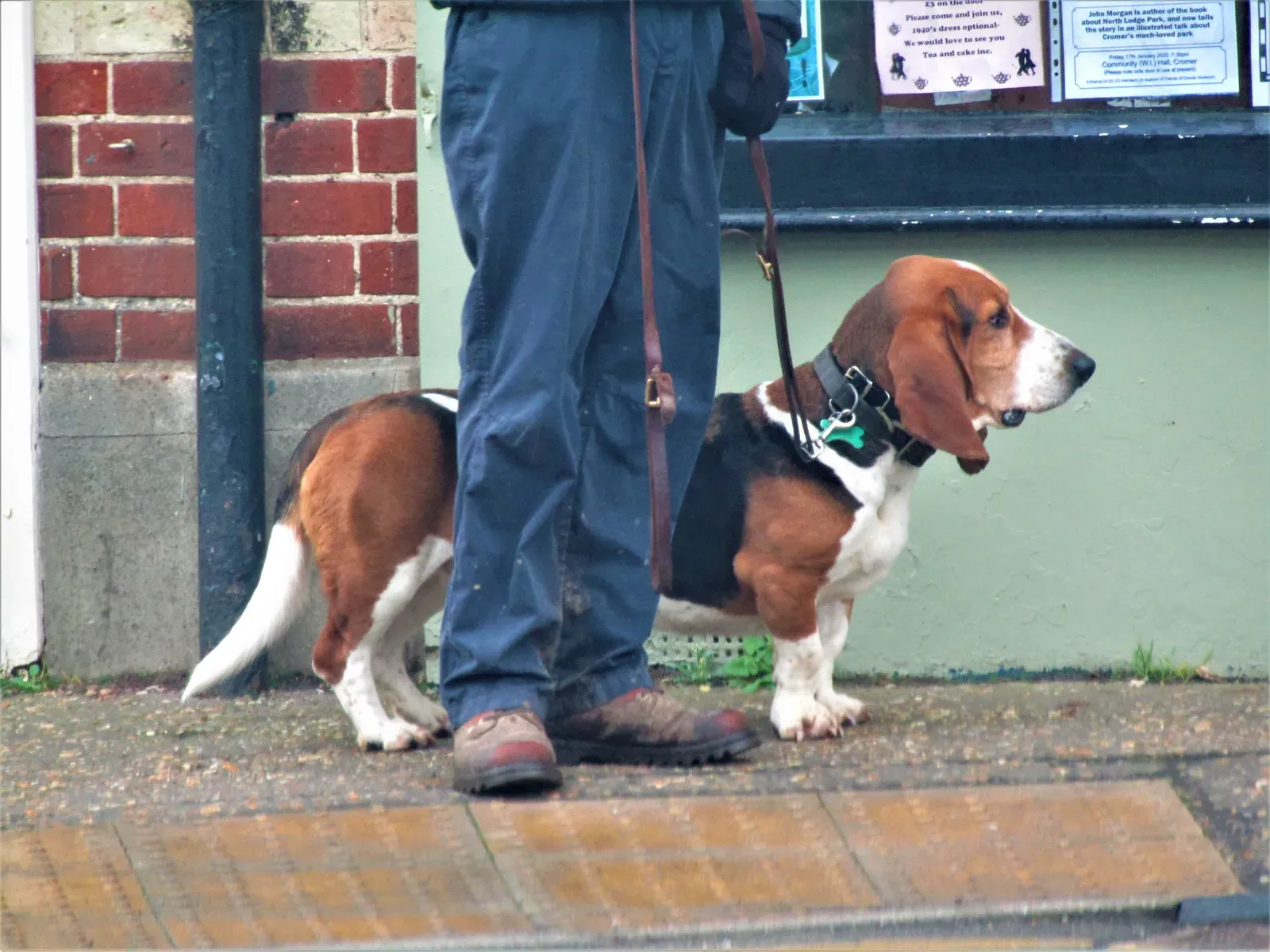
Even low-energy dogs benefit from daily walks and playtime to stay healthy and mentally stimulated. While they may not need intense activity, regular movement is essential to prevent boredom and support their overall well-being. A Basset Hound lounging all day without a daily sniff-walk is not a contented dog. It is a bored one.
Cavaliers are prone to separation anxiety if left alone too often or for very long periods. A lonely Cavalier may bark, whine, or chew out of stress, not naughtiness. This breed does best in homes where someone is usually around, or where owners can arrange dog sitters, daycare, or safe companionship if they must be out for many hours. This trade-off is real: a calm breed still needs consistent human presence to stay emotionally stable.
Conclusion: Quiet Is a Gift, Not a Given
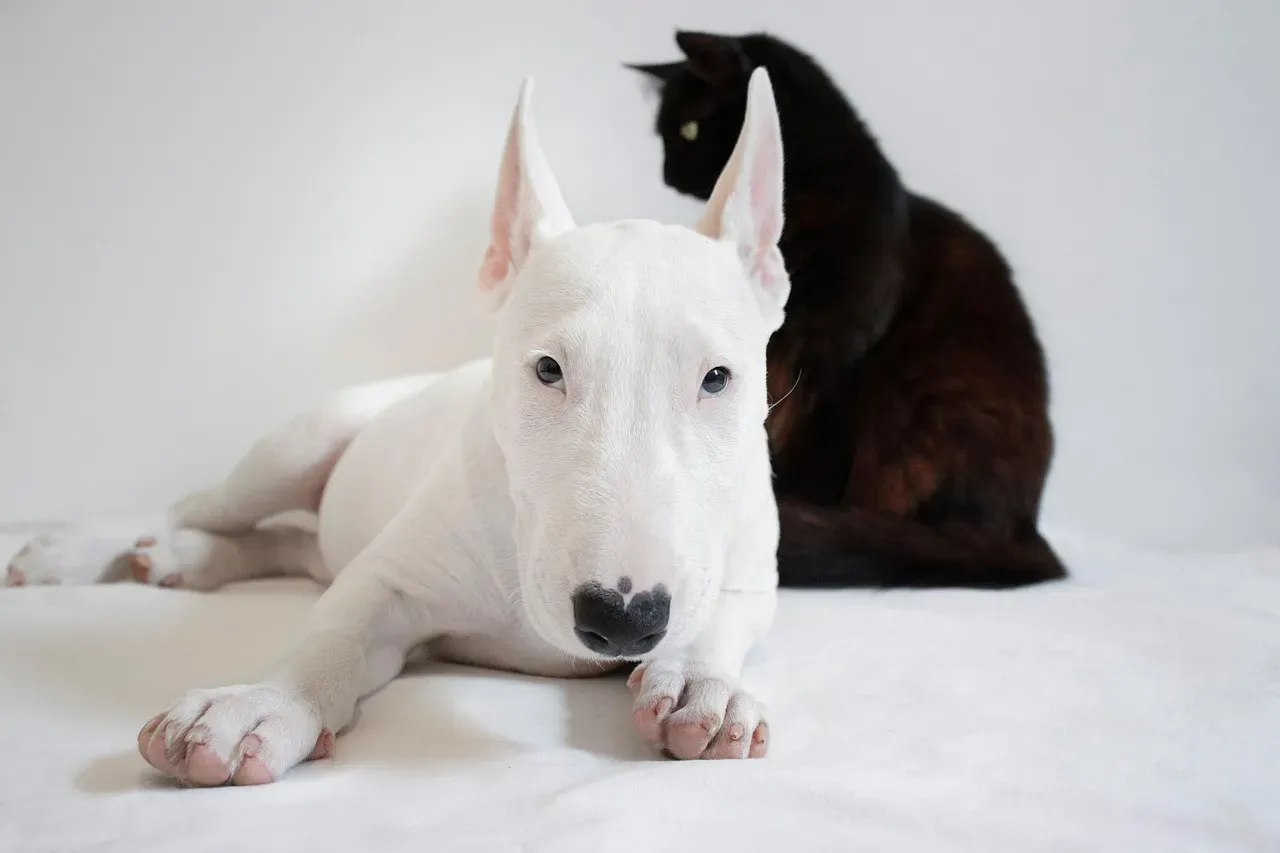
Choosing a dog that genuinely fits the rhythm of your home is one of the most loving decisions you can make, both for yourself and for your future companion. Quiet breeds don’t just tolerate stillness. They need it. They return it in kind, with soft eyes, warmth on the couch, and a steady, grounding presence that is difficult to find anywhere else.
Such dogs bring steady companionship, predictable routines, and a soothing presence that complements quieter homes and relaxed daily rhythms naturally. Still, ownership is a two-way relationship. A calm dog thrives not just because the house is quiet, but because the person on the other end of the leash has paid attention, stayed consistent, and taken seriously the fact that sensitivity is not weakness. It is simply a different kind of heart.


