
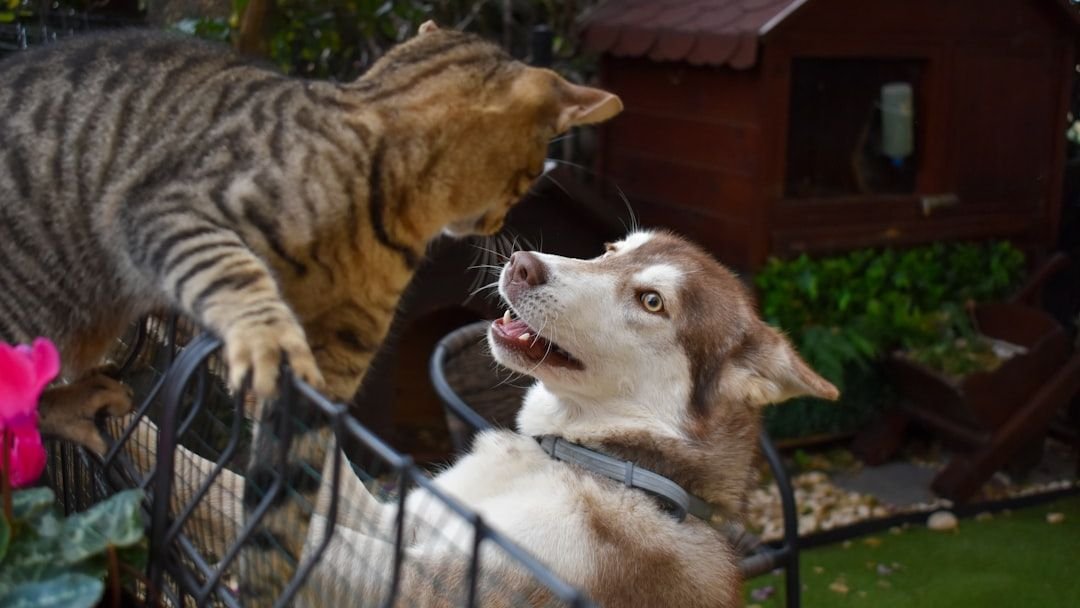
There’s a running joke among Husky owners that the only command their dog truly knows is the one they choose to ignore. It lands every time because it’s so painfully true. Living with a Siberian Husky is unlike any other dog experience. These are dogs with piercing eyes, stunning coats, and a magnetic personality that pulls you in completely. Then they look you dead in the face and do exactly what you asked them not to.
But here’s the thing: that defiance isn’t random. This independent behavior comes from a long history of being entrusted with a musher’s life. If a musher tells a dog to go right, but the dog, having superior canine senses, knows the ice there will crack, the dog disobeys and goes to the left and safety. In other words, the stubbornness you’re dealing with at home is the same instinct that once saved lives. Understanding that changes how you feel about it, even when your Husky has just eaten through the couch.
Whether you’re a first-time Husky parent pulling your hair out or a seasoned owner who just needs the reassurance that you’re not alone, this article is for you. Every behavior below is real, well-documented, and completely manageable with the right approach.
1. Selective Hearing (The “I Didn’t Hear You” Routine)
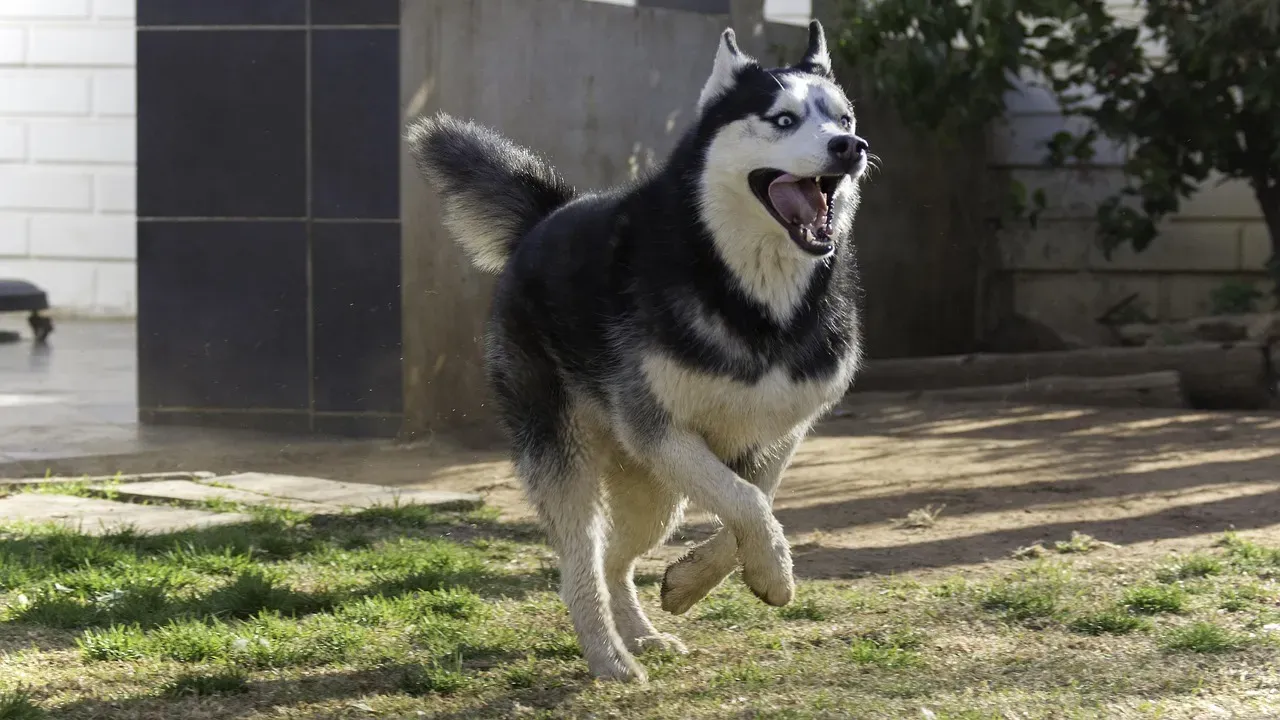
The intelligence of a Siberian Husky is a double-edged sword. While they are capable of learning commands and tricks quickly, their independent nature means they may choose not to obey, especially if they perceive a command as unnecessary. This is why your Husky can perfectly execute “sit” for a treat but suddenly develops total amnesia when you call them away from the neighbor’s flower bed.
No matter how well trained your Sibe is, there is always a part of their mind that, when they hear an instruction, thinks, “Is it a good idea to follow that order?” and also, “What’s in it for me?” This isn’t defiance for the sake of it. It’s a cost-benefit calculation happening in real time. The fix? Make compliance worth their while. Use treats and praise to reward desired behaviors, since this method encourages them to repeat the behavior for more rewards. Consistency paired with clear incentives is what actually moves the needle with this breed.
2. The Great Escape (Fencing? What Fencing?)
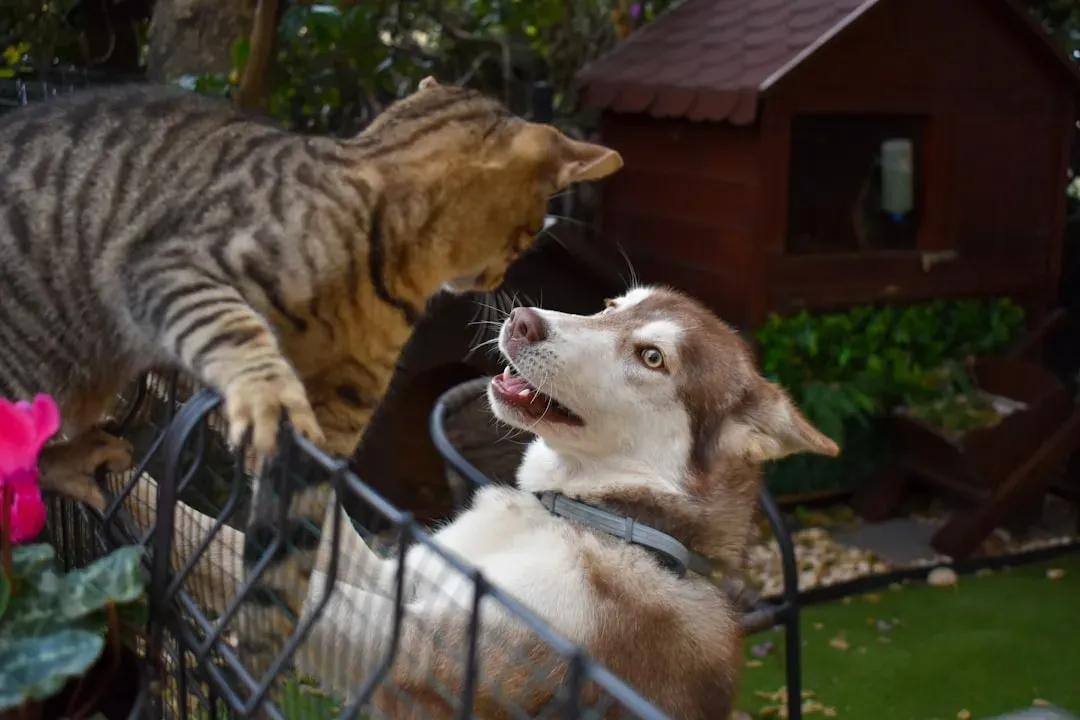
Many Siberian Huskies are clever escape artists who will go over, under, or through fences in search of adventure. This is not an exaggeration. Husky owners regularly discover their dogs have unlatched gates, tunneled under yard perimeters, or scaled fences that seemed impossibly tall. Left outside, a lonely Siberian will dig under the fence, unravel the fence, jump or climb over the fence, undo any child-proof locks, and even open the gate.
Their intelligence lies in problem-solving, independence, and survival instincts, rooted in their sled-dog history. For example, they can figure out how to escape enclosures, open doors, or find hidden treats with ease. Prevention matters enormously here. To keep your Husky in, and to keep other animals out, fences should be high, with wire sunk into the ground along the fence line to thwart digging. Gates should have high quality locks. Don’t wait for the first jailbreak to reinforce your yard.
3. Digging Like It’s a Full-Time Job
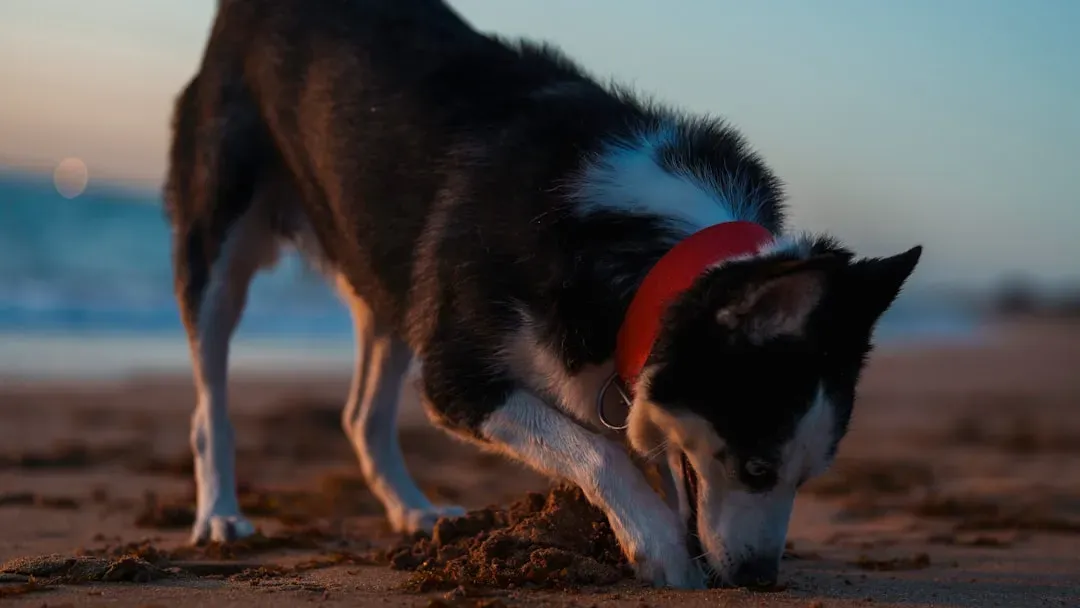
Siberian Huskies can be diggers, particularly in warm weather, because they like to create cool places to lie in. What starts as a small scrape in the garden can quickly become a network of craters that would impress a geologist. Siberian Huskies love to dig crater-sized holes, both inside and out. A creative Siberian might decide that a good place is right in the center of your bed, through your expensive down comforter, or in the middle of your flower bed.
Bored Siberian Huskies are famous for chewing through drywall, ripping the stuffing out of sofas, and turning your yard into a moonscape of giant craters. The root cause is almost always boredom or insufficient exercise. A practical solution many owners swear by is designating a specific digging zone in the yard, burying toys or treats there to make it attractive. Redirect the urge rather than fighting the instinct entirely.
4. Howling at Everything (and Nothing)
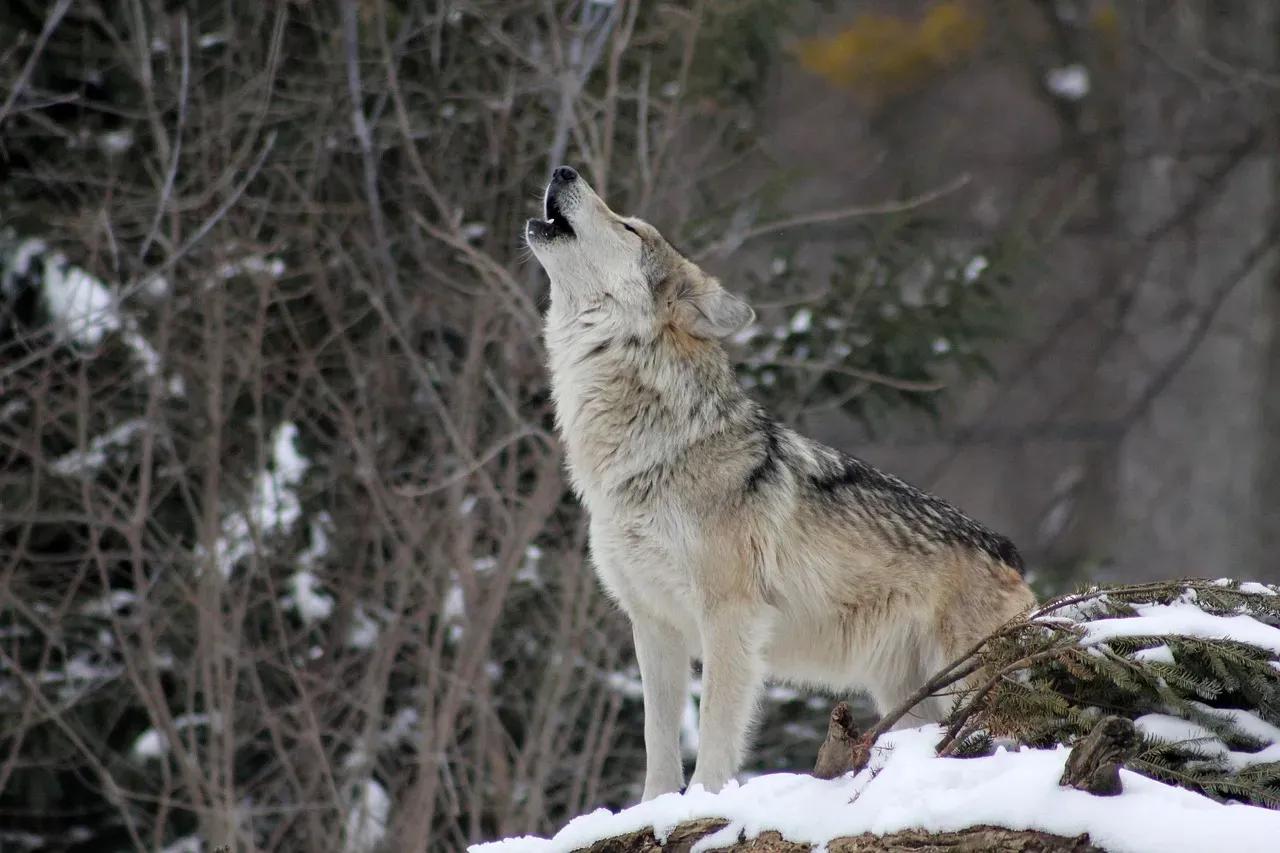
Huskies are known for their unique vocalization, including howling, which is a natural behavior for them. However, excessive howling can be a behavior problem that may lead to complaints from neighbors and even legal action. The reasons why huskies are so vocal include separation anxiety, boredom, and lack of exercise. A bored Husky left alone for four hours can produce a concert your entire street will remember.
They don’t tend to bark as a rule but they do howl. That distinction matters. Howling is deeply wired into them as a form of communication, not a performance. Huskies will throw tantrums even if they aren’t bored. These don’t happen all the time, and it’s usually a result of their stubborn nature. For example, if you refuse to play fetch when they’re in the mood, it might lead to them howling and jumping around for a while. Meeting their physical and mental needs daily is the most reliable way to keep the volume manageable.
5. Ignoring the “Stay” Command at the Door
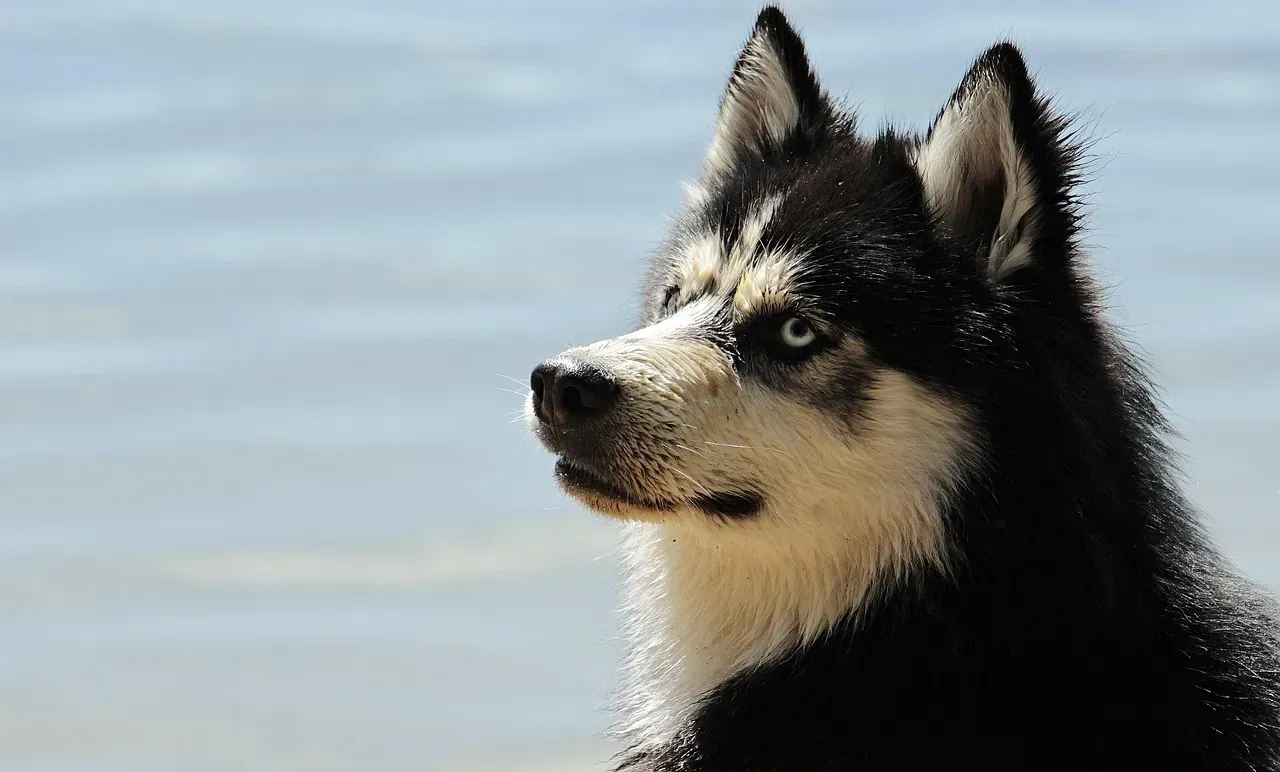
Siberian Huskies like to be active and part of the family. They’re smart, outgoing, and tend to be independent thinkers, which can easily lead to behavior problems if not corrected early as a puppy. Door manners are one of the clearest places this plays out. The moment a door opens, many Huskies see it as an invitation to bolt, regardless of how many times “stay” has been practiced.
These are dogs bred to run, and their love of running may overcome their love for their guardians at times. This is instinct, not a personal slight. Training “wait” and “stay” at thresholds needs to be practiced daily, not just occasionally. Training should start when your Siberian Husky is a puppy to correct unwanted behaviors before they become adults. Huskies need to be leash trained so they don’t run off to explore on their own. Reinforce good door behavior with high-value rewards every single time.
6. Counter Surfing with Zero Apology
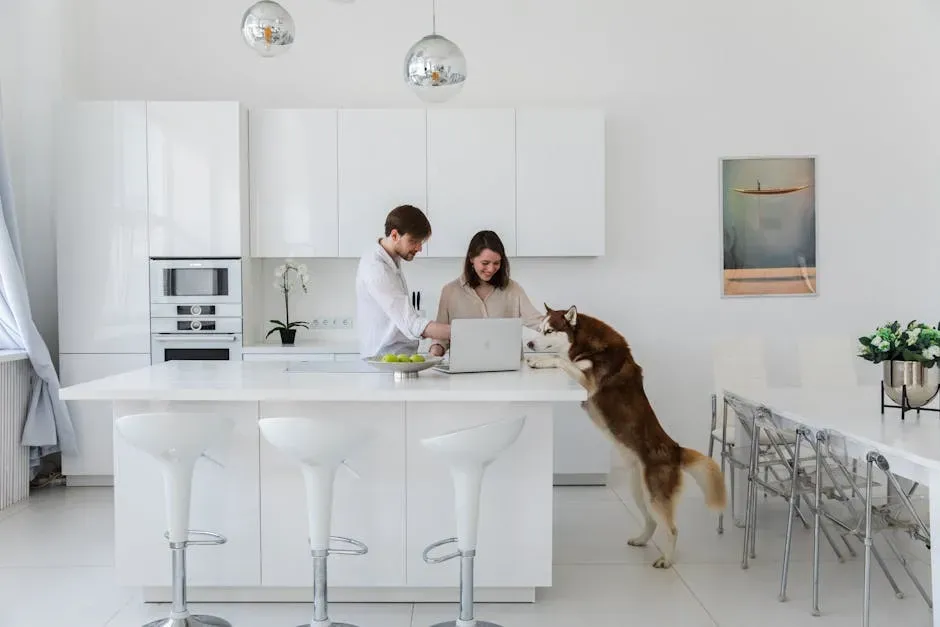
Siberian Huskies love to surf, counter surf that is. If your Husky can reach it, your Husky will investigate it. Kitchen counters, tables, and shelves are treated as personal buffets, and they have absolutely no guilt about the theft. Siberian Huskies are too curious and too smart for their own good. They are problem solvers and will find a way to get to whatever they want, even if it means climbing, opening cabinets, or destroying things.
The real risk here is food safety. Items like grapes, chocolate, onions, and xylitol are toxic to dogs and can be life-threatening if a determined counter surfer gets to them first. Keep dangerous foods in sealed cabinets, not just on countertops. With clever and independent dogs like the Siberian Husky, it is most effective to use reward training techniques. Teaching them that the best way to get what they want is to do what you want first is a practical approach that works better than punishment-based methods.
7. Leash Pulling That Could Power a Sled
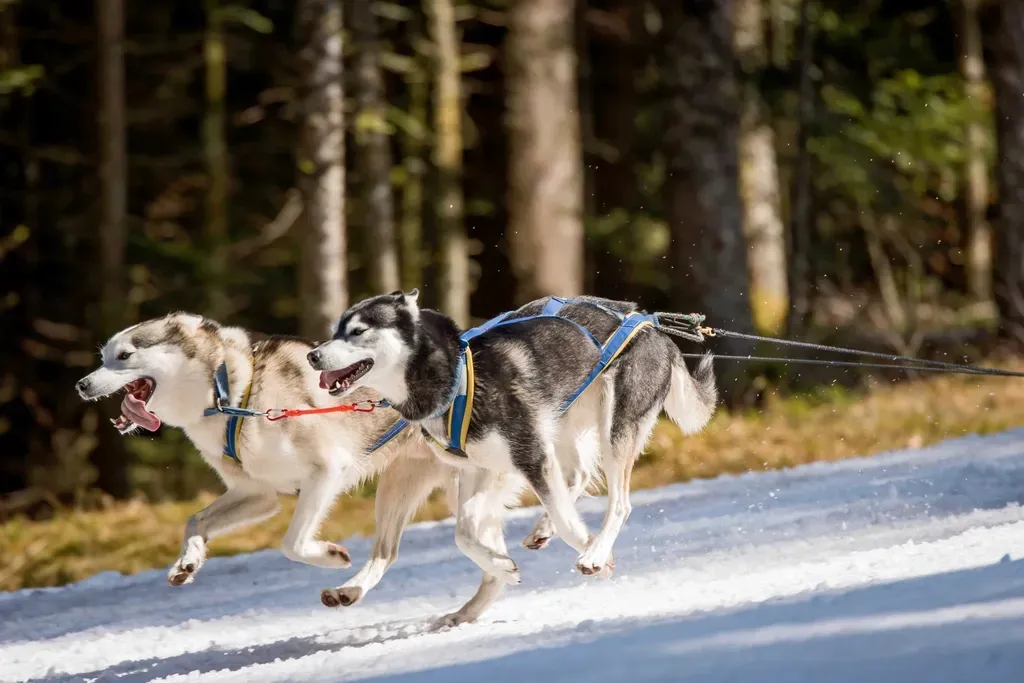
Huskies love the great outdoors and require vigorous exercise, especially in cool weather. They should be taken running, hiking, and/or biking every day, always on-leash, for they are independent and born to run. The issue is that “on leash” doesn’t automatically mean “cooperating.” A Husky that has decided it wants to reach the park five minutes faster will pull with everything it has.
This behavior is literally in their DNA. They get this high demand for exercise due to their background as sled dogs. Huskies were originally domesticated by the Chukchi people of Siberia, where they were used to pull light sled loads over miles at a time through rough terrain. Leash training needs to start early and be practiced consistently. Teaching loose-leash walking in short, frequent sessions using positive reinforcement will yield far better results than trying to overpower the pull.
8. Destroying Things When Left Alone
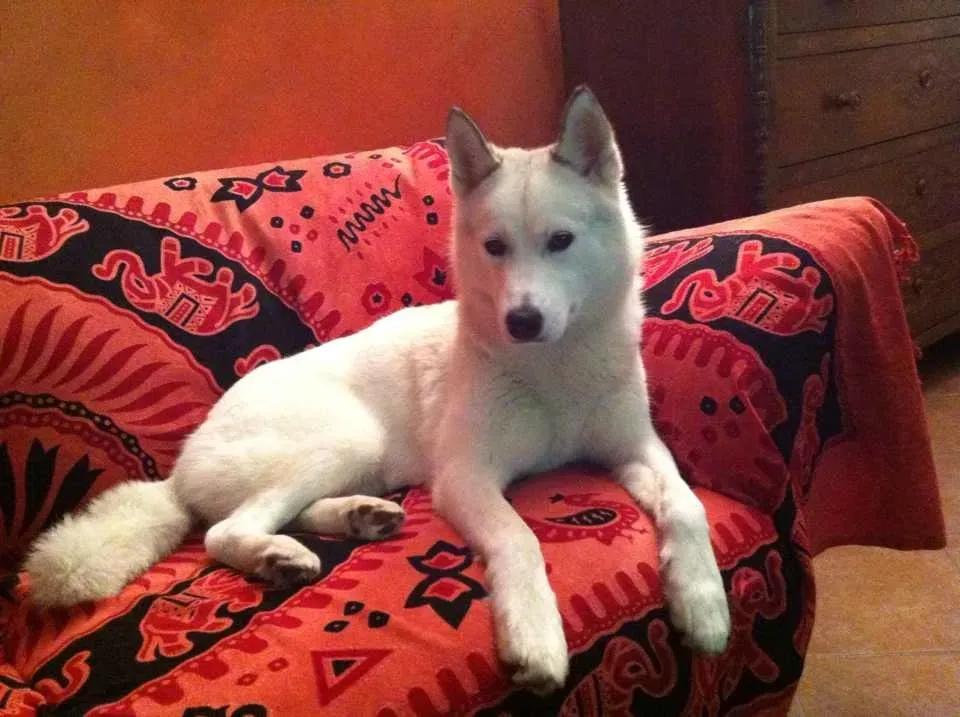
Siberian Huskies are pack animals, requiring the company of other dogs or humans. They cannot tolerate long periods of isolation. Leaving a pack animal home alone for a couple of hours can wreak havoc on your carpet, your sofa, or your dining room table, if not properly crated. This isn’t spite. It’s separation distress expressing itself through whatever is nearby and chewable.
If left alone for long periods, they may exhibit destructive behaviors as a way to cope with loneliness. The solution isn’t just a bigger crate. Gradually acclimatize your Husky to being alone, starting with short periods and gradually increasing the duration. Providing engaging toys can also help keep them occupied. Puzzle feeders, frozen Kongs, and calming background noise can all reduce the anxiety that drives destructive behavior. If the problem is severe, a professional trainer or veterinary behaviorist is worth consulting.
9. The High Prey Drive That Ignores Your Commands
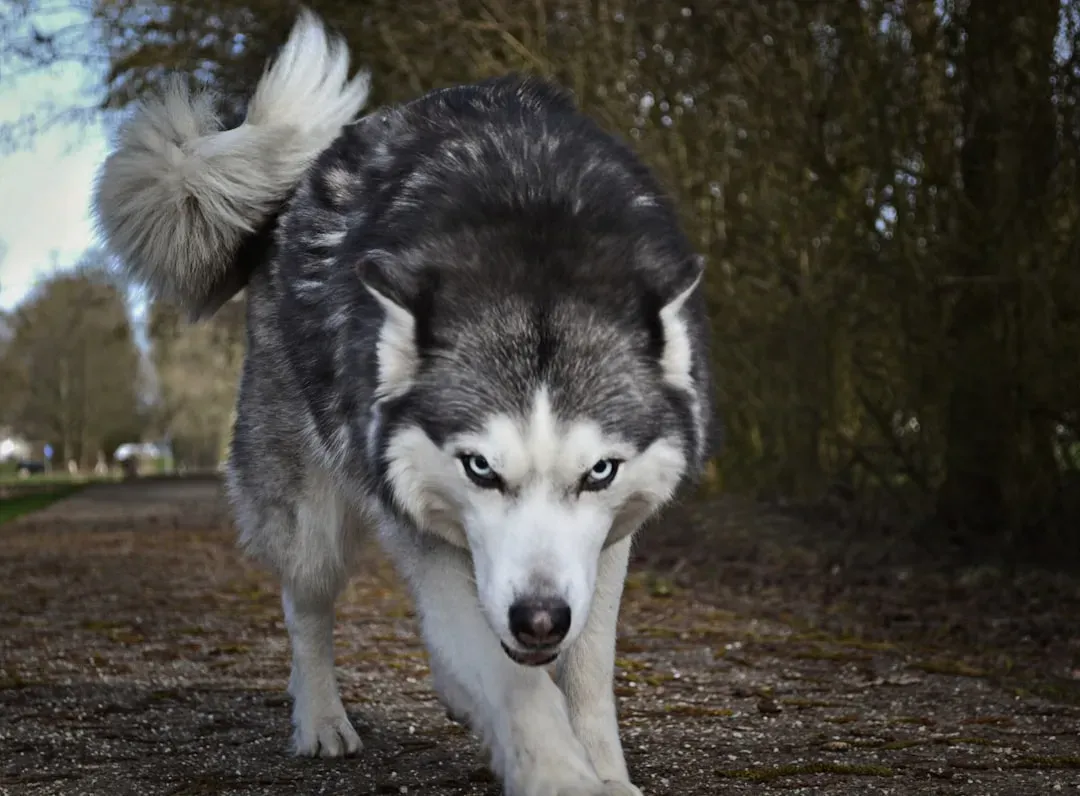
High prey drive can be a behavior problem in Siberian Huskies, as these dogs are bred for hunting and have a natural instinct to chase and capture prey. This can lead to dangerous situations if the husky is not properly trained or supervised. Common examples include chasing small animals such as squirrels or rabbits, and even small dogs or cats. In these moments, your recall command often doesn’t exist for them.
One of the most intriguing aspects of Siberian Husky problematic behavior is their strong prey drive. This behavior is natural and deeply ingrained in the breed’s genetics. Managing this starts at puppyhood. Dealing with a high prey drive starts with appropriate training and socialization from a young age. This may include obedience training, recall training, and desensitization to other animals. It is also important to supervise your Husky when they are outside and to keep them on a leash or in a secure enclosure if necessary. Never assume prey drive diminishes with age. It rarely does.
10. Testing Rules Constantly to See What Sticks
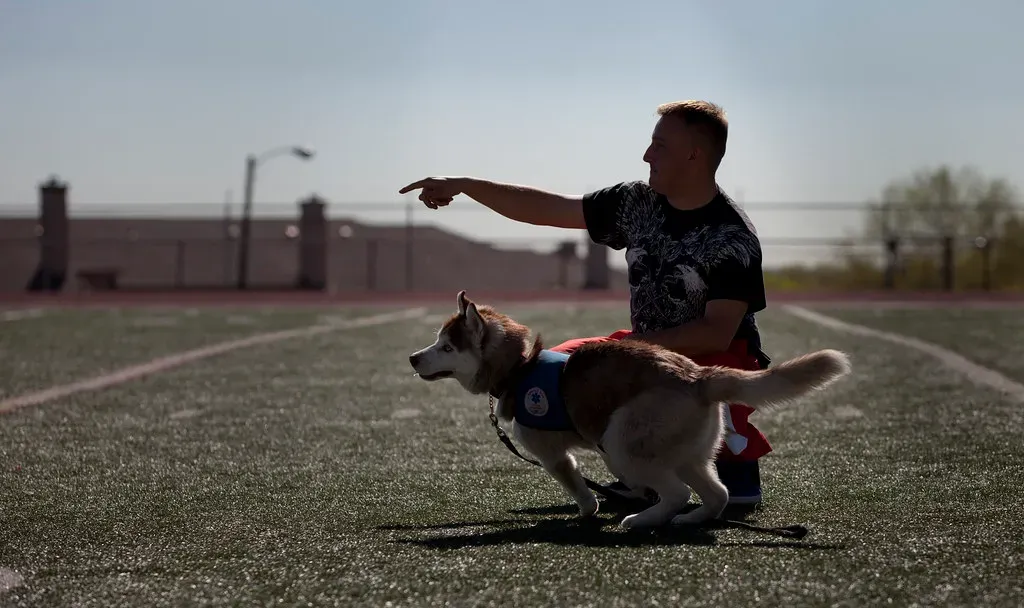
Siberian Huskies can be manipulative, many are willful, obstinate, and dominant. They will make you prove that you can make them do things. This is perhaps the most universal Husky behavior of all. The moment you relax a rule, even once, they file it away as a precedent. You allowed it on Tuesday, so it’s obviously allowed forever.
They will test the boundaries and rule enforcement of their leaders, so it’s important to always follow through so that the dog understands when you give a command or correction, you are willing to stick with it until it complies. Consistency from every member of the household is non-negotiable. You must show them, through absolute consistency, that you mean what you say. The good news is that once they trust your leadership and believe you’re a reliable, fair pack leader, Huskies become wonderfully cooperative. The relationship just has to be earned on their terms.
The Bottom Line: Know Your Dog, Love the Challenge
Every behavior on this list has a root cause rooted in history, biology, and intelligence, not obstinacy for its own sake. While Siberian Huskies have an independent streak and stubbornness that their owners must learn to manage, if you give them the care and training, you will be rewarded with one of the most loyal and affectionate four-legged friends ever.
The cleverness, combined with their stubborn streak, can challenge first-time owners. Still, with consistent training and mental stimulation, Huskies can excel in obedience, agility, and even sledding sports. The key is to stop trying to break their spirit and start working with their nature. Redirect, reward, and reinforce. Be patient on the hard days.
Owning a Siberian Husky means accepting that you will never fully win. There will always be one more rule they question, one more boundary they probe. That’s part of the deal. The trade-off is a dog of extraordinary beauty, fierce loyalty, and a personality so vivid it fills every room. Most Husky owners wouldn’t change a thing, even the counter surfing.


