
Picture this: it’s a sunny July afternoon in Houston. You clip on your dog’s leash, step outside, and within seconds he’s lifting one paw, then another, dancing awkwardly on the sidewalk. He’s not playing. He’s hurting. Texas summers are genuinely brutal, and the ground beneath your dog’s feet tells a story the thermometer never quite captures.
Paw care often gets overlooked in the broader conversation about summer pet safety. We think about shade, water, and air conditioning, but rarely stop to consider what four small pads are absorbing every time our dogs step outside. This guide covers everything you need to protect those paws, from prevention and gear to emergency first aid, so you and your dog can both enjoy summer with a lot less worry.
Why Texas Heat Is a Real Threat to Your Dog’s Paws
The gap between the air temperature and the ground temperature in Texas is genuinely alarming. According to data reported by the Journal of the American Medical Association, when the air temperature is 86 degrees, the asphalt temperature registers 135 degrees. In Texas, where summer days routinely push well past that, the pavement under your dog’s feet can be catastrophically hotter than what your weather app shows.
Unfortunately, it doesn’t always take triple digits, or even the 90s, for ground temperatures to become dangerously hot. In direct sunlight, even air temperatures in the low 90s can heat blacktop pavement well into the triple digits. That’s not a rare edge case. That’s a regular Tuesday afternoon in Dallas or San Antonio.
Surface temperature can be significantly higher, up to 40 to 60 degrees more, than the air temperature, particularly on materials like asphalt, concrete, sand, and metal. On a sunny day with an air temperature of 86 degrees, asphalt can reach a scorching 135 degrees, which can burn your pet’s paws in 60 seconds. Understanding this distinction is the very first step toward keeping your dog safe.
A hot surface can cause minor to severe burns on your dog’s paw pads. High temperatures don’t just impact the paws; they can also lead to overheating and potentially dangerous situations like heat stroke. A walk on hot pavement can quickly escalate into a medical emergency if you’re not careful.
The Warning Signs Your Dog’s Paws Are Burning
Dogs can’t say “ouch,” but they communicate discomfort in ways that are hard to miss once you know what to look for. Watch out for behaviors like hopping from paw to paw, limping, or trying to retreat to a grassy or shaded area. These could be tell-tale signs that the ground is uncomfortably hot for your four-legged friend. If your dog is doing any of this mid-walk, get him off the pavement immediately.
If your dog is walking with a limp or seems to be favoring one paw over the others, it could be a sign that their paws are burned. If your best friend is constantly licking or chewing on their paws, it could be a sign that they are experiencing pain or discomfort from burns. Excessive licking after a walk is particularly easy to misread as routine grooming, so pay close attention to when it happens.
For pet parents, it’s crucial to assess the dog’s feet after walks, looking for signs such as blisters or darkened pads that suggest the need for veterinary care. Beyond behavior, also watch for redness, cracked skin, or an unusual smell around the paw area. If a dog is limping or refusing to walk, it could indicate the severity of the burn. At that point, the situation has moved beyond prevention and into treatment territory.
The Smart Walk: Timing, Surfaces, and the Seven-Second Test

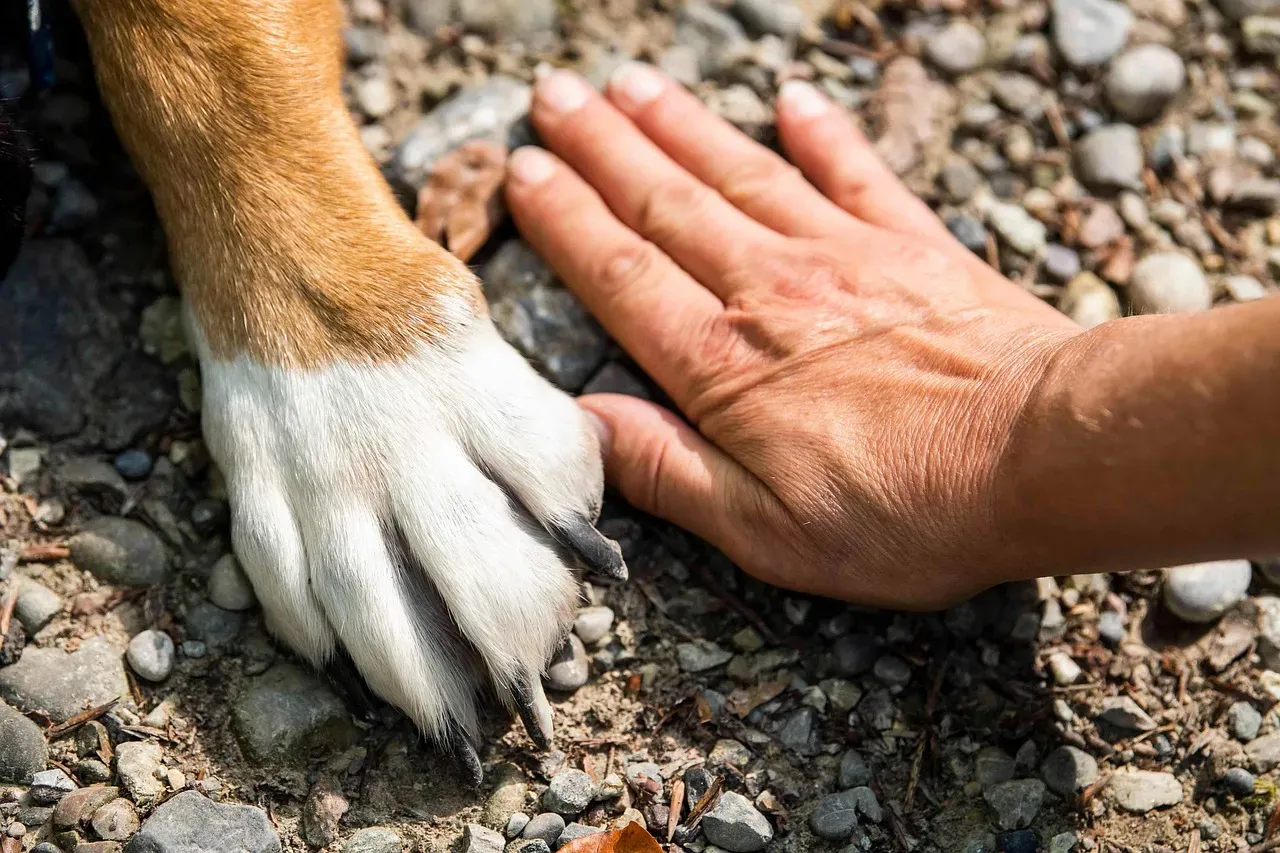
One of the most practical tools any Texas dog owner can use costs exactly nothing. There is a simple test you can do to check whether the pavement is too hot for your pet’s paws: the “seven-second test.” Simply touch the pavement with the back of your hand for seven seconds. If you can’t hold out for the full seven seconds because the surface is too hot, then it’s also too hot for your dog’s paws. Do this before every single walk during summer months.
During the scorching heat of a Texas summer, your best bet is to structure outdoor time to avoid the hottest time of the day. The warmest temperatures of the day occur between about noon and 6 p.m. Within this timeframe, ground temperatures can get dangerously hot. You can avoid paw burns and heat exhaustion by taking pets out first thing in the morning or right around sunset.
Surface choice matters just as much as timing. Grassy areas and dirt trails stay much cooler than paved sidewalks, making them a safer choice for longer walks or playtime during the summer months. Grass in direct sunlight can become uncomfortably hot during the heat of the day. However, shaded grassy areas generally stay cool and are a safe bet for your pet. Wherever possible, route your walk through parks or green spaces instead of neighborhood sidewalks.
Gear, Balms, and Protective Products That Actually Help
Dog boots are perhaps the most reliable form of physical protection available. Dog shoes or all-terrain boots offer protection from hot surfaces, but many dogs need time to adjust to wearing them before the first outing. Getting the right size, fitting snugly but not too tight and not too loose, helps your dog acclimate to wearing shoes. Your dog’s feet need some room to breathe. Choose foot coverings with wrap-around closures and full-foot grips on the bottoms. Start practicing at home for a few minutes each day before relying on them outdoors.
Paw balms and waxes are a solid second line of defense, especially for dogs who refuse to tolerate boots. Applying a moisturizing balm, butter, or wax product can help protect your dog’s paws from the elements. These products can be a good substitute for dog booties because they put a barrier between your dog’s paw pads and harsh terrain. Look for products with ingredients like beeswax, shea butter, and vitamin E, all of which are safe if your dog licks their paws after application.
You should moisturize your dog’s paw pads if they are cracked, peeling, or too dry. Use a paw balm to help your dog’s paw pads heal and soften. Also keep in mind that many canine products help moisturize dog’s pads to prevent cracking from heat, and when pads are dry, they’re more susceptible to burns from hot pavement. Preventive moisturizing is not just cosmetic. It’s a genuine safety measure.
First Aid When Paws Get Burned: What To Do Right Away
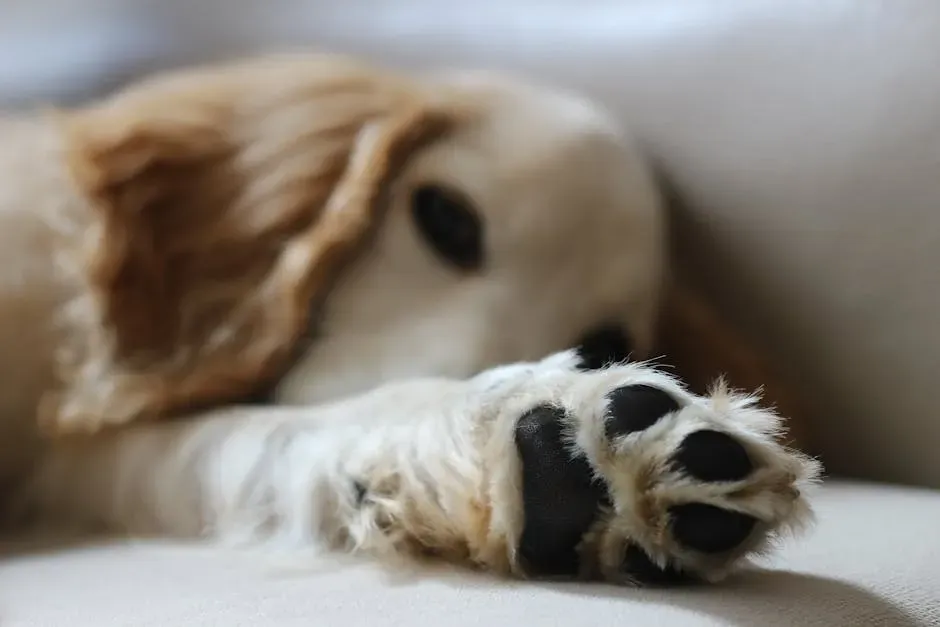
Even the most careful dog owner can face a situation where their dog’s paws get burned. Knowing what to do in those first few minutes matters. If you suspect your pet has burned their paws, move to a cooler area immediately, get your pet off the hot surface and into a shaded or air-conditioned area, then gently rinse their paws with cool water to alleviate pain and reduce inflammation. Avoid ice, as extremely cold water can cause further damage.
Applying a topical, pet-safe antibiotic ointment for minor burns can prevent infection and aid in healing. However, it’s critical to seek professional veterinary care to evaluate the severity and receive appropriate treatment, which may include bandaging and prescription medication. Don’t attempt to peel away any damaged skin or apply pressure to the burned area.
Delayed care can lead to long-term paw sensitivity or infection. Even what looks like a minor burn deserves a vet visit within 24 hours. Continuous monitoring for signs of pain, like limping or excessive licking, is necessary for pet parents. In the event of more severe burns, a veterinarian may prescribe pain medication and recommend rest, restricting the injured paw from bearing weight. Rest is not optional during recovery. Keep your dog on soft, clean surfaces and limit outdoor time until fully healed.
A Final Thought for Every Texas Dog Parent
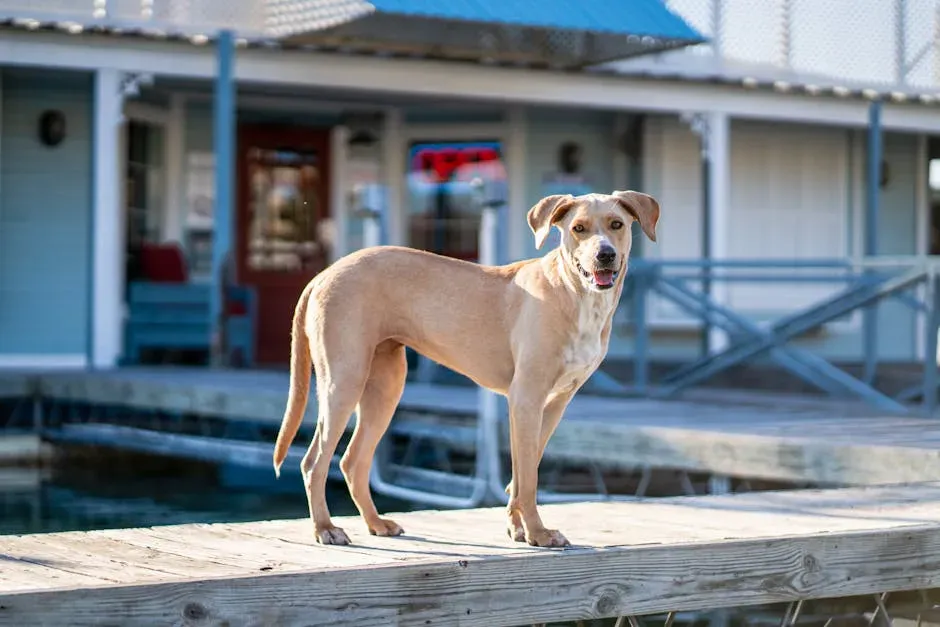
Caring for your dog’s paws in a Texas summer takes a little planning, but the payoff is enormous. A dog who walks comfortably, without flinching or limping, is a dog who gets to enjoy the world alongside you. That daily walk matters to them deeply, even when the weather makes it complicated.
The seven-second test, the early morning walk, the quick paw check after you’re back inside – none of these things take long. Together, they add up to a summer that’s genuinely safe and enjoyable for your dog. Paw care isn’t a luxury. In Texas heat, it’s simply part of the deal.


