
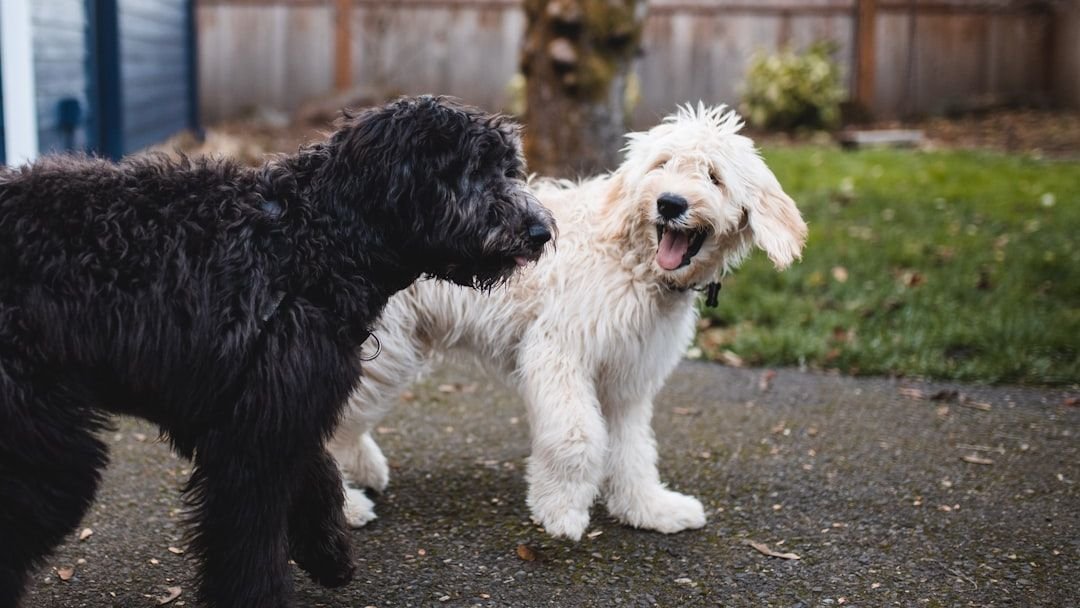
Most new puppy owners picture socialization as a blur of dog park visits, strangers reaching down to pet a wiggly pup, and back-to-back playdates. The more exposure, the better, right? Not quite. What the science actually says about raising a confident, well-adjusted dog is a little more nuanced, and honestly, a little more reassuring, than the checklist culture most of us grew up with.
The rules have shifted. Behavioral science has sharpened our understanding of exactly what puppies need during those first weeks of life, and the new guidance isn’t about doing more. It’s about doing it smarter. Whether you’ve just brought home your first puppy or you’re a seasoned dog parent who’s noticed something isn’t quite clicking, this breakdown of the real rules of socialization may change how you see those critical early months entirely.
The Window Is Real, But It’s Not a Death Sentence If You Miss Part of It

The primary socialization period in puppies occurs between roughly three to fourteen weeks of age, a window during which their brains are highly receptive to new experiences. This period is characterized by rapid neurological development, during which positive exposure to stimuli can significantly shape a puppy’s temperament and responses to their environment.
The first three months of life are considered the most important time for puppy socialization, during which puppies should be exposed to as many new people, animals, stimuli, and environments as can be achieved safely and without causing overstimulation. The American Veterinary Society of Animal Behavior believes this socialization should begin before puppies are even fully vaccinated.
While the critical socialization window is an optimal time for puppies to learn about the world around them, it’s important to know that socialization is a lifelong process. A puppy that misses out on experiences during this initial phase can still grow into a well-rounded and sociable dog. The window matters enormously, but panicking over a few missed weeks is rarely productive. What you do next always counts.
Quantity of Exposure Is Not the Same As Quality of Exposure
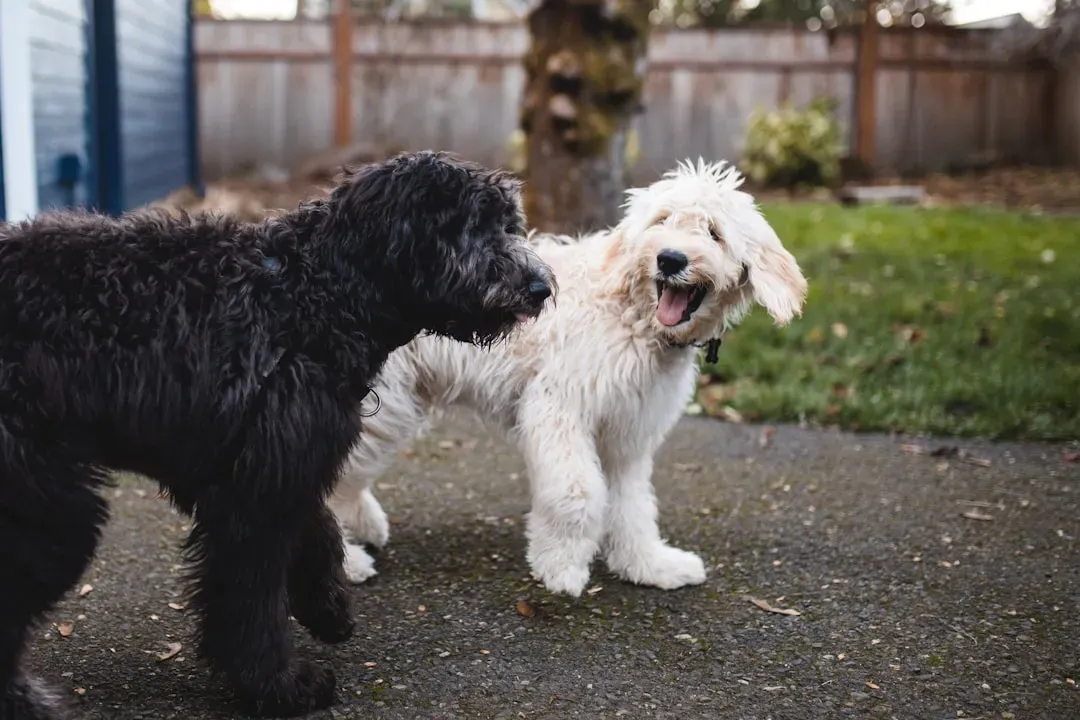
When most people hear the word socialization, they think it means letting their puppy meet as many dogs, people, and places as possible. Real socialization is not about chaotic exposure or endless playdates. It is about helping a puppy learn how to move through the world with confidence, neutrality, and stability.
A bad experience during the socialization window can stick. A puppy that gets overwhelmed by rough dogs, crowded places, noisy children, or forced handling may start to associate those things with stress instead of safety. That is why it is so important to avoid the “more is better” mindset.
Socialization isn’t just about exposure, it’s about positive exposure. The goal is to build trust, not just tolerance. Think of it less like a checklist and more like a carefully curated set of first impressions. Every single new experience leaves a mark on that developing brain, for better or for worse.
Your Puppy Has Two Fear Periods, and They Can Catch You Off Guard

Well-socialized puppies are generally playful and confident, so it can take people by surprise when these same puppies become spooked or fearful seemingly overnight. Fear periods are a normal part of puppy development, but they can also be overwhelming for dogs. During fear periods, puppies become more sensitive and aware of the world around them. They may be more concerned about new objects or experiences, and even things they previously enjoyed can become worrisome.
Your puppy will experience two fear periods, both of which are a normal evolutionary part of puppy development. No amount of socialization can prevent them, but the good thing is you can help your puppy work through them. Puppies will generally experience their first fear period around eight to eleven weeks, and coincidentally, this happens right around the time they’re coming home and adjusting to a new family.
The second fear period is more variable, but for most dogs it occurs as a two to three week phase in late adolescence, somewhere between six and fourteen months of age. This one is sneaky as it pops up when owners least expect it, long after their tiny pup has become an independent teenager. By this point, most owners are giving their dogs more freedom and no longer micromanaging how they interact with the world. Recognizing these periods for what they are, rather than panicking or pushing harder, is one of the most useful things a dog owner can do.
Learn to Read Your Puppy’s Stress Signals Before You Train Anything Else

Stress signals and behaviors to watch for include low fear-based barking, panting, drooling, yawning, sneezing, lip licking, shake-off behavior, whining, growling, snapping, fleeing, and hard staring or fixation. Many of these are subtle and easy to miss, especially when you’re excited about introducing your pup to the world.
When an animal is overwhelmed or fearful, they may freeze up, remain very still and quiet, or act unresponsive. These signs are often mistaken for calmness, while they are actually signs that an animal is shut down or overwhelmed. Forcing your puppy to interact with a new environment or object in this state is counterproductive, so backing away a bit until they relax is always the better call.
Pair treats with all exposures to create positive associations, and make sure to bank several of these for each experience. If your puppy seems frightened and won’t take treats, lessen the intensity of the situation until they are comfortable and accepting treats again. This might mean giving some distance if needed, or removing them from the situation temporarily. A puppy that won’t eat treats is telling you, very clearly, that they’ve reached their limit.
Socialization Doesn’t End at 16 Weeks, and It Includes Far More Than Other Dogs
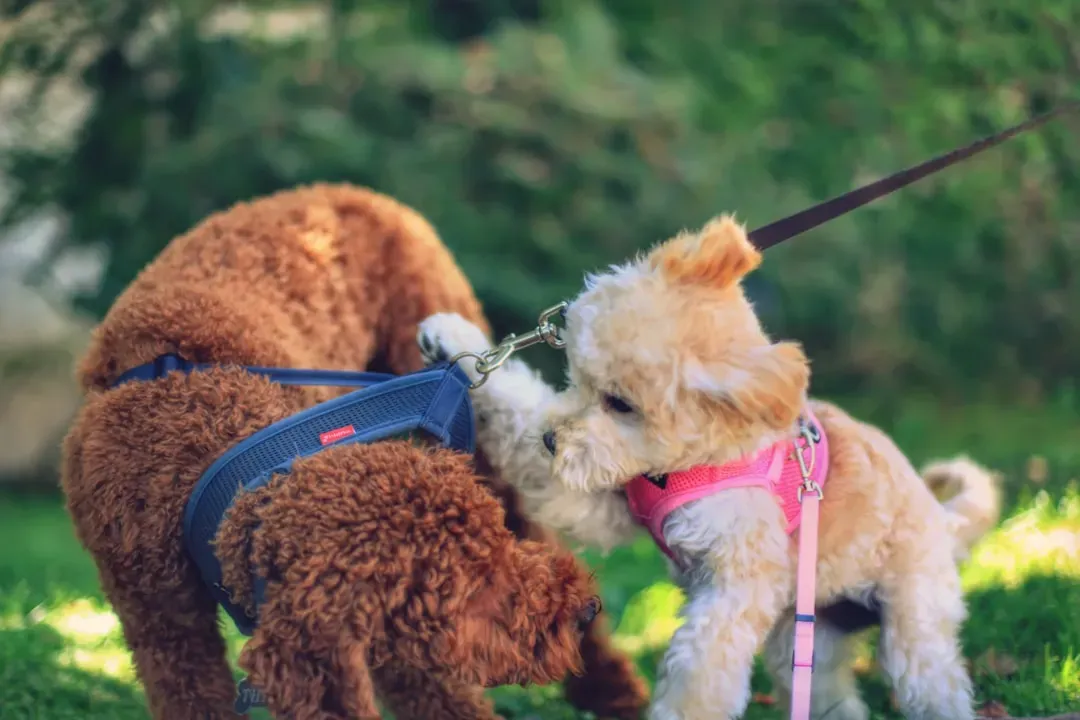
A major myth is that socialization only means meeting people and playing with other dogs. In reality, socialization includes exposure to the entire world. A puppy that only learns to play with dogs but never learns how to settle in a crate, walk through a new environment, or calmly handle daily life is not truly socialized.
Try to come up with as many different types of people, places, noises, and textures as you can and expose your puppy to them. That means having them walk on carpet, hardwood, tile, and linoleum floors, meet young and old people, someone in a wheelchair or using a cane, a person with a beard, wearing sunglasses or a hood, and using an umbrella. The world your dog will eventually navigate as an adult is wide and unpredictable, so the broader the early exposure, the better the foundation.
While the critical period ends around fourteen to sixteen weeks, continued positive exposure to new experiences throughout puppyhood and adolescence maintains and builds on early socialization work. Well-socialized puppies grow into confident adults who approach new situations with curiosity rather than fear, recover quickly from startling experiences, and interact appropriately with people and other dogs. Socialization is truly a lifestyle, not a phase.
Conclusion: Confidence Isn’t Built in a Day, But It Is Built Deliberately

The old model of puppy socialization leaned heavily on volume: more dogs, more people, more places, more ticking of boxes. The new understanding places quality, timing, and emotional safety at the center of the conversation. Your puppy doesn’t need to be thrown into the deep end. They need a thoughtful guide, and that guide is you.
Studies consistently demonstrate that positive reinforcement outperforms punishment-based methods. Dogs trained this way exhibit lower stress levels, better long-term retention of behaviors, reduced fear-related issues, and stronger, more trusting bonds with their owners. The science is clear, and it happens to align with what most compassionate dog owners already feel intuitively.
The most important thing to remember is this: every time you help your puppy navigate something new without flooding or forcing them, you’re quietly building the architecture of a confident adult dog. The work you do during your puppy’s first few months at home will influence their behavior and happiness for the rest of their life, making the effort and planning required for proper socialization one of the most important investments you can make in your relationship. That’s not pressure. That’s possibility.


