
Rathlin Island Achieves World-First Ferret Eradication to Safeguard Seabird Haven
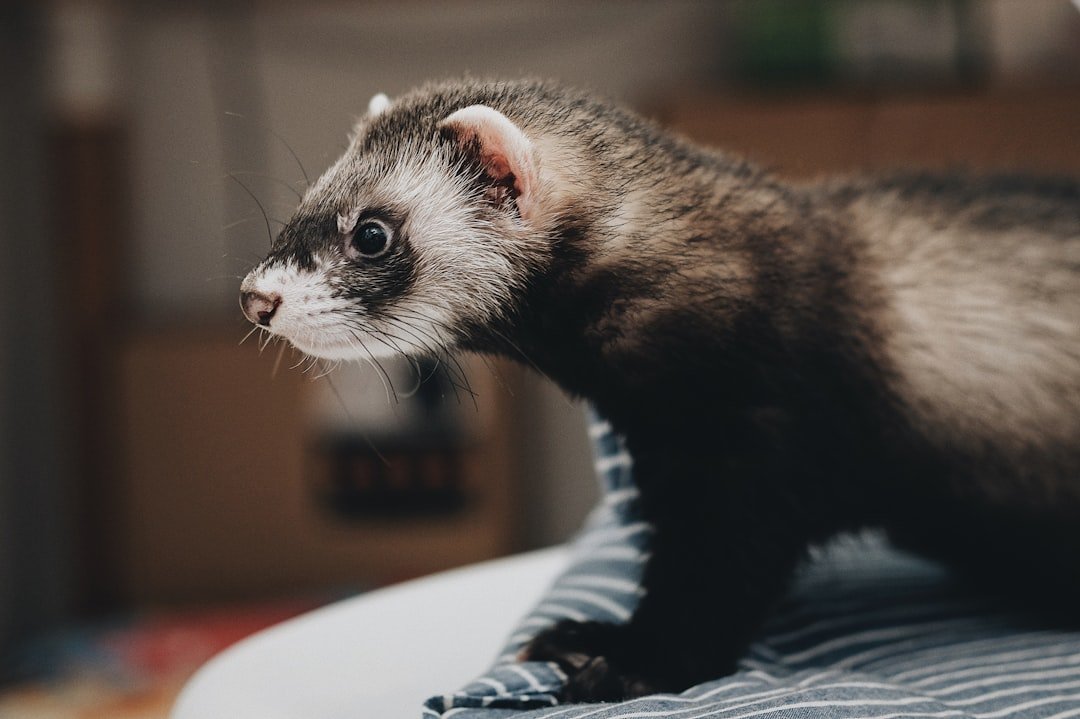
Rathlin Island, Northern Ireland – Conservationists declared the island ferret-free in March 2026 after a pioneering effort removed invasive predators that had plagued its ecosystems for decades. This marked the first successful eradication of feral ferrets from an inhabited island anywhere in the world. The achievement protects Northern Ireland’s largest seabird colony and signals hope for global island restoration projects.[1][2]
The Hidden Threat of Feral Ferrets
Feral ferrets arrived on Rathlin Island in the 1980s, released to control a surging wild rabbit population. Officials intended to introduce only males, yet females appeared among them, leading to rapid breeding. The population swelled beyond 100 individuals, turning these agile hunters into a major menace.[2]
These non-native mustelids targeted ground-nesting seabirds, devouring eggs, chicks, and even adults. A single ferret once killed 27 puffins over two days in 2017, highlighting their devastating impact. Ferrets also preyed on Irish hares and raided residents’ chicken coops, disrupting both wildlife and community life. UK and Irish seabird populations had already declined by 62 percent over the previous two decades, making Rathlin’s colony especially vulnerable.[1]
Launching the LIFE Raft Initiative
The £4.5 million LIFE Raft project, known fully as Rathlin Acting for Tomorrow, began in 2021 under RSPB Northern Ireland’s leadership. Partners included the Rathlin Development and Community Association, Causeway Coast and Glens Heritage Trust, and local authorities. Funding came from the EU LIFE programme, National Lottery Heritage Fund, Department of Agriculture, Environment and Rural Affairs, and Garfield Weston Foundation.[3]
Teams deployed over 400 live traps across the island’s rugged terrain in winter 2023, capturing 98 ferrets. Thermal drones scanned for heat signatures, while 110 cameras provided constant surveillance. Captured animals received swift, humane dispatch via shooting, a method experts deemed most ethical. No ferrets appeared after October 2023, confirming success through rigorous monitoring.[1]
Woody the Detection Dog Steps Up
A red fox labrador named Woody emerged as a star of the operation. Trained to detect ferret scent and latrines, he navigated cliffs and burrows where humans could not easily reach. His goggles protected his eyes during intense searches, aiding the final sweeps that verified eradication.[2]
Though Woody suffered an eye injury from a thorn during off-duty play—requiring surgical removal—his sense of smell stayed sharp. Today, he serves as Rathlin’s biosecurity guardian, inspecting ferry shipments of hay, feed, and wood at Ballycastle harbor and upon arrival. Volunteers and AI-enhanced cameras support his work to block reintroductions.[1]
Immediate Gains for Biodiversity
Rathlin hosts over 250,000 seabirds, including puffins, razorbills, guillemots, and Manx shearwaters. The eradication also shields corncrakes—Northern Ireland’s only breeding site for the species—along with choughs, peregrine falcons, and ground-nesters. Early recovery signs appeared swiftly.
- Six male corncrakes called during the season, a record unmatched elsewhere in the region.
- Manx shearwaters bred on the island for the first time in over 20 years.[3]
- Hare populations showed potential for rebound, free from leveret predation.
- Residents now raise poultry without fear, easing daily pressures.
“This is an extraordinary moment for Rathlin, for Northern Ireland, and for conservation globally,” RSPB NI Director Joanne Sherwood stated. “The successful, world-first eradication of ferrets means that puffins and other seabirds can now nest and raise their young more safely.”[3]
Next Challenges on the Horizon
Rat eradication continues as the project’s second phase. Brown rats, likely arriving via 19th-century ships, vanished from sightings after June 2025 following nearly 7,000 bait stations. Officials aim for rat-free status by 2027, potentially one of the largest such efforts on a populated island without aerial methods.[1]
Biosecurity remains paramount amid regular ferries serving the 150 residents and thousands of visitors. Lessons from Rathlin now inform global efforts, from Orkney’s stoat removals to other predator-threatened isles. Community buy-in proved essential, with locals employed, trained, and engaged throughout.[2]
This triumph underscores how targeted action can reverse invasive species damage, restoring balance to fragile ecosystems. Seabird colonies often rebound rapidly once safe, offering a blueprint for hope amid broader declines from climate pressures and pollution. What do you think about this conservation milestone? Share your thoughts in the comments.
Key Takeaways
- Rathlin’s ferret removal protects over 250,000 seabirds and marks a global first on an inhabited island.
- Advanced tools like drones, dogs, and cameras ensured humane, thorough eradication.
- Future rat clearance and biosecurity promise sustained biodiversity gains.