
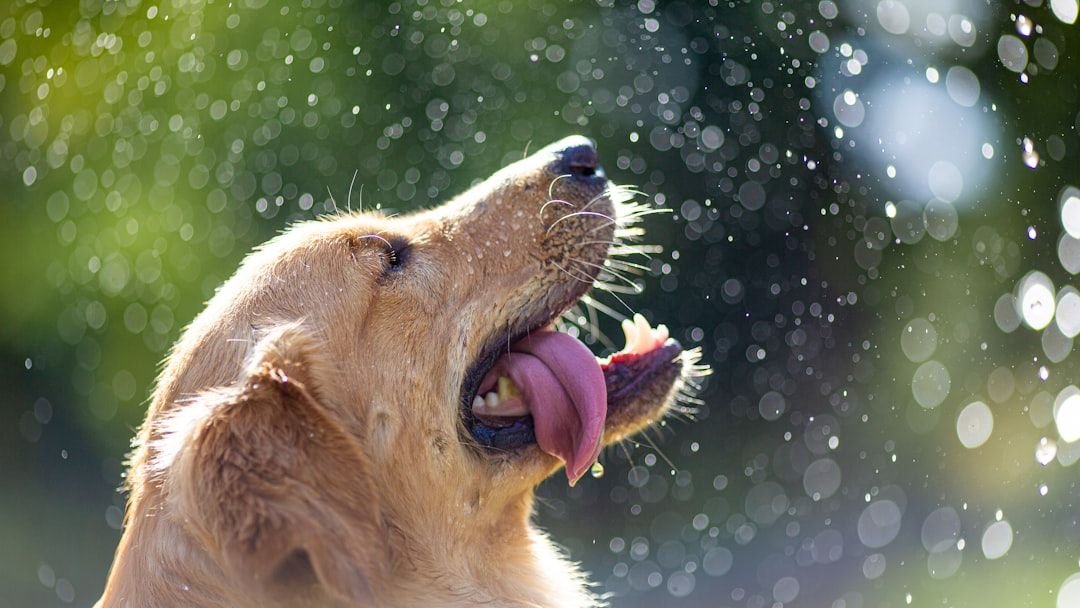
San Antonio summers are not shy about announcing themselves. Temperatures routinely climb into the triple digits, pavement gets hot enough to hurt paws, and the humidity makes even a short walk feel like a workout. For dog owners here, choosing the right breed isn’t just about personality or size – it’s a practical health decision.
Living in San Antonio means enjoying warm weather throughout the year, but it also means dealing with long, hot summers with high temperatures and intense sunlight, which can pose real challenges for certain dog breeds that struggle to regulate their body temperature. The good news is that quite a few breeds are genuinely built for exactly this kind of climate – lean bodies, short coats, and ancestry rooted in warm, sun-drenched places around the world.
Chihuahua
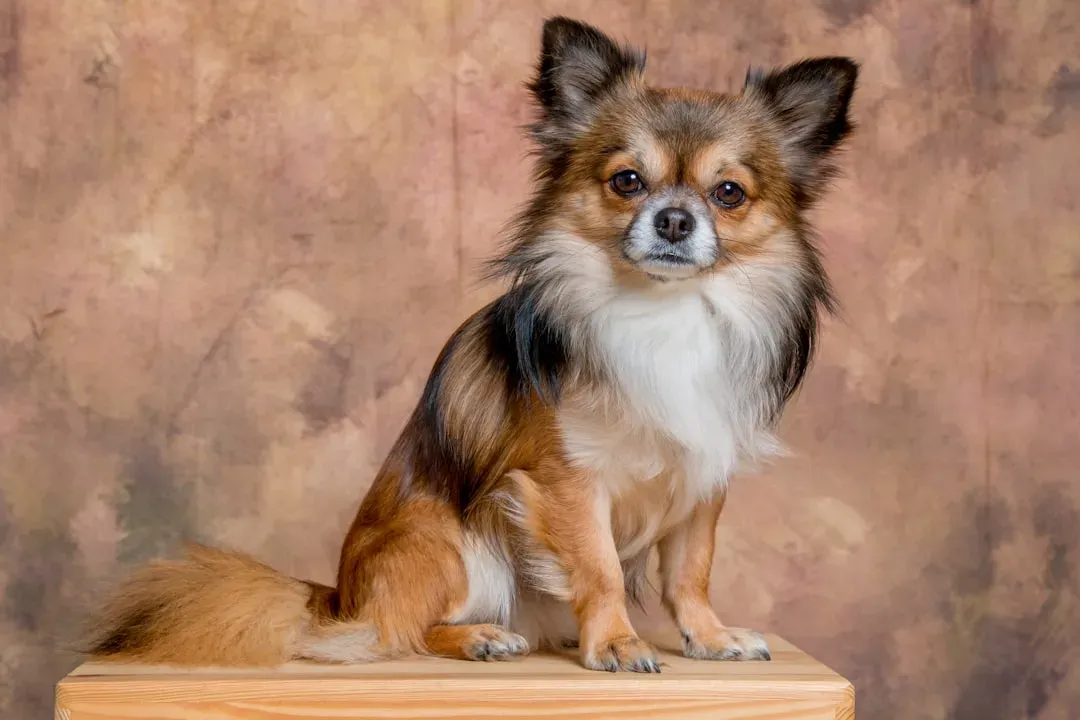
Chihuahuas, one of the smallest dog breeds, originated from the hot, arid regions of Mexico. Their small size and short coat are significant factors in their ability to handle heat, and with less body mass to retain warmth and a minimal amount of fur to insulate them, they’re genuinely adept at staying cool.
Chihuahuas thrive in hot weather thanks to their short coats and minimal grooming needs, making them perfect for city dwellers in apartments or homes without yards. They’re content to curl up on a cool tile floor between short walks, which makes them a remarkably low-maintenance companion for San Antonio’s fiercest summer months.
Greyhound

A Hound Group member and sprinter with a lean body mass, the Greyhound can easily regulate its body temperature when the weather heats up. With roots going back around 5,000 years to ancient Egypt, the Greyhound’s coat is short and smooth in many colors.
Despite their reputation as racing dogs, Greyhounds are surprisingly well-adapted to warm climates. Their short coats and slender build help them stay cool in hot weather, and their laid-back demeanor makes them content to relax indoors during the hottest parts of the day. That combination of athletic ability and couch-ready calm is hard to beat in a Texas summer.
Basenji
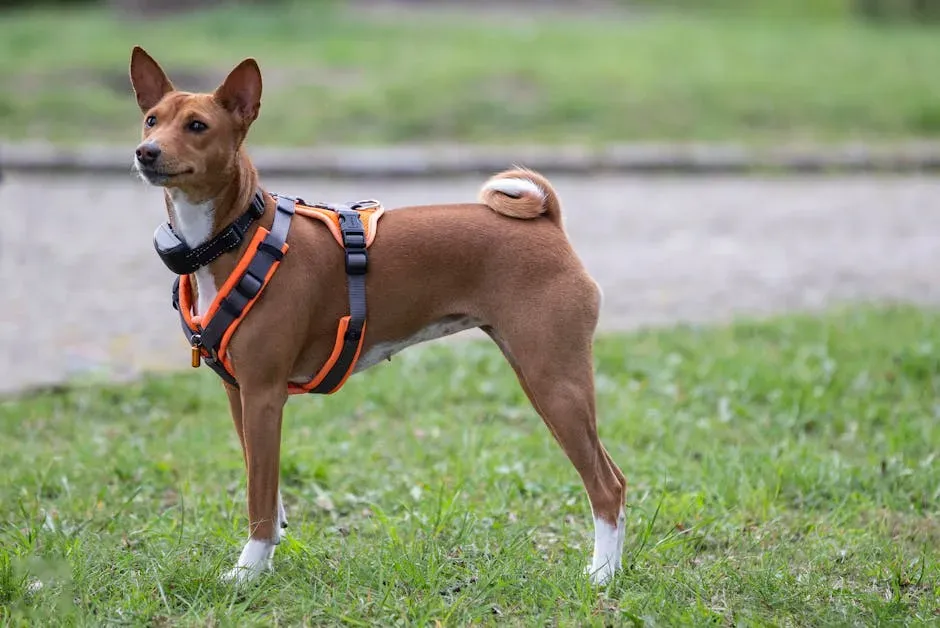
The Basenji is an ancient breed known for its unique appearance and heat tolerance. Originating from Central Africa, where temperatures can soar, the Basenji has a short, fine coat that helps it stay cool, and its small to medium size and slender build also aid in heat dissipation.
The Basenji hails from Africa, so it’s well-built for hunting in steamy environments. Its large erect ears help keep it cool because excess heat escapes through the ears, and those ears are consistently exposed to cooling breezes. They’re independent, curious, and quietly entertaining – almost cat-like in their self-sufficiency.
Dalmatian
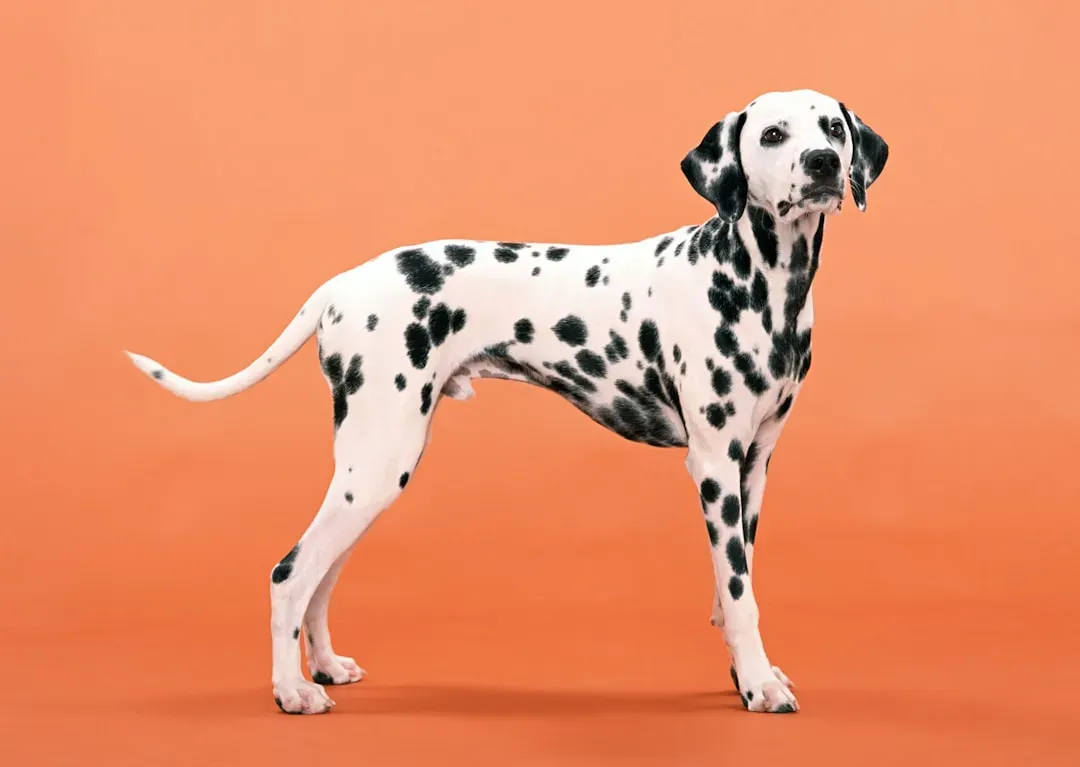
Dalmatians have lean, muscular physiques with very little body fat, which means they don’t have the insulation to retain warmth in cold weather. That’s perfect for hot weather, and so is their short, white hair – their white coloring actually reflects sunshine, and all those black spots aren’t enough to cause them to overheat.
The Dalmatian’s short coat, lean build, and mostly white coloring help it beat the heat and stay active even when the temperature rises. It also has a natural instinct for swimming and will happily jump into a family pool to cool off. For active San Antonio families with a yard or access to water, a Dalmatian is a genuinely spirited match.
Australian Cattle Dog
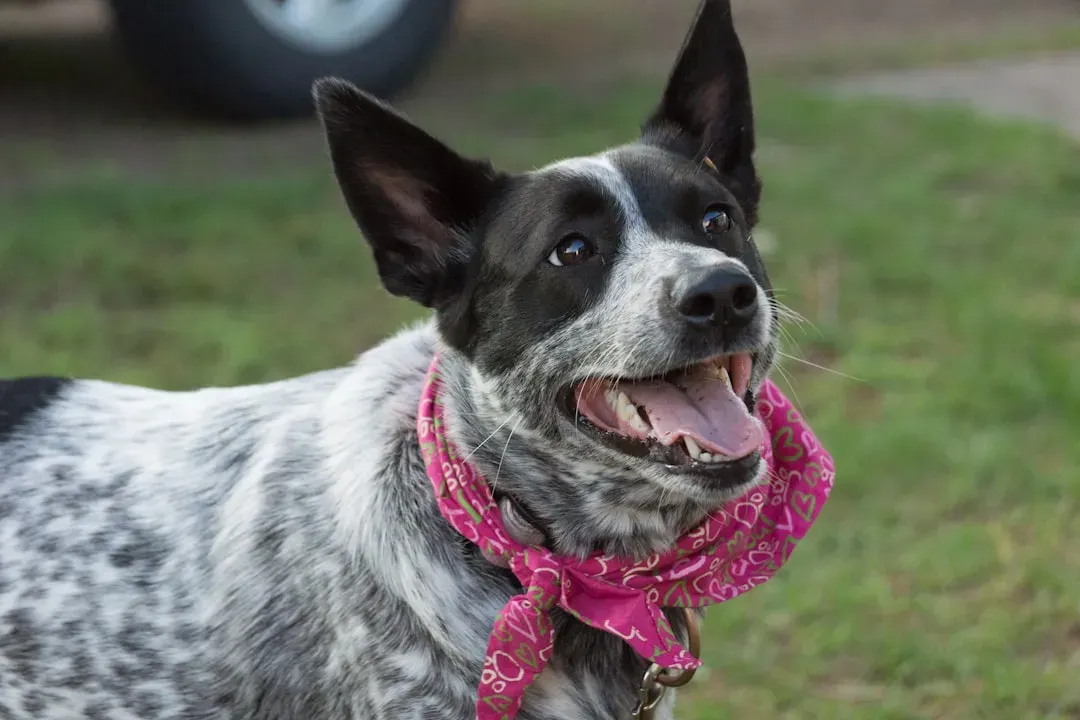
Hailing from hot-weather Australia, the Australian Cattle Dog is related to the Dingo in the outback and is accustomed to working in hot weather. This Herding Group member is born with a short double white coat that turns gray or red.
Australian Cattle Dogs are highly intelligent and natural herders. They get exercise from herding livestock but don’t tend to overexert themselves, helping them stay safe as temperatures rise. They need mental stimulation as much as physical activity, so puzzle toys and training games are genuinely useful tools for keeping them happy inside during peak afternoon heat.
Vizsla
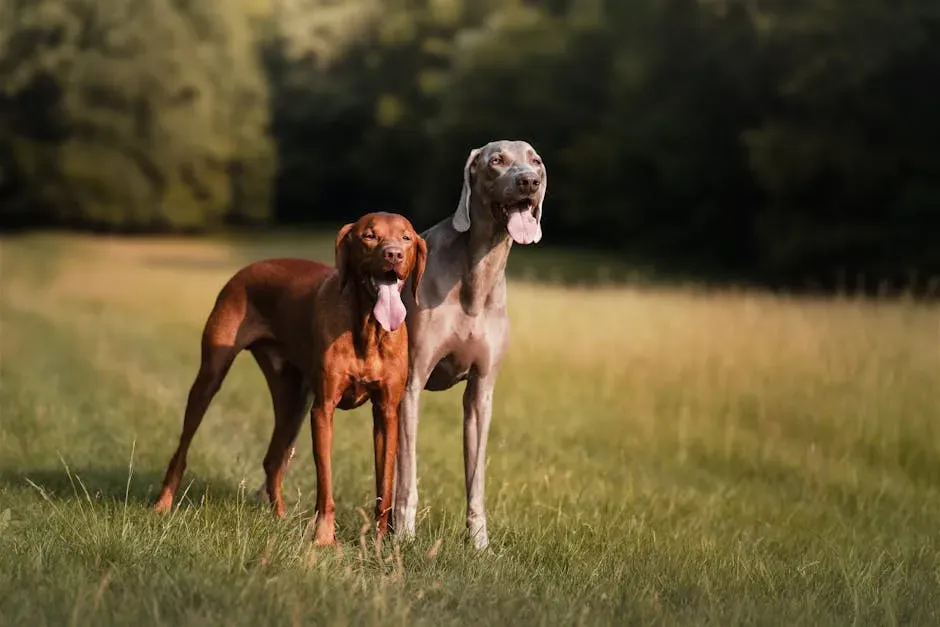
The Vizsla is a Hungarian breed known for its sleek, short coat that is ideal for hot weather. With their high energy levels and athletic build, Vizslas need plenty of exercise, which they handle well in warmer temperatures as long as they have adequate hydration. Their short coat is easy to maintain, and they are known for their affectionate nature and agility.
Vizslas have a short and smooth coat that helps them cope with high temperatures. They are energetic dogs and require regular exercise, so early morning or late evening walks are recommended during San Antonio summers. Early morning jogs before the heat builds are a natural fit for this breed – and they’ll love every minute of it.
German Shorthaired Pointer
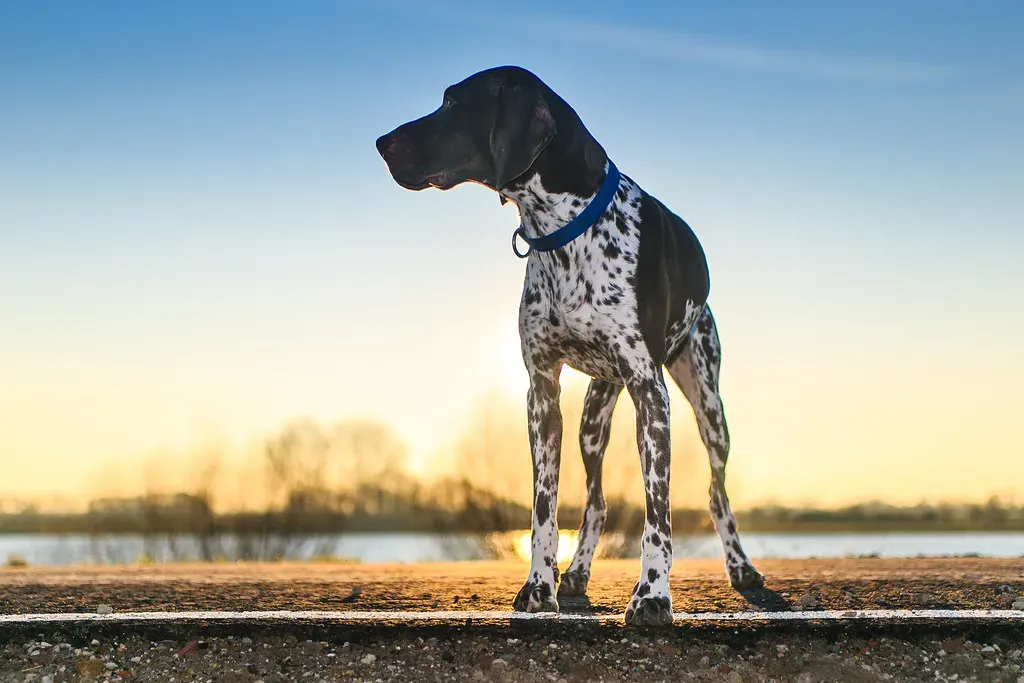
German Shorthaired Pointers have a short coat and a lean build that aids in heat dissipation. They are energetic and enjoy outdoor activities, but hydration and shade are crucial during hot weather.
German Shorthaired Pointers are known for their robust energy and versatility in outdoor activities beyond just hunting. Their short, dense coat makes them well-suited for hot climates, and they’re perfect for active individuals or families who love outdoor adventures such as hiking or running – thriving in environments where they can expend their energy. In San Antonio, the sprawling parks and nature trails make this breed right at home.
Whippet
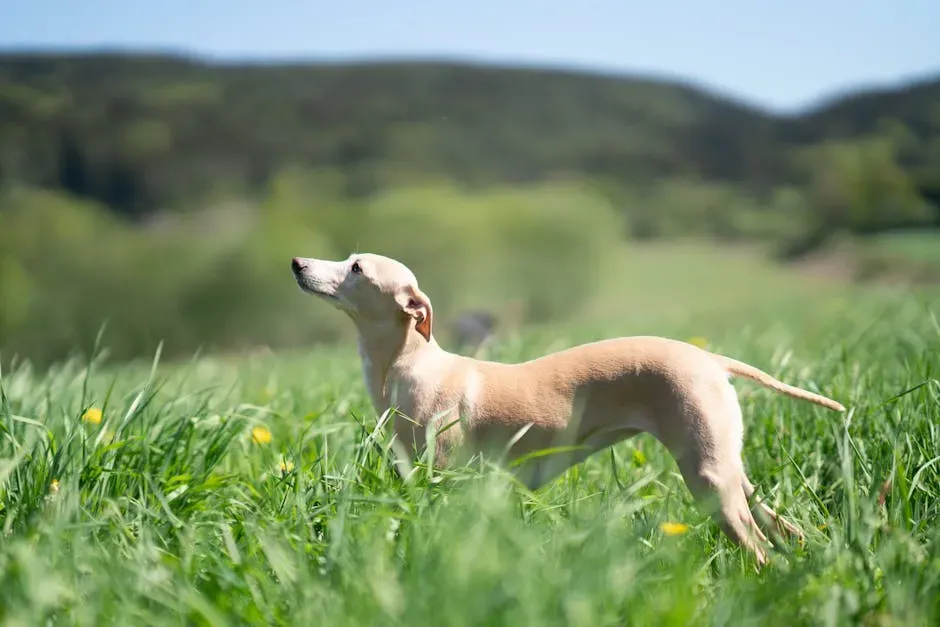
Whippets, originating from England, possess physical characteristics that make them well-suited for hot weather. With their lean and athletic build, they have an efficient heat dissipation mechanism that helps them tolerate warmer temperatures, and their short coat contributes to better heat regulation, reducing the risk of overheating.
Whippets’ short-haired, lean physique helps them handle heat well, and they are relatively low-energy indoors – making them ideal for those who appreciate a calm indoor companion and can provide moderate exercise. They sprint hard when given the chance and then settle right down, which is actually a practical rhythm for managing hot Texas afternoons.
Doberman Pinscher
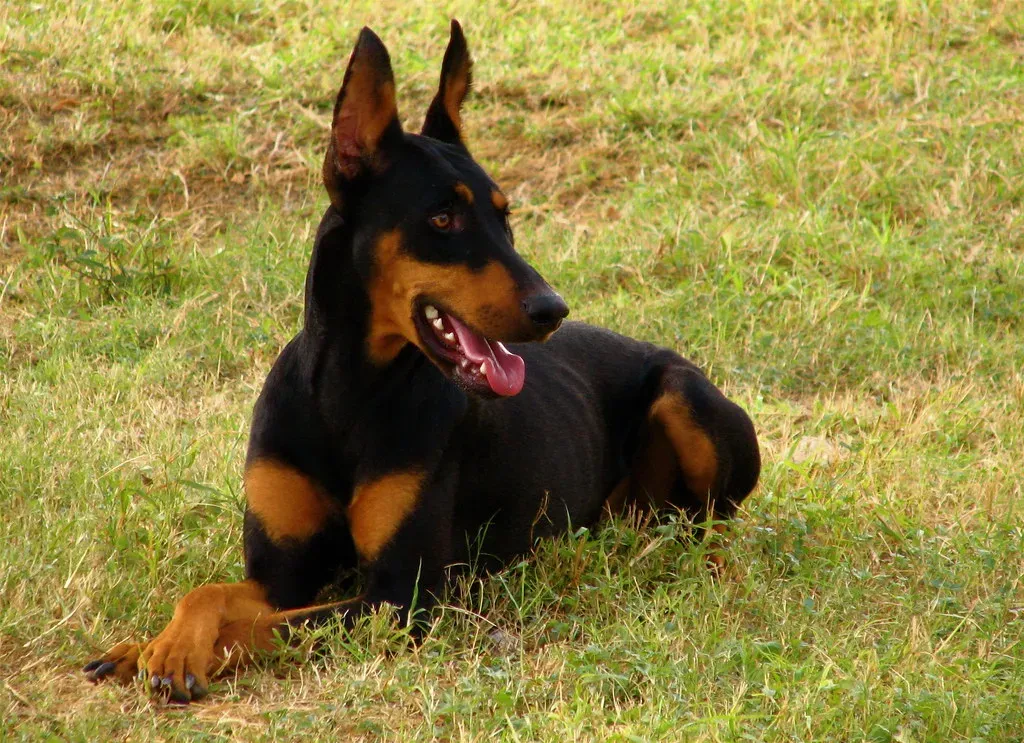
Even with their dark coats, Dobermans tend to find comfort in the heat. They have short coats, lengthy builds, long muzzles, and big ears, which make them reasonable candidates for warm weather despite their coat coloration.
Sometimes Dobermans give off an intense impression, but that couldn’t be farther from the truth. These dogs are sweet, loving, and intelligent animals that are actually one of the few large dog breeds recommended for first-time dog owners. They live for their owner’s approval and affection, which makes them easy to train. Access to shade and fresh water during outdoor time is still essential, especially during peak afternoon hours.
Ibizan Hound
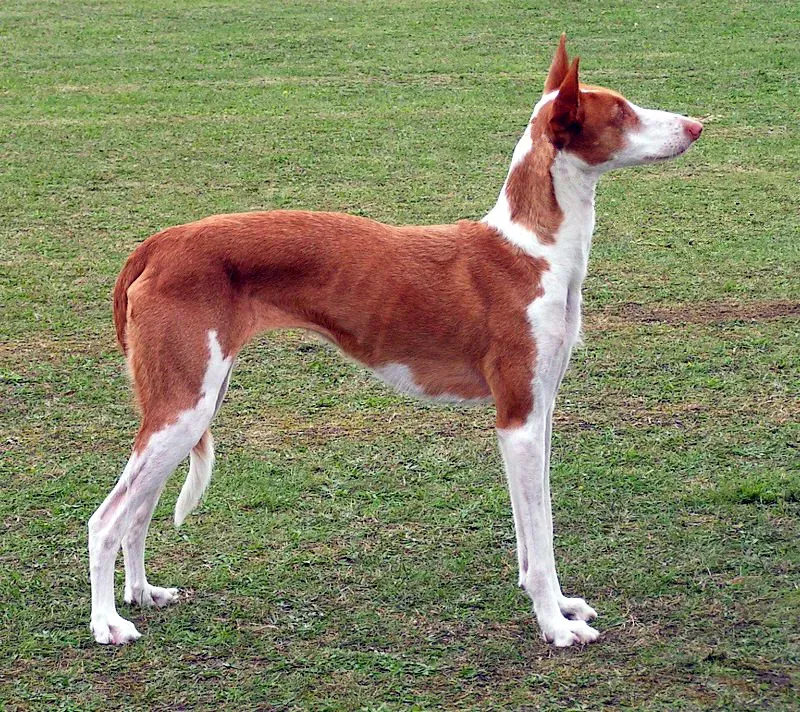
The Ibizan Hound belongs to the Hound Group and originated off Spain’s Mediterranean coast and the island of Ibiza in the eighth century. A speedy rabbit hunter with large erect ears, the breed has two types of coat – wire-haired and short – and coats are light-colored red, red and white, or all white.
The Ibizan hound’s history spans back centuries to the Balearic Islands near Spain’s eastern coastline, though Egyptian portraits suggest it may originally descend from Egyptian hounds. Either way, the Ibizan hound knows how to navigate excessive heat. Their large, bat-like ears aren’t just distinctive – they help vent body heat efficiently, making them a well-designed companion for summer life in south Texas.
Labrador Retriever
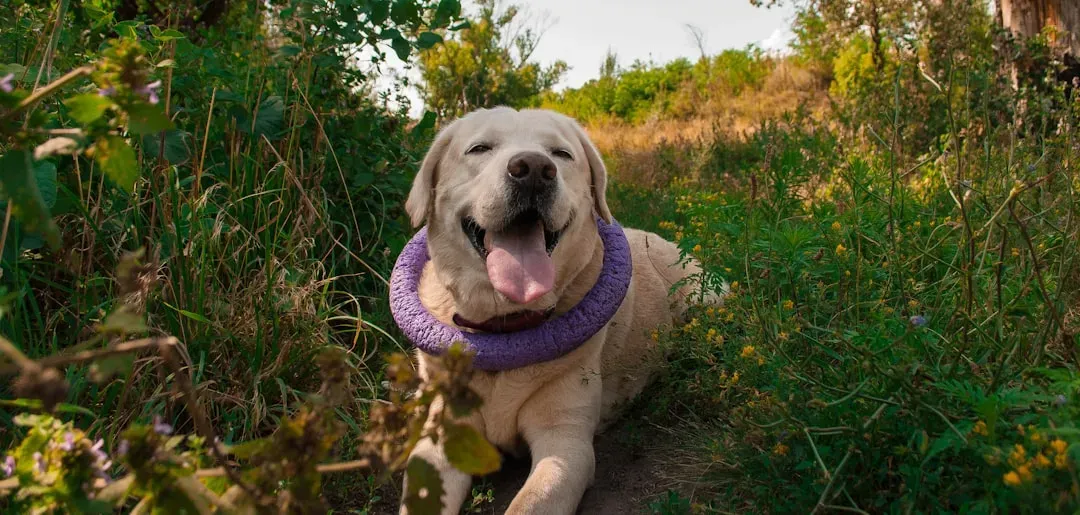
A Labrador’s coat plays a crucial role in summer, as it helps regulate body temperature. Their short, dense fur offers some insulation without causing overheating, and their enthusiastic nature makes them ideal companions for summer activities, whether it’s swimming, hiking, or playing fetch.
Labs are known for a special mix of toughness and playfulness that helps them thrive in both cold and hot temperatures. They’re good swimmers and love a pool or a lake. In a city like San Antonio, where splashing around in a backyard pool is practically a summer tradition, a Labrador fits right into the family picture.
Jack Russell Terrier
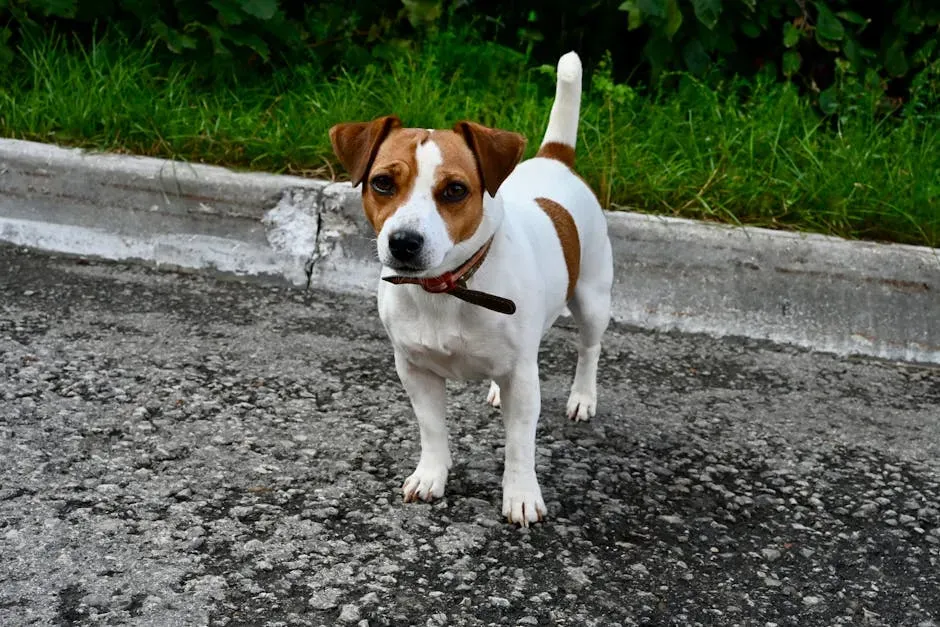
Jack Russell Terriers have a smooth and short coat, making them comfortable in warm climates. They have high energy levels and thrive with regular exercise and mental stimulation. Their compact size also works in their favor – less body mass means less heat generated, and they cool down faster than many larger breeds.
Despite their small stature, Jack Russells are genuinely bold little dogs with a lot of personality. The best dogs in hot weather have short, single, or hairless coats that allow air to circulate throughout the body and don’t retain heat – and the Jack Russell checks that box decisively. Morning play sessions and shaded afternoon rest periods keep them happy through even San Antonio’s most demanding summer weeks.
A Final Thought on Dogs and the Texas Heat
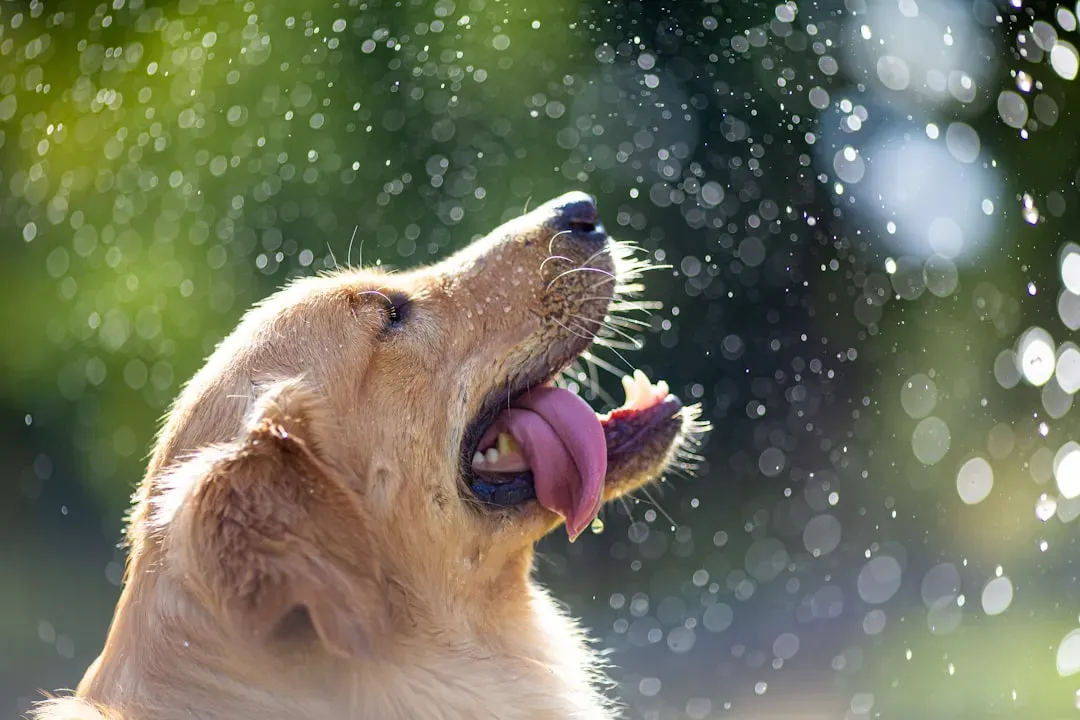
Hot weather can be dangerous for all dogs and can lead to heat exhaustion, heat stroke, or even death. Dogs are most susceptible when left in hot cars, left outside in hot and humid weather without shade or access to cool fresh water, or when exercising in hot conditions.
If possible, keep your dogs inside in air conditioning during peak temperatures in the day. If you’ll exercise or play outdoors with your pet, do so in the early morning hours or later in the evening when the sun isn’t as strong. Even the most heat-tolerant breed still needs a thoughtful owner behind it.
Choosing a dog well-suited to San Antonio’s climate is one of the best gifts you can give a new pet. It’s not just about comfort – it’s about giving them a life where they can genuinely thrive, not just survive, through every long, bright Texas summer ahead.


