
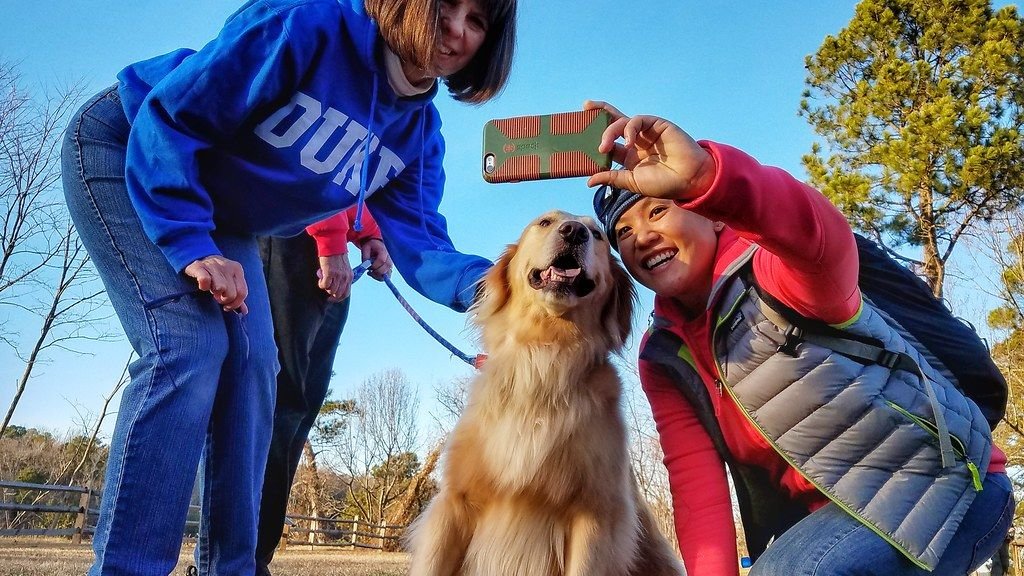
There’s a moment every dog owner knows. You walk through the front door after a long day and your dog loses their mind with joy. Tail spinning, whole body wiggling, eyes locked onto yours like you’re the best thing that’s ever happened to them. It’s easy to chalk it up to simple excitement. But what if that response runs much deeper than a conditioned reflex?
Science is steadily uncovering something dog lovers have suspected for years: our dogs aren’t just reacting to the present moment. They’re drawing on something richer, something that looks a lot like memory, shaped by every shared walk, every quiet evening on the couch, every moment you showed up for them. The bond you’ve built is being stored, processed, and replayed in ways that are genuinely remarkable.
1. They Hold Your Scent Like a Living Memory
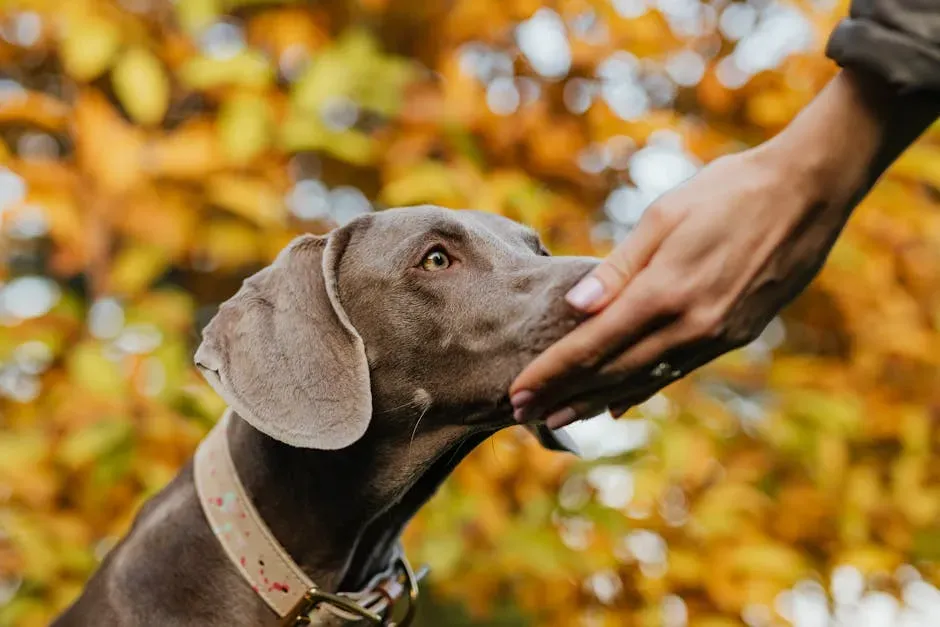
Your smell is the most powerful thing about you, at least from your dog’s perspective. In a groundbreaking fMRI study, when dogs were presented with different scents, the caudate nucleus, a brain region linked to positive expectations, was activated most strongly by the scent of a familiar human. Importantly, that familiar human was not even present during the test, meaning the dog’s brain lit up purely from memory.
An owner’s scent activates the parts of a dog’s brain associated with pleasure. This suggests not only that dogs can discern their familiar humans, but that their human’s smell lingers in a dog’s mind. Think about that the next time you leave a worn shirt with your dog while you travel. You’re not just leaving comfort behind. You’re leaving a memory.
Scent memory in dogs is potentially lifelong. Some evidence suggests dogs can remember scents for their entire lifetime. This is why dogs can recognize owners they haven’t seen in years, sometimes with the same intensity as if no time had passed at all.
2. Their Brains Store Episodic-Like Memories of Your Actions
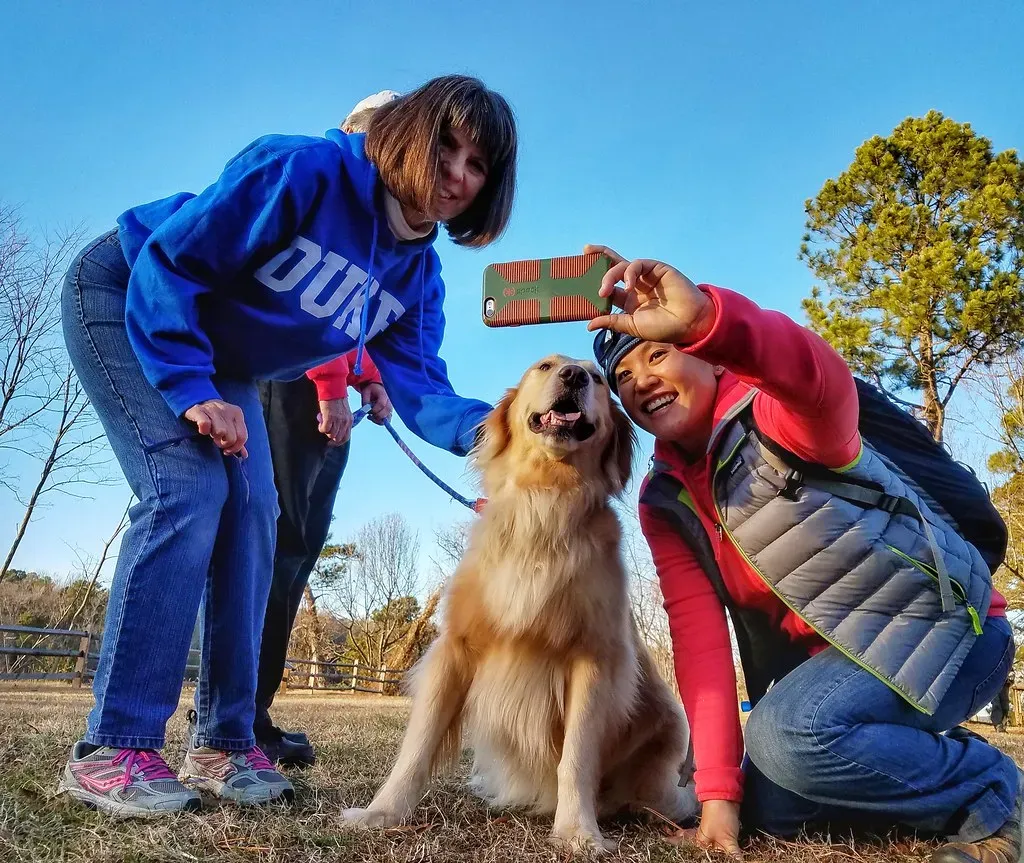
A landmark study suggests that dogs have a form of episodic memory, indicating that the talent for remembering personal experiences may be more common in animals than previously recognized. This was a big deal. Before this research, most scientists believed only humans and a handful of species could recall specific past events.
Researchers used a modified “Do as I Do” method to test whether dogs rely on episodic memory when recalling others’ actions. Dogs were first trained to imitate human actions on command, then trained to perform a simple exercise instead, replacing the expectation to imitate. The researchers then unexpectedly asked the dogs to imitate again. These findings show that dogs recall past events as complex as human actions, even when they don’t expect a memory test.
This mirrors human episodic memory, which also decays faster when an event isn’t intentionally recorded. Your dog doesn’t consciously decide to remember the moment you taught them a new trick. They just do, because the experience mattered.
3. They Read Your Emotional State and Remember How You Made Them Feel
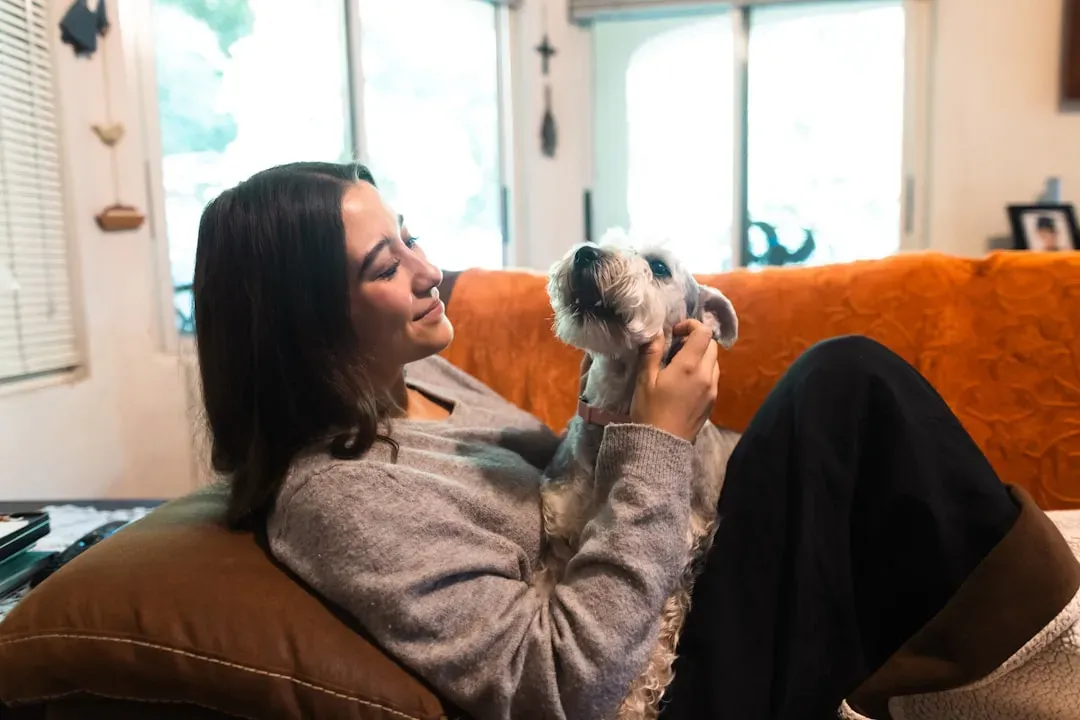
Dogs are particularly adept at remembering emotional experiences because their amygdala, the part of the brain that processes emotions, is highly active. Positive reinforcement during training can create strong, lasting memories. The emotional dimension of a moment is precisely what makes it stick for them.
Dogs forget short-term details quickly, like where they left a toy, but hold emotional memories for a long time. Essentially, a dog’s memory works like a highlight reel filled with the moments that made them feel something big. Every belly rub, every gentle word during a thunderstorm, every shared moment of joy gets woven into that reel.
The emotional weight of experiences significantly impacts how long dogs remember things. Positive experiences, such as engaging playtime, tasty treats, or affectionate moments with their owners, create strong emotional associations that enhance memory retention. The takeaway is simple: how you make your dog feel matters far more than the specific details of what you did together.
4. They Know Your Voice From Anywhere
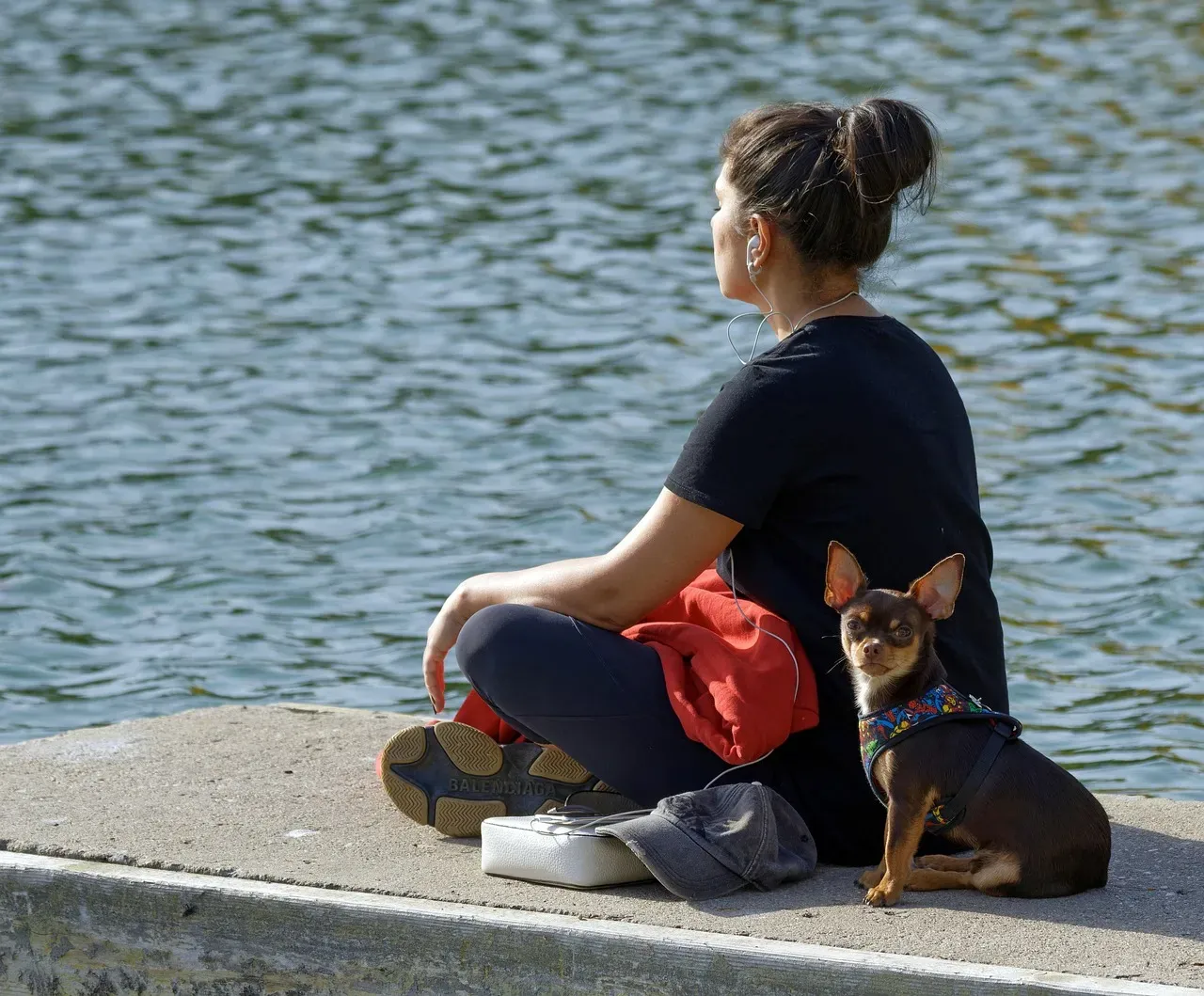
Dogs also remember voices. If your pup hears your voice from another room, or even over a phone or speaker, they often expect to see your face appear. This suggests dogs create mental images based on auditory cues, further strengthening their memory of important people. That moment when your dog tilts their head at the sound of your ringtone? That’s recognition, not confusion.
Your dog remembers the tone of your voice more than the specific words you say. Whether you’re angry, happy, or calm, your dog picks up on these emotional cues. A warm, encouraging voice builds a sense of safety that accumulates over time. Over time, dogs associate certain tones with positive or negative experiences. A happy, encouraging voice makes them feel safe and loved, while a harsh or frustrated tone can make them anxious or scared.
5. They Memorize Your Daily Routines Down to the Last Detail
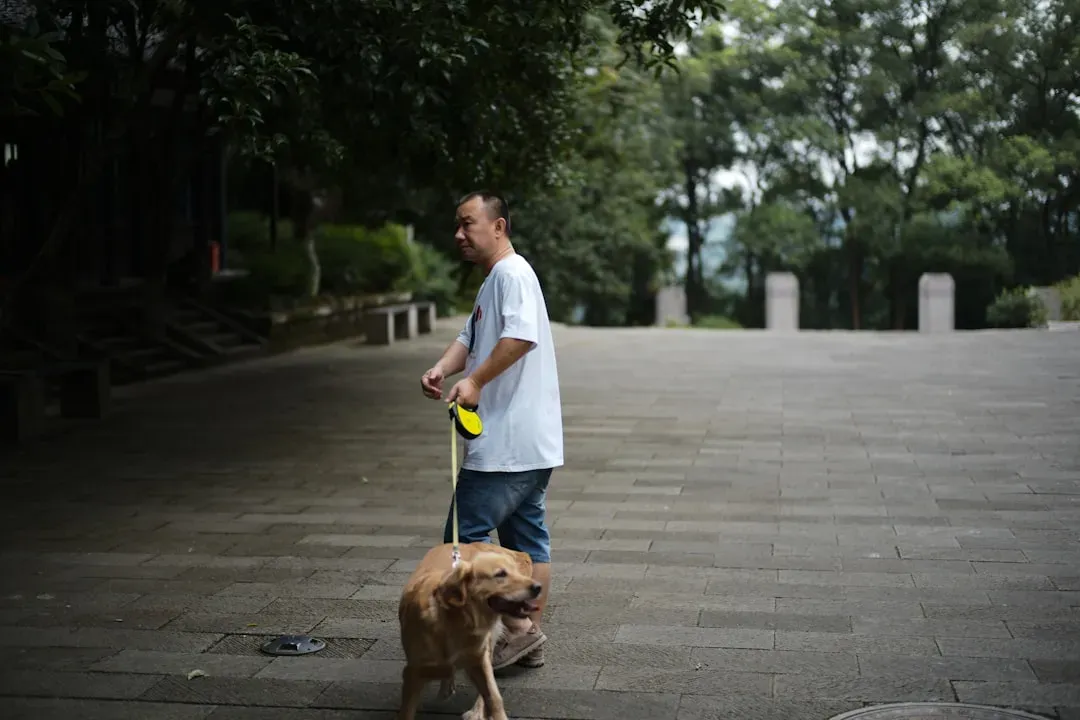
Dogs thrive on routine and are experts at recognizing patterns in their environment. As creatures of habit, they quickly learn to anticipate the start of their morning walk based on the actions of their owners. Your dog doesn’t need a clock. They need you, and the predictable patterns you create together.
Unlike humans, dogs don’t tell time by the clock. They observe daily cues, such as daylight changes, your body language, and household activity patterns. The moment you reach for your keys or lace up your sneakers, your dog has already read the script. When you put on your shoes to go outside, you may notice your dog running in circles or wagging their tail in excitement, because your dog has built an association between you putting on your shoes and the opportunity to go outside.
Dogs not only get used to routines, but they thrive on them. Consistent schedules help regulate dog behavior, support healthy habit formation, and provide a sense of stability that contributes to stress reduction. Every consistent habit you build with your dog is quietly being filed away as a cherished memory of life with you.
6. They Carry the Memory of Kindness (and of Unkindness)
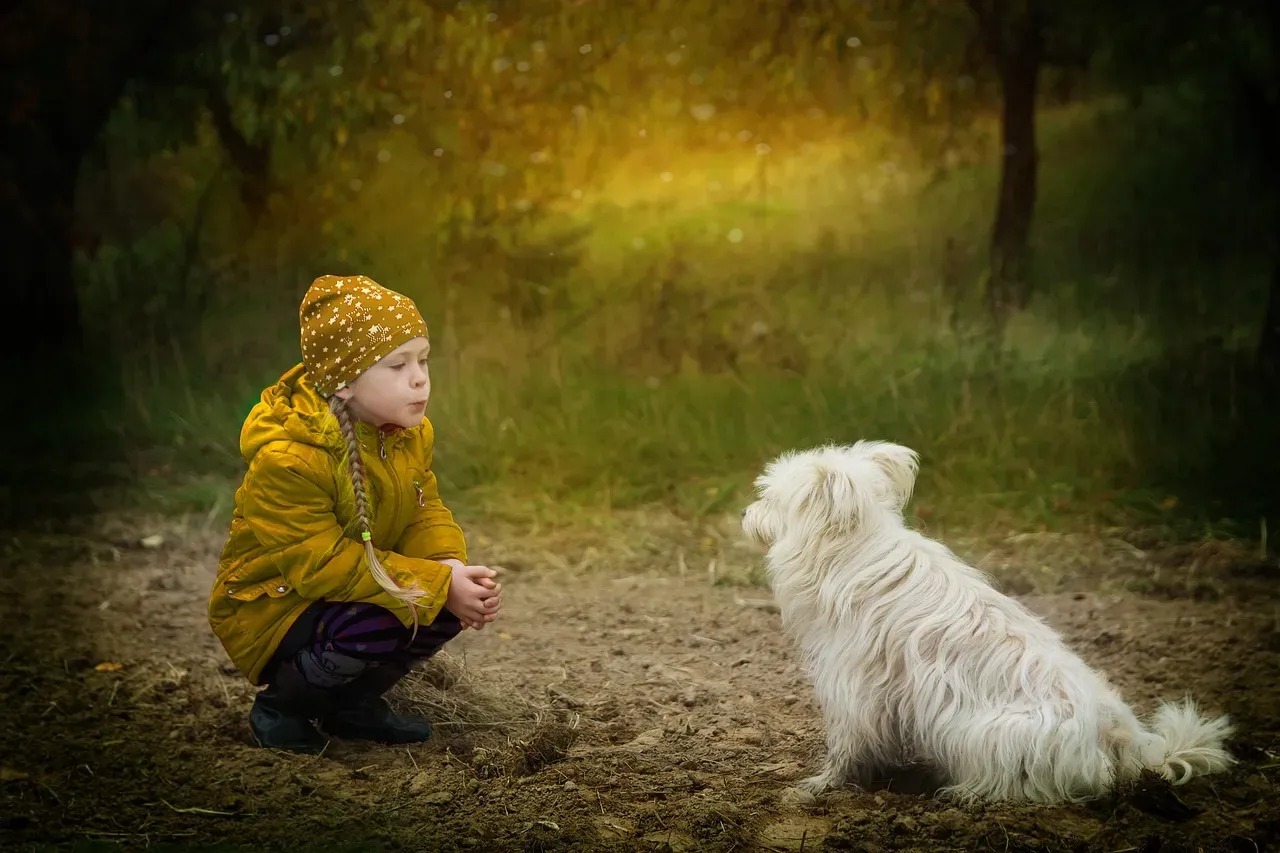
Dogs remember trauma and fear just as strongly as love and excitement. That’s why positive reinforcement training is so effective and punishment-based methods can have lasting negative effects. A harsh tone or frightening event can stay with them, shaping how they react in the future. This isn’t a guilt trip. It’s an invitation to be intentional.
Negative experiences can have lasting effects, which is why gentle, reward-based training methods are essential. This emotional memory is also why dogs often remember people they have bonded with, even after years apart. Every cuddle, treat, and happy walk creates strong positive associations that deepen the bond and strengthen trust. The small acts of care you offer daily are building something your dog will carry for life.
7. They Remember People They’ve Loved, Even After Long Separations
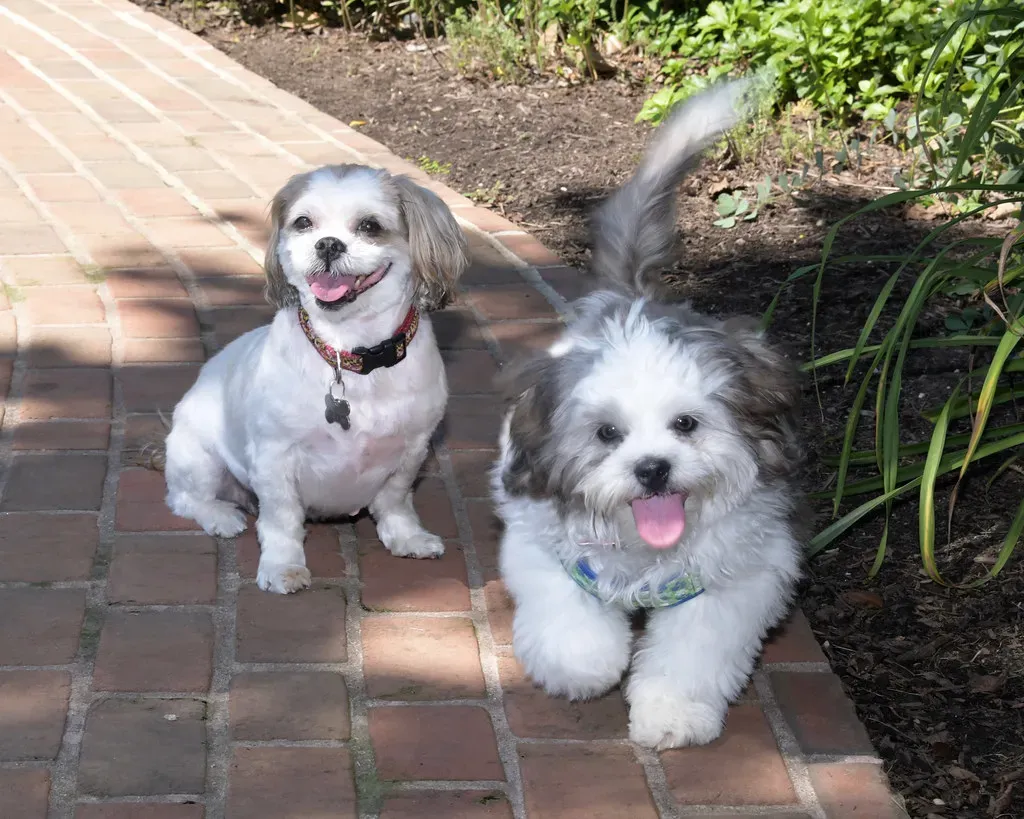
The vast majority of dogs are reported to remember past events, and both dogs and cats have reportedly remembered single-occurrence events that happened years ago. This includes people. The emotional bond between a dog and someone they’ve loved doesn’t simply dissolve with time and distance.
Evidence from both research and real-life stories confirms that dogs’ memories aren’t fleeting and often last for many years, sometimes an entire lifetime. Whether it’s recognizing an old friend or grieving a lost companion, dogs demonstrate again and again just how deeply they remember those who matter most to them.
Once an owner is no longer around every day, the memory of them will often fade into an associative memory. If the dog liked their previous owner and comes in contact with them after a year, they will have a positive feeling about the owner, even if they can’t recall specific details. The feeling survives even when the details blur. That’s a meaningful kind of remembering.
8. They Associate Special Places With Shared Experiences
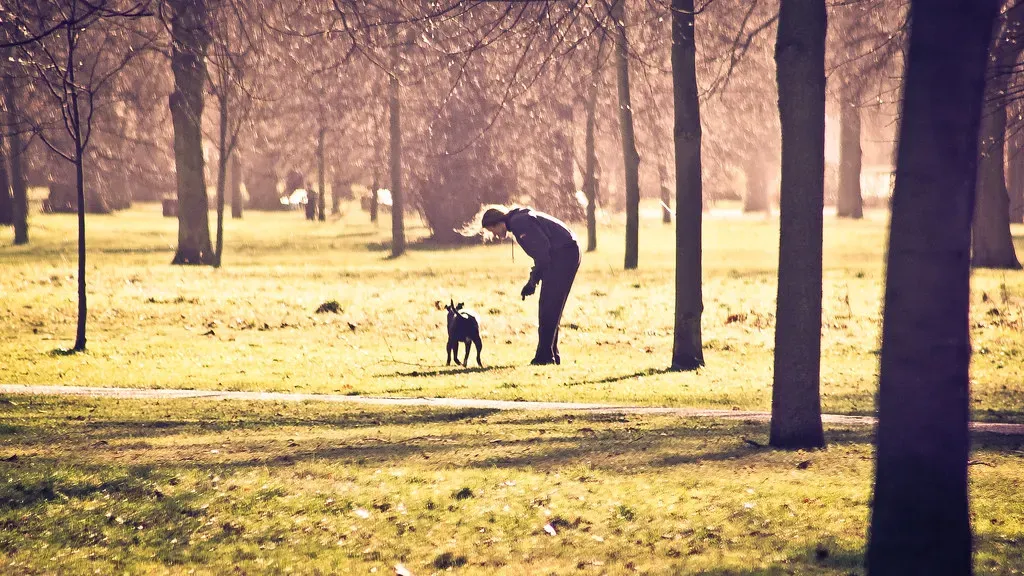
Reported memories in dogs were often temporally specific and were remembered when commonalities, particularly location, occurred between the current environment and the remembered event, analogous to retrieval of involuntary memories in humans. Walk your dog back to the park where you used to go every Sunday, and watch what happens. The place triggers the feeling.
Dogs are masters of association. They may not remember an exact date you last visited the park, but the sight of your walking shoes triggers excitement because they associate it with a walk. Their memories aren’t built on calendars or timestamps. They’re built on sensory landmarks, smells, sights, sounds, and the emotions those cues once carried.
This means that the places you share repeatedly with your dog become emotionally charged for them. The trail you hike together, your backyard at dusk, the corner where you always stop to let them sniff. These are not just locations. Over time, they become part of your dog’s stored experience of life with you.
9. They Remember the Signals That Predict Good Things
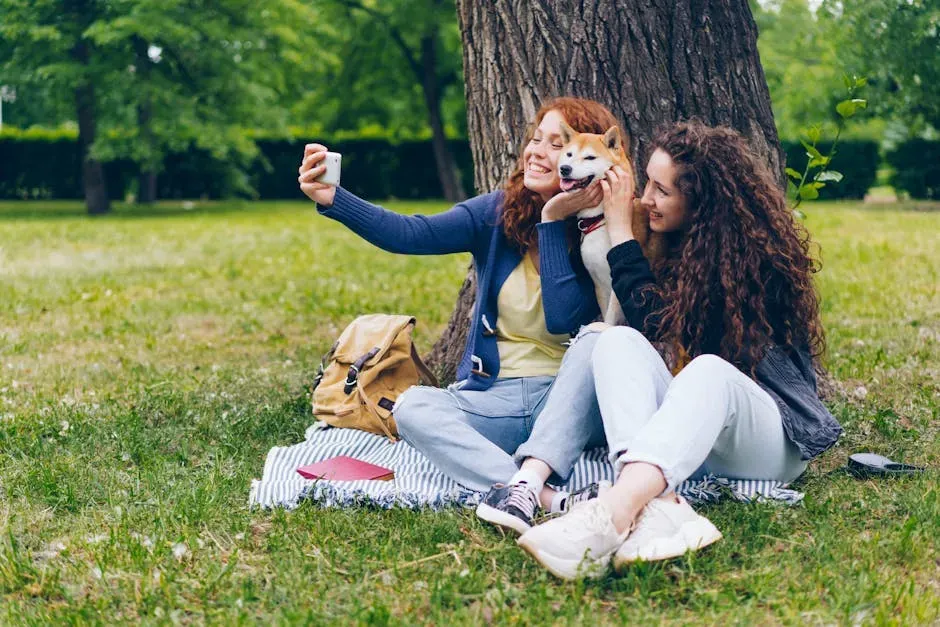
Despite their short-term memory limitations, dogs demonstrate real strength in associative memory, which is the brain’s way of creating a relationship between two things. It can be difficult to get a cat into their pet carrier because they associate it with going to the vet. A dog sees their leash and knows it’s time for a walk. These learned associations are a form of remembered experience.
Long-term memory in dogs stores skills, habits, and learned associations over time, such as knowing a sit command or where the treat jar is kept. A study from Stockholm University found that dogs’ short-term memory is surprisingly brief for certain tasks, but their long-term associative memory can span months or years. Dogs trained to respond to commands can retain them for years, even without regular practice.
This is why a dog who hasn’t been to the beach in two years may still run directly toward the water when they arrive. They remember what that place has meant before. The association holds, often long after you’d expect it to.
10. Their Memory of You Deepens Through Consistent Love and Care
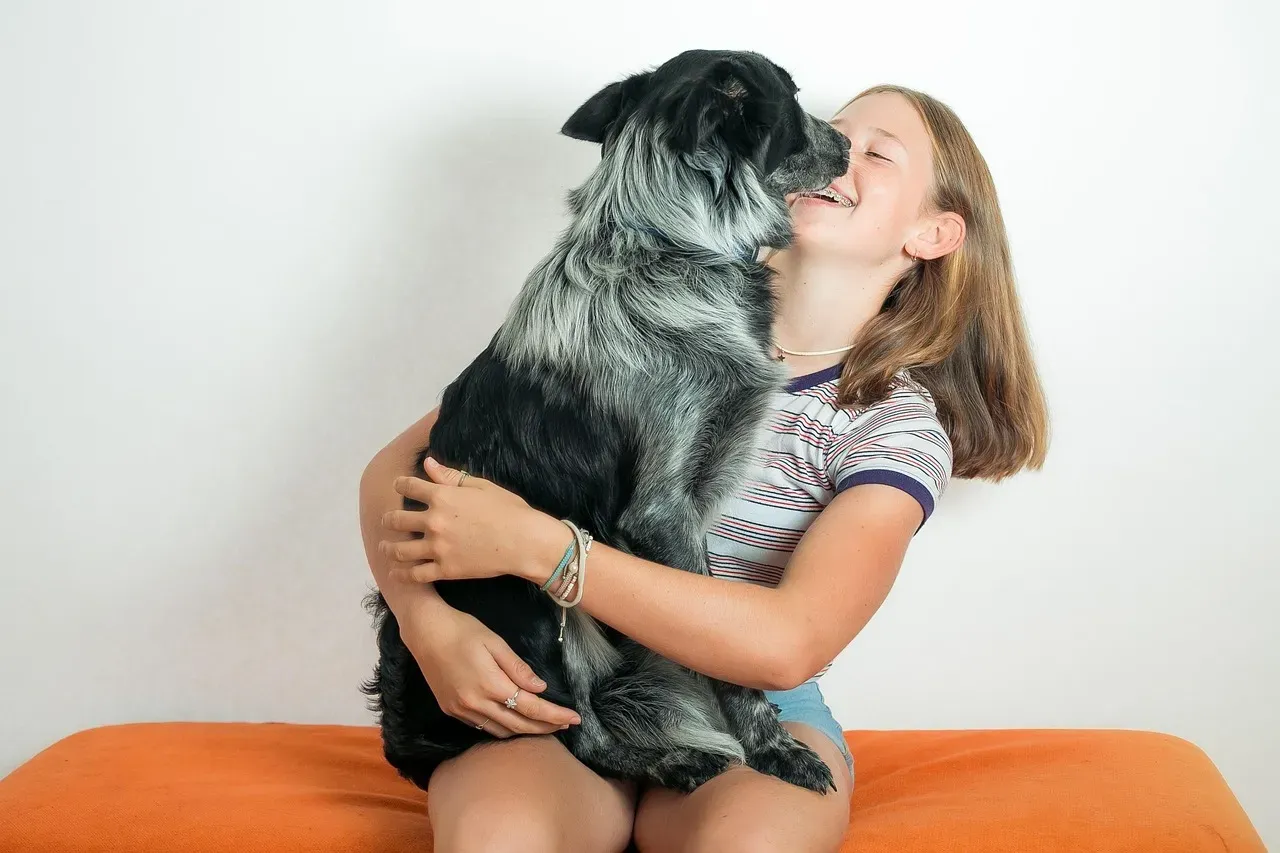
Dogs are emotional archivists. If you’ve consistently shown them kindness, affection, and care, those feelings are stored, not in a journal, but in emotional muscle memory. Dogs don’t need perfect recall to remember you matter. There’s something genuinely beautiful in that idea. They don’t keep score. They keep feeling.
Nurturing positive relationships through affection, playtime, and treats builds lasting bonds in a dog’s mind. Strong relationships and happy experiences contribute greatly to the longevity of a dog’s memory and the strength of their connection with you. The effort you put into your relationship isn’t abstract or invisible. It’s being recorded in the most emotionally honest way possible.
As dog parents, we have the power to shape our pets’ memories through positive experiences, routines, and engaging activities. By fostering a love-filled and stimulating environment, we ensure that our dogs not only remember us but also cherish the moments we create together. That’s not sentiment. That’s science backed by years of canine cognition research.
Conclusion: A Memory Built on Love, Not Timestamps
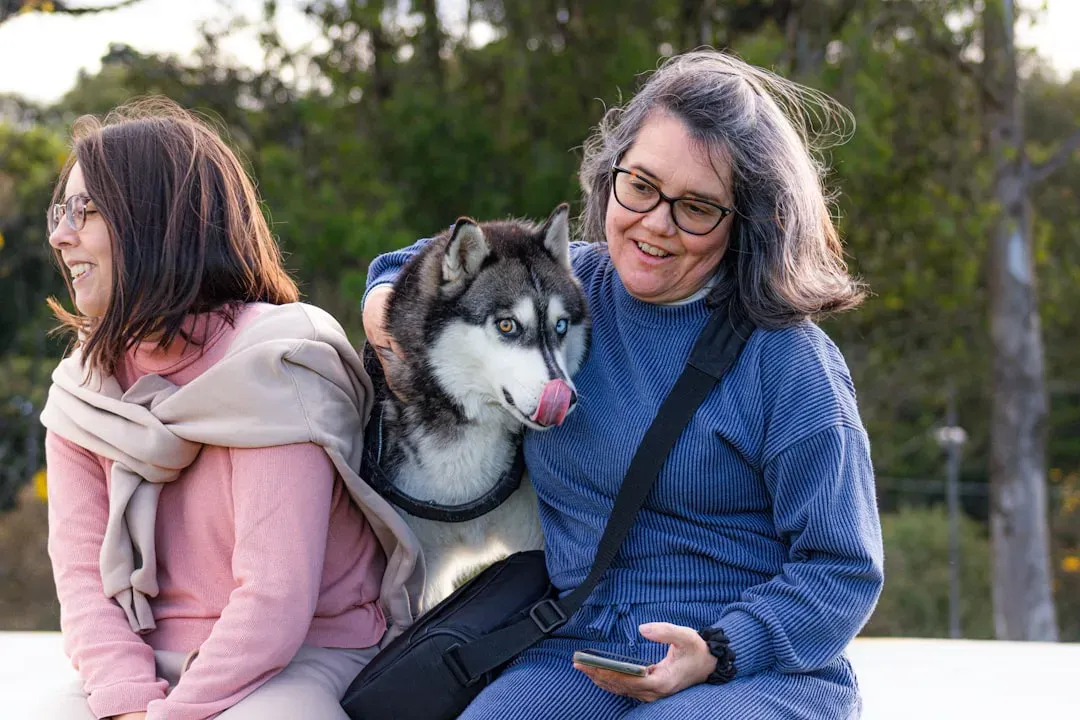
Your dog will never flip through a photo album or recount a favorite memory over dinner. Their version of remembering is quieter and, in some ways, more honest. Dogs remember the past through smells and feelings more than images and moving memories. Every gentle word you’ve spoken, every walk you’ve taken together, every moment you chose to show up for them, it all lives somewhere inside them.
Unlike humans, who recall specific events with detail, dogs rely on associative memory. They don’t replay scenes in their minds; instead, they connect people, places, and experiences with the emotions those situations evoked. What this means for you is both simple and profound: the quality of your presence matters more than the grand gestures.
The ordinary moments, the familiar smell of you after a long day, the sound of your voice calling their name, the routine of the evening walk, these are exactly the things your dog holds onto. Not because they’re trying to remember. Because you made them feel something worth keeping.


