
You’ve done your research. You love dogs, but your life doesn’t allow you to be home all day. Maybe you work full-time, travel occasionally, or simply have a schedule that keeps you out for several hours at a stretch. The guilt that creeps in when you close the door behind you is real, and you’re not imagining it.
Here’s the reassuring truth: some dog breeds are naturally more independent and handle alone time remarkably well. These dogs don’t develop destructive behaviors or excessive barking when you head out the door. Instead, they’re perfectly happy napping on a cozy dog bed until you get back home. The key, as we’ll explore, lies largely in a breed’s historical purpose and innate temperament.
Even independent breeds need daily walks, mental stimulation, and quality time when you’re around. No dog should be alone for more than six to eight hours regularly. With that important baseline in place, here are ten small dog breeds that genuinely cope better with home-alone time than most.
1. Lhasa Apso: The Self-Sufficient Monastery Guardian
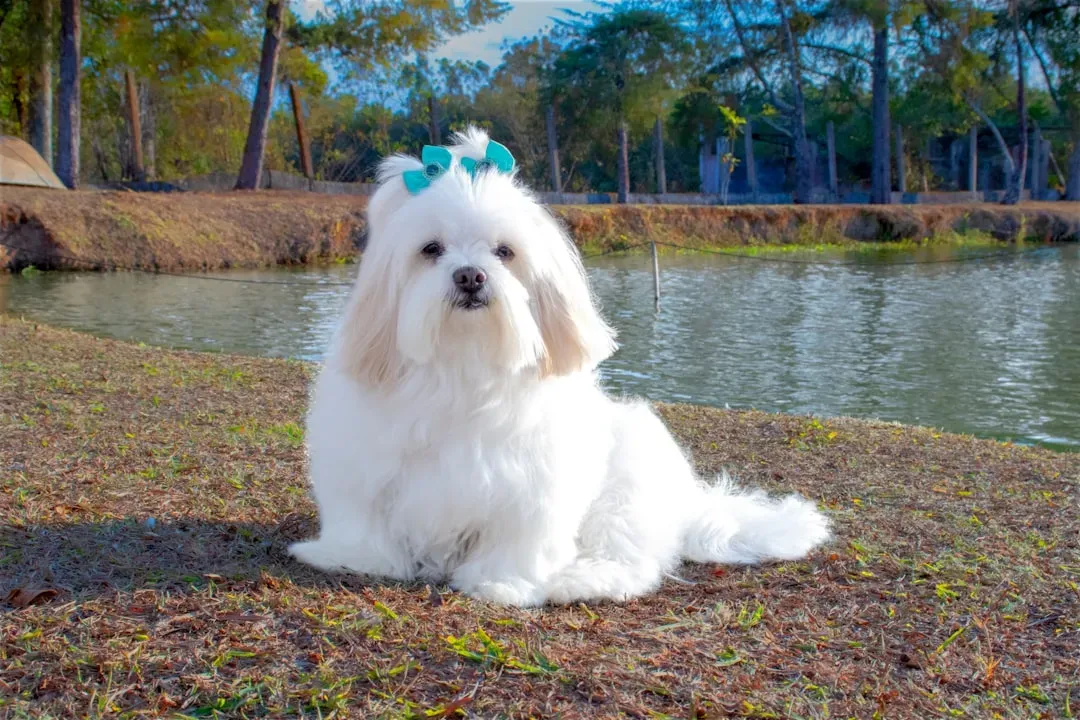
The Lhasa Apso carries centuries of self-reliance in its DNA. Lhasas originated as watchdogs in Tibetan monasteries, and their sentinel behavior can still be seen today. These dogs may act like they’re too good for strangers, but they are fiercely loyal, loving, and affectionate family dogs. That sentinel background bred a dog that was literally trained to think and act independently, without waiting for human instruction.
Lhasa Apsos are known for their independent streak. While they bond closely with their families, they’re also content spending time alone and can be quite self-reliant. You do not have to take your Lhasa Apso for a great deal of outdoor exercise because they can comfortably play and exercise indoors. Lhasa Apsos are also playful and good at entertaining themselves so you do not have to always be around. Leave them with a window view and a few toys, and they’ll manage their day like the little guardians they were born to be.
2. French Bulldog: The Chill Companion with an Independent Streak
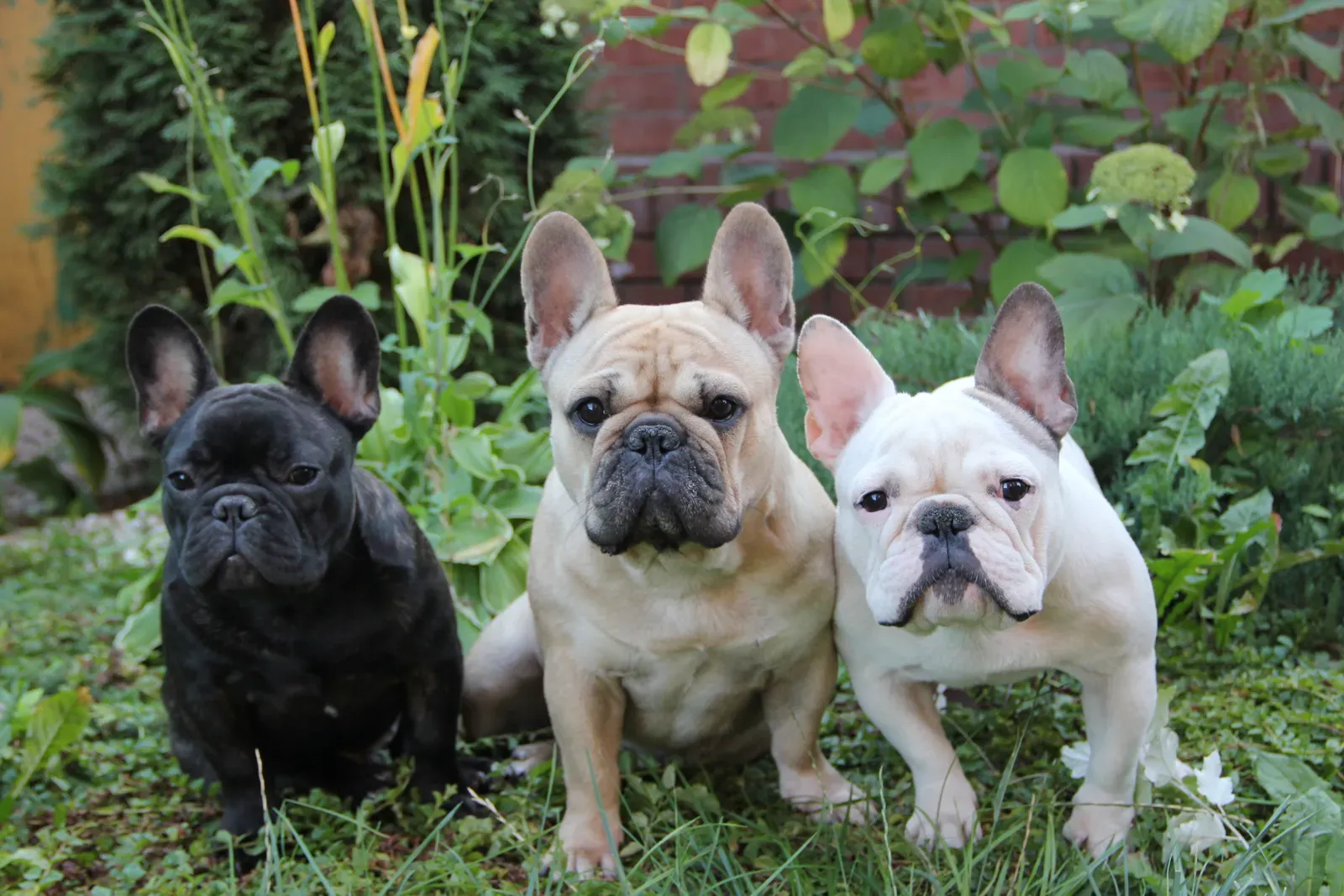
The French Bulldog, also known as a Frenchie, is a small breed that is popular for their cute and affectionate personality. Their muscular bodies and distinctive bat-shaped ears give them a unique look. French Bulldogs can adapt well to living in apartments or smaller spaces. They’re genuinely one of the better city dogs for people with regular work schedules.
French bulldogs, with their amusing personalities and unique appearance, have skyrocketed in popularity in recent years. While their clingy nature and attachment to their owners can lead some to develop separation anxiety, most adjust very well to alone time as long as they receive enough attention. Their lower activity needs make the Frenchie a great choice for city living. A daily walk plus some active play and training sessions typically provides enough exercise. Make sure to give them something engaging to pass time when you leave, like a puzzle toy stuffed with treats. One thing to keep in mind: Frenchies are a brachycephalic breed, so always ensure good ventilation and avoid overheating at home.
3. Chihuahua: Small Size, Big Independence
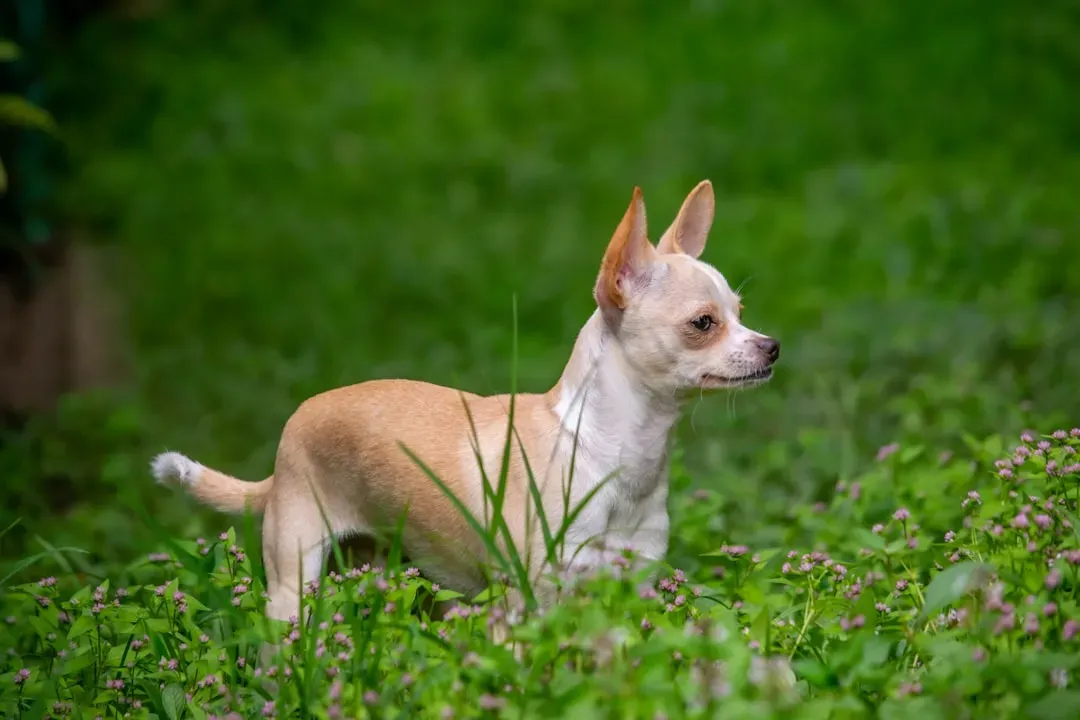
Don’t let their tiny frame fool you. Chihuahuas are small dogs, but they act with a lot of confidence. They can handle being alone, as long as they’ve been trained from a young age. Just make sure there are toys so they can stay busy. Their bold, self-assured personality means they don’t crumble the moment the front door closes.
Chihuahuas may have a reputation for being yappy stress heads, but many are actually very independent and docile. They are a high-energy dog breed, but due to their small size, they can be kept busy at home with plenty of toys and games. This will keep their minds active and prevent separation anxiety. They also love playing with other dogs, so having another fur friend for them to play with at home while you’re away can help keep them occupied for hours. Early socialization and consistent training really do make the difference with this breed.
4. Pug: The Laid-Back Lounger Who Loves Naptime
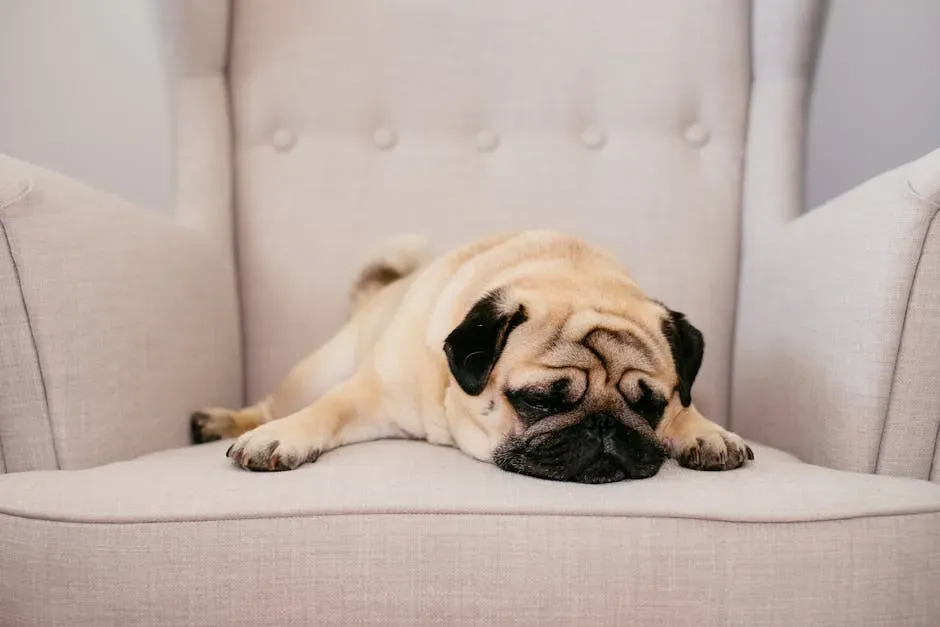
The Pug is a small breed with a wrinkled face and curly tail. They have a playful and affectionate temperament that makes them popular as companion dogs, and they have a low tendency for separation anxiety. Like some others, they do love to spend time with their owners, but they also enjoy some “me time,” making them suited to home life and being left alone for several hours if needed.
Pugs live to be with their family, but this loving loyalty typically doesn’t extend into panic and anxious behaviors when left on their own for reasonable periods. Their motivation for food and resting tendency means they have no problem settling in for a nap while you’re gone rather than fretting over your disappearance. With enough daily attention and interaction when you are home to satisfy their craving for togetherness, pugs adjust well when left to their own devices now and then. Keep in mind that like Frenchies, Pugs are brachycephalic, so a cool, well-ventilated space is important for their comfort and health.
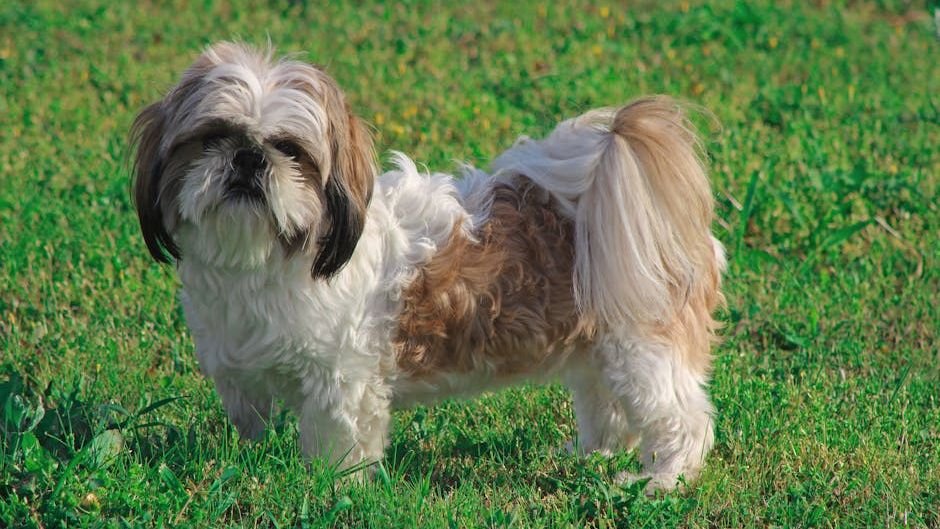
5. Shih Tzu: Adaptable, Calm, and Content to Wait
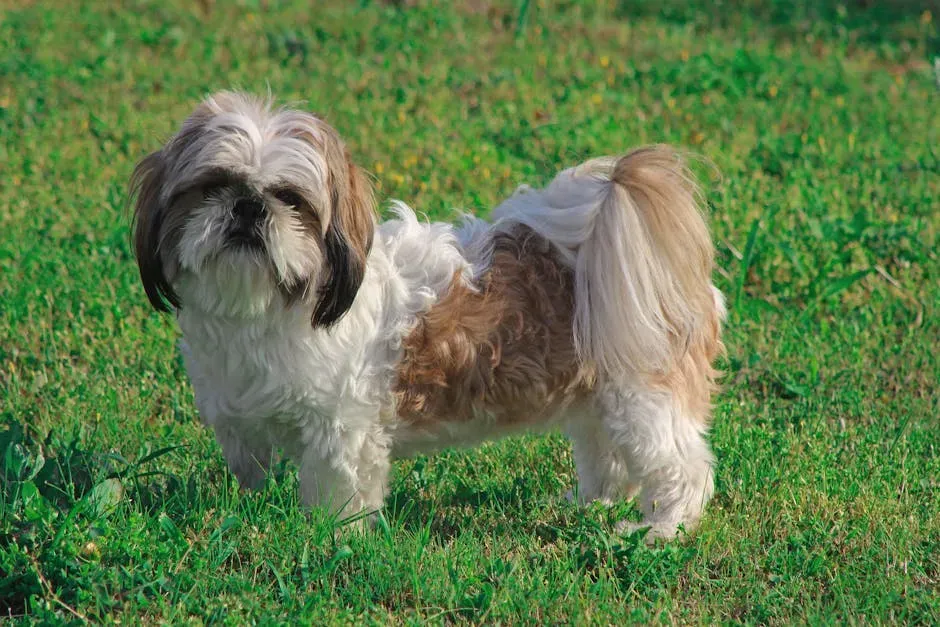
Once accustomed to infrequent periods alone, the sweet-natured Shih Tzu handles time by itself with aplomb. In fact, the intelligent yet playful Shih Tzu makes a very adaptable small companion, content with long adventurous walks or short potty breaks around your apartment complex. This versatility extends to dealing with solitude as long as their needs for activity, attention, and training are met when you are home.
Despite being small and people-oriented, Shih Tzus have a calm temperament and can adapt to short periods alone. Ensuring they’re mentally stimulated with toys or background noise can help soothe potential anxiety. Make sure they have had some exercise beforehand and always give your Shih Tzu something engaging, like a food puzzle toy, when you leave. A quick morning walk before you head out the door goes a long way toward a peaceful day at home.
6. Miniature Schnauzer: The Confident Solo Worker
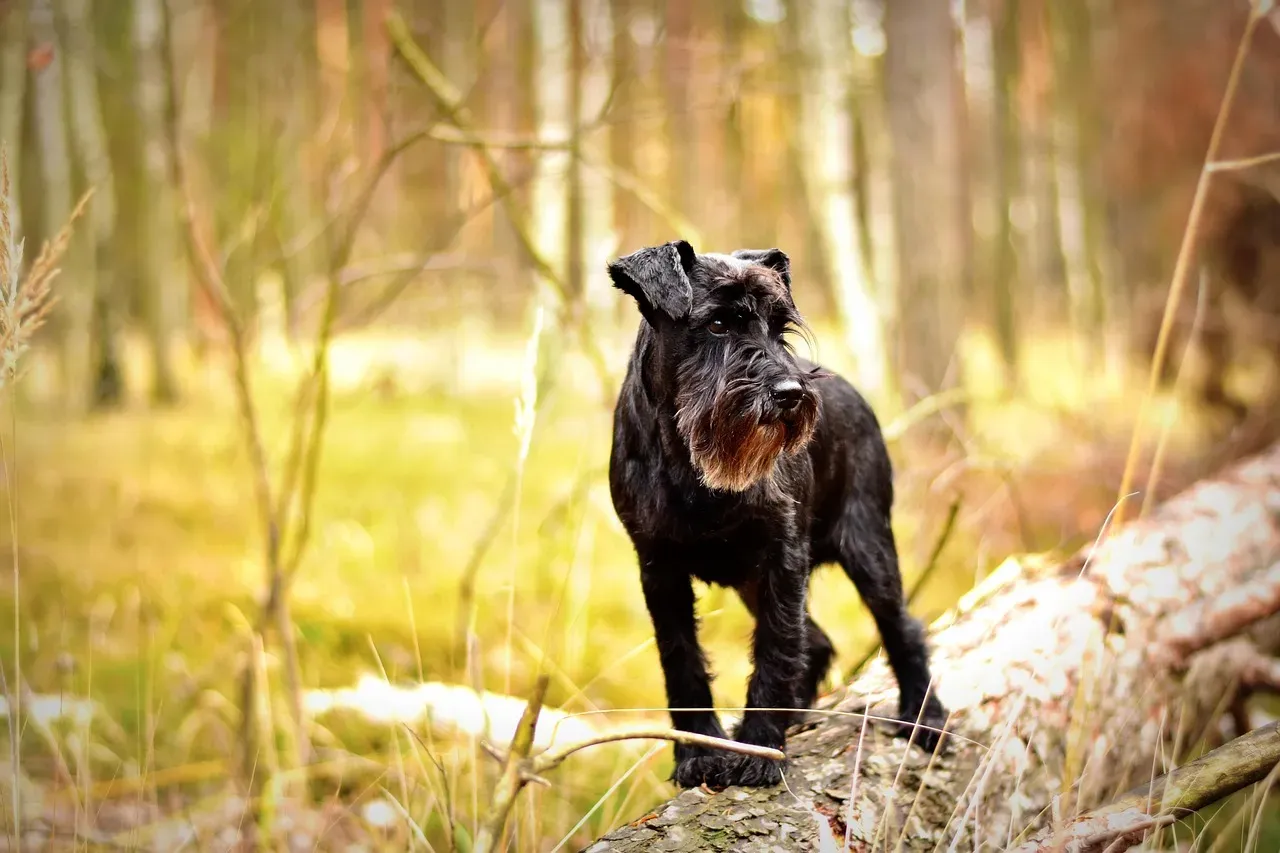
Mini Schnauzers were farm dogs bred to catch rats independently, so they’re super confident working on their own. These smart dogs are way less clingy than other small dog breeds and can keep themselves entertained for long periods. Unlike toy breeds that often develop separation anxiety, Mini Schnauzers stay cool when you leave. Give them some puzzle toys and they’re totally fine hanging out solo until you return.
There is one honest caveat worth knowing. Mini Schnauzers can be vocal, especially if they’re bored. They need enough exercise and mental stimulation or they’ll bark at everything. They’re super trainable and respond great to proper training. These dogs love food puzzles, and getting several different difficulty levels and rotating them weekly works well. After solving puzzles for treats, they’ll happily snooze on a comfy dog sofa until you walk through the door. Boredom is the real enemy here, not solitude itself.
7. Basenji: The Cat-Like Dog Who Handles Alone Time Gracefully
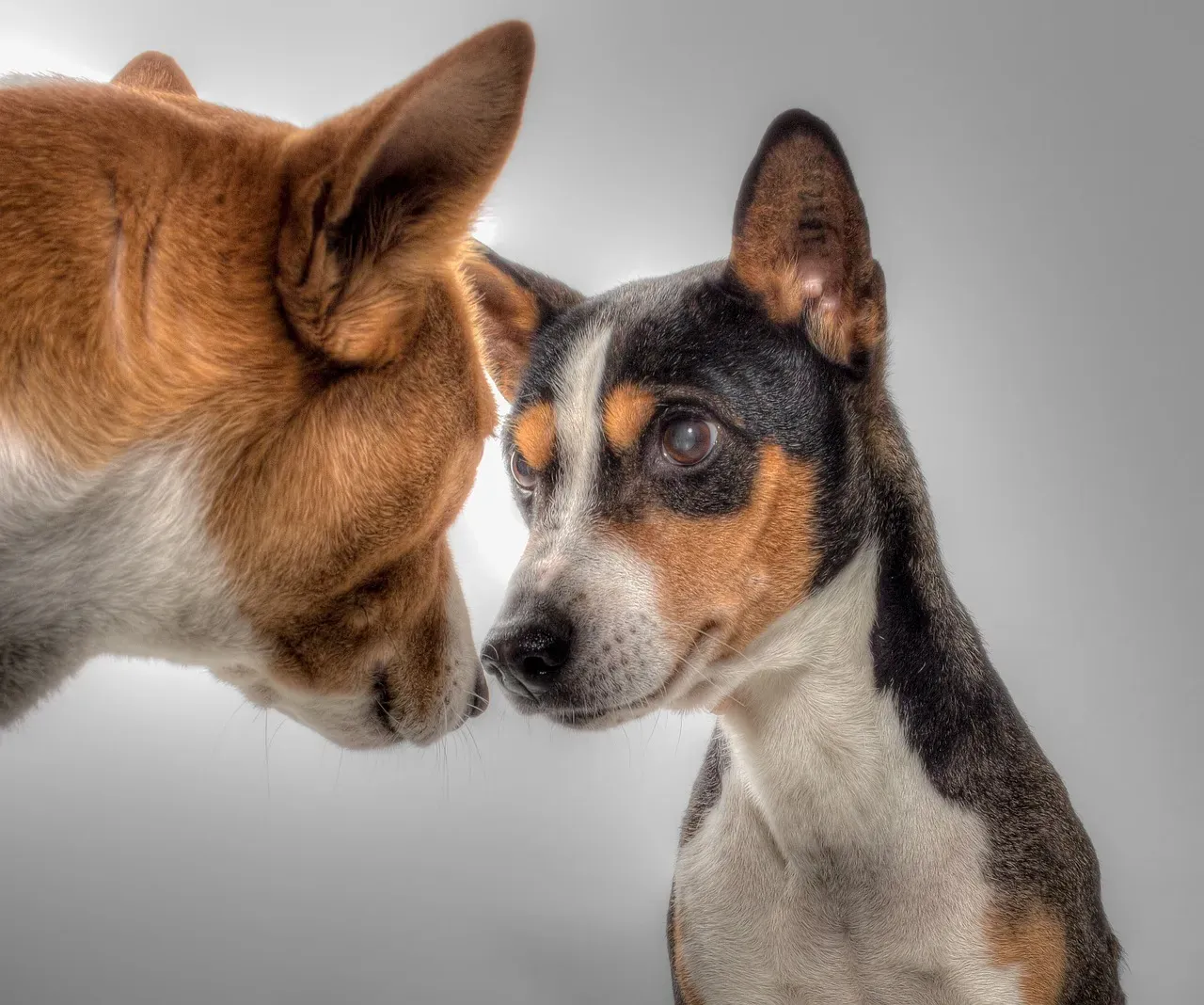
The Basenji, often hailed as the “barkless dog,” is known for its independent streak. Originally bred for hunting in Africa, this breed has developed a self-sufficient nature, making them less likely to experience separation anxiety. Basenjis are curious and intelligent, often finding ways to entertain themselves when left alone. Their quiet nature and ability to keep themselves occupied are traits that help mitigate the risk of separation anxiety.
While they form strong bonds with their families, Basenjis are not overly clingy, making them suitable for households where they may have to spend some time on their own. Many Basenjis tolerate alone time better than some breeds, but there are limits. Even though they are independent, they can become bored or destructive if left alone for too long. If you have a busy schedule, a Basenji could be a practical choice, but they still need things to do during the day. Providing toys and safe spaces can help keep them occupied while you are away.
8. Havanese: Surprisingly Independent Despite Being a “Velcro Dog”
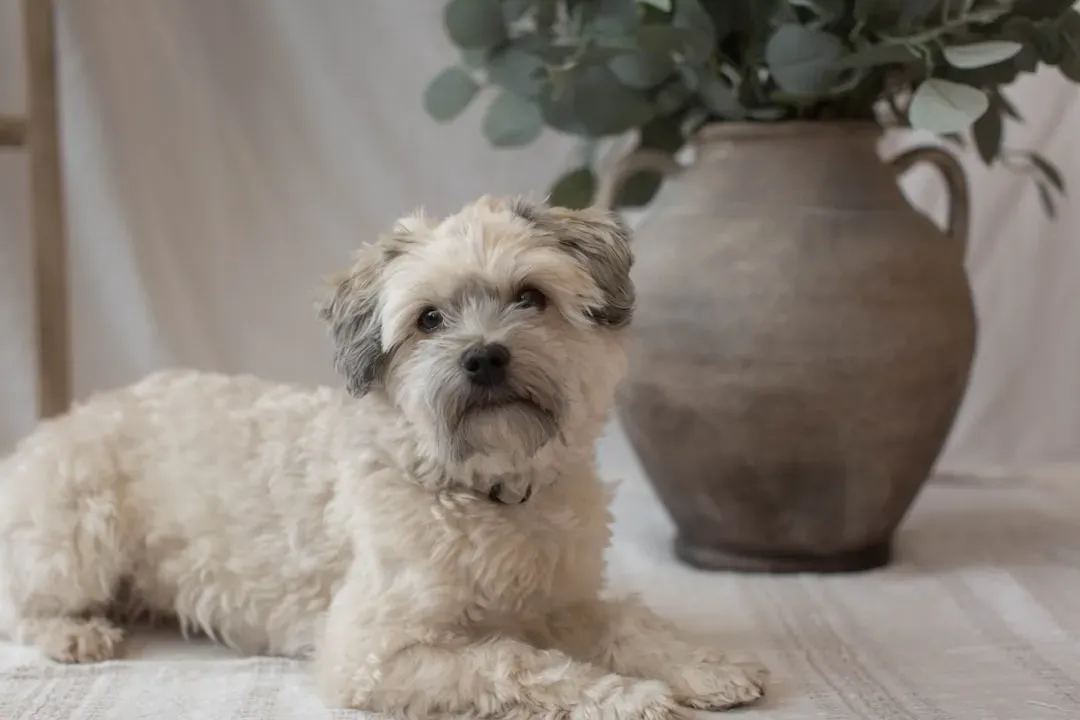
The Havanese is a small breed from Cuba with a silky, soft coat and friendly personality. These dogs are often called “Velcro dogs” because they tend to stick close to their owners and follow them everywhere they go. That description might sound alarming for anyone who works long hours, but there’s genuinely good news here.
Despite that desire to stay close, Havanese have a low tendency for separation anxiety and won’t mind sitting home alone while you go to work. The Cavalier King Charles Spaniel is a friendly and eager-to-please companion that enjoys plenty of human interaction yet also manages alone time remarkably well for such an affectionate little dog. They can relax and entertain themselves for hours while chewing toys while waiting patiently for your return. Their gentle, calm nature and moderate activity needs make them an excellent apartment dog as well. Providing a consistent routine and a cozy, familiar space are especially helpful for the Havanese to feel settled when you’re gone.
9. Shiba Inu: The Fiercely Independent Little Hunter
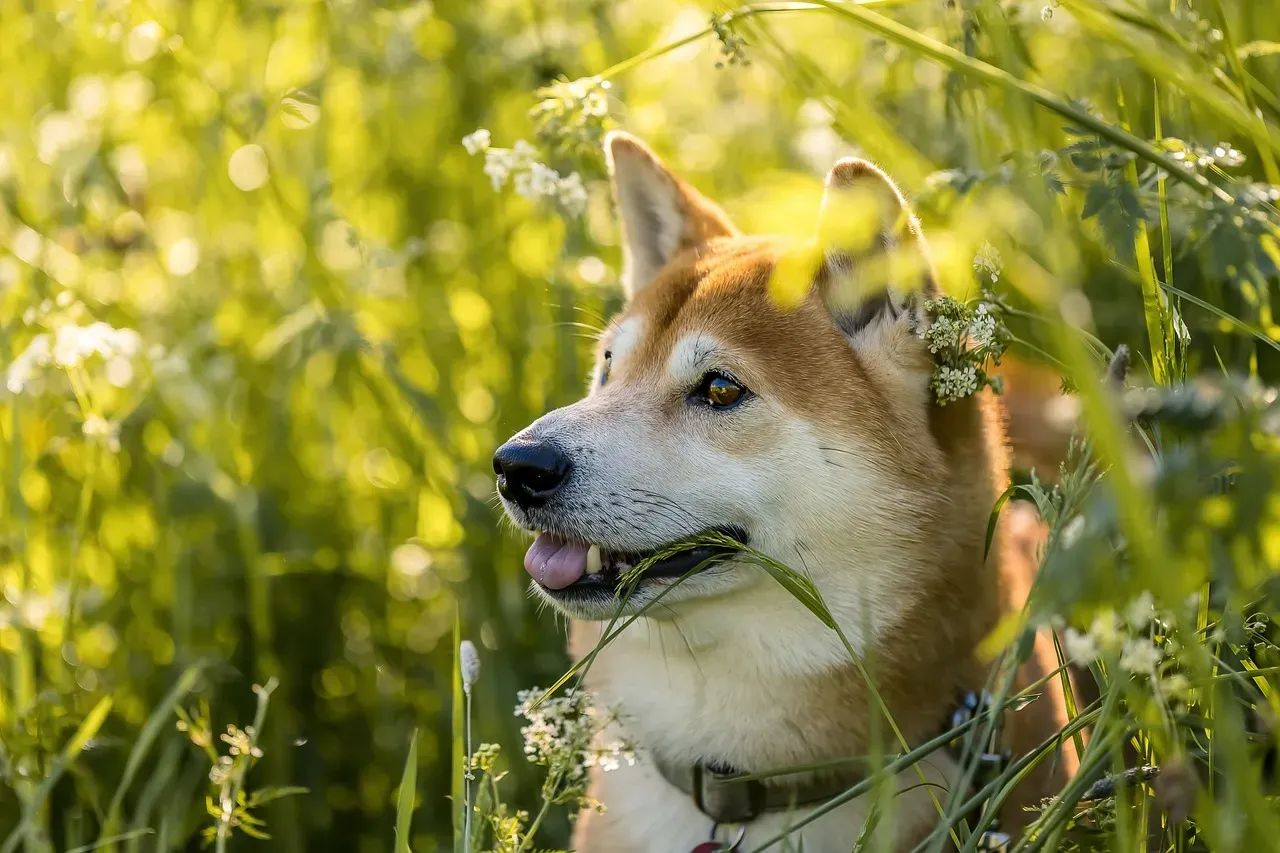
These adorable ancient Japanese hunters may seem like shy and needy dogs because of their small stature and sweet faces. Don’t be fooled; these are in fact brawny, brave, and bold pups. What makes Shiba Inus great low separation anxiety dogs is their intelligence, adaptability, independent nature, and watchfulness. They thrive under good socialization and training and will easily adjust to being left alone.
This breed is known for being self-reliant and handling time alone better than many other dogs. Shibas often show affection on their own terms and do not usually crave constant attention. You will find that Shiba Inus have a confident and alert temperament. They are quick learners but can be stubborn, which means they might not always follow commands right away. The stubbornness is real, so investing in patient, consistent training from puppyhood pays off considerably when you need them to be calm and settled at home.
10. Boston Terrier: The American Gentleman Who Doesn’t Panic When You Leave
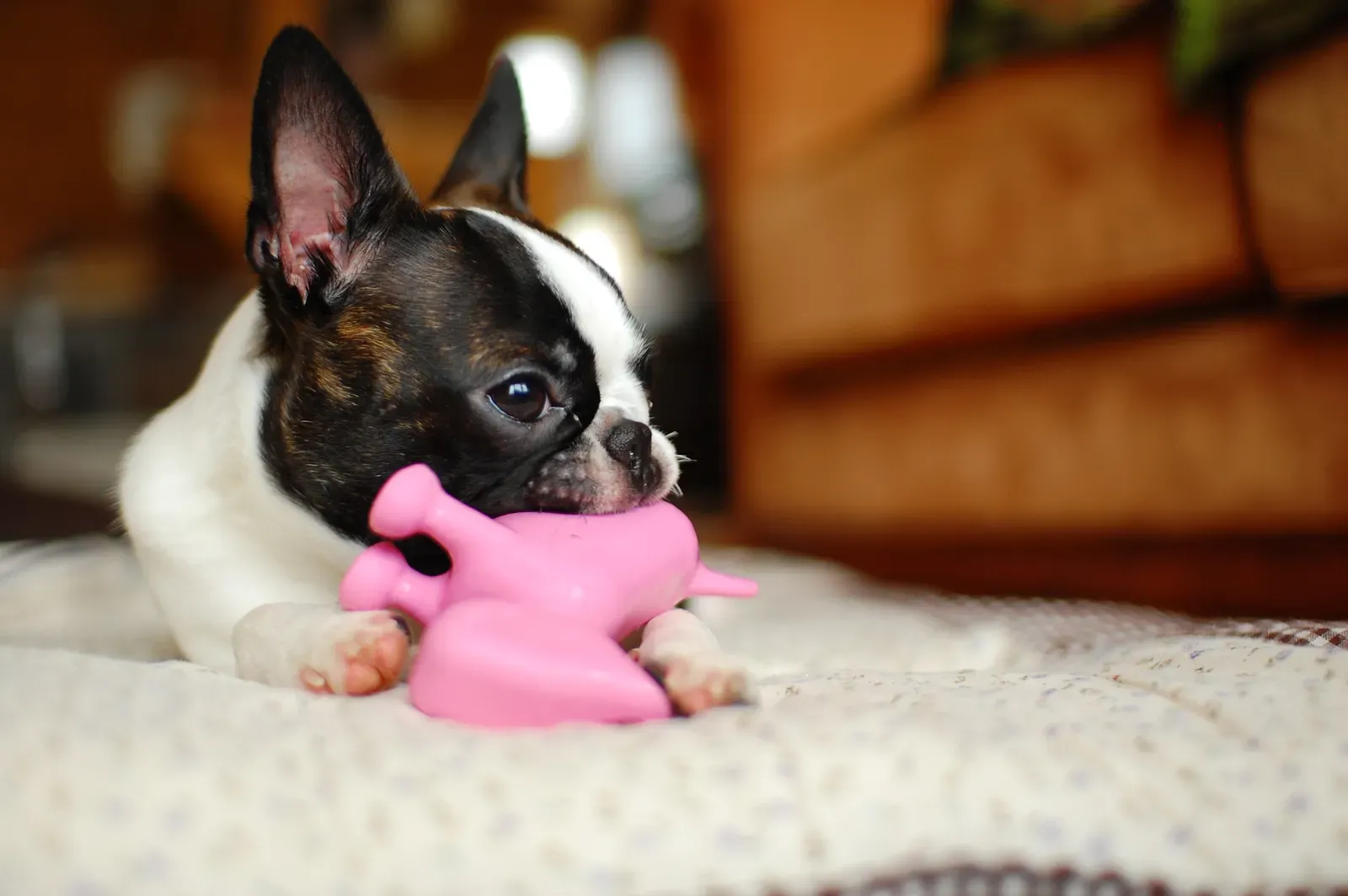
Boston Terriers are typically sociable with children, strangers, and other pets, but they are also capable of relaxing independently during the day. If you need a dog that can spend time alone, the Boston Terrier is worth considering. This breed tends to handle solitude better than many other terriers. They are known for adjusting well if you work outside the home. Boston Terriers usually don’t suffer much from separation anxiety. They can stay relaxed while you’re gone, especially if their needs for exercise and attention are met when you’re home.
Their small size and adaptability to apartment living, combined with being generally easy to train and groom, make them a practical choice. They are friendly but not excessively demanding. One thing to watch for: Boston Terriers may be more likely to be inadvertently nurtured to struggle with loneliness as they are an ideal apartment dog, which means they are more likely to have just one owner and no other dogs for company. A risk factor for developing separation anxiety is living in a home with a single human and no other animals. If you live solo, consider a second pet for company, or plan enrichment activities carefully.
A Final Word: Independence Has Its Limits
Every dog on this list has real strengths when it comes to alone time, but none of them are worry-free on autopilot. Separation anxiety is one of the most common behavior problems in dogs, according to the American Veterinary Medical Association. In fact, between twenty and forty percent of dogs referred to animal-behavior practices in North America are diagnosed with the disorder. Even naturally independent breeds need your preparation and support.
Exercise before departure is key because a tired dog is a relaxed dog. Interactive toys and puzzle games keep your dog mentally stimulated. Gradual desensitization, slowly increasing time away, helps prevent separation anxiety from developing. And designing a comfortable rest area gives your dog a place to feel safe in your absence.
Adult dogs from independent breeds can handle six to eight hours alone at most, assuming they’ve had proper training and a good walk beforehand. Puppies under six months shouldn’t be alone more than two to three hours. No dog should regularly be alone over eight hours, and that’s when you need a dog walker or pet sitter. Knowing your dog’s honest limits, not just the breed’s general profile, is what truly makes the difference between a pet that thrives and one that quietly struggles.
Choosing the right breed is just the beginning. Building a life that genuinely works for both of you, that’s the real commitment.


