
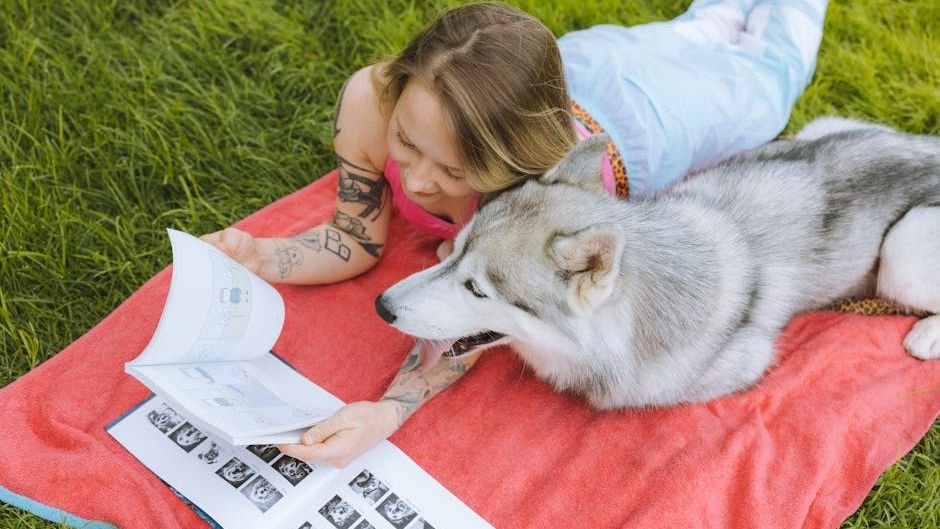
Picture this: you come home after a long, draining day, drop your bag by the door, and before you’ve even taken off your shoes, a warm, eager face is already pressed against your leg. No judgment. No grudge. Just pure, uncomplicated happiness that you walked through that door. Your dog doesn’t know your deadlines or your inbox. All they know is you.
That kind of loyalty deserves something in return. Not perfection, not endless free time, but intentional, consistent care, even when life gets loud. The truth is, being busy doesn’t make you a bad dog parent. Not making the effort to adapt does. Here’s what every dog owner needs to understand about meeting their dog’s needs, and how to do it without turning your life upside down.
Your Dog’s Emotional World Is More Complex Than You Think

Dogs aren’t just happy-go-lucky creatures coasting through life on belly rubs and kibble. Dogs are sensitive animals, and it’s important for dog owners to care for their emotional health as much as their physical health. When dogs don’t receive adequate love and attention, they can start to feel neglected. That emotional state isn’t just uncomfortable for them; it has real consequences.
Neglect can have a significant negative impact on a dog’s well-being. Not only is it an emotional issue, but it can end up harming your dog’s physical health. Think of your dog’s emotional life the way you’d think about a child’s. They can’t tell you something is wrong in words, so they tell you in behavior. A dog pulling away from play or sleeping more than usual is often communicating something worth paying attention to.
Dogs are loyal, loving companions who do everything to make us happy, but sometimes they might feel underappreciated. When dogs feel neglected, they may express their discomfort or frustration in subtle or overt ways. If your dog seems more distant, anxious, or exhibiting unusual behavior, it might be their way of telling you they need more attention or love.
The Behavioral Red Flags You Shouldn’t Ignore

Dogs communicate distress in ways that are easy to misread as “naughtiness.” Many dogs develop separation anxiety when their owners are out of the home, and this stress can cause such animals to become destructive, tearing up cushions, chewing on furniture, or even tearing off door molding. Before you label your dog as “badly behaved,” it’s worth asking whether the behavior is a symptom of something deeper.
If you see an increase in behaviors like barking, chewing, and biting, it may be a sign your dog feels neglected or bored. Watch for shifts in routine habits too. Sometimes dogs will begin to feel depressed when they’re lonely or neglected. A common sign of depression in dogs is increased sleep and disinterest in playing or engaging in fun activities. A dog who withdraws from things they used to love is worth a second look.
Dogs have individualized experiences when feeling neglected, and it’s possible for the feelings associated with neglect to influence your dog’s eating habits. Some dogs may start to eat more while others will lose interest in eating. As a result, dogs can also start to gain or lose weight when they feel neglected. Changes in appetite without a medical explanation should always prompt you to consider emotional as well as physical causes.
Quality Time Beats Quantity Every Single Time
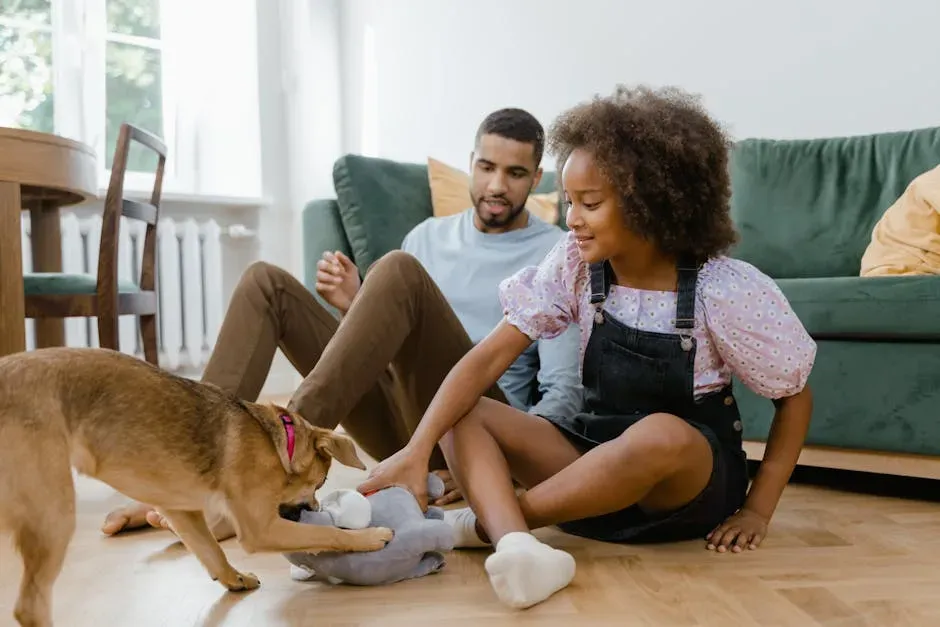
Here’s a fact that should take the pressure off a little: you don’t need to be home all day to be a great dog parent. Dogs, like people, are social animals. That means that “it’s not the amount of time, it’s the quality of time that matters.” A distracted hour barely registers compared to a focused, engaged fifteen minutes of play, training, or even calm company on the couch.
In general, you should spend at least two to three hours a day with your dog. Dogs should receive at least two to three hours of attention daily, split into several chunks throughout the day. That’s far more manageable than it sounds. Feeding, a morning walk, some play before bed, and calm couch time can add up quickly without any single block of your day being consumed by dog care.
When it comes to quality time with your pet, quantity doesn’t always equal connection. Brief, focused play sessions can be far more enriching and stimulating than long periods of inattentive “togetherness.” A quick game of fetch in the backyard, a few minutes of dedicated cuddle time on the couch, or a short training session using their favorite treats keeps your pet engaged and guessing.
Mental Stimulation Is Just as Essential as Exercise
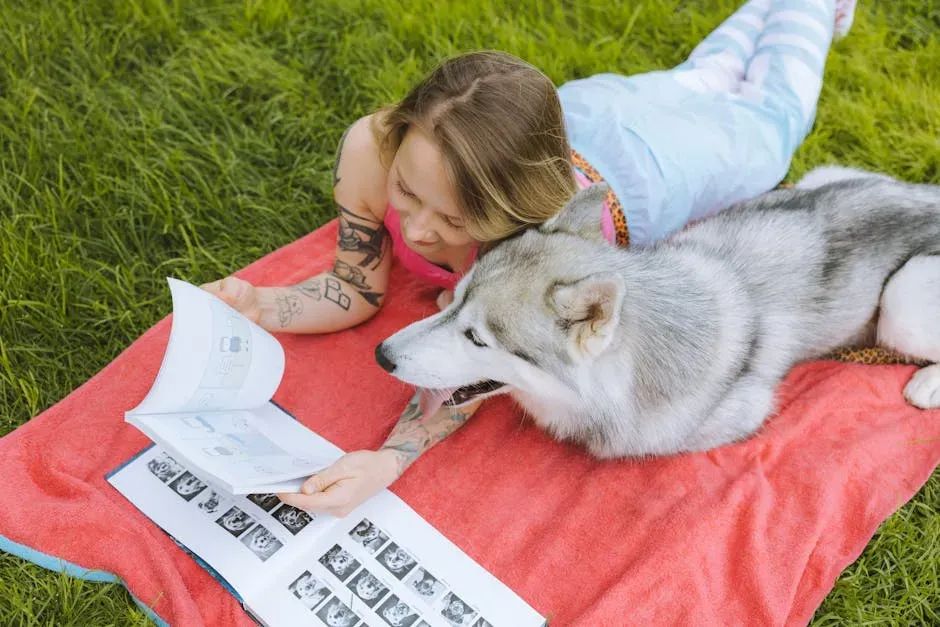
Many owners assume a tired dog is a happy dog, and while physical exercise matters enormously, the picture isn’t complete without mental enrichment. Exercise works your dog’s body. Enrichment works your dog’s brain. A long run in the park is physically tiring but mentally repetitive. A ten-minute scent work session is physically easy but mentally exhausting. Both matter, and most busy dog owners focus on only one.
One key to a happy and healthy pet is regular enrichment, keeping their environments safe and exciting and allowing them to engage in their innate behaviors such as sniffing or chewing in dogs. The good news is that enrichment doesn’t require elaborate setups. Most dogs benefit from twenty to forty minutes of dedicated enrichment activities per day, broken into multiple sessions. This does not need to be a big production. A ten-minute food puzzle at breakfast, a five-minute training session in the afternoon, and a sniff-focused walk in the evening can be enough to make a significant difference.
Short, frequent training sessions can be incorporated into your daily routine, especially when you’re pressed for time. Use small windows of time, like during a commercial break or while waiting for coffee, to reinforce cues like “sit,” “stay,” or “come.” Training isn’t just about obedience; it also provides mental stimulation. Learning new tricks or refining old behaviors helps prevent boredom, which can reduce destructive behavior.
Building a Routine Your Dog Can Count On
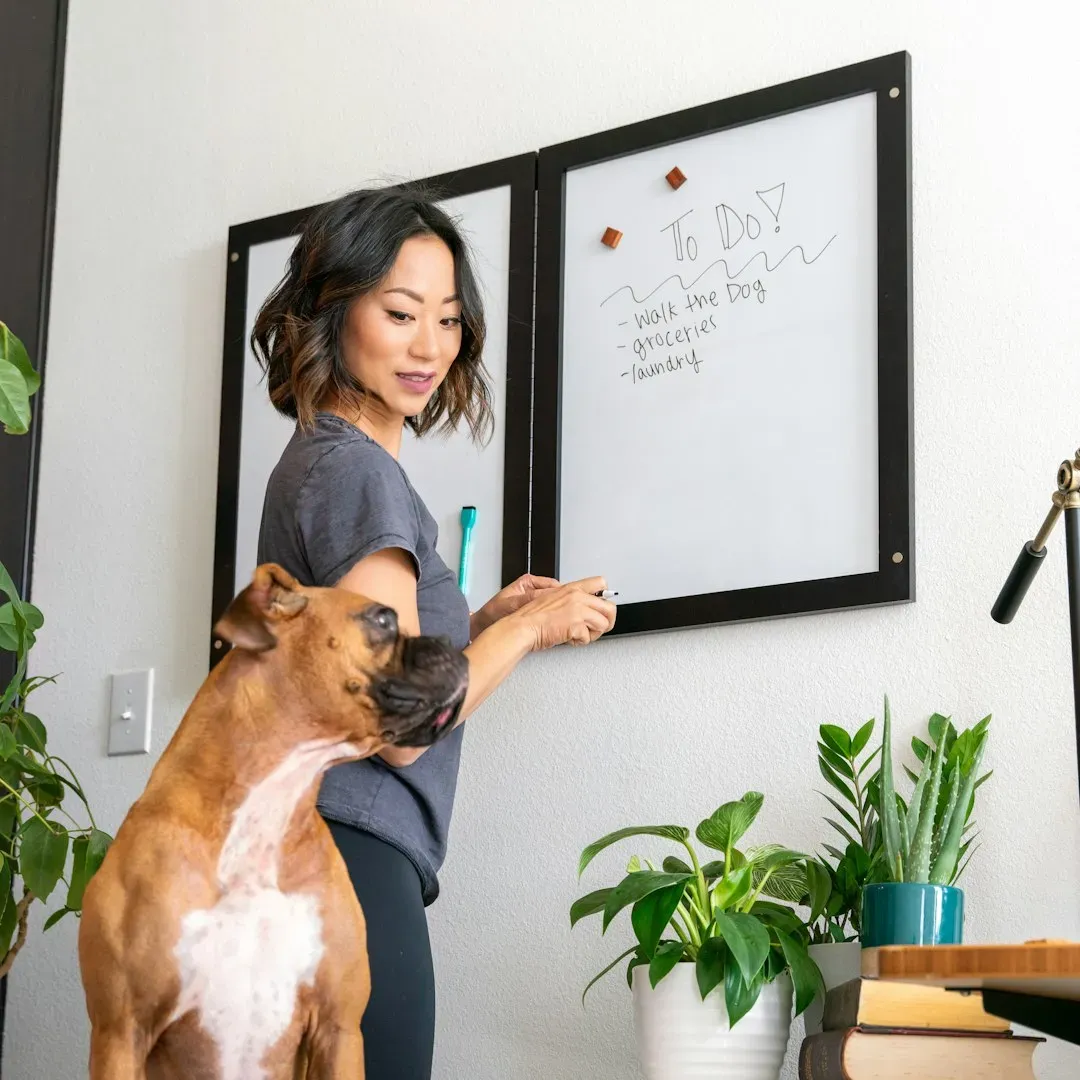
Dogs are creatures of rhythm. Knowing when to expect a walk, a meal, or a play session gives a dog a stable emotional framework. Dogs thrive on routine. Establishing a consistent daily schedule will help your dog feel secure, even if you’re often out of the house. Your dog will begin to anticipate regular feeding times, walks, bathroom breaks, and playtime, which can reduce anxiety and behavioral problems.
When your schedule changes unexpectedly, it registers on your dog too. A consistent daily routine provides your dog with a sense of security and predictability. When your dog knows what to expect, it reduces anxiety and stress, leading to a happier, more confident pet. This stability strengthens your dog’s bond with you, making your connection more meaningful through regular interactions and routines.
Practical tools also help fill the gaps when you genuinely can’t be present. If your work hours are long or unpredictable, hiring a dog walker or pet sitter can be a lifesaver. Dog daycare centers are a great option for busy professionals who can’t be home during the day. Many daycares offer full-day care, where your dog can play, socialize, and stay active while you work. Not only does this help your dog expend energy, but it also offers socialization opportunities, which are essential for their mental health.
Conclusion: The Investment That Pays Both Ways
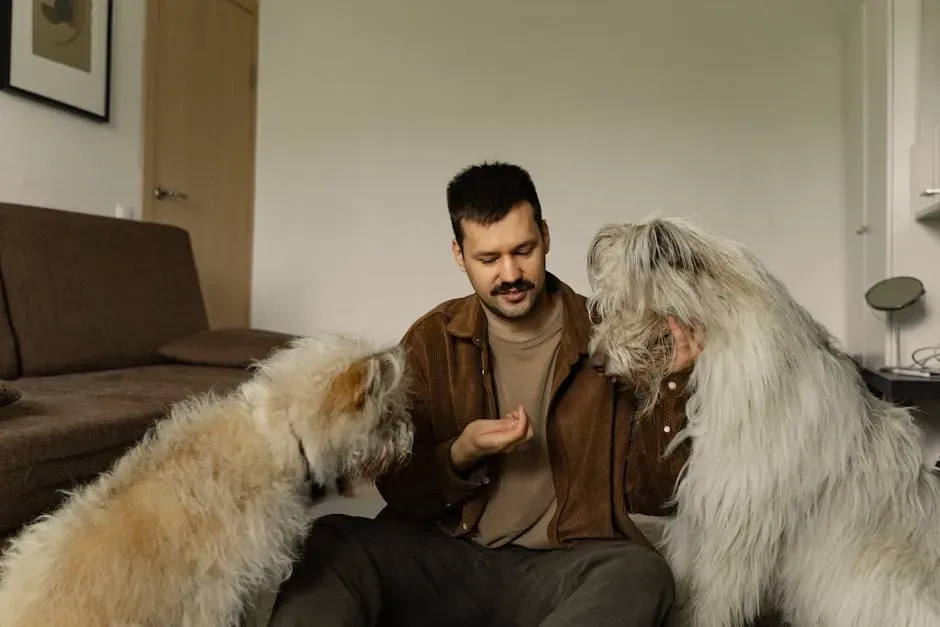
The commitment you make to your dog isn’t only for their benefit. Dogs specifically have been proven to reduce stress, anxiety, and depression, ease loneliness, encourage exercise, and improve your overall health. The care flows in both directions. When your dog thrives emotionally and physically, something shifts in your own daily life too.
Being busy is a reality most of us live with. It doesn’t have to mean your dog gets the leftover version of you. Small, intentional moments, consistent routines, a bit of mental enrichment, and genuine attention go much further than you might expect. Providing dogs with daily attention is vital to their mental health. Our engagement earns their trust, obedience, and adoration, and the more we provide the proper kind of attention, the more fulfilling our bonds become.
Your dog isn’t asking for perfection. They’re asking for presence. Even on your most demanding days, that’s something you can always give.


