
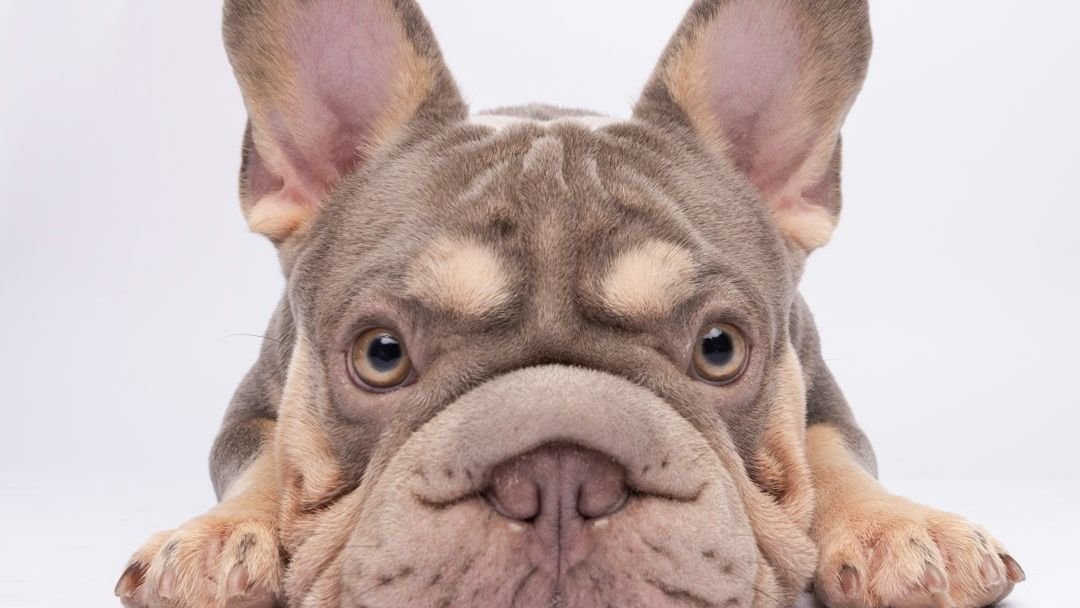
There’s something deeply endearing about a French Bulldog. The oversized bat ears, the expressive round eyes, the compact little body that somehow communicates both dignity and goofiness at the same time. If you share your home with a Frenchie, you already know the joy they bring. What you may not fully know yet is how much their unique physical features quietly demand from you as a caregiver.
Frenchies aren’t high-maintenance in the dramatic sense, but their short coat and signature skin folds come with specific, non-negotiable care needs. Skipping wrinkle cleaning for a week, or bathing them too often with the wrong shampoo, can spiral into infections, skin irritation, or real discomfort for your dog. The good news? Once you understand what this breed needs and why, the whole routine becomes second nature. Here’s everything you need to care for your Frenchie’s coat and health with confidence.
Brushing Basics: How to Keep That Short Coat Healthy and Shiny
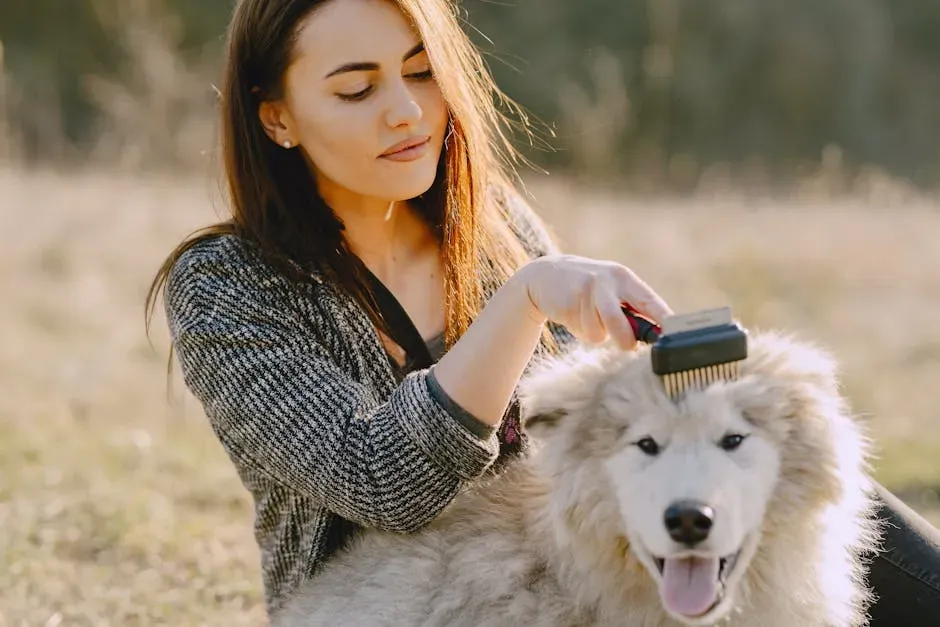
It’s easy to assume that a short coat means minimal effort, but there’s more going on beneath the surface than it looks. A French Bulldog’s short coat still needs to be brushed weekly to remove dead hair and distribute skin oils evenly throughout the coat. This natural oil distribution is what gives that smooth, healthy shine you want to see on your dog.
A soft bristle brush works wonders for their short coat, removing loose fur and distributing natural oils throughout. Experts also recommend using a rubber grooming mitt or hound glove to help remove hair gently. Both tools are affordable, gentle on sensitive skin, and easy to use even if your Frenchie is a little wiggly during grooming sessions.
Frenchies are not heavy shedders, but regular brushing helps control loose hair. Be prepared for a bit more shedding during seasonal changes. Short-haired dogs like the French Bulldog shed twice a year, especially in spring and fall. Brushing more frequently during those transition periods will save your furniture and your sanity.
Brushing sessions are also a practical health check in disguise. Brushing your Frenchie’s coat is a great time to check their skin for problems like skin bumps or redness. Running your hands gently over their body while grooming can help you catch something early before it becomes a vet visit.
The Truth About Wrinkle Care: Your Frenchie’s Most Important Daily Ritual
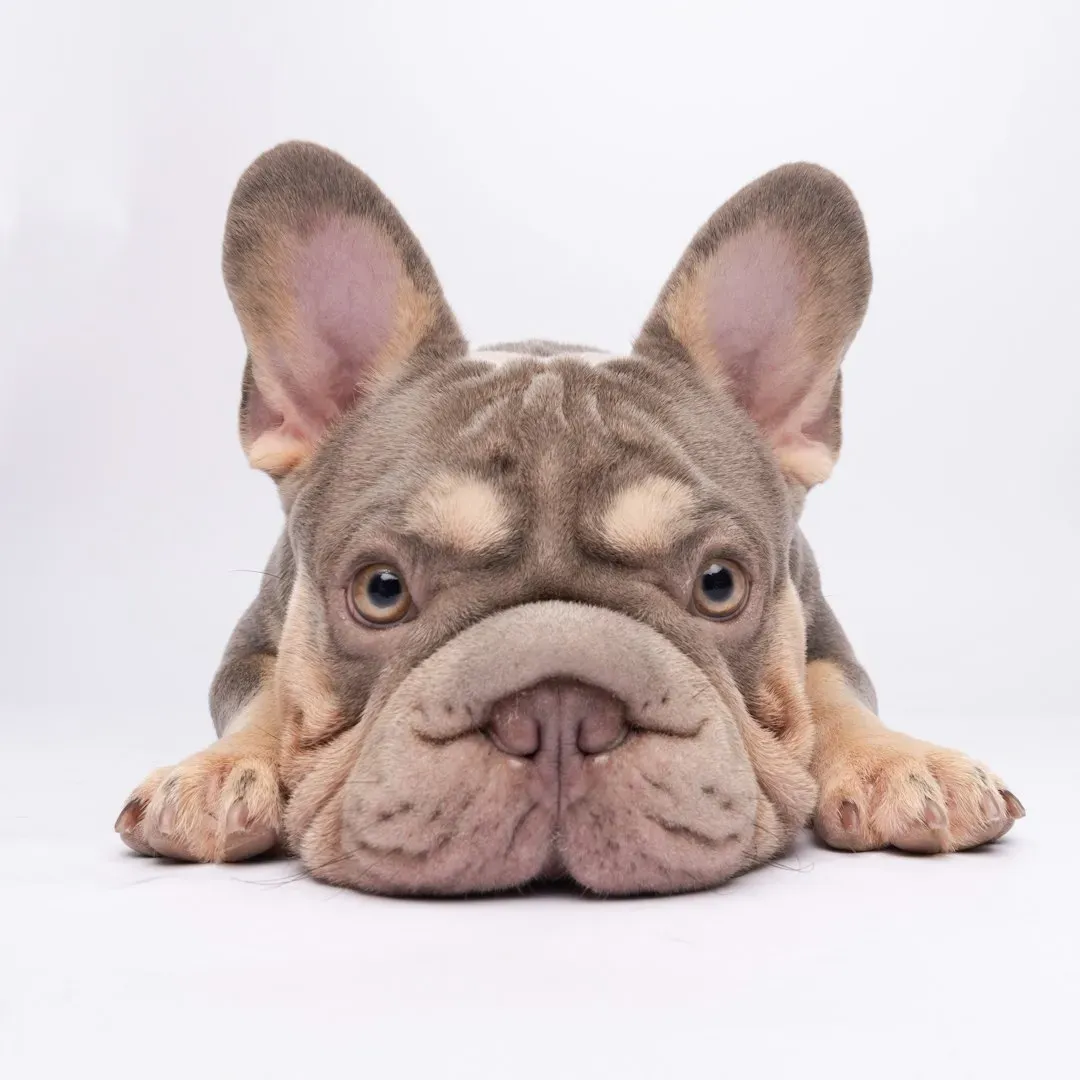
Those adorable facial folds are arguably the most famous thing about a French Bulldog, and they’re also the part that requires the most vigilant attention. French Bulldogs are known for their adorable wrinkles. However, these skin folds can trap moisture and debris, leading to irritation or infection if not properly cared for. Think of the folds as warm, dark little pockets where bacteria thrive if left unchecked.
Wrinkle and fold dermatitis is primarily caused by the combination of moisture, heat, and friction within the skin folds. The folds create an ideal environment for bacteria and yeast to thrive, leading to irritation, inflammation, and infection. This condition, known as intertrigo, is extremely common in the breed and can cause real discomfort if you don’t stay on top of it.
Cleaning the folds doesn’t have to be complicated. Clean folds daily with a vet-approved wipe or gentle cleanser, then dry thoroughly to prevent bacterial growth. The drying step is non-negotiable. Moisture left in the folds can create a breeding ground for bacteria and yeast, leading to skin irritations and infections.
Know the warning signs so you can act early. Even with regular cleaning, it’s important to keep an eye out for any signs of infection in your Frenchie’s wrinkles. Redness, inflammation, discharge, an unpleasant odor, or dry and itchy areas may indicate an underlying issue. If you notice any of these symptoms or have concerns about your dog’s skin health, consult with your veterinarian for proper diagnosis and treatment.
Bath Time Done Right: Frequency, Products, and What to Avoid

Bathing a Frenchie feels straightforward until you realize there’s a right and a wrong way to do it. French Bulldogs do not require frequent baths; over-bathing can strip their skin of natural oils, leading to dryness and irritation. Typically, bathing your Frenchie every two weeks in the summer and every one to two months in the winter. Always base the frequency on their activity level and skin condition.
Product choice matters more than most owners realize. Pick grooming products designed specifically for French Bulldog skincare. Hypoallergenic and pH-balanced formulas help prevent dryness and itching. Shampoos with oatmeal or aloe vera are excellent choices for soothing sensitive skin while adding a healthy shine to the coat without triggering reactions.
After the bath, the routine isn’t over yet. After the bath, gently pat your Frenchie dry with old towels. Ensure their coat is completely dry, especially between wrinkles. This step is especially important during cooler months when damp skin can quickly lead to chafing or infection in those deep folds.
One more thing worth knowing: the only time you should shave or trim a French Bulldog is at your vet’s recommendation, usually due to a health issue. Unlike many breeds, Frenchies don’t need coat trimming as part of their routine grooming. Keep it simple and gentle, and you’ll be doing right by them.
Nutrition and Skin Health: What Your Frenchie Eats Shows on Their Coat

There’s a direct line between what goes into your Frenchie’s bowl and what shows up on their skin and coat. A poor diet lacking in essential fatty acids, vitamins, and minerals can directly impact skin and coat health. These deficiencies may cause dryness, flakiness, or dullness. For a shiny coat, opt for high-quality food or supplements rich in omega-3s and vitamin E to support overall skin wellness.
Adding omega-3 supplements to their food can help keep their skin and coat in great shape and minimize bacterial and yeast overgrowth. This is a simple, vet-endorsed step that many owners overlook. A good fish oil supplement added to their daily meal can make a visible difference within weeks.
Proper nutrition is vital for any dog’s health, including French Bulldogs, who can be prone to obesity because they are small with a low activity level, and owners must limit treats and monitor energy intake. This matters for skin health too, because extra weight can make a Frenchie’s skin folds more prominent, increasing the risk of skin fold-related problems.
The takeaway is simple: feed your Frenchie a balanced, age-appropriate diet, keep their weight in check, and consider targeted supplements for skin support. Think of nutrition as one piece of a larger holistic plan that also includes fold care, flea and parasite control, allergy management, and consistent grooming and cleansing. No single fix works alone.
Staying Ahead of Common Health Issues: Prevention Tips Every Frenchie Owner Needs
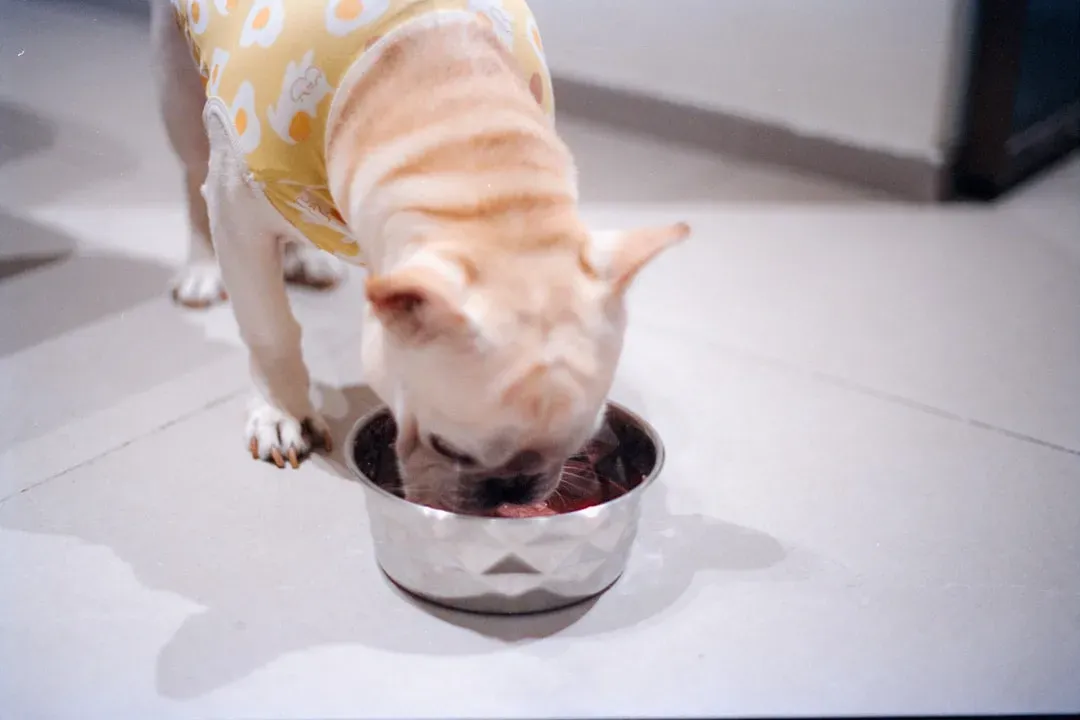
French Bulldogs are genetically predisposed to a handful of health challenges that attentive owners need to understand early. Other French Bulldog health issues include skin allergies, eye problems, and autoimmune diseases. Knowing these risks doesn’t mean your Frenchie will experience them, but it does mean staying alert to early signs.
Allergies are one of the most common concerns. Frenchies show up frequently in studies of canine skin issues, with chronic, itchy skin discomfort and inflammation driven by environmental allergens and a weak skin barrier. If your dog is constantly pawing at their face, chewing their paws, or rubbing along furniture, those are behavioral cues worth taking seriously and discussing with your vet promptly.
Temperature is another real concern for this breed. French Bulldogs are sensitive to extreme heat because of their short noses and compact build and should be exercised during early morning or late evening hours. Do not exercise them in hot weather, as they can quickly overheat and succumb to dangerous heatstroke. On warm days, short walks with shade and fresh water access are essential, not optional.
Veterinary exams are essential for your French Bulldog to monitor their overall health and to address potential issues early. Stay up-to-date with vaccinations, flea and tick prevention, and heartworm medication as recommended by your veterinarian. Most Frenchies should be seen twice yearly to monitor the common health conditions of their breed. Preventive care is always easier, and gentler on your wallet, than treating something that has progressed.
A Final Word for Every Frenchie Parent

Caring for a French Bulldog’s coat and overall health isn’t about perfection. It’s about consistency. A weekly brush, a clean and dry wrinkle routine, a thoughtful diet, appropriate bathing, and regular vet visits are the building blocks of a genuinely healthy and happy Frenchie.
Your dog can’t tell you when their folds are irritated or when their skin feels dry and tight. They rely entirely on you to notice, to check, and to act. The behavioral cues are there, the redness, the scratching, the rubbing, if you know what to look for.
The Frenchies who thrive the longest are almost always the ones with owners who pay quiet, consistent attention. You’re already here, reading, learning, and caring. That matters more than you know.


