
Most dog owners would do anything to keep their dogs healthy and happy. You choose the food carefully, you refill the water bowl, you read the ingredients. You’re trying. The tricky part is that some of the biggest feeding mistakes don’t look like mistakes at all. They look like love.
A late-night treat because those eyes are impossible to resist. A quick scoop of food without measuring. A bite of whatever’s on your plate. These small, everyday moments quietly shape your dog’s long-term health in ways that often don’t show up until years later. Understanding where things go wrong is one of the most powerful things you can do as a dog owner.
1. Never Overfeed, No Matter How Hard They Beg
Overfeeding is one of the most common dog feeding mistakes, often caused by misjudging portion sizes or giving in to begging behavior. That tail wag and tilted head routine is genuinely hard to say no to, but giving in regularly sets the stage for real trouble.
Overfeeding dogs can result in obesity, diabetes, heart strain, and joint problems. Those are not minor issues. They are life-altering conditions that affect your dog’s comfort, mobility, and lifespan. The kindest thing you can do is hold the line, even when it feels cruel.
Relying only on the scale can be misleading. Body condition scoring is more accurate. Check if ribs are easily felt but not sticking out, and look for a visible waistline when viewed from above. If you’re unsure, your vet can walk you through this simple check at your next visit.
2. Never Guess Portion Sizes
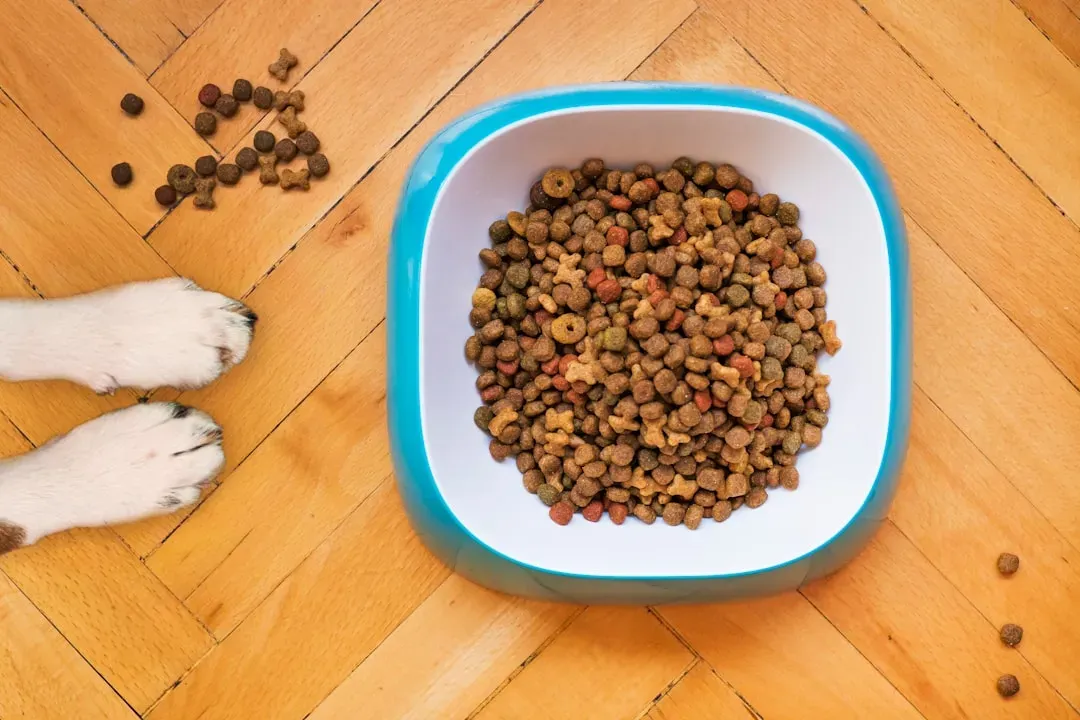
It’s very common for owners to feed their dog the wrong amount of food. Feed them too little, and they’ll be hungry and malnourished with low energy. Feed them too much, and they’ll gain weight and become less healthy. The problem is that eyeballing a scoop of kibble feels accurate when it usually isn’t.
If you’re eyeballing portions, you’re bound to guess high, simply because you love your pet and don’t want them to be hungry. That emotional bias is completely understandable. Use a kitchen scale or measuring cup instead, every single meal.
Portions on the back of the bag are good starting points, but they don’t fit all pets. Lifestyle, activity level, and health status can all change how much your pet should eat. When in doubt, a quick call to your vet gives you a number you can actually trust.
3. Never Leave Food Out All Day
Leaving food out all day is a risky habit because most pets aren’t good at pacing themselves. Behavioral factors like boredom may also cause them to eat more than they should. Free feeding might seem convenient, but it removes one of your most useful tools for monitoring your dog’s health.
Your dog needs a routine when it comes to meals and feeding. They should eat at specified times, and ideally those times should be regular and consistent from day to day. A structured schedule also makes it much easier to notice when your dog’s appetite changes, which can be an early warning sign of illness.
Feeding at random times can cause digestive upset, lead to begging behaviors, or increase the risk of bloat in large breeds. Removing the bowl after 15 to 20 minutes is a simple habit that makes a real difference over time.
4. Never Feed Toxic Human Foods
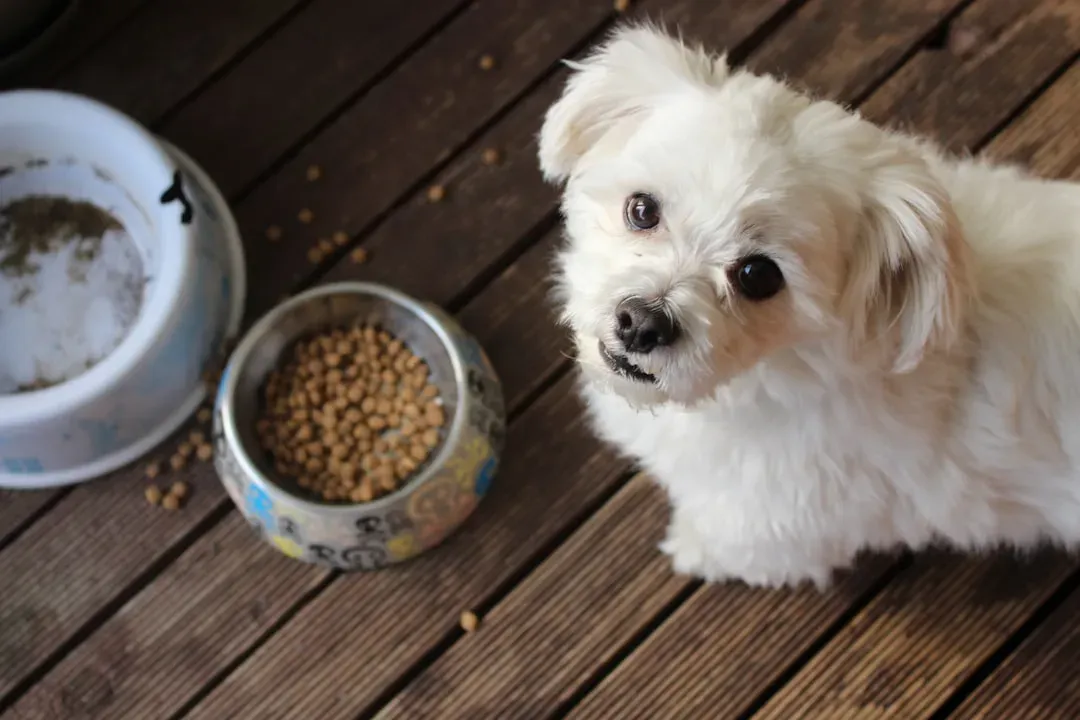
Grapes are capable of causing fatal kidney failure in dogs. The exact root of the toxin has not been found, and some dogs who have safely eaten grapes in the past have been subsequently poisoned. It’s best to consider grapes and raisins entirely toxic. The unpredictability alone is reason enough to keep them off the table.
Dogs can be affected by eating products from the Allium group: garlic, onions, chives, leeks, and related plants. Sulfur-containing compounds in these plants can affect red blood cells, resulting in a form of anemia called Heinz body anemia. These foods often hide in sauces, soups, and seasoned meats you might not think twice about sharing.
Feeding your dog fatty foods like hot dogs, bacon, ribs, or fried chicken can upset your dog’s stomach and cause vomiting and diarrhea. It can also lead to pancreatitis, which is an inflammation of the pancreas. If your dog is hunched up, lethargic, or vomiting after a fatty meal, contact your vet immediately.
5. Never Overdo the Treats
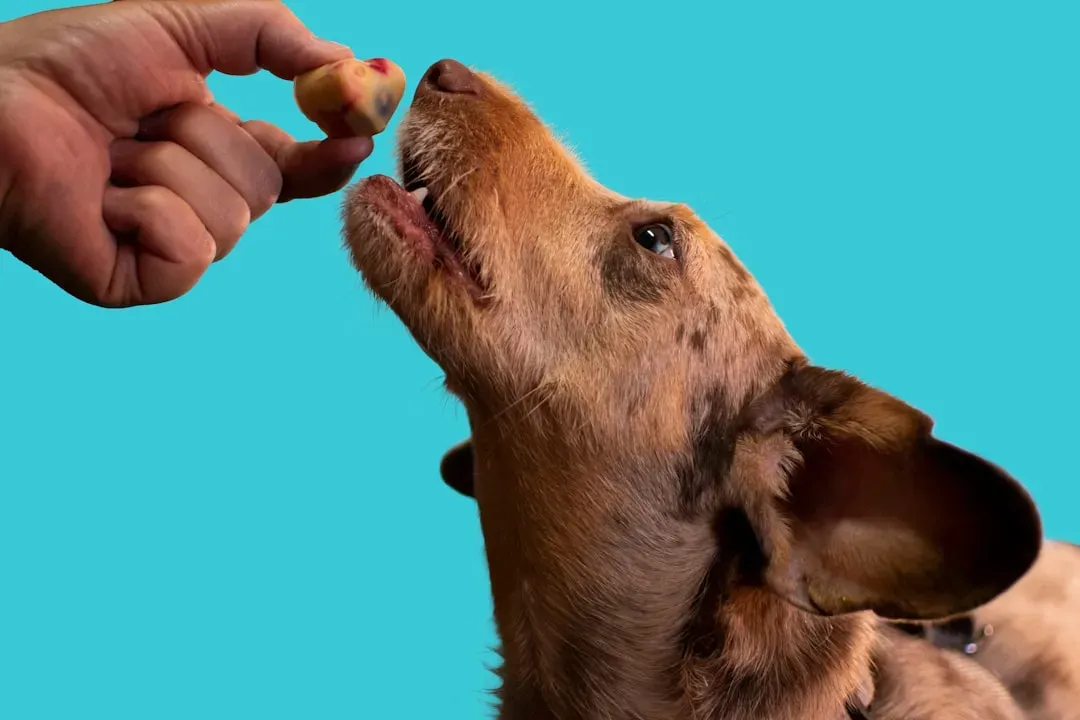
Too many treats is a very common problem. Treats should be limited to no more than 15% of daily calorie intake, since they are often not complete and balanced foods, which can throw off nutrient intake. Many veterinary nutritionists actually recommend keeping it even lower, especially for dogs managing their weight.
Treats can be an easy way to show love, but most owners fail to account for their calorie content. Even healthy treats can add up quickly, leading to weight gain and other health issues. Ideally, treats should make up no more than 10% of a pet’s daily calorie intake. For smaller breeds, even a small treat can represent a significant portion of their diet.
Instead of feeding random food scraps, try using part of your dog’s primary diet as treats. Setting aside part of each meal to use for training and random snacks is one of the most practical approaches. Carrots, broccoli, and snap peas are three examples that many dogs genuinely love.
6. Never Switch Foods Abruptly
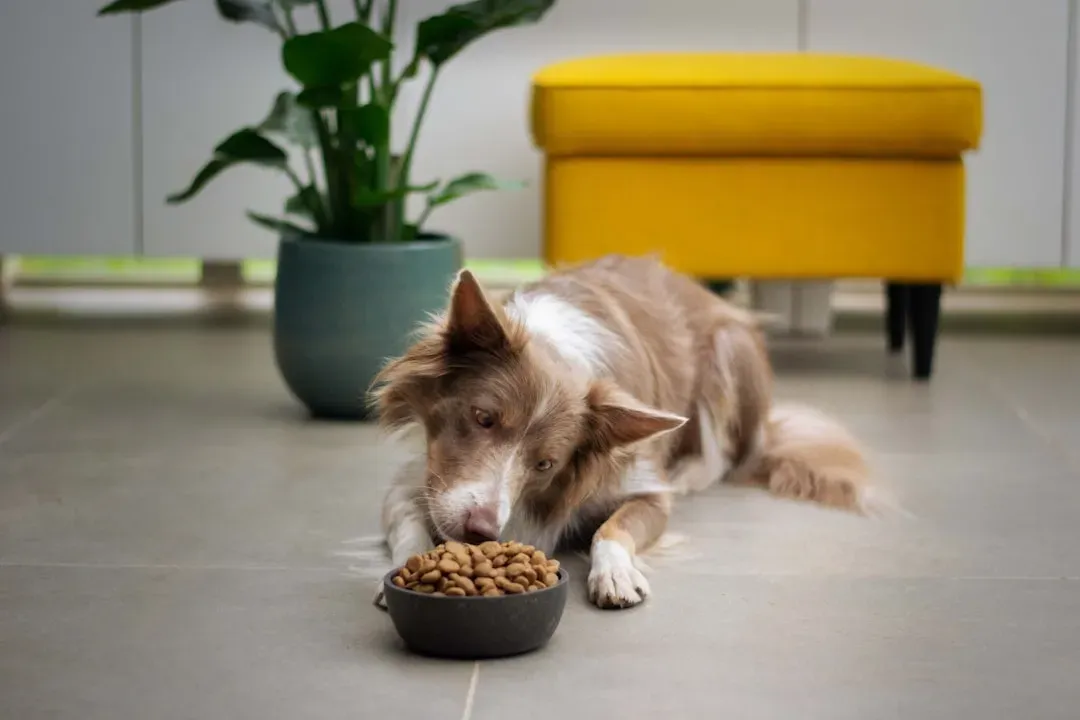
Suddenly changing your dog’s food can cause digestive upset, leading to diarrhea or vomiting. Dogs have sensitive stomachs, and abrupt changes in diet can throw off their digestive system. This happens even when you’re switching to a better, higher-quality food.
The standard recommendation from most vets is a gradual transition over seven to ten days, slowly increasing the ratio of new food while decreasing the old. This gives the gut bacteria time to adjust without triggering inflammation or discomfort.
Probiotic supplements can help your dog’s digestive system adapt to a new food formula. They can also alleviate mild symptoms of discomfort such as upset stomach or diarrhea. If your dog shows persistent signs of distress during a food change, your vet can help you slow the process down further.
7. Never Ignore Your Dog’s Life Stage When Choosing Food
Not adjusting for age is a surprisingly common mistake. Most pets need fewer calories as they age, but food meant for younger pets tends to be calorically dense. Feeding a food formulated specifically for your pet’s life stage is the best way to scale down calories while still meeting their age-specific nutritional needs.
A puppy, an adult dog, and a senior all require different nutrition. Similarly, small breeds and large breeds have unique needs. Feeding the wrong type of food can cause developmental issues or fail to support your dog’s energy levels. A large breed puppy fed adult food, for example, may develop skeletal problems from an imbalanced calcium to phosphorus ratio.
One of the most overlooked aspects of feeding is portion control, especially for puppies. Many owners assume more food equals faster growth, but overfeeding can lead to obesity or skeletal issues in growing pets. Following a vet-recommended feeding chart based on breed, weight, and age is critical to prevent long-term health problems.
8. Never Rely on an Unbalanced Home-Cooked Diet
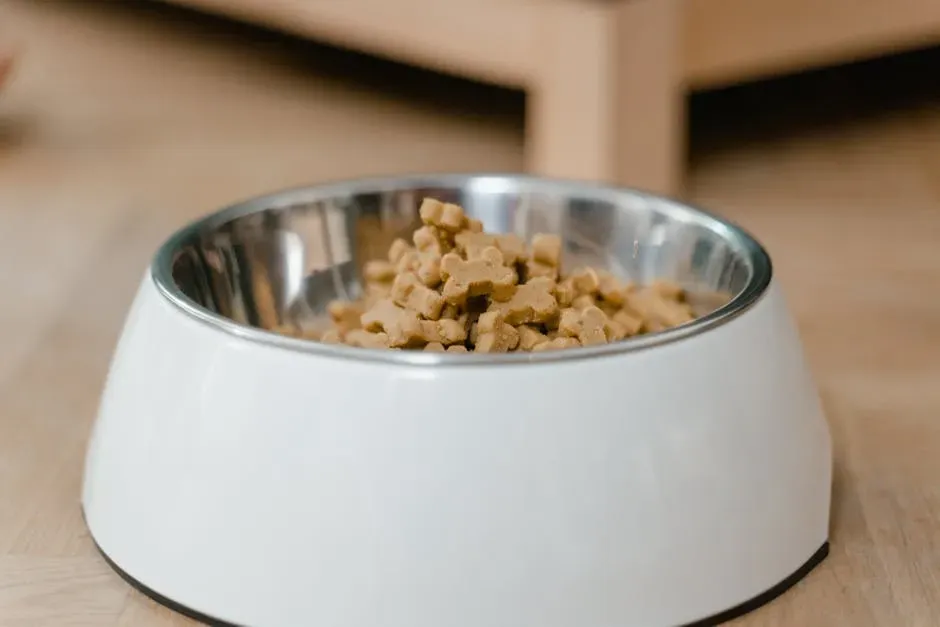
Home-prepared diets for dogs are increasing in popularity, but many veterinary nutritionists advise caution. It is critical to use a recipe that is deemed complete and balanced to make sure that your dog is getting everything they need. Good intentions are not a substitute for nutritional completeness.
Research has shown that 9 out of 10 home-prepared BARF rations have varying degrees of nutritional deficiencies. Your dog can only get the nutrients it needs if the ratio of meat, offal, vegetables, fruit, and oils are tailored to its exact requirements. That level of precision is genuinely difficult to achieve without professional guidance.
If people are feeding home-prepared diets, there are a number of nutrients that are often deficient, like calcium, B12, zinc, and magnesium, which can lead to subclinical deficiencies. The most common deficiency is usually calcium, which can lead to pathologic fractures in puppies and weakened bones over time. If home cooking is important to you, work with a veterinary nutritionist to build a properly balanced recipe.
9. Never Forget About Fresh Water
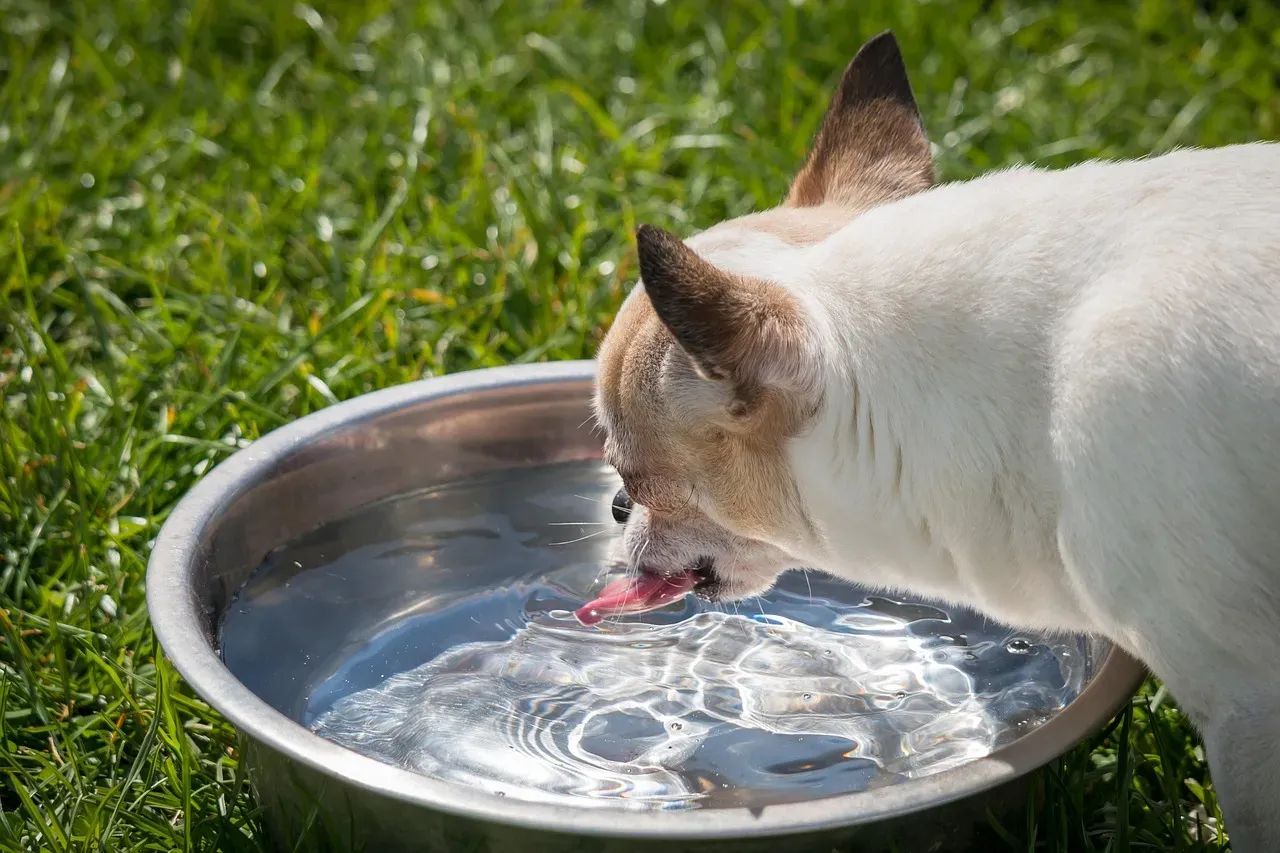
Food often takes the spotlight, but hydration is equally important. Lack of clean water can lead to urinary issues, dehydration, and kidney stress. It’s easy to top off the bowl without actually cleaning it, but a dirty bowl can harbor bacteria that quietly undermines your dog’s health.
Pet owners often focus so much on the food that they forget about water intake. Adequate hydration is crucial for digestion, nutrient absorption, and overall health. Provide fresh, clean water at all times, wash water bowls daily to prevent bacterial growth, and monitor intake, since sudden changes in drinking habits may indicate underlying health issues.
Offering wet food or adding water to dry food can help increase water intake for dogs who don’t drink enough on their own. This is especially useful for senior dogs or those prone to urinary tract problems.
10. Never Store Dog Food Carelessly
You should always keep your dog food in its original container. Dog food bags are made specifically to keep dog food fresh. Third-party containers may not offer the same protection. Transferring kibble to a random plastic bin might look tidier on your shelf, but it can accelerate oxidation and spoilage.
Mixing old food and new food is another mistake that can lead to stale or expired dog food. If the old food had bacteria or other contaminants, you don’t want that spreading to the new bag. Keep each batch of food separate. Always check the expiry date and trust your nose. If it smells off, it probably is.
When your dog’s food goes stale, it loses its nutritional content faster than normal. Store dry food in a cool, dry place away from direct sunlight, and seal it tightly after every use. These small habits protect the investment you’re making in your dog’s nutrition every single day.
Conclusion: Small Changes, Big Impact
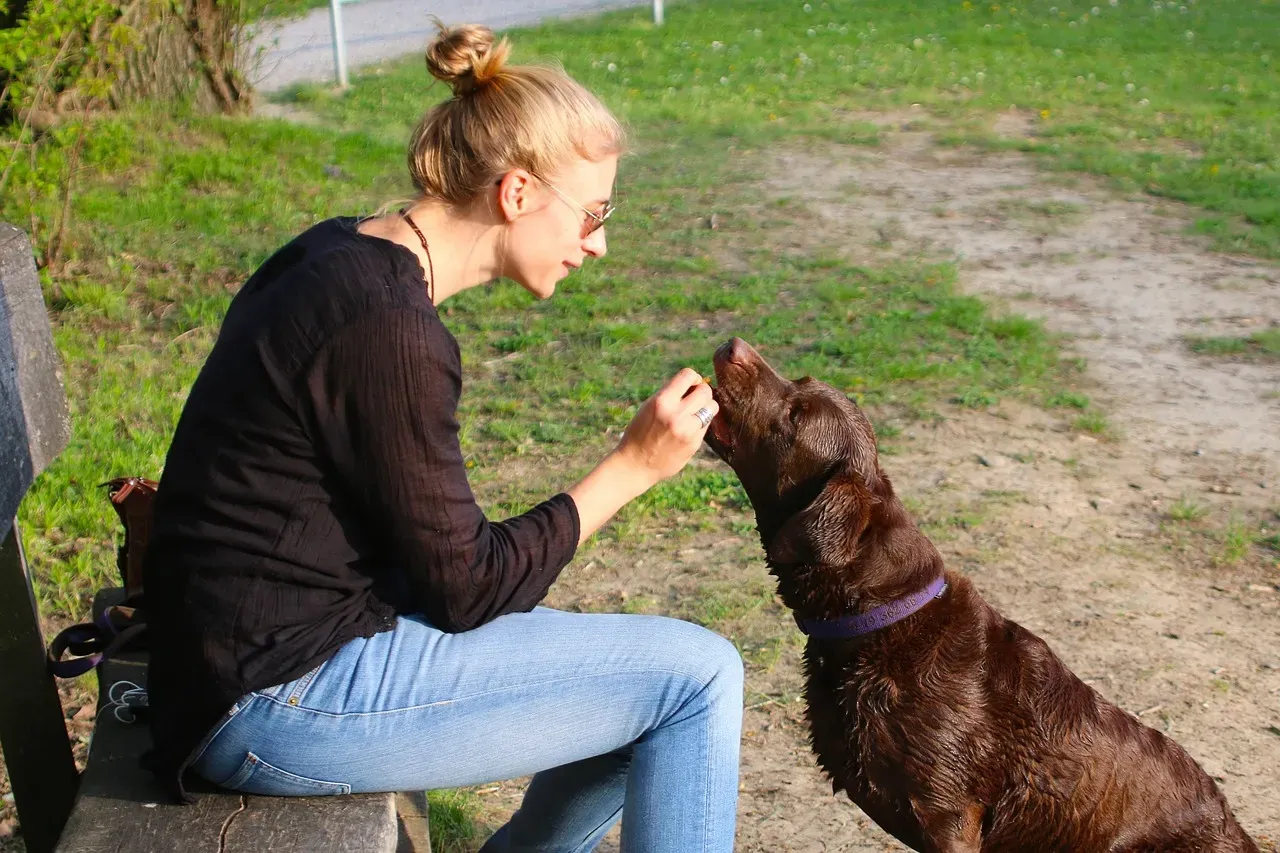
Feeding your dog well isn’t about being perfect. It’s about being informed. Most of the mistakes on this list come from a place of genuine love, which is exactly why they’re so easy to make. Giving extra food, sharing a plate, skipping the measuring cup – none of these feel like harm. They feel like care.
These common feeding mistakes can contribute to weight gain, nutritional deficiencies, diabetes, joint issues, and other long-term health problems. Addressing them early is essential for your dog’s overall health and quality of life. The earlier you catch a habit, the easier it is to change.
Your dog can’t read a nutrition label or tell you when something doesn’t feel right. That’s your job, and you’re already doing it by being here. A few thoughtful adjustments to the daily routine can add real years to your dog’s life, and real quality to the years they already have. That’s worth more than any extra treat.


