
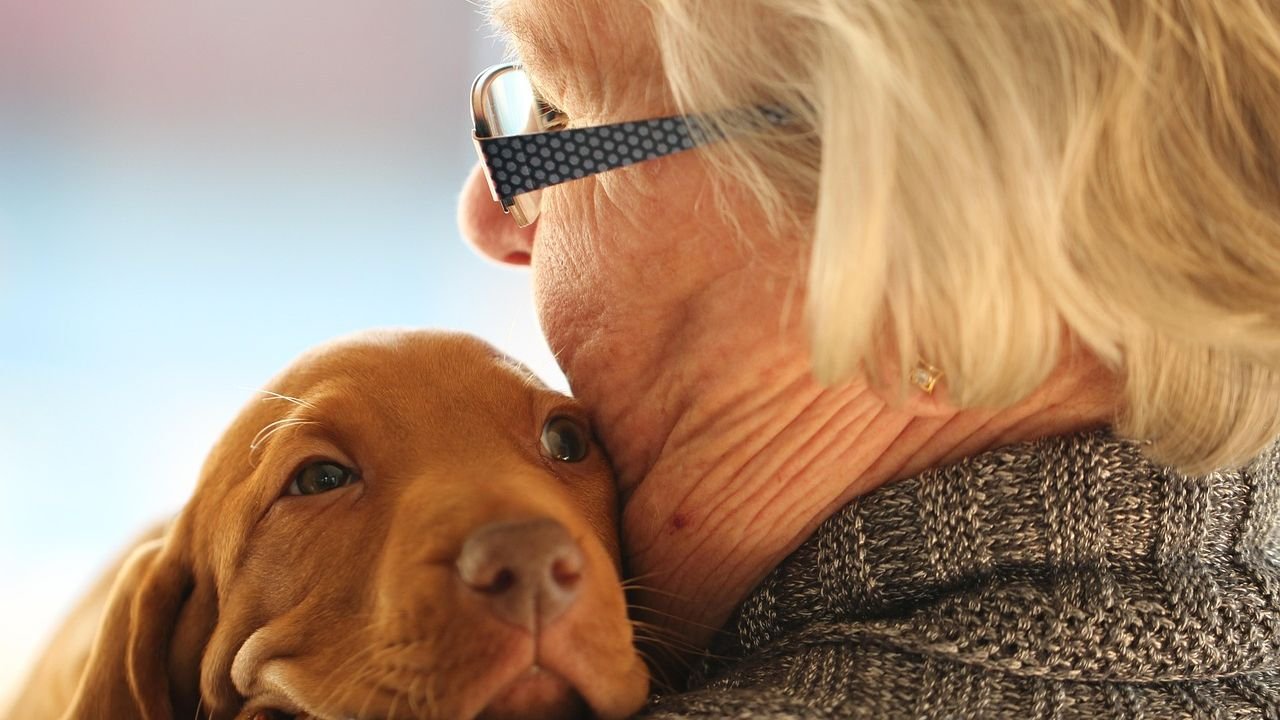
You grab your keys, and before you even reach the door, the drama begins. There’s a whine. Then a bark. Then the unmistakable sound of something soft and expensive being dragged off the couch. If you’ve ever come home to a scene that looked like a small tornado passed through your living room, you already know that leaving certain dogs alone is not a simple act. It’s a negotiation.
Separation anxiety in dogs refers to the distress some dogs experience when they’re left alone, showing up as excessive barking, destructive chewing, pacing, or other signs of stress. While any dog can develop this condition, some breeds may be more likely to struggle with being alone due to inherited temperament traits, original breeding roles, and natural instincts. For dog lovers who own large breeds, this challenge can feel especially intense. Big dogs have big feelings – and big enough bodies to make those feelings very clear.
Here are ten large dog breeds that turn being left alone into a full-scale production.
1. Labrador Retriever

The Labrador Retriever is beloved by families around the world for good reason. Loyal, playful, and endlessly warm, Labs are dogs that genuinely live for connection with the people they love. That’s precisely what makes alone time so hard for them.
Labrador Retrievers are one of the most popular dog breeds in the world, known for their friendly nature and strong desire to please. Labs are social creatures that thrive on interaction with humans and other animals, and they are happiest when engaged in activities with their families, becoming distressed if left alone frequently. They are bred for their sunny, relaxed disposition, but they need a lot of affection and attention in order to maintain that cheerfulness – and if left alone for long periods, Labradors can really struggle with separation stress.
What to watch for: Chewed furniture, destroyed shoes, indoor accidents, and persistent barking. Prevention tip: Tire your Lab out before you leave. Not getting enough exercise is considered the single largest environmental factor associated with separation anxiety in dogs. Daily aerobic exercise does wonders for some dogs, as will enriching activities like training classes, food puzzles, and opportunities to explore new spots.
2. German Shepherd
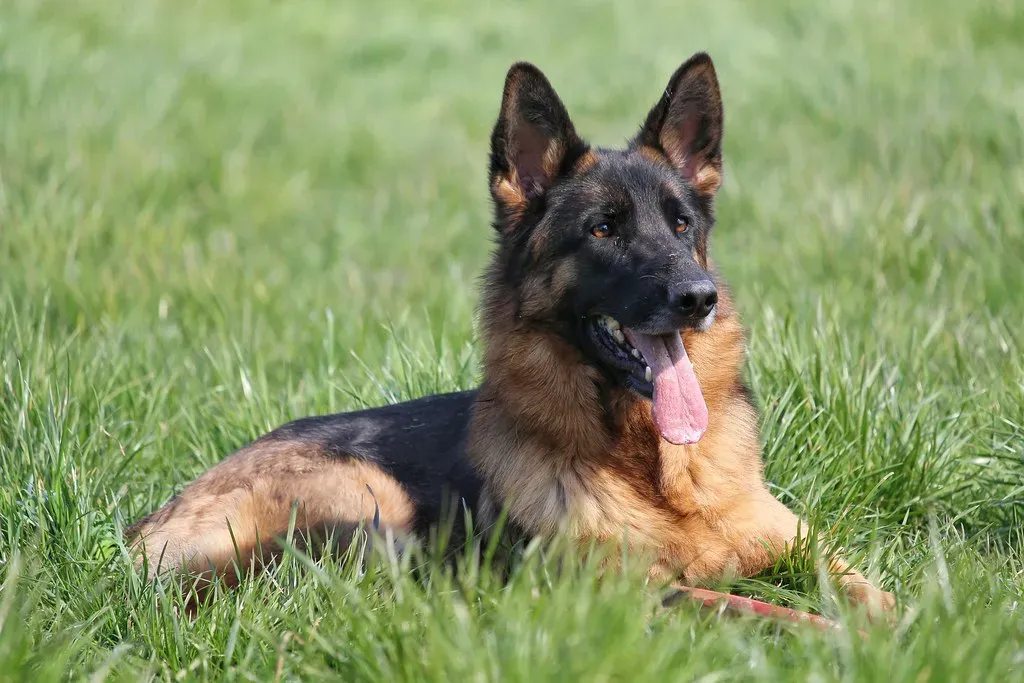
German Shepherds carry the reputation of being tough, capable, and composed – but that image tells only half the story. These dogs are deeply emotional animals that form intense bonds with their people, particularly with one primary handler. When that person walks out the door, the emotional impact can be significant.
What many people don’t know is that German Shepherds are remarkably sensitive. They are quite emotionally tuned in with their families, crave routine and work, and often form an exclusive bond with one handler. These working dogs do best when their environment is physically and mentally stimulating, and left alone and bored, they can become genuinely distressed.
What to watch for: Pacing, door-scratching, and visible apathy when the owner is absent are common signals. Prevention tip: Establish a solid daily routine with structured mental tasks before you leave. Puzzle feeders, frozen Kongs, and even basic scent work exercises can bridge the gap and keep their active minds occupied.
3. Golden Retriever

There is a reason Golden Retrievers are one of the world’s most popular family dogs. Their warmth, their patience, their seemingly endless goodwill toward humans – it’s real, and it runs deep. That same deep sociability, though, is exactly why Golden Retrievers can fall apart when left to their own devices.
Separation anxiety in Golden Retrievers is a prevalent concern among owners of these affectionate breeds. Known for their strong bonds with family members, Golden Retrievers often experience heightened anxiety when left alone, and their social nature means they thrive on companionship and can struggle with feelings of loneliness. Because the breed was created for teamwork, many Goldens feel anxiety when left in silence – and since the dog cannot hunt, swim, or cuddle you, they may invent a new job: redecorating.
What to watch for: Destructive chewing, howling, and attempts to escape. Prevention tip: Mental stimulation is the real secret – scattering food in the garden or loading a frozen Kong keeps brains busy, and when brains are busy, panic takes a back seat.
4. Border Collie
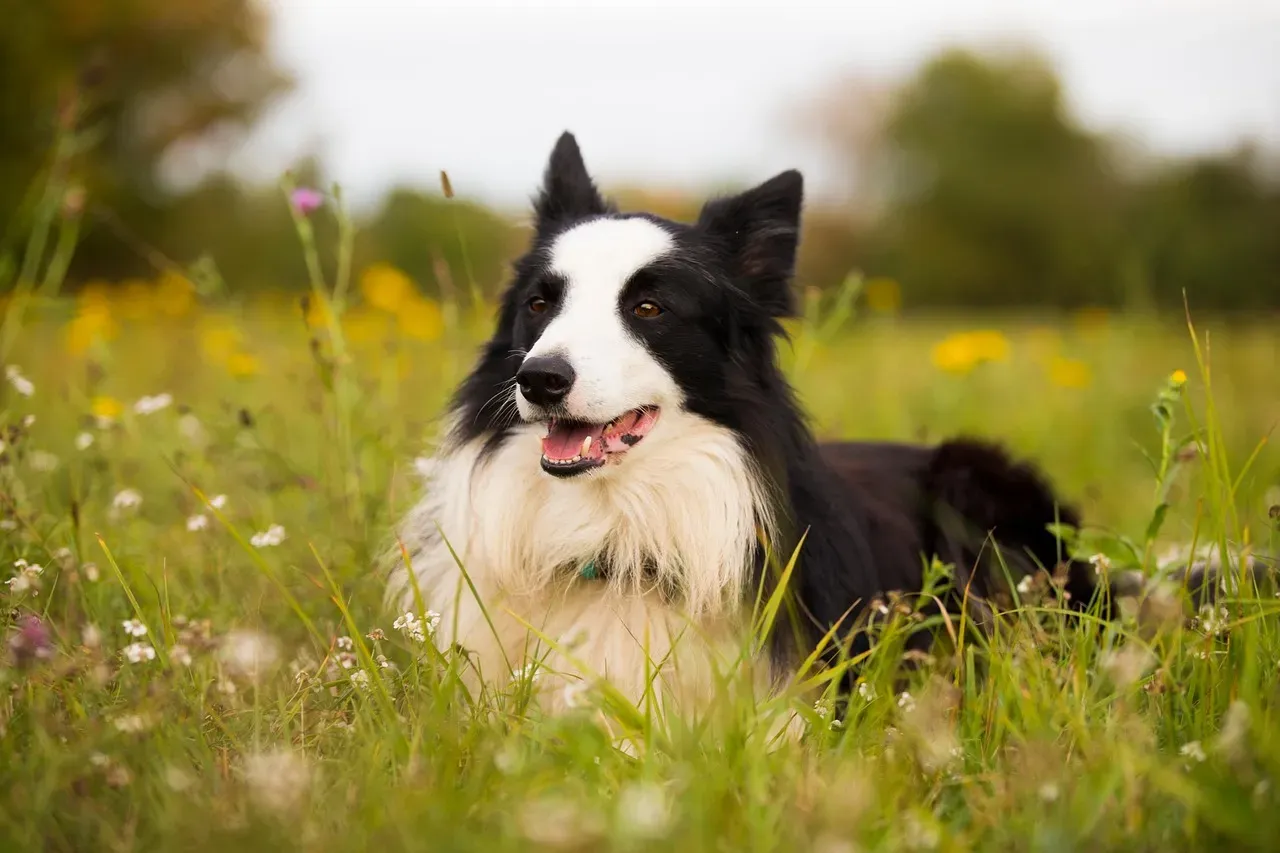
The Border Collie is the most mentally gifted dog on the planet, widely regarded as the Einstein of the canine world. That extraordinary intelligence is a gift – until you leave them alone without enough to do. Then it becomes the source of some genuinely inventive mischief.
Border Collies are extremely intelligent – in fact, they rank at the top for smarts when it comes to dogs. Because of this, they can become bored if they don’t have mental stimulation, such as when you’re away. They are also high-energy dogs that need to be physically stimulated as well, and leaving them alone can lead to boredom, separation anxiety, and destructive behavior.
What to watch for: This breed loves nothing more than solving puzzles or learning new tricks, but when left alone without a “job,” their boredom quickly turns into severe anxiety and destructive behaviors. Prevention tip: A Border Collie that’s been given a solid hour of running and a brain-draining training session before you leave is far more likely to settle. Rotate puzzle toys regularly so the novelty doesn’t wear off.
5. Australian Shepherd
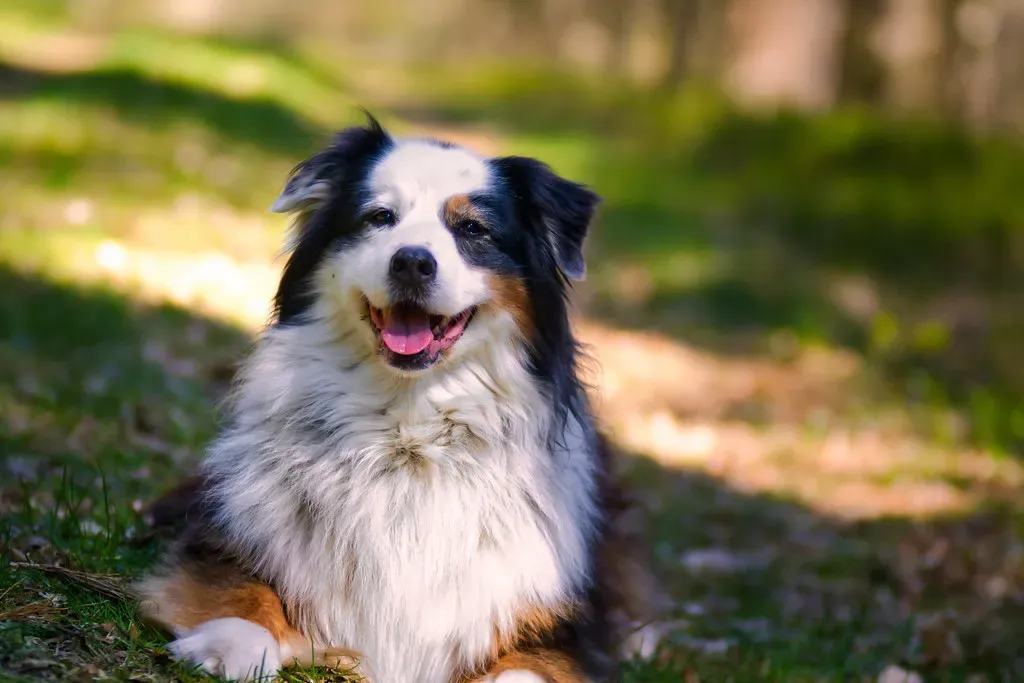
Australian Shepherds were built for work. Herding cattle under intense conditions, responding to every shift in the flock, staying mentally tuned in at all times – this is baked into their DNA. Take away that purpose, confine them to a quiet house, and things can unravel quickly.
An Australian Shepherd is a herding dog similar to a Border Collie and often experiences separation anxiety. This can cause them to become very anxious and destructive when left alone or bored at home for too long – they will bark excessively, chew on furniture, break out of crates, and destroy things in the house because their physical energy levels are high. Similar to other herding breeds, Aussies are designed for constant activity and companionship, they are highly sensitive to their surroundings, and they will typically have a negative response to any break in their daily routine with their owners.
What to watch for: Escape attempts, excessive barking, and repetitive pacing. Prevention tip: The Australian Shepherd is an extremely intelligent dog that loves nothing more than working for you. Easily trained, they are energetic and athletic and need an outlet for that energy – and in severe cases, they can become self-destructive if left alone for too long. Daily off-leash exercise plus a structured “calm before departure” routine makes a measurable difference.
6. Vizsla

If you want a textbook definition of a “Velcro dog,” look no further than the Vizsla. This Hungarian hunting breed doesn’t just love their owners – they need them. Their emotional dependency is not a training failure. It’s a deeply wired characteristic that centuries of selective breeding produced.
Vizslas are renowned for their affectionate nature and strong attachment to their owners, and they are often described as “velcro” dogs due to their tendency to stay close to their human companions. This deep bond means they thrive on close physical contact and continuous interaction, and this strong attachment can lead to separation anxiety when they are left alone. Vizslas tend to be a high anxiety breed because they hate being away from their owners and appreciate a busy, full house.
What to watch for: Incessant barking, aggression, or destructive behavior like tearing up furniture are common distress signals. Prevention tip: Vizslas do best in households where someone is home for most of the day. If that’s not possible, dog daycare or a dog walker mid-day can significantly reduce their distress level. Never underestimate the value of consistent human contact for this breed.
7. Boxer

Boxers are exuberant, clownish, and wildly affectionate – a breed that throws itself into family life with complete abandon. That same full-throttle engagement with the people they love means that an empty house hits them hard. Boxers don’t do neutral. They’re either all in or in crisis.
Boxers thrive on human company, and if they are alone or get bored, they can develop problematic habits such as chewing furniture and nuisance barking. This breed is also prone to claustrophobia, so it’s important to give your Boxer plenty of space so they don’t feel confined – though not so much room that they pace the whole house looking for their humans.
What to watch for: Frantic barking, chewed items, and restless pacing. Prevention tip: With plenty of exercise when you’re home, a Boxer may be able to spend a few hours alone, but you should limit those stretches and give them plenty of attention when you return to make up for the time away. Structured pre-departure walks and a calm, low-key exit routine help set a steady tone.
8. Weimaraner

Weimaraners are the kind of dog that follows you to the bathroom without hesitation. That’s not an exaggeration – it’s just Tuesday for a Weim owner. This breed bonds with a ferocity that is hard to overstate, and their attachment to their humans shapes nearly every aspect of how they behave when left alone.
The Weimaraner is a German dog with a history steeped in hunting and retrieving. This breed is high-energy, high-drive, and high-maintenance when it comes to attention and exercise. Weimaraners are also called “Velcro dogs” because they’re deeply bonded to their humans – they’ll follow you from the couch to the kitchen to the bathroom, and that loyalty comes with a cost: separation anxiety is common. Boredom can lead to destructive behavior like chewing, digging, or barking at absolutely nothing. They’re highly intelligent and trainable, but they need structure, variety, and lots of mental stimulation – a bored Weimaraner is a chaotic Weimaraner.
What to watch for: Destructive chewing, digging, incessant barking, and even attempts to break out of enclosed spaces. Prevention tip: Weimaraners are not suited for first-time dog owners. If you own one, invest in a thorough daily exercise routine and seek professional guidance for any persistent anxiety behaviors. Consistency is everything with this breed.
9. Siberian Husky
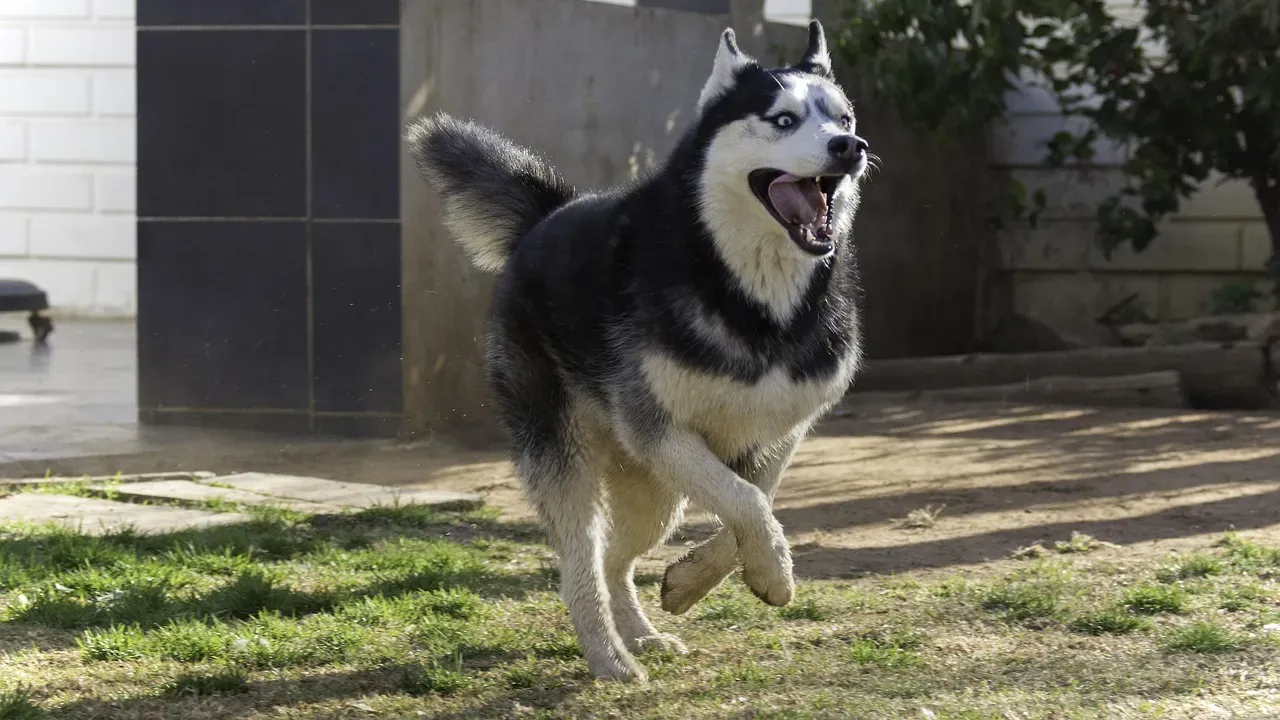
Siberian Huskies are built for pack life. Bred to run long distances alongside other dogs and humans, they are fundamentally social animals. Alone time conflicts with everything their instincts tell them is normal, and the results can be spectacularly loud.
Huskies are known for their high energy and for being extremely social dogs that love being in packs. While they are not necessarily prone to classic separation anxiety as a primary trait, because of their strong need to be in a pack and their high energy levels, they are highly prone to being destructive if left alone for long periods. Siberian Huskies don’t handle being left alone with nothing to do – particularly if their energy needs for the day have not been met – and because they have been bred as pack animals, isolation is genuinely hard for them to cope with.
What to watch for: Howling (that famously operatic Husky howl), destructive chewing, escape attempts, and shredded anything. Prevention tip: If your Husky is being destructive when left alone, it’s time to increase the amount of physical activity and exercise they get, as well as their social interaction or playtime with other dogs. A second dog for company, combined with a solid exercise routine, can transform a chaotic Husky into a manageable one.
10. Dalmatian
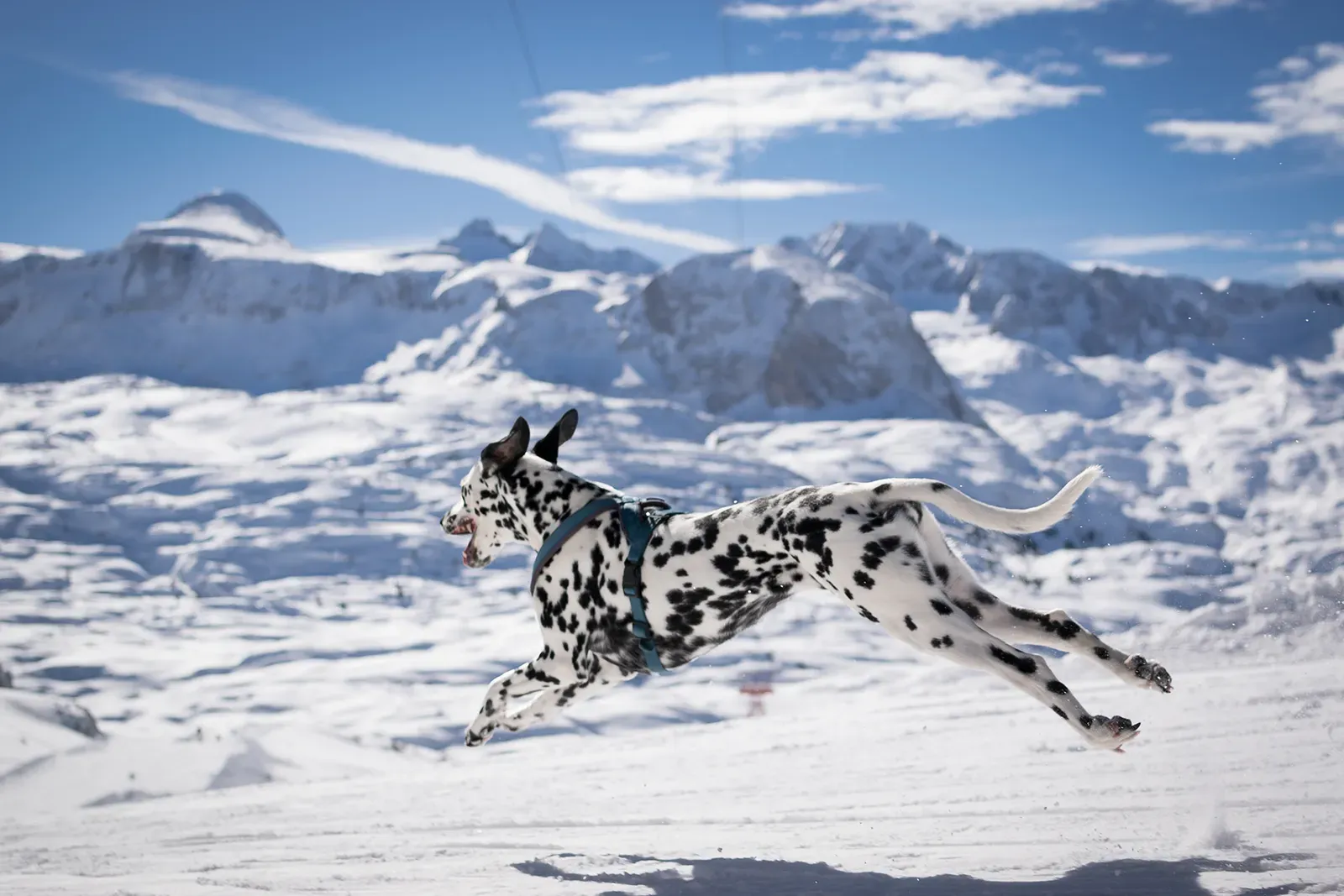
Dalmatians are striking, athletic, and deeply people-oriented dogs. They are a breed that genuinely wants to be part of everything you do, and the moment you step out of the equation, they feel it intensely. Their energy is not just physical – it’s emotional, and it needs an outlet.
Dalmatians typically hate being left alone. They are very people-oriented and want you by their side. When you leave, they find the experience genuinely stressful, and they may resort to destruction or even try to escape to find you. Their high physical drive compounds the problem – a Dalmatian with unspent energy and no company is a combination that households quickly learn to respect.
What to watch for: Frantic energy on your return, destroyed items, and evidence of attempted escape. Prevention tip: Dalmatians need serious daily exercise – not just a quick walk around the block. Long runs, active play, and solid pre-departure routines help enormously. Training paired with puzzle toys, calming supplements, pheromone diffusers, and anxiety wraps can all help support a calmer, more settled demeanor during alone time.
What Every Owner of These Breeds Should Know
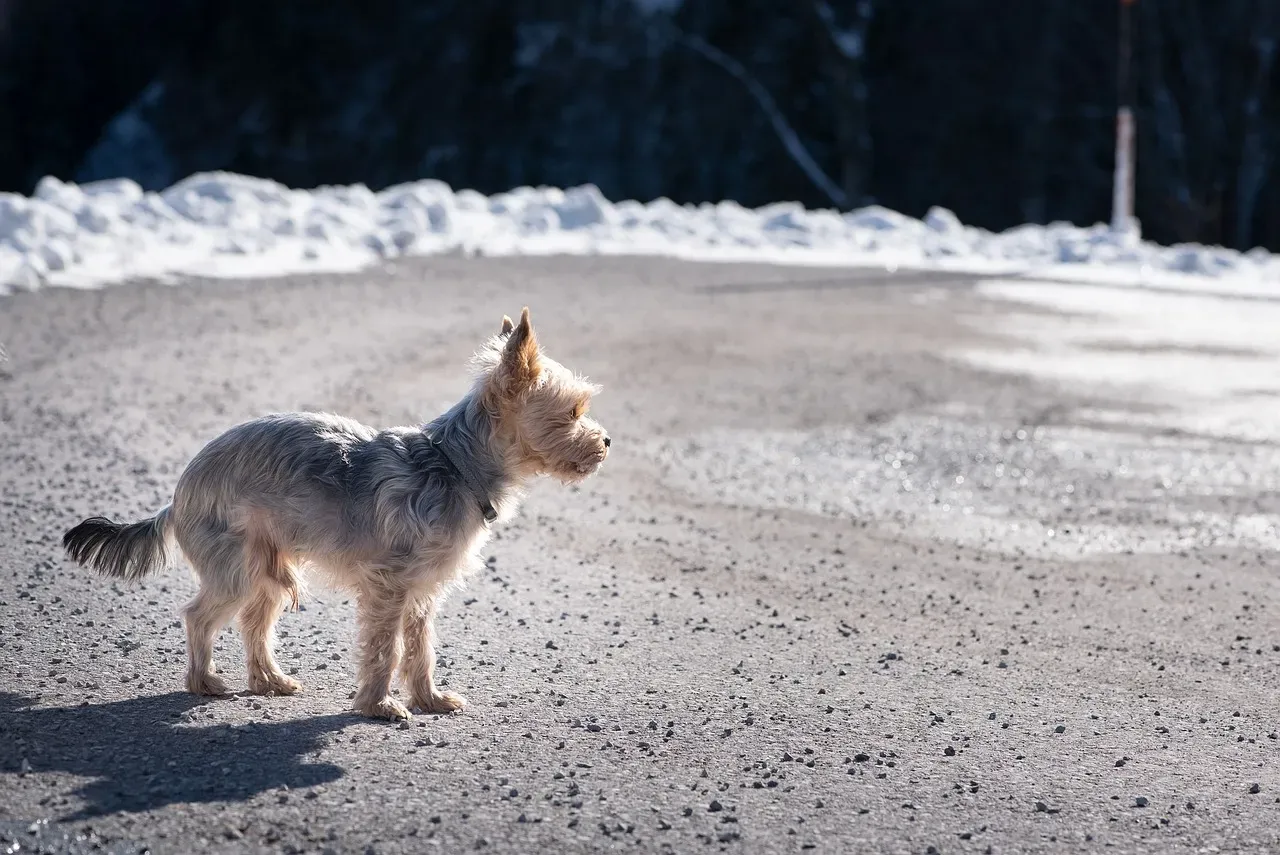
Understanding why your dog struggles is the first step toward genuinely helping them. When a dog is highly attached, their entire sense of security is tied to the physical presence of their owner, and the resulting panic is a physiological response, not a behavioral choice. That shift in perspective changes everything – it replaces frustration with empathy.
Dog breeds show large differences in the prevalence of anxiety-related traits, suggesting a strong genetic contribution, and selective breeding focusing on behavior may help reduce the prevalence of canine anxieties over time. Anxious animals may suffer from chronic stress, so modified care and attention to these needs can meaningfully improve the welfare of companion dogs.
Early independence practice helps enormously: short alone sessions, calm routines, and rewarding relaxation can prevent future issues from taking hold. And if things feel beyond your control, there’s no shame in reaching out. Offering mental and physical stimulation, using positive reinforcement, and gradually getting your dog used to being alone can ease anxiety – and consulting a veterinarian or dog behaviorist may be necessary in more severe cases.
Conclusion

Living with a large, emotionally dependent dog is not always easy. There are chewed cushions, sleepless neighbors, and plenty of guilt-ridden mornings. Still, if your dog makes a production out of every goodbye, it’s worth remembering what that actually means: they love you, completely and without reservation.
The breeds on this list aren’t broken. They’re not badly behaved by design. They’re dogs whose entire emotional architecture was built around human partnership, and they feel your absence the way you might feel a sudden power cut – disorienting and uncomfortable. With the right routines, enough exercise, and a little patience, most of these dogs can learn that being alone is safe.
The effort you put in now pays off in a calmer dog, a quieter house, and a bond that’s stronger for having been tested. That, honestly, is worth every chewed chair leg along the way.


