

You did your research. You scrolled through breed guides, watched YouTube videos, maybe even took one of those “Which dog is right for you?” quizzes. You picked a breed that seemed like the obvious match. Friendly, manageable, gorgeous. What could go wrong?
Turns out, quite a bit. Not because the breed is bad, but because what most people learn about dog breeds skims the surface in ways that actually set owners and dogs up for frustration. The gap between the polished breed profile and the real, living, sometimes-chewing-your-couch dog is wider than most people expect.
This article is for every dog lover who wants to go deeper. Whether you’re considering a new pup, already deep in your canine relationship, or just endlessly fascinated by these animals, there’s something here worth knowing.
Breed Doesn’t Predict Your Dog’s Personality Nearly As Much As You Think

Most of us grew up with the assumption that buying or adopting a specific breed more or less guaranteed a specific kind of dog. A Golden Retriever would be endlessly social and gentle. A Border Collie would be brilliant but intense. A Rottweiler? Better be careful. Dog enthusiasts have long assumed that a dog’s breed shapes its temperament, but a sweeping study comparing the behavior and ancestry of more than 18,000 dogs found that although ancestry does affect behavior, breed has much less to do with a dog’s personality than is generally supposed.
A groundbreaking study in the Science journal showed that merely nine percent of canine behavior can be traced back to breed. That’s a humbling number. It means the other roughly ninety percent of your dog’s character comes from upbringing, environment, early experiences, and individual personality. A dog’s overall life experience is a better predictor of the way they’ll interact with the world around them than what their breed standard says.
It’s important to recognize that the American Kennel Club’s breed personality descriptions describe the idealized dog of that breed, not a guarantee. So if your Labrador is nervous around strangers or your Beagle is unusually calm, that’s not a defect. That’s just your dog being a dog. Understanding this is one of the most freeing things you can accept as an owner.
Early Socialization Shapes Who Your Dog Becomes More Than Bloodlines Ever Will

Poorly socialized dogs tend to score higher in insecurity and aggressiveness, and lower in training focus, dog sociability, and human sociability than well-socialized dogs. This holds true regardless of breed. A well-bred dog raised in isolation will struggle. A rescue from a rough start, given consistent exposure and patience, can thrive beyond what anyone expected.
Factors that can impact the way a dog’s behavior develops include maternal influence, since a mother dog’s behavior during weaning can affect a puppy’s willingness to interact with people, and the amount and quality of early socialization, as puppies raised without frequent positive exposures to novel sights, sounds, locations, and beings might be less confident, easily startled, and slower to recover from stress. This is the window most people don’t realize they’re rushing past.
What does this mean practically? If you’re bringing home a puppy, the weeks between eight and sixteen weeks old are precious. Expose them to children, umbrellas, different floor textures, traffic sounds, and other animals, all calmly and positively. Identifying breeds prone to separation anxiety can help you tailor their training and support from very early on. Don’t wait for a problem to appear before you build the foundation.
Hidden Health Risks That Breed Guides Rarely Emphasize Enough

The adorable Dachshund is one of the most popular breeds in the world. What the glossy profiles often underplay is what that iconic silhouette actually costs the dog. The Dachshund’s elongated body and short legs create a high risk of intervertebral disc disease, with approximately one in four Dachshunds experiencing some form of back problem during their lifetime. High impact activities like jumping or flyball can put strain on the backs of these uniquely shaped dogs, but swimming and walking help promote good posture to support their backs.
It doesn’t stop there. Herding breeds, including Collies, Australian Shepherds, and Shetland Sheepdogs, may carry the MDR1 gene mutation, which dramatically affects how they metabolize certain medications, and dogs with this mutation can experience severe, potentially fatal reactions to commonly used drugs like ivermectin, loperamide, and some anesthetics. Many owners have no idea this mutation exists until their dog is already in a vet’s office.
One of the leading causes of death for Cavalier King Charles Spaniels is various heart conditions caused by their genetics, with their rate of heart conditions being more than twenty times that of other breeds, and they also suffer from issues stemming from a brain that is physically too large for their skull. These aren’t obscure conditions. They’re well-documented realities that every owner of these breeds deserves to know about upfront, not after a frightening vet visit.
The “Dangerous Breed” Myth Is Costing Dogs Their Lives
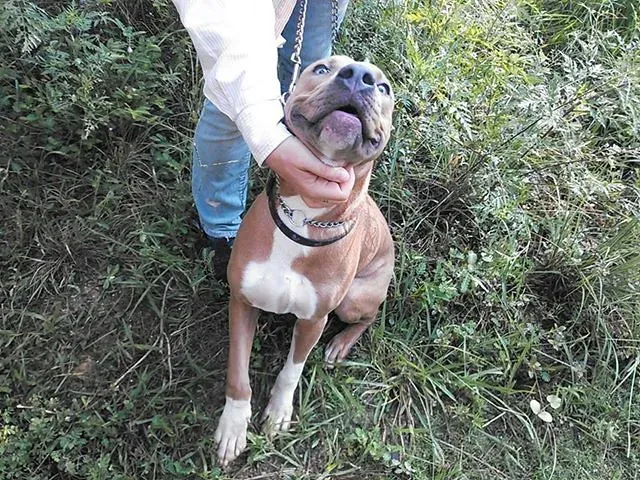
One prevalent but damaging misconception is that certain breeds, including American Pit Bull Terriers and other “bully breeds,” are aggressive by nature. In reality, a dog’s behavior is shaped far more by environment, training, early experiences, and individual personality than by breed alone. The science has been consistent on this for years. The stereotypes have simply been louder.
Pit bulls, frequently subjected to breed-specific legislation due to these stereotypes, have been found to be among the more human-sociable breeds when raised in loving, stress-free environments. American Pit Bull Terriers and American Staffordshire Terriers tend to be very people-pleasing if raised in a loving home and tolerate children’s rough play very well. In fact, they used to be known as “nanny dogs” due to their love of kids.
Meanwhile, even the friendliest breeds can exhibit aggressive behavior if they are not properly trained, socialized, and fed. Behavior issues don’t come with a breed. They come with neglect, fear, pain, or a lack of guidance. Legislation based on breed stereotypes, such as breed-specific bans, fails to recognize that aggression in dogs is not breed-specific but can be influenced by a variety of factors, including the environment in which they are raised and their treatment by humans. Judging a dog by its breed alone is no fairer than judging a person by their background.
What “High-Energy” and “Intelligent” Breeds Actually Need From You
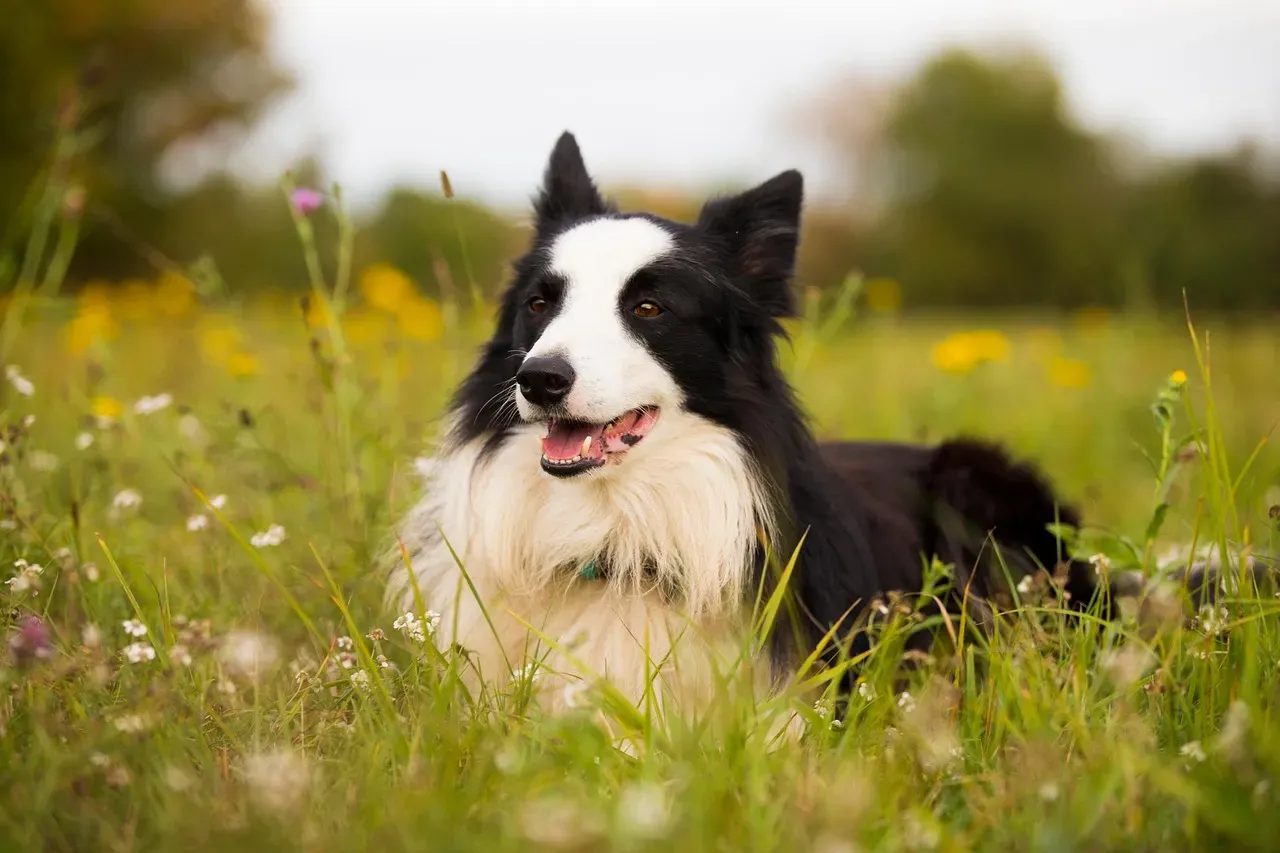
People see a Border Collie and think: smart, agile, manageable with daily walks. What they often don’t anticipate is that this is a breed built to work for hours, make decisions independently, and problem-solve under pressure. Border Collies and Australian Shepherds aren’t unsuitable for family life. In fact, these herding breeds often excel when given a purpose, like daily training, fetch, agility sports, or even learning household routines. The key word there is “purpose.”
Without meaningful outlets, intelligent dogs become creative in ways their owners rarely appreciate. Puzzle toys, scent games, and play sessions help keep their active minds and bodies engaged. Without enrichment, they may resort to unwanted behaviors like barking or chewing. A bored Border Collie will redesign your garden. A Dachshund left alone too long will find ways to make their frustration known. Many people mistakenly choose a small dog because they think they don’t need much exercise. Dachshunds were bred as hunting dogs so they have plenty of energy and stamina, and while they can adjust to a more sedentary lifestyle, they need plenty of exercise to keep them happy, healthy, and at a proper weight.
The honest question to ask before bringing home any high-drive breed isn’t “Can I handle this dog?” It’s “Can I actually meet this dog’s needs every single day?” Understanding your dog’s breed background gives you insight into their instincts, energy level, health needs, and preferences. That understanding isn’t a warning label. It’s a map that lets you build a genuinely fulfilling life together.
Conclusion: Know Your Dog, Not Just Their Breed

The breed is a starting point, never a finished portrait. Every dog is an individual. Their upbringing, experiences, and personality matter just as much as, or more than, their breed. The more you lean into that truth, the better a partner you become for the animal actually in front of you, not the idealized version from the breed pamphlet.
Watch your dog. Notice what makes them anxious, what lights them up, what health patterns are worth tracking early. Separating fact from fiction can help you to get to know your dog, strengthen your bond, and keep them healthy. That’s really what all of this comes down to.
The “perfect” dog breed was never a guarantee. Your dog, the actual one with their quirks and preferences and medical history, is the real story. Learning to read that story clearly is one of the most loving things you can do.


