
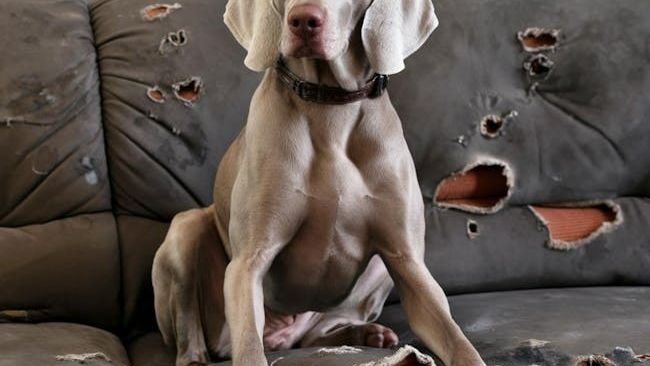
Picture this: you reach for your keys, and suddenly your dog is glued to your side, eyes wide and tail low. That familiar shadow isn’t coincidence. Dogs have an uncanny knack for reading our pre-departure signals, often starting their worry before the door even clicks shut.
We’ve all felt that pang when they pace or whine as we grab our coat. This anticipatory anxiety stems from their deep bond with us, mixed with sharp senses honed over thousands of years. Understanding it helps us support them better, turning those tough goodbyes into calmer moments.
How Dogs Detect Your Departure Signals
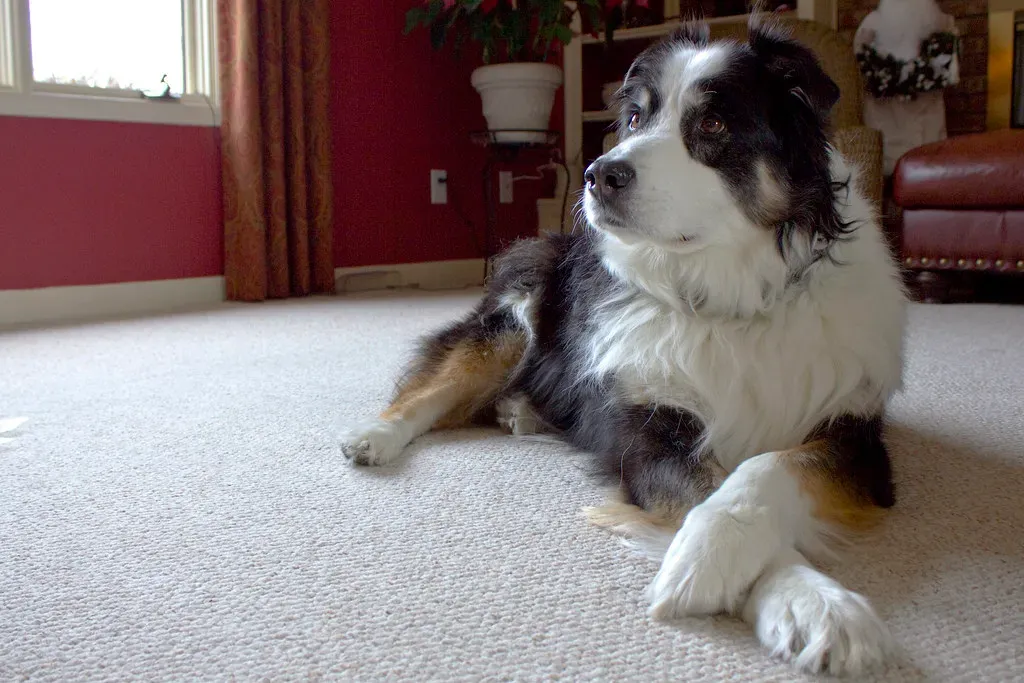
Dogs notice everyday actions we barely think about, like jingling keys or slipping on shoes.[1][2] These cues become predictors of alone time in their minds. Picture your pup tensing up the second you grab your purse; it’s their way of bracing for change.
Routines play a huge role too. They link morning coffee to your workday exit or evening walks to bedtime. Over time, these patterns wire their brains to anticipate separation, sparking that early stress response.[3]
The Science of Anticipatory Anxiety
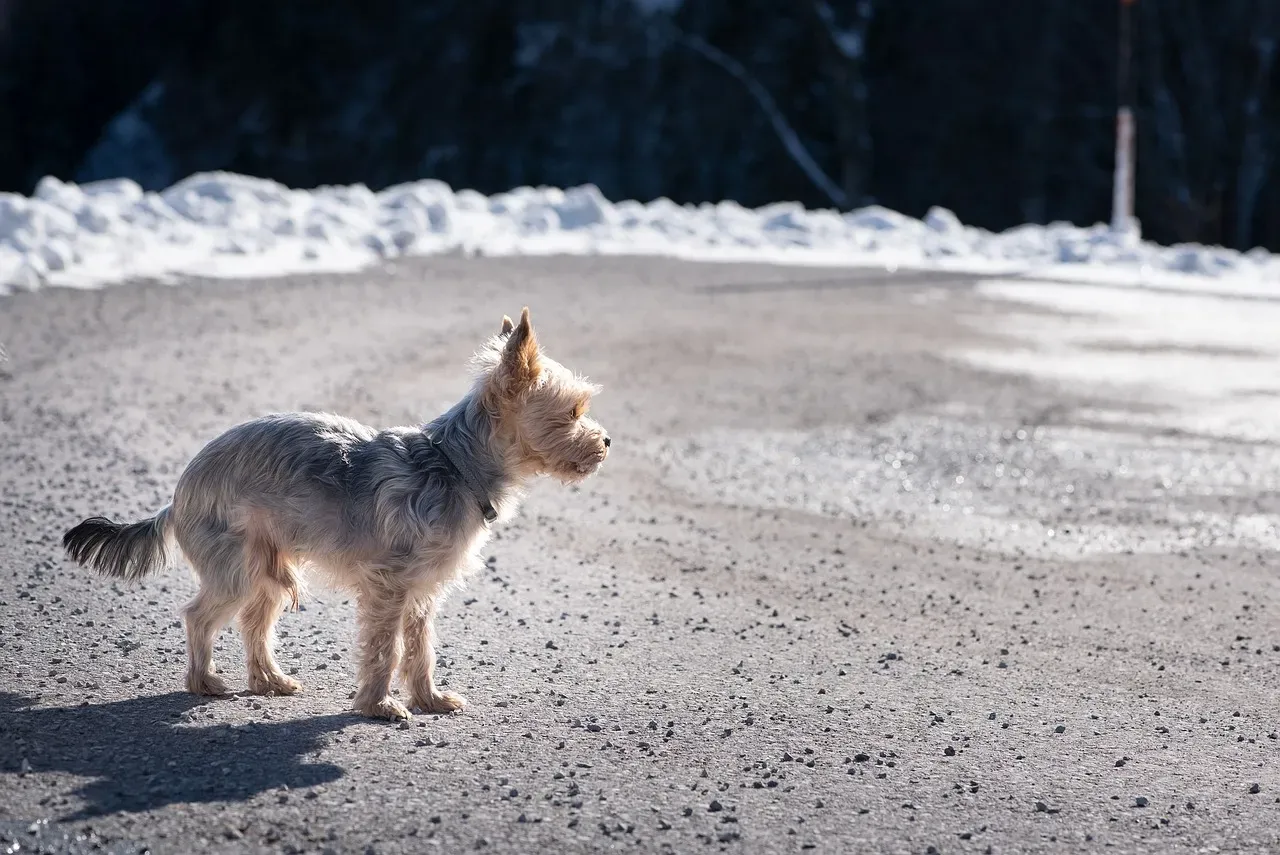
Research shows dogs ramp up stress hormones before you leave, not after. Heart rates climb and cortisol surges as they sense the shift.[4] Studies from decades ago confirmed this, with pups showing anxiety signs well before the door closes.[5]
It’s tied to their pack instincts. Being social animals, solitude feels risky, especially if past absences led to distress. This preemptive worry helps explain why some dogs pace rooms or shadow you relentlessly right before you go.
Key Behaviors That Signal Their Worry
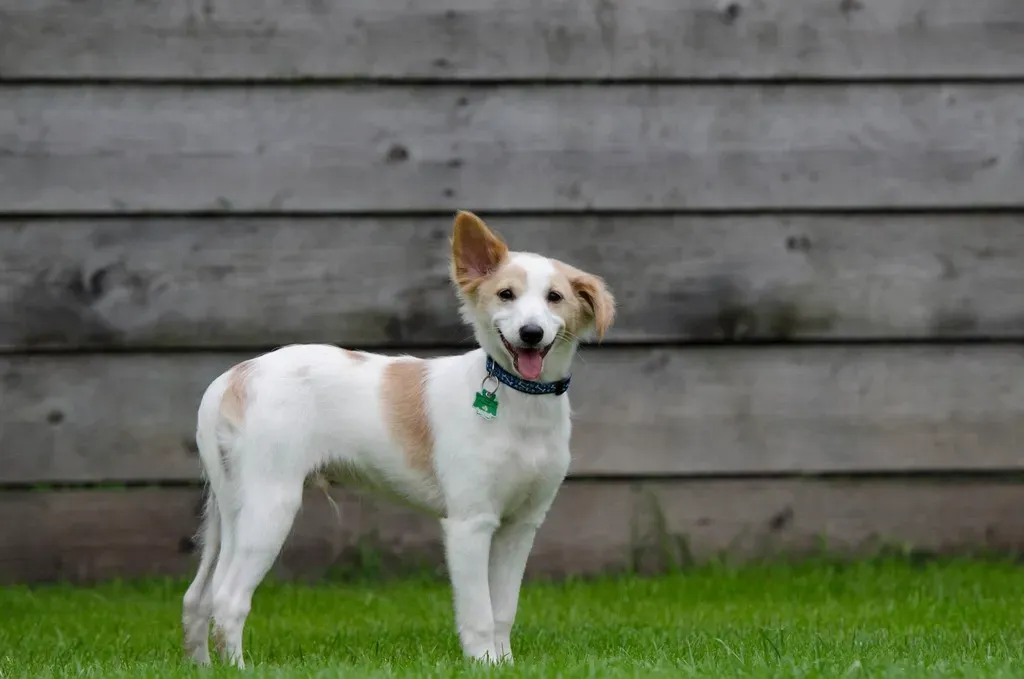
Watch for clinginess as you prep to leave; they might follow from room to room or paw at your legs. Whining, panting, or drooling often kicks in too, clear markers of building tension.[6][7] These aren’t bids for attention but genuine fear cues.
Subtler signs include pacing near the door or sudden hyperactivity. If they refuse treats or seem distracted, anxiety is likely brewing. Spotting these early lets you intervene before full meltdown.
Scent and Patterns: Their Prediction Tools
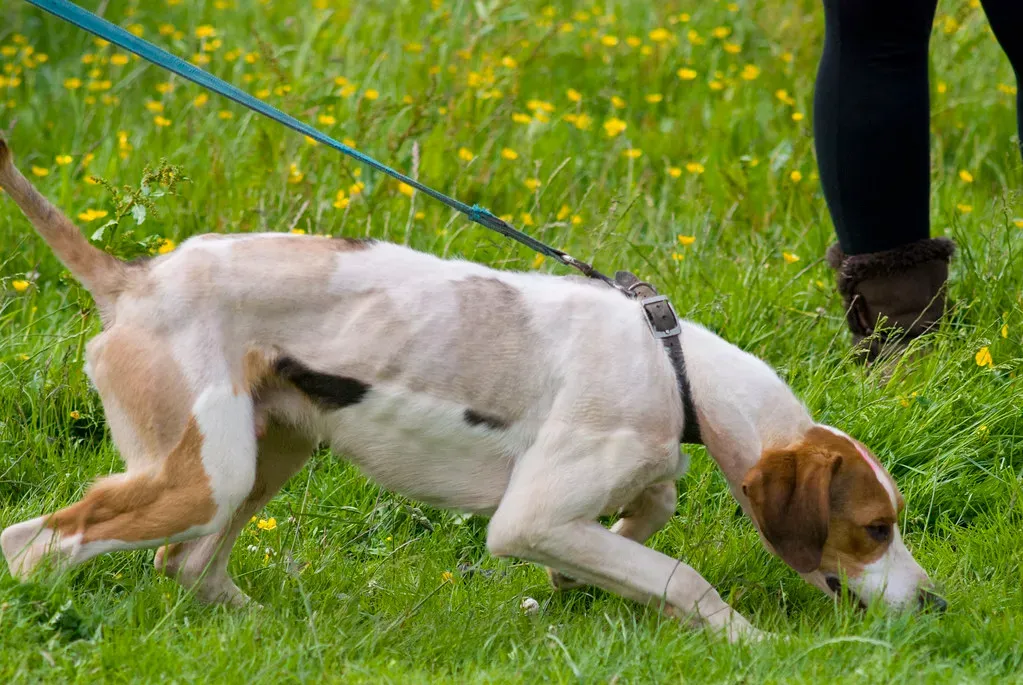
Dogs track your scent fading through the house to guess return times. As it dissipates predictably each day, they perk up near homecoming.[8][9] They even smell your stress, which amps their own unease.[10]
Daily rhythms reinforce this. Circadian cues like light shifts or meal times help them forecast your moves. No wonder they glue themselves to you at routine exit times; it’s all calculated in their super-sniffer brains.
Practical Steps to Ease the Pre-Leave Jitters
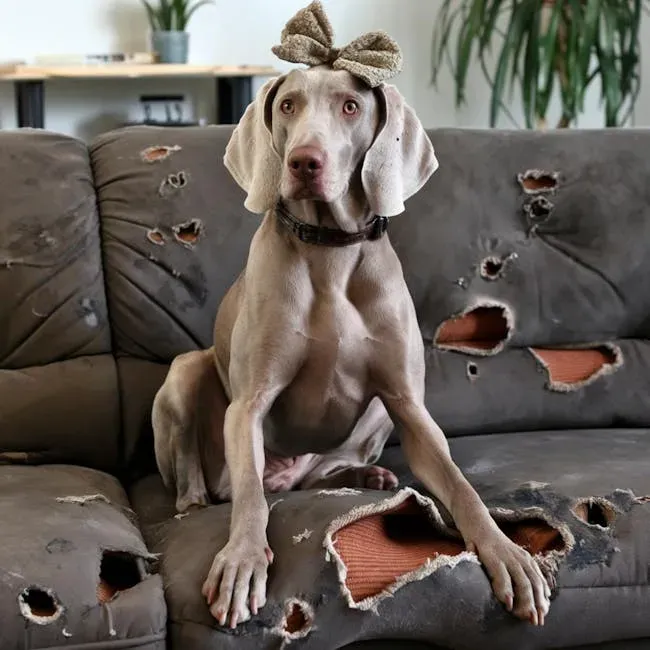
Start with exercise right before you go, like a brisk walk to tire them out.[11] Desensitize cues by grabbing keys for playtime instead of leaving. Puzzle toys stuffed with treats distract and build positive links.
Practice short absences gradually, keeping hellos low-key. Calm routines signal safety. If severe, chat with a vet about aids, but consistency often turns the tide for most pups.
Wrapping Up: Building Stronger Bonds
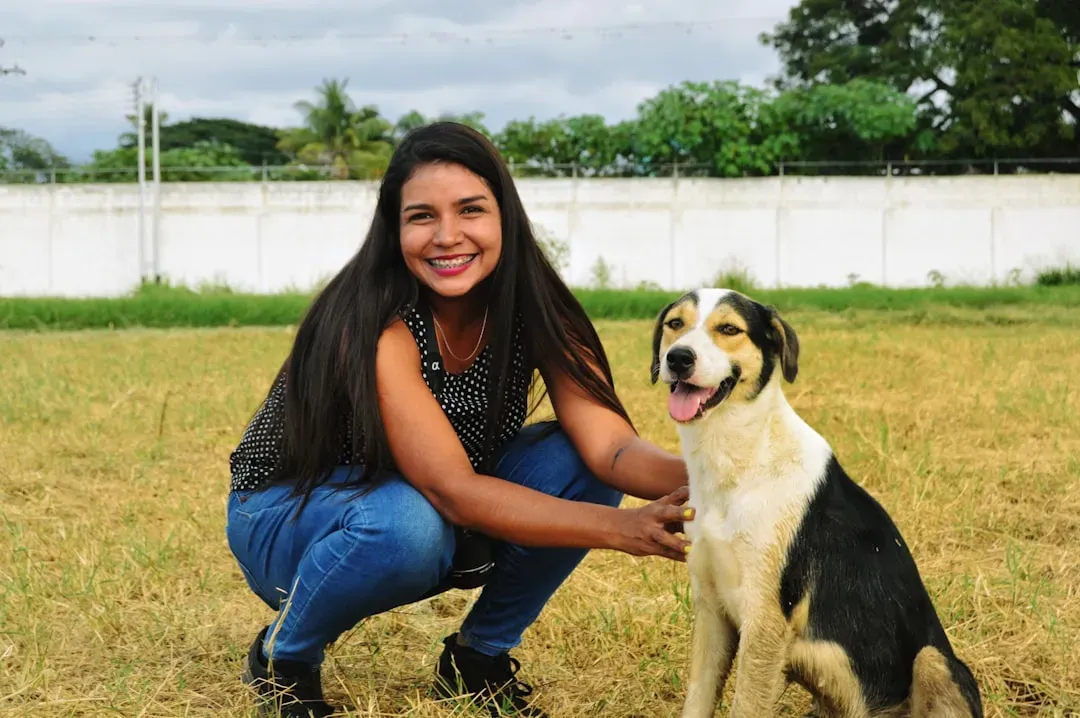
Your dog’s radar for your exits shows just how tuned in they are to you. With empathy and tweaks, those anxious moments fade, letting both of you breathe easier.
Next time you spot that telltale shadow, you’ve got tools to help. Stronger trust means happier tails, even when life’s pulls you away. Keep observing, keep caring, and watch your bond deepen.


