
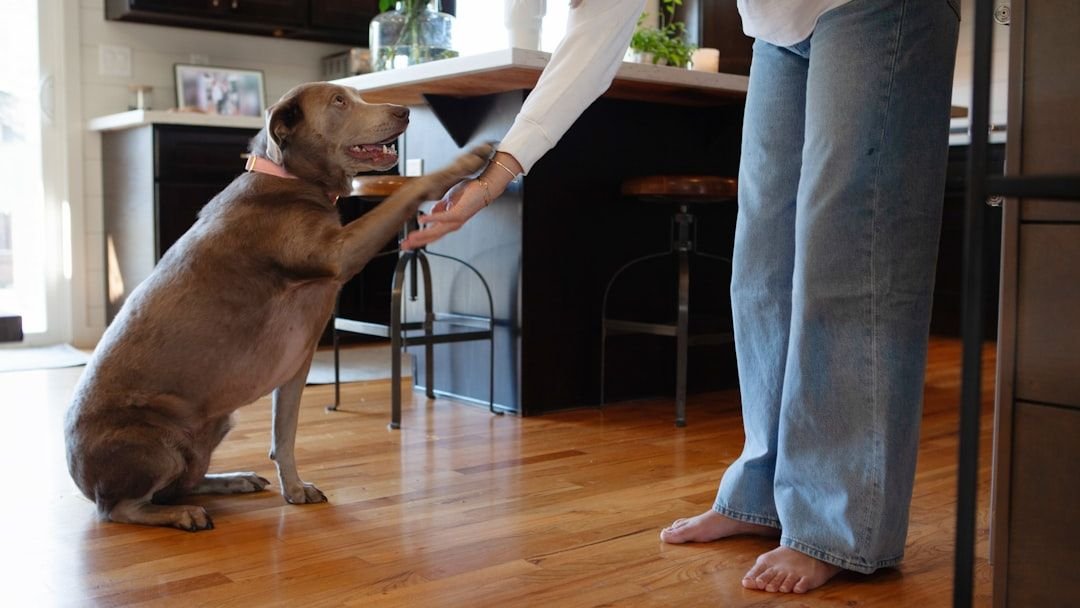
Dogs are deeply feeling creatures. They don’t have the words to say “I’m conflicted right now” or “something here doesn’t feel right,” but they say it anyway. Every twitch, yawn, freeze, or sudden sprint tells a story. The challenge is that so many of those stories get misread.
While dogs don’t experience emotions in exactly the same way humans do, research tells us that dogs absolutely do have feelings. What’s less obvious is how those feelings look when they’re tangled up together. Emotional confusion in dogs isn’t some rare condition. It happens on walks, during training, at social gatherings, and even in the quiet of your living room. Understanding the signs makes you a better companion, a clearer communicator, and quite honestly, the kind of dog owner your dog truly deserves.
1. The Signature Head Tilt

It’s one of the most endearing things a dog does, and yes, there’s real meaning behind it. The head tilt is a genuine sign of confusion. Experts don’t know definitively whether a dog is trying to understand language, hear a sound more clearly, or see something better. Regardless, a dog with a tilting head is actively trying to resolve something that has them stumped.
You’ll notice the head tilt most during conflicting commands, unfamiliar sounds, or situations where your dog clearly senses something is off but can’t quite identify it. It’s their version of a raised eyebrow. The tilt itself is harmless, but it’s worth pausing when you see it. Your dog is working hard to make sense of what’s happening around them, and a little patience from you goes a long way.
2. Excessive Lip Licking and Mouth Movements

Lip licking is frequently misinterpreted. Just like people lick their lips after a good meal, dogs do too. However, they’ll also do it when feeling anxious. Sometimes the tongue flick is so quick it’s tricky to notice. It’s not a signal that your dog wants to lick your face. It’s a sign of discomfort with a given situation.
Research has shown that mouth licking is exhibited significantly more towards human faces showing negative emotional expression compared with happy faces. These findings suggest that dogs have a functional understanding of emotional expressions. So when your dog starts licking their lips while you’re tense or arguing, they’re not just being weird. They’re reading you, feeling the weight of the emotional atmosphere, and trying to self-soothe. It’s one of the quieter distress signals, easy to miss until you know what to look for.
3. Sudden Yawning at Odd Moments

If your dog yawns excessively, especially in situations where they’re not tired, it could be a calming signal. Dogs yawn to self-soothe during moments of uncertainty, nervousness, or conflict. It’s worth paying attention to when the yawns happen: during car rides, vet visits, or when strangers enter the house. That might be stress talking.
Yawning is often a sign of stress in dogs, not just tiredness. Think of it as their built-in pressure valve. When a dog feels pulled in two emotional directions, yawning is one of the ways they try to reset. It can also serve as a social signal to other dogs or humans, essentially communicating “I mean no harm, I’m just not sure about this.” If you see clusters of yawning alongside other tense body language, take it seriously and give your dog some room to breathe.
4. Displacement Behaviors: Scratching, Sniffing, and Sudden Grooming

Displacement behavior in dogs refers to normal actions that occur out of context, particularly during moments of emotional conflict or stress. These behaviors act as coping mechanisms, helping dogs self-soothe when they feel overwhelmed or unsure about how to respond to a given situation. As pet owners, it’s crucial to recognize that these behaviors are not signs of disobedience or stubbornness; rather, they are indications that your dog is navigating their emotional landscape.
Random, intense scratching can be a displacement behavior, not just an itch. Dogs sometimes scratch when feeling conflicted, like during awkward greetings or tense training moments. It is a pressure release that looks normal but signals discomfort. Similarly, sudden ground sniffing in the middle of a charged moment, or a dog that starts grooming itself mid-training session, are worth noting. Rule out physical causes first, then look at the emotional context. These behaviors are often the clearest early warning signs that a dog is feeling emotionally overwhelmed.
5. Mixed Signals: Wagging Tail With Tense Body
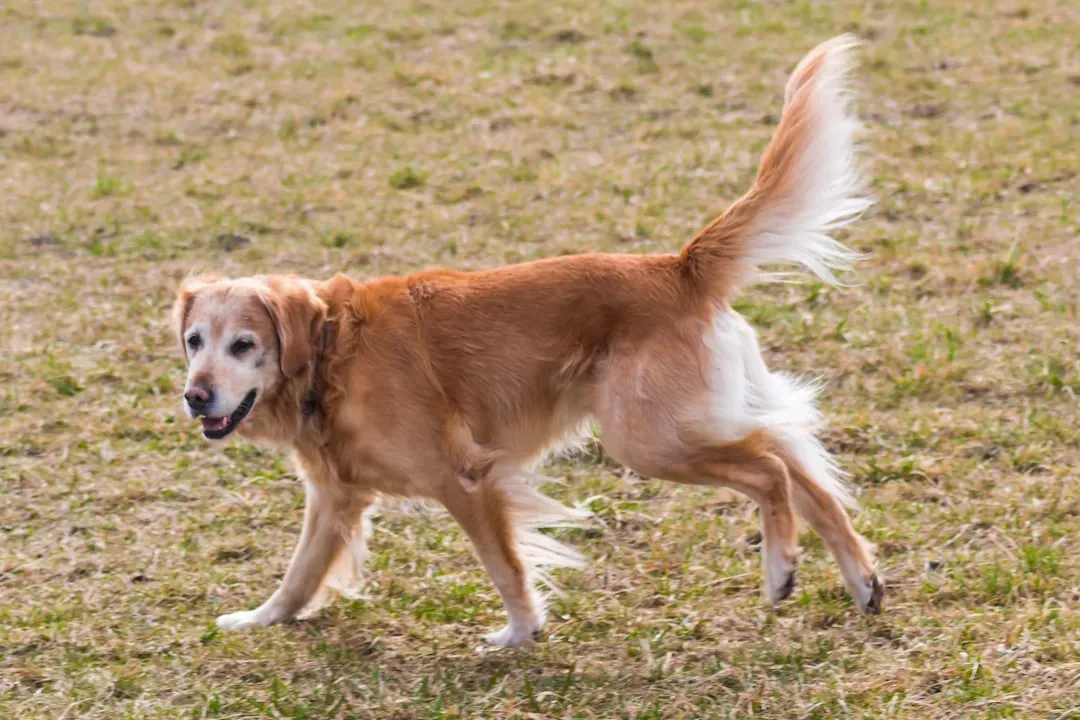
Interpreting mixed signals from dogs requires a nuanced understanding of canine communication. A dog wagging its tail while growling is a classic example of seemingly contradictory behavior. This combination might indicate nervousness or conflicted feelings, where a dog is experiencing both a positive stimulus and a negative or threatening situation simultaneously.
All a wagging tail means is that the dog is emotionally aroused. Arousal can be joyful, fearful, or something blurry in between. To interpret the dog’s emotions and intentions, look at the speed and direction of the wag, as well as the position of the tail. Basically, the faster the wag, the more aroused the dog. A stiff, high-speed wag paired with a rigid body is not a happy dog greeting you. It’s a dog caught between impulses and not sure which one to follow. Approach these situations slowly and with calm energy.
6. Freezing or Going Completely Still

A dog that suddenly becomes very still, especially in a tense situation, may be preparing to react. This stillness can precede either flight or fight responses. When a dog freezes mid-interaction, it’s often misread as the dog being “well-behaved” or calm. In reality, it can be one of the most urgent communication attempts in their repertoire. The body stops because the mind is scrambling to process competing emotions.
You’ll see this during vet visits, when being approached by an unfamiliar dog, or when a child gets too close too fast. It’s important to know that dogs will exhibit signs of stress or discomfort long before resorting to typical aggressive behaviors like growling or biting. Watch your dog closely and try to identify early warning signs to help avoid unnecessary negative interactions. A freeze is one of those early signs. Respect it. Step in, create distance, and give your dog a way out before the situation escalates.
7. Stress Zoomies: The Frantic, Tense Kind
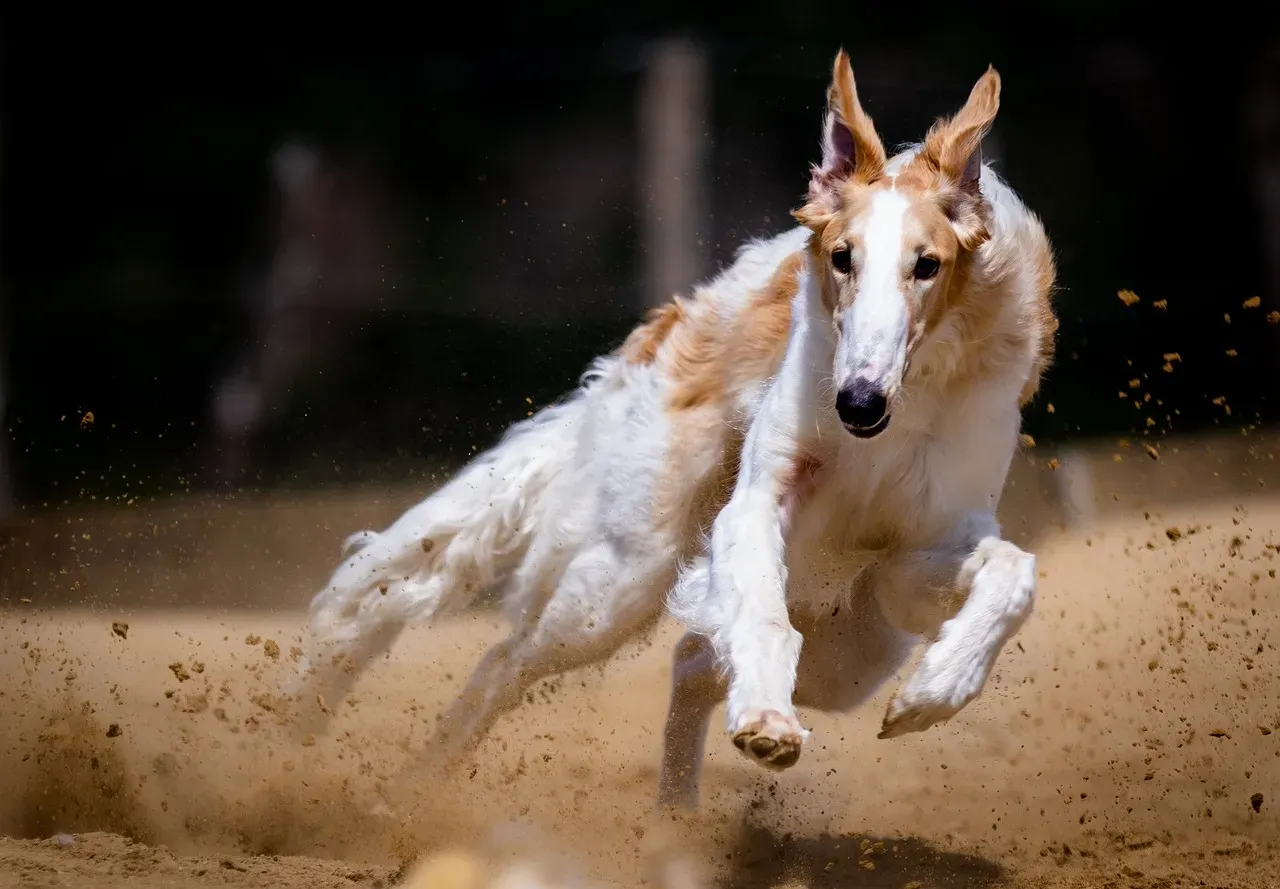
Dogs can use zoomies as a way to alleviate tension, just as humans have various methods to relieve stress. This might seem counterintuitive, but releasing energy in a physical way can be a form of stress relief. Situations that may cause stress can lead to a zoomie session as a way to shake it off. Most of the time, zoomies are perfectly normal and even joyful. The key is knowing when they’re not.
Zoomies triggered by stress may look slightly different from dogs that have zoomies because of excitement. They may be accompanied by barking or whining, and most dogs will have nervous energy about them. A stressed dog will be more tense and wide-eyed, and its tail will stay low and tucked even when stopping or pausing. If your dog’s zoomies feel frantic rather than joyful, consider what just happened before they started running. A stressful grooming session, an unfamiliar visitor, or a tense household atmosphere can all trigger emotional release through chaotic movement.
8. Avoiding Eye Contact and Turning Away

Avoiding eye contact can seem polite, but it often communicates discomfort. Dogs use gaze aversion to de-escalate. You might notice it during scolding, crowded spaces, or when a stranger leans in too close. This is one of the more misunderstood signals. Humans often interpret a dog looking away as guilt or indifference, when in reality it’s a deliberate attempt to reduce the emotional charge in the room.
When you misinterpret this fear-based response as guilt, you damage your relationship because your nervous dog is expressing anxiety while you believe they “know what they did.” That’s a significant miscommunication with real consequences for your bond. Instead of pressing your dog for eye contact in tense moments, try softening your own body language. Turn slightly sideways, lower your voice, and let them come to you. That shift alone can change the entire emotional temperature of an interaction.
9. Clingy or Shadowing Behavior

Some emotionally confused dogs don’t retreat. They attach. If your dog has started following you from room to room, pressing against your legs, or refusing to settle unless you’re in view, it may not simply be affection. It can be a sign that they’re picking up on something emotionally unstable in their environment and they’re looking to you for grounding. When you’re sick or stressed, your dog might act differently. Many pet owners notice their dogs becoming more attentive during these times. This suggests your dog senses something is off, even if you haven’t shown obvious signs.
When a dog senses their pet parent is feeling sad or anxious, they’re likely to feel sad or anxious themselves. This is called emotional contagion. Clingy behavior, then, may be both a symptom and a response. Your dog is confused by the emotional undercurrent in the house and is staying close to try to manage it. The prevention tip here is consistency. Establishing consistent routines helps, as dogs feel safer and more confident when they know what to expect. Feeding, walking, and bedtime routines provide structure that reduces anxiety.
10. Conflicted Greeting Behaviors
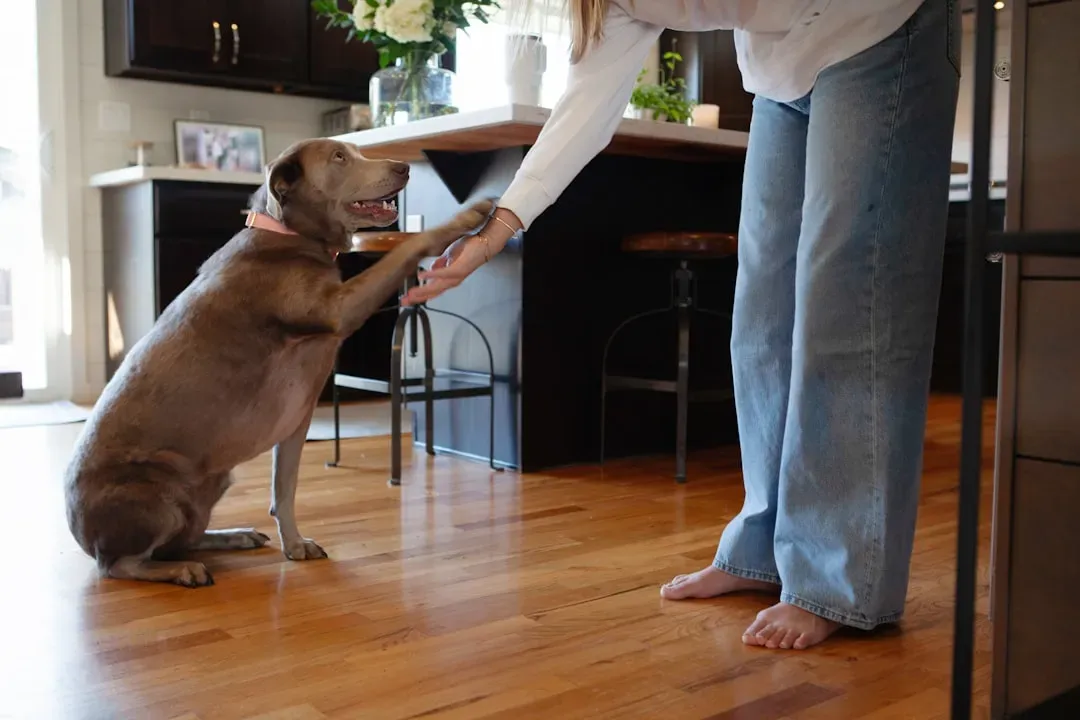
Dogs frequently experience internal conflict when facing opposing desires. For example, a dog might want to greet a visitor while simultaneously feeling afraid. This creates confusing body language where the dog alternates between or simultaneously displays aggressive and appeasing signals. You’ll see it at the front door. The dog rushes forward, then retreats. They bark and then cower. They approach a stranger and then spin away.
Displacement behaviors are typically triggered by situations where a dog experiences internal conflict, such as feeling pulled between wanting to engage positively and fear or anxiety about the interaction. A dog may want to greet another friendly dog but feels anxious, resulting in behaviors like sniffing the ground. In these moments, forcing your dog to “be friendly” can escalate their distress significantly. When faced with mixed signals, the safest approach is to give the dog space and not force interaction. Forcing a dog into an interaction when it’s showing signs of discomfort can escalate the situation. Let your dog set the pace. Small wins build real confidence.
11. Sudden Changes in Appetite, Play Drive, or Sleep

Changes from a dog’s baseline behaviors can be signs of emotional distress. For example, a dog who suddenly loses interest in going for walks, playing fetch, or eating may be feeling emotionally off. These shifts can be subtle at first, easy to explain away as a “bad day.” But when they persist, they deserve attention. Emotional confusion sustained over time can affect a dog’s whole quality of life.
Sadness in dogs can manifest in several ways. Dogs may become less interested in their usual activities, such as walking or playing, and may show signs of clinginess or lethargy. Changes in appetite and sleep patterns can also indicate sadness. It’s crucial to rule out underlying medical conditions, because some symptoms of sadness can overlap with those of physical ailments. If your dog’s appetite or enthusiasm drops noticeably and stays that way for more than a few days, a vet visit is a smart first step. Physical pain and emotional confusion often look alike, and only a professional can help you tell the difference.
What You Can Do: Building Emotional Clarity for Your Dog

The most powerful thing you can offer an emotionally confused dog is consistency and calm. Effective dog communication depends on clarity and consistency. When your words, tone, and body language all tell the same story, your dog doesn’t have to work so hard to decode you. That reduction in guesswork is genuinely stress-reducing for them.
Neglecting a dog’s mental and emotional well-being can have serious and long-lasting effects on their overall health and behavior. Just like any other animal, dogs need mental stimulation, emotional support, and a sense of safety to thrive. Learning to read their signals, responding thoughtfully rather than reactively, and creating predictable routines are not optional extras. They’re the foundation of a healthy relationship.
No dog body language signals act alone. They’re all part of a package. When you read a dog’s communication, look at every signal the dog is using, from the tail height to the eye shape. The dog in front of you is always talking. Once you learn the language, what used to look like strange or frustrating behavior starts to read as exactly what it is: a dog doing their very best to tell you the truth.
Conclusion
Emotional confusion in dogs isn’t a flaw. It’s a natural response to a world that’s often too fast, too loud, or too inconsistent for their finely tuned senses. The head tilt, the freeze, the stress zoomies, the averted gaze, they’re all chapters in a story your dog is trying to tell you every single day.
The good news is that you don’t need to be a trained animal behaviorist to make a difference. You just need to slow down, pay attention, and take your dog’s signals seriously. The foundation of any strong relationship is communication. When you dismiss your dog’s body language or misinterpret their signals, you create confusion and erode trust. Conversely, when you learn to read the language they speak, the language of posture, facial expression, and movement, you open the door to genuine understanding.
Your dog has never stopped trying to reach you. The only question is whether you’re paying close enough attention to hear what they’re saying.


