
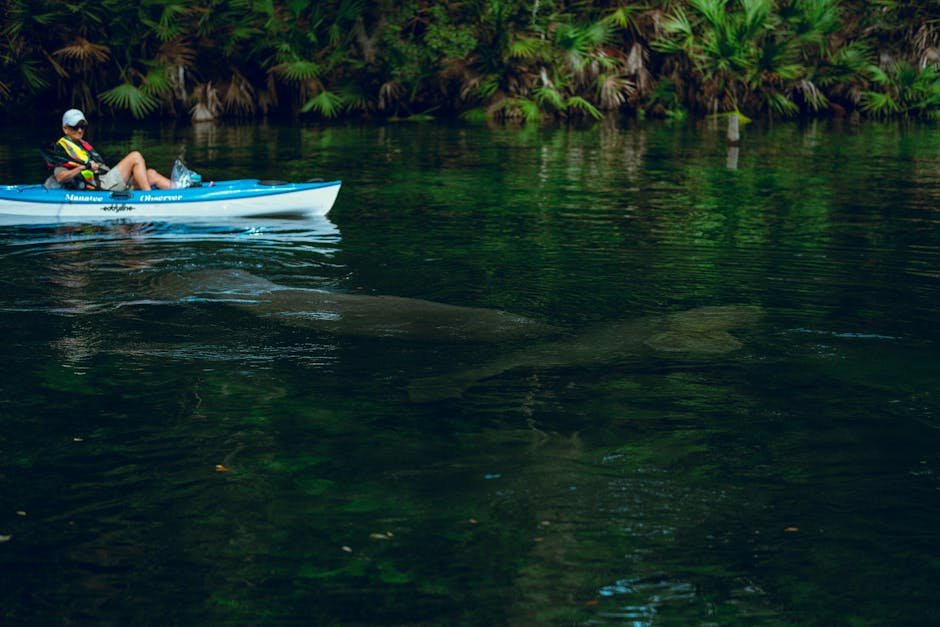
Florida – Gentle manatees navigate the state’s coastal waters, estuaries, and lagoons, sharing space with thousands of recreational boats. These slow-moving herbivores face severe risks from propellers, with collisions accounting for a significant portion of their mortality. Officials from the Florida Fish and Wildlife Conservation Commission continue to emphasize vigilance among boaters to curb these preventable tragedies.[1][2]
Recent Surge in Fatal Collisions
Boat strikes ranked among the top killers for Florida manatees in recent years. In 2025, the state recorded 632 manatee deaths, with watercraft collisions responsible for 25 percent of necropsied cases, totaling at least 98 incidents.[1] This figure marked a notable human-related threat, though total deaths fell below the five-year average of 731.
Early 2026 data revealed an even more concerning trend. Through March, 31 manatees died from watercraft strikes, surpassing the five-year average of 21 for the same period.[3] Such numbers highlight how increased boating activity during warmer months exacerbates the problem. Researchers noted that many carcasses bore scars from multiple prior encounters, indicating repeated vulnerability.[4]
Vulnerability of These Gentle Giants
Manatees inhabit shallow, slow-moving waters ideal for feeding on seagrasses but also popular with boaters. Their sluggish pace and tendency to surface for air every few minutes make detection challenging, especially in turbid conditions. Propeller gashes often prove fatal due to massive blood loss or infection.
A comprehensive study of necropsies from 2007 to 2016 uncovered stark patterns. One in every four adult manatee carcasses showed evidence of 10 or more watercraft strikes, with only 4 percent lacking any scars.[4] Sublethal injuries compound over time, impairing mobility, reproduction, and overall health. Calves and subadults suffer less scarring but remain at risk in high-traffic areas.
Key Boating Practices to Prevent Strikes
Authorities established manatee protection zones with clear signage to guide vessel operators. Seasonal slow-speed areas activate from April 1 through November 15 in known habitats, requiring boats to idle or proceed at minimum wake.[2] Compliance reduces collision risks significantly.
Boaters can adopt simple habits for safer waterways:
- Wear polarized sunglasses to spot manatees beneath the surface glare.
- Assign a dedicated lookout scanning for swirls, snouts, tails, or breathing sounds.
- Stick to deep channels and avoid seagrass beds or shallows.
- Maintain at least 50 feet from any sighted manatee.
- Obey all posted speed signs without exception.
Personal watercraft operators face similar rules, as these vessels can stir sediments and disturb feeding grounds. Avoiding litter like monofilament lines prevents additional entanglements.
Ongoing Rescue and Monitoring Efforts
The Florida Fish and Wildlife Conservation Commission coordinates rapid responses through five regional stations. Trained teams salvage carcasses for necropsies and rescue injured animals, aiding survival assessments. In 2025, rescuers treated a record 33 manatees for watercraft wounds.[1]
Public reports prove crucial. Boaters who strike a manatee should immediately call the Wildlife Alert Hotline at 888-404-FWCC or *FWC from a cell phone. Quick intervention boosts recovery odds, while data informs zone adjustments and enforcement.
Boat strikes remain a leading preventable cause of manatee mortality, demanding collective action from Florida’s boating community. Simple steps like slowing down preserve these iconic species for future generations. What steps will you take next time you’re on the water? Tell us in the comments.


