
Wisconsin is a state made for dogs. Between the sprawling lakeshores, snowy winters, dense woodlands, and tight-knit family communities, it’s no surprise that Badger State residents take their canine companions seriously. Walk through any neighborhood in Madison, Green Bay, or Milwaukee and you’ll spot a steady parade of wagging tails and muddy paws.
What makes Wisconsin’s dog culture especially interesting is the variety. The state has its own official dog breed – one that was literally born here – while also sharing a deep love for some of the most universally adored breeds in the country. Whether you’re a longtime dog parent or someone thinking about bringing a new pup home, knowing what breeds thrive in Wisconsin’s climate and lifestyle is a genuinely useful starting point.
1. Labrador Retriever – Wisconsin’s All-Time Favorite
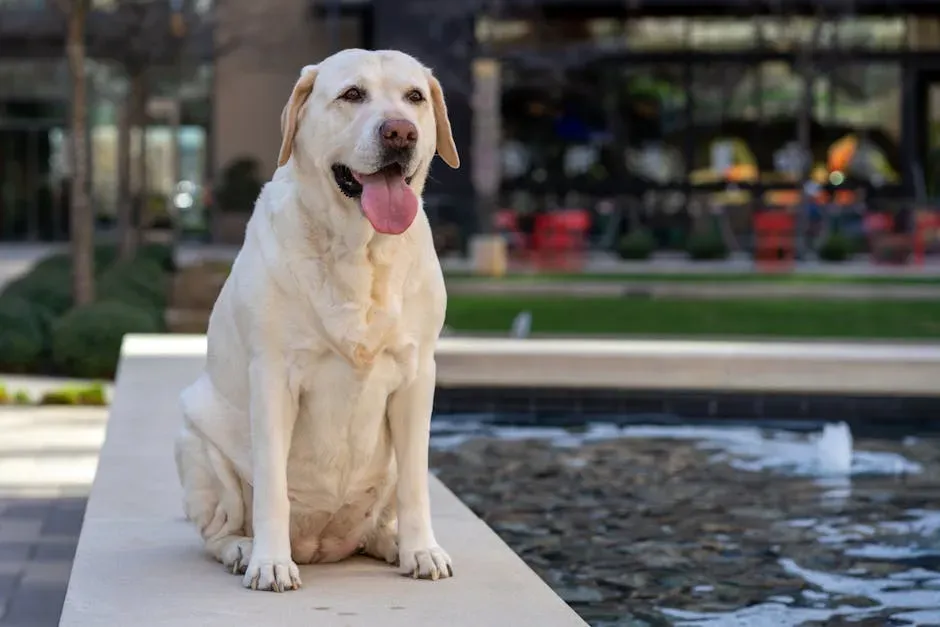
According to U.S. News and World Report, which used data from the American Pet Products Association’s National Pet Owners Survey, the Labrador Retriever is the top choice of Wisconsin pet owners, with the Golden Retriever and German Shepherd rounding out second and third place. It’s a breed that genuinely fits the Wisconsin way of life – outdoorsy, family-focused, and built for adventure in all four seasons.
Labs are in demand largely because of their versatility and easygoing temperament. They’re also popular guide and rescue dogs since they can easily be trained to perform a variety of tasks. If you own one, you already know the joy of watching them launch themselves into a lake without a second thought. Keep an eye on their joints as they age – hip dysplasia is a real concern in the breed – and maintain a healthy weight through portion control and consistent exercise.
2. Golden Retriever – The Sunshine Dog of the Midwest
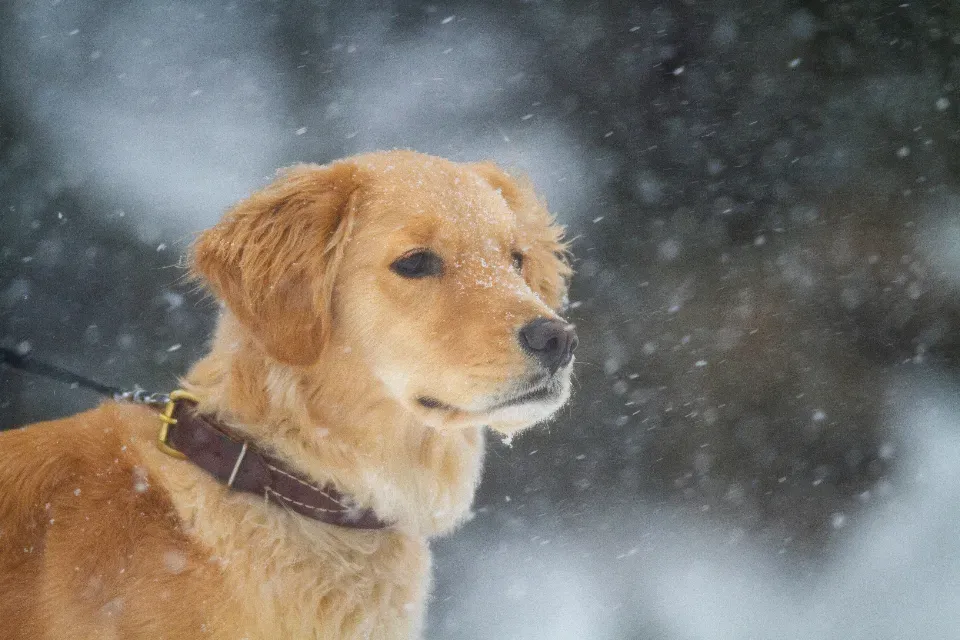
Golden Retrievers are ranked as the most favored dog breed in both Wisconsin and Michigan, which speaks to just how deeply this breed resonates with Midwestern families. Golden Retrievers have a beautiful golden coat and a gentle nature, making them popular family dogs that are smart and easily trainable. They’re practically built for snowy backyard games and long cabin weekends.
Golden Retrievers are usually healthy dogs, but some may have allergies, heart disease, eye issues, and hip dysplasia. Routine vet checkups, especially cardiac screenings as they enter their senior years, can make a real difference. Golden Retrievers are known for being great with children and easy to train due to their energetic personalities and their strong bond with their owners. That bond, by the way, is not just adorable – it’s a real training asset that first-time dog owners can lean into right from day one.
3. German Shepherd – Loyal, Driven, and Built for Wisconsin Winters
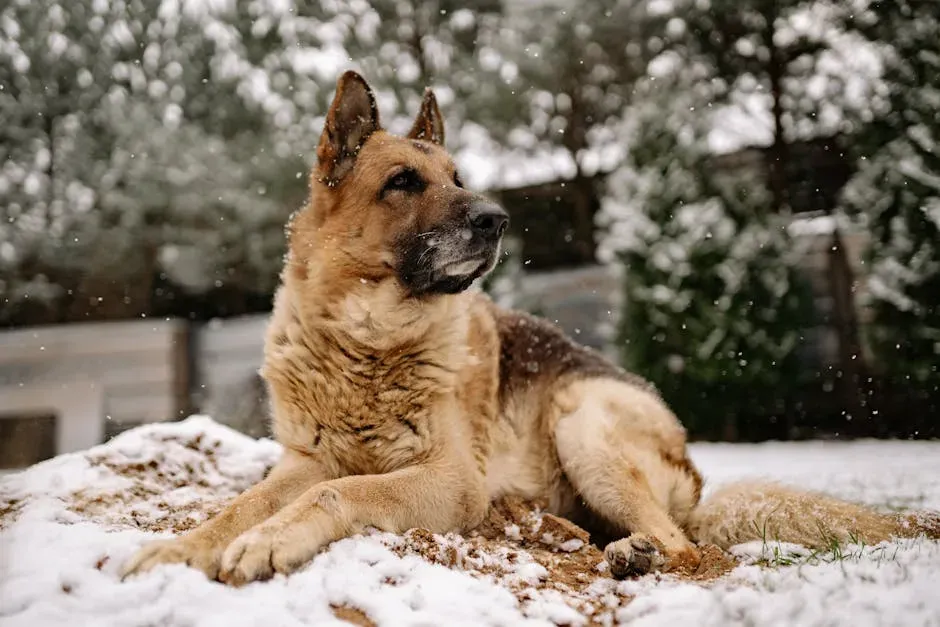
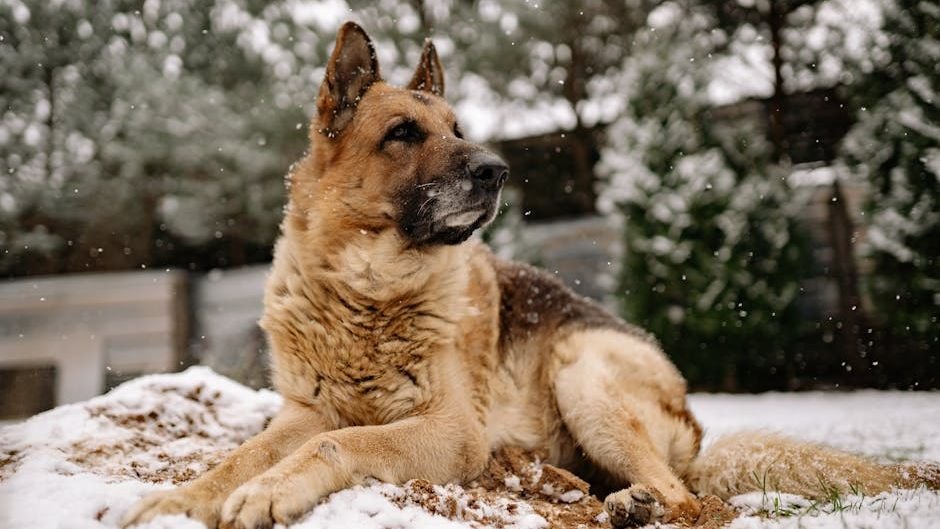
German Shepherds are large yet agile, muscular and highly intelligent dogs. They’re a breed known for their confidence, loyalty, and bravery. These pups love having a job to do, and German Shepherds are commonly used as working dogs in the military and police for patrolling, bomb sniffing, and search and rescue. In Wisconsin, they’re equally at home doing a different kind of job: being the steadfast protector and companion of a busy family.
Although they have a long life expectancy for a large breed dog, they are prone to health issues such as gastric dilation and volvulus, which can be life-threatening, as well as cancer, allergies, and heart disease. German Shepherds should be fed a large breed-appropriate diet, and puppies should be fed a large breed puppy food. Avoid feeding right before or after heavy exercise, and watch for signs of bloat – it’s one of the most urgent health emergencies a German Shepherd owner can face.
4. French Bulldog – The City Dog Making Rural Inroads

French Bulldogs have quickly gained popularity over the last decade due to their size and adaptability. They work well in cities and apartments, allowing people with small spaces to have a dog as well. In Wisconsin, their appeal has spread well beyond Milwaukee’s urban core. French Bulldogs are affectionate and playful, but also protective, which makes them the perfect watchdogs. They’re great companions for all ages.
One thing every Frenchie owner in Wisconsin needs to stay on top of: this breed does not handle extreme heat or cold well due to its flat face and compact airways. In Wisconsin winters, keep outdoor excursions short and invest in a good dog coat. Brachycephalic Obstructive Airway Syndrome is worth discussing with your vet early. Regular breathing checks and avoiding overexertion go a long way toward keeping these little personalities healthy and happy for the long haul.
5. Beagle – The Nose-First Explorer of the Northwoods
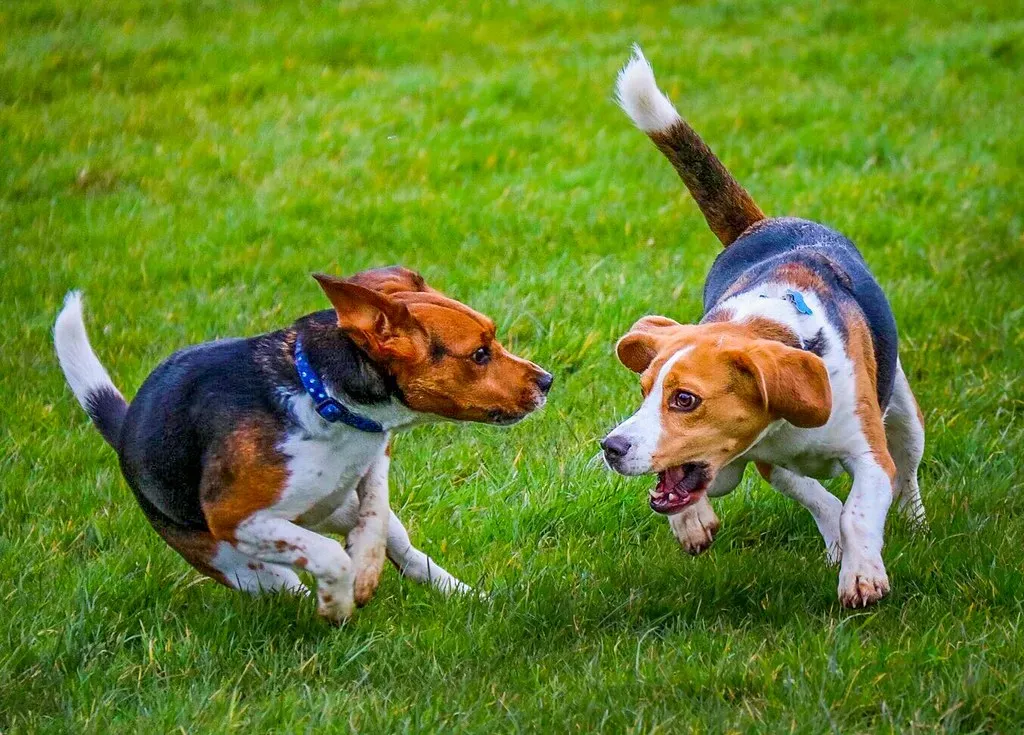
Beagles are famously led by their nose. This makes them a curious breed, but they’re also loving, affectionate, and active. Their sense of smell keeps their nose to the ground, and they love wagging their tails. Wisconsin’s forested trails and wide-open countryside are basically paradise for a Beagle. They’ll sniff every inch of a hiking path and come home genuinely fulfilled.
Beagles are also very smart, but they can be willful and have a short attention span when it comes to training. They respond best when you tap into their food-motivated nature. Common health issues that can afflict Beagles include ear infections, allergies, cherry eye, and obesity. Feeding your Beagle the recommended serving size of a size, age, and breed-appropriate diet will help prevent obesity. Keep ears clean and dry after any outdoor adventures – wet floppy ears are prime territory for infections.
6. Poodle – More Athlete Than Ornament
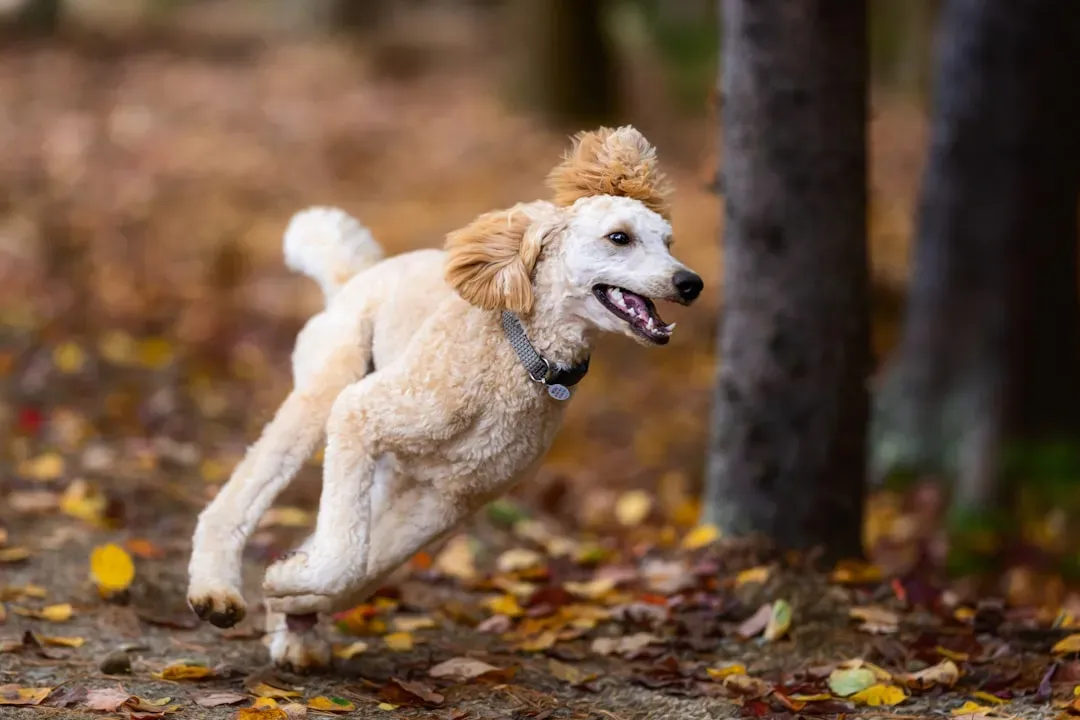
As an athletic, smart, and good-natured breed, the Poodle rounds out the top popular dog breeds. This breed comes in three distinct sizes: Standard, Miniature, and Toy. Their recognizable curly coat gives them their reputation as “hypoallergenic” dogs and requires regular and consistent grooming by a professional to stay healthy and mat-free. Wisconsin families with allergies often gravitate toward Poodles for exactly this reason.
Poodles generally have a kind and friendly personality, but they’re very energetic and do best with regular exercise and training. A few health issues to keep an eye on include hip dysplasia, idiopathic epilepsy, and Von Willebrand disease. The Standard Poodle in particular is a phenomenal outdoor companion – they enjoy cold weather far more than most people expect and love retrieving games in the snow. Don’t let the fancy haircut fool you; this is a working dog at heart.
7. Dachshund – Small Legs, Enormous Personality
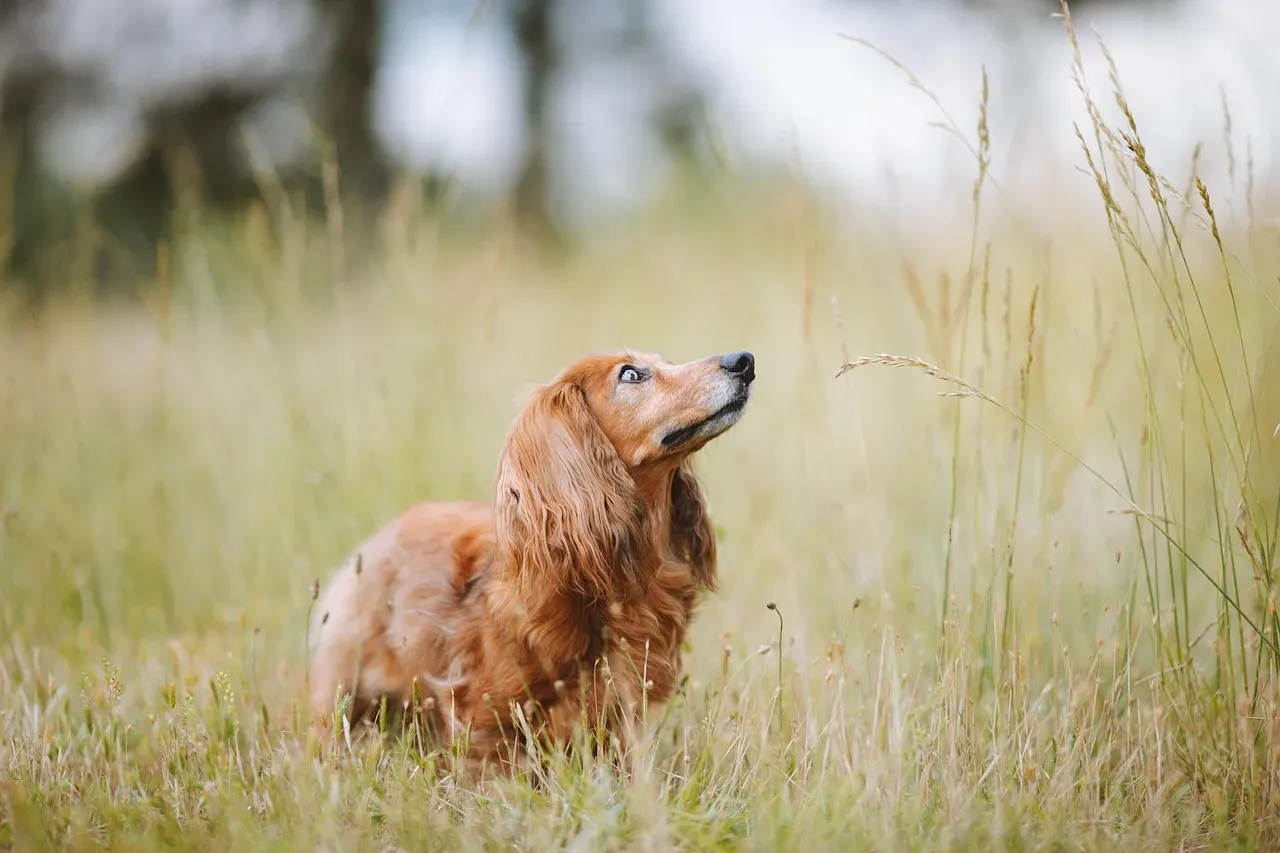
Originally bred for hunting badgers, Dachshunds have a distinct physical appearance with a long body and short legs. They’re generally good with young children and other dogs, making them suitable for families. Dachshunds come in two sizes – standard and miniature – and three coat types: smooth, wirehaired, and longhaired. Wisconsin winters call for the longhaired variety, honestly – that extra coat makes a real difference on a frosty morning walk.
The single most important health tip for any Dachshund owner: protect that spine. Their elongated body makes them highly prone to intervertebral disc disease (IVDD). Avoid letting them jump on and off furniture without a ramp, and skip high-impact rough play. Instead of high-impact activities, Dachshund pet parents should try low-impact, brain-stimulating activities like scent tracking, nose work, and puzzle toys. These are breeds that thrive on mental challenges just as much as physical ones.
8. Boxer – The Perpetual Puppy With a Heart of Gold
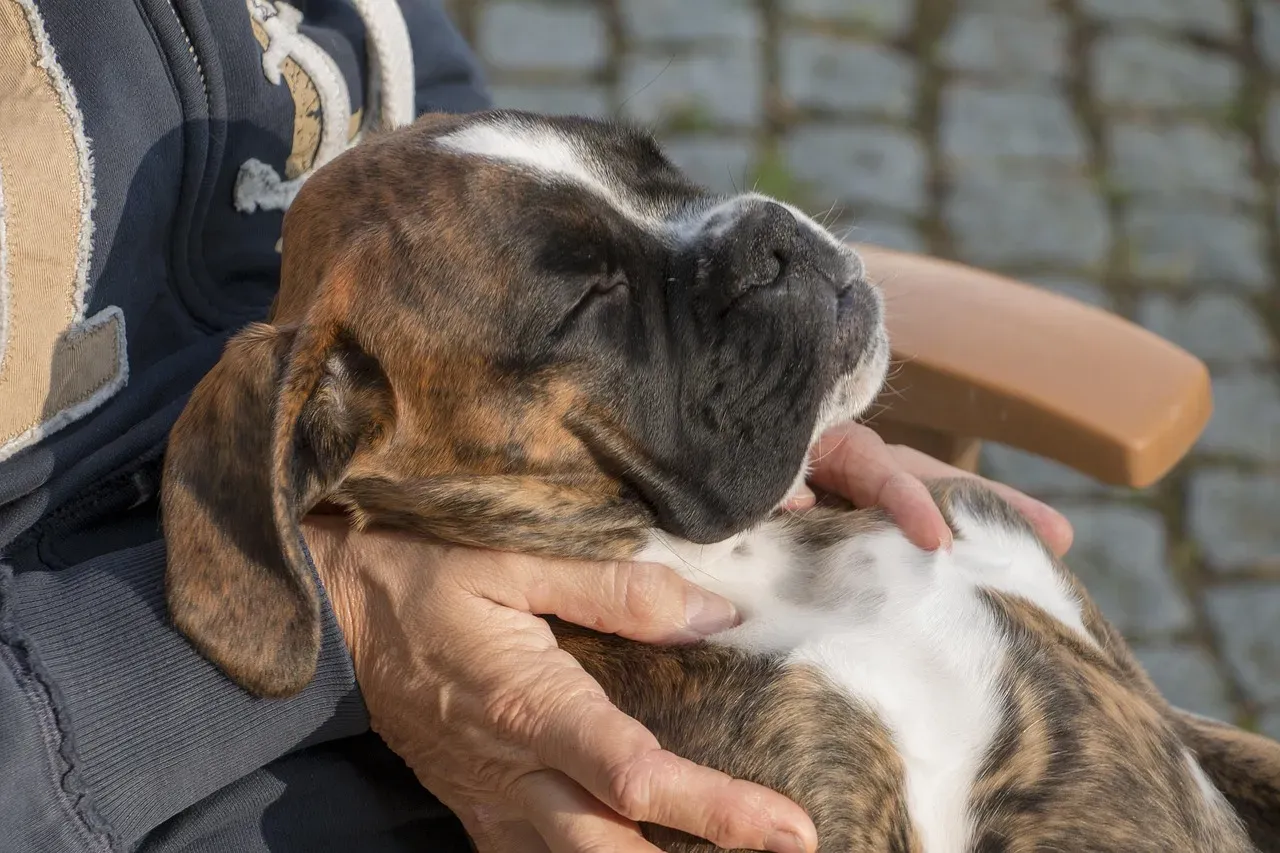
Boxers have a devoted following across Wisconsin, especially among active families with kids. The breed is known for its boundless energy, goofy playfulness, and fierce loyalty. They tend to mature slowly – a Boxer at three years old might still behave like a puppy – which can be exhausting or endearing, depending on your patience level. Most Boxer owners will tell you it’s mostly the latter.
Health-wise, Boxers are prone to certain types of heart conditions, particularly dilated cardiomyopathy, and owners should ensure annual cardiac screenings become part of the routine. They’re also a brachycephalic breed, meaning their shortened snouts can cause breathing difficulty in extreme heat. During Wisconsin summers, keep exercise to cooler parts of the day, ensure access to shade and fresh water, and watch for signs of overheating. Their deep social nature means they do poorly with long hours alone – a second dog or a structured daily routine can genuinely help.
9. American Water Spaniel – Wisconsin’s Own Native Breed
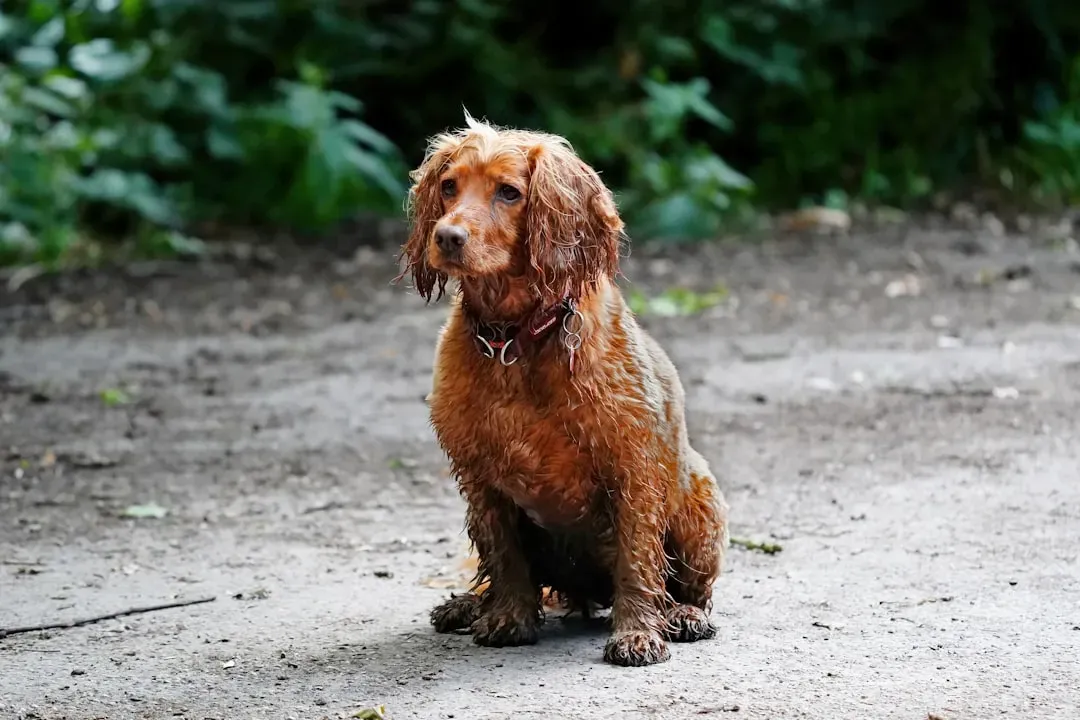
Wisconsin is home to the American Water Spaniel, a versatile hunting dog bred to help hunt from boats. It is the only dog breed thought to be native to Wisconsin. The breed was made the official state dog of Wisconsin in 1985. It was developed in the state of Wisconsin during the 19th century from a number of other breeds, including the Irish and English Water Spaniels.
Hunters needed a dog that could work on both land and water, a versatile hunter skilled at bringing in a variety of game. They also wanted a hunting dog compact enough to be transported in a small skiff, one that was able to withstand Wisconsin’s cold water temperatures. A versatile hunting dog, the American Water Spaniel is also suitable for apartment life due to work by breeders to develop a breed with an even temperament. If you want a dog with a deep Wisconsin story and a personality to match, this one deserves serious consideration – even if finding a reputable breeder takes a bit more effort.
10. Bernese Mountain Dog – Made for Wisconsin’s Wide Open Spaces
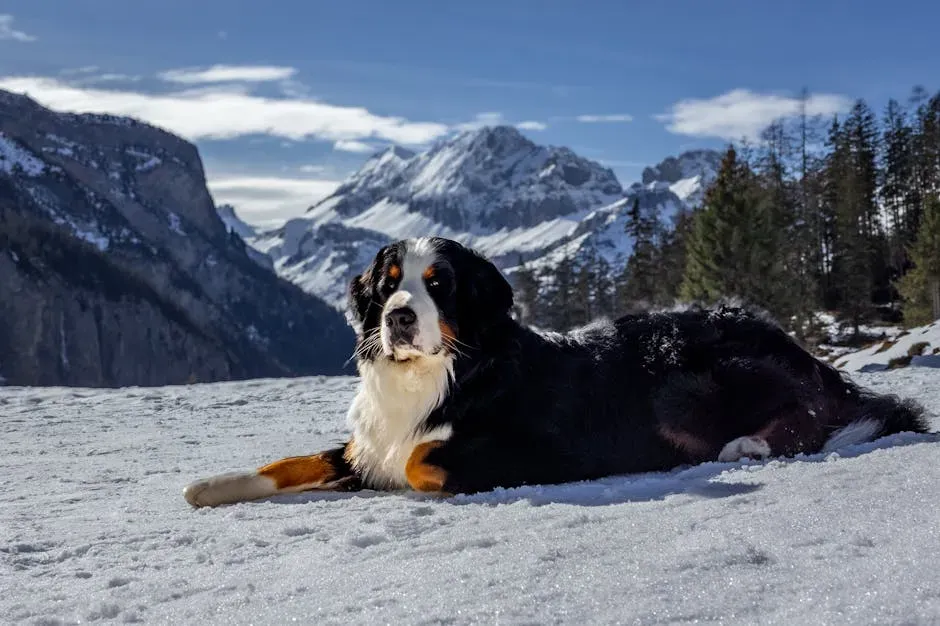
The Bernese Mountain Dog is a hearty working dog that’s easy to train and intelligent. This large breed can be up to 27.5 inches tall and weigh as much as 115 pounds. Their coat is typically black, brown, and white, with long, silky hair. In Wisconsin’s rugged winters, a Berner is in their element – cold temperatures that send other breeds indoors are practically an invitation for a Berner to romp outside.
The downside of this magnificent breed is their relatively short lifespan and a higher-than-average rate of cancer diagnoses. Responsible breeding and regular vet screenings matter more with Berners than with most breeds. They’re gentle with children, patient with strangers, and calm enough for family life – but they do shed generously, so invest in a quality vacuum and accept the fur as part of the deal. They more than earn their place in any Wisconsin household willing to give them the outdoor time they crave.
Finding the Right Fit for Your Wisconsin Life
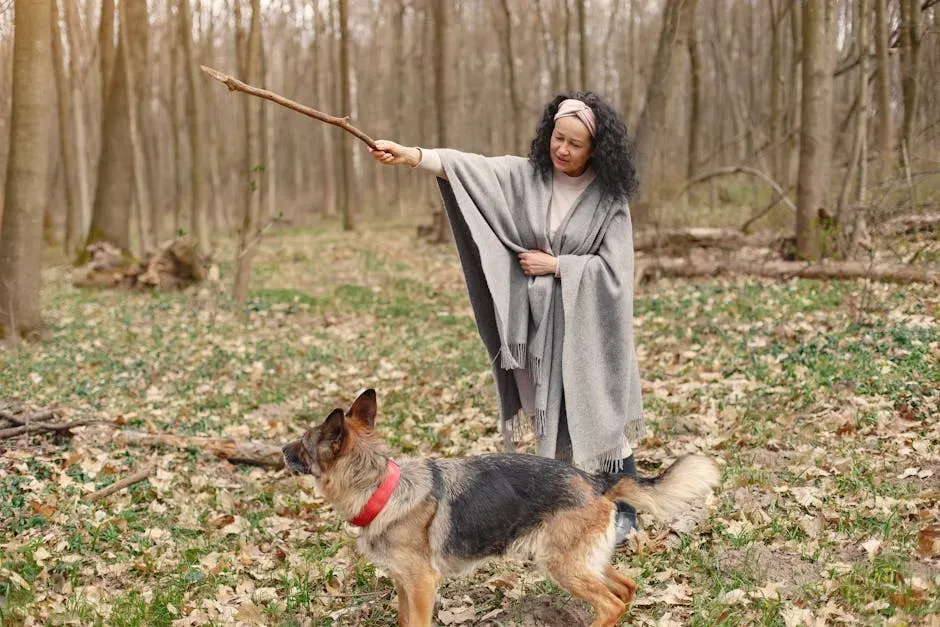
Choosing a dog isn’t just about which breed is most popular – it’s about which breed makes sense for your space, your schedule, and your lifestyle. A German Shepherd in a small apartment without proper exercise is a recipe for frustration on both ends. A Bernese Mountain Dog in a home without a yard might struggle. Matching the dog to the environment is the kindest thing you can do for any animal.
Wisconsin offers genuinely wonderful conditions for dog ownership: open parks, nature trails, dog-friendly communities, and four distinct seasons that most sporting and working breeds actually enjoy. Labrador Retrievers and Golden Retrievers make the AKC’s list of the best family dogs. They’re known for their affectionate nature and receptivity to training. Whatever breed speaks to you, prioritize meeting the dog before committing, speak openly with your vet about breed-specific health risks, and if you can, consider adoption first.
The truth is, the best dog in Wisconsin isn’t necessarily the most popular one – it’s the one that fits into your life so naturally it feels like they were always supposed to be there.


