
Sagebrush Under Threat: USFWS Drives Restoration with Millions in New Funding
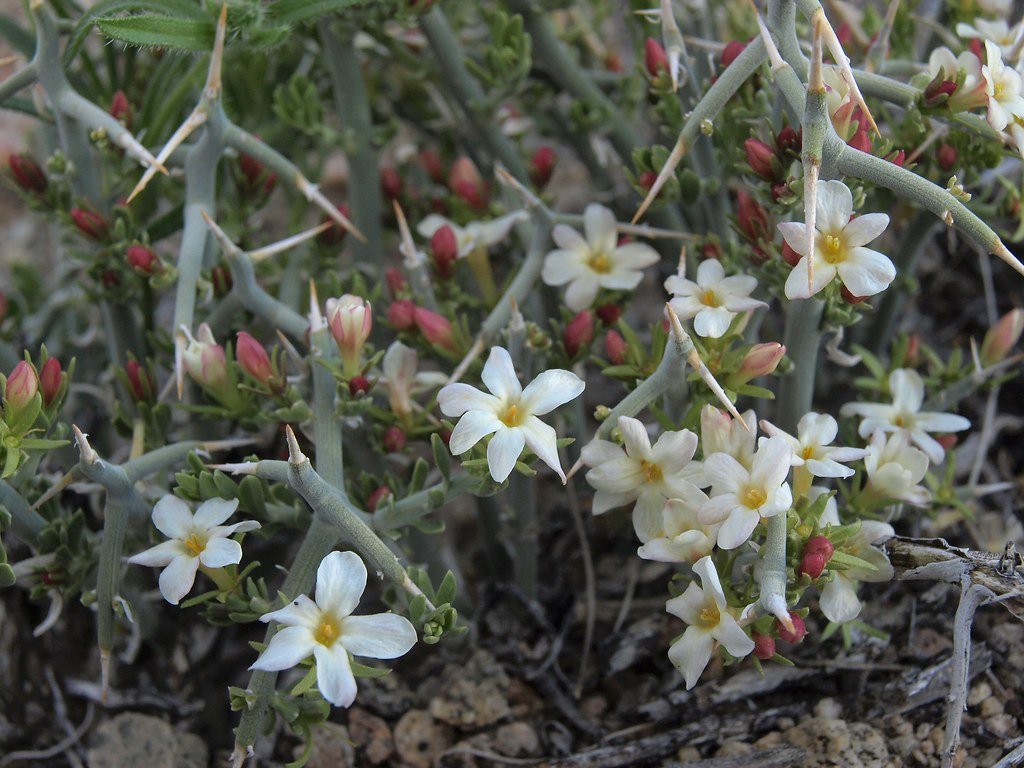
Western United States – The sagebrush ecosystem covers more than 175 million acres across public and private lands, providing essential habitat for over 350 wildlife species, including the greater sage-grouse.[1][2] This vast landscape supports rural economies through livestock grazing and serves as a critical source of water and carbon storage. The U.S. Fish and Wildlife Service stepped up conservation efforts recently, announcing nearly $10 million for restoration projects amid accelerating losses from climate change and invasive species.[3][4]
The Mounting Pressures on Sagebrush Lands
Conservationists reported that the sagebrush ecosystem has shrunk to about half its historical range, with more than one million acres lost annually.[2] Invasive annual grasses like cheatgrass fueled unprecedented wildfires, while encroaching conifers shaded out native shrubs and depleted soil moisture. Drought intensified these challenges, exacerbating habitat fragmentation for species dependent on intact sagebrush.
Development pressures compounded the issue. Energy projects, including oil, gas, solar, and wind farms, converted large areas, while agricultural expansion and overgrazing further degraded the land. The U.S. Geological Survey highlighted these trends in recent assessments, prompting urgent action from federal agencies.
Defend the Core, Grow the Core
The U.S. Fish and Wildlife Service adopted a targeted “Defend the Core, Grow the Core” strategy, endorsed by the Western Governors Association. This approach prioritized high-quality sagebrush areas using the Sagebrush Conservation Design, a science-based tool developed with partners like the U.S. Department of Agriculture.[1] Officials focused resources on protecting intact habitats and expanding them through restoration.
Tim Kramer, a Service biologist, noted that Wyoming retained some of the best intact sagebrush-steppe habitat, making it a prime focus for interventions.[2] Projects emphasized voluntary measures on working rangelands, reducing regulatory risks for ranchers and energy operators while benefiting wildlife.
Federal Funding Ignites On-the-Ground Action
In October 2024, the Service allocated nearly $10 million for collaborative restoration across the West.[3][4] This included $308,500 in northwestern Nevada for herbicide treatments and native seeding with the Summit Lake Paiute Tribe, and $206,346 to the Ute Mountain Ute Tribe in Colorado for 7,000 acres benefiting Gunnison sage-grouse.
Broader investments from the Bipartisan Infrastructure Law provided $455 million over five years, supporting nearly $40 million in projects leveraged three-to-one with partner funds.[1] The Inflation Reduction Act bolstered efforts like the Wyoming Invasive Annual Grass Management Collaborative, which treated 25,000 acres and planned 50,000 more.[2]
| Project Location | Funding | Focus |
|---|---|---|
| Nevada | $308,500 | Invasive grass control |
| Colorado | $206,346 | 7,000 acres for sage-grouse |
| Idaho | $172,000 | Stream habitat rehab |
Partnerships Power Lasting Change
Tribes, states, and federal agencies united under initiatives like the Sagebrush Landscape Collaborative. The Bureau of Land Management launched the Hi-Line Sagebrush Anchor project to remove conifers from 20,000 acres over a decade, while the National Park Service targeted 10,000 acres at Craters of the Moon.[2]
- Western Association of Fish and Wildlife Agencies coordinated science gaps.
- USDA’s Natural Resources Conservation Service supported working lands.
- Tribal nations led water protection and habitat projects on vast acreages.
- Private landowners contributed through voluntary conservation.
- University of Wyoming’s IMAGINE institute advanced invasive grass management.
These collaborations delivered over 200 habitat projects since 2022, creating jobs and enhancing migration corridors for big game.
Equipped with Cutting-Edge Tools
The Service integrated data platforms like the Grassland and Sagebrush Conservation Portal and project dashboards tracking fiscal years 2022 through 2025.[1] Story maps highlighted successes, such as beaver-inspired wildfire recovery in Washington state.[3]
Matt Kales, a Service leader, emphasized the ecosystem’s value: “From wildlife and tribal lifeways to water resources and energy to food and fiber, this is a vital place, one worth fighting for.”[2]
Key Takeaways
- Sagebrush spans 175 million acres but loses over 1 million yearly to invasives and fire.
- $10 million in 2024 funding targets tribal and state restoration projects.
- “Defend the Core” strategy uses SCD to prioritize high-impact actions.
As threats persist, the U.S. Fish and Wildlife Service’s investments signal a turning point for sagebrush resilience, blending science, funding, and collaboration to sustain this cornerstone of the West. What do you think about these conservation efforts? Tell us in the comments.